Quick Info
Curated Experiences
Sannai Maruyama Archaeological Site Guided Tour from Aomori
Aomori History Tour Including Sannai Maruyama Site
Private Jomon Heritage Tour to Sannai Maruyama
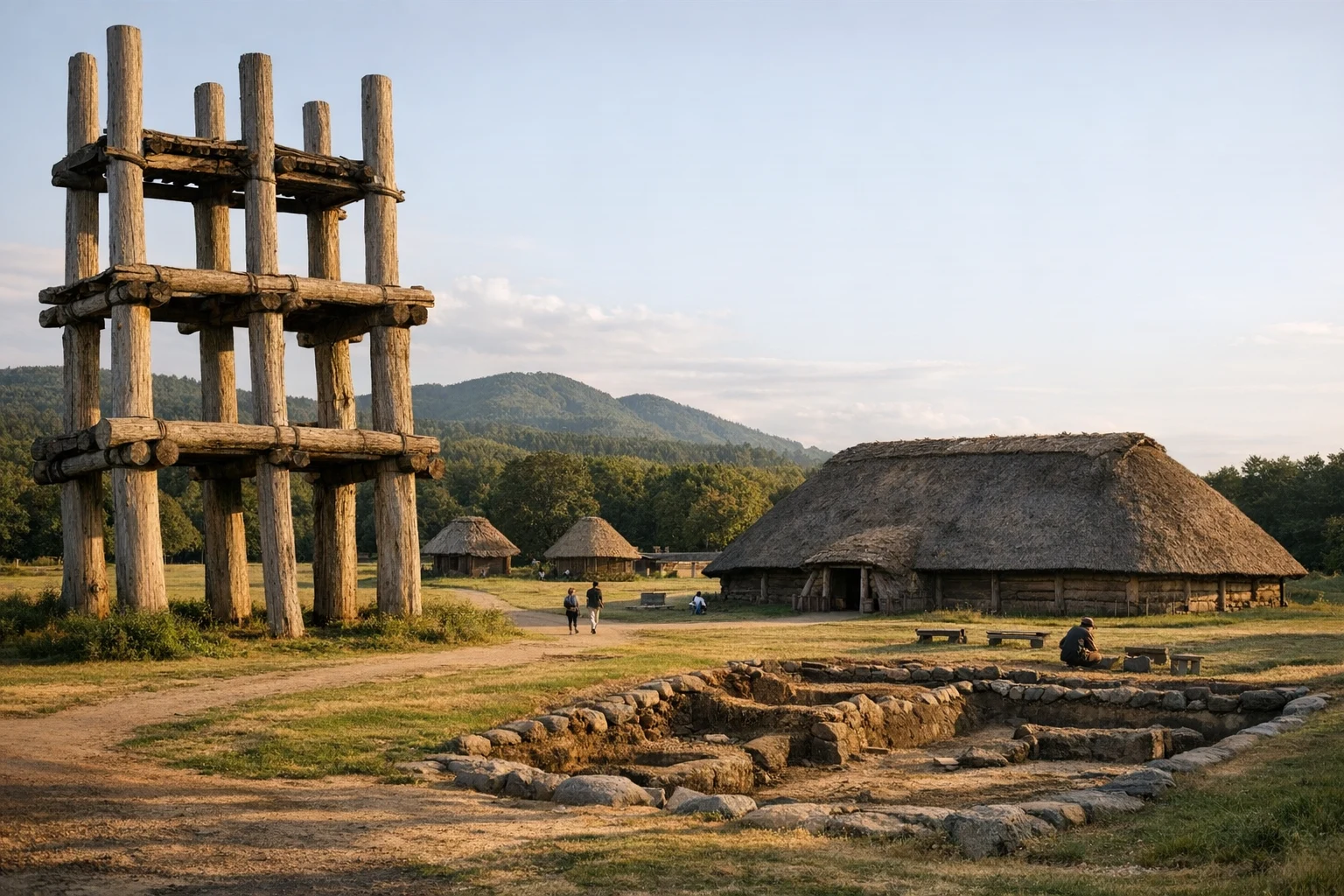
Sannai Maruyama Archaeological Site in Japan is one of those places that quietly overturns assumptions. Set near modern Aomori in the far north of Honshu, it does not present itself with the drama of a great castle, a monumental temple, or a skyline of stone ruins. Instead, it opens across a broad, grassy landscape where reconstructed pit dwellings, longhouses, raised buildings, and immense wooden posts suggest something at once more elusive and more profound: a prehistoric community that endured for centuries and left behind evidence of social complexity, ritual life, craft production, trade, and environmental knowledge. At first glance, the site may seem understated. Then the scale of what it represents begins to settle in. This was not a brief encampment or a scattering of primitive huts. It was one of the most important known settlements of the Jomon period, a place that forces visitors to rethink what prehistoric life in Japan could look like.
That shift in perspective is what makes Sannai Maruyama so memorable. Here, the deep past becomes unexpectedly legible. Storage pits, house foundations, burial areas, pottery, tools, ornaments, and carefully reconstructed structures together evoke a society that was settled, adaptive, and richly textured thousands of years before the rise of states, written history, or monumental court culture in Japan. The site belongs to a prehistoric world, but it does not feel abstract. It feels human. You can imagine smoke rising from sunken dwellings, food being stored and prepared, children moving between houses, crafts being made, and rituals performed in spaces that remain only partly understood. Sannai Maruyama does not overwhelm through monumentality. It works by restoring depth to human time and by showing how much social life can flourish without cities, palaces, or empires.
History
The Jomon World Before Sannai Maruyama
To understand Sannai Maruyama, it helps to step back into the long arc of the Jomon period, one of the most distinctive prehistoric cultural traditions in the world. The Jomon spans many millennia in the Japanese archipelago and is generally associated with pottery-making, hunting, fishing, gathering, and increasingly varied settlement forms long before the emergence of rice-based agricultural states. The name “Jomon,” referring to cord-marked pottery, comes from one of the period’s most visible artistic signatures, but the culture it represents was far more diverse and adaptive than a single pottery style suggests.
Northern Honshu, where Sannai Maruyama is located, offered rich ecological conditions for sustained settlement. Forests, rivers, coasts, nuts, fish, game, and seasonal plant resources created the possibility of long-term habitation. The people of the Jomon were not static or simplistic “primitive” foragers. Across different regions and periods, they developed complex lifeways, ritual practices, material culture, and broad exchange networks. Sannai Maruyama belongs to this wider world, but it stands out because of the scale, duration, and richness of its archaeological record.
Flourishing in the Early and Middle Jomon
Sannai Maruyama is generally dated to the Early and Middle Jomon periods, with major occupation stretching roughly from 3900 to 2200 BCE. During this long span, the settlement expanded into one of the largest known Jomon communities in Japan. Excavations revealed pit dwellings, longhouses, storage pits, graves, refuse deposits, post-built structures, and huge quantities of artifacts, including pottery, stone tools, bone objects, ornaments, lacquerware, clay figurines, and traces of plant use. This combination transformed the site from an ordinary discovery into one of the key places for understanding Jomon society.
What makes this period especially significant is the evidence for a relatively stable, long-lasting community rather than a series of brief occupations. The people of Sannai Maruyama appear to have managed local resources with great sophistication. Chestnuts, walnuts, fish, shellfish, hunted animals, and gathered plants all played roles in subsistence, and there is evidence suggesting deliberate plant management or arboricultural knowledge in some cases. The settlement’s scale implies social coordination and a degree of continuity not always associated, in popular imagination, with prehistoric hunter-gatherer societies.
The site also hints at regional exchange. Materials such as jade and obsidian found here indicate contact beyond the immediate area, connecting the settlement to wider networks. This matters because it shows that Sannai Maruyama was not an isolated village at the edge of the world. It was part of a broader prehistoric landscape of movement, trade, and communication.
Decline, Abandonment, and Burial in Time
Like many long-lived settlements, Sannai Maruyama eventually declined and was abandoned. The reasons remain debated and likely involve a combination of environmental change, shifting resource patterns, social transformation, and broader regional developments within the Jomon world. The site did not become a city in the later historical sense, nor did it evolve into the state-centered societies that would emerge much later in the Japanese archipelago. Instead, it receded from active use and was gradually covered by the ordinary processes of time.
This long burial was both loss and preservation. Because the site disappeared from everyday use, its archaeological deposits accumulated undisturbed enough to preserve extraordinary information about prehistoric life. In this sense, abandonment made possible its later rediscovery. Sannai Maruyama’s greatest contribution to modern knowledge comes not from continuous memory, but from the way ancient daily life remained encoded in soils, postholes, refuse layers, seeds, pottery, and traces of wood and tools waiting to be interpreted.
Rediscovery, Excavation, and World Heritage Recognition
The modern rediscovery of Sannai Maruyama in the 1990s transformed Japanese archaeology. Excavations conducted ahead of planned development revealed the scale and significance of the site so dramatically that construction plans were altered and a major preservation effort followed. This was a pivotal moment. What might have become just another cleared development zone instead became one of Japan’s most important archaeological heritage sites. Public attention grew quickly because Sannai Maruyama challenged older narratives that had underestimated the complexity of Jomon life.
Further excavation and research led to reconstructions, museum interpretation, and eventually international recognition. The site is now part of the UNESCO World Heritage listing “Jomon Prehistoric Sites in Northern Japan,” which acknowledges the importance of northern Japanese prehistoric cultures and their long development. Today Sannai Maruyama stands not only as an archaeological site, but as a symbol of how prehistoric communities in Japan were settled, inventive, and socially rich in ways that deserve global attention.
Key Features
One of the most immediately striking features of Sannai Maruyama is the broad open layout of the settlement. Unlike compact palace ruins or surviving temple complexes, this site spreads across a landscape where the spacing between structures matters. Reconstructed pit dwellings, longhouses, raised-floor buildings, and large post-supported structures give visitors a sense of how the community may have been organized. The openness is not emptiness. It is part of the archaeological story. It allows you to see how domestic, storage, and perhaps communal or ritual spaces related to one another within a living settlement.
The pit dwellings are among the most evocative elements. These semi-subterranean houses, reconstructed based on excavated remains, make prehistoric domestic life feel concrete in a way that abstract descriptions rarely do. Their forms show practical adaptation to climate and local conditions, while their distribution across the site suggests a real neighborhood pattern rather than isolated survival shelters. Walking among them helps visitors imagine daily rhythms: cooking, tool repair, conversation, rest, child-rearing, and the ordinary continuity of settled life over generations.
The site’s larger reconstructed buildings add another layer of fascination. The longhouses imply structures used for more than simple single-family residence, though their exact functions remain open to interpretation. Most visually dramatic of all is the reconstruction of the massive six-post tower-like structure. Even if scholars continue to debate its precise use, its scale is enough to signal that Sannai Maruyama supported architectural ambition and organized labor. It suggests lookout, storage, ritual, communal identity, or some combination of these possibilities. Whatever the answer, it makes clear that this prehistoric settlement included more than modest domestic architecture.
The museum and artifact displays are another essential feature because they bring the invisible dimensions of the site into view. Pottery, figurines, ornaments, tools, woven materials, and evidence of lacquerwork show the aesthetic and technical sophistication of the Jomon people. Sannai Maruyama is especially good at correcting the misconception that prehistoric societies were culturally sparse. The material remains here suggest beauty, symbolism, craft specialization, and care in everyday objects. Clay figurines and decorative items hint at ritual life and bodily adornment, while tools and food remains reveal ecological knowledge of remarkable depth.
The environmental context is also part of the site’s importance. Sannai Maruyama was not simply dropped onto an abstract plain. Its location made sense within a broader ecology of forest resources, riverine systems, and access to seasonal abundance. Modern interpretation at the site often emphasizes chestnut use, plant management, and subsistence diversity, helping visitors see the settlement not as an isolated curiosity but as a sophisticated adaptation to a specific landscape. This ecological intelligence is one of the most important aspects of the site, especially for those interested in how non-state societies sustained long-term communities.
Getting There
Sannai Maruyama Archaeological Site is located near Aomori City in Aomori Prefecture, making it one of the more accessible major archaeological sites in northern Japan. If you are already in Aomori, reaching the site is straightforward by taxi, local bus, or private car. The ride from central Aomori Station usually takes around 20 to 30 minutes depending on traffic, and taxi fares often fall in the rough range of ¥2,000 to ¥4,000. Local buses can be cheaper and are a practical option for budget travelers, though they require a bit more schedule awareness.
For travelers coming from farther away, Aomori is well connected by the Tohoku Shinkansen and by domestic flights, making the site feasible even as part of a broader northern Japan itinerary. Many visitors combine it with the Aomori Museum of Art nearby or with wider Tohoku travel plans. Car rental can be useful if you intend to explore more of the region, but it is not essential for visiting Sannai Maruyama alone.
Once at the site, getting around is easy on foot. The grounds are spacious but well organized, and the museum facilities add substantial context. Because much of the experience is outdoors, comfortable shoes and weather-appropriate clothing matter. This is not a difficult site logistically, which is part of its appeal: it offers very deep history without requiring heroic effort to reach.
When to Visit
Sannai Maruyama can be visited year-round, but the best time for most travelers is from late spring through autumn, when the outdoor reconstructions and open archaeological landscape are easiest to enjoy. In these months, the site’s scale reads especially well. Green grass, mild temperatures, and longer daylight make it more pleasant to wander slowly between dwellings, post structures, and museum spaces without rushing. Late spring and early summer are especially attractive if you want comfortable weather without the full heat and humidity of mid-summer.
Autumn is another excellent season. The cooler air suits longer walks, and the northern Japanese light can be beautiful across the open site. The earthy materials of the reconstructed buildings also look especially vivid against autumn tones. Summer is perfectly manageable, but it can be warmer than some travelers expect, so water and sun protection are still wise. Because the site is spacious and partly exposed, midday can feel more tiring in hotter months.
Winter offers a very different but potentially memorable atmosphere. Snow can transform the site into something stark, quiet, and deeply evocative, emphasizing the endurance and environmental adaptation of the Jomon people. The tradeoff is cold weather and a more demanding outdoor experience. If you are prepared for northern winter conditions, it can be beautiful; for most travelers, though, the site is easiest and fullest from May through October. Morning or early afternoon generally provides the best balance of light and time for both the outdoor remains and museum exhibits.
| Quick Facts | Details |
|---|---|
| Location | Aomori Prefecture, Japan |
| Best Known For | One of Japan’s largest and most important Jomon prehistoric settlements |
| UNESCO Status | Part of the Jomon Prehistoric Sites in Northern Japan |
| Main Occupation Period | c. 3900-2200 BCE |
| Cultural Tradition | Jomon |
| Signature Features | Pit dwellings, longhouses, storage pits, large post-built reconstructions |
| Recommended Visit Length | 2 to 4 hours |
| Nearby Base | Aomori City |
| Best Season | Late spring through autumn |
| Practical Tip | Combine the outdoor site with the museum exhibits to fully understand how complex Jomon life was |
Frequently Asked Questions
What is Sannai Maruyama Archaeological Site best known for?
Sannai Maruyama is best known as one of the largest and most important Jomon period settlements in Japan, with pit dwellings, raised structures, burials, and remarkable archaeological finds.
How old is the Sannai Maruyama Archaeological Site?
The site dates broadly to the Jomon period, with major occupation roughly between 3900 and 2200 BCE.
Is Sannai Maruyama a UNESCO World Heritage Site?
Yes. It is part of the UNESCO listing for the Jomon Prehistoric Sites in Northern Japan.
How much time should you spend at Sannai Maruyama?
Most visitors should allow at least 2 to 4 hours to explore the reconstructed settlement, museum exhibits, and outdoor archaeological areas properly.
Can you see reconstructed buildings at Sannai Maruyama?
Yes. The site includes reconstructed pit dwellings, longhouses, storehouses, and large wooden structures that help visitors understand Jomon settlement life.
When is the best time to visit Sannai Maruyama?
Late spring through autumn is especially pleasant for exploring the outdoor remains, though the site can be visited year-round and offers a different atmosphere in snow.
Nearby Ancient Sites
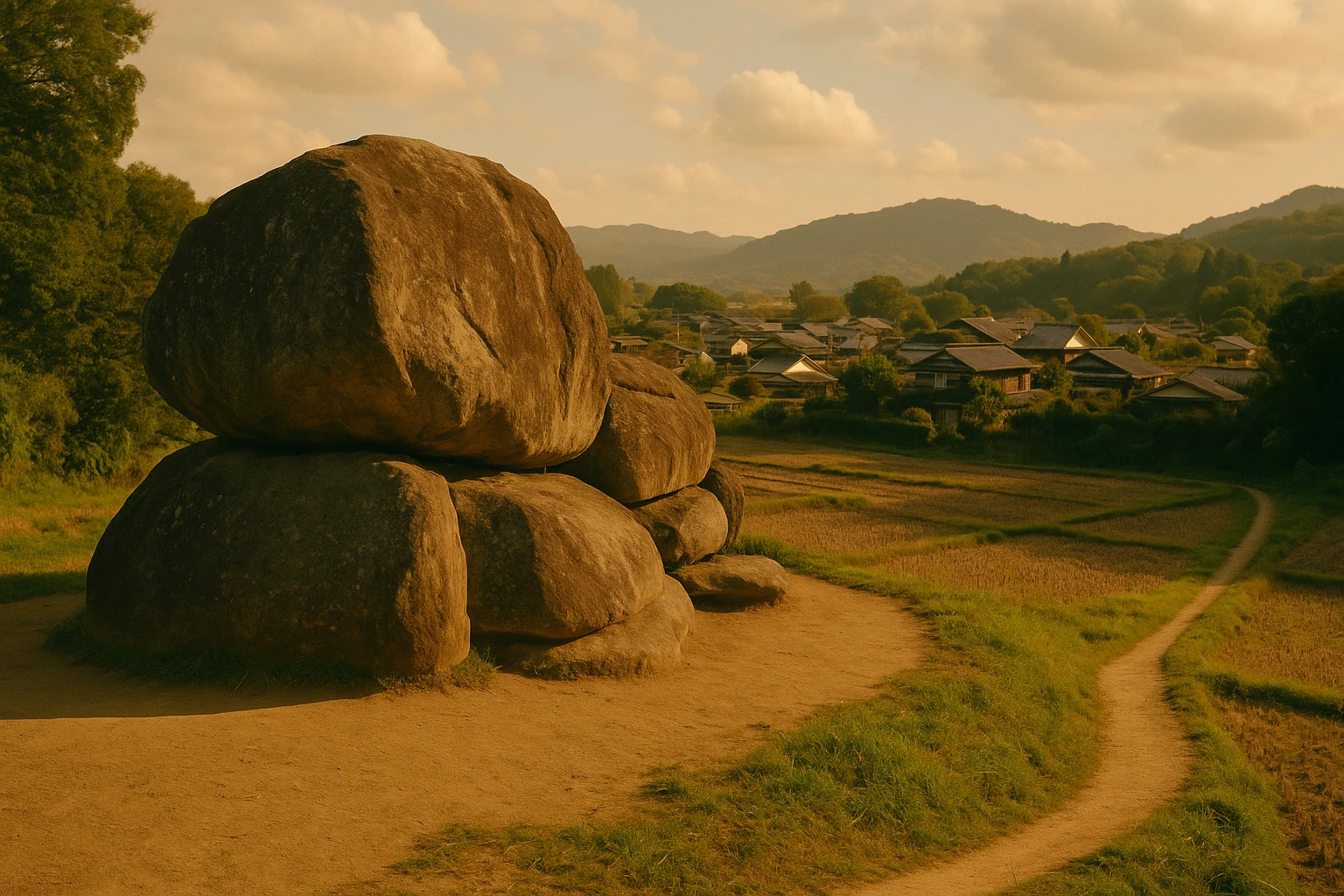
Asuka Historical Sites
Yamato CourtDiscover Asuka's ancient tombs, Buddhist temples, and enigmatic stone monuments — Japan's cradle of ...
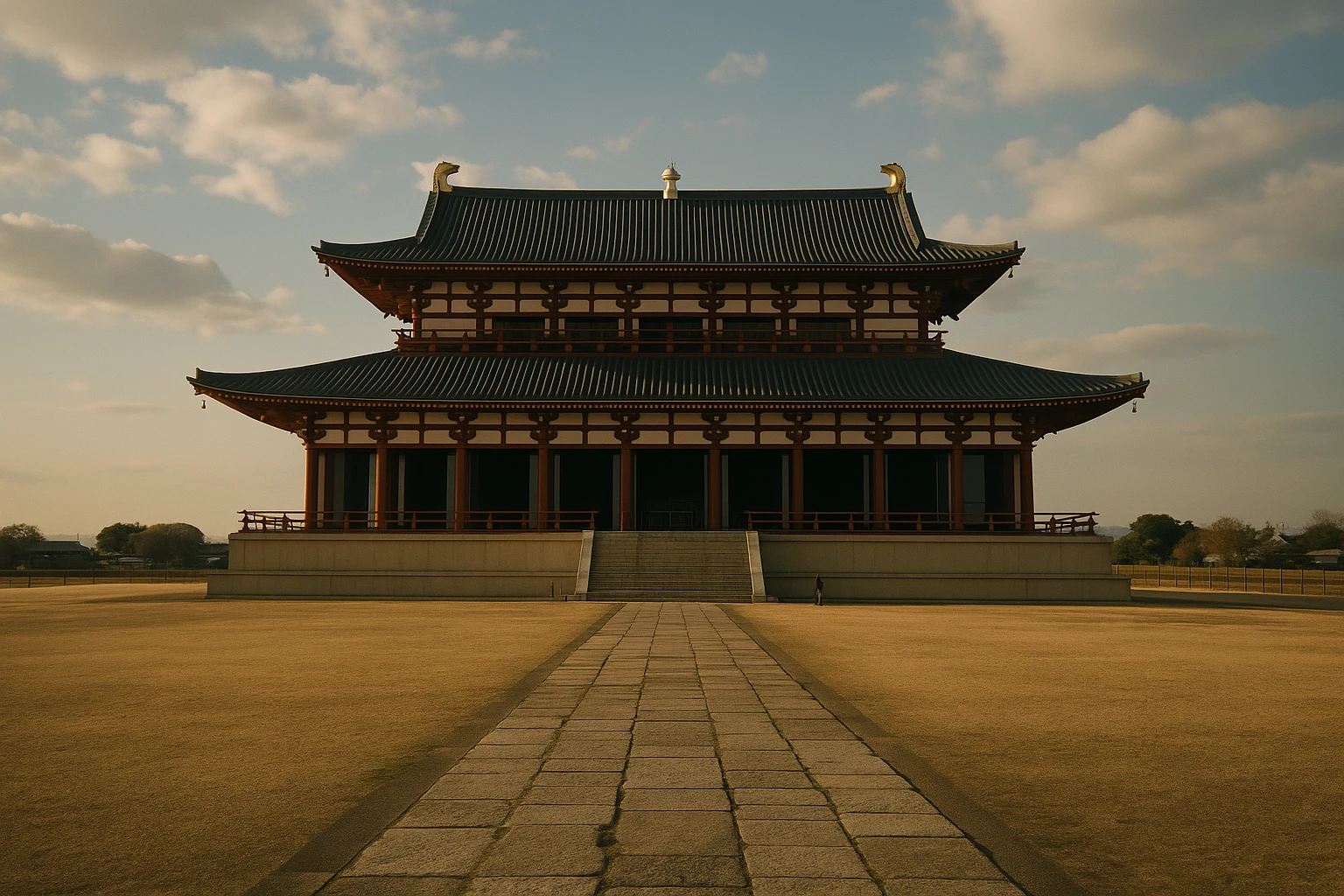
Heijo Palace Site
Nara Period JapanWalk the vast grounds of Japan's 8th-century imperial capital in Nara — a UNESCO World Heritage Site...
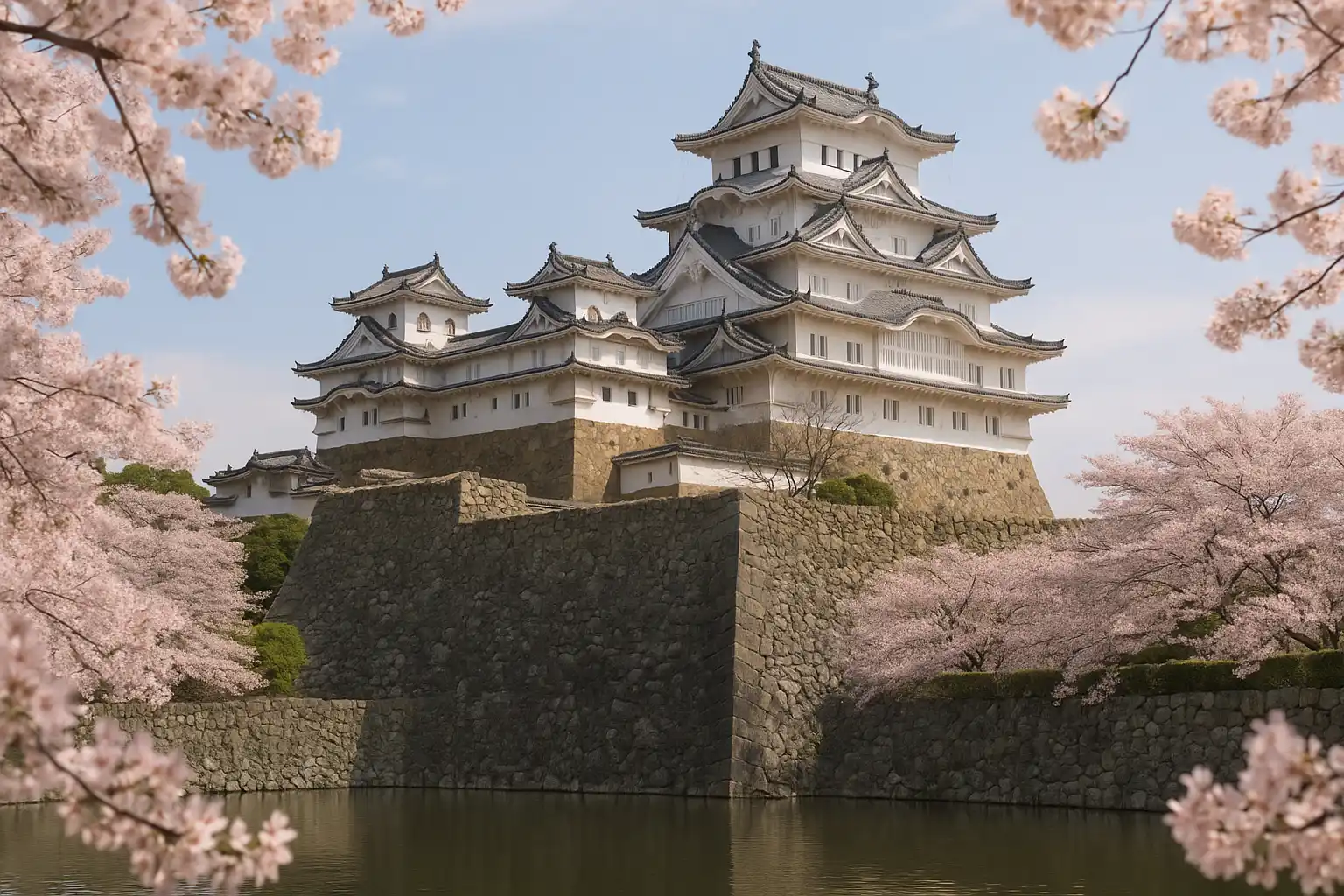
Himeji Castle Japan Travel Guide 2026: The White Heron Castle
Japanese FeudalVisit Himeji Castle, Japan's most beautiful original castle. Explore the White Heron keep, defensive...