Quick Info
Curated Experiences
Saqqara, Memphis, and Giza Day Tour from Cairo
Private Saqqara and Memphis Tour
Saqqara Sunrise Tour with Breakfast
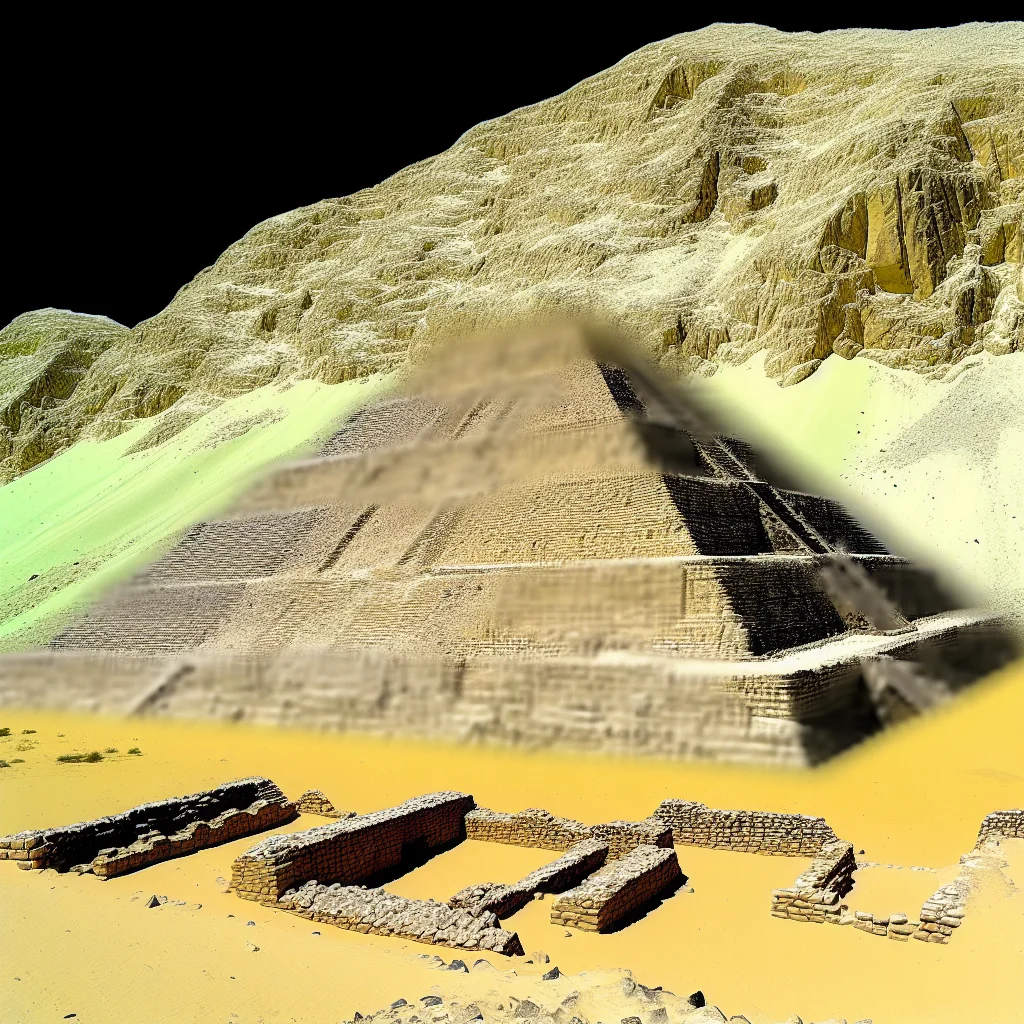
When you see Saqqara for the first time, you understand why Egyptologists revere it as the birthplace of monumental stone architecture. The Step Pyramid of Djoser rises in distinct tiers from the desert like a frozen staircase to heaven—and that is no accident. Designed by the visionary architect Imhotep around 2670 BCE, this pyramid was humanity’s first monumental structure built entirely of worked stone. Before Saqqara, monumental buildings were built of mudbrick or bundled reeds. After Saqqara, stone became the defining medium of civilization. Surrounding the Step Pyramid stretches a vast necropolis: hundreds of mastaba tombs—rectangular burial chambers for nobles and officials—whose walls are inscribed with some of the most intimate and revealing texts of the Old Kingdom. Here you find not hymns to gods or royal propaganda, but the words of individual Egyptians describing their lives, their titles, their families, and their hopes for the afterlife. Saqqara is not the most visually dramatic of Egypt’s pyramid sites, but it is the most intellectually profound. This guide covers Djoser’s revolutionary architecture, the surrounding mastaba field, the mysterious Serapeum, practical logistics from Cairo, and how to combine Saqqara with Giza and Memphis.
History: The Triumph of Stone Over Mud
Predynastic and Early Dynastic Burials (before c. 2670 BCE)
Before Djoser, elite burials were mastabas—modest rectangular structures of mudbrick with underground chambers. Saqqara’s earlier tombs, dating to the first and second dynasties, follow this simple pattern. The site’s rock plateau and proximity to Memphis (the capital) made it attractive for elite burial. However, these early mastabas were functionally and aesthetically limited: mudbrick decays, collapses under weight, and communicates impermanence.
The Step Pyramid Revolution (c. 2670 BCE, Dynasty 3)
Pharaoh Djoser (r. 2670–2650 BCE) and his architect Imhotep conceived an audacious innovation: a monumental tomb built entirely of cut limestone blocks, assembled without mortar. The result was the Step Pyramid—six terraced levels rising 62 meters into the sky. This was not the smooth-sided pyramid we associate with Giza; it was a step-sided structure symbolizing a staircase to the heavens or a primordial mound of creation. The technological achievement was staggering: quarrying, transporting, and precisely fitting thousands of stone blocks without modern machinery required engineering ingenuity and organizational power. Imhotep’s innovation—the use of dressed stone and monumental scale—became the template for all of Egypt’s subsequent pyramid-building.
The Old Kingdom Flowering (Dynasties 4–6, c. 2650–2181 BCE)
Djoser’s success inspired successors. The Step Pyramid was followed by the bent and true pyramids, culminating in the Great Pyramids of Giza (Dynasty 4). While royal pyramids moved to Giza, Saqqara remained a burial ground for nobility. By Dynasties 5 and 6, Saqqara’s mastaba field was densely packed with tombs of viziers, priests, and high officials. These private tombs were decorated with detailed reliefs and biographical inscriptions—a practice that gives modern archaeologists intimate access to Old Kingdom life, law, and values.
The Serapeum and Later Periods (New Kingdom and Ptolemaic)
Later dynasties, particularly the New Kingdom and Ptolemaic periods, used Saqqara for sacred burial of Apis bulls (the god Serapis in animal form) in an underground catacomb called the Serapeum. These later additions testify to Saqqara’s enduring sanctity across millennia.
Modern Rediscovery
Napoleon’s expedition in 1798 brought Saqqara to European attention. Auguste Mariette discovered the Serapeum in 1851, revealing the vast underground galleries. In the 20th and 21st centuries, Saqqara has been continually excavated, revealing new mastabas and inscriptions. In 2020–2021, Egyptian archaeologists announced major discoveries of new tombs and statuary, proving Saqqara remains archaeologically fertile.
The Key Monuments: What to See at Saqqara
The Step Pyramid of Djoser: Exterior and Symbolism
The Step Pyramid dominates Saqqara visually and intellectually. Its form—six graduated levels decreasing in size as they rise—represents either a staircase to heaven or a primordial mound emerging from chaos, both powerful cosmological metaphors. The pyramid measures 121 meters long, 109 meters wide, and 62 meters high. Unlike the smooth-sided pyramids of Giza, Djoser’s pyramid’s stepped form is visible from a distance, making it instantly recognizable. The precision of the stonework is striking: individual blocks are cut to exact dimensions and fitted without mortar, yet the seams are so tight that a knife blade cannot be inserted. Walk around the base to appreciate the engineering: the blocks grade from enormous (at the base) to smaller (near the apex), a design that distributes weight efficiently. The pyramid’s isolated position on the plateau offers excellent photography throughout the day; afternoon light accentuates the stepped profiles.
The Step Pyramid’s revolutionary significance cannot be overstated. Before Djoser, Egyptian tombs were mastabas—single-level rectangular structures of mudbrick. The transition from mudbrick to stone required solving unprecedented technical challenges: how to quarry massive blocks, transport them across distance, and assemble them into a structure that would endure millennia. Imhotep’s solution established the architectural principles that would guide all subsequent Egyptian monument-building. The stepped profile itself may reference the primordial mound (benben) that emerged from the waters of chaos at creation, according to Egyptian cosmology. Alternatively, it may represent a staircase allowing the pharaoh’s spirit (ka) to ascend to the heavens and join the eternal stars. Either way, the Step Pyramid transformed human aspiration into stone and established a symbolic language for Egyptian religious architecture that persisted for three thousand years.
The Pyramid’s Interior Galleries
In recent years, limited access to the Step Pyramid’s interior has been permitted, revealing narrow shafts, galleries, and burial chambers deep within the structure. The interior is claustrophobic and requires careful footwork, but witnessing the passages where Djoser’s body was entombed connects you directly to Old Kingdom funerary practice. Accessibility depends on current conservation policies; your guide will advise whether entry is permitted. Even if the interior is closed, the architectural achievement of the exterior is profound.
The Surrounding Complex: Temples and Courtyards
Imhotep did not design a pyramid in isolation; he created an entire complex of subsidiary structures. These include the Valley Temple (at the foot of the plateau), the Causeway (a raised passage), the Mortuary Temple (abutting the pyramid’s east face), and several subsidiary pyramids (smaller pyramids for the royal family). These structures replicated in stone the mud-brick buildings of the royal palace, creating a “palace of eternity” where the pharaoh could continue his rule in the afterlife. Walking through these ruins, you see how Djoser’s complex was architecturally complete and conceptually revolutionary.
The Mastaba Field
To the north and south of Djoser’s pyramid stretches a vast necropolis of mastabas—tombs of nobles, officials, and high priests. These rectangular structures, built of limestone with internal chambers, are far smaller than the pyramid but richly decorated. Their walls are carved with reliefs and inscribed with biographical texts. The tomb of Mererouka, a vizier of Dynasty 6, is among the most spectacular: its walls depict Mererouka and his wife in scenes of daily life, agriculture, hunting, and religious ritual. The Mastaba of Kagemni is equally detailed. These tombs offer intimate glimpses into Old Kingdom administration and family life—scenes of families at meals, scribes at work, and craftspeople practicing their trades. The inscriptions often include the tomb owner’s titles, accomplishments, and prayers for the afterlife. Exploring these mastabas transforms your understanding of ancient Egypt from the realm of pyramid-building pharaohs to the everyday world of officials and their families.
The Serapeum (Apis Bull Burial Catacomb)
West of the Step Pyramid lies the Serapeum, an underground catacomb where Apis bulls (living embodiments of the god Serapis) were ritually buried. The Serapeum consists of long corridors lined with massive stone sarcophagi, some weighing as much as 80 tons. The sarcophagi are empty now, but they once held the mummified remains of sacred bulls. The site is partially submerged due to groundwater; some galleries flood seasonally. Walking the Serapeum is an eerie experience—the darkness, the massive stone containers, the silence—that connects you to the religious mystery the ancient Egyptians cultivated around divine animals. Guides knowledgeable about the Serapeum offer interpretations of its symbolic function in Ptolemaic theology.
Getting There: Transportation and Access
Saqqara is located 30 kilometers south of central Cairo, near the ancient capital of Memphis. Most visitors visit Saqqara as part of a larger Cairo-based itinerary that includes Memphis and often Giza. The journey from Cairo is straightforward; traffic can be heavy but predictable.
From Cairo City Center
- Organized tour: 80–95 USD via your hotel or a tour operator. Most comprehensive tours combine Saqqara, Memphis, and Giza in a full day (10–12 hours). Includes transport, entry fees, and guide.
- Private taxi: 200–300 EGP ($7–10 USD) round-trip with 3–4 hours of waiting time. Negotiate in advance.
- Ride-hailing: Uber/Careem operate in Cairo; fares to Saqqara typically run 150–250 EGP ($5–8 USD) each way.
- Self-drive: Car rental is available (40–70 USD/day). The desert road south of Cairo is well-maintained and straightforward to navigate.
From Giza (the Great Pyramids)
Giza is approximately 20 km north of Saqqara. Most visitors combining both sites join an organized tour or hire a private driver for the half-hour drive.
From Luxor or Aswan
Travelers based in Upper Egypt typically fly to Cairo (flights operate from Luxor and Aswan; 2–3 hours, 50–100 USD) and then visit Saqqara as part of a Cairo-based pyramid tour.
Admission and Hours
Entry fee: 300 EGP (~$10 USD) for foreign tourists. Egyptian residents pay less; student discounts apply.
Hours: 6:00 AM to 5:00 PM year-round. Last entry is typically 30 minutes before closing.
Best time of day: Arrive by 7:00 or 8:00 AM to beat the heat and crowds. Morning light is soft and ideal for photography. The Step Pyramid’s silhouette is striking in morning light. By midday, the sun is directly overhead, creating harsh shadows; late afternoon offers warm, golden light but shorter exploration time before sunset.
What to bring: Sunscreen (SPF 50+), wide-brimmed hat, 2+ liters of water, sturdy shoes with good ankle support (the terrain is uneven), flashlight for interior galleries, and camera. Saqqara has minimal shade except within structures; plan your visit to avoid peak midday heat.
When to Visit: Seasonal Considerations
Spring (March–May)
Temperatures range from 20–32°C (68–90°F). This is pleasant for exploration; mornings are cool, afternoons warm but manageable. Humidity is low; skies are usually clear. Crowds are moderate; March and early April are ideal.
Summer (June–August)
Summer is oppressive: 32–40°C (90–104°F) with occasional sandstorms. Midday exploration is inadvisable. Early morning visits (6:00–9:00 AM) are possible with careful hydration. Tourism drops significantly. Only heat-acclimated travelers should visit in summer.
Autumn (September–November)
Temperatures cool from 32°C in September to 20–25°C (68–77°F) by November. Late September and early October can still be warm; by late October, conditions are ideal. Autumn offers excellent weather and moderate crowds.
Winter (December–February)
Cool mornings (10–15°C / 50–59°F) and pleasant afternoons (18–24°C / 64–75°F) characterize winter. This is peak tourism season; Saqqara is busiest and hotels/tour prices are inflated. January and February are the busiest months. The weather is ideal but expect crowds.
Ideal season: October through April, with March and April being optimal.
Combining Saqqara with Memphis and Giza
The most efficient day involves visiting all three pyramid complexes in sequence. Start at Saqqara by 7:00 AM, spend 2.5–3 hours exploring the Step Pyramid and mastabas, and depart by 10:00 AM. A 30-minute drive takes you to nearby Memphis, where you spend 1.5–2 hours viewing colossal statues and the Temple of Ptah. By 12:30 PM, head north to Giza (45 minutes). Spend 3–4 hours at Giza viewing the Great Pyramids and Sphinx from outside (or enter if time permits). By 5:00–6:00 PM, return to Cairo. This 10–12 hour full-day sequence covers Egypt’s three most significant pyramid complexes and offers context for understanding the evolution of Egyptian monumental architecture from Djoser’s revolutionary Step Pyramid through the perfected smooth pyramids of Giza.
For Cairo-based travelers with limited time, Saqqara alone merits a focused 4-hour morning visit focusing on the Step Pyramid and one or two mastabas.
Why Saqqara Matters
Saqqara is where the ancient world learned to build in stone. Before Djoser, monumental architecture was unknown; after Imhotep’s Step Pyramid, it became the defining characteristic of civilization. Saqqara is therefore a pivot point in human history—the moment when humans stopped accepting natural limits and began sculpting the landscape to express power, theology, and permanence. Beyond this historical significance, Saqqara rewards visitors intellectually and aesthetically. The mastabas offer intimate access to individual lives; the Serapeum conveys spiritual mystery; the Step Pyramid itself is an object of sublime engineering and symbolic power. It lacks the immediate visual drama of Giza, but it possesses the intellectual depth that makes archaeology profound.
Explore More Egypt
- Pyramids of Giza: The Great Pyramids and monumental tombs of Dynasty 4 pharaohs.
- Great Sphinx of Giza: The iconic limestone monument guarding the Giza plateau.
- Karnak Temple Complex: Egypt’s largest and most complex temple sanctuary.
Plan your complete Egypt archaeological journey with our Egypt Ancient Sites Guide. Discover how to maximize your Cairo visit with all pyramid complexes.
Quick Facts
| Attribute | Details |
|---|---|
| Location | Giza Governorate, 30 km south of Cairo, Egypt |
| Ancient Name | Sekhem Khet (Djoser’s royal name); Saqqara (modern) |
| UNESCO Status | Memphis and its Necropolis (World Heritage Site) |
| Established | c. 2670 BCE Step Pyramid; mastabas c. 3rd–6th dynasties |
| Distance from Cairo | 30 km / 45 minutes to 1 hour by road |
| Entry Fee | 300 EGP (~$10 USD) |
| Hours | 6:00 AM–5:00 PM daily |
| Best Time | October–April; March–April ideal |
| Suggested Stay | 2.5–4 hours for Saqqara alone; 10–12 hours with Memphis and Giza |
Frequently Asked Questions
Is Saqqara worth visiting if I'm already seeing Giza?
Absolutely. While Giza is more famous, Saqqara is more historically significant. Djoser's Step Pyramid is humanity's first monumental stone structure and represents a revolutionary moment in architectural history. Saqqara also has extensive mastaba (tomb) fields with detailed reliefs and inscriptions that offer intimate glimpses of Old Kingdom life. Many Egyptologists consider Saqqara more rewarding than Giza.
How much time should I plan at Saqqara?
A thorough Saqqara visit requires 3–4 hours minimum. The Step Pyramid itself takes 1–1.5 hours (including interior galleries if accessible). Exploring surrounding mastabas and the Serapeum adds another 1.5–2 hours. Combined with Memphis, plan a full 5–6 hour day trip.
Can I enter the Step Pyramid's interior?
The interior of Djoser's Step Pyramid was opened to limited public access in recent years, revealing narrow galleries and burial chambers. Access is restricted to reduce structural stress; your guide will advise on current policies. The exterior alone offers remarkable architecture and photography.
What are mastabas, and why are they important?
Mastabas are rectangular tomb structures built for nobility and officials. Saqqara's mastaba field contains hundreds of examples. Unlike pyramids (royal tombs), mastabas belonged to elite non-royals. Their walls are often inscribed with biographical texts, offering direct evidence of how ancient Egyptians understood themselves, their titles, families, and afterlife expectations.
How do I get to Saqqara from Cairo?
Saqqara is 30 km south of central Cairo, about 45 minutes to 1 hour by car depending on traffic. Options: organized tour (80–95 USD, most convenient), private taxi (200–300 EGP / $7–10 USD), or car rental. Most first-time visitors book a combined Saqqara-Memphis-Giza day tour.
Is Saqqara safe for tourists?
Yes. Saqqara is heavily visited and has standard security. The site is open and well-traveled during daylight hours. Women should dress respectfully; bring sun protection, water, and sturdy shoes. Arrange transport in advance rather than hailing random taxis. Groups are safer than solo travelers at remote sites.
Nearby Ancient Sites
Pyramids of Giza Egypt Travel Guide 2026: Egypt's Iconic Monuments
Ancient EgyptianVisit the Great Pyramid of Khufu, the last surviving Ancient Wonder. Our guide covers all three Giza...
Great Sphinx of Giza Egypt Travel Guide 2026: Guardian of the Pyramids
Ancient EgyptianVisit the Great Sphinx, Egypt's enigmatic limestone guardian. Our guide covers the Sphinx's history,...
Karnak Temple Complex Egypt Travel Guide 2026: Egypt's Greatest Temple
Ancient EgyptianExplore Karnak, the world's largest ancient religious complex. Discover the Hypostyle Hall, Sacred L...