Quick Info
Curated Experiences
Tambo Colorado Day Trip from Pisco with Guided Tour
Pisco Valley Archaeological Tour: Tambo Colorado & Inca Road
Paracas, Tambo Colorado & Ica Full Day Tour
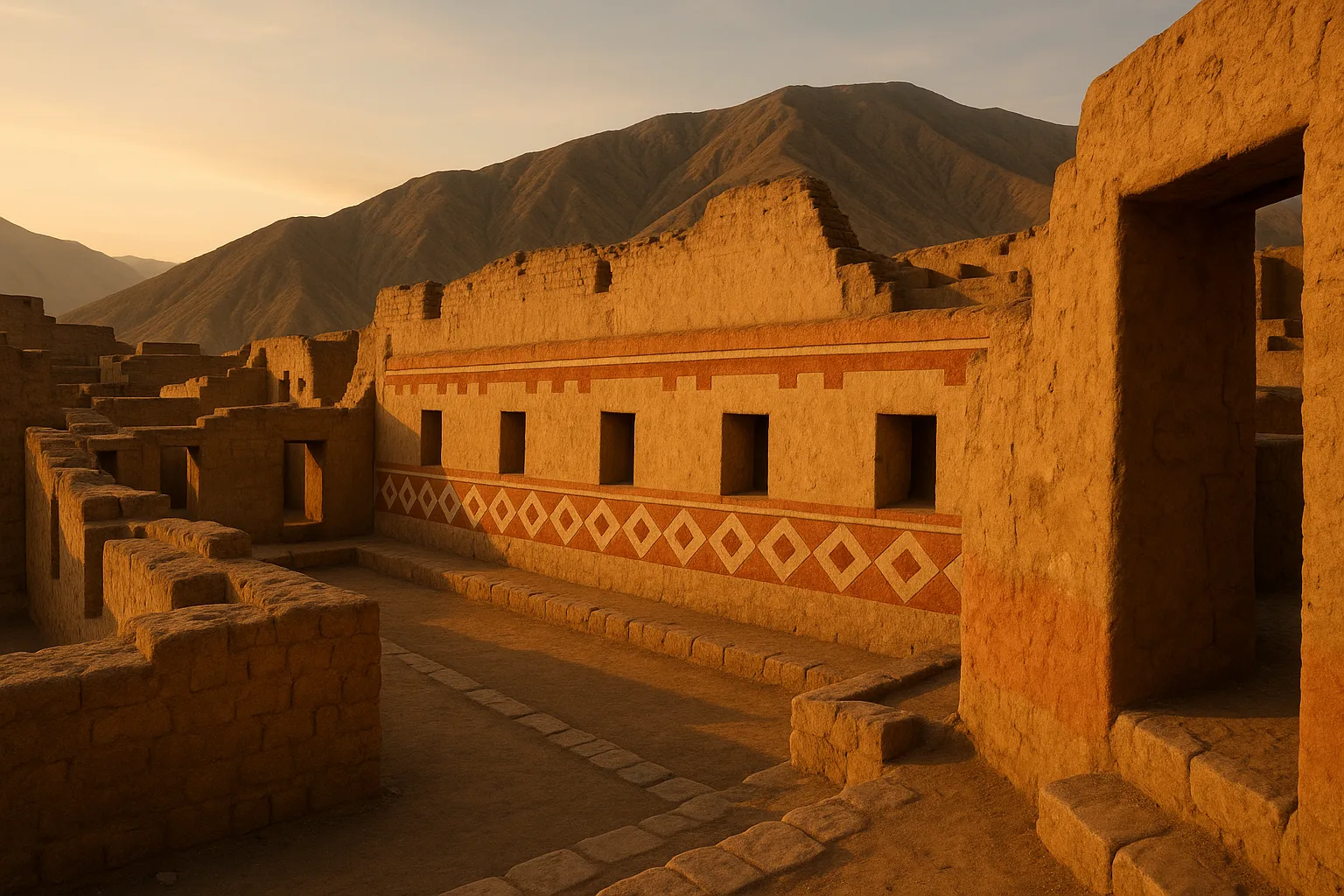
In the dry foothills of the Pisco Valley, where the Andes begin to crumble into coastal desert, a fortress of red and ochre walls rises from the scrub as though someone paused a painting mid-stroke and walked away. Tambo Colorado — whose name translates roughly as “the Colored Rest Stop,” after the vivid pigments that still coat its adobe facades five centuries after construction — is one of the most remarkably preserved Inca administrative centers in Peru, and one of the least visited. While Machu Picchu and Sacsayhuaman draw thousands of visitors daily, Tambo Colorado receives a fraction of that attention. The site deserves considerably more.
What sets Tambo Colorado apart from almost every other Inca ruin in the Andes is color. The walls are still painted. Red, white, and yellow bands cover large sections of the plastered adobe surfaces in the palace quarter and ceremonial plaza — a visual reality that transforms what might otherwise read as interesting mud brick into something unmistakably alive with its original intention. Inca architecture was never the bare stone of modern imagination. It was polished, plastered, and painted. Tambo Colorado, sheltered by the coastal desert’s near-total absence of rainfall, shows you what that actually looked like.
Built around 1470 CE under the Inca emperor Tupac Inca Yupanqui as a royal tambo (way-station) on the Inca coastal road, the complex served as a logistical hub, ceremonial residence, and administrative node connecting Cusco’s highland empire to its vast coastal territories. This Tambo Colorado Peru travel guide covers the site’s history, its principal monuments, practical access from Pisco and Paracas, and how to build it into the extraordinary southern Peru coastal circuit that includes the Nazca Lines and the Paracas Reserve.
History: The Inca Empire’s Pacific Frontier
Pre-Inca Occupation (before c. 1470 CE)
The Pisco Valley was inhabited long before the Inca arrived. The Paracas culture (800 BCE–200 CE) and later the Wari Empire (600–1000 CE) each left traces in the wider Ica-Pisco region, and archaeological surveys near Tambo Colorado have identified pre-Inca occupation layers beneath and adjacent to the Inca construction. The valley’s perennial river made it a reliable corridor through the otherwise inhospitable coastal desert, and any power seeking to control movement between the highlands and the Pacific needed a presence here. The Inca did not build in an empty landscape — they built on established routes, among existing populations, and over pre-existing logistical infrastructure.
Imperial Construction and Purpose (c. 1470–1532 CE)
Tupac Inca Yupanqui (r. 1471–1493 CE) is credited with the primary construction of Tambo Colorado as part of his systematic expansion of the empire’s coastal road network. A tambo in Inca administration was a way-station serving multiple functions simultaneously: housing for the Inca ruler and his retinue during royal processions along the Qhapaq Ñan, storage for state goods in qollqa storehouses, administrative offices overseeing mit’a labor obligations, and ceremonial space connecting imperial ritual to local populations. Tambo Colorado served all these roles. Its location in the lower Pisco Valley — close enough to the coast to receive marine supplies while lying directly on the road toward Cusco — made it a critical node in the empire’s logistics.
Spanish Arrival and Abandonment (1532 CE onward)
When Francisco Pizarro began the Spanish conquest of the Inca Empire in 1532, the administrative network that gave places like Tambo Colorado their function collapsed within a generation. The mit’a labor system that maintained tambos, the royal road couriers who moved information through them, and the Inca state that organized both ceased to function as living institutions. Tambo Colorado was abandoned rather than demolished — a circumstance that preserved its structures intact while the dry desert climate protected the painted plaster that would have vanished in almost any other environment on earth.
Modern Archaeological Study
Systematic study of Tambo Colorado began in the early 20th century with Max Uhle’s surveys of Peruvian coastal sites. Later excavations by Peruvian and international teams mapped the site’s full extent and identified its multiple construction phases. Peru’s Ministry of Culture now manages the site, and ongoing conservation work focuses specifically on protecting the painted wall surfaces from temperature fluctuation, occasional coastal humidity, and visitor contact. The site is enclosed and gated; a resident custodian provides informal orientation at the entrance.
The Key Monuments: What to See at Tambo Colorado
The Main Plaza and Ushnu Platform
The ceremonial heart of Tambo Colorado is its main plaza — a large trapezoidal space aligned with the cardinal points in the characteristic Inca manner. At the plaza’s center stands the ushnu, a raised ceremonial platform from which the Inca ruler or his representative conducted public rituals, received tribute, and addressed assembled populations. The ushnu at Tambo Colorado is modest compared to those at Huánuco Pampa or Vilcashuamán, reflecting the site’s role as a secondary administrative center rather than a full provincial capital. What the plaza lacks in monumental scale it compensates in legibility: the spatial logic of approach, threshold, and ceremonial center is still clearly readable in the standing walls. Painted plaster survives in significant patches on the surrounding facades, giving a rare visual sense of what Inca public space looked like when active.
The Royal Palace Quarter
Adjacent to the main plaza, a series of rectangular enclosures (kanchas) with finely crafted trapezoidal doorways mark the royal quarters reserved for the Inca emperor during periodic visits. These rooms retain the most extensive areas of surviving painted plaster, with red, white, and yellow bands covering interior and exterior wall surfaces in the characteristic banded Inca palette. The trapezoidal niches — a hallmark of Inca domestic architecture, used for storing sacred objects and offerings — are visible throughout, several still holding their original proportions and plaster finish. Construction quality here is noticeably higher than in the service quarters, with more precisely cut adobe blocks and more elaborate wall articulation. Early morning light, falling at a low angle across the painted surfaces, is the best condition for photography and for understanding how color structured Inca interior space.
The Military and Administrative Barracks
On the eastern side of the complex, more utilitarian architecture indicates the barracks housing soldiers, administrators, and mit’a laborers who rotated through Tambo Colorado on the Inca state’s labor rotation system. These structures are less ornate than the royal quarter but cover a larger footprint, demonstrating the scale of the logistical operation the site managed. The long, repetitive room blocks follow the standard Inca barracks pattern visible at administrative centers across the empire. Excavations in this area have recovered ceramics, textiles, and food storage residues that illuminate the everyday supply operations underlying the tambo’s ceremonial surface.
The Storehouses (Qollqas)
Tambo Colorado’s qollqas — state storehouses — are distributed across the hillside above the main complex in the circular and rectangular forms typical of Inca storage architecture. These structures held dried food, textiles, weapons, and luxury goods that the Inca state used to provision armies, reward loyal subjects, and sustain mit’a labor forces working throughout the region. Their strategic placement on the hillside above the plaza was deliberate: elevated positions maximize air circulation, keeping stored goods cool and dry in the coastal valley heat. The ventilation slots built into the qollqa walls are still visible, a piece of Inca environmental engineering that functions exactly as intended. The storehouses are not open for entry but are clearly visible from the main circuit path.
The Qhapaq Ñan Road Segment
Immediately adjacent to the site, a preserved section of the Qhapaq Ñan — the Inca royal road system, recognized as part of a UNESCO World Heritage serial inscription in 2014 — passes through the valley floor. The road at this point is approximately four meters wide, bordered by low retaining walls, and runs in the characteristically direct alignment the Inca maintained through difficult terrain. Seeing the road in context with Tambo Colorado clarifies what the site was: not a monument in isolation but a node in a continental network, one stop among many in a road system extending more than 30,000 kilometers through South America. The road segment is easily walkable from the main site entrance and is among the most evocative features of any visit.
Getting There: Transportation and Access
Tambo Colorado sits 45 kilometers inland from Pisco, reached via a partially unpaved road through the Pisco Valley. No scheduled public transport serves the site.
From Pisco or Paracas
Pisco and Paracas (8 km south of Pisco) are the nearest coastal bases, both reachable from Lima by overnight bus (3.5–4 hours on the Panamericana Sur via Cruz del Sur or Oltursa) or domestic flight to the Pisco regional airport.
- Taxi from Pisco: 45–60 PEN ($12–16 USD) one way; approximately 1.5 hours on a partially unpaved road. Negotiate a round trip with waiting time for 120–150 PEN ($32–40 USD).
- Organized tour: Half-day and full-day tours from Pisco, Paracas, or Ica include transport and a guide for 40–75 USD per person. This is the most practical option for travelers without private transport, as road conditions benefit from a reliable vehicle.
- Rental car: Available in Ica or through larger coastal hotels. A high-clearance vehicle is recommended for the final approach road.
Admission and Hours
Entry is 10 PEN (~$2.70 USD) per person, paid at the site entrance. The archaeological zone is open 08:00–17:00 daily. A resident site custodian provides basic orientation; for a thorough visit, hire a qualified guide in Pisco or through your tour operator (60–100 PEN / $16–27 USD per group). Bring cash — no card payment facilities are available at the entrance.
When to Visit: Seasonal Considerations
Spring (September–November)
September through November offers ideal conditions at Tambo Colorado. Valley temperatures range from 18–26°C (64–79°F), the coastal garúa humidity has dropped from its winter peak, and the light on the painted walls is warm and clear. Visitor numbers are low relative to Peru’s coastal tourism season. This is the recommended window for building Tambo Colorado into a Nazca-Paracas itinerary.
Summer (December–March)
The Peruvian summer brings warmer temperatures in the valley — 25–33°C (77–91°F) by midday — and increased visitor volumes along the coast driven by Paracas beach tourism. Tambo Colorado itself stays uncrowded even at peak season. Arrive before 10:00 to complete the main circuit before the midday heat peaks on the exposed site.
Autumn (April–May)
April and May bring transitional conditions — temperatures moderate, crowds thin, and the site takes on a quiet, unhurried quality. These months are among the most pleasant for archaeological exploration in southern Peru. A light layer is useful for early morning visits when valley temperatures can be surprisingly cool.
Winter (June–August)
The garúa season brings cool coastal humidity and fog to the Pisco area, though the inland valley is generally drier and warmer than the immediate coast. Temperatures drop to 14–20°C (57–68°F). June and July see the fewest visitors of any period. The diffuse winter light on the painted adobe is atmospheric and photogenic in its own right.
Combining Tambo Colorado with Southern Peru’s Coast
Tambo Colorado anchors naturally into a southern Peru coastal itinerary covering 2,000 years of civilization across three to four days.
Begin the day at Tambo Colorado by 09:00, arriving before the valley heat peaks. The site requires 2–3 hours to walk fully — main plaza, palace quarter, barracks, storehouses, and road segment. By 12:00, return toward the coast and stop in Pisco for lunch at one of the market restaurants near the Plaza de Armas; the Pisco River valley is known for its traditional camarones (river shrimp) preparations. By 14:00, continue 8 kilometers south to Paracas for an afternoon boat tour to the Ballestas Islands — a wildlife reserve home to Humboldt penguins, sea lions, and large seabird colonies, departing from Paracas Bay.
For visitors with additional time, add a day in Ica (1.5 hours south of Paracas) to visit the Huacachina oasis and the Museo Regional de Ica, which holds an extraordinary collection of Paracas textiles — the finest pre-Columbian textile tradition in the Americas — directly connecting the cultural landscape around Tambo Colorado to its finest portable artifacts.
The Nazca Lines are 3 hours further south from Ica and reward a separate overnight. The circuit from Lima — Paracas, Tambo Colorado, Ica, Nazca — covers extraordinary archaeological and natural depth in five to six days and constitutes one of Peru’s most underrated travel routes. The Inca administrative palace in the valley connects the coastal Paracas legacy to the highland empire in a single logical sequence.
Why Tambo Colorado Matters
Tambo Colorado matters because it refuses to be abstract. At most Inca sites, you are invited to imagine the color, the plaster, the painted walls — to mentally reconstruct a world that centuries of weather and neglect have reduced to bare stone or crumbling mud. At Tambo Colorado, you do not have to imagine. The red bands are still there. The white plaster still holds to the trapezoidal niches. The yellow ochre still marks the threshold of a room where an Inca administrator watched the road traffic of an empire pass through the valley walls five centuries ago.
In that persistence of color, Tambo Colorado offers something rare in ancient heritage: unmediated contact with original intention. The Inca wanted these walls to be seen in red and white, and standing here today, you see them that way. No reconstruction, no imagination gap, no interpretive leap required. That directness — that collapsing of the distance between builder and visitor — makes this remote, undervisited valley site one of the most affecting on Peru’s entire archaeological map. Come while the paint holds.
Quick Facts
| Attribute | Details |
|---|---|
| Location | Humay, Pisco Province, Ica Region, Peru |
| Ancient Name | Puka Qawarina (attributed) |
| UNESCO Status | Not UNESCO-listed; Peruvian national heritage |
| Established | c. 1470 CE (Inca Empire) |
| Distance from Pisco | 45 km / ~1.5 hrs by road |
| Entry Fee | 10 PEN (~$2.70 USD) |
| Hours | 08:00–17:00 daily |
| Best Time | September–November; mornings |
| Suggested Stay | 2–3 hours |
Explore More Peru
- Nazca Lines: The enigmatic geoglyphs of the Nazca desert, 3 hours south by road
- Chan Chan: The Chimu Empire’s coastal capital near Trujillo, the largest pre-Columbian city in the Americas
- Machu Picchu: The Inca citadel above the Sacred Valley, the benchmark for Peru archaeological travel
Plan your complete Peru archaeological journey with our Peru Ancient Sites Guide.
Frequently Asked Questions
How much time do I need at Tambo Colorado?
Allow 2–3 hours to walk the full site, including the main plaza, palace quarters, military barracks, and storehouses. Add travel time — the site is 45 km from Pisco over a partially unpaved road, making a half-day trip the minimum when departing from the coast.
What makes Tambo Colorado unusual among Inca sites?
Tambo Colorado is exceptional for its preservation of original painted plaster — red, white, and yellow pigment still visible on walls more than 500 years after construction. Most Inca sites have lost their surface finishes entirely. The coastal desert's near-total absence of rainfall has protected Tambo Colorado in ways that highland sites rarely achieve.
How do I get to Tambo Colorado from Pisco or Paracas?
Take a taxi from Pisco (45–60 PEN / $12–16 USD one way, approximately 1.5 hours) or arrange a private vehicle. No public bus serves the site directly. Most visitors join an organized day tour from Pisco, Paracas, or Ica, which includes transport and a guide for 40–75 USD.
What is the best time to visit Tambo Colorado?
September through November offers ideal conditions: comfortable temperatures, low visitor numbers, and clear light on the painted walls. Morning arrivals (before 10:00) are recommended in all seasons to avoid midday heat in the exposed valley.
Is Tambo Colorado UNESCO-listed?
No. Tambo Colorado is a designated Peruvian national cultural heritage site managed by the Ministry of Culture, but it does not hold UNESCO World Heritage status. Its significance is recognized by archaeologists worldwide, and active conservation work is underway to protect the painted walls.
What sites can I combine with Tambo Colorado?
The most natural pairings are the Paracas National Reserve and Ballestas Islands (1.5 hours back toward the coast) and the Nazca Lines (3 hours south via Ica). Both form a natural circuit that covers extraordinary archaeological and natural diversity in 3–4 days from Lima.
Nearby Ancient Sites
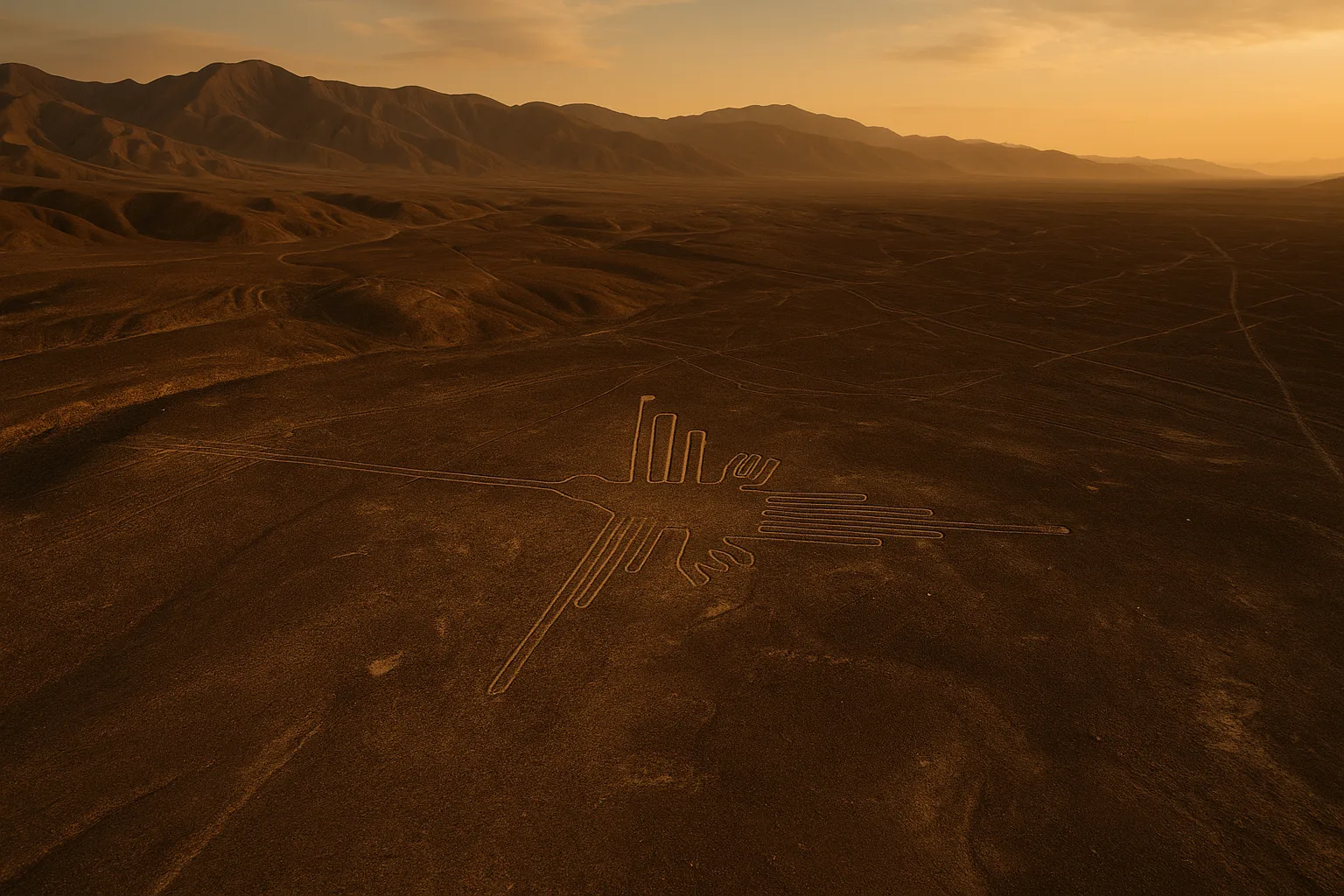
Nazca Lines Peru Guide 2026: Geoglyphs & Desert Mystery
NazcaExplore Peru's Nazca Lines: ancient geoglyphs etched in desert sand. Plan your overflight or land to...
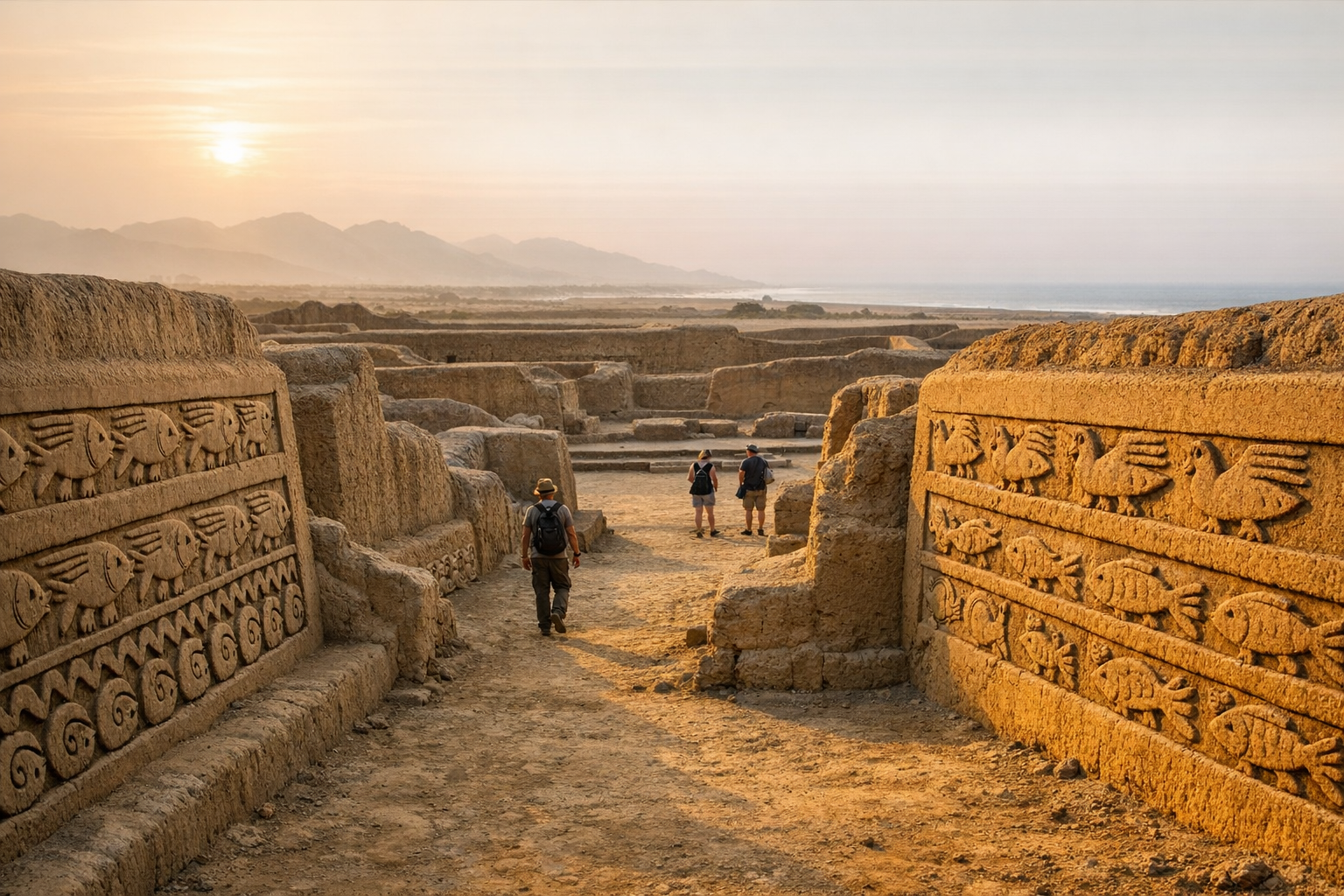
Chan Chan Peru Guide 2026: Chimu Capital & Adobe Citadels
ChimuExplore Chan Chan near Trujillo — the largest pre-Columbian city in the Americas. Discover the Chimu...
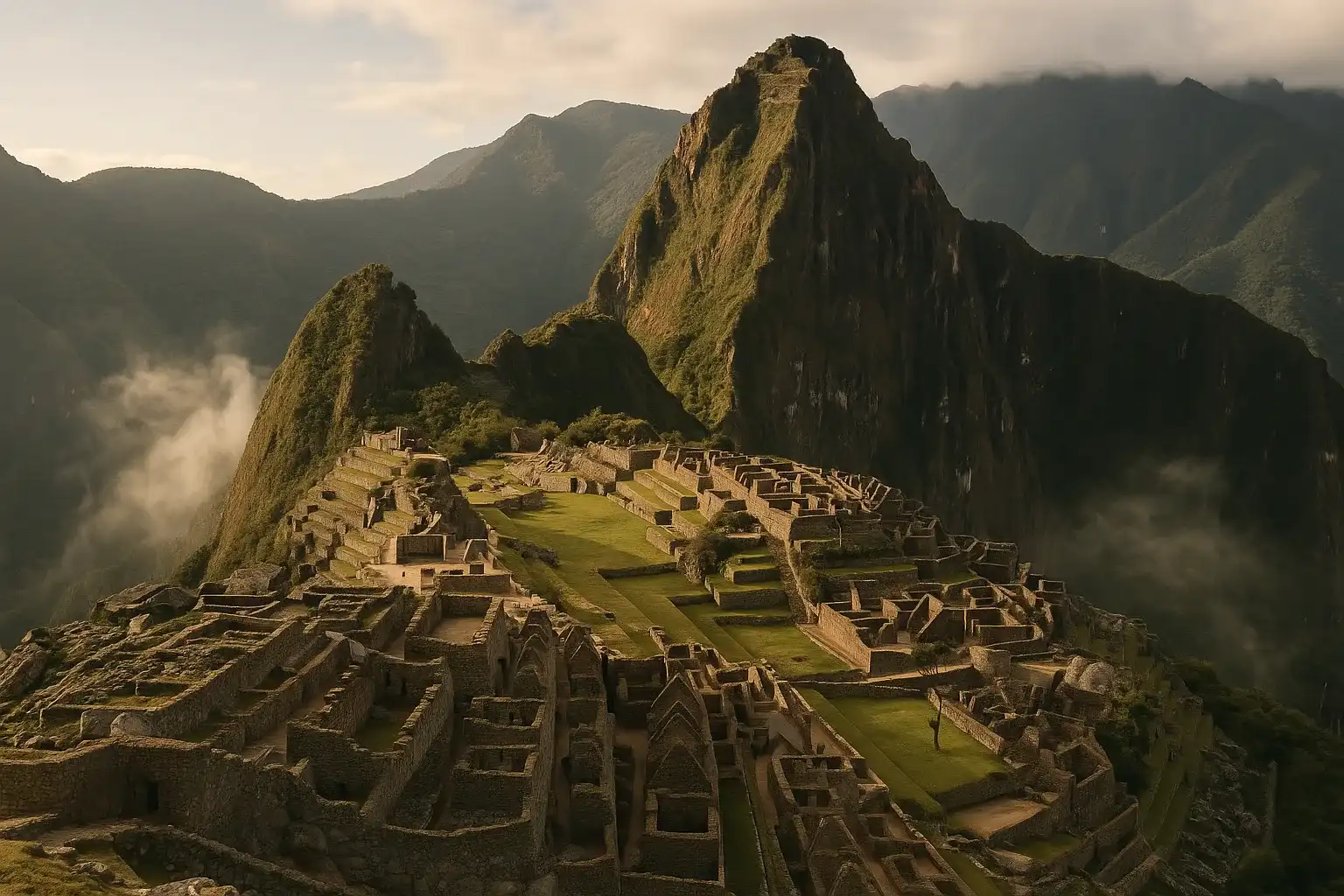
Machu Picchu Peru Travel Guide 2026: Circuits, Tickets & Entry Tips
Inca EmpireNavigate Machu Picchu's 2026 circuit system with our definitive guide. Learn how to choose your rout...