Quick Info
Curated Experiences
Taormina Ancient Theatre Skip-the-Line Entry
Taormina & Castelmola Half-Day Cultural Tour
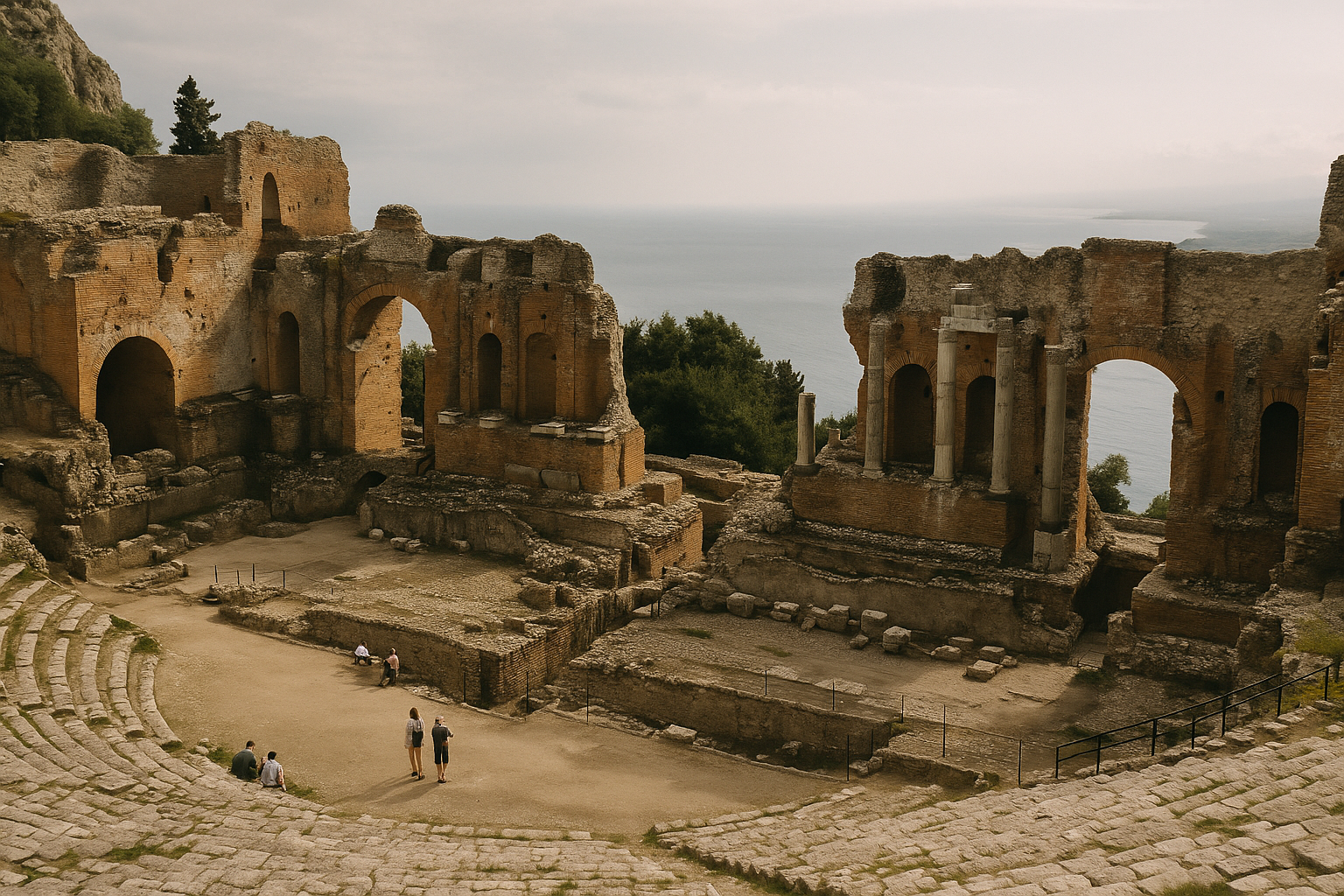
There are bigger theatres in the ancient Mediterranean. There are older ones too. But very few combine archaeology and scenery the way Taormina does. The cavea rises over the Ionian Sea, Mount Etna appears beyond the stage line, and the whole site feels like an argument for why ancient builders obsessed over setting.
If you only know Taormina as a polished Sicilian resort town, the theatre resets that perspective. This was a serious civic and cultural complex with centuries of adaptation. Greek foundations established the form; Roman intervention reworked the architecture and public function. What survives today is not a frozen single-era monument, but a layered urban stage.
Why Taormina Ancient Theatre Matters
Taormina (ancient Tauromenion) sat at a strategic and symbolic crossroads in eastern Sicily. The theatre mattered for three reasons:
- Political visibility: Performances and public gatherings were social governance, not just entertainment.
- Cultural continuity: Greek theatrical traditions were retained, then reframed under Roman rule.
- Topographic power: The theatre integrates mountain, sea, and city into one choreographed viewing experience.
That last point is key. Ancient theatres are often described as acoustic machines. Taormina is also a visual machine.
Greek Origins, Roman Rebuild
Hellenistic foundation
The first major construction phase dates to the Hellenistic period (roughly 3rd century BCE), when Greek urban models shaped civic architecture across Sicily. Like other Greek theatres, Taormina used natural slope to support seating and oriented the building in dialogue with landscape.
Roman transformation
Under Roman control, the theatre was substantially rebuilt and enlarged. Architectural details, brickwork phases, and surviving structural systems indicate imperial-era investment. Roman interventions likely shifted some use patterns toward mixed performance and spectacle, while preserving the core theatre identity.
Late and post-antique afterlife
As with most major ancient sites, materials were reused and functions changed over time. What survives today reflects both preservation and loss: enough to read the building clearly, but fragmentary enough to require disciplined interpretation.
What to Look for On-Site
Cavea (seating tiers)
The curved seating remains the clearest expression of the theatre’s scale. Walk several levels, not just one. Elevation changes reveal how sightlines were engineered for both stage visibility and crowd management.
Stage and scaenae area
Even in ruin, the stage zone communicates Roman architectural ambition. Look for surviving wall lines and spatial framing rather than expecting complete decorative programs.
Panoramic axis
Stand near the central seating alignment and face outward. On a clear day, you’ll see Etna and the coast in one frame. This is not accidental scenery; it is part of the monument’s effect.
Masonry phases
If you enjoy archaeological reading, compare stone and brick textures across sections. The visual differences help separate Greek-era planning from later Roman rebuilds.
Practical Visit Planning (2026)
- Time needed: 60-90 minutes on-site; 2+ hours if combined with old-town walk and slower photo stops.
- Best timing: Early morning for softer light and thinner crowds, or late afternoon for dramatic coastal color.
- Crowds: Summer and cruise days can compress entrances and viewing points.
- Footwear: Stable shoes matter—steps and surfaces are uneven in places.
- Weather: Summer heat is intense; bring water and sun protection.
Always verify current opening hours and ticket rules close to your travel date.
Tickets, Access, and Logistics
Taormina is one of Sicily’s most in-demand stopovers, so logistics shape experience quality.
- Book ahead in peak months: Timed entry or pre-purchased tickets reduce queue uncertainty.
- Arrive with buffer time: Parking, bus drops, and old-town foot traffic can add delay.
- Use transit strategically: Taormina-Giardini station is below town; onward transport and uphill movement require planning.
If your day also includes Isola Bella, Castelmola, or an Etna excursion, lock your theatre window first and build around it.
How to Avoid a Shallow Visit
Many travelers treat the site as a 20-minute photo stop. You’ll get better value with a simple structure:
- First pass (10-15 min): Walk the full curve and stage line for orientation.
- Second pass (20-30 min): Focus on architecture and chronology.
- Final pass (10 min): Return to a central viewpoint for landscape reading and photos.
This sequence turns the monument from backdrop into intelligible history.
Pairing Taormina with Other Ancient Italy Sites
Taormina works best as part of a longer Italy archaeology arc:
- Pompeii: urban life frozen by volcanic catastrophe
- Herculaneum: denser preservation and elite domestic architecture
- Paestum: Greek temple architecture at monumental scale
- Rome core sites (Forum/Pantheon): civic and imperial institutions in the capital
Seen in sequence, Taormina becomes a vital bridge between Greek Sicily and Roman Mediterranean integration.
Common Mistakes to Avoid
- Visiting at peak midday heat with no hydration plan
- Assuming the best photo point is the only meaningful stop
- Rushing through without noting Greek vs Roman construction phases
- Overloading the day with too many fixed-time excursions
Final Take
Taormina Ancient Theatre is not just “the one with the Etna view.” It is a serious archaeological site whose beauty can distract from its historical depth. Give it one focused hour, read the layers, and it becomes one of Italy’s most rewarding ancient monuments—especially for travelers interested in how Greek forms and Roman power overlapped in Sicily.
Quick Facts
| Detail | Info |
|---|---|
| Site type | Greek-Roman theatre complex |
| Location | Taormina, eastern Sicily |
| Initial construction | Hellenistic period (3rd century BCE) |
| Major later phase | Roman imperial rebuilds |
| Typical visit length | 60-90 minutes |
| Signature feature | Etna + Ionian Sea panoramic axis |
Continue Your Italy Route
Quick Facts
| Attribute | Details |
|---|---|
| Location | Taormina, Sicily, Italy |
| Country | Italy |
| Region | Sicily |
| Civilization | Greek / Roman |
| Historical Period | 3rd century BCE - Roman Imperial era |
| Established | 3rd century BCE |
| Coordinates | 37.8515, 15.2921 |
Frequently Asked Questions
Is Taormina’s theatre Greek or Roman?
Both. It began as a Greek theatre in the Hellenistic period, then Romans rebuilt and adapted parts of it for spectacles and architectural grandeur.
How long do you need at the site?
Most travelers need 60-90 minutes for the theatre itself; add time if you want slower photo stops, museum panels, or a full walk through Taormina’s old town.
Can you see Mount Etna from the theatre?
Yes, on clear days the stage-facing panorama frames Mount Etna and the Ionian coast—one of the site’s signature views.
Should you book tickets ahead?
In peak season, yes. Timed entry reduces queue time and protects your schedule, especially if arriving by train or from a cruise excursion.
Nearby Ancient Sites
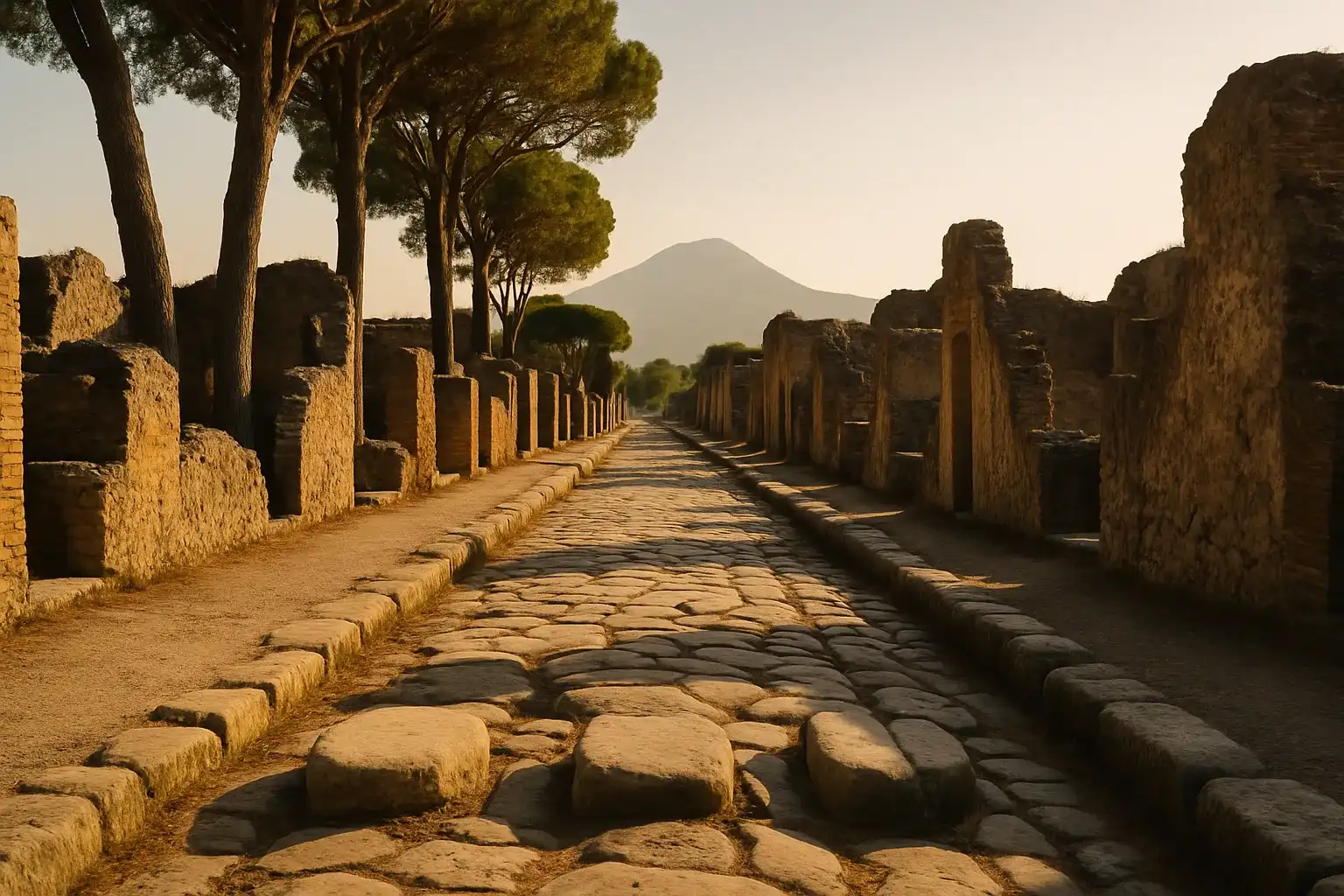
Pompeii Italy Travel Guide: Frozen in Time, Complete 2026
Roman EmpireWalk the streets of ancient Pompeii with our complete guide. Discover the best routes, must-see hous...
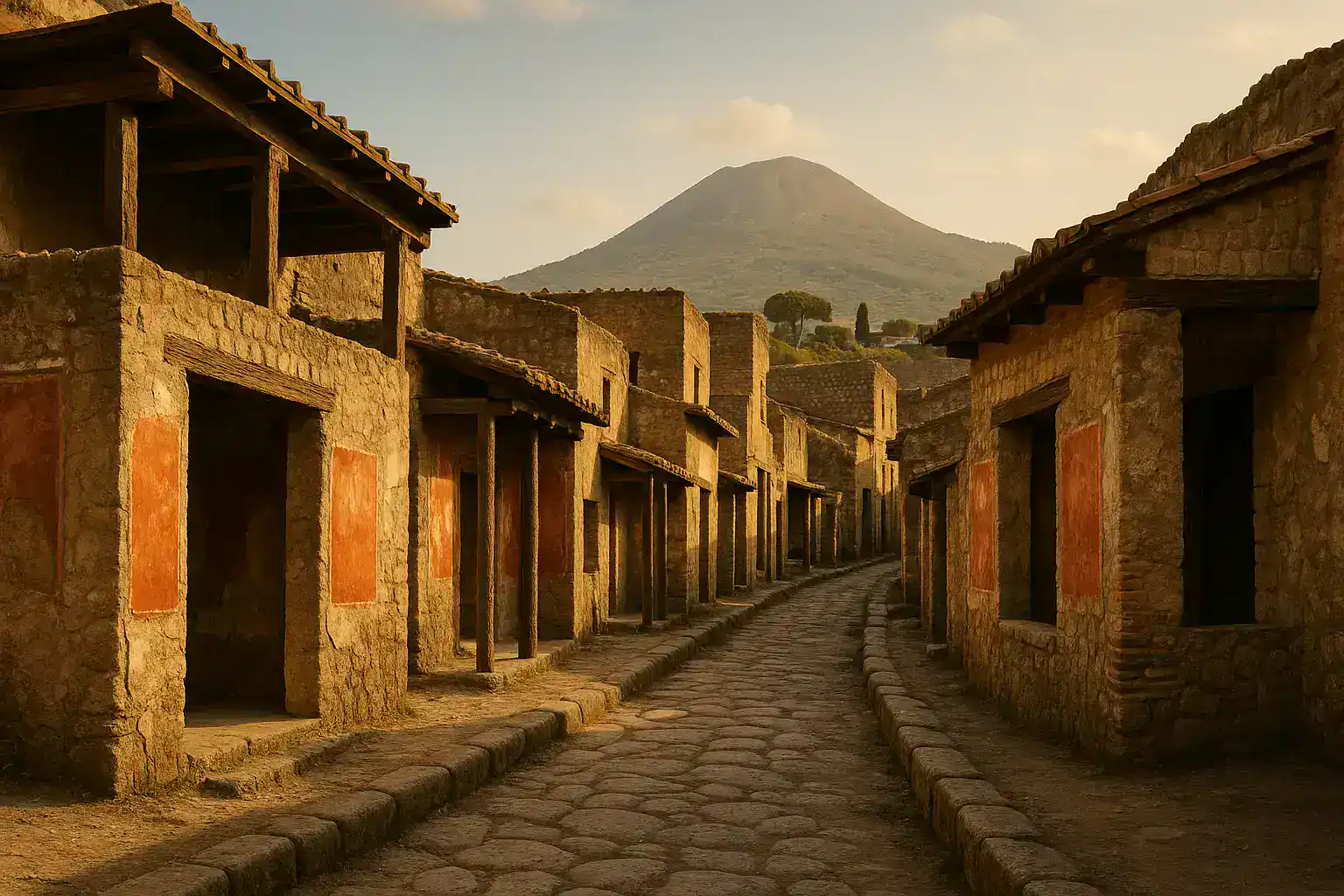
Herculaneum Italy Travel Guide 2026: Better Preserved Than Pompeii
Roman EmpireDiscover Herculaneum's extraordinary preservation of ancient Roman life. See carbonized wood, vivid ...
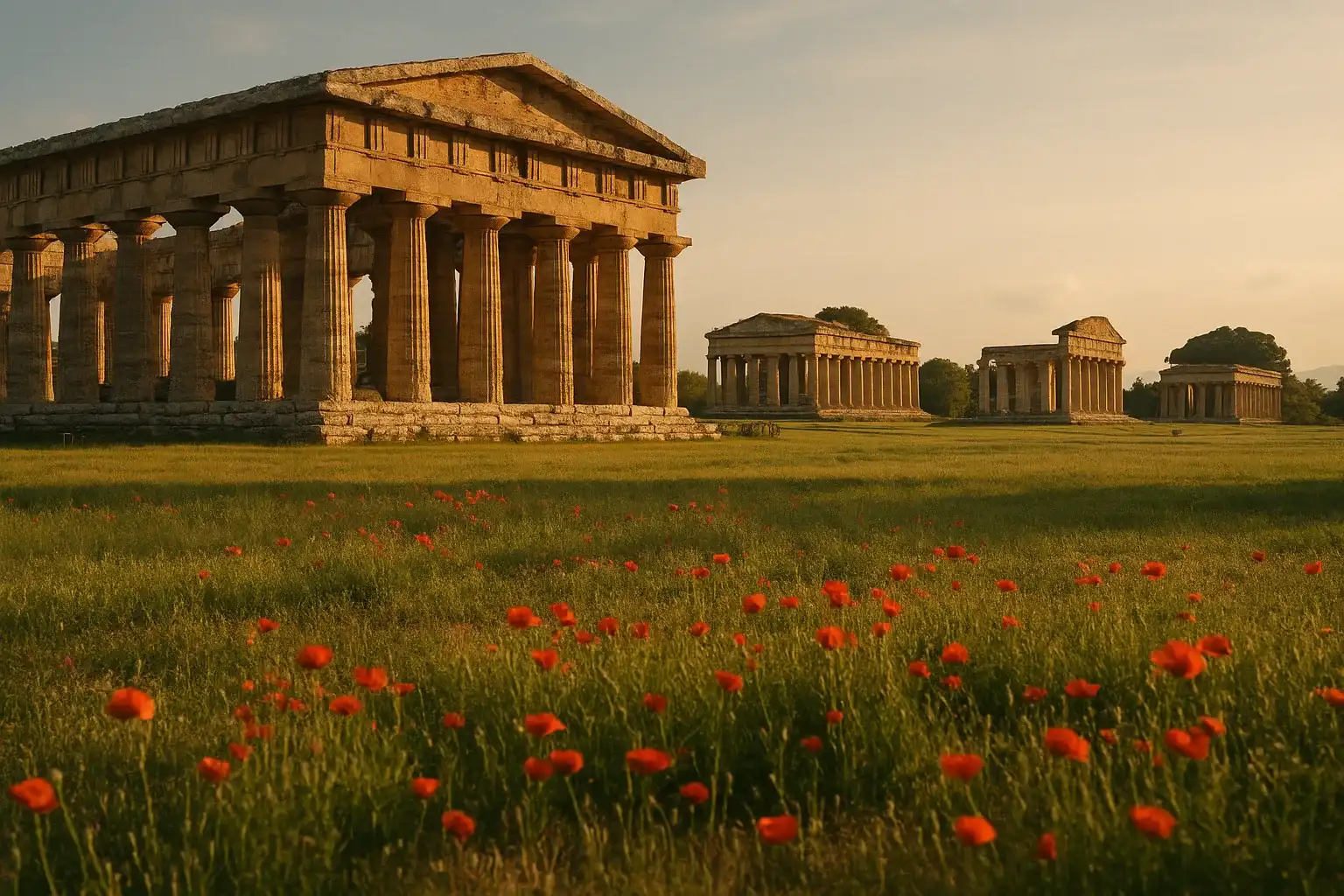
Paestum: Europe's Best-Preserved Greek Temples on Italy's
Ancient Greek / RomanDiscover Paestum's magnificent Greek temples, the Tomb of the Diver, and buffalo mozzarella farms on...
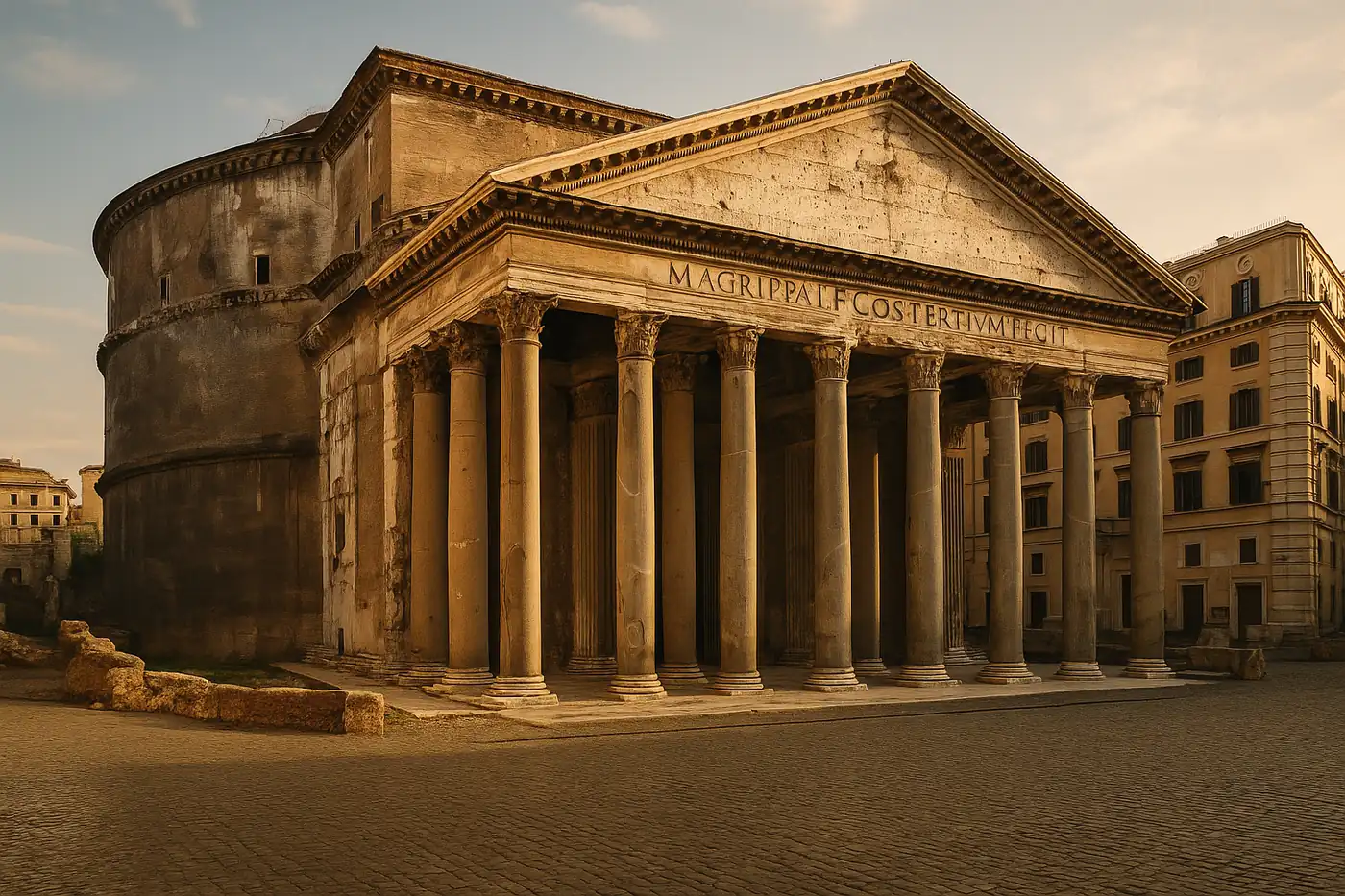
Pantheon Rome: Ultimate Guide to Rome's Best-Preserved Ancient Temple
Roman EmpireMaster your Pantheon visit with history, dome engineering secrets, visiting tips, skip-the-line opti...