Quick Info
Curated Experiences
Taormina Ancient Theatre Skip-the-Line Entry Ticket
Taormina Walking Tour with Ancient Theatre
Mount Etna and Taormina Full-Day Tour
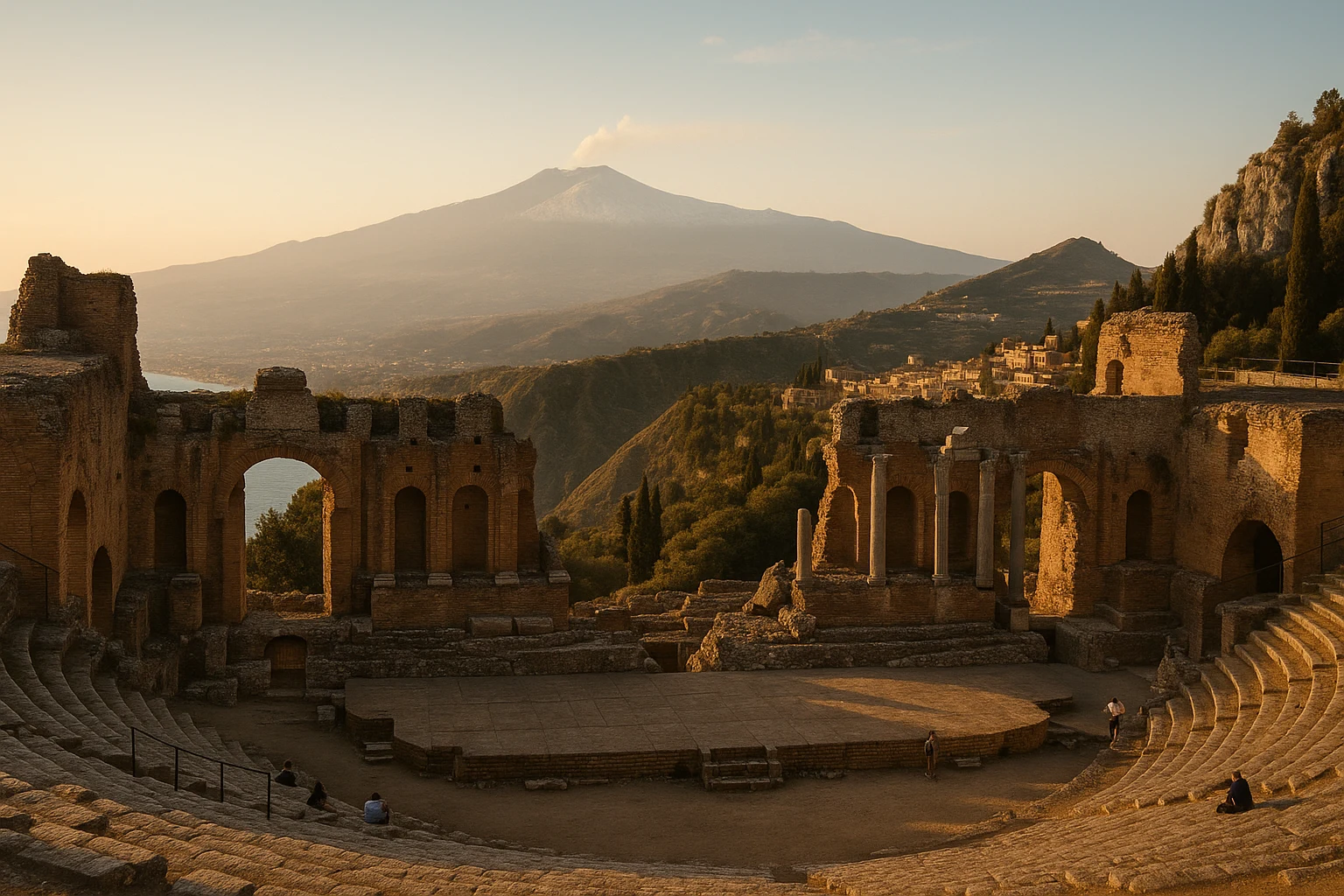
At first glance, Teatro Greco (Taormina) can look almost too perfect to be real: semicircular tiers of ancient stone, a broken stage wall opening toward the Ionian coast, and Mount Etna rising in the distance like a painted backdrop. But the theatre’s power is not just the view. It is the way this monument reveals Sicily’s long argument with empire. Greek planners first carved performance space into the slope, Roman authorities later transformed it with bigger masonry and spectacle-driven architecture, and medieval communities reused parts of the structure as the political map of the island changed again. In one visit, you do not simply see a famous ruin in Italy; you read the biography of eastern Sicily in stone.
This is why Ancient Travel treats Taormina’s theatre as more than a scenic stop between beaches and restaurants. It is one of the clearest places in southern Europe to watch Greek civic design, Roman adaptation, and later reuse intersect in a single site that still feels legible to non-specialists. In this guide, you will find the core history, the key monuments and features inside the complex, practical transport and ticket planning, seasonal strategy, and a realistic way to combine Teatro Greco with nearby Sicilian destinations without rushing the experience.
History: A Stage Rewritten by Every Era
Greek foundation at Tauromenion (c. 3rd century BCE)
The first monumental phase belongs to Hellenistic Tauromenion, when Greek-speaking communities in Sicily built theatres as civic instruments as much as entertainment venues. These spaces hosted drama, public ceremony, and political gathering, all rooted in careful acoustic and topographic planning. At Taormina, builders used the natural slope above the sea to support the cavea, creating sightlines that were both practical and symbolic: spectators faced performance, city, and horizon in one axis. The theatre’s orientation suggests a deliberate relationship between urban identity and landscape, a hallmark of Greek design in the central Mediterranean.
Roman enlargement and architectural transformation (1st century BCE-2nd century CE)
Under Roman rule, the complex was heavily rebuilt rather than abandoned. Roman engineers expanded structural elements, reworked stage architecture, and introduced technical changes associated with broader imperial performance culture. While Taormina never became an arena on the scale of major mainland amphitheatres, evidence points to adaptation for varied spectacle beyond strictly classical Greek drama. Brickwork phases, masonry joins, and surviving wall lines all show deliberate Roman intervention layered over earlier Hellenistic foundations. What visitors now encounter is therefore not a single-date ruin, but a Romanized theatre preserving a Greek skeleton.
Late antiquity and Byzantine continuity (4th-9th centuries CE)
As imperial systems shifted in late antiquity, the theatre’s civic role changed but the site remained part of local urban life. Under Byzantine administration, many public monuments across Sicily lost their original performance function and entered mixed periods of partial use, quarrying, and adapted occupation. At Taormina, the theatre’s durable infrastructure and strategic hillside setting kept it relevant even as formal spectacle declined. This era is crucial for understanding continuity: the monument did not disappear between Rome and the Middle Ages; it transitioned, unevenly, with the social and political transformations of the island.
Medieval reuse under Arab and Norman Sicily (9th-13th centuries CE)
During the centuries of Arab and later Norman control in Sicily, ancient sites were often treated as ready-made stone reserves, defensible high ground, or practical urban edges. Teatro Greco followed that broader pattern of reuse. Architectural fragments were repurposed, and the surrounding settlement reorganized according to new administrative and cultural priorities. Even when not functioning as a classical theatre, the structure remained embedded in Taormina’s lived geography. That long medieval afterlife explains why the monument survives as a layered shell rather than a pristine classical object.
Archaeological rediscovery and modern conservation (18th century-present)
From the Grand Tour onward, European antiquarians and later professional archaeologists elevated Taormina’s theatre to international visibility. Early drawings emphasized romantic scenery; modern archaeological work focused on structural chronology, stabilization, and visitor access. Conservation today balances a difficult reality: this is both a fragile ancient monument and one of Sicily’s most visited cultural sites. Current management prioritizes controlled pathways, monitoring of stone wear, and interpretive framing so visitors can understand Greek and Roman phases without reducing the place to a postcard viewpoint.
The Key Monuments: What to See at Teatro Greco (Taormina)
The cavea (seating tiers)
The cavea is the emotional center of the site. As you climb the seating arcs, you can still feel the original logic of crowd choreography: radial stairways, sector divisions, and gradient changes designed to move large audiences efficiently while preserving clear lines toward the stage. The surviving tiers are fragmentary, yet coherent enough to read scale and social organization. In Greek and Roman theatres alike, where you sat reflected hierarchy, and Taormina’s upper and lower zones preserve that spatial politics in stone. Photography tip: for balanced compositions, shoot from the mid-cavea where the curvature frames both stage remains and Etna in the same field.
The stage building and scaenae area
The stage complex records the strongest Roman fingerprint. Although much of the decorative superstructure is lost, surviving walls and foundations reveal an architecture built to project authority as much as sound. Roman theatre design favored monumental backdrops, and Taormina’s reworked scaenae area reflects that taste for visual drama. You can trace corridors and service zones that supported performers, staging logistics, and technical movement behind the scenes. Spend time reading alignments rather than looking for complete ornament; the site’s value is architectural intelligibility, not intact decoration. Late-afternoon light often sharpens masonry texture here better than noon glare.
The orchestra and performance floor
The orchestra area helps visitors understand the monument’s chronological shifts. In classical Greek settings, this zone related strongly to chorus performance, while Roman modifications in many theatres changed circulation and viewing emphasis. At Taormina, the surviving geometry suggests adaptation across eras rather than total replacement. Looking from orchestra to cavea, then back toward the stage, clarifies how each building phase negotiated audience experience. This is where a guided visit pays off: a good guide can point out subtle transitions in material and layout that are difficult to notice during a fast self-guided pass.
The perimeter walls, substructures, and access passages
Beyond the iconic photo angles, the perimeter architecture is where the engineering story lives. Retaining walls, passage corridors, and load-bearing substructures made the theatre possible on a complex hillside above the coast. These areas also reveal repairs from multiple eras, including later stabilization campaigns aimed at preserving visitor-safe circulation. If you are interested in construction history, compare stone type, block size, and mortar use along different wall segments; you can often distinguish major intervention periods visually, even without specialist tools. This quieter circuit is also where crowd pressure drops during busy summer hours.
The panoramic axis: Etna, coast, and urban Taormina
The theatre’s most famous feature is also archaeologically meaningful: the panoramic axis linking monument, mountain, and sea. Whether Greek founders or Roman rebuilders emphasized this relationship differently, the final effect is unmistakable. From central seating, the stage opening frames Etna and the Ionian shoreline in a way that fuses built and natural theatre. This is not accidental scenery; it is part of why the site retained prestige across centuries. For photography, arrive near golden hour and expose for stone first, then bracket for the sky if you want both architectural detail and volcanic silhouette.
Getting There: Transportation and Access
Teatro Greco is easy to reach once you are in Taormina’s historic center, but the uphill approach and seasonal congestion mean transport choices matter.
From central Taormina
If you are already staying in town, the theatre is usually a straightforward walk along Corso Umberto and side streets toward the upper historic district.
- Walking: 10-20 minutes depending on your hotel location; mostly pedestrian routes with moderate inclines and stone paving.
- Local taxi: 10-15 EUR ($11-16 USD) for short in-town rides, useful if mobility is limited.
- Hotel shuttle (where available): Some upper-hill properties run scheduled drops near the old-town core; confirm return times in advance.
From Taormina-Giardini train station
Most rail visitors arrive below town at Taormina-Giardini, then transfer uphill.
- Public bus: 2-4 EUR ($2-4 USD), around 15-25 minutes depending on traffic and queue time.
- Taxi: 20-30 EUR ($22-33 USD), typically 15-20 minutes but longer during cruise-heavy mornings.
- Walking uphill: 45-60 minutes on steep routes; only realistic in mild weather with light bags.
From Catania and Catania Airport
Catania is the main transport hub for eastern Sicily and the usual origin for day trips.
- Regional train + local transfer: 8-14 EUR ($9-15 USD) total, generally 70-100 minutes door to door.
- Intercity bus: 7-12 EUR ($8-13 USD), often 70-90 minutes depending on service pattern.
- Rental car: 35-70 EUR/day ($38-76 USD) plus fuel and parking; flexible for multi-site itineraries but parking in Taormina can be expensive in summer.
Admission and Hours
Standard adult entry is usually around 10-14 EUR ($11-15 USD), with reduced categories for EU youth and occasional seasonal adjustments. Opening windows are typically full-day with earlier last entry in winter, but exact schedules can shift for events or conservation work, so check official channels before travel day. Card payment is commonly accepted, though carrying a backup card or small cash amount is smart for nearby services. For comfort and photos, target the first 90 minutes after opening or the final 2 hours before closing, avoiding peak midday heat and group-tour surges.
When to Visit: Seasonal Considerations
Spring (March-May)
Spring is the easiest all-around season for most travelers, with temperatures around 15-24°C (59-75°F). Light is crisp, vegetation around the hill brightens, and shoulder-season crowd levels are usually manageable outside holiday weekends. This is the ideal period if you want to pair the theatre with longer walking routes through Taormina without heat fatigue.
Summer (June-August)
Summer brings long days and energetic town atmosphere, but also heat, with daytime ranges commonly 26-34°C (79-93°F). Crowds are highest, especially on cruise-linked dates and Italian holiday weeks. Visit at opening time or near sunset, carry water, and expect queue pressure at popular photo points in the cavea and stage-facing overlooks.
Autumn (September-November)
Autumn combines warm sea air with softening temperatures, usually 18-29°C (64-84°F) in early fall and cooler later. September can still feel like summer, while October often delivers excellent visibility for Etna views. Crowd levels taper gradually, making this one of the strongest seasons for travelers who want comfort without sacrificing daylight.
Winter (December-February)
Winter is quiet and atmospheric, with typical ranges of 8-16°C (46-61°F). You may encounter rain or wind, and shorter opening windows require tighter planning, but low crowd density makes architectural reading easier. Bring a windproof layer and grippy shoes for damp stone. For photographers and history-focused visitors, winter can be surprisingly rewarding.
Combining Teatro Greco (Taormina) with Eastern Sicily
The most efficient half-day sequence starts at the theatre early, entering around 8:30 AM before old-town lanes fill. Spend your first hour reading the cavea and stage architecture in cooler conditions, then use the next 30-45 minutes for the upper viewpoints and panoramic shots toward Etna. By 10:30 AM, walk downhill toward Piazza IX Aprile and Corso Umberto for coffee and a slower urban circuit through Taormina’s medieval core. This pairing works because the theatre supplies deep chronology while the town supplies continuity: ancient infrastructure, medieval street logic, and modern Sicilian life in one compact walk.
If you have a full day, continue after lunch toward Isola Bella for a coastal contrast, or depart by early afternoon for an Etna excursion. A practical rhythm is theatre at 8:30 AM, old town by 11:00 AM, lunch near 12:30 PM, then transfer by 2:00 PM for your second site. For lunch, look for traditional Sicilian kitchens near the upper center serving caponata, pasta alla norma, and grilled local fish; reserving ahead helps in high season. Total combined time is about 6-8 hours including transfers.
For archaeology-first travelers doing a multi-day route, Taormina pairs especially well with Syracuse’s Neapolis complex on a separate day rather than in a rushed single-day sprint. You will get better historical retention, better photos, and a less exhausting pace.
Practical Information
What to bring
- Sun protection: Hat, SPF, and sunglasses are essential in exposed seating zones.
- Water: At least 1 liter per person in warm months; more during July-August.
- Footwear: Stable shoes with grip for worn stone steps and uneven walkways.
- Camera or phone with storage: You will likely shoot more than expected due to changing light.
- Light layer: Useful year-round for wind on upper tiers, especially in winter and shoulder season mornings.
Dress code and etiquette
There is no strict religious dress requirement inside the theatre, but respectful travel norms apply in Taormina’s historic center, especially when combining your visit with nearby churches. Avoid climbing on restricted masonry or crossing barriers for photos; conservation staff monitor this closely. Keep voice levels moderate when guides are presenting so groups can hear interpretation.
Accessibility
Access is partial rather than fully barrier-free. Some paths near entrance zones are easier, but many core viewpoints involve steps, uneven paving, and gradient changes that can be difficult for wheelchairs or limited-mobility travelers without assistance. If accessibility is a priority, contact local visitor services in advance for the most current route guidance and event-related closures.
Why Teatro Greco (Taormina) Matters
Some ancient sites impress you with size, others with preservation. Teatro Greco in Taormina matters because it does something harder: it makes historical layering visible without specialist training. You can stand on one set of stones and recognize, almost physically, how civilizations inherit each other. Greek planners shaped a civic instrument of performance and identity. Roman builders absorbed it, enlarged it, and redirected its symbolism. Medieval communities lived around its remains, transforming it again through use and reuse. Modern visitors complete that long chain each time they enter and decide to look beyond the postcard angle.
That is the deeper gift of Taormina’s theatre. It teaches that the Mediterranean was never static, and Sicily least of all. Power changed hands, languages shifted, religions reoriented public life, and yet the site endured as a reference point above sea and town. When you leave near sunset with Etna fading into evening haze, you are not leaving a ruin behind. You are carrying a durable lesson in continuity.
Quick Facts
| Attribute | Details |
|---|---|
| Location | Taormina, Sicily, Italy |
| Ancient Name | Theatre of Tauromenion |
| UNESCO Status | Not individually inscribed; part of Sicily’s protected cultural heritage network |
| Established | c. 3rd century BCE theatre complex |
| Distance from nearest hub | ~55 km from Catania (about 70-90 minutes by train/bus + local transfer) |
| Entry Fee | ~10-14 EUR ($11-15 USD), seasonal variations possible |
| Hours | Typically daytime opening; shorter winter windows and event-related changes possible |
| Best Time | Spring and autumn; early morning or late afternoon year-round |
| Suggested Stay | 1.5-2.5 hours on-site |
Explore More Italy
- Syracuse Archaeological Park: Sicily’s largest classical complex, including the Greek Theatre and the Ear of Dionysius.
- Valley of the Temples, Agrigento: Monumental Doric temples and one of the Mediterranean’s great sacred landscapes.
- Segesta: Isolated hilltop temple and theatre with powerful landscape context in western Sicily.
- Villa Romana del Casale: Roman imperial villa famed for extraordinary mosaic floors and domestic luxury.
Plan your full archaeological route with our Italy Ancient Sites Guide. For practical overland planning, read our Sicily Transport Guide.
Frequently Asked Questions
How much time should I plan for Teatro Greco in Taormina?
Most travelers need 1.5-2 hours for a complete circuit with photo stops, interpretive panels, and time in the upper cavea. If you enjoy architecture or are traveling in shoulder season with fewer crowds, plan closer to 2.5 hours. Add another hour if you want to pair it with Corso Umberto and Piazza IX Aprile immediately after.
Is Teatro Greco in Taormina Greek or Roman?
Both. The theatre began as a Hellenistic Greek complex, then Roman builders extensively rebuilt and enlarged it, especially the stage architecture and performance infrastructure. What you see today is a layered monument where Greek urban planning and Roman engineering coexist in the same footprint.
What is the best time of day to visit Teatro Greco?
Early morning and late afternoon are best for cooler temperatures and better light on the stone seating and stage ruins. Midday in summer can be hot with little shade, especially in the upper seating tiers. Sunset-adjacent visits are especially popular for Etna and Ionian Sea views.
How do I get to Teatro Greco from Catania?
From Catania, the easiest route is train to Taormina-Giardini and then local bus or taxi uphill to the old town. Regional bus services are also frequent and often run directly to Taormina's terminal. A rental car works well in shoulder season, but summer parking can be slow and expensive.
Do I need to book tickets in advance for Teatro Greco?
In high season (roughly May through September), booking ahead is strongly recommended, especially if you are on a cruise-day schedule or combining multiple sites. Shoulder season visits can usually buy same-day tickets, but prebooking still protects your itinerary. Guided entries are useful if you want the Greek-to-Roman chronology clearly explained on-site.
Is Teatro Greco included in a Sicily archaeological pass?
Ticket products and regional combinations can change seasonally, so always verify current Sicilian cultural pass options before travel. Even when bundled products are available, stand-alone entry to Teatro Greco remains straightforward and is often the fastest option for short Taormina visits.
Nearby Ancient Sites
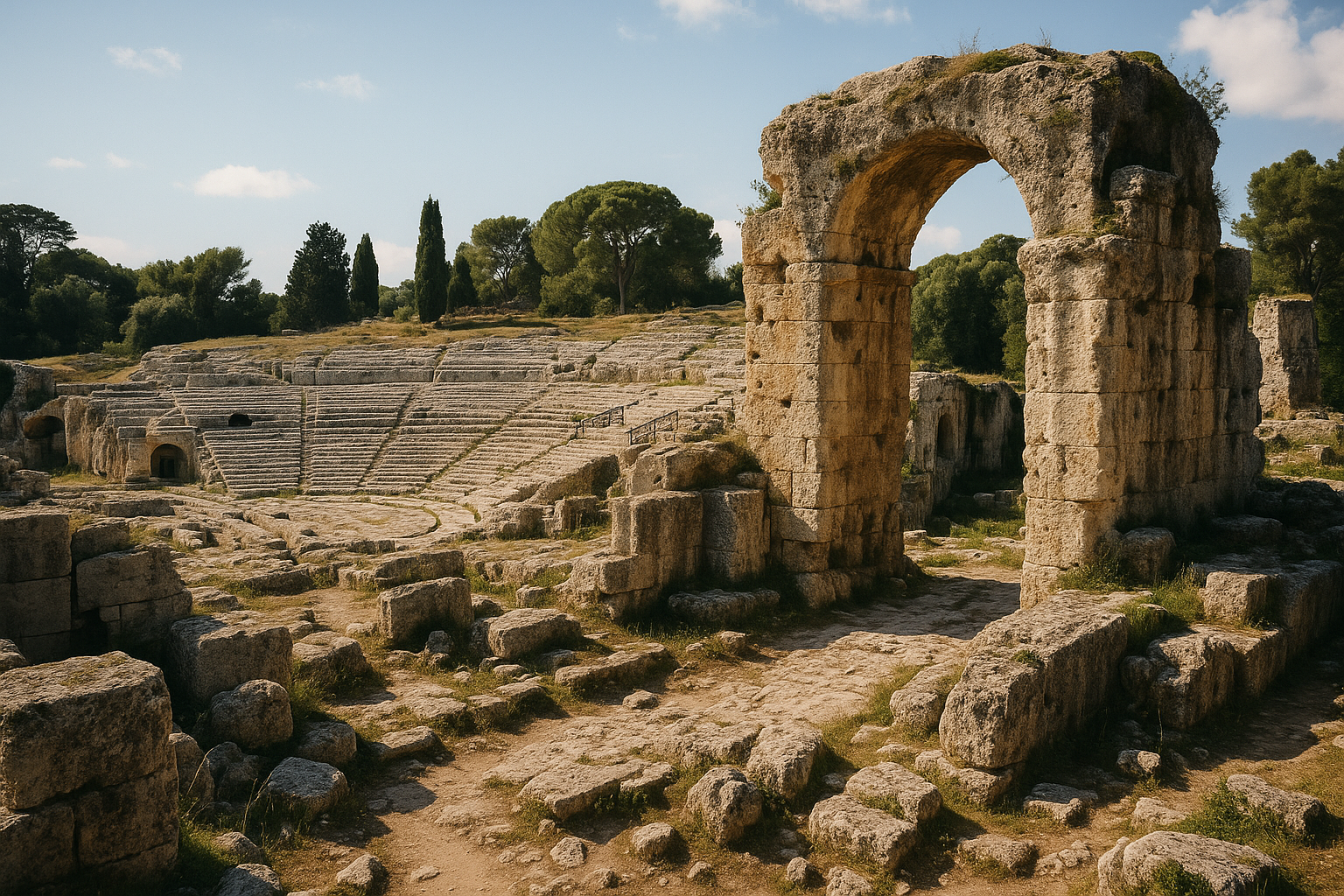
Syracuse Archaeological Park (Neapolis) Guide 2026
Greek-Roman-ByzantinePlan your visit to Syracuse Archaeological Park in Sicily with theatre highlights, Ear of Dionysius ...
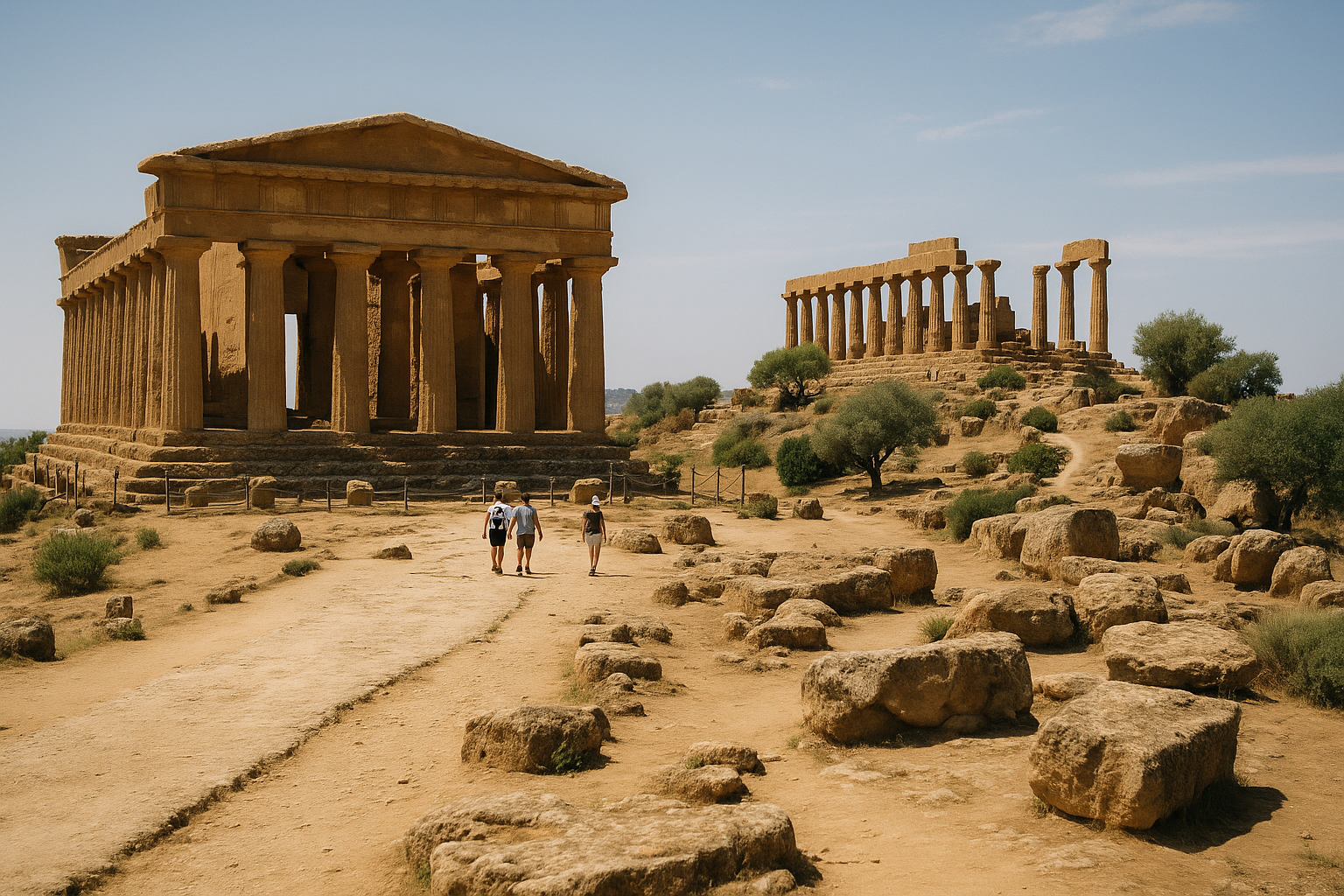
Valley of the Temples Agrigento Guide 2026: Concordia & Juno
Greek-Roman-NormanPlan your Agrigento Valley of the Temples visit with temple highlights, tickets, transport, and prac...
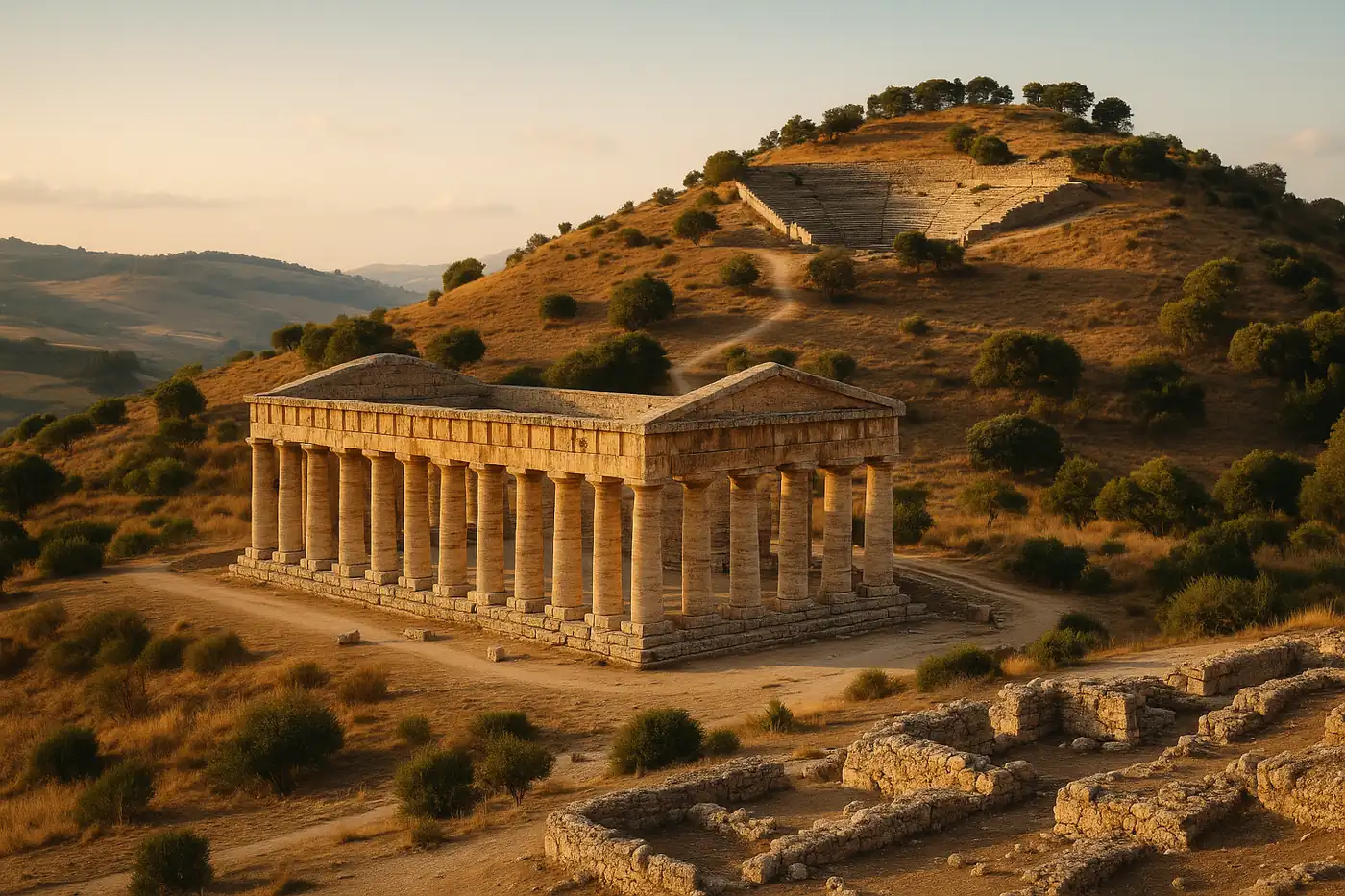
Segesta Archaeological Site: Sicily's Unfinished Temple and Hilltop Theatre
Elymian / Greek / RomanPlan your visit to Segesta in western Sicily: temple, theatre, shuttle logistics, timing, and practi...
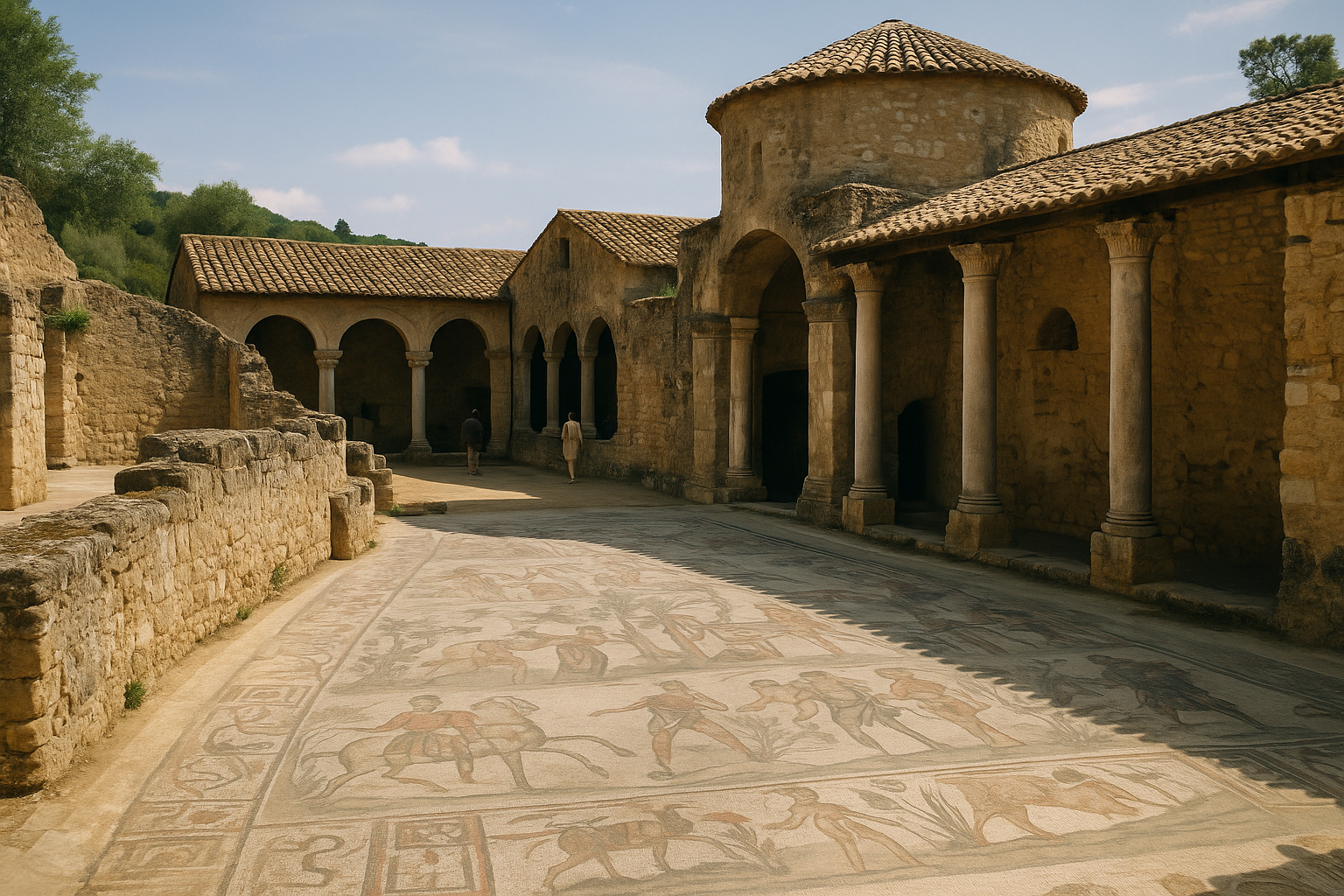
Villa Romana del Casale Guide 2026: Mosaics, Route Timing, and Sicily Planning
RomanPlan a smart visit to Villa Romana del Casale near Piazza Armerina, with mosaic highlights, timing s...