Quick Info
Curated Experiences
Temple of Kom Ombo and Edfu Day Tour from Aswan
Guided Tour of Temple of Horus and Sobek in Kom Ombo
Nile Cruise Including Kom Ombo and Edfu Temples
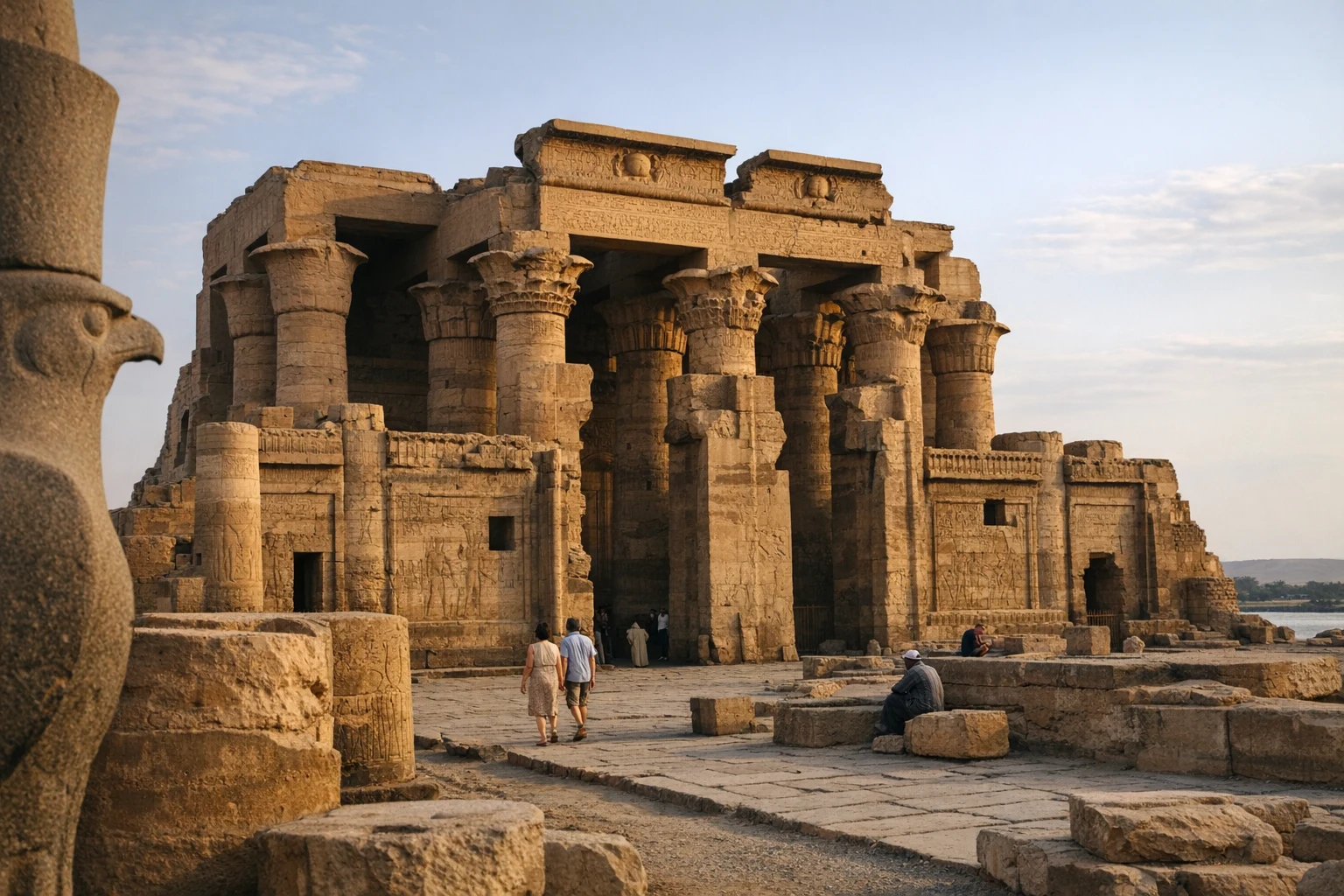
Standing regally on the east bank of the Nile, just a short journey north from Aswan in southern Egypt, the Temple of Horus and Sobek at Kom Ombo radiates a timeless allure that has captivated travelers for centuries. This unique ancient monument serves not merely as a relic of Egypt’s Pharaonic past, but as a compelling window into the country’s enduring religious complexity and architectural prowess. The very earth buzzes with history, sandwiched between the ceaseless flow of the Nile and the edge of the great desert, where the dual temple rises from the riverside in remarkable symmetry. As you step onto the worn flagstones, sunlight floods across expansive courtyards, casting strong shadows from the orderly columns and bestowing a sense of awe and reverence. The sacred complex vibrates with the legacy of Horus, the falcon-headed god of kingship and the sky, and Sobek, the powerful crocodile god connected to the Nile itself. Their dual presence, intricately carved into stone reliefs and colossal gateways, creates an atmosphere both mysterious and welcoming. If your journey through Egypt seeks more than just sand and sphinxes—if you hunger to walk in the footsteps of priests, pilgrims, and pharaohs—the Temple of Horus and Sobek in Kom Ombo is more than a sightseeing stop: it is a grand intersection between myth, ritual, and the living landscape of the Nile Valley.
History
Early Beginnings: Foundations in the Ptolemaic Era
The origins of the Temple of Horus and Sobek are rooted in the tumultuous yet artistically rich Ptolemaic period. Built primarily during the reign of Ptolemy VI Philometor in the early 2nd century BCE, the complex emerged as part of an ambitious program of temple construction designed to solidify the Greek rulers’ legitimacy in Egypt. The site itself, Kom Ombo, was selected for its strategic riverside location within the Aswan Governorate—a fertile and religiously significant area. While evidence suggests that Kom Ombo had long been regarded as sacred ground, the Ptolemies made the daring decision to create a “double temple,” dedicated equally to the falcon god Horus the Elder (Haroeris) and the crocodile god Sobek. This architectural and theological innovation was unprecedented: two sets of symmetrical halls, courts, and sanctuaries were constructed side by side, each honoring a different divine patron. For both the ruling class and local population, this arrangement reflected a broader policy of religious tolerance and unification, blending Greek and Egyptian traditions in both spirit and stone.
Expansion under Later Pharaohs
Construction of the temple continued into the first century BCE, with contributions from subsequent Ptolemaic and early Roman rulers. Each ruler left their mark—often inscribing names or adding decorative friezes to reinforce political authority and religious devotion. The temple’s twin sanctuaries came to serve not only the original gods but also their divine consorts and “families,” with additional chapels and altars enriching the complex. The craftsmanship seen in the detailed reliefs and vivid wall paintings speaks to the skills and devotion of the artisans of the era. Courtyards, inner sanctuaries, and hidden chambers expanded to accommodate growing numbers of priests and pilgrims who journeyed here to offer prayers, gain healing, and seek protection from the ever-present dangers of the Nile. Inscriptions along the columns and walls tell tales of rituals, offerings, and mythological victories, including scenes depicting medical instruments—clear testaments to the site’s use as a center for both religious and practical healing.
The Temple’s Role in Ancient Society
The dual nature of the Temple of Horus and Sobek mirrored the harmonious (and sometimes tense) coexistence of opposing forces in Egyptian cosmology: order and chaos, land and water, sky and river. Ancient Egyptians flocked to the temple for diverse reasons. Those devoted to Horus sought protection, justice, and the king’s favor, while followers of Sobek revered the god who controlled the dangerous yet life-sustaining Nile crocodiles—guardians of fertility and safe passage through the watery underworld. Festivals, processions, and rituals cycled through the temple’s calendar, creating rhythms that anchored local life. Notably, the priests of the temple played roles that were both spiritual and practical, functioning at times as community leaders, healers, and keepers of sacred knowledge. The temple grounds also hosted a Nilometer—a device to measure the Nile’s flooding—which was vital for predicting harvests and maintaining social stability. Through centuries of shifting power, from the pharaohs to the Roman emperors, Kom Ombo remained a vibrant religious nucleus, its stones echoing with prayers and celebrations until the gradual decline of pagan worship in late antiquity.
Preservation, Rediscovery, and Modern Significance
With Egypt’s conversion to Christianity and later Islamic influence, the Temple of Horus and Sobek saw periods of neglect and partial destruction. Sandstorms partially buried the ruins, and the once-sacred precincts were mined for stone or left to erode in the relentless sun. It wasn’t until the 19th century, when European explorers and archaeologists set out to map the relics of ancient Egypt, that Kom Ombo was recognized anew for its historical and artistic value. Excavations—most notably those led by Jacques de Morgan—uncovered the temple’s dual layout and brought to light an astonishing array of artifacts, including mummified crocodiles that are today displayed in the adjacent Crocodile Museum. Modern conservation efforts by Egypt’s antiquities authorities have stabilized and restored much of the temple, preserving it as a testament to Egypt’s dual religious heritage. Today, Kom Ombo stands not only as a revered pilgrimage destination but also as a focal point for cultural tourism and scientific study, drawing visitors from around the world to marvel at its symmetry, symbolism, and serene riverside setting.
Key Features
Approaching the Temple of Horus and Sobek, visitors are immediately struck by its striking duality—a rarity in the canon of ancient Egyptian architecture. The façade reveals two nearly mirror-image entrances, showcasing the temple’s twin dedication and inviting comparison between the mythologies of Horus and Sobek. The limestone and sandstone walls glow golden against the Nile’s deep blue, their surfaces teeming with intricate carvings and monumental reliefs. Massive papyrus-topped columns line the great hypostyle hall, their shafts adorned with hieroglyphs that recount temple rituals, offerings to the gods, and royal decrees. The columns themselves reveal subtle differences: one group associated with Horus, the noble falcon, and the other with Sobek, often depicted with his distinctive crocodile snout.
The temple’s layout is unique, with two sets of courts, halls, and sanctuaries running side by side, separated by a central dividing wall. The left (northern) side is dedicated to Haroeris (Horus the Elder), protector of the pharaoh and embodiment of divine kingship. Here, visitors can trace scenes of triumphant victories, royal blessings, and festivals honoring the sky god. On the right (southern) side, Sobek’s territories unfold: dramatic reliefs depict the ferocious crocodile deity subduing chaos and presiding over fertility rites. The symmetrical arrangement allowed priests and pilgrims to worship without conflict, each god receiving equal veneration within the same sacred complex.
One standout feature is the beautifully preserved inner sanctuaries. While time and the elements have damaged portions of the central shrine, the layered chambers offer an evocative sense of ancient mysteries. Numerous side chapels surround the sanctuaries, dedicated to secondary deities including Hathor, the beloved consort, and Khonsu, the moon god. Visitors can also admire the Nilometer, a carved stone shaft descending beside the temple, ingeniously designed to measure the Nile’s annual flood—a crucial tool in the agricultural cycle of ancient Egypt.
Perhaps most famous among the temple’s treasures are the medical reliefs engraved in one chamber wall. These scenes illustrate an array of ancient surgical tools, making Kom Ombo a celebrated site in the history of medicine. The careful rendering of scalpels, forceps, and birthing chairs testifies to the advanced state of Egyptian medicinal practices and highlights the temple’s dual role as both a place of worship and healing. Adjacent to the sanctuary, the Crocodile Museum houses a fascinating collection of mummified crocodiles and ritual objects, further underscoring Sobek’s enduring presence in Kom Ombo’s sacred landscape.
As sunlight shifts across the colonnades and sanctuaries, the interplay of light and shadow brings the ancient carvings to life. The stories of gods, kings, and priests seem to dance on the temple’s surfaces, making every corner of Kom Ombo a vivid tableau of religious, artistic, and scientific innovation.
Getting There
Reaching the Temple of Horus and Sobek is a memorable adventure, weaving together Egypt’s rich scenery and transportation traditions. The temple is situated in Kom Ombo, approximately 50 kilometers north of Aswan and about 168 kilometers south of Luxor—making it a popular stop for travelers traversing the Nile Valley.
Most visitors arrive by road, with air-conditioned buses, minibuses, or taxis readily available from nearby cities. From Aswan, the journey takes about an hour by car or bus, typically costing between 200 and 300 EGP (approximately $6 to $10 USD) for a single trip, based on current prices and negotiation. Many travelers opt for guided group tours, which often include comfortable transportation, entrance fees, and knowledgeable Egyptologist guides. These packages can be booked in advance and range in price from $25 to $60 per person based on group size, itinerary, and inclusions.
For those seeking a more evocative journey, Nile cruises offer an unparalleled way to experience the temple. Multi-day cruise itineraries from Luxor to Aswan (or vice versa) nearly always include a guided stop at Kom Ombo, allowing for leisurely exploration of the temple during daytime hours. Cruise fares vary widely, typically running from $350 to $1000 per person for three- to five-day itineraries, but they include accommodation, meals, and entry to major temples along the route.
Local trains between Aswan and Luxor also stop near Kom Ombo, providing an affordable (30–50 EGP per ticket) and authentic Egyptian travel experience. From the small Kom Ombo train station, the temple is a short tuk-tuk or taxi ride away, costing an additional 20–40 EGP.
Regardless of the method chosen, Kom Ombo’s riverside setting, combined with the ease and variety of transport links, makes the Temple of Horus and Sobek an accessible highlight and a seamless addition to any Upper Egypt itinerary.
When to Visit
Timing your visit to the Temple of Horus and Sobek can substantially enhance your experience, given the region’s climate and rhythms of tourism.
Egypt’s Upper Nile region features a hot desert climate, with peak temperatures from late spring through early autumn. The best time to visit Kom Ombo is between October and April, when daytime temperatures hover between a comfortable 20°C to 28°C (68°F to 82°F). During these cooler months, the mornings and late afternoons are particularly pleasant, and the strong sunlight bathes the sandstone pillars and reliefs in golden hues, making for stunning photographs and comfortable exploration.
Summers (May through September) can be extremely hot, with daytime highs often exceeding 40°C (104°F). If visiting during this period, aim for early mornings or late afternoons to avoid the searing midday sun. The temple opens at 9:00 AM and closes around 5:00 PM, so plan accordingly; visiting at opening or during the last hour before closing typically offers quieter conditions and cooler temperatures. Regardless of the time of year, bring sunscreen, a hat, plenty of water, and light, breathable clothing to cope with the heat and sun.
The temple is less crowded than many of Egypt’s major monuments, though winter months—especially around Christmas and New Year—see a spike in tour groups and cruise passengers. Visitors seeking tranquility may find deeper serenity in the shoulder seasons of October–November or March–April.
Festivals and local events can occasionally bring added vibrancy to Kom Ombo. If you wish to experience a slice of everyday Egyptian culture, inquire about local market days or religious celebrations that might coincide with your visit.
| Quick Facts | |
|---|---|
| Location | Kom Ombo, Aswan Governorate, Egypt |
| Founded | Circa 180–47 BCE (Ptolemaic through Roman) |
| Primary Deities | Horus the Elder (Haroeris) and Sobek |
| Distinctive Feature | Double design — symmetrically split for each god |
| Architectural Style | Ptolemaic Egyptian, limestone and sandstone |
| Must-See | Medical reliefs, Nilometer, crocodile mummies |
| Entrance Fee | ~140 EGP (adults); discounts for students |
| Opening Hours | 9:00 AM – 5:00 PM (may vary seasonally) |
| Nearby Sites | Edfu Temple, Dendera, Abydos, Karnak Open Air Museum |
| Best Visiting Time | October to April for cooler weather |
Frequently Asked Questions
What makes the Temple of Horus and Sobek unique among Egyptian temples?
It is a rare double temple, symmetrically dedicated to two gods, Horus the Elder and Sobek, each with their own sets of halls and sanctuaries.
What is the best way to get to the Temple of Horus and Sobek?
Most visitors reach the temple by road from Aswan or by Nile cruise, enjoying scenic views and guided excursions.
Are there any entrance fees to visit the Temple of Horus and Sobek?
Yes, a standard ticket costs around 140 EGP for adults (subject to change); discounted rates are available for students with valid ID.
What are the temple’s opening hours?
The temple is open daily, generally from 9:00 AM to 5:00 PM, but hours may vary slightly by season.
Can I take photographs inside the temple?
Yes, photography is allowed for private visitors, but flash and tripods are restricted in certain areas to protect the artwork.
Nearby Ancient Sites
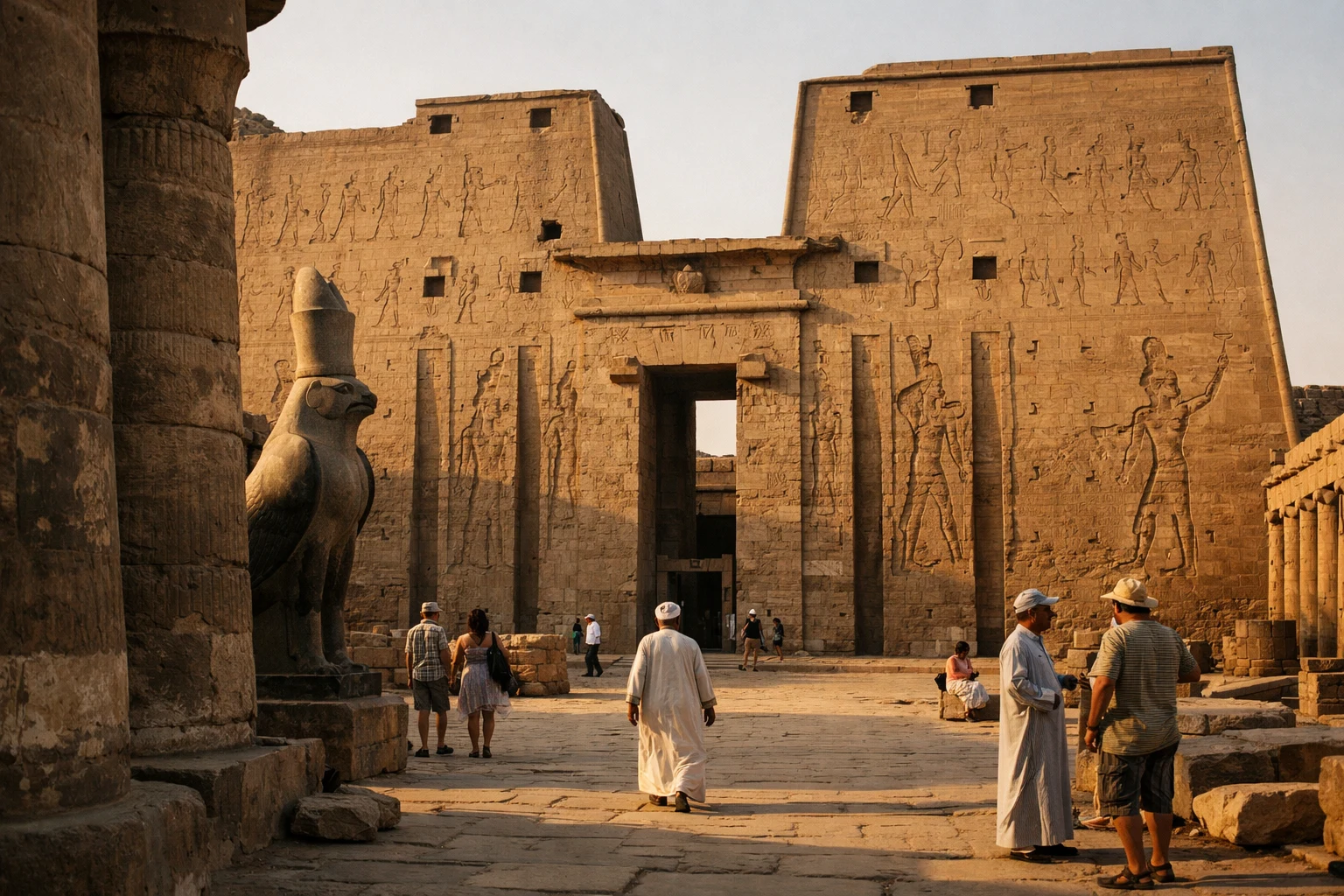
Edfu Temple
Ancient EgyptianVisit Egypt’s Edfu Temple, one of the best-preserved ancient sanctuaries, dedicated to Horus and ric...
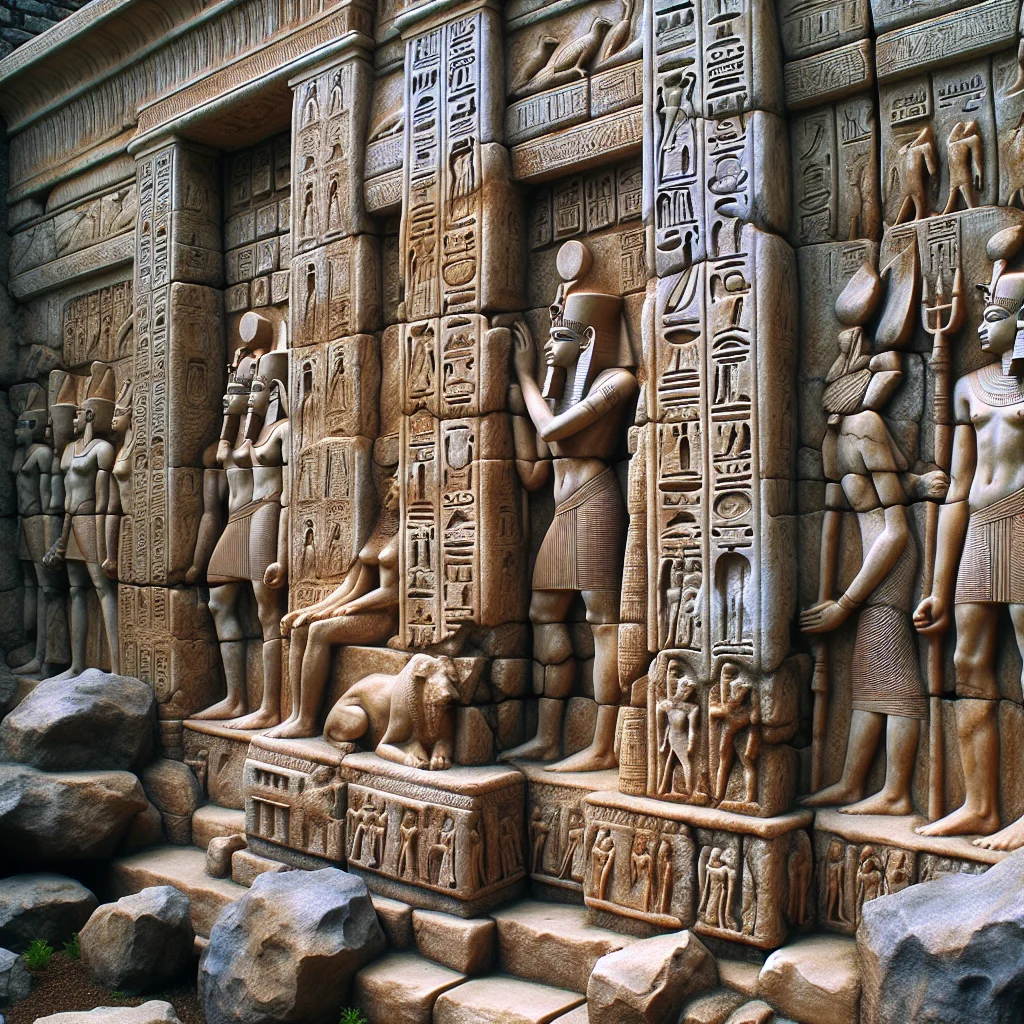
Abydos Temple Egypt Guide 2026: Temple of Seti I & King List
New Kingdom-PtolemaicAbydos Temple near Luxor: magnificent Temple of Seti I with war reliefs, ancient king list, and vibr...
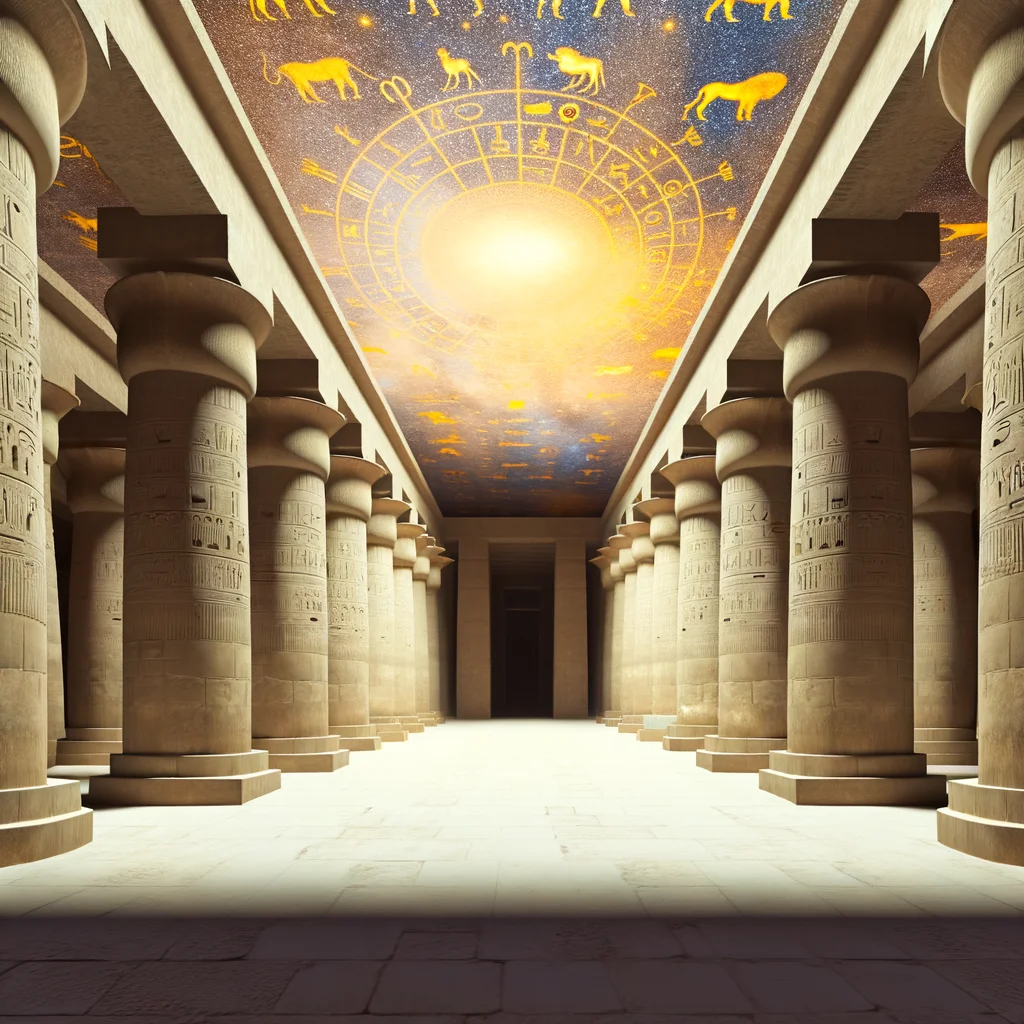
Dendera Temple Complex Egypt Guide 2026: Temple of Hathor & Zodiac Ceiling
Ptolemaic-RomanExplore Dendera's magnificent Temple of Hathor near Luxor. Star-mapped zodiac ceiling, Ptolemaic arc...
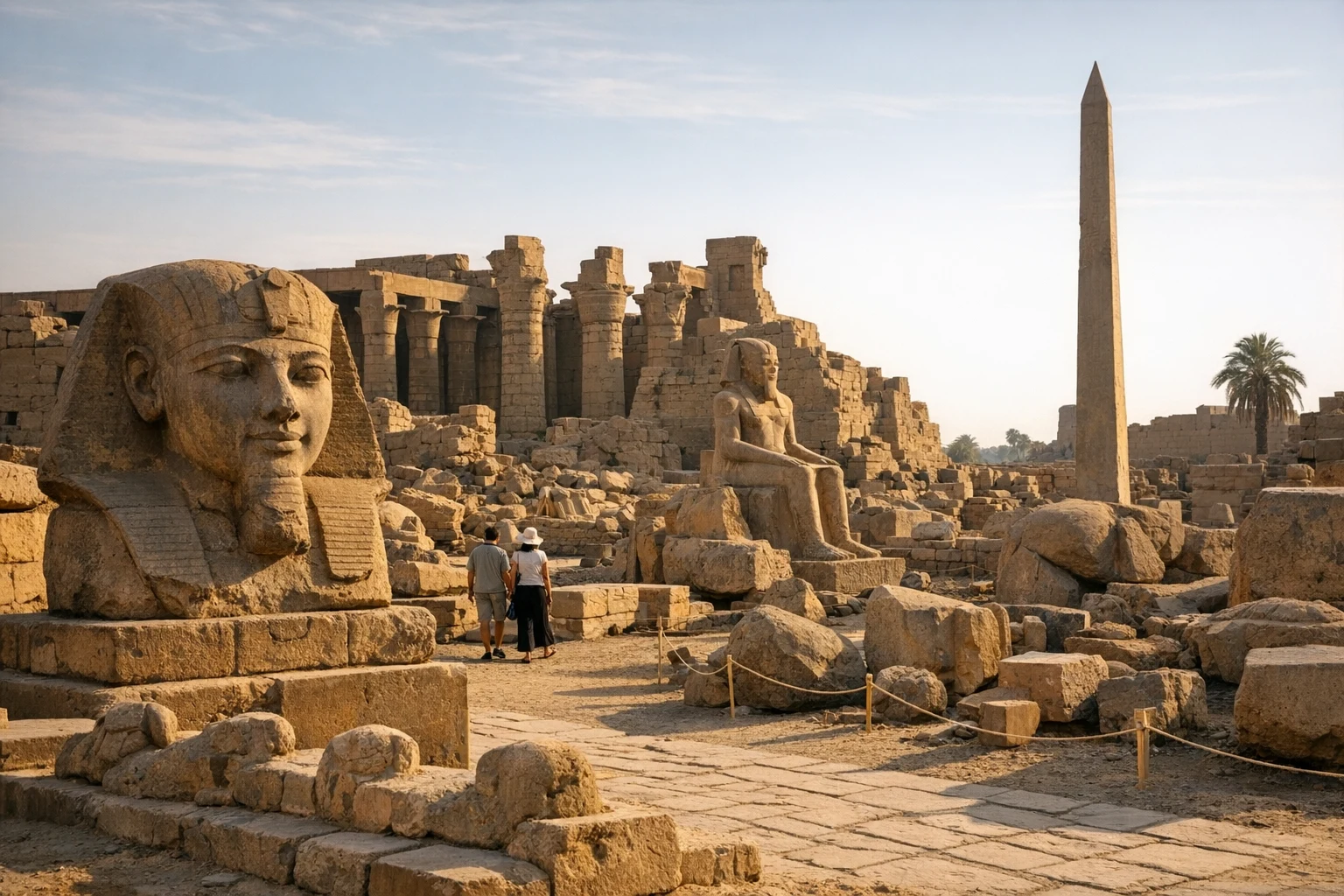
Karnak Open Air Museum
Ancient EgyptianExplore Egypt’s Karnak Open Air Museum, where reconstructed chapels and reliefs reveal hidden layers...