Quick Info
Curated Experiences
Temple of Isis at Philae Boat and Guided Tour from Aswan
Private Aswan Tour Including Temple of Isis at Philae
Philae Temple and Aswan Highlights Day Tour
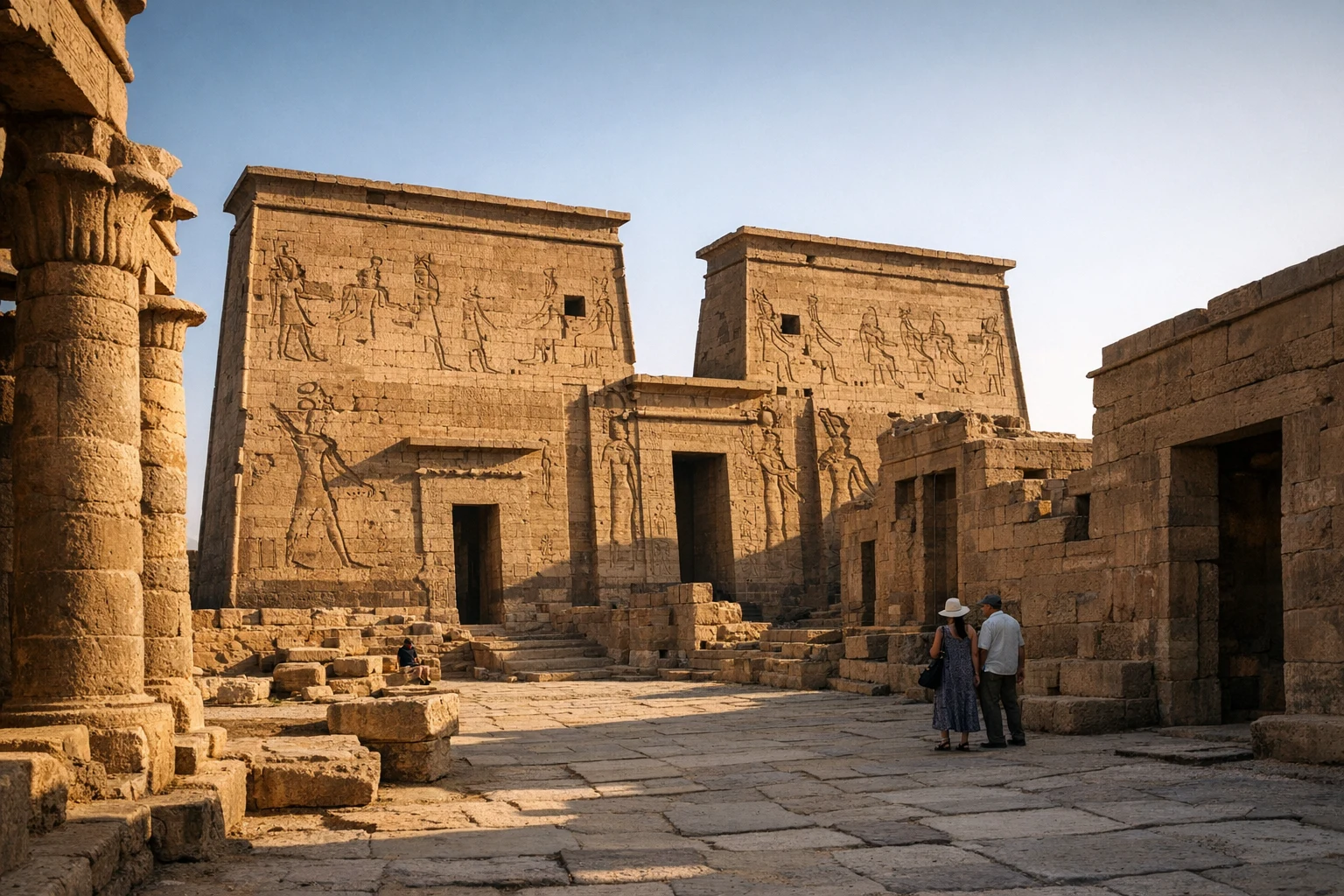
Temple of Isis (Philae) in Egypt is one of the most graceful sanctuaries in the Nile Valley, and one of the rare major temples where the journey to the monument is inseparable from the monument itself. Near Aswan, the sanctuary rises from its island setting with a poise that feels almost theatrical: pylons emerge above the riverbank, columns catch the moving light, and the whole complex seems to hover between water, sky, and stone. Even before you step onto the island, the experience is already different from Egypt’s inland temple visits. Here, approach matters. The short boat ride creates anticipation, perspective, and a sense that sacred space has been set apart from ordinary ground. For a sanctuary dedicated to Isis, goddess of magic, mourning, kingship, and restoration, that separation feels entirely fitting.
What makes the Temple of Isis at Philae so memorable is its combination of elegance and late survival. It is not the largest temple in Egypt and does not overwhelm with the crushing scale of Karnak, but it has a lyrical beauty that many visitors find more immediately affecting. The architecture belongs to the Ptolemaic and Roman periods, when Egyptian temple traditions were still very much alive, and rulers continued to present themselves in fully pharaonic form before ancient gods. Philae was one of the last great centers of traditional Egyptian religion, and that late vitality gives the site unusual depth. Add to that its modern rescue from the Nile, and the temple becomes more than an ancient ruin. It is a place where sacred continuity, political adaptation, and international preservation all meet on a small island in southern Egypt.
History
Sacred Beginnings and the Cult of Isis
The island of Philae had sacred significance before the main surviving temple buildings took shape, but it rose to exceptional prominence as a cult center of Isis during the late dynastic and Ptolemaic periods. The southern Nile cataract region was already a charged religious landscape, tied to boundaries, inundation, and mythic geography. Within this sacred world, Isis became one of Egypt’s most beloved and powerful goddesses. She was associated with motherhood, divine kingship, healing, mourning, and the restoration of life through her role in the Osiris cycle. Her worship carried both intimate emotional force and immense political weight.
By the 4th century BCE, Philae had become one of the chief sanctuaries of Isis. Pilgrims came here because the goddess’s cult was deeply rooted in the site, and because the island itself enhanced the sense of ritual separation. Sacred space in Egypt often relied on progression, enclosure, and hierarchy, and the island setting gave Philae a natural advantage. A temple approached by water was already halfway into the sacred before one passed through a single gate.
Ptolemaic Patronage and Monumental Building
Most of the Temple of Isis as seen today was built during the Ptolemaic period, after Alexander the Great’s conquest of Egypt and the establishment of Macedonian rule under the Ptolemaic dynasty. These rulers were foreign in origin, but they understood that temple patronage was essential to legitimacy in Egypt. By sponsoring shrines, offering to native gods, and depicting themselves in traditional pharaonic form, they embedded their authority in the existing sacred order rather than trying to replace it outright.
Philae benefited enormously from this strategy. The temple complex expanded through multiple reigns, creating a sophisticated ensemble of pylons, forecourts, chapels, colonnades, gateways, and subsidiary shrines. Though politically Hellenistic in context, the architecture remained unmistakably Egyptian in language. This is one of the things that makes the Temple of Isis so significant. It demonstrates that late Egyptian temple culture was not a tired afterthought to a greater past. It was active, prestigious, and visually confident under new rulers who recognized its enduring power.
Roman Continuity and the Last Great Temple Religion
The sanctuary did not decline with the coming of Rome. Roman emperors also supported or embellished parts of the complex, and their inscriptions and reliefs appear within the same long visual tradition. Emperors were represented making offerings to Egyptian gods as if they too belonged within the pharaonic sacred order. This continuity underscores the extraordinary durability of Egyptian temple religion. Even as the Mediterranean world changed politically, Philae remained an active sacred center.
This late vitality is one of the temple’s most fascinating historical dimensions. Philae was among the last major Egyptian sanctuaries where traditional religion survived in institutional form. The cult of Isis remained influential not only in Egypt but across the broader Roman world. Pilgrims and devotees continued to recognize her importance, and the temple served as a major spiritual center long after earlier phases of Egyptian civilization had passed. In a real sense, the Temple of Isis at Philae represents the final flowering of ancient Egyptian religion as a living temple system.
Christian Transformation and Modern Rescue
Eventually, however, the temple’s sacred role changed. With the rise of Christianity and the transformation of imperial religious policy in late antiquity, traditional temple worship was restricted and eventually ended. By the 6th century CE, Philae was closed as a pagan sanctuary, and parts of the site were adapted for Christian use. This transition did not erase the older temple, but it did layer a new religious world over the old one, leaving traces in altered spaces and inscriptions.
The modern history of the sanctuary is almost as dramatic as its ancient one. The construction of the first Aswan Dam caused repeated flooding, submerging the original island and leaving the temple partly underwater for much of the year. Later, the Aswan High Dam threatened even greater destruction. In response, UNESCO and international teams undertook one of the most famous rescue operations in modern archaeology, dismantling and relocating the complex from Philae Island to nearby Agilkia Island. This work preserved both the architecture and its essential island character. The Temple of Isis survives today because of ancient devotion, dynastic patronage, and modern global intervention all at once.
Key Features
The temple’s most unforgettable feature is the water approach. Few major Egyptian sanctuaries still allow visitors to feel so strongly the intended separation between sacred island and ordinary shore. The short boat ride across the Nile is not merely practical. It frames the temple visually and emotionally. The pylons rise incrementally into view, the island edge becomes legible, and the whole sanctuary feels like something revealed rather than simply reached. This movement creates one of the most atmospheric arrivals anywhere in Egypt.
The First Pylon is the defining architectural threshold. Its broad gateway and flanking towers establish the temple’s authority immediately, while the reliefs on its surfaces continue the visual language of kings making offerings to gods in the traditional Egyptian manner. Passing through it, visitors enter a forecourt that balances openness with ceremonial control. At Philae, that balance is especially beautiful because the river landscape still seems close, even once you are inside the monument.
The court and inner temple spaces are where the site’s elegance becomes most apparent. Colonnades with floral capitals, processional passages, sanctuaries, and side chambers create a progression inward that is familiar from Egyptian temple planning but softened here by scale and setting. The Temple of Isis feels intimate enough to study closely without losing its monumental dignity. The reliefs are also historically rich because they belong largely to the Ptolemaic and Roman periods while preserving ancient forms so thoroughly. They show continuity not as theory but as carved fact.
The Kiosk of Trajan is one of the most famous structures on the island and one of the most photogenic monuments in Egypt. Open to the air and positioned near the water, it seems almost to mediate between architecture and river landscape. Its tall columns and unfinished quality give it a lightness distinct from the denser core of the sanctuary. It may be one of the clearest visual expressions of what makes Philae unique: the combination of river setting, sacred procession, and late monumental beauty.
The wider island complex also contains smaller shrines, gateways, and subsidiary sacred structures that remind visitors this was not a single-building temple but a whole sacred island. That layered environment gives the visit greater richness. The Temple of Isis remains the center, but the surrounding ensemble helps make the sanctuary feel alive as a ritual landscape rather than as an isolated architectural object.
Getting There
The Temple of Isis (Philae) is most easily visited from Aswan, the main base for travel in southern Egypt. Visitors first travel by taxi, private car, or organized tour to the marina area near the Philae visitor center south of the city. From central Aswan, the drive usually takes around 20 to 35 minutes depending on your hotel location and traffic. Taxi fares vary, but local rides to the embarkation point often fall roughly in the range of 100 to 250 EGP depending on negotiation, waiting time, and vehicle type.
From the marina, visitors transfer by motorboat to Agilkia Island. The boat ride is short, but it is a defining part of the visit and should be treated as part of the experience rather than an inconvenience. Many guided Aswan excursions include this transfer along with entry logistics, and these tours often combine the temple with the Aswan High Dam and the Unfinished Obelisk. Private guides can add substantial value by explaining the sanctuary’s Ptolemaic, Roman, and rescue-history layers in a way casual visits may miss.
Independent visits are straightforward too, especially if you are comfortable arranging local transport. Bring water, hat, sunscreen, and comfortable shoes. Because there is some boarding and disembarking involved, shoes with decent grip are useful. The site is logistically simple, but the visit feels best when you leave enough margin to enjoy the crossing and the island paths rather than rushing through them.
When to Visit
The best time to visit the Temple of Isis at Philae is from October through April, when the southern Egyptian climate is significantly more comfortable. In the cooler months, the island’s open courts and waterside pathways are far easier to enjoy, and you can spend longer studying reliefs and moving through the sanctuary without the heat dominating the experience. This matters because Philae rewards slowness. It is a place where setting matters as much as structure.
Morning is one of the most rewarding times to arrive. The water is calmer in mood, the stone surfaces glow softly, and the temple feels more serene before larger tour flows build. Late afternoon is equally beautiful, especially for photography, when the light becomes warmer and the sanctuary seems to settle into the river landscape. Both times also enhance the emotional quality of the boat ride, which is one of the site’s defining pleasures.
Summer visits are entirely possible, but the heat in Aswan can be intense. If traveling in hotter months, go as early as possible, carry more water than you think you need, and pace yourself carefully. Some visitors also enjoy the evening sound and light show, which gives the sanctuary a more theatrical atmosphere. But for most travelers, a cool-season morning or late-afternoon visit remains ideal. The Temple of Isis is at its best when the water, the light, and the stone all have room to speak.
| Quick Facts | Details |
|---|---|
| Location | Agilkia Island, Aswan Governorate, Egypt |
| Best Known For | Island sanctuary of Isis and its UNESCO-led relocation rescue |
| Main Cultural Period | Ptolemaic and Roman Egypt |
| Signature Deity | Isis |
| UNESCO Context | Part of the Nubian Monuments World Heritage landscape |
| Key Structures | Temple of Isis and Kiosk of Trajan |
| Access | Reached by boat from near Aswan |
| Recommended Visit Length | 1.5 to 3 hours including boat transfers |
| Best Season | October to April |
| Practical Tip | Visit early or late in the day so the boat approach and island setting feel as atmospheric as the temple itself |
Frequently Asked Questions
What is the Temple of Isis at Philae best known for?
It is best known for its elegant island setting near Aswan, its devotion to the goddess Isis, and its dramatic 20th-century relocation to save it from flooding.
Is the Temple of Isis at Philae really on an island?
Yes. Visitors reach the sanctuary by boat on Agilkia Island, where the complex was reassembled after being moved from the original Philae Island.
Why was the Temple of Isis moved?
The temple was relocated to protect it from rising Nile waters caused by the Aswan dams, in one of the world’s most famous archaeological rescue campaigns.
How much time should you spend at the Temple of Isis (Philae)?
Most visitors should allow 1.5 to 3 hours, including boat transfers and time to explore the pylons, courtyard, sanctuary, kiosks, and surrounding island paths.
Is the Temple of Isis at Philae worth visiting if you have already seen other temples in Egypt?
Absolutely. Its water approach, graceful late Egyptian architecture, and close association with the cult of Isis make it one of Egypt’s most atmospheric temple visits.
When is the best time to visit the Temple of Isis (Philae)?
Morning and late afternoon are usually best, especially from October to April, when the light is softer and the heat is easier to manage.
Nearby Ancient Sites
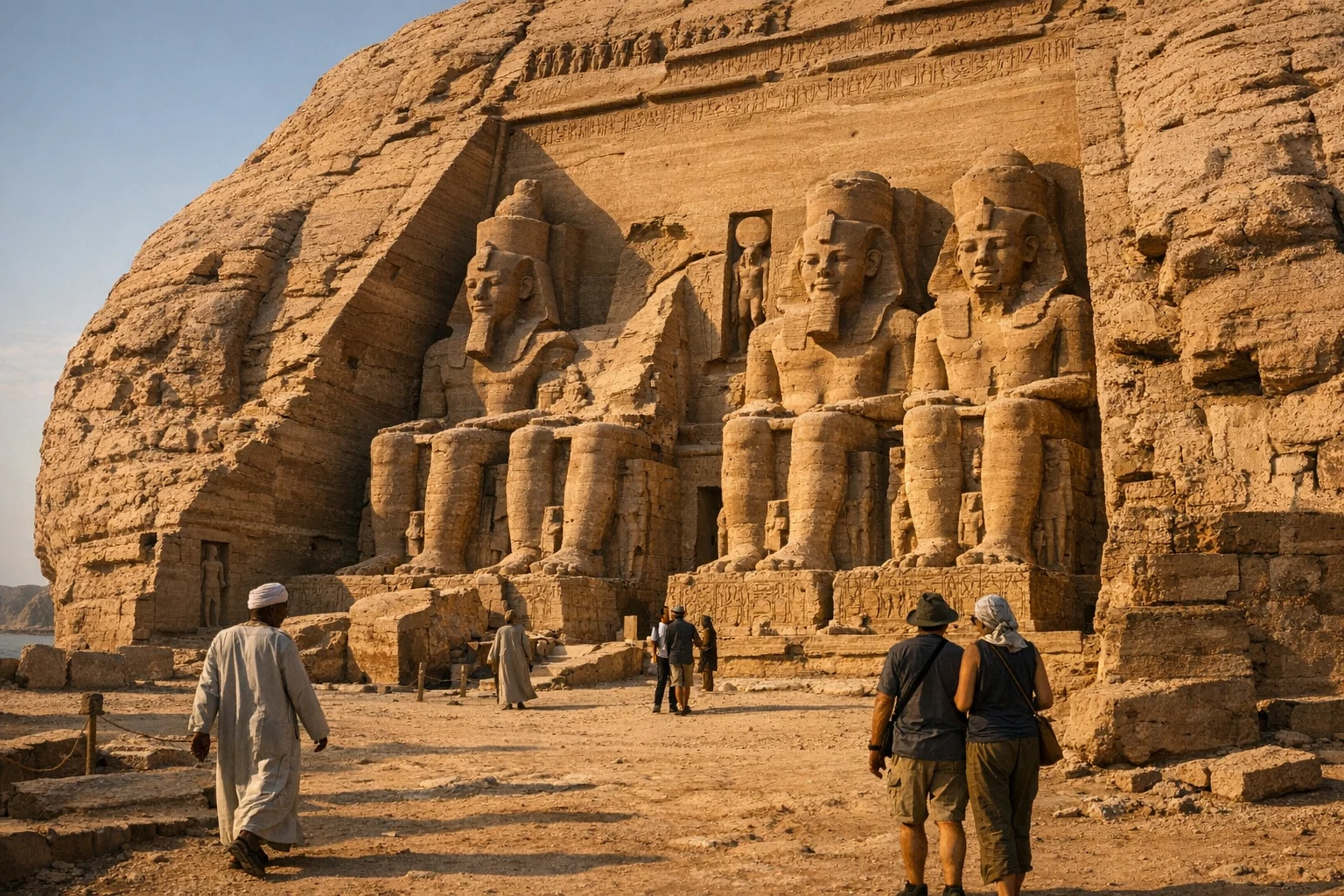
Abu Simbel
Ancient EgyptianDiscover Abu Simbel in Egypt, where colossal rock-cut temples of Ramses II rise above Lake Nasser ne...
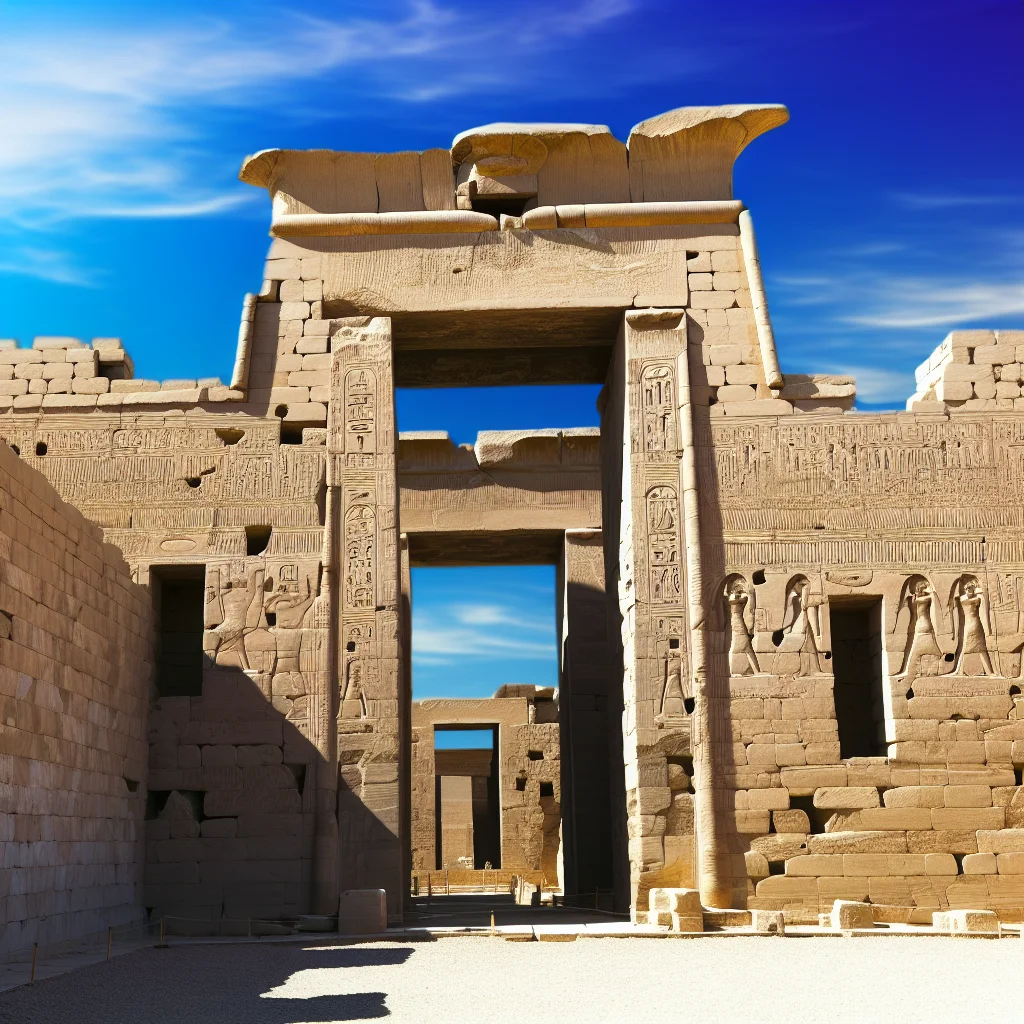
Edfu Temple Egypt Guide 2026: Temple of Horus & Dramatic Battle Reliefs
PtolemaicEdfu Temple near Aswan: Temple of Horus with stunning battle scenes, ritual texts, and the best-pres...
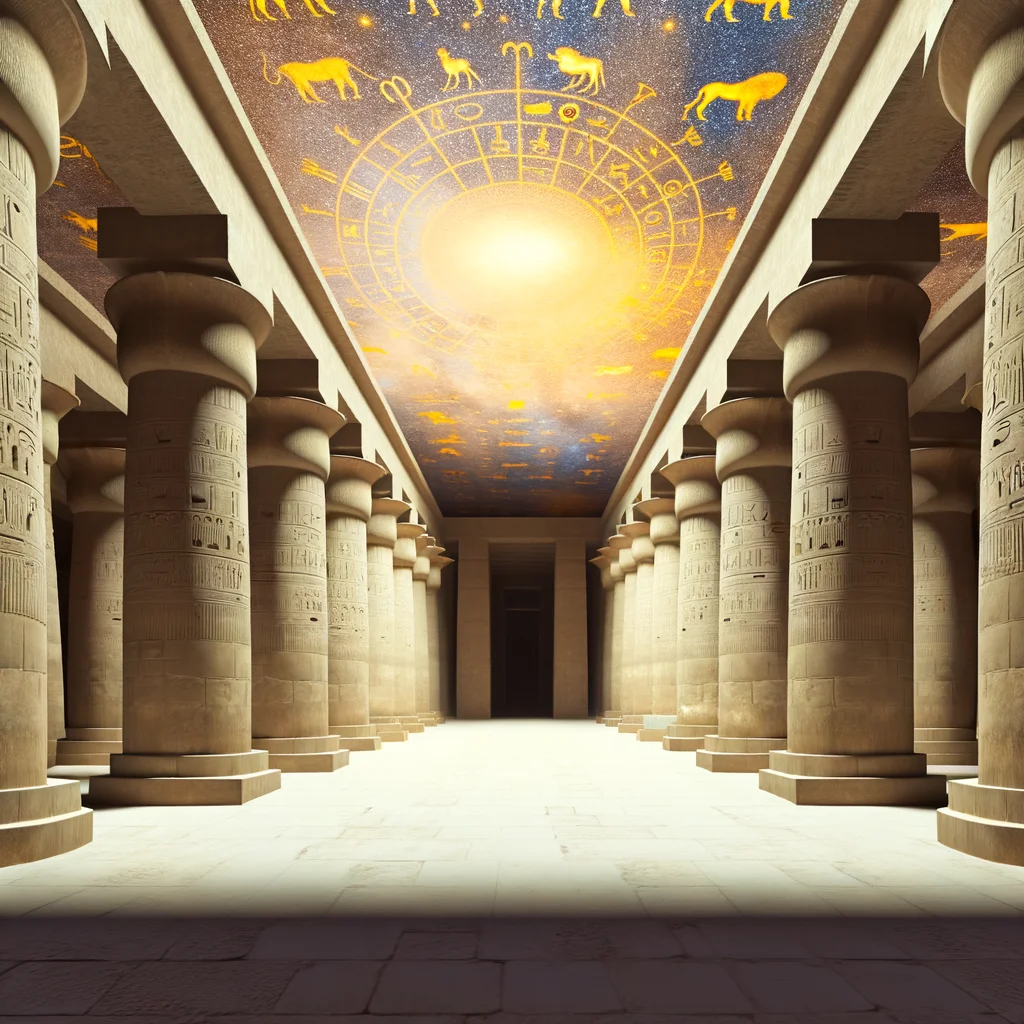
Dendera Temple Complex Egypt Guide 2026: Temple of Hathor & Zodiac Ceiling
Ptolemaic-RomanExplore Dendera's magnificent Temple of Hathor near Luxor. Star-mapped zodiac ceiling, Ptolemaic arc...
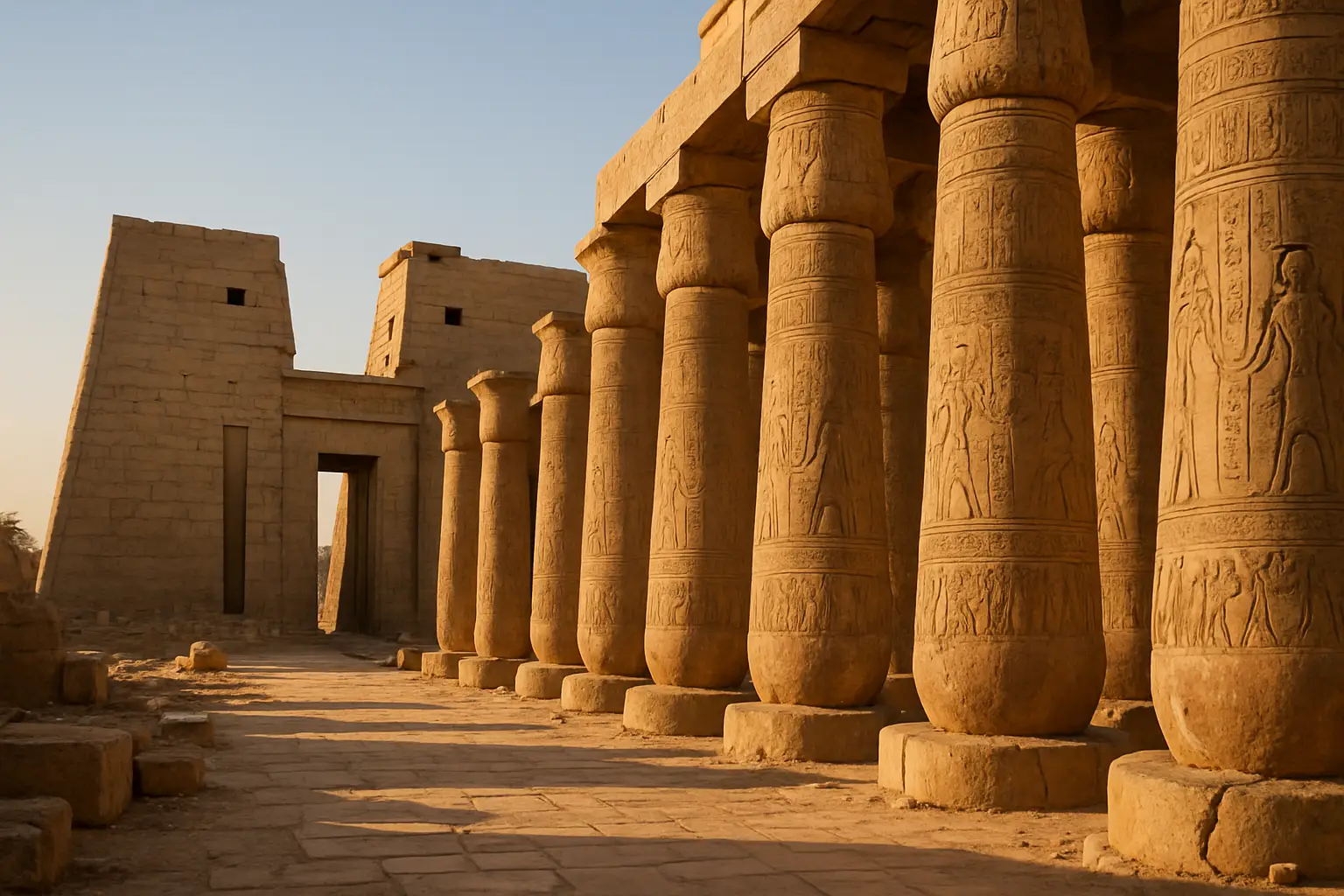
Karnak Temple Complex Egypt Travel Guide 2026: Egypt's Greatest Temple
Ancient EgyptianExplore Karnak, the world's largest ancient religious complex. Discover the Hypostyle Hall, Sacred L...
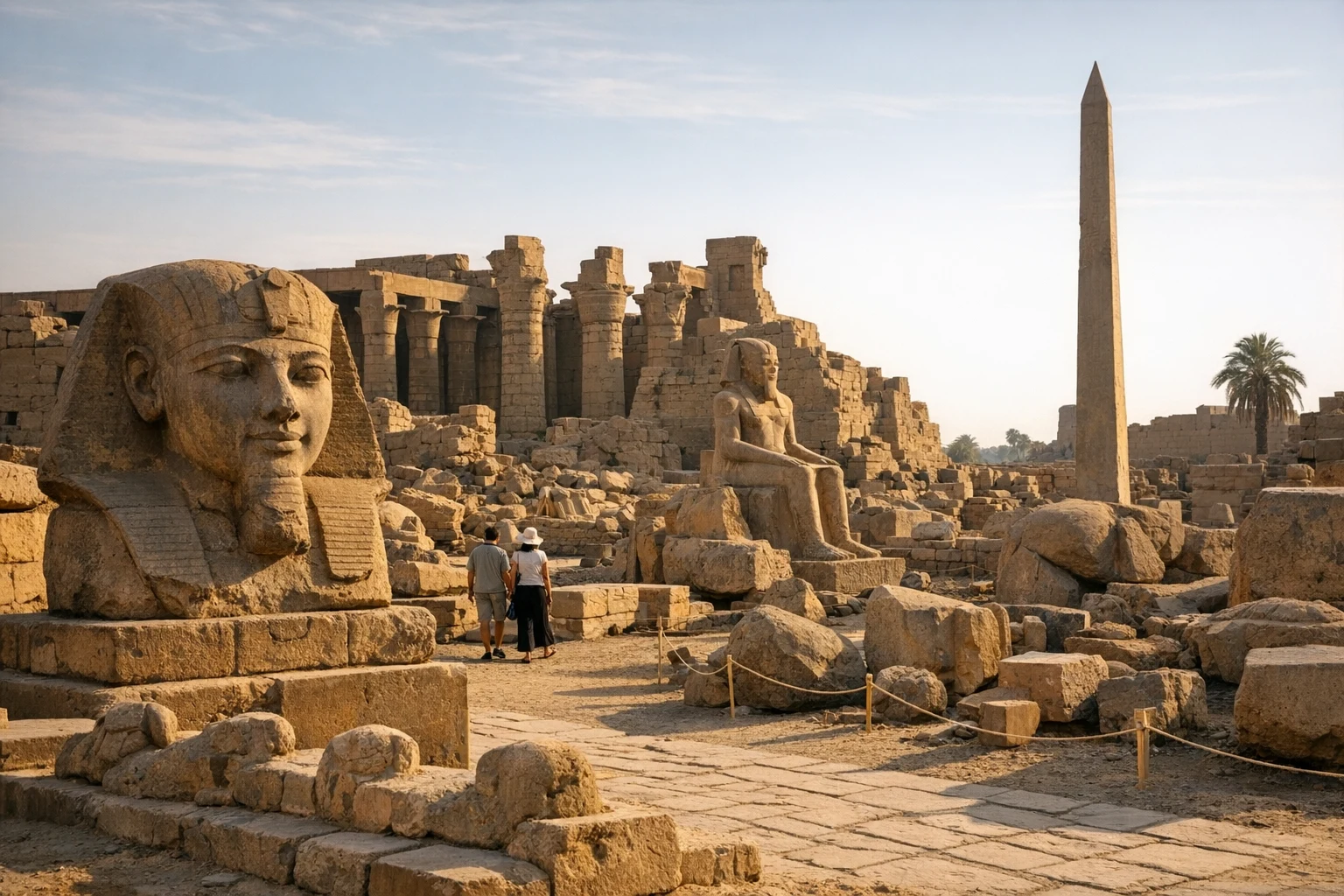
Karnak Open Air Museum
Ancient EgyptianExplore Egypt’s Karnak Open Air Museum, where reconstructed chapels and reliefs reveal hidden layers...