Quick Info
Curated Experiences
Tikal Sunrise Tour with Archaeological Guide
Tikal Day Trip from San Ignacio with Local Lunch
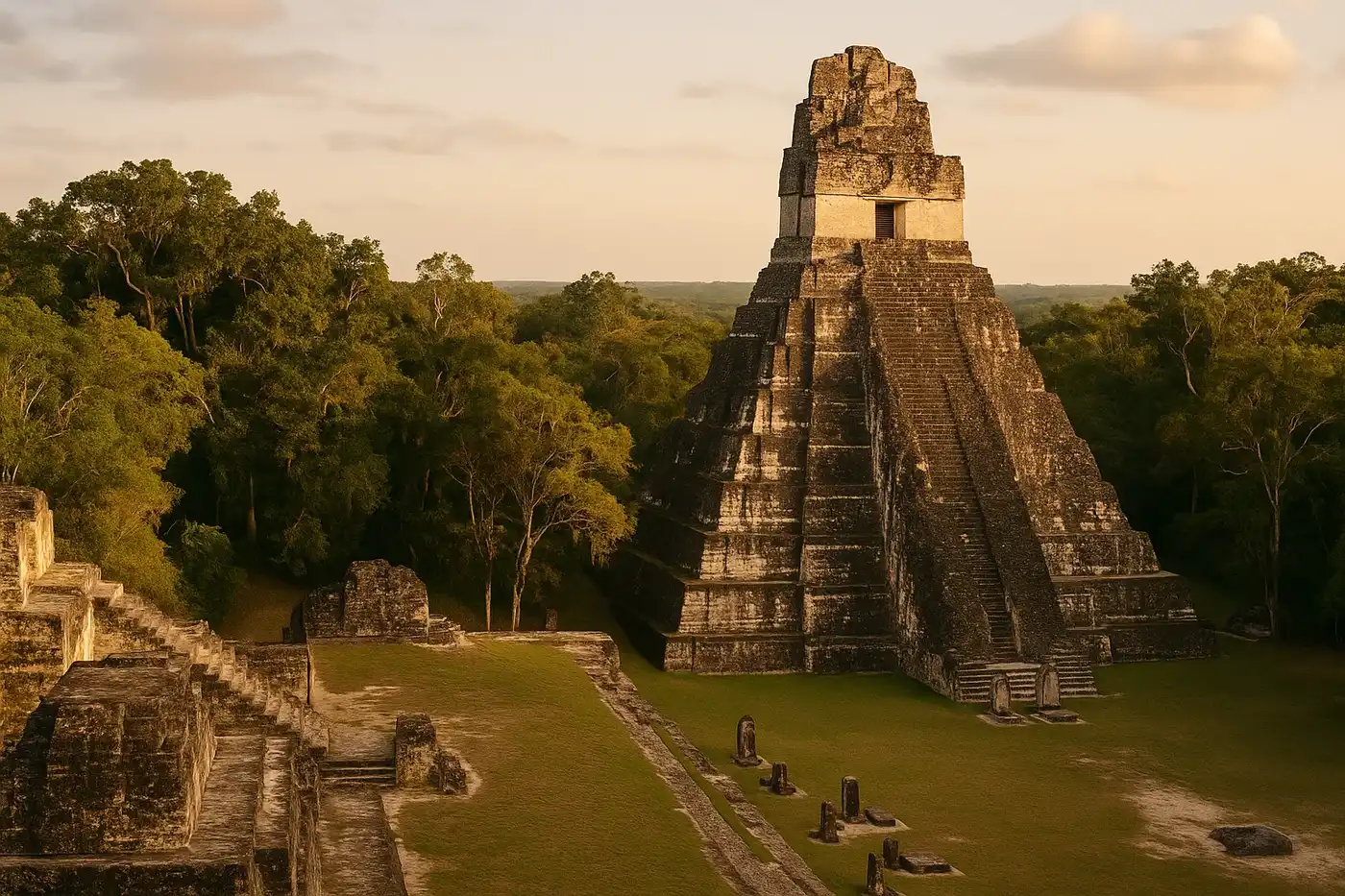
Rising from the mist-shrouded rainforest of northern Guatemala, Tikal stands as one of the most magnificent archaeological sites of the ancient world. This sprawling Maya metropolis, known to its inhabitants as Yax Mutal (“First Mutal”), dominated the Maya lowlands for over 1,000 years during the Classic Period (c. 200–900 AD). Today, Tikal National Park—a UNESCO World Heritage Site protecting 570 square kilometers of tropical forest—is home to soaring temple pyramids that pierce the jungle canopy, elaborate palace complexes, and plazas that once hosted thousands of Maya citizens.
Unlike many other ancient cities, Tikal remained relatively unexplored until the mid-20th century, giving modern visitors the rare experience of discovering a “lost” civilization firsthand. Whether climbing Temple IV for sunrise or listening to howler monkeys echo through the forest at dusk, Tikal delivers an immersive journey into the heart of the Maya world.
Where Is Tikal? Getting There & Best Base
Tikal lies deep in the Petén Department of northern Guatemala, approximately 300 kilometers from Guatemala City. The most common gateway is Flores, a charming town situated on an island in Lake Petén Itzá, connected to the mainland by a causeway. From Flores, organized tours and private shuttles reach Tikal in about 90 minutes.
Getting to Flores:
- By air: Flores International Airport (FRS) receives daily flights from Guatemala City (50 minutes) and Belize.
- By bus: First-class and shuttle buses connect Guatemala City to Flores (8–10 hours).
- From Belize: Regular shuttles connect San Ignacio and Belize City to Flores (3–4 hours).
Most visitors use Flores as their base, though staying inside the national park offers unique advantages for sunrise seekers and wildlife enthusiasts.
Tikal Ruins Map: Main Plazas & Must-See Temples
The core archaeological zone spans approximately 16 square kilometers, with several distinct areas connected by ancient causeways (sacbeob). Understanding the layout helps maximize your visit:
The Great Plaza: The ceremonial heart of Tikal, flanked by the iconic Temple I and Temple II, with the North Acropolis rising behind. This is where the elite conducted rituals and where rulers celebrated victories.
The Central Acropolis: A sprawling residential and administrative complex featuring courtyards, palaces, and sweat baths that housed the royal family and high-ranking officials.
Mundo Perdido (Lost World): The oldest ceremonial complex, dating to the Late Preclassic period (around 350 BCE), featuring a massive pyramid alignment with astronomical significance.
Temple IV Complex: Located west of the main plaza, this area features the site’s tallest structure and offers the most dramatic dawn experience.
Top 10 Things to Do at Tikal
-
Climb Temple IV at Sunrise — The 70-meter pyramid offers panoramic views above the jungle canopy as the mist lifts and howler monkeys begin their morning chorus.
-
Stand Before Temple of the Great Jaguar — This 47-meter pyramid (built c. 732 AD) served as the funerary monument for ruler Jasaw Chan K’awiil I and remains one of the most photographed Maya structures.
-
Explore the North Acropolis — This dynastic burial complex features 43 carved stelae and royal tombs spanning centuries of Maya history.
-
Visit the On-Site Museum — Located near the visitor center, the Tikal Museum displays original artifacts from excavations, including ceramic vessels, jade ornaments, and carved bones.
-
Walk the Plaza of the Seven Temples — This unique row of nearly identical temples demonstrates the Maya mastery of architectural repetition and urban planning.
-
Discover Mundo Perdido — The “Lost World” complex predates the main plaza and offers insight into early Maya ceremonial architecture.
-
Spot Wildlife on the Causeways — The ancient sacbeob connecting plaza complexes double as wildlife corridors where coatis, agoutis, and peccaries regularly appear.
-
Admire Temple V at Sunset — This distinctive rounded-top pyramid (57 meters tall) provides a dramatic silhouette as evening approaches.
-
Listen for Howler Monkeys — The haunting roar of these canopy-dwelling primates creates an unforgettable soundtrack, especially at dawn and dusk.
-
Take a Sunset Tour — Experience the temples as shadows lengthen and the jungle transitions to its nocturnal rhythms.
Tikal Sunrise vs. Sunset Tours: Which Is Better?
Both experiences offer distinct advantages, and serious visitors often do both if time permits.
Sunrise Tours:
- Depart Flores around 4:00 AM to arrive by first light
- Birds and mammals are most active in early morning
- Fewer tourists; more intimate atmosphere
- Misty atmospheric conditions create dramatic photography
- Temple IV viewing platform fills quickly—arrive early
Sunset Tours:
- Depart Flores around 2:00 PM with entry by 3:00 PM
- Golden hour light illuminates temple facades
- Temperatures are cooler than midday
- Evening wildlife activity begins
- Less rushed than sunrise tours
Our Recommendation: If you can only choose one, sunrise at Temple IV offers the more iconic and memorable experience. The sensation of watching the jungle awaken from above the canopy is genuinely magical and worth the early wake-up.
Tikal Wildlife: Monkeys, Toucans & Jaguars
What sets Tikal apart from most archaeological sites is its location deep within the Maya Biosphere Reserve, one of the largest protected tropical forests in Central America. The ancient city functions as a wildlife sanctuary where ruins and rainforest intertwine.
Mammals You’re Likely to See:
- Howler monkeys — Their roar-like calls define the Tikal soundtrack
- Spider monkeys — Often seen swinging through temple canopies
- White-nosed coatis — Curious and bold, they forage around temple bases
- Agoutis — Guinea pig-like rodents common on the forest floor
- Ocellated turkeys — Iridescent wild turkeys strutting through plazas
- Gray foxes — Occasionally spotted near forest edges at dusk
Birds to Watch For:
- Keel-billed toucans — With their rainbow bills
- Ocellated turkeys — With iridescent plumage
- Vermilion flycatchers — Brilliant red birds of open areas
- Tropical parrots and motmots — In the canopy
The Jaguar Factor: While rarely seen, Tikal supports a population of jaguars—the Maya’s most sacred animal. Night tours offer the best (though still slim) chance of spotting these elusive cats. Your best bet is looking for fresh tracks on morning trails.
Where to Stay: Flores vs. Tikal National Park Hotels
1. Flores (Base for 90% of visitors)
Flores offers the best selection of accommodations, restaurants, and tour operators. Located 65 kilometers from Tikal, the island town provides a charming atmosphere with lake-view dining and colorful colonial architecture.
| Budget | Price Range | Best For |
|---|---|---|
| Budget | $15–40/night | Hostels like Los Amigos cater to backpackers |
| Mid-range | $50–100/night | Hotels with lake views and comfortable rooms |
| Boutique | $100–150/night | Unique properties on the island |
Top picks: Hotel Casona de la Isla (boutique, island location), Hotel Flores (mid-range, lake views), Los Amigos Hostel (budget, social atmosphere).
2. Tikal National Park (Inside the park)
For serious nature enthusiasts and photographers, staying inside the park offers unparalleled access to dawn and dusk experiences without the crowds.
- Tikal Inn — Basic but comfortable rooms near the visitor center
- Jungle Lodge — Mid-range option with pool and restaurant
- Camping — Designated campgrounds for budget travelers
Pros: First access to temples at dawn; total immersion in the jungle; potential nocturnal wildlife encounters Cons: Limited dining options; higher prices; fewer amenities
3. El Remate (Lake Petén Itzá)
A quieter alternative to Flores, El Remate sits 30 kilometers from Tikal and offers a more relaxed lakeside atmosphere.
- Best for: Families, travelers wanting a beach + ruins combo
- Budget: Mid-range lodges $50–100
- Advantage: Good swimming in the lake
How Much Time Do You Need at Tikal?
Minimum: 4–5 hours allows you to see the main plaza, Temple IV, and the North Acropolis with basic interpretation.
Recommended: A full day (7–8 hours) lets you explore secondary complexes like Mundo Perdido and the Central Acropolis while having time for wildlife observation.
Enthusiasts: Two full days allow you to experience both sunrise and sunset, explore peripheral complexes, and visit the museum without rushing.
The Sunrise Factor: Sunrise tours require arriving by 4:00 AM, effectively adding 3 hours to your timeline. Factor this into your scheduling.
Visiting Tikal Independently vs. Guided Tour
Both approaches have merit depending on your interests and travel style.
Guided Tours (Recommended for most visitors):
- Advantages: Expert interpretation brings the Maya world alive; efficient routing; transportation included; guides know wildlife hot spots
- Cost: $35–75 per person depending on group size and inclusions
- Best for: First-time visitors; those interested in Maya history; travelers without Spanish
Independent Visits:
- Advantages: Complete flexibility; set your own pace; lower cost if you have transport
- Requirements: Spanish helpful; self-directed research essential for context
- Cost: Park entry only (~$20) + transport costs
- Best for: Return visitors; experienced travelers; photographers with specific needs
The Sweet Spot: Many travelers opt for a guided tour on their first day, then return independently to revisit favorite spots or chase specific photographic conditions.
Practical Tips: Fees, What to Bring & Safety
Park Entry Fees (2026):
- Foreign adults: Q150 (~$20 USD)
- Sunrise/sunset surcharge: Q100–150 additional
- Museum entry: Q30 extra
- Important: Cash only (Guatemalan quetzals). No credit cards accepted.
What to Bring:
- Comfortable walking shoes (paths are uneven and can be muddy)
- Insect repellent (essential, especially at dawn/dusk)
- Sunscreen and hat (the jungle canopy doesn’t provide complete shade)
- Rain jacket (afternoon showers are common, especially May–October)
- Water and snacks (limited food options inside the park)
- Binoculars for wildlife viewing
- Camera with zoom lens for wildlife and distant temple details
Safety Considerations:
- Tikal is generally safe for tourists with standard precautions
- Don’t hike alone on remote trails
- Secure valuables and don’t display expensive equipment openly
- Stay on marked trails (getting lost in the jungle is a real risk)
- Drink plenty of water; the humid heat can be exhausting
Day Trips from Tikal: Yaxha, Uaxactun & El Mirador
For travelers with extra time, several other Maya sites make compelling extensions to a Tikal visit:
Yaxha: This large ceremonial center sits 30 kilometers southeast of Tikal and offers impressive temple complexes with far fewer tourists. The sunset views from Temple 216 are spectacular. Can be visited as a day trip or combined with Tikal in a two-day package.
Uaxactun: Located just 23 kilometers north of Tikal, this smaller site features an astronomical observatory complex and receives very few visitors. It makes an excellent half-day add-on for those staying multiple days.
El Mirador: For the truly adventurous, this massive Preclassic site (the largest in the Maya world) requires a 5–6 day jungle trek or helicopter flight. The massive Danta pyramid is one of the largest ancient structures in the Americas. Not for casual tourists, but life-changing for committed Maya enthusiasts.
Quick Facts
| Attribute | Details |
|---|---|
| Location | Petén, Guatemala |
| Country | Guatemala |
| Region | Petén |
| Civilization | Classic Maya |
| Historical Period | c. 250–900 CE (Classic Period) |
| Established | c. 400 BCE (earliest occupation) |
| Coordinates | 17.2220, -89.6237 |
Explore More Mesoamerican Sites
- Chichen Itza: The Yucatan’s iconic Maya-Toltec city
- Teotihuacan: The City of the Gods near Mexico City
- Machu Picchu: The legendary Inca citadel in Peru
Plan your Mexico and Central America journey with our Mexico Ancient Sites Guide. Learn about budget archaeological travel and photographing ruins.
|-----------|---------| | Location | Petén Department, northern Guatemala | | UNESCO Status | World Heritage Site (1979) | | Ancient Name | Yax Mutal | | Peak Period | 200–900 AD (Classic Maya) | | Population (peak) | 100,000–200,000 | | Site Area | 16 km² core; 570 km² national park | | Elevation | 300–400 meters above sea level | | Nearest Airport | Flores International (FRS) | | Best Time | November–April (dry season) | | Suggested Stay | 1–2 days |
Frequently Asked Questions
What makes Tikal different from Chichen Itza?
Tikal is a jungle site—its temples rise dramatically above the forest canopy, accessible by long forest trails. This wilderness setting (inside Tikal National Park with abundant wildlife) creates an atmosphere of discovery unlike the open, crowded spectacle of Chichen Itza. Tikal also predates Chichen Itza by centuries and represents the Classic Maya period at its height. Chichen Itza is more convenient and accessible; Tikal is more adventurous and emotionally powerful.
Can I see howler monkeys and toucans at Tikal?
Very likely. Tikal National Park is a biodiversity hotspot. Howler monkeys, spider monkeys, coatis, oscillated turkeys, and toucans are commonly spotted. Jaguar sightings are rare but documented. Arrive early morning or stay for the late afternoon—dawn and dusk offer the best wildlife activity and the most atmospheric light on the temples.
Is Tikal worth visiting from Cancun or Guatemala City?
From Cancun, Tikal requires a flight to Flores (closest airport) or Guatemala City then another connection—a 2-day commitment minimum. From Guatemala City, flights to Flores (1 hour) or overland (8-9 hours) are options. From Belize City, it's a 3-4 hour drive. The effort is worth it: Tikal consistently ranks among the most impressive archaeological sites in the Americas.
What time should I arrive at Tikal?
Gates open at 6:00 AM. Arriving at opening allows you to experience sunrise from Temple IV (the highest structure) before crowds arrive and before midday heat becomes brutal. The jungle is also most alive with animal sounds and activity at dawn. Night tours (requiring special permits) allow experiencing the site after dark with a guide.
What are the main temples at Tikal?
Temple I (Temple of the Grand Jaguar) and Temple II face each other across the Great Plaza—the iconic image of Tikal. Temple IV is the tallest pre-Columbian structure in the Americas at 70 meters and offers panoramic jungle views. Temple III (Temple of the Jaguar Priest) and Temple V are more remote. The Mundo Perdido (Lost World) complex with its ancient pyramid predates the classic temples by centuries.
Nearby Ancient Sites
Chichen Itza Travel Guide 2026: Maya Secrets, Sacred Cenote, and Smart Timing
MayaChichen Itza stands as the most visited ancient site in Mexico, showcasing the architectural genius ...
Teotihuacan Mexico Travel Guide 2026: Pyramids, Mysteries & Day Trips
TeotihuacanoTeotihuacan, the 'birthplace of the gods,' remains Mesoamerica's most influential ancient city. This...