Quick Info
Curated Experiences
Valley of the Kings & Tutankhamun Tomb Tour from Luxor
Full-Day West Bank Luxor Tour with Valley of the Kings
Howard Carter House & Tutankhamun Treasures Tour
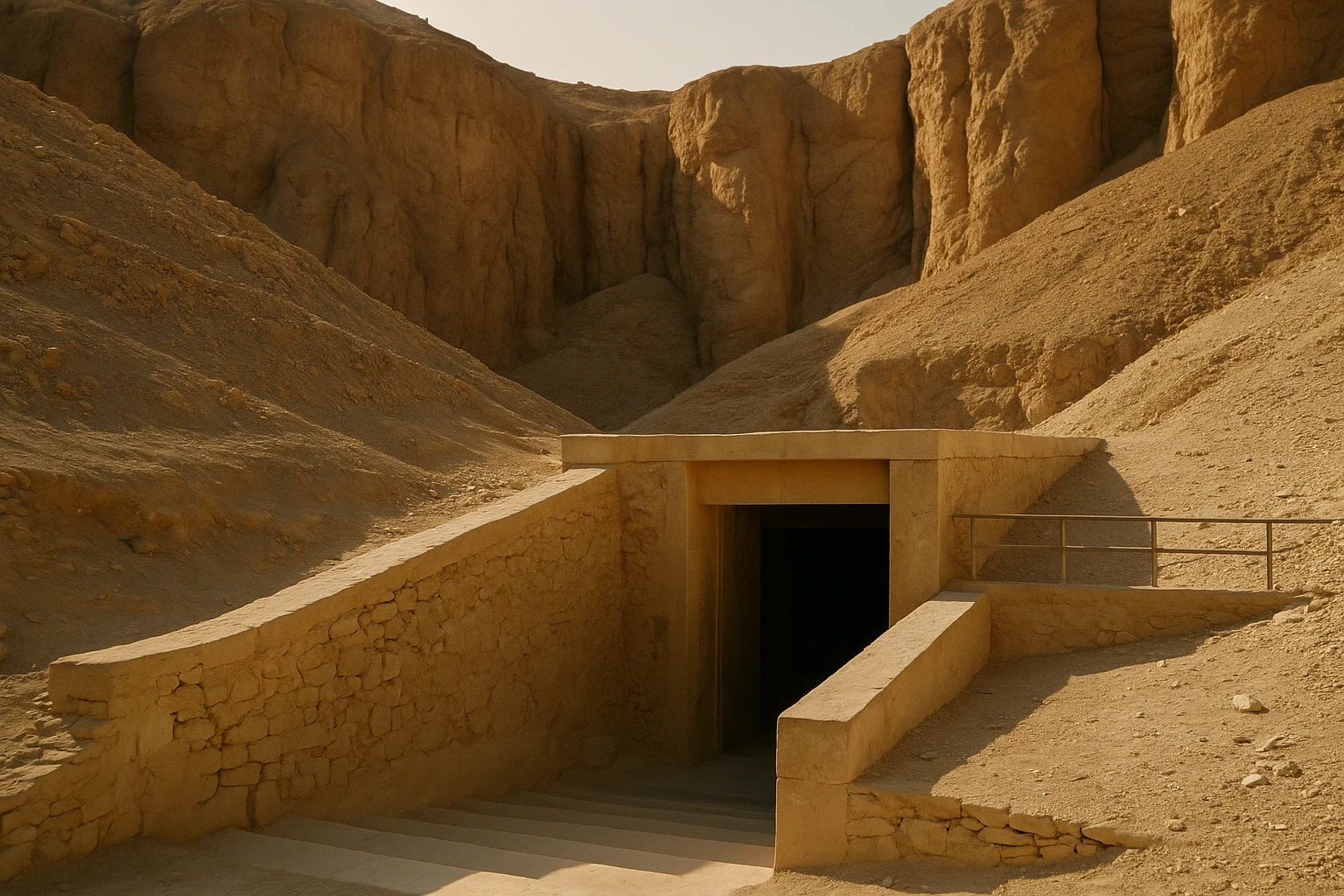
In the limestone hills of Egypt’s West Bank, on the opposite shore from the temples of Luxor, a narrow staircase cut into the valley floor leads to one of the most famous rooms in the history of archaeology. The Tomb of Tutankhamun — designated KV62 in the Valley of the Kings — is a modest burial by pharaonic standards, dug in haste for a young king who died unexpectedly around 1323 BCE. Yet it survived the next three thousand years almost untouched, its four chambers packed so densely with gilded furniture, alabaster vessels, chariots, ritual objects, and personal possessions that Howard Carter and his team required a full decade to catalogue everything inside. Standing at the foot of those steps today, in the desert valley where Egypt’s New Kingdom rulers chose to spend eternity, is to stand at the intersection of ancient ritual and modern discovery — a place where the world changed on a November morning in 1922.
The site sits within the UNESCO World Heritage–listed ancient Thebes complex, roughly five kilometres west of the modern city of Luxor. Though small relative to the sprawling royal tombs nearby, KV62 draws visitors in numbers that dwarf its neighbours, because it holds something no other intact royal tomb can offer: an almost unbroken chain of evidence connecting a pharaoh’s life, death, burial, and the precise moment of rediscovery. The painted walls of the burial chamber, the gilded coffin visible through protective glass, and the stone sarcophagus that once held four nested shrines together make this one of the defining encounters with the ancient world available anywhere on earth.
History
The Boy Pharaoh and His Short Reign
Tutankhamun ascended to the throne of Egypt around 1332 BCE at approximately nine years of age, inheriting a kingdom still reeling from the religious upheavals of his predecessor Akhenaten. The Amarna period had dismantled Egypt’s traditional polytheistic order in favour of a single solar deity, the Aten, and had moved the capital from Thebes. Tutankhamun — born Tutankhaten, “Living Image of the Aten” — reversed nearly all of these changes within the first years of his reign, restoring the old gods, reinstating the priesthood of Amun, and returning royal patronage to the temples of Karnak and Luxor. He changed his own name to reflect the restoration, embedding the name Amun into the royal cartouche. Despite the significance of these religious reforms, his reign lasted only about a decade. He died around 1323 BCE, probably between the ages of eighteen and nineteen, and the cause remains debated: bone analysis suggests a leg fracture complicated by malaria, though other theories have proposed chariot accident or infection.
Burial and the Valley of the Kings
The Valley of the Kings had served as the necropolis of New Kingdom pharaohs since the reign of Thutmose I in the early 16th century BCE. Rulers commissioned their tombs decades in advance, allowing artisans to cut deep corridors and decorate every surface with funerary texts and images from the Amduat and the Book of Gates. Tutankhamun’s tomb, by contrast, appears to have been prepared in considerable haste. KV62 is small and irregular in plan compared to the grand axial tombs of Ramesses II or Seti I nearby, and some Egyptologists believe it was not originally intended for a pharaoh at all — that it may have been an elite private tomb adapted quickly when the young king died unexpectedly. The burial ritual was completed, the tomb sealed, and over the following centuries it was forgotten. Workmen’s huts built during the construction of the tomb of Ramesses VI directly above covered the staircase entrance, hiding it beneath several metres of debris for more than three thousand years.
Howard Carter and the Discovery of 1922
By the early twentieth century, the Valley of the Kings was considered largely exhausted. Most archaeologists assumed that whatever royal tombs remained had been found and stripped in antiquity. Howard Carter disagreed. Backed by the patronage of George Herbert, fifth Earl of Carnarvon, Carter had spent years methodically working through the valley floor, sector by sector. On 4 November 1922, a water-carrier’s boy stumbled on a stone step beneath the workmen’s huts. Excavation over the following days revealed a full staircase, then a sealed doorway bearing royal cartouches, then a second sealed door. On 26 November, Carter made a small hole in the upper corner of the inner door, held a candle to the gap, and peered inside. When Lord Carnarvon asked whether he could see anything, Carter answered: “Yes, wonderful things.” The antechamber alone held more than seven hundred objects stacked floor to ceiling. The burial chamber, opened in February 1923, contained four nested gilded shrines enclosing a stone sarcophagus, three coffins nested within each other, and the mummified king wearing a solid gold funerary mask. Carnarvon died in April 1923, fuelling lurid press speculation about a “Curse of the Pharaohs” — though Carter himself lived until 1939.
Modern Research and Ongoing Questions
The treasures of Tutankhamun were moved progressively to the Egyptian Museum in Cairo, where many have been on public display ever since. The Grand Egyptian Museum near Giza, which opened to the world in 2023, now houses the complete collection together for the first time, including the gold mask, the throne, and all three coffins. In the tomb itself, a 2015 infrared thermographic survey by archaeologist Nicholas Reeves proposed that sealed doorways may be concealed behind the plastered walls of the burial chamber, potentially leading to the tomb of Nefertiti. Subsequent radar surveys have produced ambiguous results, and no physical investigation has been authorised. The question remains open — one more layer of unresolved mystery beneath the desert floor.
Key Features
The Tomb of Tutankhamun is accessed by descending a short modern staircase that follows the ancient corridor cut into the bedrock. The corridor itself is unremarkable, a narrow passage that tells little of what lies ahead. The surprise of KV62 is that it opens not into a vast ceremonial space but into a series of compact rooms that feel almost intimate by royal standards. This compression, this sense of things crowded together under low ceilings, is part of what makes the visit so viscerally affecting.
The antechamber and annex that greeted Carter in 1922 are now empty, their thousands of objects long removed for conservation and study. But the walls of the burial chamber — the innermost room and the only one decorated — have survived in remarkable condition. The paintings here are unlike those in most New Kingdom royal tombs, which typically show elaborate scenes from religious texts. Tutankhamun’s burial chamber instead depicts specific ritual moments: the Opening of the Mouth ceremony performed by his successor Ay, the pharaoh’s journey into the afterlife accompanied by the gods, and a procession of twelve baboons representing the hours of the night. The colours retain warmth and immediacy that photographs rarely capture, ochers and ochres and deep sienna applied to a gold-tinted ground.
At the centre of the burial chamber sits the outermost of Tutankhamun’s three coffins, resting in the open stone sarcophagus with its cracked lid displaced to one side. The mummy of the king lies inside, visible through a glass panel fitted across the top of the coffin — a face wrapped in linen, the hands crossed on the chest in the traditional pose of Osiris. The presence of the actual body of a pharaoh, in the room where he was interred thirty-three centuries ago, gives the space a gravity that no museum reconstruction can replicate. The sarcophagus is carved from a single block of yellow quartzite, its four corners guarded by carved goddesses — Isis, Nephthys, Neith, and Selket — their arms outspread in a gesture of protective embrace.
The treasury, accessible through a low doorway from the burial chamber, was the most densely packed room in the tomb. A gilded shrine containing the canopic chest that held the king’s preserved organs stood at its far end, guarded by a life-sized statue of the jackal god Anubis resting on a portable shrine. Both objects are now in Cairo, but the proportions of the room — and the faint traces left on the floor where objects rested for millennia — help visitors understand the sheer density of the original deposit. Every surface, every vessel, every chariot wheel and gilded bed and ritual object placed here was selected according to a theological logic that ensured the king would have everything he needed in the next world.
Getting There
The Tomb of Tutankhamun lies within the Valley of the Kings on Luxor’s West Bank, approximately eight kilometres from Luxor city centre by road. The crossing from the East Bank is made by ferry from the Luxor corniche, with the public ferry costing a few Egyptian pounds per person. From the West Bank landing, the main options are taxi, organised tour, or bicycle rental.
Taxis for a half-day West Bank tour, covering the Valley of the Kings and one or two other sites, typically negotiate at 400 to 600 EGP for the vehicle. Settle on a price and itinerary before departure. Many visitors join guided group tours from Luxor hotels, which include transport, an Egyptologist guide, and often one or two additional West Bank sites such as the Temple of Hatshepsut or the Colossi of Memnon; these run from roughly $30 to $80 USD depending on group size and inclusions.
At the valley entrance, a small electric tram runs the kilometre from the ticket gate to the tomb area for a nominal additional charge. Walking this stretch is permitted but exposed to sun.
Tickets are purchased at the main gate. The general Valley of the Kings admission covers three tombs of your choice; the Tomb of Tutankhamun requires a separate ticket at the window, currently priced at approximately 300 EGP. Tickets for the Tomb of Seti I and the Tomb of Ramesses V/VI are also sold separately at higher rates due to their exceptional decoration.
When to Visit
The Valley of the Kings is a sun-baked limestone depression with almost no shade and temperatures that become dangerous in the summer months. June through August sees midday highs regularly exceeding 42°C (108°F) in the valley itself, where the pale rock amplifies radiant heat. Visiting in these months is possible but demands an early start — gates open at 6:00 a.m. — and the tombs should be entered before 9:00 a.m. to avoid both the worst heat and the largest tour-group crowds.
October through April represents the comfortable window, with mild days between 20°C and 30°C (68–86°F) and cool evenings. January and February can be surprisingly cold after sunset, particularly if you are combining an afternoon West Bank visit with an evening Luxor Temple tour. March and early April sit in a sweet spot of warmth without the scorching intensity of high summer.
Peak tourist season runs from November through February, when European and North American visitors arrive in large numbers. Mornings at the Valley of the Kings between 8:00 and 11:00 a.m. during this period can feel congested around the most popular tombs, including KV62. Arriving at opening time and heading directly to Tutankhamun’s tomb — before the group tours deploy — gives the best chance of a relatively quiet visit. Ramadan, which falls on a different calendar date each year, brings reduced opening hours and altered transport schedules on the West Bank.
Quick Facts
| Detail | Information |
|---|---|
| Official designation | KV62, Valley of the Kings |
| Location | West Bank, Luxor, Luxor Governorate, Egypt |
| Civilization | Ancient Egyptian, 18th Dynasty |
| Occupant | Pharaoh Tutankhamun (r. c. 1332–1323 BCE) |
| Discovered | 4 November 1922 by Howard Carter |
| UNESCO status | Part of Ancient Thebes with its Necropolis (inscribed 1979) |
| Opening hours | Daily 6:00 a.m. – 5:00 p.m. (summer to 4:00 p.m.) |
| Admission | General Valley of the Kings ticket + separate KV62 surcharge (~300 EGP) |
| Photography | Not permitted inside the tomb |
| Getting there | West Bank ferry from Luxor corniche, then taxi or tour vehicle |
| Nearest city | Luxor (~8 km) |
| Collection location | Grand Egyptian Museum, Giza (full treasure collection) |
Frequently Asked Questions
Is the Tomb of Tutankhamun included in the standard Valley of the Kings ticket?
No. The standard Valley of the Kings ticket covers three tombs of your choice, but KV62 requires a separate additional ticket costing around 300 EGP (roughly $10 USD) on top of the general entry fee.
Is Tutankhamun's mummy still inside the tomb?
Yes. The royal mummy of Tutankhamun remains in KV62 inside a climate-controlled case within the outermost gilded coffin. His treasures, however, are housed at the Egyptian Museum in Cairo and the new Grand Egyptian Museum in Giza.
When was the Tomb of Tutankhamun discovered?
British archaeologist Howard Carter discovered KV62 on 4 November 1922, after years of systematic excavation funded by Lord Carnarvon. The formal opening of the sealed burial chamber took place on 16 February 1923.
How long does a visit to KV62 take?
Most visitors spend 15 to 30 minutes inside the tomb itself. Because it is relatively small compared to other royal tombs, time is best allocated by pairing it with two or three neighbouring tombs on the same visit to the Valley of the Kings.
What is the best time of year to visit the Tomb of Tutankhamun?
October through March offers the most comfortable temperatures in the Valley of the Kings, when midday heat rarely exceeds 25°C (77°F). Summer months can push 45°C (113°F) in the valley, making early-morning visits essential.
Can you photograph inside KV62?
Photography inside the tomb is not permitted. The restriction protects the delicate painted plaster walls of the burial chamber from the heat and humidity generated by camera flashes and visitor breath. Photography is freely allowed throughout the wider Valley of the Kings site.
What does KV62 stand for?
KV stands for Kings' Valley, and 62 is the sequential number assigned to this tomb in the archaeological record. It was the 62nd tomb catalogued in the Valley of the Kings, and the last royal burial to be discovered there.
Nearby Ancient Sites
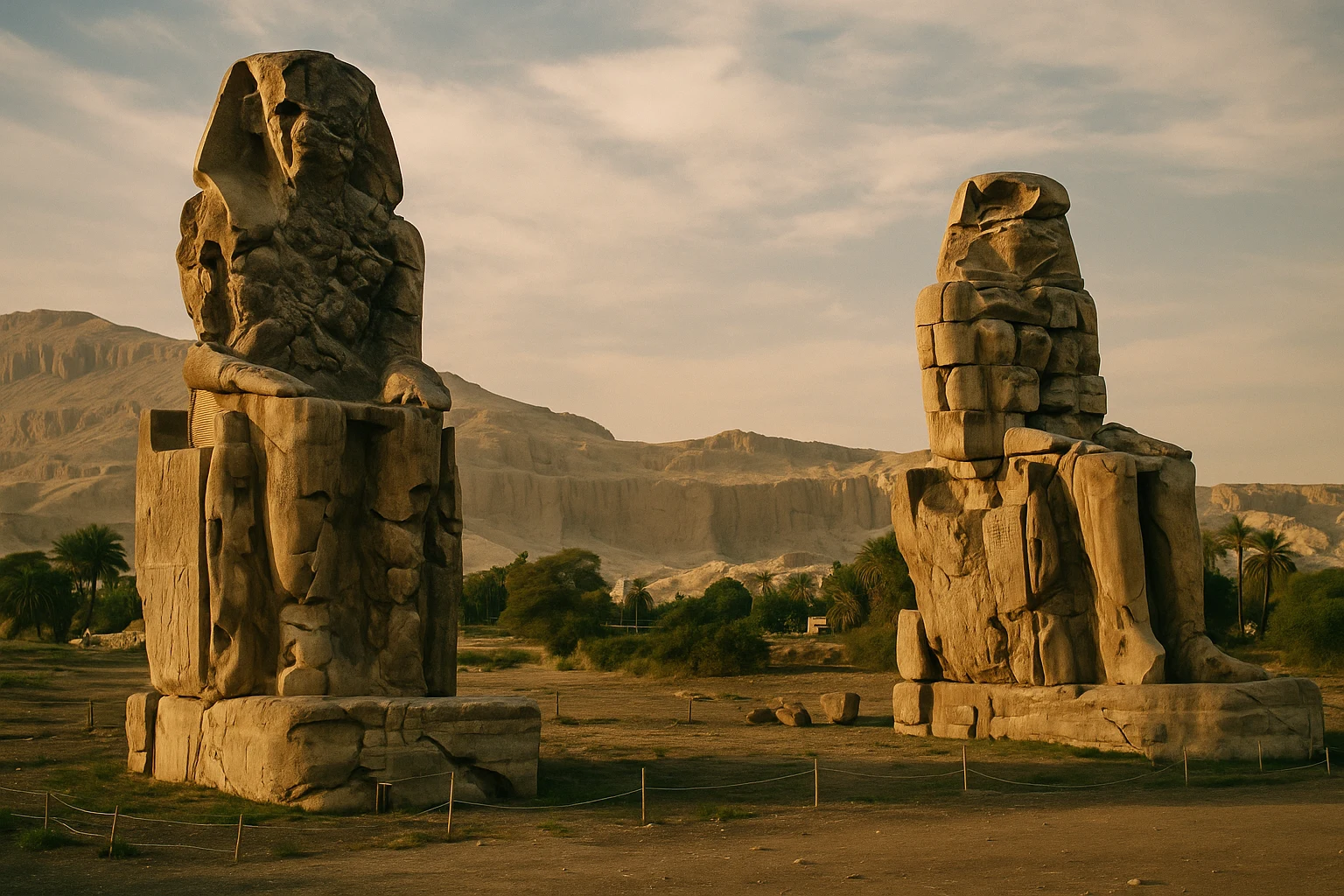
Colossi of Memnon
Ancient Egypt (New Kingdom)Twin colossal statues of Pharaoh Amenhotep III guarding the Theban necropolis on Luxor's West Bank, ...
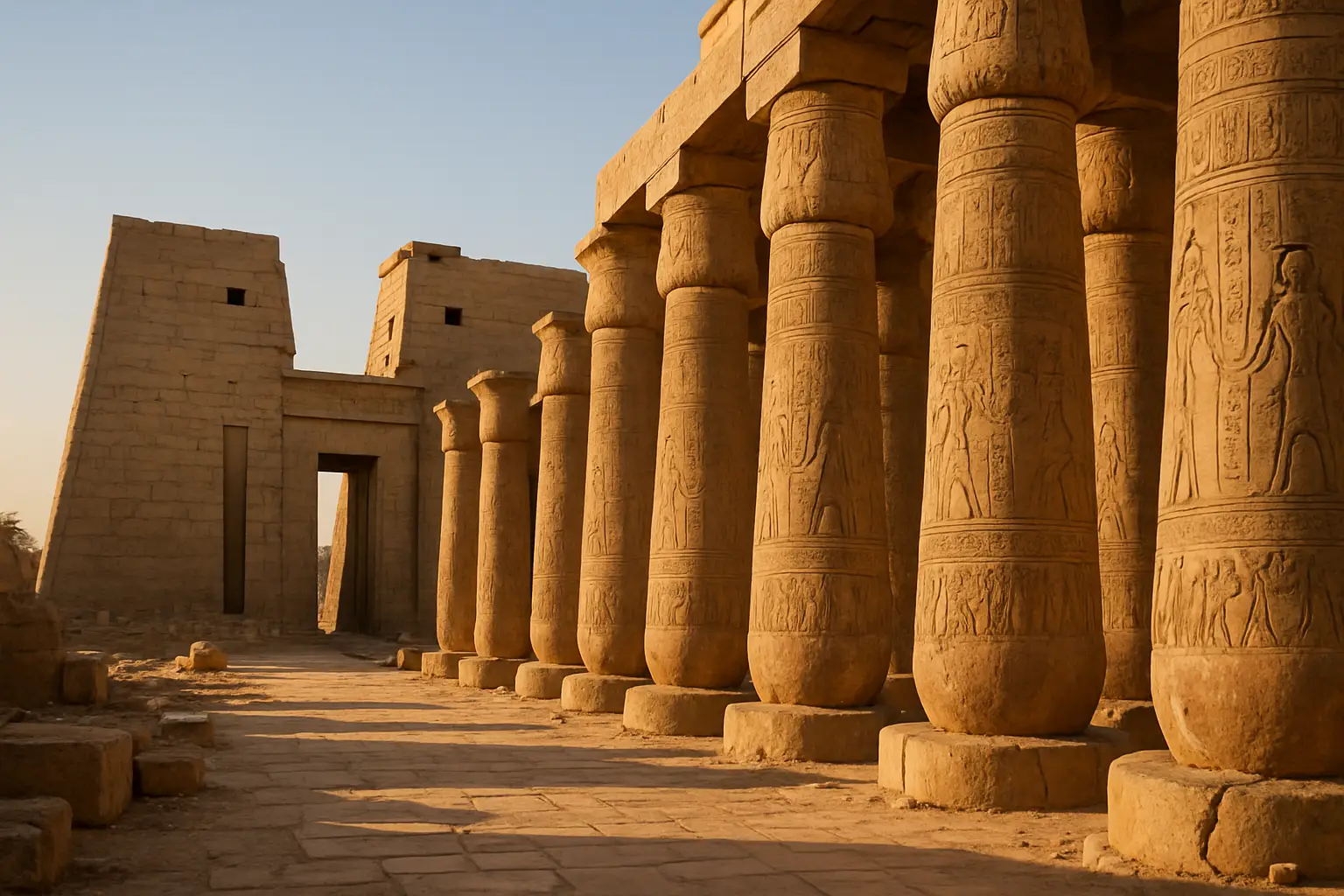
Karnak Temple Complex Egypt Travel Guide 2026: Egypt's Greatest Temple
Ancient EgyptianExplore Karnak, the world's largest ancient religious complex. Discover the Hypostyle Hall, Sacred L...
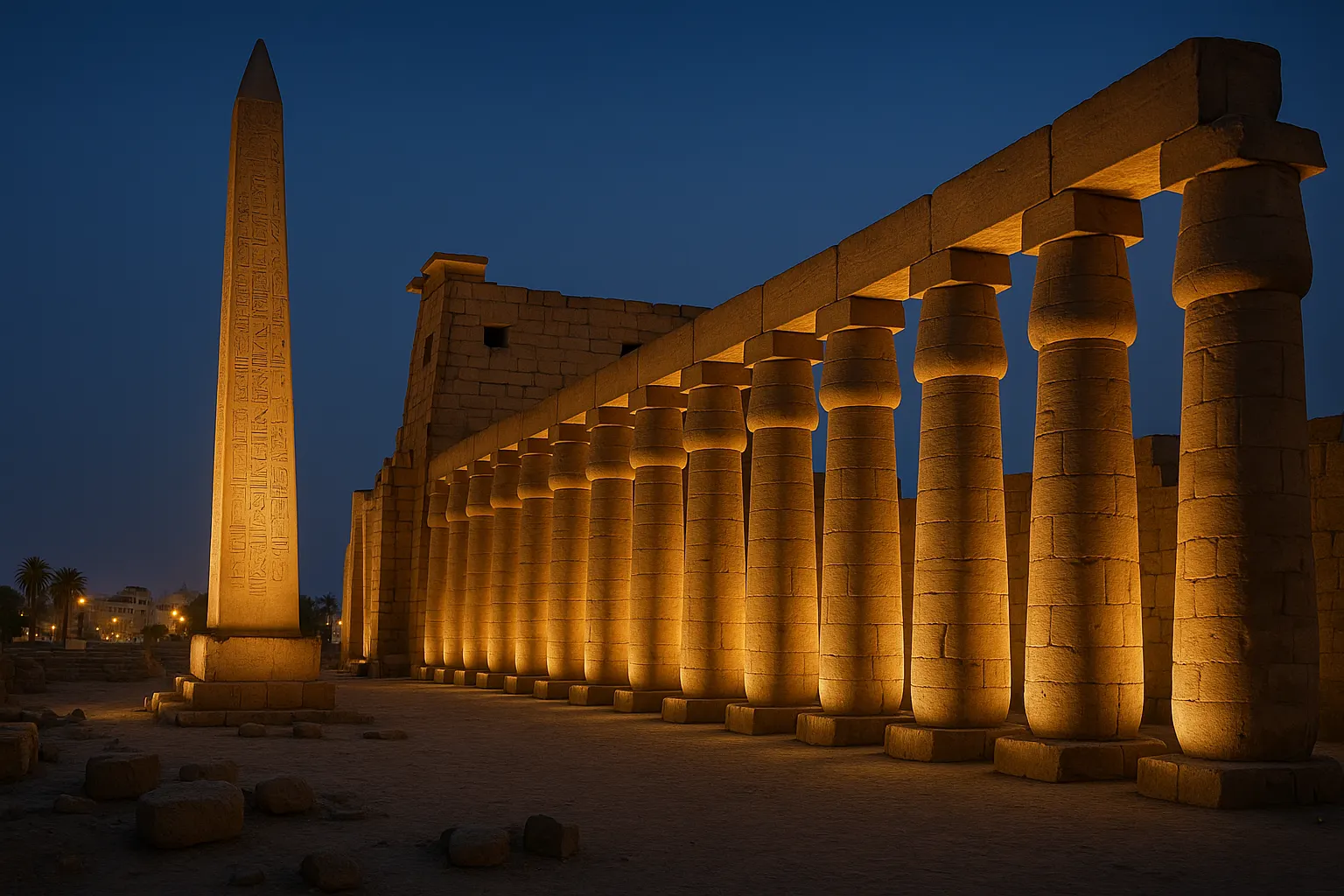
Luxor Temple Egypt Travel Guide 2026: The Elegant Temple of Luxor
Ancient EgyptianVisit Luxor Temple, the most elegant temple in Egypt. Discover the Avenue of Sphinxes, Colonnade of ...
Luxor Egypt Travel Guide 2026: Valley of Kings, Karnak
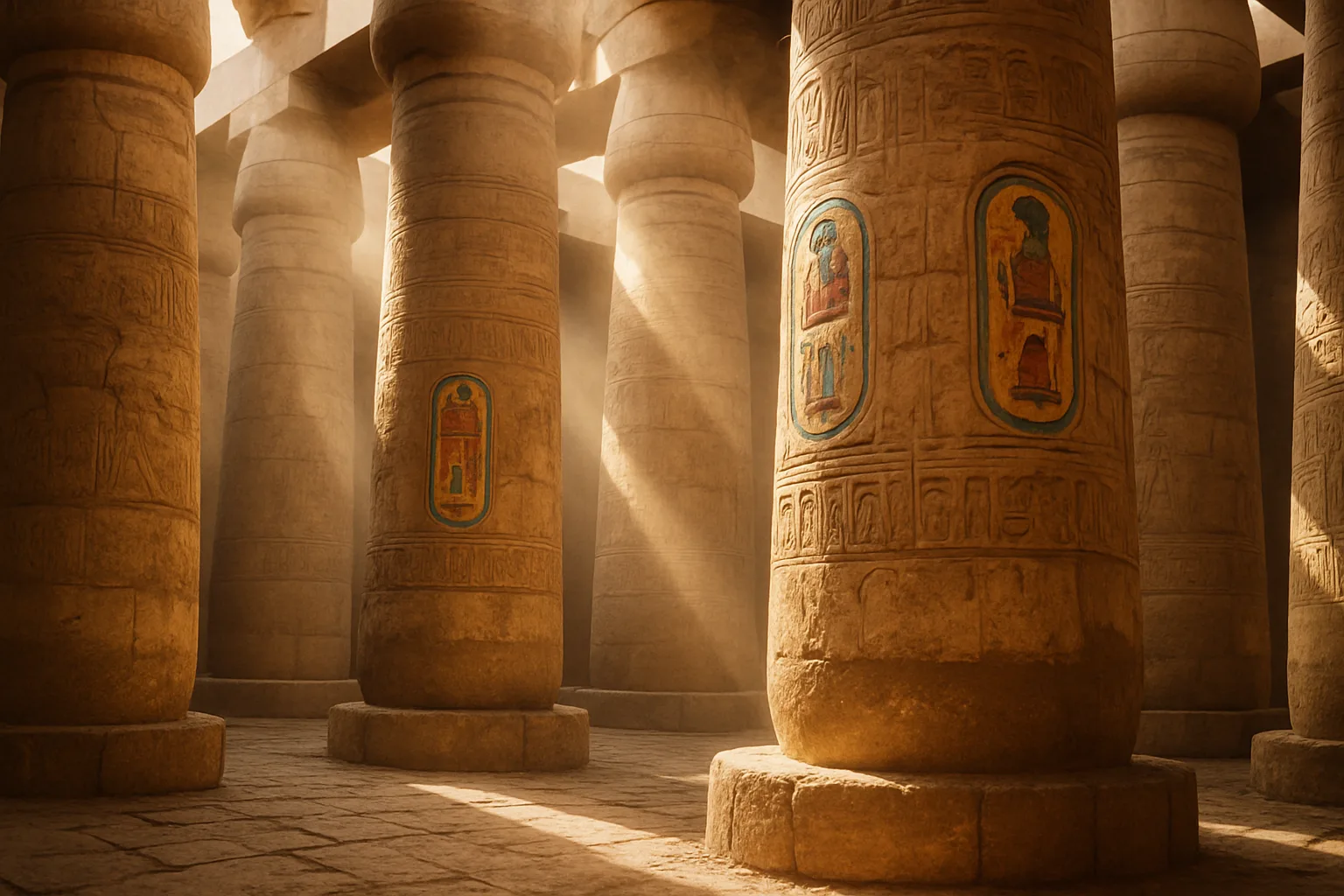
Ancient Egyptian (New Kingdom)Luxor stands as the world's greatest open-air museum, spanning both banks of the Nile with temples, ...
Dendera Temple Complex Egypt Guide 2026: Temple of Hathor & Zodiac Ceiling
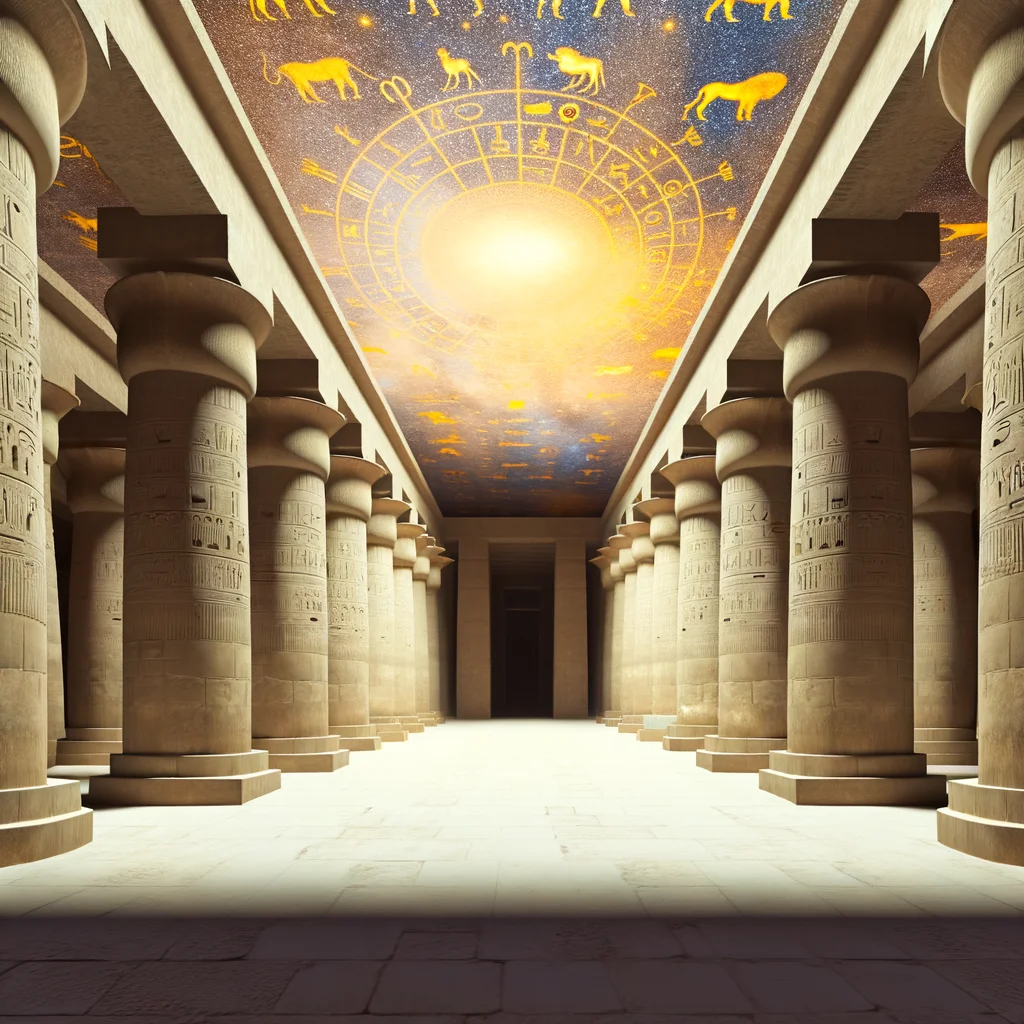
Ptolemaic-RomanExplore Dendera's magnificent Temple of Hathor near Luxor. Star-mapped zodiac ceiling, Ptolemaic arc...