Quick Info
Curated Experiences
Aswan: Philae Temple and Tombs of Aswan Private Day Tour
Tombs of the Nobles and Unfinished Obelisk Guided Experience
Nile Felucca Tour to Aswan Tomb of Nobles
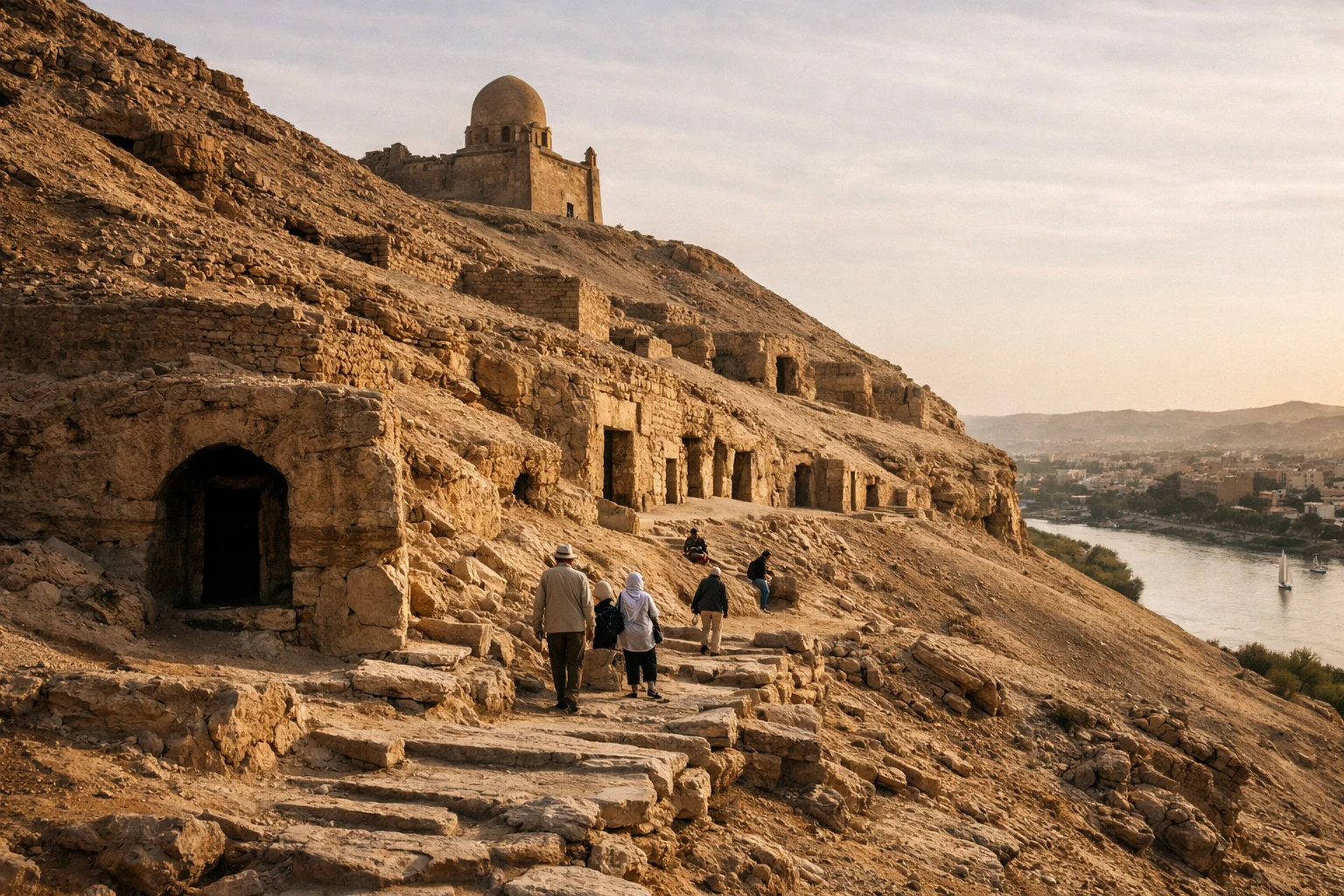
Perched high on the west bank cliffs, overlooking the timeless sweep of the Nile, the Tombs of Aswan are among the most atmospheric and storied burial sites in all of Egypt. Set at the edge of the Sahara in southern Egypt’s Aswan Governorate, this sprawling necropolis—often referred to as the Tombs of the Nobles or Qubbet el-Hawa—offers visitors an evocative journey through thousands of years of Egyptian, Nubian, and Greco-Roman history. From the moment you approach their ochre-stained entrances, shadowed beneath the lone dome of Qubbet el-Hawa (“Hill of the Wind”), you step into a realm where silence holds the whispers of ancient dignitaries, priests, and warriors. The site’s grandeur lies not in monumental pyramids, but in a honeycomb of tombs cut directly into the towering cliffs—each chamber telling the intimate, personal stories of those who shaped Egypt’s destiny from the earliest dynasties through to the Roman era.
The dry desert breeze, the shifting sunlight painting the limestone faces gold, and the panoramic views across the Nile to contemporary Aswan—all conjure a sense of suspended time. Yet, as you explore the hushed interiors, you’ll discover vivid scenes of daily life, funerary rituals, and age-old hieroglyphs that link the living to the dead. For the discerning traveler and history enthusiast, the Tombs of Aswan offer more than a glimpse into Egypt’s distant past: they embody the deeply personal legacies of generations who strove for immortality beneath these enduring cliffs.
History
Origins in the Old Kingdom (c. 2300–2100 BCE)
The story of the Tombs of Aswan—and specifically Qubbet el-Hawa—begins during the twilight centuries of Egypt’s Old Kingdom, around 2300 BCE. During this era, Aswan (then known as Swenet) was Egypt’s southern frontier, a gatekeeper city at the edge of Nubia and a crucial trading post for gold, gemstones, and luxury goods. Here, high officials known as “Nomarchs” (provincial governors) ruled not only as administrators, but also as generals and priests, managing the border with the Nubian lands beyond. Seeking eternal remembrance, these elite figures commissioned intricate rock-cut tombs in the cliffs above the Nile.
The earliest tombs, such as those belonging to Harkhuf and Sarenput I, set the standard for what would become a prestigious tradition. Their chambers were decorated with autobiographical inscriptions and painted scenes highlighting the tomb owners’ political achievements, expeditions to Nubia, and pious acts on behalf of the gods and the pharaoh. These records remain among the most invaluable historical sources for understanding Egypt’s relationship with its southern neighbors and its evolving state structures.
Middle Kingdom Expansion (c. 2050–1650 BCE)
By the Middle Kingdom, the tradition of elaborate cliff tombs in Aswan had grown in both scale and artistry. The region was once again a strategic frontier as Egypt expanded southward, and the local administration flourished—as did its mortuary architecture. Successive generations of governors, priests, and their families were interred here, their tombs reflecting a robust regional identity. Scenes of processions, hunting, daily life, and intricate hieroglyphic narratives adorned the walls, demonstrating both an adherence to religious conventions and flashes of local innovation.
The artistic choices in these tombs were deeply symbolic, interweaving the wisdom of past ages with contemporary Middle Kingdom beliefs about death and the afterlife. The inscriptions remain a rich resource for Egyptologists deciphering not just personal biographies, but also shifts in artistic and religious thought across centuries.
Late Period, Ptolemaic, and Greco-Roman Usage
Even as Egypt passed through periods of turbulence and foreign domination, Qubbet el-Hawa did not lose its sacred character. During the Late Period, and later under the Ptolemaic kings and Roman emperors, the tombs were sometimes repurposed, expanded, or reused. While the scale of new construction waned compared to the Old and Middle Kingdom heyday, the necropolis remained an esteemed resting place for high-ranking officials, and the cult of ancient dignitaries occasionally saw revival.
Unique among Egyptian necropoleis, Qubbet el-Hawa’s continuity over two millennia is reflected in the layering of architectural styles, graffiti from later visitors (some ancient, some modern), and even Christian hermitages carved into the cliffs during the Byzantine era. The site’s long history serves as a palimpsest of religious, administrative, and cultural shifts that shaped Egypt’s Upper Nile region.
Key Features
The Tombs of Aswan are not a single monument, but a vast complex carved directly into the rugged cliffs opposite the modern city. Approaching the necropolis, visitors climb a stone pathway zig-zagging up the hillside, passing through a striking silence punctuated only by distant boats on the Nile. At the summit, panoramic vistas open up, revealing the spread of ancient chambers, doorways, and the iconic dome-topped shrine that gives Qubbet el-Hawa its name.
Among the most celebrated tombs are those of Harkhuf, Mekhu, Sarenput I and II, and Sabni—each offering a glimpse into their owners’ world. Harkhuf’s tomb, for instance, preserves a famous inscription detailing his expeditions into central Africa and his diplomatic successes on behalf of the pharaoh. Sarenput II’s tomb is particularly magnificent, its columned hall adorned with delicately painted scenes of offerings, feasts, and vividly dressed servants. Sabni’s tomb showcases architectural ambition with a spacious central hall and side chambers, while Mekhu’s includes funerary scenes and records of border defense against Nubian incursions.
Inside, the tombs balance grandeur and intimacy. Corridors and burial chambers are adorned with reliefs depicting processions, hunting expeditions, the journey to the afterlife, and elaborate offering rituals. Autobiographical texts—sometimes written in the first person—give voice to the hopes, accomplishments, and anxieties of the deceased. The ceilings and faded pigments reveal the original splendor that once greeted mourners and priests.
Many tombs still contain remnants of their original sarcophagi or rock-cut offering tables. In some, niches and statues survive in situ; elsewhere, unfinished chambers hint at the interruptions caused by political upheaval or changes in religious fashion. Qubbet el-Hawa’s cliff face is pockmarked with doorways, some locked or protected for conservation, but many open for exploration by the intrepid visitor.
The site also features a small modern visitors’ pavilion and rest area, but most of the experience is out in the open, with the continuous drama of sky, water, and desert as your backdrop. The view back to Aswan, across sail-dotted river channels and green islands, ties the ancient tombs firmly to their timeless Nile landscape.
Getting There
Reaching the Tombs of Aswan is an adventure in itself—one that connects the modern traveler to Egypt’s enduring relationship with the Nile. The tombs occupy the west bank, directly across the river from Aswan city. There are two principal ways to access the site: by river and by road.
The most popular and evocative approach is by felucca, the traditional broad-sailed wooden boats that have cruised these waters since antiquity. Felucca rides can be arranged from the Corniche (Aswan’s Nile embankment) or with local boatmen for between 100 to 200 Egyptian pounds (approximately 3–6 USD) per person, depending on group size, time of day, and your bargaining skills. The journey across the Nile, with its cooling breeze and views of Elephantine Island, serves as a prelude to the wonders ahead. Some felucca tours combine the tombs with other nearby sites, such as the Aswan Botanical Gardens or the Monastery of St. Simeon.
For those preferring direct access, taxis can also be hired from Aswan. Road access takes you around the Nile via the Old Dam Bridge, then to the foot of the necropolis. Taxi fares typically range from 60 to 120 Egyptian pounds (2–4 USD) one way, and drivers often wait for visitors to finish their tour (negotiate the return in advance).
On arrival, a modest entrance fee is payable (usually around 80 EGP, roughly 2–3 USD for foreigners), with discounted rates for students or Egyptian residents. Guided tours can be arranged in Aswan, either as part of a broader itinerary or focused solely on Qubbet el-Hawa. While the climb up to the tombs is steep, it is manageable with reasonable footwear and sun protection.
Public transport is limited, but adventurous travelers may also cross the river by public ferry for a small fee, then walk or arrange a tuk-tuk for the final distance. However you arrive, the journey itself becomes part of the site’s immersive allure.
When to Visit
Aswan is famous for its dry, sunny weather, and the Tombs of Aswan can be visited year-round. However, timing your visit thoughtfully can dramatically enhance your experience.
The best months to explore are from October to April, when daytime temperatures are milder, usually ranging from 20°C to 28°C (68–82°F). In these cooler months, the climb up the cliffs and exploration of the tombs are comfortable, and the views are often crystal clear. December and January are Aswan’s most popular months for tourism—expect pleasant weather, but potentially a few more visitors.
Between May and September, the southern Egyptian sun can be intense, with temperatures often soaring into the high 30s°C (100°F+) by midday. Visits during these months are best scheduled for early morning (before 10 AM), both to avoid the strongest heat and to catch the magical light on the cliffs. Always bring water, a hat, and sunscreen, regardless of season.
Rainfall is virtually nonexistent, but winds can pick up along the Nile and atop the cliffs, particularly in the late afternoon—hence the name Qubbet el-Hawa, or “Hill of the Wind.” If possible, time your visit for late afternoon or just before sunset, when the light turns golden, casting dramatic shadows across the necropolis and river. Take care with your footing on rocky paths, especially during twilight descents.
Traditional holidays—both Egyptian and Coptic—can see local families visiting the site, but the Tombs of Aswan rarely feel crowded. Given its open setting, mornings and late afternoons offer the most atmospheric—and photogenic—experiences.
Quick Facts
| Feature | Details |
|---|---|
| Location | West bank cliffs, Nile River, opposite modern Aswan, Aswan Governorate, Egypt |
| Civilization | Ancient Egypt, with later Greco-Roman and Coptic influences |
| Period of Use | Old Kingdom (c. 2300 BCE) to Greco-Roman period (c. 4th century CE) |
| Number of Tombs | Over 60 major tombs, plus small chapels and crypts |
| Notable Individuals | Harkhuf, Mekhu, Sabni, Sarenput I & II |
| Construction Methods | Rock-cut chambers, columned halls, painted reliefs, incised autobiographical texts |
| Scenic Highlights | Cliffside vistas of the Nile, desert landscapes, panoramic sunsets |
| Access | By felucca (boat), taxi, or public ferry/tuk-tuk; moderate uphill walk to tomb entrance |
| Opening Hours | Usually daily, 8:00 am–5:00 pm (subject to change) |
| Entrance Fee | ~80 EGP (foreign adult), discounts for students/locals |
| Facilities | Visitors’ pavilion at base; no onsite food—bring water/sun protection |
| UNESCO World Heritage | Not individual, but part of the broader Aswan archaeological landscape |
| Nearby Attractions | Abu Simbel, Edfu Temple, Dendera Temple Complex, Elephantine Island, Nubian Museum |
Frequently Asked Questions
What are the Tombs of Aswan known for?
The Tombs of Aswan are renowned for their rock-cut chambers, elaborate decorations, and inscriptions, chronicling millennia of Egypt’s history.
How do I get to the Tombs of Aswan from central Aswan?
You can reach the tombs by felucca (traditional sailing boat) or taxi. The site lies just across the Nile from Aswan’s city center.
Is photography allowed inside the Tombs of Aswan?
Photography is generally allowed outside, but flash or photography inside the tombs may be restricted; check local rules on arrival.
Are guided tours available at the Tombs of Aswan?
Yes, guided tours are widely available and highly recommended for understanding the historical context and significance of the tombs.
What are the typical visiting hours for the Tombs of Aswan?
The tombs are usually open daily from 8:00 am to 5:00 pm, though hours can vary seasonally and during holidays.
Nearby Ancient Sites
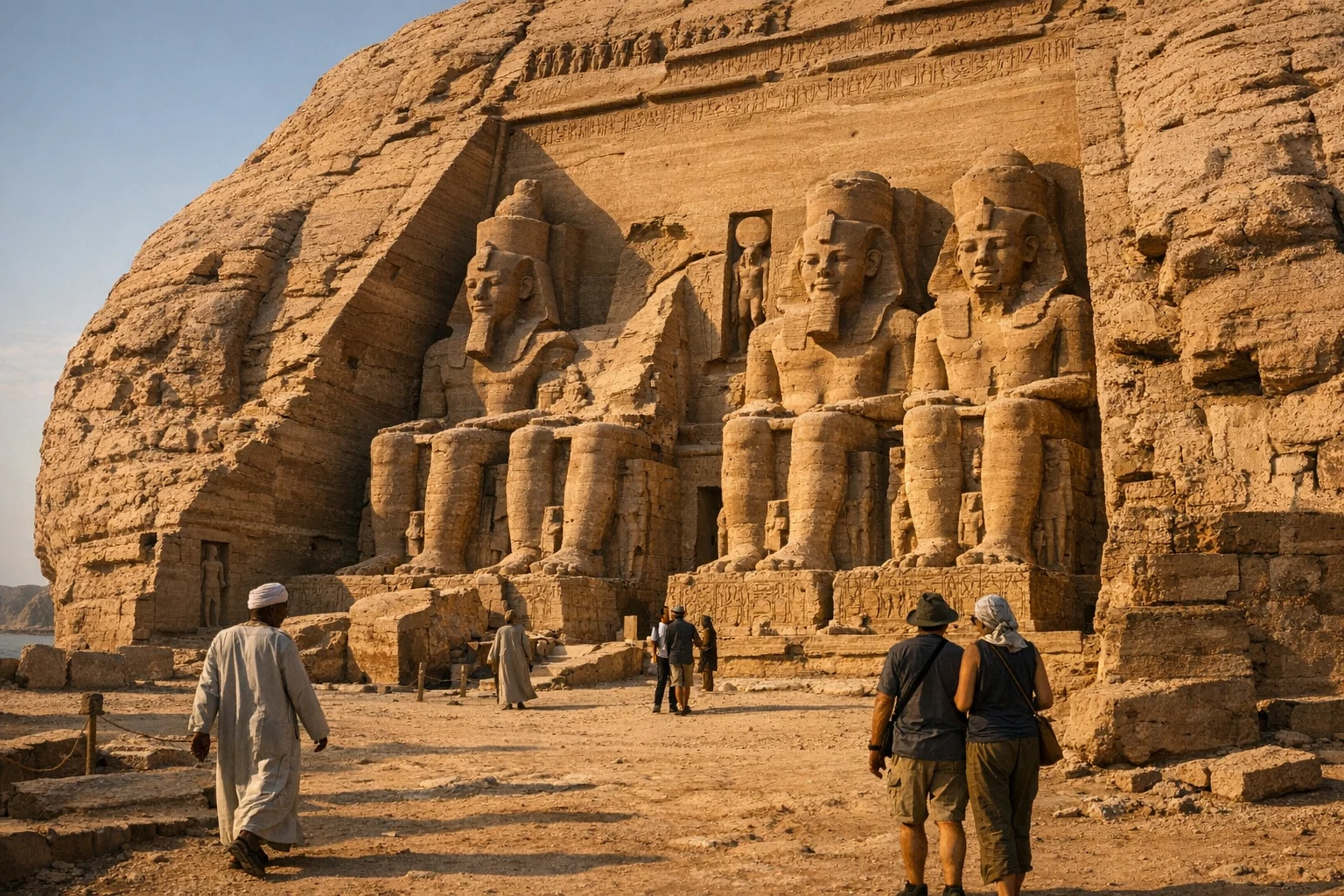
Abu Simbel
Ancient EgyptianDiscover Abu Simbel in Egypt, where colossal rock-cut temples of Ramses II rise above Lake Nasser ne...
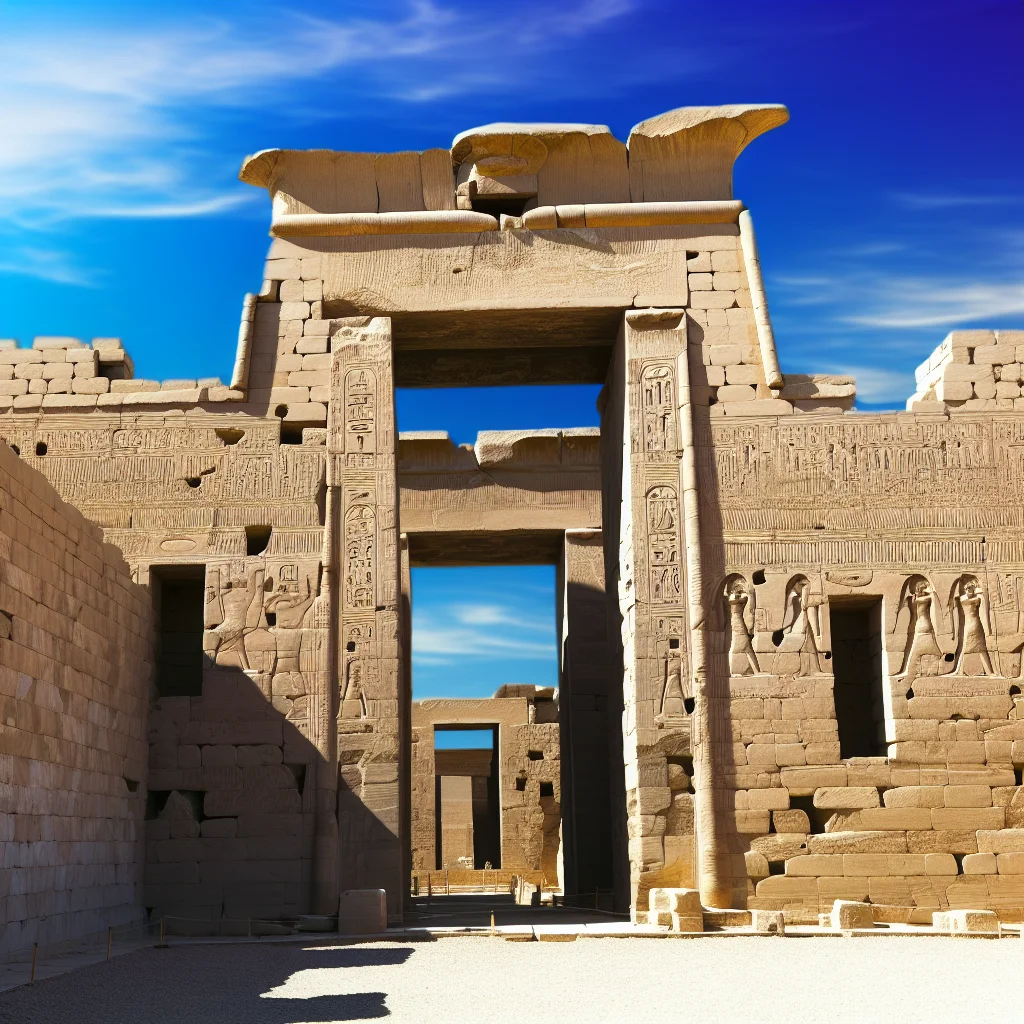
Edfu Temple Egypt Guide 2026: Temple of Horus & Dramatic Battle Reliefs
PtolemaicEdfu Temple near Aswan: Temple of Horus with stunning battle scenes, ritual texts, and the best-pres...
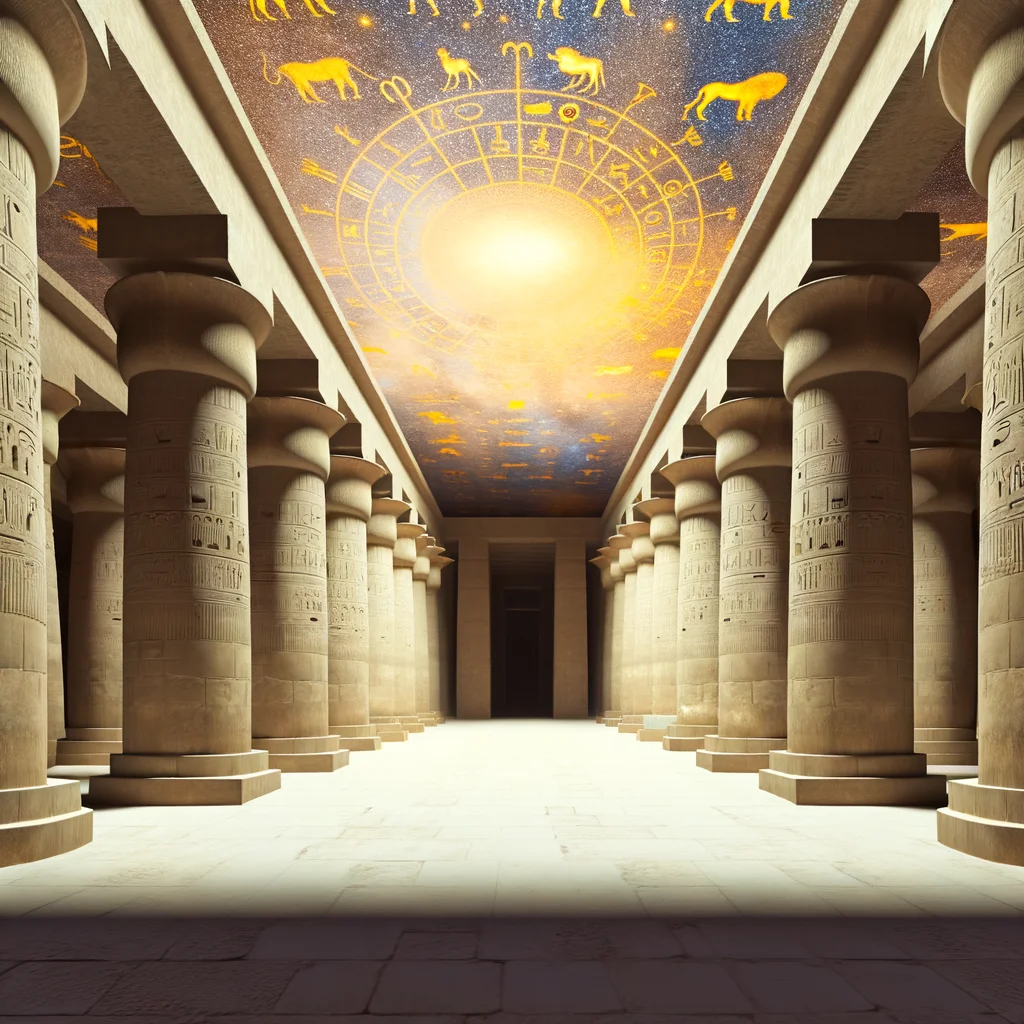
Dendera Temple Complex Egypt Guide 2026: Temple of Hathor & Zodiac Ceiling
Ptolemaic-RomanExplore Dendera's magnificent Temple of Hathor near Luxor. Star-mapped zodiac ceiling, Ptolemaic arc...