Quick Info
Curated Experiences
Luxor West Bank Private Tour: Valley of the Kings, Hatshepsut, and Nobles’ Tombs
Half-Day Guided Tour to Tombs of the Nobles from Luxor
West Bank Discovery Tour: Nobles’ Tombs and Artisan Village
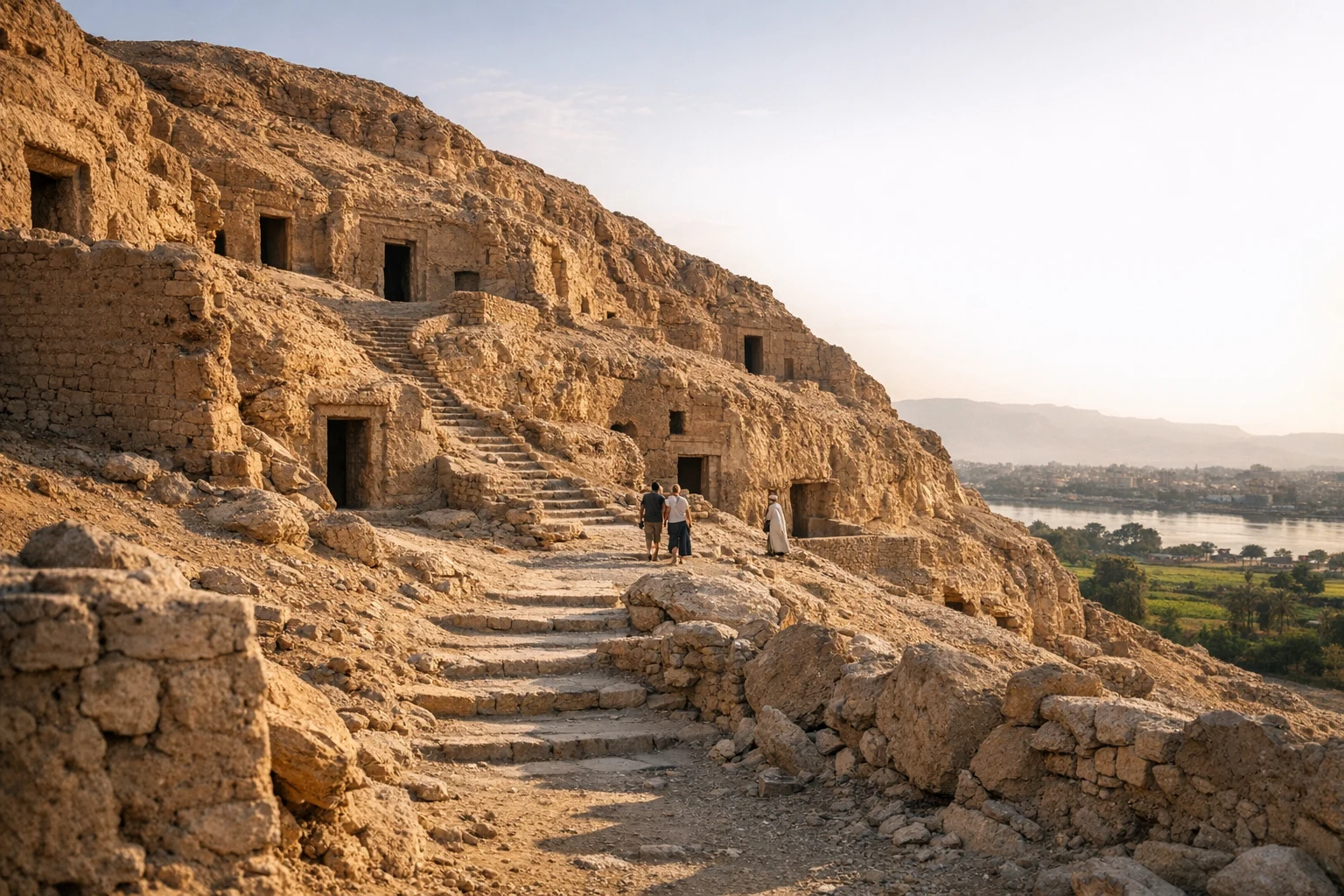
Nestled on the arid slopes of Luxor’s west bank, the Tombs of the Nobles cradle extraordinary memories of ancient Egypt’s sophisticated society, artistry, and belief systems. Located in the heart of the Luxor Governorate, Egypt, this cluster of burial sites offers visitors a chance to step beyond the grand narratives of pharaohs and enter the daily lives, dreams, and ambitions of Theban elites, whose intricate wall art endures after 3,000 years. While travelers often flock to the monumental Valley of the Kings, many overlook these more intimate tombs that dot the hills of Sheikh Abd el-Qurna, el-Khokha, Qurnet Murai, and Asasif. Here, the story of Egypt unfolds on a personal scale: fishermen ply the Nile’s waters, scribes meticulously record life’s events, and craftsmen shape vibrant paints into images that pulse with vitality.
Visiting the Tombs of the Nobles in Luxor is akin to peeling back ancient curtains and glimpsing the multi-faceted life of Egypt’s non-royal elite. These sites were not reserved for kings and queens, but rather for viziers, governors, high priests, and artisans who played pivotal roles in the functioning and maintenance of ancient Theban society. Their mortuary chapels and burial chambers are adorned with some of the most well-preserved and detailed murals in antiquity—scenes rendered in brilliant colors, narrating not only their own virtues and achievements but also the agriculture, industry, festivals, and familial relations that composed the beating heart of ancient Egypt. As you explore their winding passages and brightly painted walls, you become privy to a civilization that revered the afterlife yet fiercely celebrated this world.
History
The Middle and New Kingdom Expansion
The origins of the Tombs of the Nobles on Luxor’s west bank can be traced back to the Middle Kingdom (c. 2055–1650 BCE), but it was during the New Kingdom (c. 1550–1070 BCE) that their numbers and artistic quality truly flourished. As Thebes (modern-day Luxor) became the political and religious capital of Egypt during the 18th, 19th, and 20th dynasties, it drew an influx of powerful officials, priests, scribes, and artisans. Unlike royal tombs built for eternity in isolation, the nobility sought to be buried close to the great necropolis but with distinct architectural and artistic expressions. Tombs were excavated into the limestone hills in clusters, forming neighborhoods in death as in life.
The Artistic Explosion of the 18th Dynasty
The period of the 18th dynasty, in particular, witnessed an artistic renaissance. The walls of these tombs, especially in areas such as Sheikh Abd el-Qurna, bloomed with dynamic and detailed paintings that celebrated both earthly accomplishments and the journey to the afterlife. Among the most notable are the tombs of Rekhmire (TT100), a vizier whose tomb features bureaucratic processions, scenes of agricultural labor, and vivid depictions of tribute from foreign lands; and Menna (TT69), an affluent scribe whose tomb is famed for its sensitive, lively renderings of everyday rural life.
These vibrant murals went beyond funerary traditionalism, featuring feasting, music, wrestling, and the minutiae of daily routine—a far cry from the reserved grandeur of royal tombs. Inscriptions detailed the roles and achievements of occupants, revealing a society that valued service, piety, and loyalty to gods and pharaohs. The focus varied: some tombs belonged to craftsmen and foremen (such as those in nearby Deir el-Medina), while others honored military commanders, treasurers, and overseers.
Later Use and Rediscovery
Over centuries, the tombs suffered from tomb robberies, natural erosion, and periods of reuse. In Greco-Roman and even later periods, some tombs were repurposed as dwellings or places of Christian worship, while others became sources of curiosity for adventurers and early archaeologists. By the late 19th and early 20th centuries, systematic excavations began to reveal the incredible artistic and historical value of these sites. Today, the Egyptian government, with support from international teams, continues to conserve tombs, stabilize precious murals, and carefully open select tombs to the public on a rotating basis to limit environmental damage.
Contribution to Egyptology
The Tombs of the Nobles have profoundly shaped Egyptology’s understanding of ancient daily life and social structures. By comparing biographies, offering formulas, and images across the hundreds of tombs, researchers have reconstructed everything from tax collection methods and administrative hierarchies to intoxication rituals at harvest festivals. The robust documentation provided by nobility, who often recorded details about their careers and families, has made these tombs a vital complement to the more monumental, but less personal, Valley of the Kings.
Key Features
The Tombs of the Nobles are not a single cohesive site but a patchwork of tomb clusters scattered across the western escarpment of ancient Thebes. Each group—such as Sheikh Abd el-Qurna, el-Khokha, Qurnet Murai, and Asasif—offers a distinctive perspective on the beliefs, artistry, and secular preoccupations of their owners.
One of the most alluring aspects for visitors is the vibrancy and intimacy of the tomb art. Unlike the heavily symbolic and god-centered motifs found in royal tombs, the murals here erupt with scenes of labor and leisure. In the tomb of Nakht (TT52), a high official and astronomer, musicians strum lutes and harps while dancers whirl in flowing linen, capturing a banquet scene brimming with movement and music. Agricultural cycles, fishing expeditions, grape harvesting, and cattle herding are meticulously documented, reflecting both seasonal rituals and economic realities.
The tomb of Sennefer (TT96), dubbed the “Tomb of the Vineyards,” is renowned for its undulating vine motifs that snake across barrel-vaulted ceilings. Visitors marvel at the quality of preservation—glistening blues, ochres, and reds evoke a world that seems almost untouched by the millennia. In these spaces, religious beliefs blend seamlessly with worldly achievements: priests conduct funerary rites, butchers prepare offerings, and the deceased presides over festivities surrounded by kinsfolk.
Architecturally, the tombs are generally modest compared to grand pharaonic monuments, with narrow corridors and compact chapels. Yet, their size belies their significance. Reliefs and inscriptions carefully document each noble’s career highlights: foreign envoys bearing tribute, the weighing of the heart ceremony overseen by Anubis, and hymns to Osiris and Amun-Ra. These images grant rare insight into both statecraft and spirituality.
Some tombs are still actively being studied and conserved, and access is rotated to minimize exposure to the damaging effects of humidity and touch. Nonetheless, several are almost always open and included in tours, such as the tombs of Ramose (TT55), featuring exquisite relief work with unfinished figures, and Ramose’s neighbor Userhet (TT56), known for refined portraiture and hieroglyphics.
Equally compelling are the tombs of artisans in Deir el-Medina, themselves considered part of the Tombs of the Nobles complex, where everyday objects—tools, furniture, graffiti—communicate the concerns and humor of their creators. Thus, every visit is a journey into the diverse personalities and aspirations that made up the ancient city of Thebes.
Getting There
The Tombs of the Nobles are situated on Luxor’s west bank, across the Nile from the city center. Travelers based in Luxor have several convenient options for reaching these unique sites. The most common route involves a brief ferry ride from the east bank to the west, followed by a short taxi drive or an organized tour by minibus or private car.
The public ferry departs near Luxor Temple throughout the day and costs only a few Egyptian pounds (typically under 10 EGP per person, less than $0.50 USD), delivering passengers to the west bank in ten minutes. From the ferry dock, taxis (approximately 50–70 EGP to the tombs for a one-way trip, around $2–3 USD) are readily available, and drivers often wait for return fares or offer hourly hire for multiple site visits.
Alternatively, many visitors prefer the comfort and efficiency of an organized tour, which can be arranged through hotels, local agencies, or online platforms. These tours generally include return transport, an Egyptologist guide, and admission coordination, with half-day group tours starting around 350–500 EGP ($11–16 USD) and private tours upwards from 800 EGP ($26 USD) per person. Tours often combine the Nobles’ tombs with other West Bank highlights like the Valley of the Kings, Hatshepsut’s Temple, and the Colossi of Memnon.
Independent travelers with rental cars can drive to the tomb clusters; parking is available near the major sites, though navigation through local villages can be confusing, so having GPS or a driver familiar with the area is highly recommended.
For adventure seekers, it’s possible to rent a bicycle in Luxor and pedal to the west bank—allow 25–35 minutes to reach the tombs from the city center after crossing by ferry. However, bear in mind the hot climate, traffic conditions, and the need for hydration, especially in warmer months.
When to Visit
Selecting the right time to visit the Tombs of the Nobles can dramatically enhance your experience, both in terms of comfort and the quality of your exploration. Luxor sits in a region of Egypt known for its extremely hot, dry desert climate, with temperature fluctuations that can be dramatic across the year.
The ideal window for visitation stretches from late October through April, during Egypt’s cool season. In these months, daytime highs usually hover between 22–28°C (72–82°F), while evenings can dip pleasantly to 10–16°C (50–62°F). During this period, the Nubian sun is still powerful, but manageable with basic precautions: sunscreen, loose clothing, hats, and water bottles are all essential. Mornings are particularly advantageous for tomb visits, as both crowds and heat are minimal, allowing for unhurried appreciation of the artistry and a quieter ambiance inside sometimes-cramped burial chambers.
May through September brings soaring temperatures, often exceeding 40°C (104°F) in the midday sun. While the tomb interiors remain cool relative to the outside, the approach through dusty hills and under the open sky can be physically demanding, especially for young children or older travelers. Visiting early in the morning during these months, or late in the afternoon, is strongly advised. Crowds are sparse, but be prepared for limited refreshment facilities on-site.
Luxor seldom sees rain, and site closures due to weather are rare. However, major Egyptian holidays (such as Sham el-Nessim in spring or Eid in late summer) can see modest upticks in domestic visitors. Generally, the west bank’s tombs remain less crowded than the Valley of the Kings or Karnak Temple—offering a more contemplative, slow-paced exploration even at the height of winter’s high season.
Special note: Some tombs are closed on a rotating basis for restoration and protection, so it’s always wise to check in advance which specific tombs will be open. Local offices or your tour provider can provide up-to-date access information. Don’t forget to budget for admission fees; as of 2024, tickets for the Tombs of the Nobles are approximately 100–150 EGP (about $3–5 USD), valid for entry to several tombs.
Quick Facts
| Attribute | Details |
|---|---|
| Location | West Bank, Luxor, Egypt (Luxor Governorate) |
| Coordinates | 25.7282° N, 32.5972° E |
| Significance | Non-royal tombs showcasing ancient Egyptian daily life, art, rituals |
| Peak Period | New Kingdom (c. 1550–1070 BCE), with Middle Kingdom origins |
| Number of Tombs | Over 400 cataloged, with a rotating subset open to visitors |
| Notable Tombs | Rekhmire (TT100), Sennefer (TT96), Menna (TT69), Ramose (TT55), Nakht (TT52) |
| Accessibility | Easily reached by ferry/taxi or as part of organized tours |
| Admission Fee | Approx. 100–150 EGP (about $3–5 USD) per combined ticket |
| Opening Hours | Daily, typically 7:00am – 5:00pm (subject to change/rotations) |
| Nearby Sites | Colossi of Memnon, Deir el-Medina, Dendera |
| UNESCO Status | Part of Ancient Thebes with its Necropolis World Heritage designation |
| Camera Policy | Varies by tomb; flash often prohibited, permits sometimes required |
Frequently Asked Questions
What are the Tombs of the Nobles in Luxor?
The Tombs of the Nobles are a collection of burial sites for high officials, priests, and elites of ancient Thebes, renowned for their detailed murals and intimate depictions of daily and funerary life.
How do the Tombs of the Nobles differ from the Valley of the Kings?
Unlike the more famous royal tombs of the Valley of the Kings, the Tombs of the Nobles are generally smaller but offer more personal, vivid scenes of daily activities, rituals, and society in their wall art.
Can visitors enter the tombs, and are they guided?
Yes, many tombs are open to the public, and tours—both private and group—can be arranged with knowledgeable Egyptologists for a deeper understanding of the artwork and history.
What is the best way to reach the Tombs of the Nobles from Luxor city?
The site is accessible via car, taxi, or organized tours. It's located on the west bank of the Nile, a short ferry ride or drive from central Luxor.
Are photography and videography allowed inside the tombs?
Regulations on photography vary between tombs. Flash photography is generally prohibited, and sometimes a permit or additional fee is required for cameras.
Nearby Ancient Sites
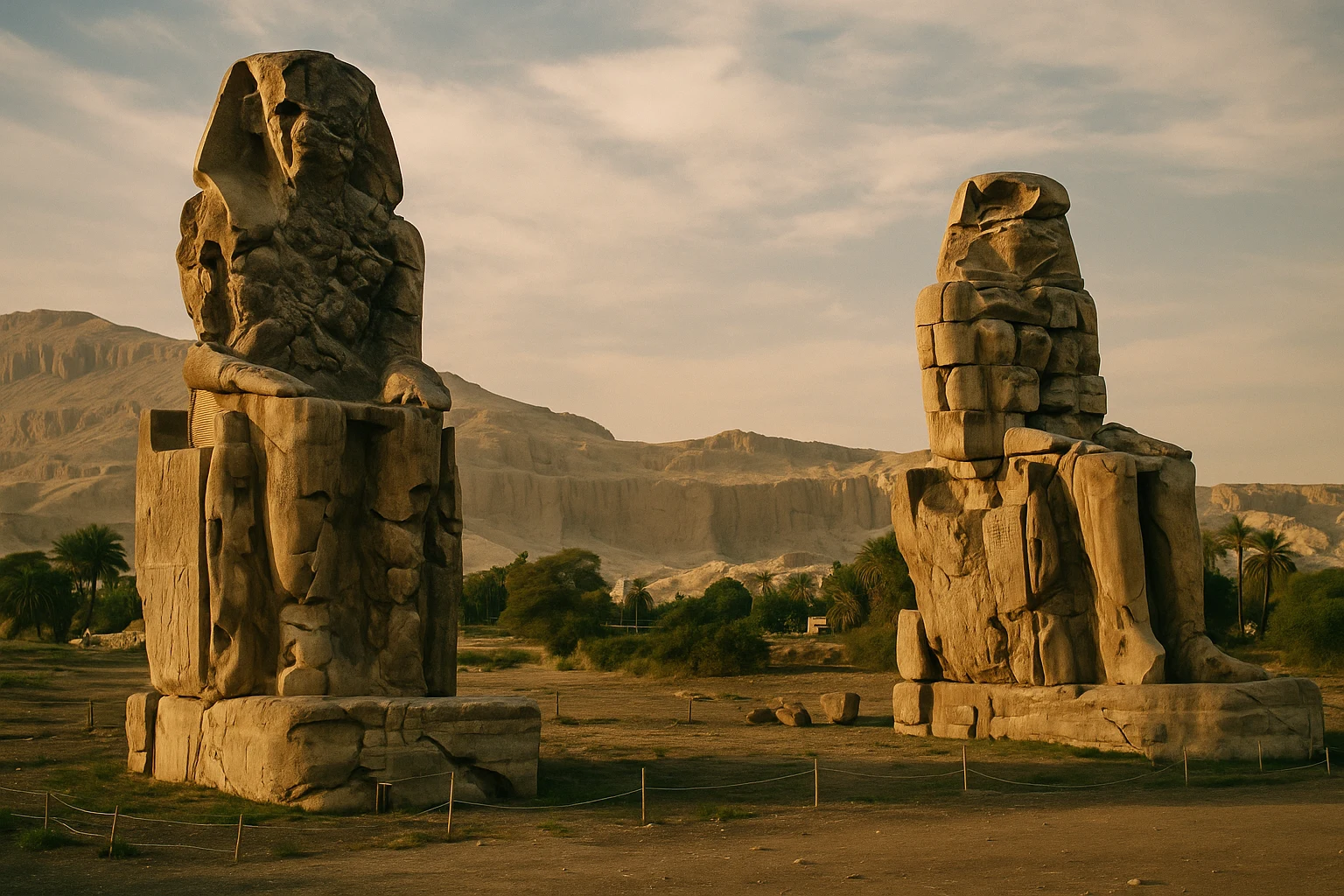
Colossi of Memnon
Ancient Egypt (New Kingdom)Twin colossal statues of Pharaoh Amenhotep III guarding the Theban necropolis on Luxor's West Bank, ...
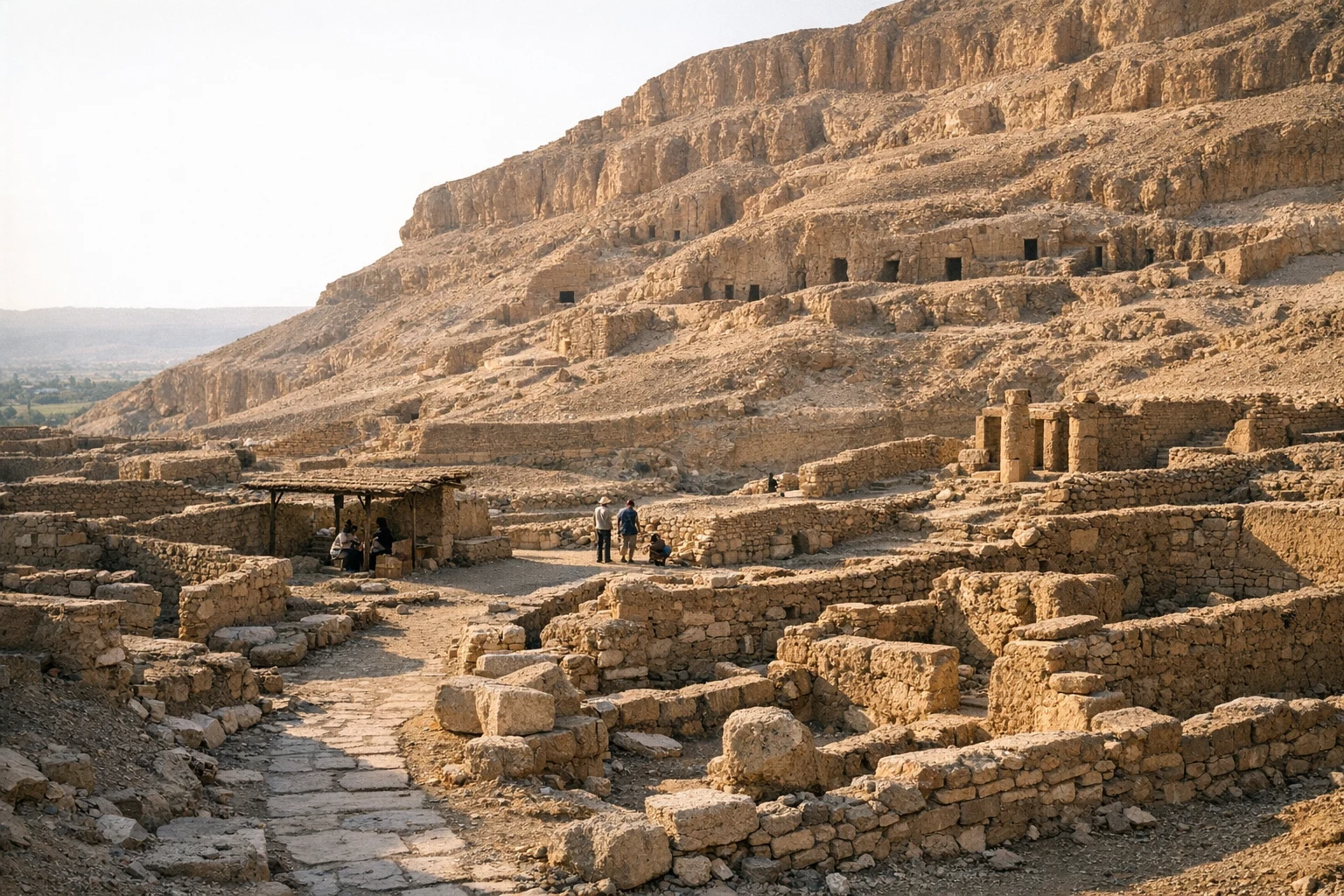
Deir el-Medina
Deir el-Medina is an ancient Egyptian workers’ village near Luxor, renowned for its remarkably prese...
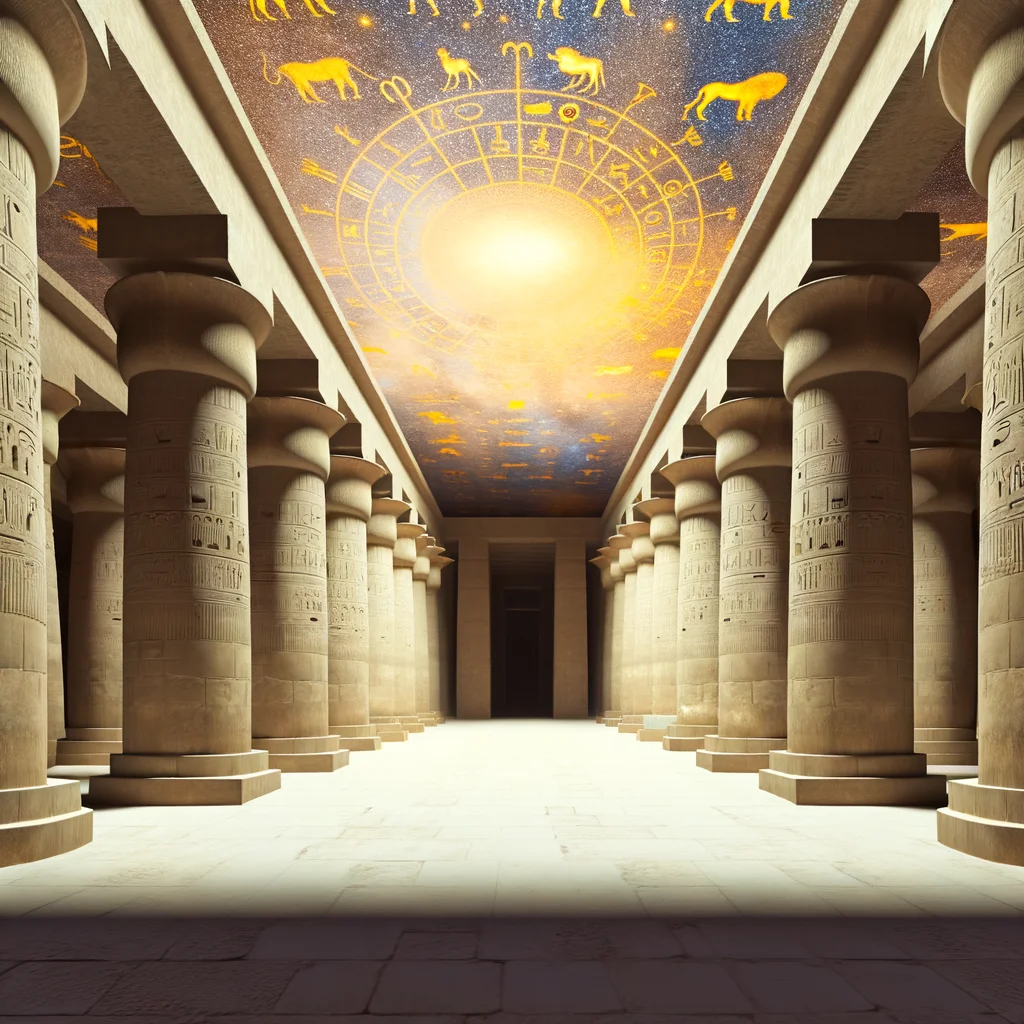
Dendera Temple Complex Egypt Guide 2026: Temple of Hathor & Zodiac Ceiling
Ptolemaic-RomanExplore Dendera's magnificent Temple of Hathor near Luxor. Star-mapped zodiac ceiling, Ptolemaic arc...