Quick Info
Curated Experiences
Tula Archaeological Zone Guided Tour from Mexico City
Day Trip to Tula and Tepotzotlán
Toltec Ruins and Atlantean Warriors Tour
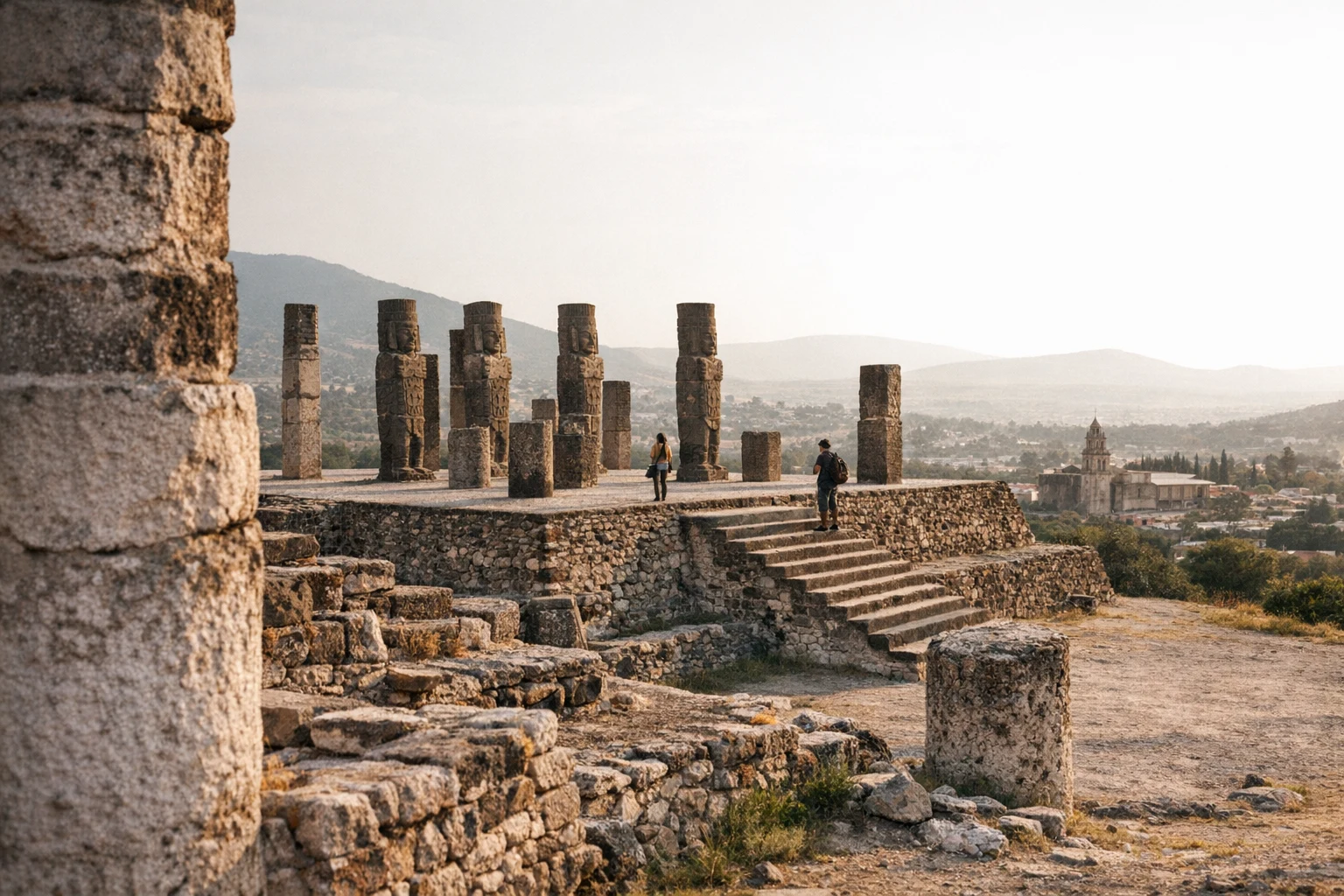
Tula, known fully as Tula de Allende, sits in the sun-drenched valleys of central Mexico’s Hidalgo region, about 70 kilometers north of bustling Mexico City. As you approach the ancient site, the rolling hills give way to a landscape dotted with agave fields and twisted mesquite trees, setting an evocative stage for one of Mesoamerica’s most storied lost cities. What immediately captures visitors is not only the serenity of its setting, but the dramatic silhouette of the Atlantean warrior statues—gigantic stone figures perched atop a pyramid, their faces eternally vigilant over the sprawling remains of the Toltec capital.
For centuries, Tula has stirred the curiosity of travelers, archaeologists, and storytellers alike. Founded over a millennium ago, this once-mighty metropolis was the heart of the Toltec civilization, a people often credited with passing down knowledge, artistry, and religious customs to their successors, the Aztecs. The grandeur of its ceremonial center, monumental sculptures, and enigmatic relics still resonate today, giving glimpses into the sophisticated societies that shaped pre-Columbian Mexico.
Walking its expansive plaza, you can almost imagine the clang of obsidian blades, the echoes of ritual chants, and the footsteps of priests crossing between temples. Yet, what makes Tula most compelling is its air of enduring mystery. While lesser-known internationally than sites like Teotihuacan or Chichen Itza, Tula rewards the curious traveler with a distinctly Toltec vision: one of grandeur, subtlety, and spiritual ambition. Whether you come to study its carved stelae, gaze up at the Atlantean statues, or simply trace the ancient city’s weathered stones underfoot, Tula promises a journey to the beating heart of Mexico’s historic highlands.
History
Early Beginnings and Toltec Ascendancy
The history of Tula is inextricably linked to the rise of the Toltec civilization—a people whose origins remain partly shrouded in myth and oral tradition. Archaeological evidence dates significant occupation of the site to roughly AD 700–900, when it began as a modest settlement along the Tula River. However, it was between the years 900 and 1150 AD that Tula reached the zenith of its power. By then, the city had evolved into the political, economic, and spiritual heart of the Toltec world.
Toltec society was shaped by centuries of migration and interaction with nearby cultures. Their rise followed the collapse of the great city of Teotihuacan, some 100 kilometers to the southeast, and into this power vacuum stepped the warriors, priests, and artisans of Tula. These Toltecs constructed grand public buildings, ceremonial plazas, and the impressive stepped pyramid now crowned by the Atlantean statues. The city, with an estimated population of up to 60,000 at its height, commanded influence over large swathes of central Mexico. Its artisans specialized in stone carving, metallurgy, and elaborate featherwork, while Toltec spiritual life revolved around the worship of Quetzalcoatl—the Feathered Serpent deity who would later become central to Aztec mythology.
Influence, Expansion, and Intrigue
Toltec Tula was both a metropolis and a myth. As traders and emissaries carried its culture across Mesoamerica, stories of its grandeur spread to distant Maya cities and later, to the Aztecs, who revered Tula as the model of civilization. The city’s influence extended as far as Yucatán, as evidenced by stylistic similarities between Tula’s sculptures and those found at Chichen Itza.
Yet, Tula’s history was hardly one of uninterrupted peace. Archaeological evidence shows signs of defensive walls, burned buildings, and sudden disruptions—likely the result of internal strife and external threats. As with many pre-Columbian cities, competition over resources, climate changes, and political instability gradually weakened Tula’s hold on the region. Between 1150 and 1200, the city experienced severe decline, possibly hastened by an influx of rival groups such as the Chichimecs. By roughly AD 1200, Tula was largely abandoned, its temples left to the elements and the fading memory of its people.
Legacy and Rediscovery
Despite its decline, Tula’s legacy endured for centuries in legend and lore. The Aztecs, who arose some 200 years after Tula’s fall, considered themselves spiritual successors to the Toltecs. Aztec emperors claimed Toltec ancestry, and many elements of Toltec religion, art, and social organization were woven into Aztec culture.
Rediscovery of Tula by scholars began in earnest in the 19th century, but formal archaeological investigation accelerated in the 1940s and 1950s. Today, the site stands as one of Mexico’s premier archaeological landmarks, its museum and restored monuments inviting new generations to explore the mysteries of the Toltec world. Excavations continue to reveal more about the daily life, ingenuity, and enduring mythology that made Tula a touchstone for Mesoamerican civilization.
Key Features
The most iconic sight at Tula is undoubtedly the Atlantean Warriors—four gargantuan basalt statues that rise more than 4.5 meters (about 15 feet) tall atop Pyramid B, their stern faces and elaborate headdresses looking out across the ancient city’s bones. Each warrior, carved with intricate sun shields and butterfly-shaped chest plates, carries the symbolic atlatl (spear-thrower) and hafted weapon—a testament to the martial prowess the Toltecs valued so highly. Standing among the statues at dawn, when the sunlight bathes their weathered features, visitors often remark on the solemn grandeur that radiates from these silent guardians.
Beneath the Atlanteans lies Pyramid B itself, a step-pyramid structure whose platform can be climbed by modern visitors (with care). The base is decorated with bas-reliefs depicting jaguars, eagles, and coyotes—predators associated with royalty and the martial elite. Surrounding the pyramid is the ceremonial plaza, an open space that once hosted processions and ritual gatherings. Massive stone columns—some carved with warriors, others abstractly decorated—dot the landscape, hinting at the vanished grand halls that once stood here.
To the south of Pyramid B is the Palacio Quemado, or Burnt Palace, so named for evidence of the catastrophic fire that marked its abandonment. Here, carved pillars and the remains of wall murals suggest the grandeur of state rituals and royal audiences. The Tula site also includes a large ballcourt, echoing the famous ritual ballgames played throughout ancient Mesoamerica. The game’s outcome had both political and religious dimensions—winners and losers alike could face fates dictated by the gods.
Not far from the main plaza is the on-site museum, a compact but well-curated collection displaying ceramics, obsidian blades, figurines, and other everyday objects from Tula’s golden age. These humble artifacts anchor the site’s mythic atmosphere in tangible reality, providing glimpses into the lives of its ancient inhabitants. Among other features, visitors will find residential zones, smaller temples, and the mysterious remains of drainage channels and waterworks—a testament to the city’s advanced engineering.
Everywhere, Tula’s artistry and architecture display a blend of austerity and subtlety rarely encountered elsewhere. The interplay of broad plazas, intricate carvings, looming basalt statues, and panoramic vistas create a sense of both power and enigma—a city built for ceremony, conquest, and communion with the divine.
Getting There
Reaching Tula is refreshingly straightforward, particularly for visitors traveling from Mexico City or other central Mexican towns. The Tula archaeological site lies just outside the modern city of Tula de Allende, and is well-connected by both public and private transport.
If coming from Mexico City, the most economical option is to take an intercity bus from Terminal del Norte. Buses bound for Tula de Allende depart frequently, with a travel time of roughly 1.5 to 2 hours, depending on traffic. Fares generally range from 120 to 180 MXN ($7–10 USD) each way. Upon arrival at Tula’s main bus station, taxis or local colectivos can shuttle you the final 2 kilometers to the site entrance for a modest additional fee (usually under 50 MXN, or about $3 USD).
For greater convenience and flexibility, many travelers opt for organized day tours, often departing directly from major hotels in Mexico City. Most tours provide round-trip transportation, entrance fees, knowledgeable guides, and, sometimes, a stop at the charming colonial town of Tepotzotlán. Expect day tours to range from $40 to $90 USD per person, with private options available at higher rates.
If you prefer driving, rental cars are widely available in Mexico City. The route follows major highways (Autopista México–Querétaro to the Tula turnoff), with clear signage as you near Tula de Allende. Secure parking is available at the archaeological site; parking fees average 30–50 MXN ($2–3 USD) for the day. For adventurous cyclists, the ride is technically possible but challenging due to the highways and distance—well-suited for experienced cyclists only.
However you arrive, be sure to bring water, sunscreen, and a hat, as shade can be limited. Once at the site, entry fees for international visitors are around 80 MXN ($4.50 USD), with reduced prices for students and Mexican nationals on certain days. The entrance area features a welcoming center, restrooms, and a few vendors selling snacks and souvenirs.
When to Visit
Tula’s central highland location means its climate is generally mild, but certain seasons offer more comfort and better experiences for visitors. The best months to visit are typically from October through March, when daytime temperatures range from 18°C to 26°C (64–79°F) and the drier air means clearer skies and pleasant walking conditions. During these months, the site sees moderate crowds, and the light—especially in the early morning or late afternoon—highlights the sculpted forms of monuments and statues with dramatic effect.
The rainy season runs from June through September. While the ruins remain open, visitors should be mindful that afternoon showers are common, and the site’s open plazas can become muddy and slippery. That said, the surrounding hills take on lush green hues, and the crowds often thin out compared to peak periods, rewarding those undeterred by possible showers with a more tranquil atmosphere.
April and May are typically the warmest and sunniest months, with occasional spikes above 30°C (86°F). Shade at the site is limited, so bring a hat, sunscreen, and plenty of water. Weekends, national holidays, and special event days (such as the spring equinox) can bring larger local crowds—particularly from Mexico City—so early weekday visits tend to be the most serene.
Tula is rarely “overrun,” even during peak times, making it an appealing destination for travelers seeking a quieter alternative to Mexico’s headline archaeological sites. Take time to wander, pause in the shadow of the Atlantean warriors, and appreciate the sense of mystery and majesty that still clings to the stones, no matter the season.
Quick Facts
| Attribute | Details |
|---|---|
| Location | Tula de Allende, Hidalgo, Mexico |
| Civilization | Toltec |
| Founded | ca. AD 700 (major development ca. 900–1150 AD) |
| Notable Features | Atlantean warrior statues, Pyramid B, Palacio Quemado, ballcourt |
| Entry Fee | ~80 MXN ($4.50 USD) |
| Opening Hours | 9:00 am – 5:00 pm daily |
| Best Time to Visit | October–March for mild weather |
| Nearby Cities | Mexico City (70 km south), Tula de Allende |
| Accessibility | Mostly accessible; some areas with steps/uneven ground |
| Tour Options | Bus, car, and guided day tours from Mexico City |
| UNESCO Status | Not listed |
| Museum on Site | Yes |
| Facilities | Restrooms, parking, snack vendors |
| Estimated Population (peak) | 40,000–60,000 |
Tula stands as both a testament to Toltec ingenuity and a captivating window into Mexico’s ancient past. From its martial statues to the sweeping plazas, it offers a uniquely Toltec perspective on Mesoamerica’s golden age—one waiting to be discovered by every visitor who walks its storied grounds.
Frequently Asked Questions
How much time should I plan to spend at Tula?
Most visitors spend two to three hours exploring the main plaza, Atlantean statues, museum, and the surrounding ruins.
Is Tula suitable for children or families?
Yes, the site is accessible, and the statues and ruins are fascinating for all ages. Some areas have steps and uneven ground.
Are there guided tours available at Tula?
Yes, local guides are often available at the entrance, or you can book in advance with many operators based in Mexico City.
What facilities are available on-site?
Tula has a small museum, restrooms, shaded areas, and a few snack stalls, but options are limited, so bring water and snacks.
Can I climb the Atlantean statues or pyramid structure at Tula?
Climbing the Atlantean statues is prohibited for preservation, but you can ascend the main pyramid's steps to view them up close.
Nearby Ancient Sites
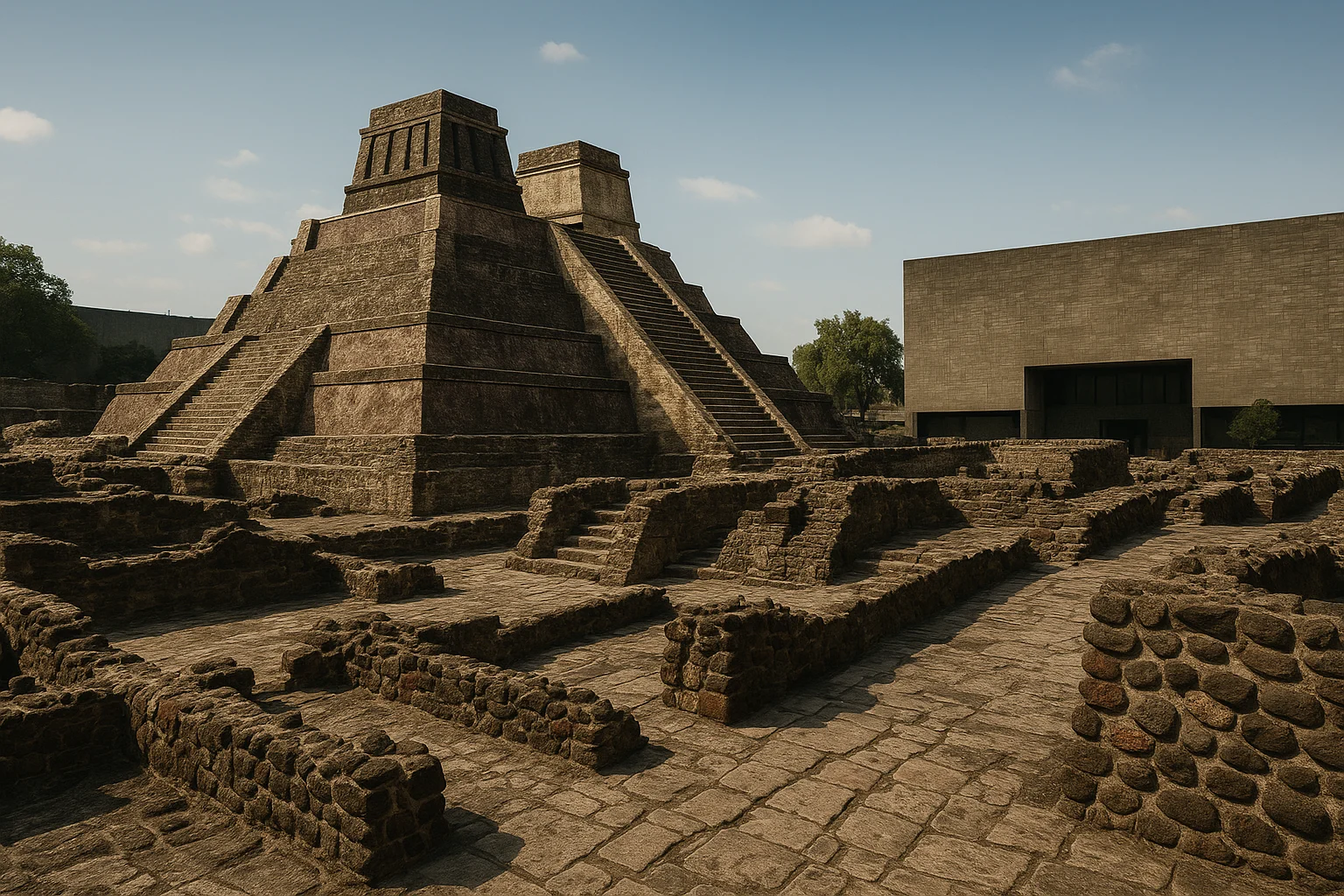
Templo Mayor Travel Guide 2026: Aztec Core, Museum, and Visit Strategy
Mexica (Aztec)Plan a focused Templo Mayor visit in Mexico City with practical timing, museum priorities, and clear...
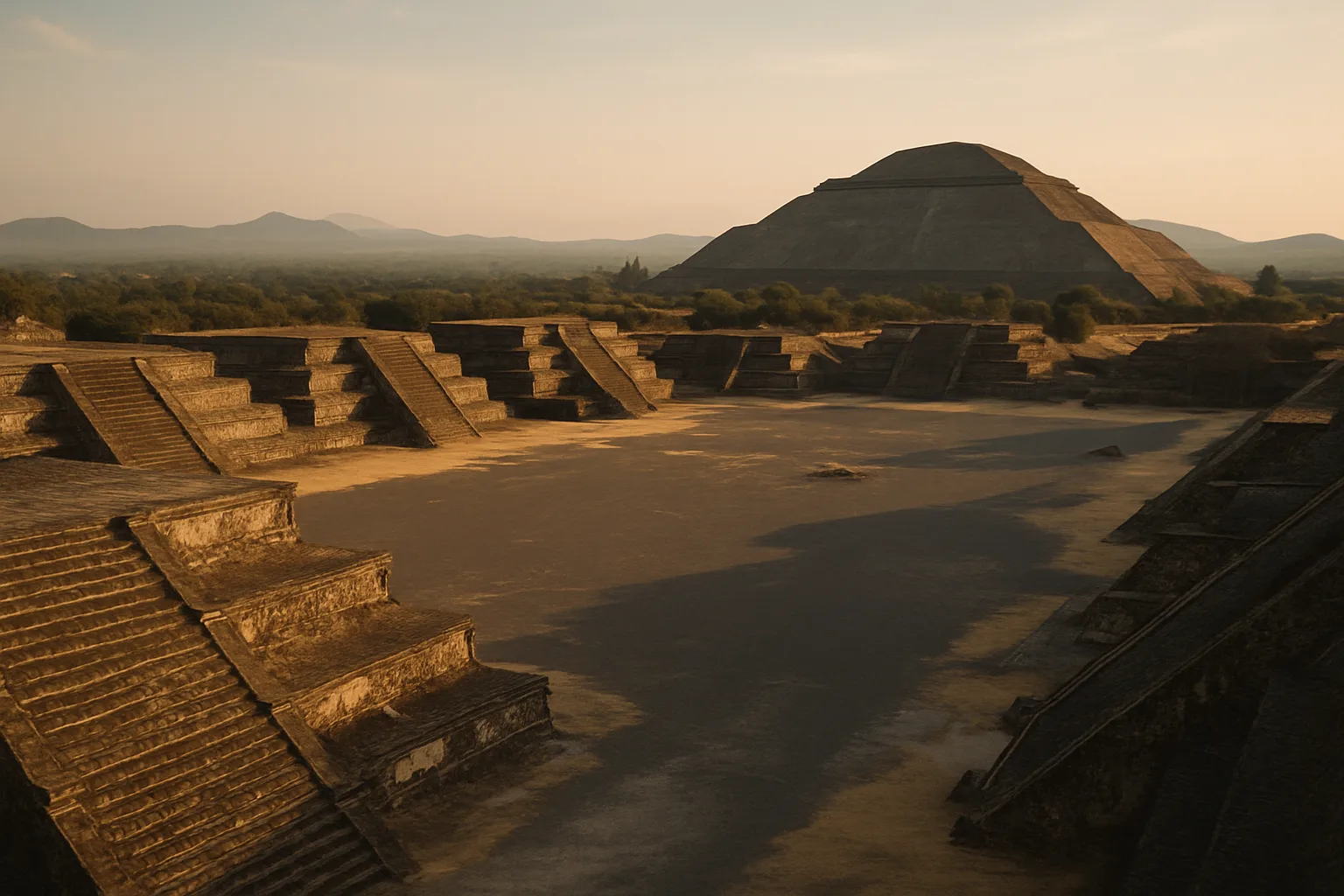
Teotihuacan Mexico Travel Guide 2026: Pyramids, Mysteries & Day Trips
TeotihuacanoTeotihuacan, the 'birthplace of the gods,' remains Mesoamerica's most influential ancient city. This...
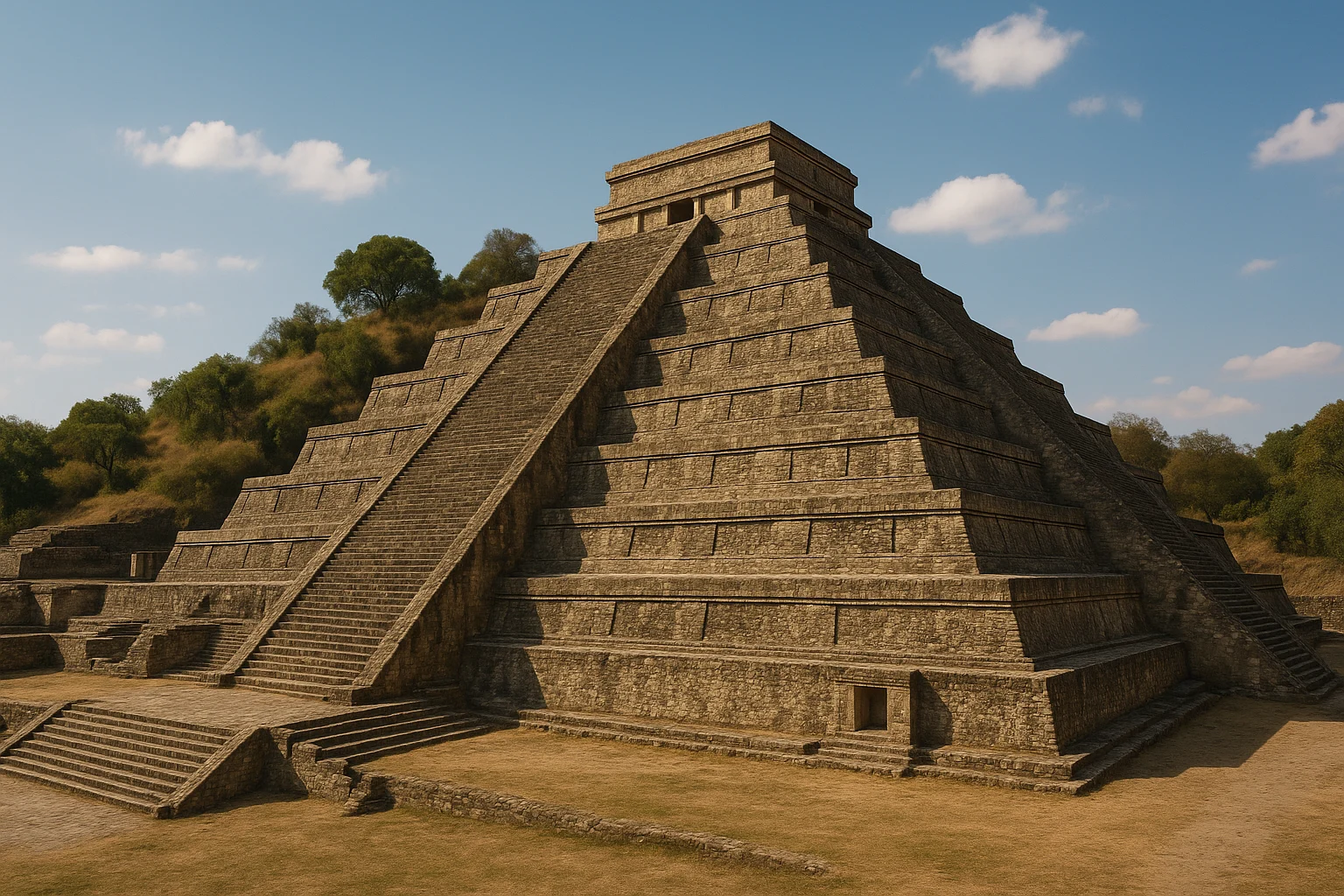
Great Pyramid of Cholula Travel Guide 2026: Tlachihualtepetl Essentials
Preclassic and Postclassic MesoamericanPlan a smart visit to the Great Pyramid of Cholula with key context, timing advice, and practical fi...