Quick Info
Curated Experiences
Guided Tour: Valley of the Queens and Valley of the Kings
Luxor West Bank Monuments including Valley of the Queens
Royal Tombs Exploration in Valley of the Queens
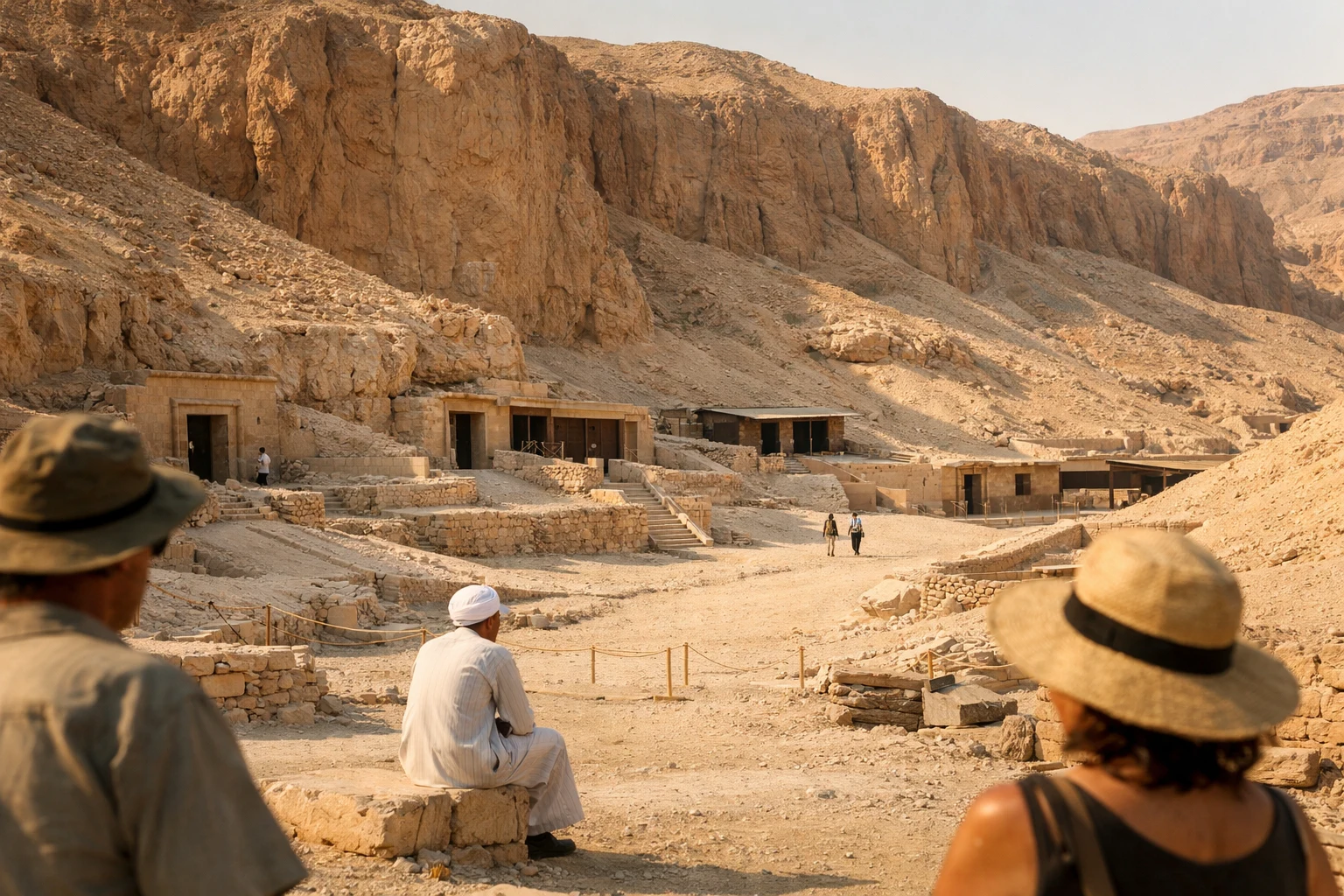
Nestled on the west bank of the Nile, in the shadow of Egypt’s golden cliffs near Luxor, lies one of the world’s most enchanting archaeological treasures: the Valley of the Queens. Here, amid shifting sunlight and wind-carved wadis, visitors can enter the very heart of ancient Egypt, where powerful pharaohs honored their queens and royal children with exquisitely crafted tombs. As you pass through the valley’s quiet hollows and gaze upon the painted reliefs, you’ll discover a place of both solemn reverence and brilliant artistry—an enduring testament to the devotion, wealth, and belief systems of the New Kingdom era.
The Valley of the Queens—“Ta-Set-Neferu,” or “the Place of Beauty”—was the final resting place for Egypt’s royal women and some princes across several dynasties, primarily the 19th and 20th. In the soft, ochre glow of early morning, the silence and sweeping views feel timeless, making it easy to imagine the bustling processions and skilled artisans who once transformed simple desert slopes into a necropolis fit for gods and queens. Unlike the more famous Valley of the Kings, its sister necropolis, the Valley of the Queens holds a special intimacy: its tombs celebrate not the rulers themselves, but their wives, daughters, and children—those who lived in proximity to Egypt’s greatest power and whose stories often remain overshadowed in history.
Visiting this hauntingly beautiful site is an opportunity to witness up close the colorful frescoes of Queen Nefertari’s tomb, where every corner bursts with mythic scenes from the Book of the Dead, or to walk the sandy paths that once echoed with the voices of priests and mourners. The Valley of the Queens is not only a monument to Egypt’s past but a living, breathing place whose art, architecture, and spiritual ambiance still invoke awe today.
History
Early Use and Discovery
The Valley of the Queens found its calling as a necropolis during the tumultuous transition from the 18th to the 19th Dynasty, around the reign of Ramesses I. Before this period, royal women were typically buried near their husbands, often within temple precincts or integrated into shared burial shafts. As the New Kingdom solidified its control and wealth, especially during the Ramesside period, the need for specialized burial grounds for the queens became apparent. The site now known as the Valley of the Queens, selected for its secluded desert location and proximity to the Theban mortuary temples, first housed burials during the late 18th Dynasty—historical records suggest a few princesses or lesser royals found their final rest here alongside the more prominent royal women who would soon follow.
Major discoveries in the Valley of the Queens can be credited to Italian explorers of the early 19th century, and later to the painstaking work of Ernesto Schiaparelli in the 1900s. Using detailed maps and systematic excavations, Schiaparelli revealed dozens of tombs, some spectacularly decorated and others left unfinished, providing invaluable insight into the social structure and religious beliefs of an ancient world.
The Age of Nefertari and the Ramesside Queens
The zenith of the Valley’s history occurred during Egypt’s 19th and 20th Dynasties. It was during this period that the most famous tombs were constructed, including the breathtaking burial place of Queen Nefertari, favorite wife of Ramesses II. Her tomb, QV66, set a new standard for funerary architecture, filled with vibrant mythological scenes and dedications to the goddess Hathor. The incredible craftsmanship seen within Nefertari’s tomb reveals the high status and extraordinary care accorded to those most beloved by the pharaoh.
The Valley grew to include more than 90 tombs during this era. Many contained the remains of pharaohs’ daughters and sons, especially those who died young. Archaeologists have also unearthed burial goods, elaborate jewelry, and religious texts that open windows into the daily lives and spiritual preparations of ancient Egypt’s elite.
Later Centuries: Decline, Rediscovery, and Conservation
As Egypt’s political fortunes declined toward the end of the New Kingdom, the royal tombs—already subject to the ongoing problem of tomb robbing—were gradually abandoned. Later burials in the valley generally reflect less grandeur, with the site receiving only sporadic use in subsequent centuries. By the Greco-Roman period, much of the knowledge regarding tomb locations had faded, and the area became part of local legend.
Modern rediscovery in the 19th and 20th centuries brought new conservation challenges. While the Valley’s dry climate helped protect its art, increasing numbers of visitors and the fragility of ancient paints have required conservation efforts of international scale. Today, only a selection of tombs, including Nefertari’s and those of various princes, are open to the public, with periodic closures for restoration and preservation.
Key Features
The Valley of the Queens is, above all, a monument to the forgotten stories of ancient Egypt’s royal women—a place where myth, art, and power are intertwined in stone and pigment. Its principal tombs are hidden beneath the sandy slopes of rugged Theban hills, often accessed by narrow corridors and steep inclines that enhance their otherworldly qualities. Unlike the massive scale or grandeur of the Valley of the Kings, the tombs here are often more intimate but no less arresting in their decorative brilliance.
Queen Nefertari’s tomb (QV66) is unarguably the jewel in the valley’s crown. Entering its chambers, visitors are met with a riot of color—deep reds, radiant golds, lapis blues—illuminating complex scenes of Nefertari in the afterlife. She is shown playing games, conversing with gods, and passing through a spiritual landscape that mirrors the ancient Egyptian cosmology. Every surface is covered with carefully rendered hieroglyphics, prayers, and symbol-rich vignettes. The artistry is so sensitive, delicate, and sophisticated that UNESCO once described Nefertari’s tomb as “the Sistine Chapel of Ancient Egypt.”
Other tombs open to the public offer equally compelling, if lesser-known, treasures. The tombs of the sons of Ramesses III—Amon-her-khopshef, Khaemwaset, and others—feature vivid frescoes that depict youthful princes in processional glory, surrounded by protective gods or receiving offerings from priests. These tombs tend to be smaller, yet their imagery provides rare insight into royal family relationships, mortuary rituals, and the important roles played by young princes and princesses in Egypt’s dynastic ambitions.
Throughout the valley, one is struck by the integration of religious symbolism—solar and lunar motifs, images of the goddess Hathor, Osiris, Anubis, and the ubiquitous scarab representing rebirth. Many tombs employ a unique architectural plan, with long corridors leading to antechambers and burial shafts, sometimes featuring multiple rooms designed for extended family members. The limestone and sandstone walls were painstakingly prepared with fine plaster before painters set to work, resulting in an enduring vibrancy that dazzles modern eyes even after more than 3,000 years.
Above ground, the landscape itself is a feature of timeless beauty. Stark cliffs frame the valley, creating a natural amphitheater that channels both light and shadow across temple ruins and tomb entrances. It’s easy to see why the ancient Egyptians associated this place with the journey of the sun and the promise of resurrection.
Getting There
The Valley of the Queens is conveniently located on the west bank of the Nile, approximately 8 kilometers from the city center of Luxor—a city renowned as Egypt’s open-air museum. Getting to the site is straightforward, with a variety of transport options suitable for every type of traveler.
Most visitors begin their journey from Luxor. The most convenient route is by private taxi, which can be easily arranged through hotels or directly from Luxor’s city center. A typical fare ranges from 100 to 150 Egyptian pounds (about $3–$5 USD) each way. Taxis are especially suitable for those wanting to visit multiple sites on the West Bank, such as the Valley of the Kings or the Colossi of Memnon, as drivers often offer half-day or full-day rates.
For those seeking a more immersive experience, organized group tours offer excellent value and rich historical context. Popular local operators and international travel agencies provide half- and full-day packages, often including Egyptologist guides and convenient pick-up/drop-off at your hotel or cruise ship. Expect tour prices to start at about $25–$50 USD per person, depending on group size and itinerary specifics.
Independent travelers can also cross the Nile by public ferry from the east bank near Luxor Temple, a short crossing that costs less than 10 Egyptian pounds (about $0.25 USD). On arrival at the west bank, a network of microbuses, taxis, and the occasional tuk-tuk is at your disposal for the quick drive to the Valley of the Queens.
If you’re feeling adventurous, consider renting a bicycle in Luxor for around 50–70 Egyptian pounds per day ($1.50–$2.50 USD). The ride out to the valley is pleasant in cooler months, passing through green villages and open fields, though be prepared for uphill sections and desert conditions as you approach the site.
The entrance to the Valley of the Queens is clearly marked, and the visitor center offers informative displays, restrooms, and ticket purchasing facilities. Tickets for standard entry cost around 100–120 Egyptian pounds ($3–$4 USD), while access to special tombs, notably Nefertari’s, requires a separately purchased ticket, often priced at 1,400 Egyptian pounds (about $45–$50 USD) due to conservation needs and limited visitation.
When to Visit
Timing your visit to the Valley of the Queens is key to making the most of the experience, especially considering the region’s desert climate and the fragile conditions inside the tombs. The best time to visit is during Egypt’s mild winter and shoulder seasons, from October through April. During these months, daytime temperatures are comfortable, typically ranging from 18°C to 26°C (64°F–79°F), which makes walking the sandy trails and exploring the ornate tomb interiors far more enjoyable. Early spring (March–April) and late autumn (October–November) are particularly favored by many travelers for their pleasant weather and moderate tourist numbers.
In contrast, the summer months (May–September) can be intensely hot, with temperatures often soaring above 40°C (104°F). Visiting the valley at midday during this period is unadvisable, both for personal comfort and the preservation of artwork within the tombs—high humidity and heat can accelerate deterioration. Should you visit during summer, aim for an early morning arrival when the desert air is still cool and crowds are minimal.
Weekends and major Egyptian holidays (such as Eid or Christmas) tend to see higher numbers of local visitors, especially school groups. If you prefer a quieter experience, opt for early mornings on weekdays, when you’ll share the tombs with only a handful of other eager explorers. Ticketed access to Queen Nefertari’s tomb is strictly limited, so consider arriving soon after opening hours or pre-booking with a tour to secure your chance to enter this masterpiece of ancient art.
Regardless of the season, always bring water, sun protection, and a hat—even winter sun in Luxor can be intense. Layered, comfortable clothing and sturdy walking shoes will help you navigate the valley’s uneven terrain. Many areas are exposed with limited shade, so consider timing your exploration of the open grounds for earlier or later in the day, reserving midday for museum visits or shaded rest areas in the visitor center.
| Quick Facts | Details |
|---|---|
| Location | Luxor Governorate, West Bank, near Luxor, Egypt |
| Period | New Kingdom (c. 1550–1070 BCE) |
| Number of Tombs | Over 90 excavated, with select tombs open |
| Most Famous Tomb | Queen Nefertari (QV66) |
| Open to the Public | Yes, with restricted access to tombs |
| Standard Entry Fee | 100–120 EGP (approx. $3–$4 USD) |
| Nefertari Tomb Fee | 1,400 EGP (approx. $45–$50 USD) |
| Main Deities Honored | Hathor, Osiris, Anubis |
| Nearby Sites | Valley of the Kings, Colossi of Memnon, Dendera |
| Distance from Luxor | 8 kilometers (approx. 20 mins by car) |
| UNESCO World Heritage? | Yes, as part of Ancient Thebes |
| Facilities | Visitor center, restrooms, shaded rest areas |
Frequently Asked Questions
What is the Valley of the Queens?
The Valley of the Queens is an ancient burial site near Luxor in Egypt, primarily used as the final resting place for wives and children of pharaohs from the New Kingdom period.
Can visitors enter the tombs at Valley of the Queens?
Yes, several tombs are open to the public, including the spectacular tomb of Queen Nefertari. Some tombs may require a separate ticket or guided entry.
How far is Valley of the Queens from Luxor?
The Valley of the Queens is approximately 8 kilometers southwest of Luxor, taking about 20 minutes by taxi or tour vehicle.
What should I wear when visiting Valley of the Queens?
Wear light, comfortable clothing, a hat, and sunscreen. Modest attire is recommended, and sturdy shoes are essential due to uneven paths.
Is photography allowed inside the tombs?
Photography policies vary; in some tombs, tickets for cameras are required, while in others, photography may be prohibited to protect the artwork.
Nearby Ancient Sites
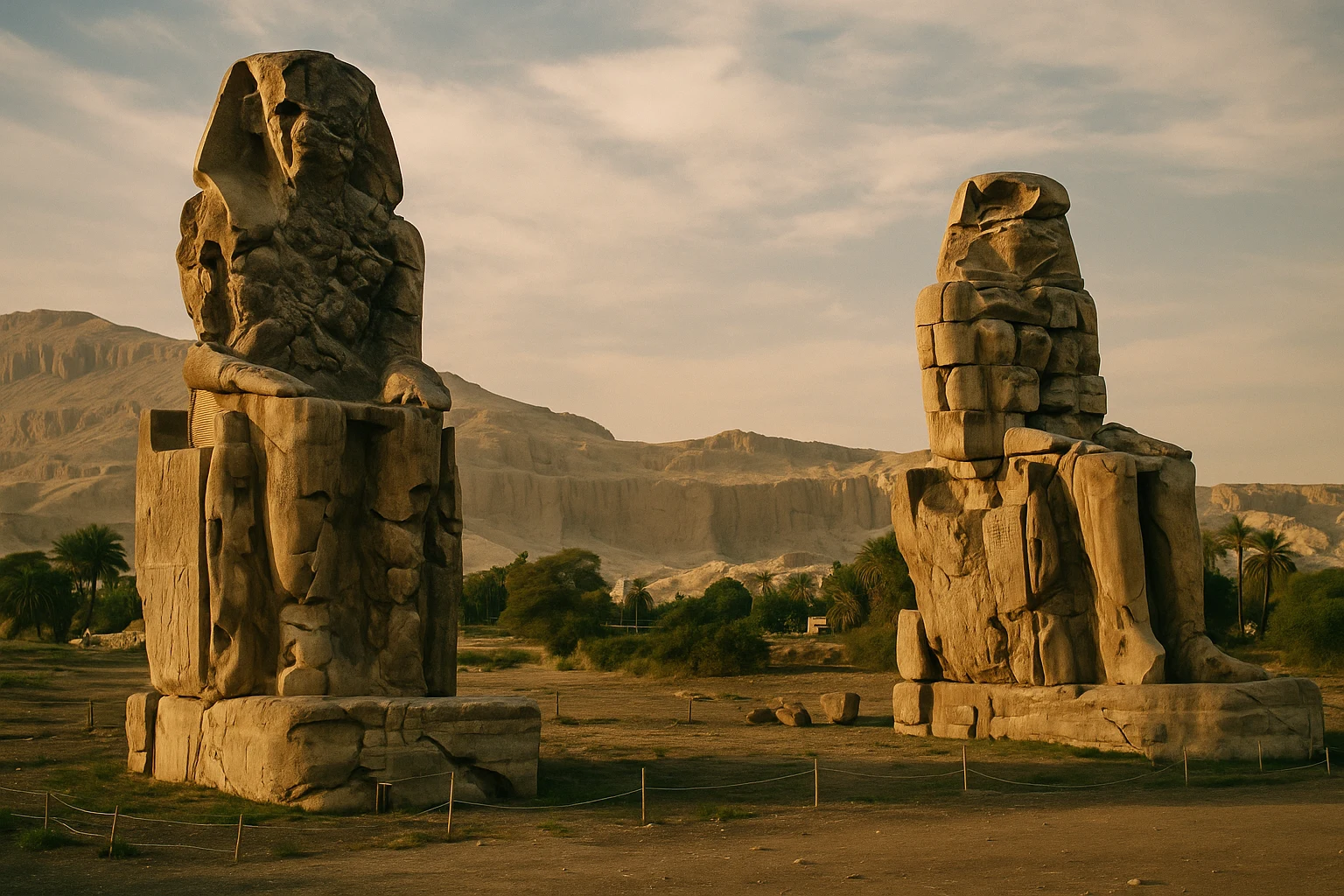
Colossi of Memnon
Ancient Egypt (New Kingdom)Twin colossal statues of Pharaoh Amenhotep III guarding the Theban necropolis on Luxor's West Bank, ...
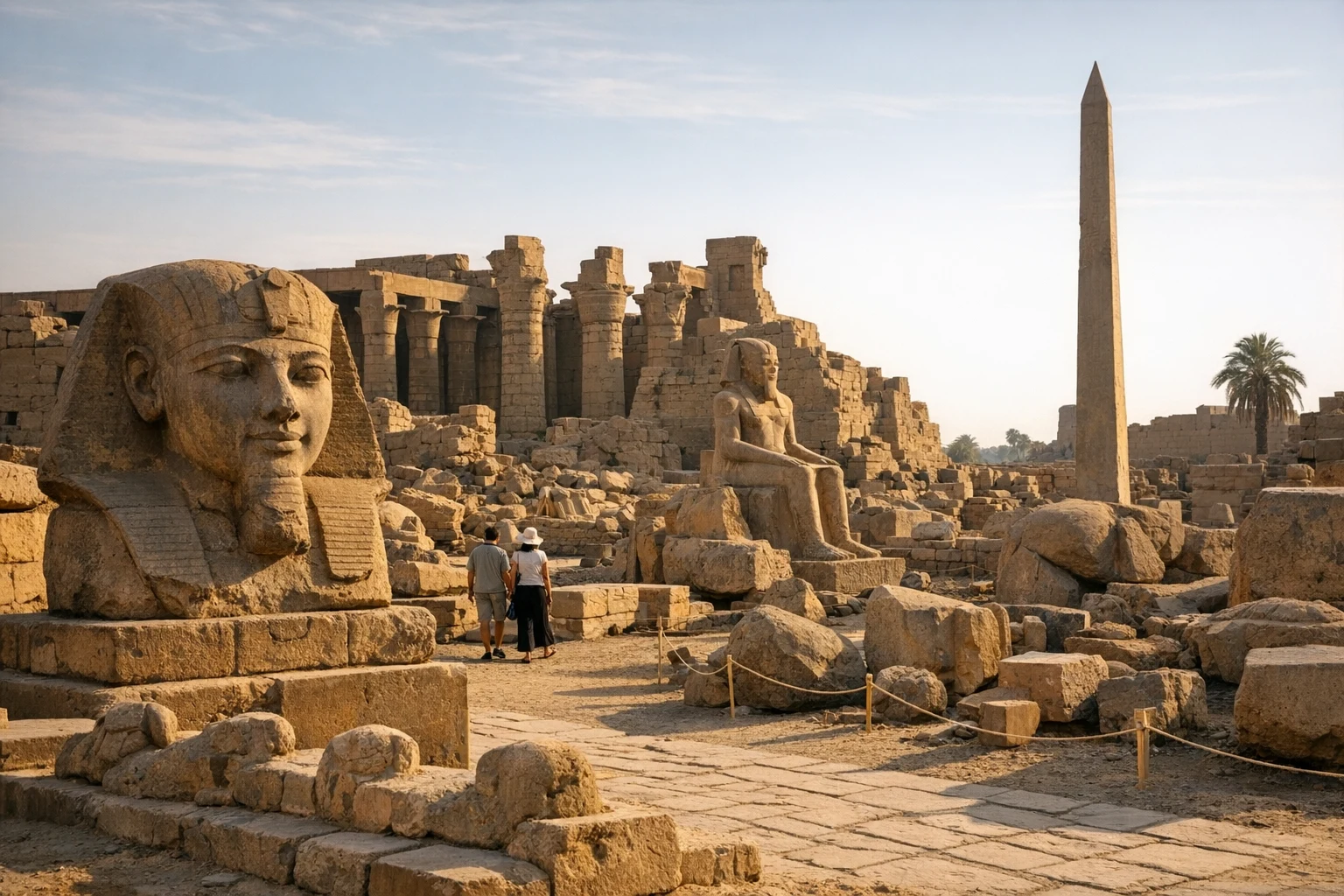
Karnak Open Air Museum
Ancient EgyptianExplore Egypt’s Karnak Open Air Museum, where reconstructed chapels and reliefs reveal hidden layers...
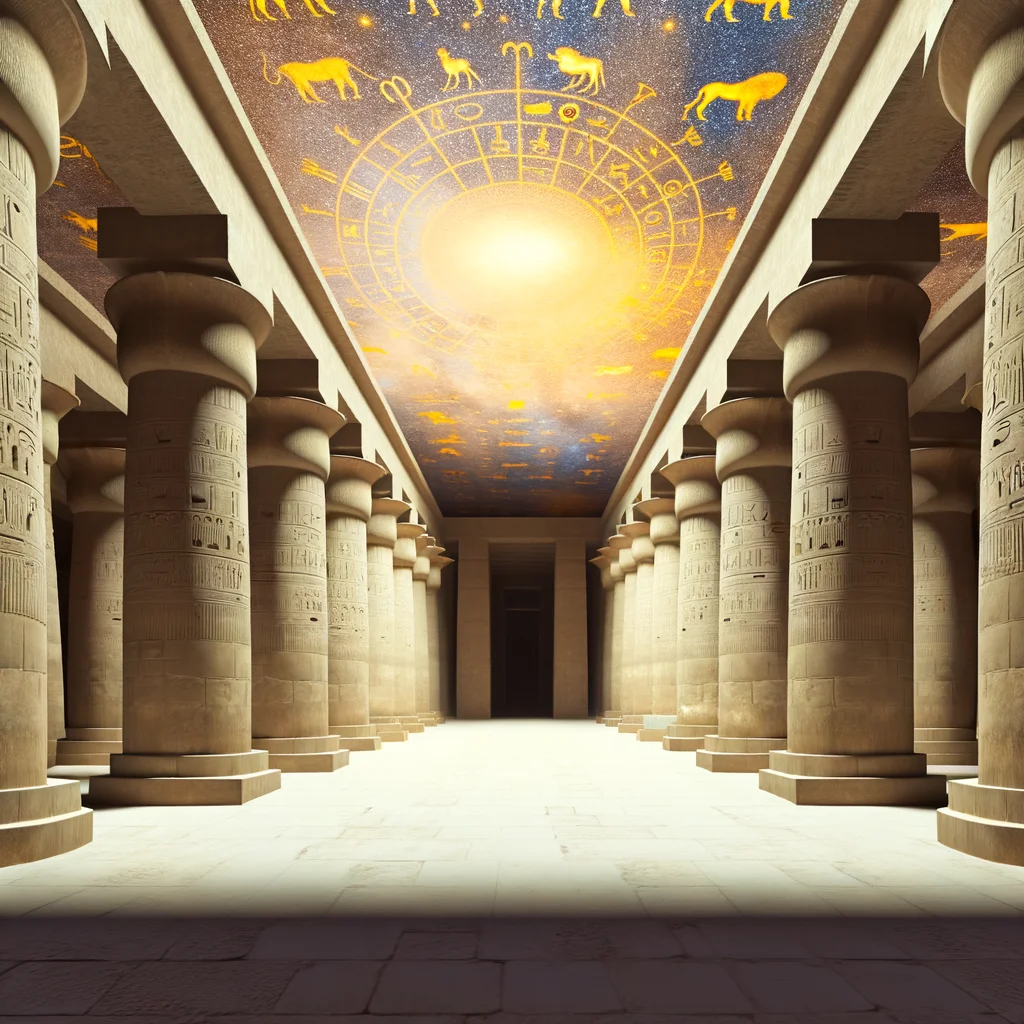
Dendera Temple Complex Egypt Guide 2026: Temple of Hathor & Zodiac Ceiling
Ptolemaic-RomanExplore Dendera's magnificent Temple of Hathor near Luxor. Star-mapped zodiac ceiling, Ptolemaic arc...