Quick Info
Curated Experiences
Wadi Rum Desert Tour: Inscriptions & Petroglyphs
Nabataean and Rock Art Jeep Adventure
Wadi Rum Historic Sites and Bedouin Experience
In the far-reaching southern deserts of Jordan, where crimson mountains erupt from copper sands, the Wadi Rum Ancient Inscriptions stand as silent sentinels to thousands of years of human endeavor. Often called the “Valley of the Moon”, Wadi Rum’s honeycomb canyons and monumental rock outcrops have long drawn nomads, traders, and modern explorers into their mysterious embrace. Within this spectacular landscape—the largest wadi in Jordan—are carved hundreds of petroglyphs and inscriptions, some dating to at least the first millennium BCE, etched by ancient civilizations that once traversed these windswept routes. Today, Wadi Rum Ancient Inscriptions offer a rare and tangible window into the lives, languages, and beliefs of peoples who passed through this crossroads of the Arabian Peninsula. As you stand before a Nabataean camel, Thamudic script, or Arab warrior immortalized in sandstone, the hot desert wind seems to speak with the voices of millennia. For travelers seeking more than just natural beauty, Wadi Rum is a living archive—a fusion of Jordan’s geological grandeur with its deep and enduring human stories.
History
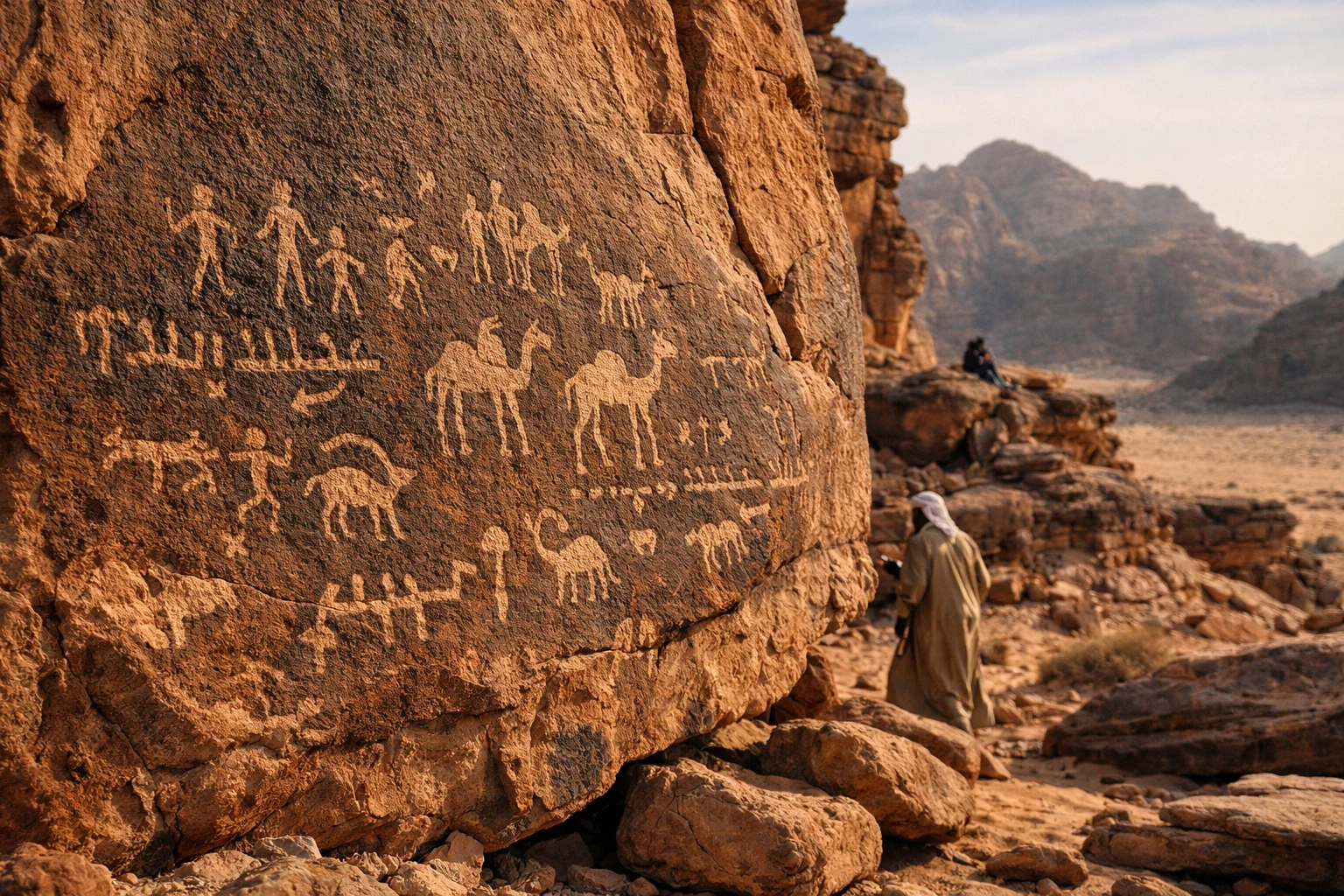
Wadi Rum’s history stretches across many epochs, each leaving its unique mark on the landscape. The earliest inhabitants, prehistoric hunter-gatherers, roamed the region during the late Neolithic period, leaving behind enigmatic rock carvings of animals, humans, and hunting scenes on the faces of smooth sandstone outcrops. These first petroglyphs, believed to date as far back as 4,000–5,000 years ago, provide clues about the fauna and climate that dominated ancient Wadi Rum. Antelopes, ibex, and ostriches carved into the rocks tell of a time when these animals were abundant, and when the desert might have been less arid than today.
By the first millennium BCE, Wadi Rum was becoming one of the major thoroughfares for peoples migrating from the Arabian Peninsula and the Levant. The Thamudic people, early nomadic tribes whose writing system flourished between the sixth and fourth centuries BCE, left hundreds of inscriptions. These brief texts, scratched directly onto cliff and rock faces, record personal names, tribal affiliations, prayers, and even tales of hardship or celebration. Their texts mingle with those of Safaitic origins, another pre-Islamic script belonging to nomadic Arab groups of northern Arabia, indicating that Wadi Rum was at the intersection of cultures and trade routes spanning vast distances.
The most remarkable chapter, however, emerged with the ascent of the Nabataeans between the 2nd century BCE and 2nd century CE. Renowned as master traders, the Nabataeans developed a network of caravan routes stretching from their capital at Petra through Wadi Rum to the broader Arabian and Mediterranean worlds. Their inscriptions—now in the distinctive Nabataean script—often mark religious devotion, dedications to deities like Dushara and Allat, or commemorate the passage of caravans and pilgrims. These inscriptions are more stylized and complex than earlier scripts, reflecting the cultural and commercial sophistication of Nabataean society.
Even as the Nabataean kingdom waned and Roman rule spread across the region, Wadi Rum continued to serve as both refuge and crossroads. Later, with the rise of Islam in the 7th century CE, earlier traditions were joined and eventually superseded by Arabic writing, representing both continuity and evolution in the region’s epigraphic record. The newest inscriptions blend with the old, but the echoes of Wadi Rum’s ancient characters—Thamudic, Safaitic, Nabataean—remain visible, resilient against millennia of wind and sand.
In recent centuries, Wadi Rum’s inscriptions attracted the interest of European explorers including T.E. Lawrence, the “Lawrence of Arabia,” whose exploits in the region cemented it as a setting in modern history as well as legend. Declared a UNESCO World Heritage Site in 2011, both for its extraordinary natural beauty and its treasure trove of rock art and scripts, Wadi Rum continues to fascinate archaeologists, historians, and travelers alike, reminding all who visit that culture carved into stone endures even amidst the shifting sands.
Prehistoric Beginnings: The Neolithic and Bronze Age
Evidence suggests that the first artists of Wadi Rum were Stone Age peoples who stalked wild game or tended early domesticated animals in the valleys and springs. Petroglyphs from this period often depict hunting scenes—stick-figure archers tracking ibex or antelope, or animal herds migrating between seasonal water sources. These ancient carvings give invaluable clues to Jordan’s changing climate and early human adaptation to life in arid landscapes.
Tribal Scripts: Thamudic and Safaitic Inscriptions
As trade routes became more established, the nomadic tribes of North Arabia developed their own writing systems suited to rapid, on-the-move communication. The Thamudic inscriptions—marked by angular linear strokes—commonly include tributes to the gods, expressions of grief or hope, and stern warnings for travelers. Later, Safaitic scripts reflected broader tribal alliances between the desert tribes, and the stroke of a scribe might record cattle counts, journeys, or messages to loved ones.
Classical Influence: The Nabataean Golden Age
With the Nabataeans, Wadi Rum gained monumental importance. Their script, derived from Aramaic, is more elaborate and curves elegantly over sandstone canvases. It is from this period that some of the most evocative inscriptions and sculpted niches survive, sometimes accompanied by symbolic imagery—camels, warriors, ceremonial processions—evoking the wealth and spirituality of this merchant civilization.
Towards the Modern Era: Romans, Arabs, and the Present
Roman imperial control did little to erase the Nabataean or earlier tribal traces in Wadi Rum. Rather, Latin and Greek influences coexisted with local scripts. When Islam spread rapidly through Arabia, the introduction of Arabic transformed the epigraphic landscape; religious declarations, traveler’s names, and prayers in early Arabic script would come to share the cliffs with ancient pagan dedications.
Today, these inscriptions are meticulously documented and protected, but some are still being discovered by Bedouin guides and archaeologists—each a puzzle piece in the story of this desert crossroads, still revealed by sun and wind.
Key Features
Wadi Rum is not only one of the world’s most dazzling landscapes, but also an open-air archive documenting millennia of human presence. The ancient inscriptions are scattered across a labyrinthine desert—a tapestry of rocky outcrops, vast plains, narrow gorges, and wind-battered towers. To truly experience the site’s significance, one must visit its major inscription points, each offering unique insights into both landscape and legacy.
One of the most accessible locations is Khazali Canyon, where hundreds of petroglyphs and inscriptions grace the narrow, shaded crevices. Here, images of humans, animals, and indecipherable scripts line the sandstone walls. Some of these carvings feature intricate details of hands, feet, and desert fauna—including camels, which were vital to survival and trade in this arid environment. Several inscriptions point to religious rituals, fertility rites, or supplications to powerful deities, likely reflecting a mix of pagan and, later, monotheistic beliefs. The Khazali Canyon’s shaded niches also became a natural refuge for ancient travelers, who likely paused for water and left carvings as timeless guestbook entries.
Nearby, the striking rock formation known as Jebel Um Ishrin harbors some of the oldest Thamudic and Nabataean glyphs. Here, you’ll find names and tribal signs etched beside curious abstract symbols. Archaeologists believe some may be clan marks or statements of territorial claims, powerful reminders that Wadi Rum was never just an empty expanse, but an arena of vibrant cultural exchange and sometimes competition.
Another remarkable signature of Wadi Rum’s scriptural heritage is seen at Alameleh, a sandstone panel festooned with wild animal carvings, camel caravans, and streams of Thamudic script. The repetition of camel imagery throughout the region’s rock art underscores the animal’s essential role in survival and prosperity; as the years progressed, so too did the artistic style, moving from simple silhouettes to more polished depictions adorned with stylized harnesses and riders.
Visitors to these sites are often struck by the mix of realism and abstraction. While some animals are easily recognizable, others are rendered with great symbolic flourish. And the scripts—ranging from rough, hurried scratches to elegant Nabataean lettering—testify to both casual acts and ceremonial dedications, capturing fleeting moments and epochal events alike.
Modern exploration has also revealed hidden treasures: rock shelters decorated with symbols yet to be deciphered, overlapping inscriptions from different eras, and monumental carved graffitis created by passing armies or desert traders. Many of these are now accessible on guided jeep safaris or longer treks into the heart of the protected area. Guides interpret not only the meaning of the ancient texts but also the techniques used to create them—explaining how stone tools or iron chisels were held, the pigments sometimes used to highlight carvings, and the way centuries of sun and sand have both preserved and eroded these desert chronicles.
The inscriptions of Wadi Rum are more than mere marks on stone. They offer a multilayered reading of Jordan’s desert history, revealing lines of communication, migration, commerce, and belief traced over thousands of years. Wandering beneath the towering cliffs and tracing carvings worn by generations, visitors can almost hear the timeless call of the desert—a place shaped by the needs, fears, and imagination of every traveler who crossed its blazing horizons.
Getting There
Wadi Rum is located in Jordan’s southern Aqaba Governorate, about 60 kilometers (37 miles) north of the Red Sea port city of Aqaba and around 320 kilometers (199 miles) south of the capital, Amman. The gateway to exploring the ancient inscriptions is the village of Wadi Rum, which serves as both entrance point to the protected area and hub for guides, tours, and visitor information.
Arrival by Car:
Many travelers reach Wadi Rum by car. If starting from Amman, expect a drive of around 4–5 hours via the Desert Highway (Highway 15). Rental cars are widely available in Amman and Aqaba, with daily rates from approximately 25–40 JD ($35–$55 USD). From Aqaba, the journey is simpler—a 1-hour trip north along scenic highways. Secure parking is available at the Wadi Rum Visitor Center, your entry point to the desert.
Public Transport:
Public buses run infrequently from Aqaba to Wadi Rum village (around 3 JD, or $4.25 USD one way). These usually leave in the morning, but times aren’t fixed, and it is best to check locally or arrange through your hotel. For more reliability, you can hire a taxi from Aqaba to the Visitor Center or your desert camp, costing about 25–35 JD ($35–$50 USD) per vehicle for up to four people. Taxi drivers are familiar with Wadi Rum trips and can arrange return journeys on request.
Guided Tours:
For those not wishing to self-drive or arrange local transport, many organized tours run from Aqaba, Petra, or Amman. These often include transportation, guided desert excursions, and visits to key sites including major rock art panels and Nabataean ruins. Prices vary, but expect day tours from Aqaba or Petra to start at $70–$110 USD per person, with options to upgrade for overnight Bedouin camp stays.
Upon arrival, you must pay the 5 JD entry fee at the Wadi Rum Visitor Center. All visitors are encouraged to hire a guide or join a jeep / camel tour, as the inscription sites are typically scattered throughout the 720 square kilometer (278 sq. mi) protected area, often far from paved tracks or paths. Bedouin guides—descendants of the desert’s ancient tribes—offer unrivaled expertise not just in navigation, but also in interpreting the stories hidden in Wadi Rum’s stones.
When to Visit
The extremes of the desert climate shape the best times to visit Wadi Rum and its trove of ancient inscriptions. The area is accessible year-round, but the experience can differ dramatically with the seasons.
Spring (March to May) is widely regarded as the most pleasant time for a visit. Daytime temperatures range from 18–28°C (65–82°F), wildflowers sometimes bloom after winter rains, and the desert air is deliciously clear. These months are considered peak season, so it’s wise to book your guide or camp in advance.
Autumn (September to November) brings similarly comfortable temperatures and dramatic sunsets. The shoulder season is slightly less crowded than spring, making it ideal for travelers who value both weather and quiet. Early mornings and evenings see cooler air, amplifying the beauty of dawn and dusk at the inscription sites.
The summer months (June to August) can be punishingly hot, with daytime highs regularly topping 40°C (104°F). It is still possible to visit, but you should plan activities for early morning or late afternoon, and carry ample water and sun protection. Most guided tours adapt their schedules to avoid the midday heat, but hiking and outdoor stays can be challenging for those unaccustomed to desert extremes.
Winter (December to February) sees much cooler temperatures, especially at night when they can drop near freezing. Daytimes remain comfortable for exploration—between 10–18°C (50–65°F)—but pack layers for overnight stays. Rarely, the region can receive light rainfall or even a dusting of snow, lending the red rocks a striking contrast for photographers.
Whenever you visit, weathering and sunlight direction will influence the visibility of inscriptions—some are best seen in early or late sunlight, when carved details stand out in sharp relief. Time your visit accordingly with your guide for the optimal experience, and always check weather conditions before arriving.
Quick Facts
| Fact | Details |
|---|---|
| Location | Wadi Rum Protected Area, Aqaba Governorate, Jordan |
| UNESCO Status | World Heritage Site (Mixed: natural & cultural) |
| Primary Scripts/Inscripts | Thamudic, Nabataean, Safaitic, early Arabic |
| Number of Known Inscriptions | Over 25,000 petroglyphs and inscriptions |
| Main Access Point | Wadi Rum Village and Visitor Center |
| Entrance Fee | 5 Jordanian Dinars (approx. $7 USD) |
| Languages | Primarily Semitic (Thamudic, Arabic), Nabataean |
| Guided Tours Recommended | Strongly recommended for safety and interpretation |
| Best Visiting Seasons | March–May (spring), September–November (autumn) |
| Nearest City | Aqaba (60 km / 37 miles south) |
| Must-See Sites | Khazali Canyon, Alameleh, Jebel Um Ishrin |
Wadi Rum Ancient Inscriptions beckon the curious, the scholarly, and the adventure-seeker alike. Their presence, so delicately carved yet so enduring, bridges the vast expanse of desert with the span of human history—inviting each visitor to read, imagine, and remember the ancient travelers who once called this extraordinary valley home.
Frequently Asked Questions
Are the Wadi Rum ancient inscriptions accessible to visitors?
Yes, many inscriptions are accessible on guided tours throughout the Wadi Rum Protected Area, especially by jeep with a local Bedouin guide.
What languages are the Wadi Rum inscriptions written in?
You will see inscriptions in Thamudic, Nabataean, Safaitic scripts and later Arabic, reflecting the diverse cultures that crossed Wadi Rum.
Can I visit Wadi Rum Ancient Inscriptions independently?
While you can enter the Wadi Rum Protected Area on your own, most inscriptions are best found and understood with a knowledgeable local guide.
Is photography allowed at the inscription sites?
Yes, photography is encouraged, but touching or defacing the rock art is strictly forbidden to preserve these millennia-old treasures.
How old are the Wadi Rum ancient inscriptions?
Some inscriptions date back over 2,500 years, spanning from the early first millennium BCE through to the early Islamic period.
Are there entrance fees to visit Wadi Rum and the inscriptions?
Yes, entrance to the Wadi Rum Protected Area costs about 5 JD (Jordanian dinars) per person, not including guide or tour fees.
What should I bring when visiting the inscriptions?
Bring water, sun protection, sturdy shoes, and a camera; weather-appropriate clothing is essential for desert travel.
Is it safe to visit Wadi Rum and its ancient sites?
Wadi Rum is generally very safe for tourists, especially when visiting with a reputable guide or on an organized tour.
Nearby Ancient Sites
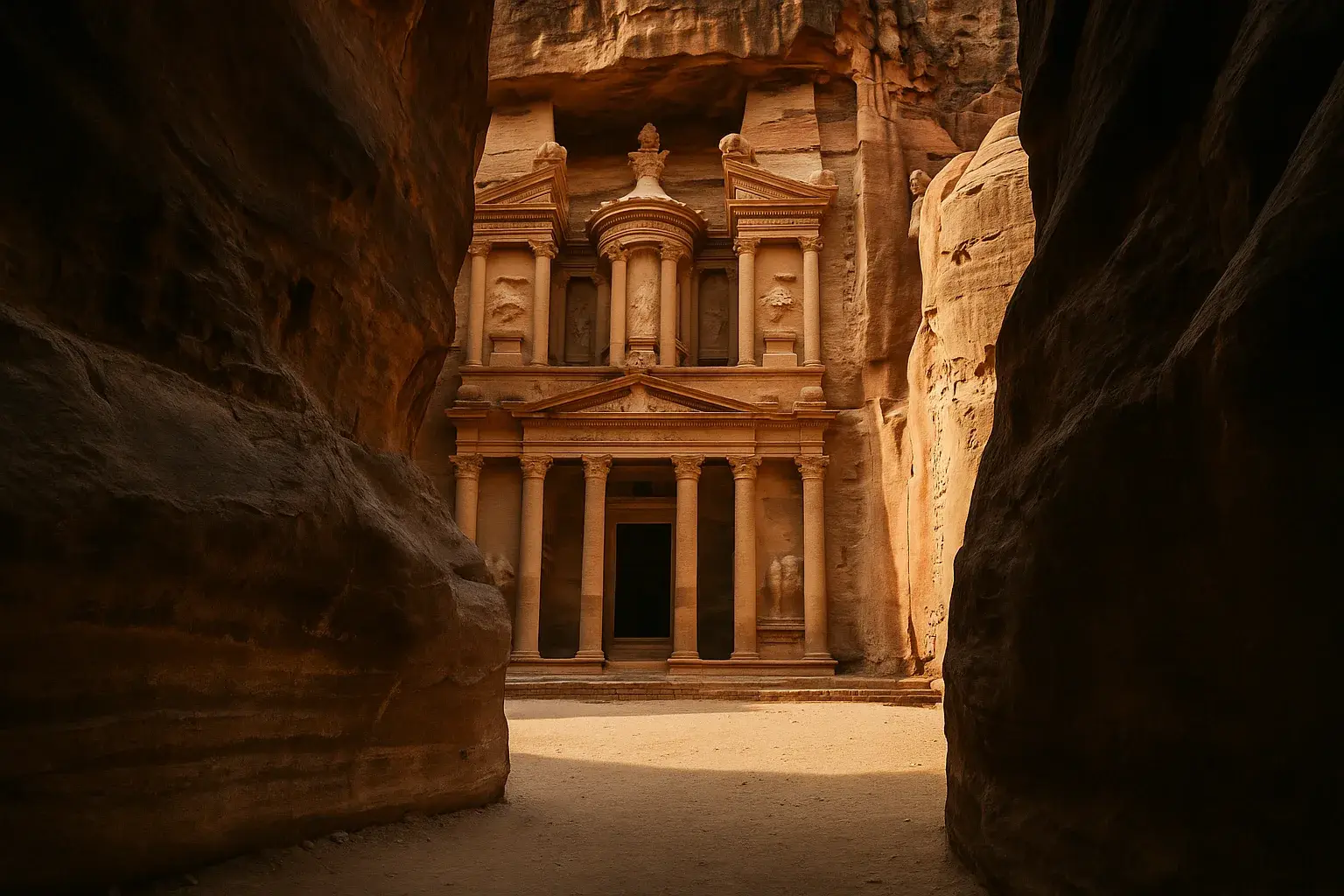
Petra Jordan Travel Guide: Treasury, Monastery & Best Hikes
NabataeanUnlock the secrets of Petra with our comprehensive guide. Walk the Siq to the Treasury, hike to the ...
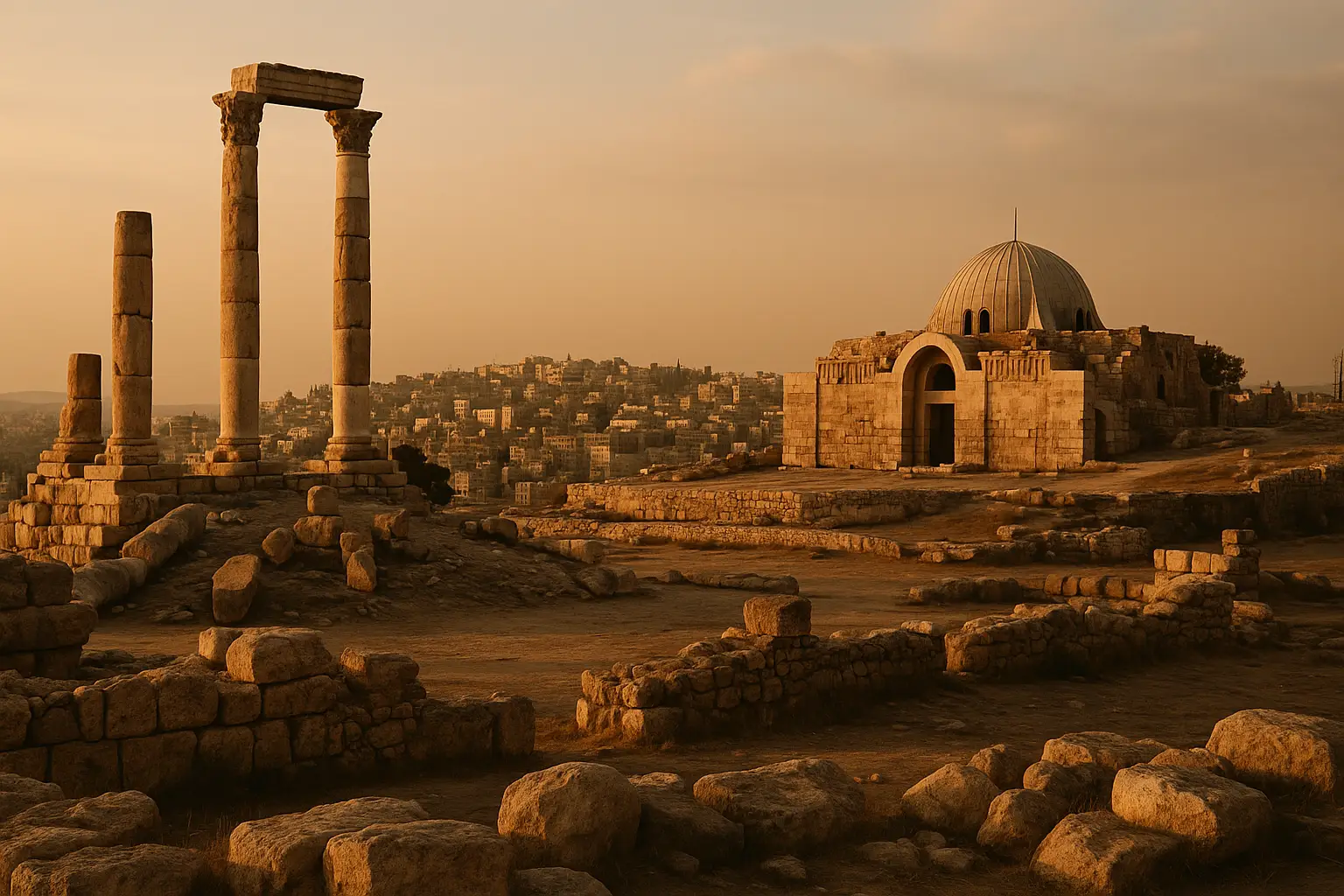
Amman Citadel Jordan Guide 2026: Temple of Hercules & Ancient Rabbah
Ammonite-Roman-UmayyadExplore Jordan's ancient citadel overlooking modern Amman. Discover the Temple of Hercules, Umayyad ...
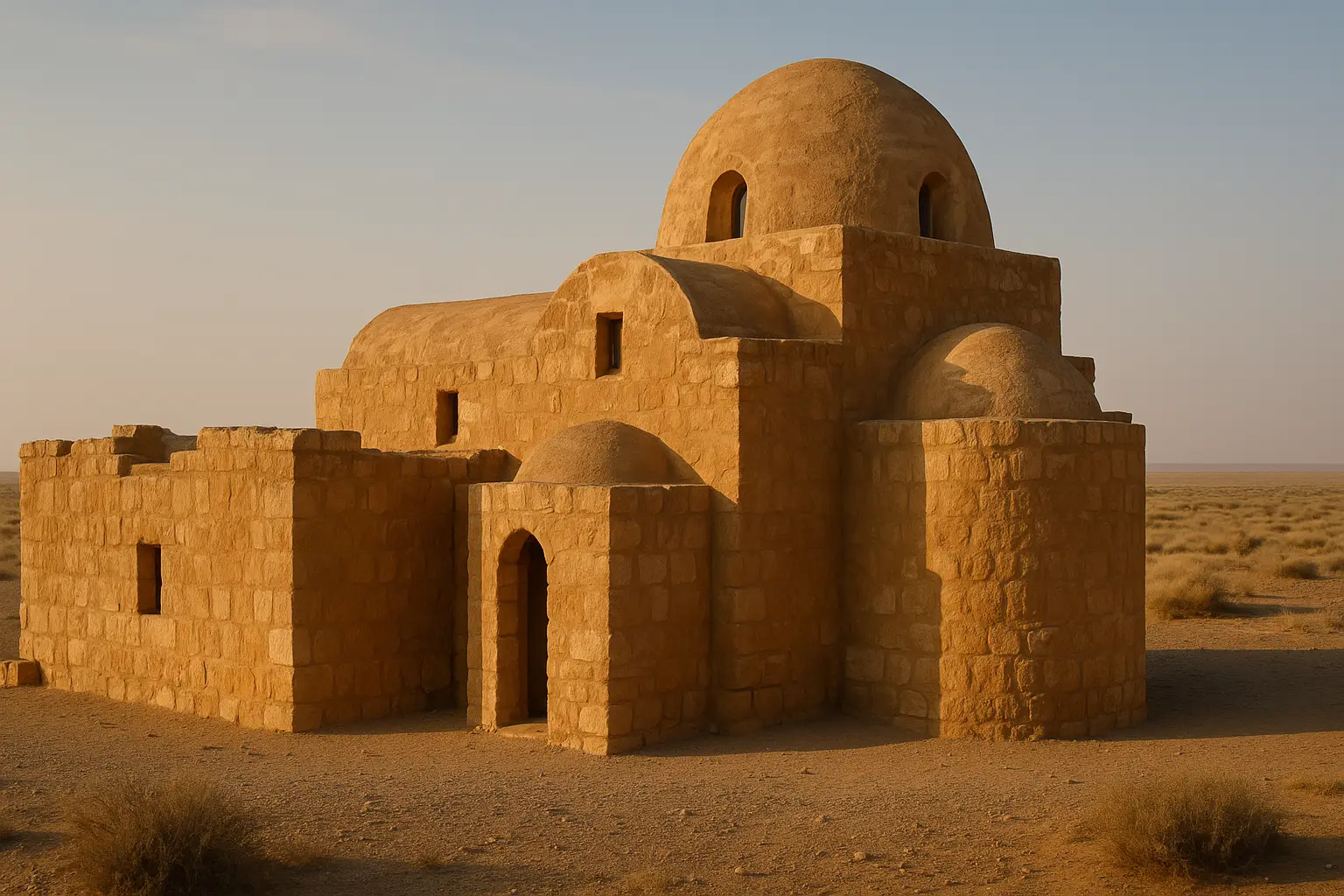
Qasr Amra Jordan Travel Guide 2026: Desert Castle Frescoes
UmayyadDiscover Qasr Amra's extraordinary 8th-century frescoes in Jordan's eastern desert. Our guide covers...
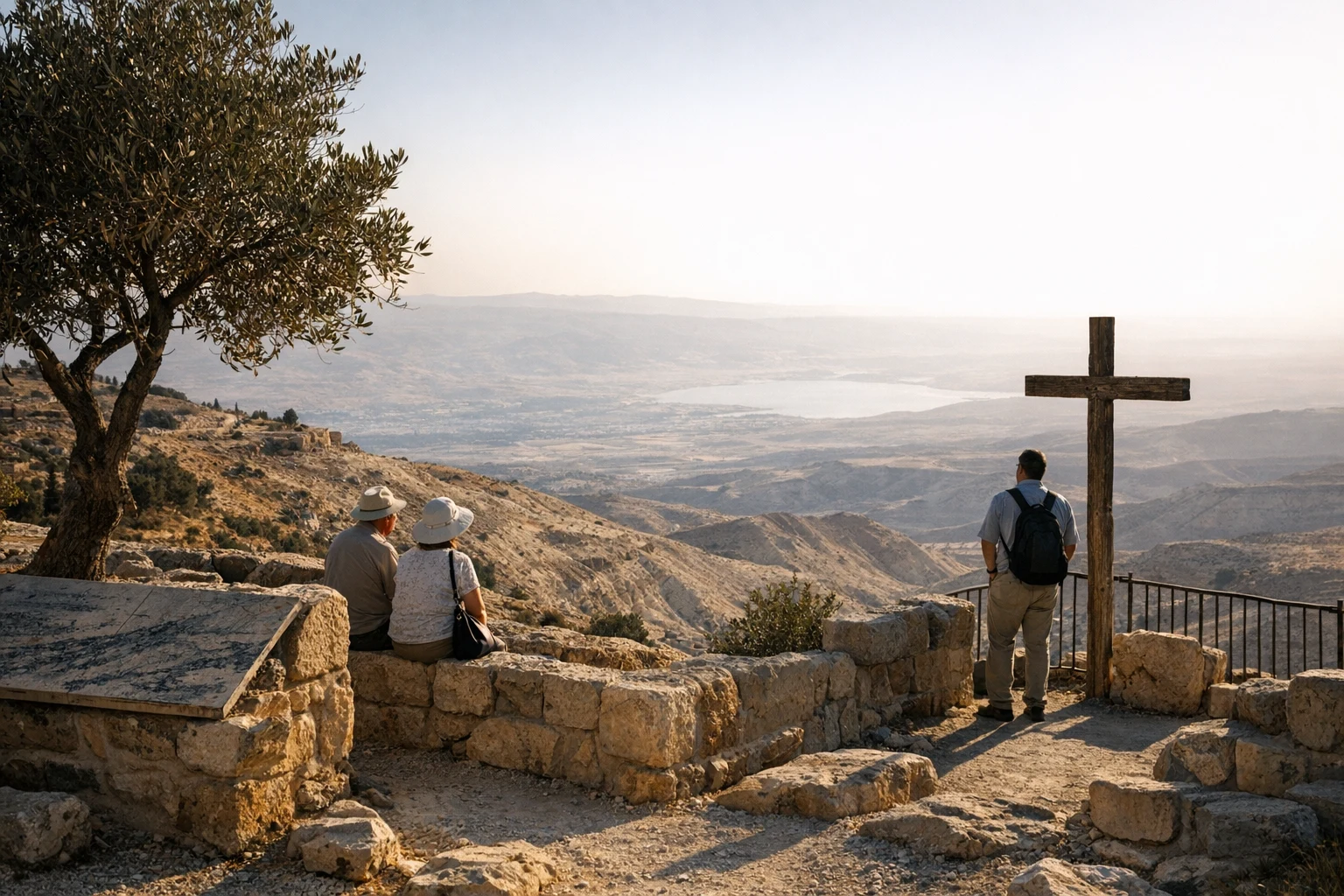
Mount Nebo
Mount Nebo in Jordan offers sweeping views of the Holy Land, biblical significance, and ancient ruin...