Quick Info
Curated Experiences
Ayutthaya Temples Tour from Bangkok
Private Guided Ayutthaya Historical Park Day Trip
Ayutthaya by River Cruise and Temple Tour
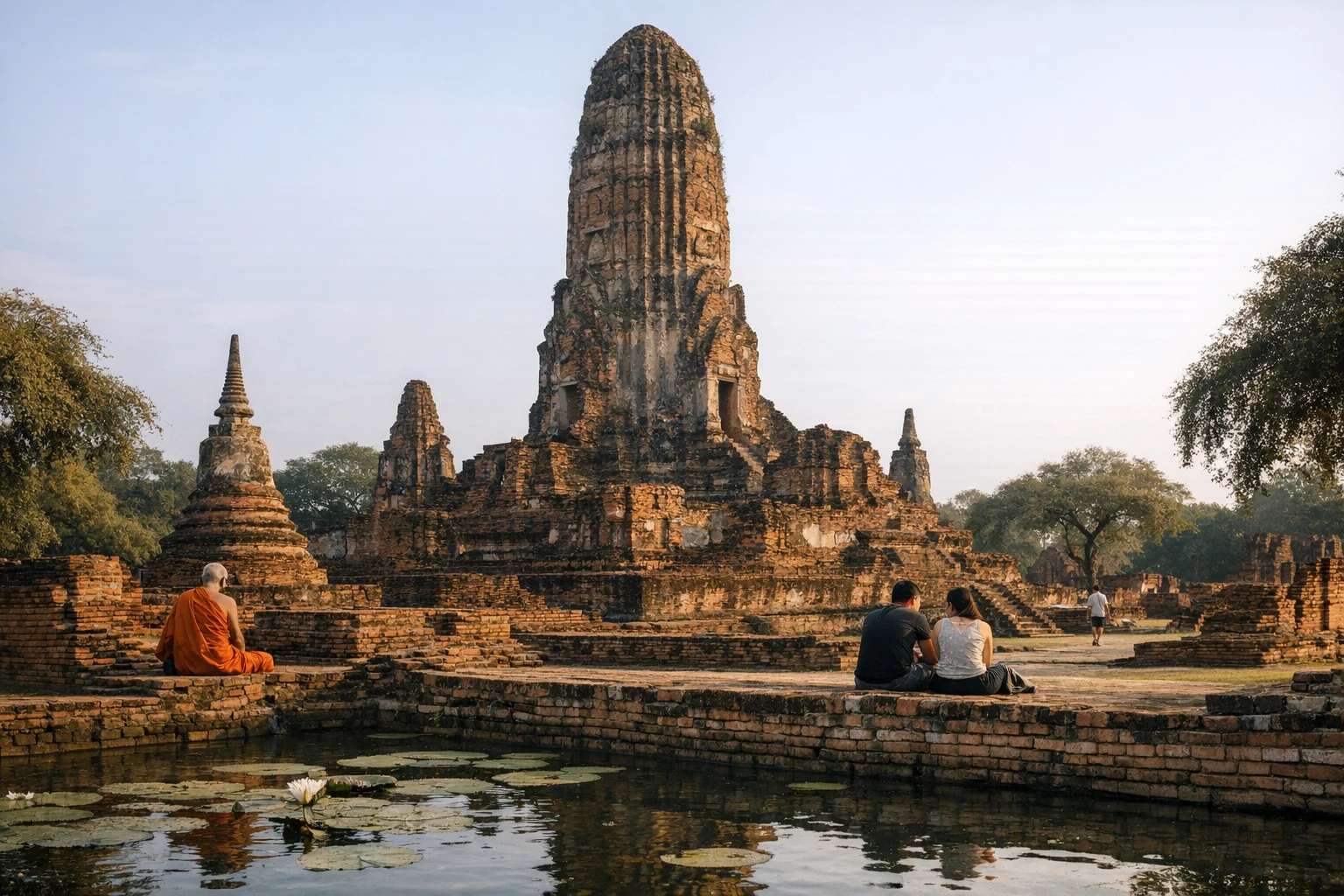
Set within serene parklands dotted with lotus ponds and green lawns, Wat Phra Ram stands as one of the most captivating reminders of ancient Siam’s grandeur in Ayutthaya, Thailand. The temple’s striking prang (tower) makes it a centerpiece for history enthusiasts and travelers longing to trace the stories etched in the ruined sandstone and sunbaked bricks. Wat Phra Ram resides at the heart of Ayutthaya Historical Park, a UNESCO World Heritage Site just 80 kilometers north of bustling Bangkok, blending seamlessly into a landscape that echoes with the distant chants of Buddhist monks, the quiet cooing of pigeons, and the golden radiance of the Thai afternoon. As you wander through the ruins, it’s easy to imagine the site in its heyday—alive with devotees, courtiers, and kings.
Founded in the late 14th century and built atop hallowed ground where ancient Ayutthayan rulers once staged their royal ceremonies, Wat Phra Ram invites visitors to step back through centuries. Its Khmer-style central prang rises skyward, dazzling against tropical skies, a steadfast symbol of Buddhist devotion and the creative brilliance of Siamese architects. The sprawling temple complex, now composed of picturesque ruins and shaded walkways, offers a peaceful escape and an absorbing journey into the past. A visit here complements the broader Ayutthaya experience, where layers of history lie open to discovery—from the grandest palaces to the humblest brick stupas. For those eager to immerse themselves in Thailand’s ancient heritage and unearth the mysteries of the kingdom’s rise and fall, Wat Phra Ram is an essential stop—evoking both wonder and contemplation amidst its time-worn stones.
History
Early Foundations: From Marshland to Sacred Royal Cremation Ground
The story of Wat Phra Ram begins during the formative years of the Ayutthaya Kingdom, which emerged as a powerful Siamese state in 1350 CE. The temple’s site was of particular significance long before its bricks were ever laid, for it was here that King U-Thong (King Ramathibodi I), Ayutthaya’s founder, was cremated following his death around 1369 CE. Recognizing the sanctity of this location, his son and successor, King Ramesuan, commissioned the construction of Wat Phra Ram shortly thereafter. The temple’s name itself pays homage to King Ramathibodi, with “Phra Ram” derived from his royal title and the epic hero Rama of the Ramakien (the Thai version of the Ramayana).
During these early years, Ayutthaya was rapidly emerging as a regional superpower. As it expanded, building grand temples served both religious devotion and royal propaganda, emphasizing the king’s legitimacy and sacred status. Wat Phra Ram rose up from marshland not far from the Chao Phraya River, strategically sited among the cluster of important temples that would come to define the city’s spiritual core. Its central prang was erected in the distinctive Khmer style, reflecting both the influence of earlier Angkorian traditions and a burgeoning Ayutthayan architectural vocabulary.
Flourishing in the Ayutthaya Golden Age
Wat Phra Ram flourished in the centuries that followed, much of its splendor tied to the city’s fortunes as an imperial capital. Ayutthaya became the beating heart of Siam, renowned throughout Asia for its trade, cosmopolitan culture, and monumental architecture. The temple complex grew with the addition of monastic residences, courtyards, lotus ponds, and ancillary stupas. Stone inscriptions and fragments indicate that the site served not merely as a monument to King U-Thong, but as an active monastic community, hosting elaborate festivals, rites, and royal ceremonies.
The 15th and 16th centuries marked Ayutthaya’s golden age, when European merchants described a city of unbridled wealth and beauty. Wat Phra Ram stood at the center of this thriving metropolis, a revered destination for pilgrims and an exemplar of the kingdom’s blending of Khmer, Sukhothai, and rising Thai artistic elements. Its towering central prang, intricately carved with floral motifs and Buddhist iconography, cast a long shadow both on the cityscape and in the hearts of its visitors.
Decline, Destruction, and Rediscovery
The prosperity of Ayutthaya, and by extension Wat Phra Ram, was shattered in 1767 CE during the Burmese–Siamese War. Invading Burmese forces sacked the city, leaving behind scorched structures and shattered Buddha images. Like other temples in Ayutthaya, Wat Phra Ram was abandoned; its roofs collapsed, treasures looted, and its elegant prang left exposed to the elements. Over the next two centuries, vines and tree roots wove through what remained, while locals scavenged bricks for new construction.
Interest in Ayutthaya’s ruins was revived in the late 19th and early 20th centuries, as the importance of historic preservation grew across Thailand. Wat Phra Ram was among the sites first targeted for restoration in the 1930s, spurred by state-led initiatives to reclaim national heritage. Archaeologists set about clearing overgrowth, stabilizing the prang and surrounding stupas, and reconstructing walkways and ceremonial terraces. Today, the temple’s hauntingly beautiful ruins endure as a memorial to Ayutthaya’s lost splendor—a place where centuries of history still echo across weathered stone.
Key Features
Walking into Wat Phra Ram, the eye is immediately drawn to its most dominant feature: the soaring central prang, an unmistakable testament to classic Khmer influence blended with Ayutthaya’s own style. Rising roughly 40 meters above the grassy temple grounds, this slender, corncob-shaped tower is built of laterite and brick, its fluted surface once covered with intricate stucco depicting mythical creatures, vines, and Buddhist iconography. Though centuries have softened its details, the prang’s powerful silhouette, pointing like a finger toward the sky, makes it visible from across the surrounding parklands.
Next to the main prang, visitors will find the remnants of several smaller chedis (stupas) scattered about the platform—elegant in their decay and harmoniously spaced to guide the flow of ceremonial processions. In their prime, these chedis contained relics and served as focal points for meditation and offerings, with vestiges of their once-glimmering stucco and terracotta tiles still evident upon careful examination.
The ordination hall, or viharn, once hosted Buddhist rituals, prayers, and assemblies. Though only the foundational footprint and isolated columns remain today, it’s possible to trace its outline and imagine the grandeur that once filled this sacred space. At one time, walls of painted stucco sheltered monks from sun and monsoon rain. Decorative fragments—an upturned stairway here, a chunk of carved baluster there—whisper hints of architectural refinement rarely matched elsewhere in Ayutthaya.
Scattered through the site are platforms and terraces lined with lotus-shaped boundary stones called “bai sema,” which demarcate sacred ground. These platforms overlook picturesque ponds filled with lily pads, and provide peaceful places to rest and reflect. In the early morning, with gentle light filtering through the ruined arches, the air is alive with the hum of insects and birds, offering a serene reminder of the cyclical nature of time and renewal.
Modern visitors can wander shaded walkways beneath old trees, pausing at stone benches or reading interpretive plaques that recount the temple’s story in Thai and English. The site’s recent restoration is evident in the careful stabilization of crumbling structures and the addition of modest signage and amenities—thoughtfully done to protect the temple’s character while opening it to a global audience of pilgrims, scholars, and travelers.
Wat Phra Ram’s location within the historical park amplifies its sense of tranquility. Surrounded by wetlands and lush gardens, the temple feels set apart, a space outside of time ideal for quiet contemplation, photography, or simply soaking in the spirit of old Siam. As the sun sinks low, the prang glows gold and ochre, casting reflections across the ponds and etching indelible memories for those who visit.
Getting There
Wat Phra Ram is centrally located within Ayutthaya Historical Park, making it easily accessible by a variety of transportation options for both local and international visitors. From Bangkok, the journey to Ayutthaya is a popular and straightforward day trip, taking advantage of Thailand’s efficient transport networks.
The most budget-friendly way to reach Ayutthaya from Bangkok is by train. Services depart regularly from Bangkok’s Hua Lamphong station, with journey times ranging from 1.5 to 2 hours. Second-class, air-conditioned fares cost around 245 THB, while third-class, fan-cooled carriages can be as low as 20–35 THB. The Ayutthaya train station sits just southeast of the island city center; from there, tuk-tuks, songthaews, or motorbike taxis can whisk you to Wat Phra Ram in less than 10 minutes for approximately 60–100 THB, depending on distance and negotiation.
Buses also depart from Bangkok’s Northern Bus Terminal (Mo Chit), taking roughly 1.5 to 2 hours for a fare between 60–80 THB. Arriving at Ayutthaya Bus Terminal, visitors again have easy access to tuk-tuks or rental bicycles that provide a convenient way to tour the sprawling historic park at your own pace.
For maximum comfort or when traveling in a group, private taxi or rideshare services from Bangkok can be arranged, typically costing between 1,000–1,800 THB for the entire car, with door-to-door convenience and flexibility for multiple stops.
Once in Ayutthaya, local options for exploring the park include renting a bicycle (40–50 THB per day), a scooter (150–200 THB per day), or hiring a tuk-tuk for a custom temple circuit—an excellent way to experience several sites in a single outing, including Wat Phra Ram. Entry to Wat Phra Ram itself requires payment at the modest ticket booth near the main entrance. The site is well signposted and sits close to other major ruins such as Wat Mahathat and Wat Phra Si Sanphet, making self-guided walking or cycling highly rewarding and practical for most visitors.
When to Visit
The climate in Ayutthaya is characteristic of central Thailand—hot and humid most of the year, with a distinct wet season from May to October and a cooler, drier period from November through February. These seasonal rhythms play a significant role in shaping the visitor experience at Wat Phra Ram.
The best time to visit Wat Phra Ram is during the cool, dry season from November to February. During these months, temperatures hover between 20 and 30°C (68–86°F), and the air remains comfortably dry, making for pleasant walks among the ruins and extended outdoor exploration. This is also peak tourist season, so mornings are the best bet for experiencing the temple in relative solitude, with gentle mist rising off the ponds and golden light perfect for photography.
In March and April, the heat intensifies, with mercury often reaching 35°C (95°F) or higher by midday. If visiting during this period, bring plenty of water, a wide-brimmed hat, and sunscreen, and plan your temple walks for early morning or late afternoon to avoid the most intense sunlight.
From May to October, the monsoon rains arrive—showers can be brief but intense, transforming the landscape as lotus ponds brim and the lawns become lush and vibrant. While wet season visits have their own beauty—the site glows emerald and the crowds thin—it’s wise to carry a lightweight rain jacket or umbrella. Some pathways can become slippery or muddy, but storms are rarely prolonged enough to disrupt a day’s sightseeing.
Wat Phra Ram is especially atmospheric during religious festivals such as Visakha Bucha (Buddha’s Birthday), when candlelit processions and devotional ceremonies are held throughout Ayutthaya. At these times, the temples come alive with local color, and visitors gain insight into the living traditions that continue to animate these ancient stones.
| Quick Facts | Information |
|---|---|
| Country | Thailand |
| Region | Phra Nakhon Si Ayutthaya Province |
| Nearest City | Ayutthaya |
| Coordinates | 14.3578° N, 100.5645° E |
| UNESCO World Heritage | Yes (part of Ayutthaya Historical Park) |
| Founded | Late 14th century (ca. 1369–1388 CE) |
| Builder | King Ramesuan, in honor of King Ramathibodi I (U-Thong) |
| Architectural Style | Khmer-influenced, Ayutthaya era |
| Main Features | Central prang, chedis, ponds, ruined ordination hall |
| Entrance Fee | ~50 THB for foreigners; multi-site tickets available |
| Typical Visit Time | 45–60 minutes |
| Opening Hours | 8:00 AM – 6:00 PM daily (may vary) |
| Dress Code | Modest clothing (shoulders and knees covered) |
| Nearby Major Sites | Wat Mahathat, Wat Phra Si Sanphet, Wat Chaiwatthanaram |
Frequently Asked Questions
What are the opening hours of Wat Phra Ram?
Wat Phra Ram is usually open daily from 8:00 AM to 6:00 PM, but hours may be slightly adjusted on public holidays. Arriving early helps avoid crowds.
Is there an entrance fee to visit Wat Phra Ram?
Yes, there is a small entrance fee—typically around 50 THB for foreigners. Admission costs may be subject to change, and multi-site tickets are available.
How much time should I spend at Wat Phra Ram?
Allow at least 45–60 minutes to fully explore the ruins, stroll the park, and enjoy the tranquil atmosphere. More time is ideal if combined with nearby sites.
Are guided tours available at Wat Phra Ram?
Yes, guided tours can be arranged independently or through group packages departing from Bangkok or Ayutthaya. Many tours include multiple temples.
What should I wear when visiting Wat Phra Ram?
Modest attire is recommended—cover shoulders and knees. Comfortable shoes, hat, and sunscreen are advised, as the site is largely outdoors.
Nearby Ancient Sites
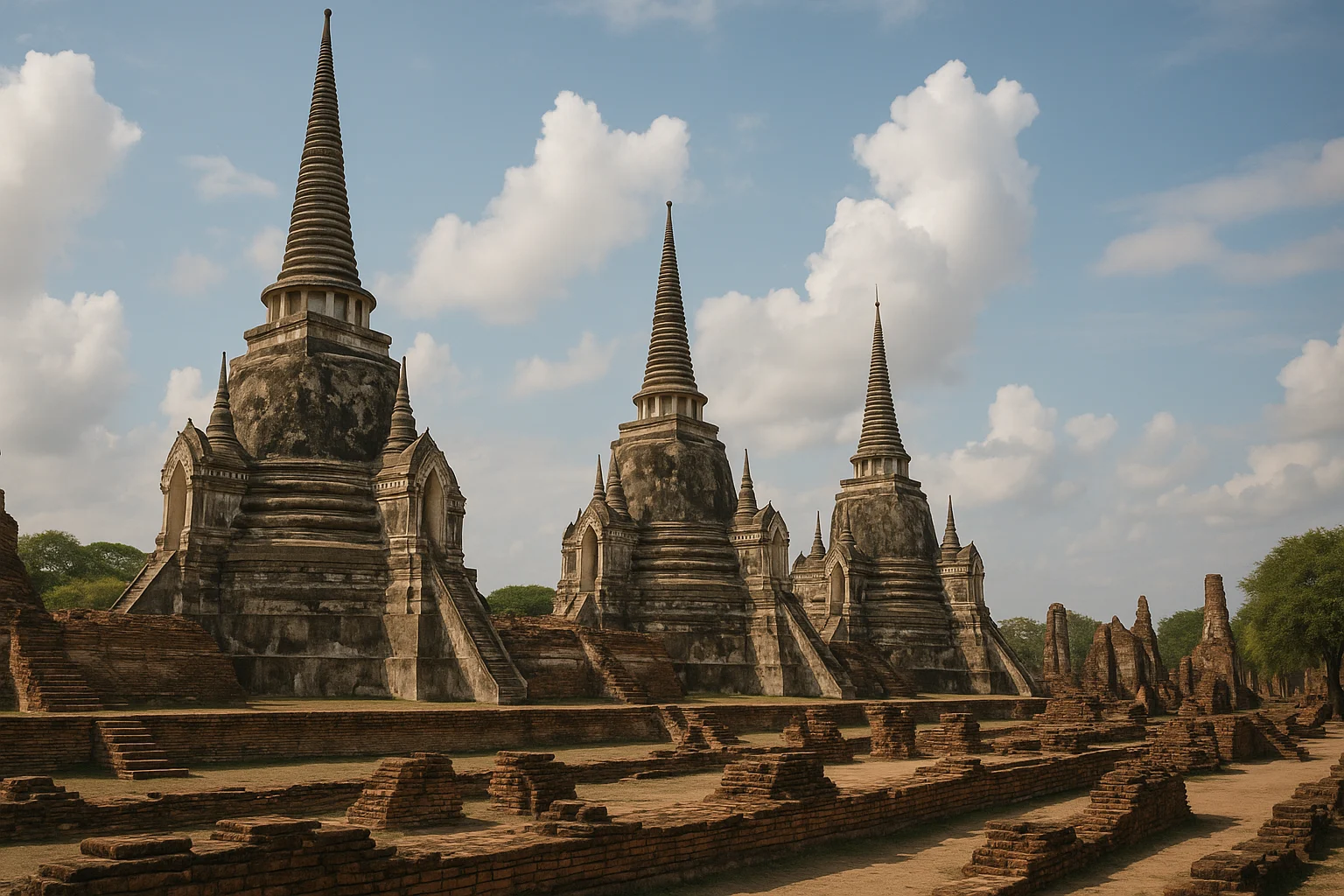
Wat Phra Si Sanphet Travel Guide 2026: Ayutthaya's Royal Temple Without Monks
Ayutthaya KingdomPlan a smarter Wat Phra Si Sanphet visit with timing tips, temple context, and practical Ayutthaya r...
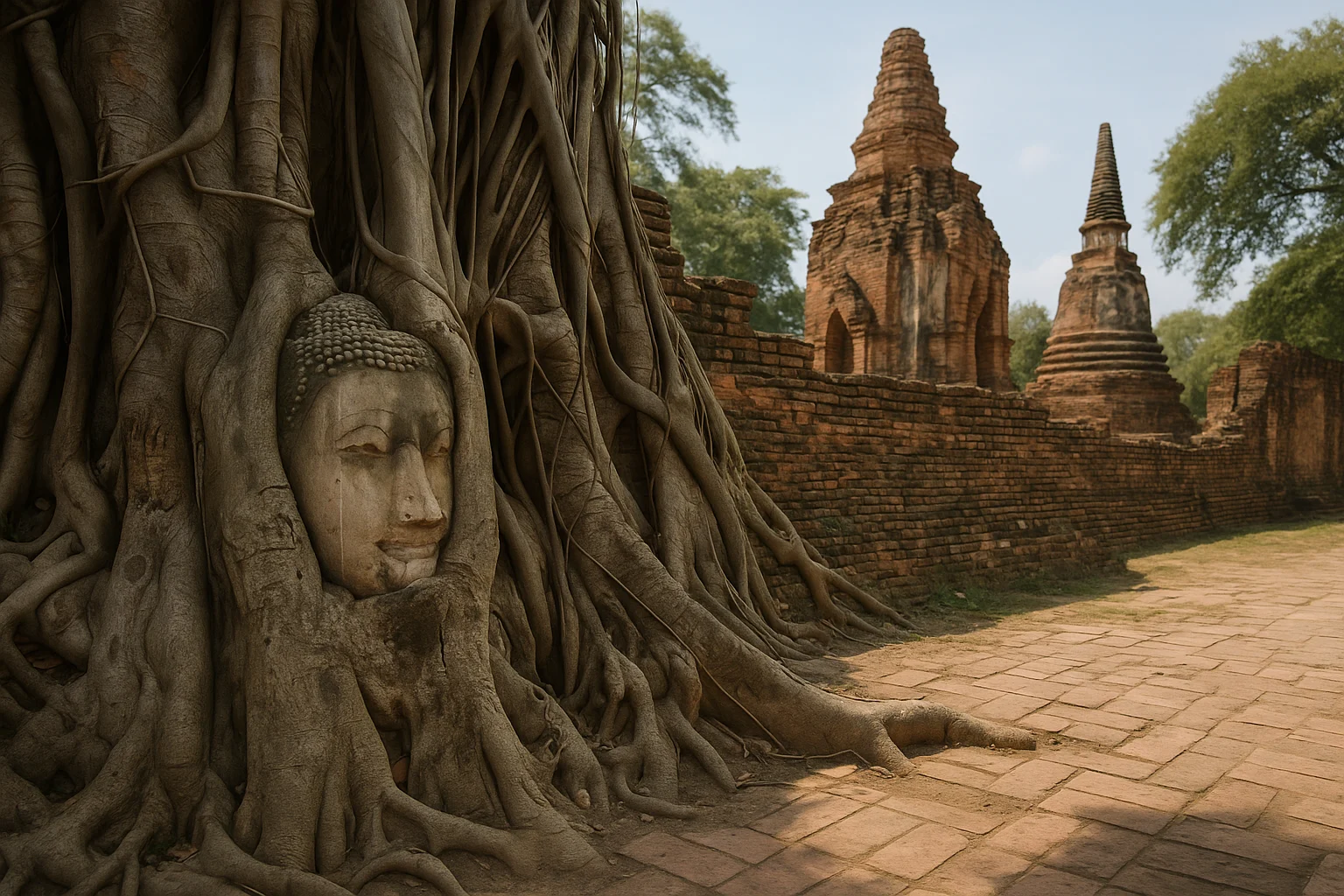
Wat Mahathat Ayutthaya Travel Guide 2026: The Tree-Root Buddha Head, Timing, and What to Know
Ayutthaya KingdomPlan a focused Wat Mahathat visit with practical timing, photography etiquette, and routing tips ins...
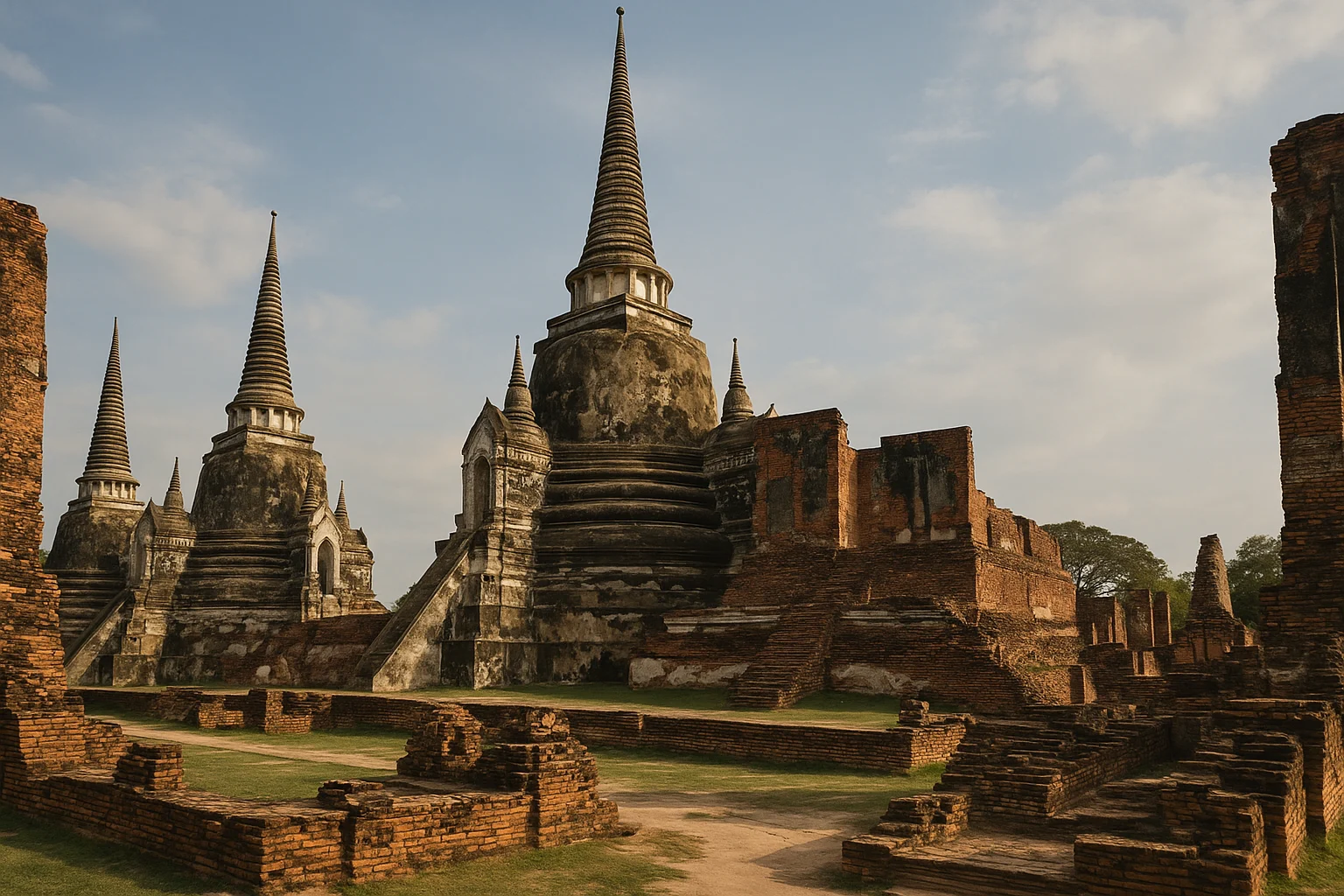
Ayutthaya Travel Guide 2026: Temple Ruins, Day Trip Planning, and What to Prioritize
Ayutthaya KingdomPlan a focused Ayutthaya visit with practical temple routing, timing, and transport guidance from Ba...
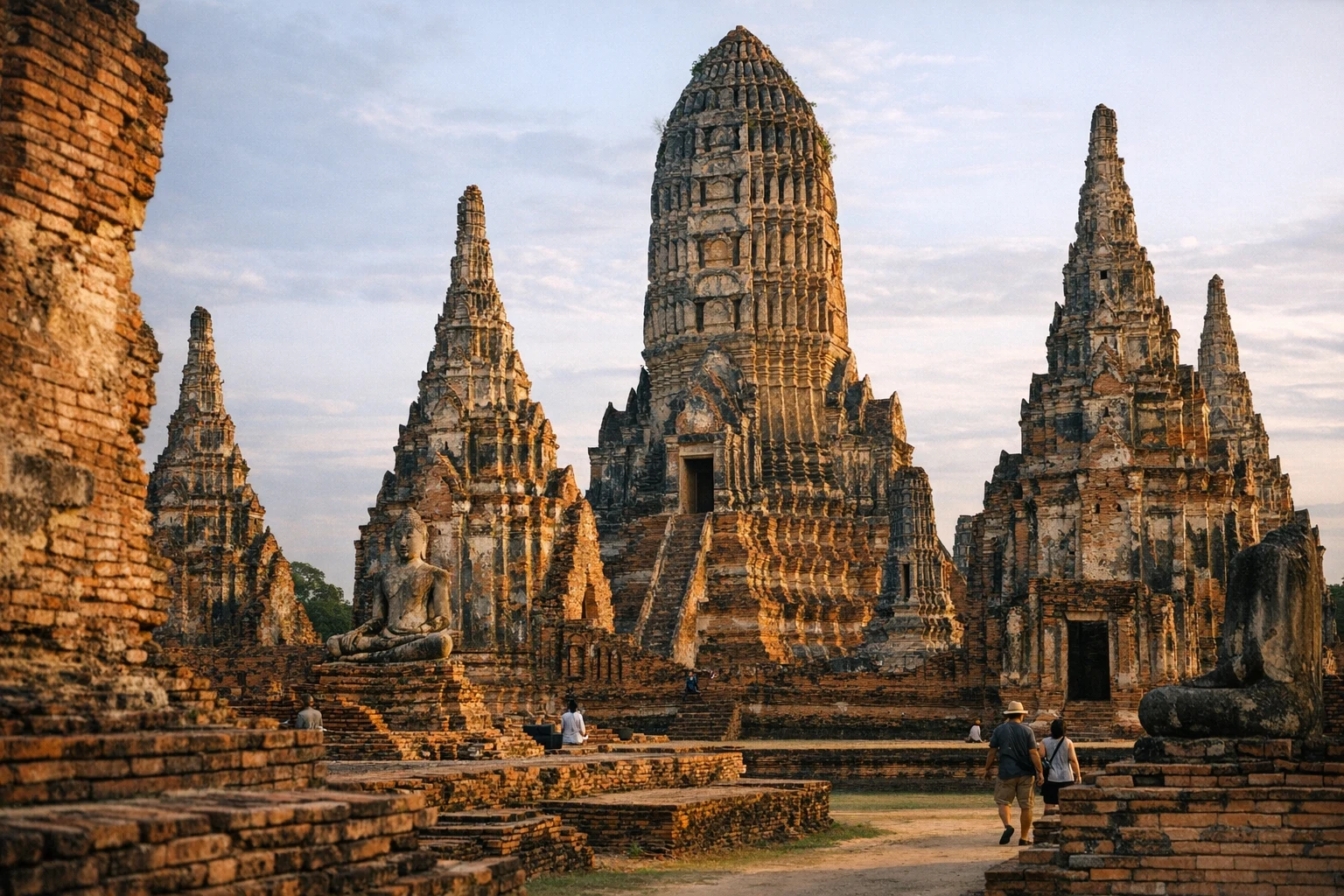
Wat Chaiwatthanaram
Ayutthaya KingdomExplore Thailand’s Wat Chaiwatthanaram, a majestic riverside Ayutthaya temple of Khmer-inspired towe...
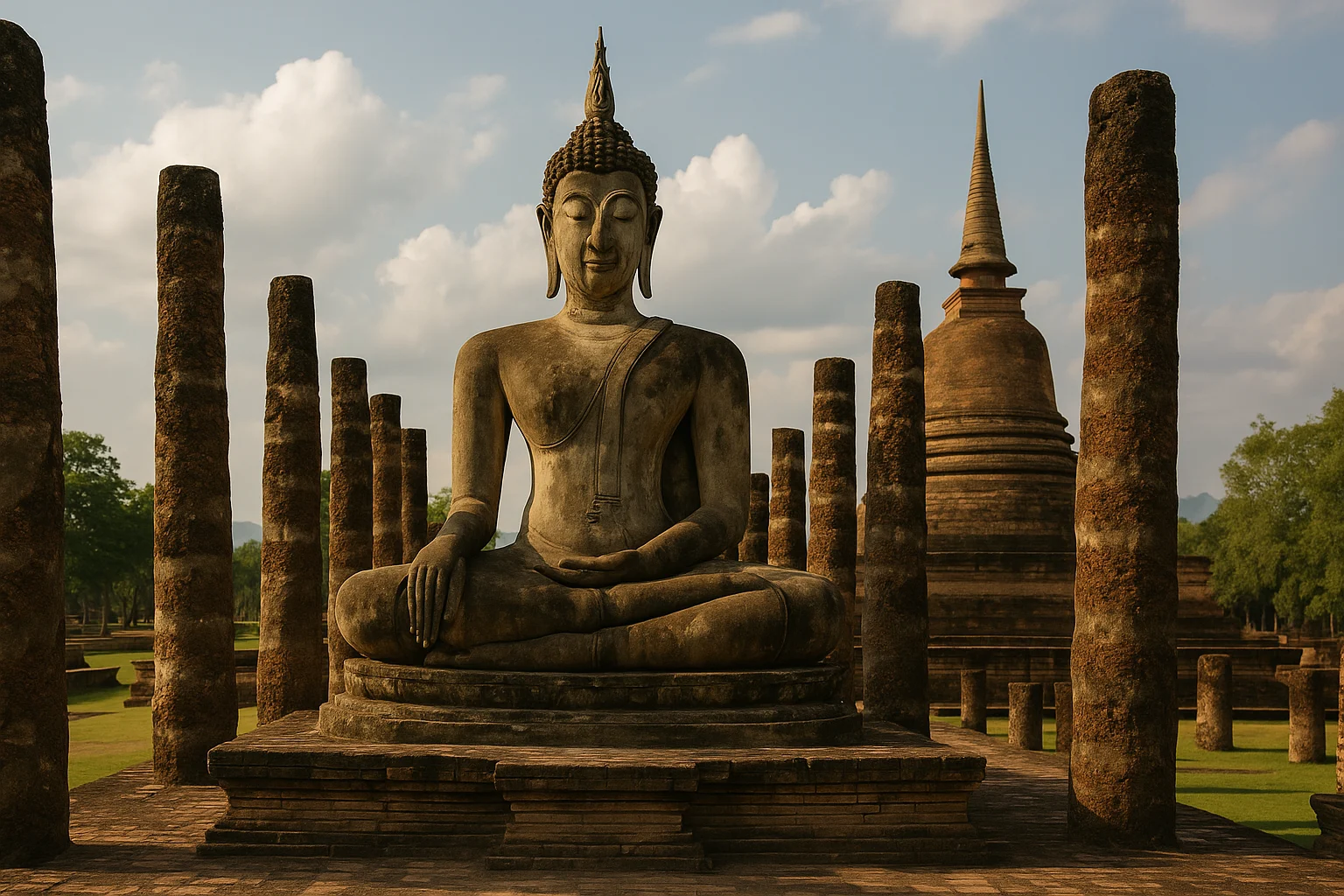
Sukhothai Historical Park Travel Guide 2026: Thailand’s First Capital Without the Crowds
Sukhothai KingdomPlan a smarter Sukhothai Historical Park visit with route tips, key ruins, and practical timing for ...