Quick Info
Curated Experiences
Yungang Grottoes Guided Day Tour from Datong
Datong Ancient City and Yungang Grottoes Private Tour
Beijing to Yungang Grottoes Day Trip by High-Speed Rail
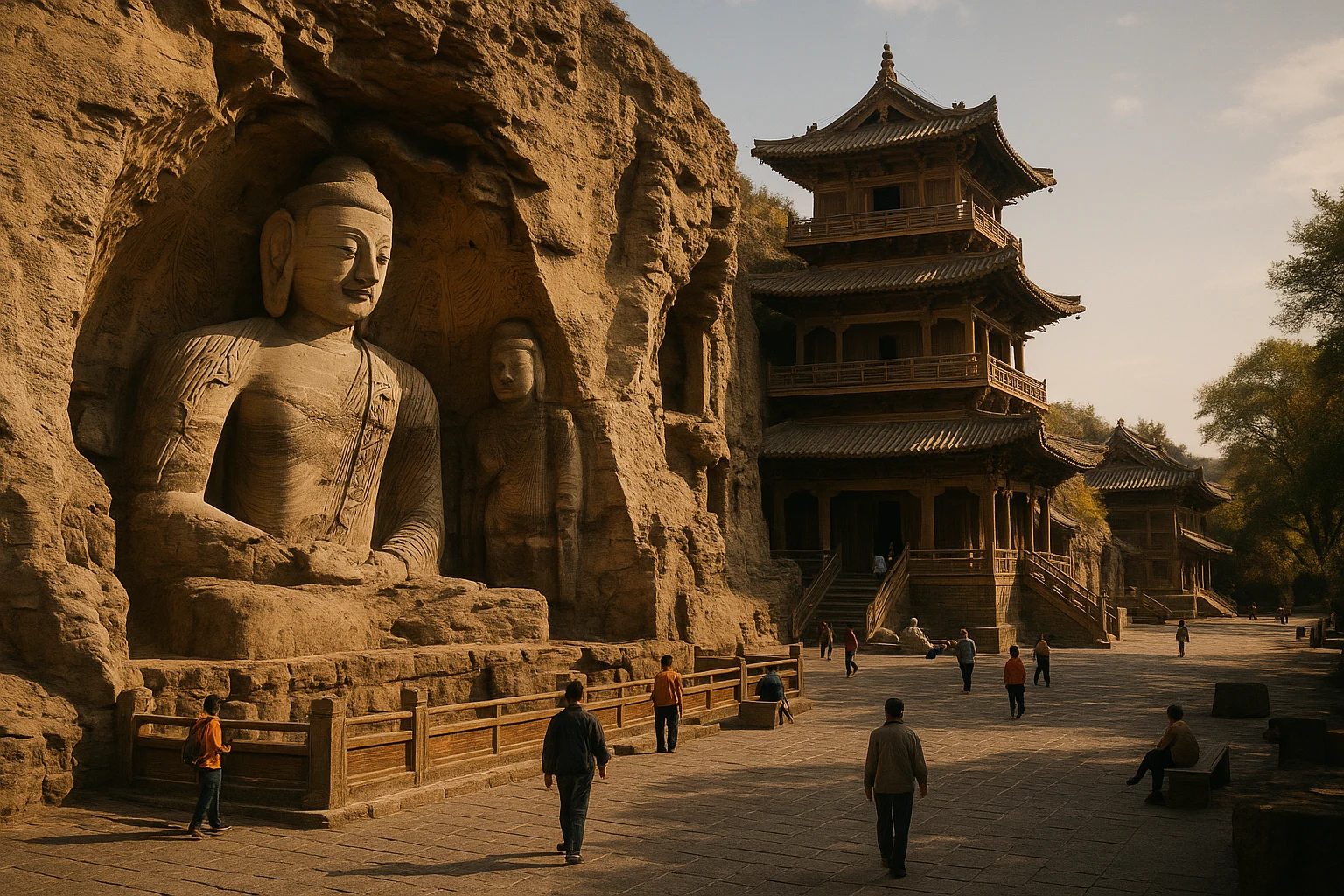
Sixteen kilometres west of Datong, in the arid hill country of northern Shanxi Province, a kilometre-long sandstone cliff holds one of humanity’s most extraordinary acts of collective devotion. The Yungang Grottoes — carved in China between roughly 460 and 524 AD — contain 252 caves and approximately 51,000 Buddhist sculptures pressing from every wall, pillar, and ceiling in a dense, vivid world of stone gods, guardians, and celestial musicians. Some figures stand barely a centimetre tall; others tower more than seventeen metres above the cave floor. At the time of their creation they were painted in brilliant pigments that have long since faded to warm amber and rust, but the forms beneath the colour remain astonishingly sharp. Walking the cliff face on a clear morning, the scale of the enterprise becomes overwhelming: generation after generation of stonecutters worked here for more than six decades, transforming a natural sandstone escarpment into a state-sponsored declaration of faith that still resonates across fifteen centuries. The Yungang Grottoes were inscribed as a UNESCO World Heritage Site in 2001 and are widely regarded, alongside the Longmen Grottoes and the Mogao Caves at Dunhuang, as one of the three supreme achievements of Buddhist rock-cut art in China.
History
The Northern Wei and the Birth of Chinese Buddhism
When the Tabgatch clan of the Xianbei people unified northern China in 386 AD and established the Northern Wei Dynasty, they inherited a territory that was ethnically diverse, politically volatile, and spiritually restless. Buddhism had been filtering into China along the Silk Road for centuries, but it was under the Northern Wei that the religion received its first sustained imperial sponsorship. The early emperors were initially ambivalent — the Taihu Emperor launched a brutal suppression of Buddhism in 446 AD, destroying monasteries and compelling monks to return to secular life — but within a decade the dynasty had reversed course completely. When Emperor Wencheng came to the throne in 452 AD, he publicly restored Buddhism as the state religion and tasked the eminent monk Tanyao with overseeing the reconstruction of Buddhist institutions across the empire.
Tanyao and the First Caves
Tanyao chose Wuzhou Mountain, near the imperial capital of Pingcheng (modern Datong), as the site for an unprecedented project: a series of colossal cave temples cut directly into the cliff. Around 460 AD, workers began excavating the five westernmost caves now known as the Tanyao Caves (Caves 16–20). Each was designed around a single enormous Buddha figure intended to represent one of the five Northern Wei emperors, fusing imperial legitimacy with Buddhist sanctity in a way that had no direct precedent in Chinese religious art. The colossal seated Buddha in Cave 20 — now exposed to open sky after its protective canopy collapsed in the medieval period — measures 13.7 metres and remains the most iconic image at Yungang. The scale, the frontal composure, and the slightly archaic modelling of its face all betray the strong Central Asian and Gandharan influences that arrived via the Silk Road with the craftsmen and monks who advised Tanyao’s teams.
Imperial Expansion
After the Tanyao Caves were completed, construction continued under direct imperial patronage through the reigns of Emperors Xianwen and Xiaowen. The caves of the middle section — roughly Caves 5 through 13 — represent the apex of the Yungang project in terms of both scale and artistic ambition. Cave 5 shelters a seated Buddha more than 17 metres tall, the largest in the complex. Cave 6 is dominated by a central two-storey pillar carved with narrative scenes from the life of the Buddha, its surfaces alive with hundreds of smaller figures in a style that already shows Buddhist iconography adapting to Chinese aesthetic sensibilities. Donors from the imperial family, the nobility, and eventually the merchant class commissioned their own niches and chapels, filling the cliff from west to east over several decades.
The Move South and the Closing of the Caves
In 494 AD, Emperor Xiaowen moved the Northern Wei capital south to Luoyang, transferring the court’s energy and resources to a new grotto project at Longmen. Work at Yungang slowed but did not stop immediately — the eastern caves (Caves 1 through 4) were largely completed in the decade after the move — before gradually tapering off around 524 AD as the dynasty destabilised. The Northern Wei fragmented in 534 AD, and Yungang was never again the focus of sustained imperial carving. Subsequent dynasties repaired and repainted sections of the caves without expanding them significantly. Sand and coal dust from the surrounding plateau settled into every recess, and the wooden facade buildings that originally sheltered the cliff face burned or collapsed repeatedly over the centuries. By the time systematic archaeological study began in the twentieth century, much of what visitors see today had been buried, eroded, or robbed of its original polychrome finish — yet the stone itself, durable Jurassic sandstone, had survived in remarkable condition.
Key Features
The Tanyao Caves (Caves 16–20)
The five Tanyao Caves at the western end of the site are the oldest and in many ways the most arresting section of Yungang. Each cave is dominated by a single colossal Buddha whose proportions fill the chamber from floor to ceiling vault, creating an experience less like entering a room and more like confronting a presence. Cave 20’s seated Buddha is the most celebrated: freed from its enclosing walls when the facade collapsed sometime in the medieval period, it now sits in the open air against the cliff, its 13.7-metre figure receiving direct light that picks out the full modelling of its robes and the serene, slightly otherworldly expression that betrays so clearly the Gandharan inheritance carried east along the Silk Road. The faces throughout these five caves have a distinctive quality — broader, flatter, more frontal than the Indian models that inspired them — that already hints at the gradual naturalisation of Buddhist imagery into a Chinese idiom.
Caves 5 and 6: The Imperial Heart
Caves 5 and 6, carved during the height of imperial patronage in the late fifth century, are the most architecturally complex chambers at Yungang and draw the largest crowds. Cave 5 houses the great seated Buddha at 17.4 metres, its face repainted in a later dynasty but its body still carrying the original Northern Wei carving with its cascade of linear drapery folds. The chamber walls are carved with hundreds of smaller attendant figures, flying apsaras, and ornamental canopies in tiers that rise from the floor to a ceiling decorated with a dense lattice of floral relief. Cave 6 next door is even more elaborate: a central free-standing pillar, roughly square in plan and rising through two storeys, serves as the narrative spine of the space, with scenes from the life of the historical Buddha Shakyamuni carved in sequential panels that visitors can follow around its four faces — a pictorial biography in stone at a scale that still astonishes contemporary viewers.
The Middle Caves: Refinement and Sinicisation
The caves of the middle section, particularly Caves 7 through 13, display the most sophisticated integration of Buddhist and Chinese architectural motifs. The cave entrances begin to resemble the facade of a Chinese timber-frame hall, with carved columns, bracketing systems, and tiered rooflines rendered in stone. Inside, the ceiling coffers are decorated with flying apsaras whose draperies billow with an energy quite different from the static gravity of the Tanyao Buddhas. The bodhisattvas in these caves — especially the graceful standing figures flanking the main Buddha images — show a progressive elongation and delicacy that points toward the fully sinicised style that would flower at Longmen in the following century. Cave 12 is particularly notable for its carved musical instruments and celestial orchestra, providing an unusually detailed record of the musical culture of the Northern Wei court.
The Eastern Caves and Small Shrines
The four easternmost caves and the many small niches scattered across the cliff face are the least visited parts of Yungang but reward patient exploration. Cave 1 and Cave 2 each contain a central carved pagoda pillar — a Chinese architectural form adapted to the rock-cut medium — representing an early stage in the translation of Indian stupa symbolism into a form recognisable to a Chinese audience. The thousands of small niches cut into the cliff between the major caves were commissioned by private donors of modest means, each containing a Buddha image ranging from a few centimetres to half a metre in height. In aggregate these niches give the cliff face a distinctive texture, almost like a page of raised text, and serve as a reminder that Yungang was not solely an imperial project but a site of broad popular devotion.
Getting There
Yungang Grottoes lie 16 kilometres west of central Datong, making the city the logical base for a visit. Datong itself is well connected to the broader Chinese rail network: high-speed G-trains link it to Beijing South Station in under two hours (fares from ¥100), making a same-day return trip from Beijing feasible, if tiring. From Datong’s main railway station (Datong Station, not the newer Datong North high-speed station) city bus routes 3 and 4 run directly to the grottoes entrance in approximately 40 minutes for a flat fare of ¥2–3. Buses depart frequently throughout the morning and early afternoon; note that service thins out after 4 PM, so plan your return journey accordingly.
Taxis from central Datong cost ¥30–40 one way and take around 25 minutes depending on traffic. Negotiating a round trip with a waiting fee of ¥80–100 is common and practical if you prefer flexibility over bus schedules. Ride-hailing apps including DiDi are active in Datong and offer a more transparent fare structure for visitors uncomfortable haggling.
Several tour operators in Datong combine Yungang with the Hanging Monastery (Xuankong Si) at Hengshan and the ancient walled town of Hunyuan on a single day circuit, typically charging ¥250–350 per person including transport and a guide. Similar packages depart from Beijing and include the high-speed rail connection. Entrance to the grottoes costs ¥120 per adult; an optional ¥30 shuttle runs along the base of the cliff if walking the full kilometre feels daunting. There is no on-site accommodation; overnight visitors stay in Datong, where international chain hotels and budget hostels cluster near both railway stations.
When to Visit
Northern Shanxi has a dry, continental climate with cold winters and warm summers, and the timing of your visit significantly affects both comfort and experience at Yungang. The sweet spot falls in two windows: late April through early June, when daytime temperatures sit in the comfortable range of 15–22°C, wildflowers dot the surrounding hills, and domestic tourist numbers have not yet peaked; and September through October, when the summer heat breaks, the light turns golden and low in the afternoon, and the cave interiors feel alive with warm tone rather than the flat brightness of high summer.
July and August bring the most visitors — Chinese school holidays fill the site with tour groups, and temperatures can push above 30°C on the exposed cliff face. The grottoes themselves stay cool inside the deeper chambers, but the open sections around Caves 19 and 20 can be uncomfortable at midday. If visiting in summer, arrive when the gates open at 8:30 AM and work your way east before the main crowds arrive from Datong.
Winter visits (November through February) offer a different experience entirely. Snow occasionally dusts the cliff and the surrounding plateau, creating dramatic photographic conditions, and visitor numbers drop sharply. Temperatures regularly fall below freezing, however, and the shorter days (the site closes at 5 PM in winter) reduce the time available. Some of the auxiliary facilities on-site close in the coldest months. Spring (March and early April) can bring sandstorms off the Gobi Desert that reduce visibility and coat the sandstone surfaces in a fine ochre dust — not the most photogenic conditions.
Regardless of season, weekdays are noticeably quieter than weekends and national holidays. The week-long Golden Week holiday at the start of October sees some of the highest visitor numbers of the year across all of China’s major heritage sites.
| Quick Facts | |
|---|---|
| Location | Datong, Shanxi Province, China |
| Coordinates | 40.1100° N, 113.1291° E |
| Established | c. 460 AD |
| Civilization | Northern Wei Dynasty |
| UNESCO Status | World Heritage Site (inscribed 2001) |
| Number of Caves | 252 |
| Number of Sculptures | ~51,000 |
| Largest Figure | 17.4 m seated Buddha (Cave 5) |
| Admission | ¥120 (~USD 17) |
| Opening Hours | 8:30 AM – 5:30 PM (winter: 5:00 PM) |
| Nearest City | Datong (16 km east) |
| Distance from Beijing | ~300 km (~2 hrs by high-speed rail) |
Frequently Asked Questions
Where are the Yungang Grottoes located?
The Yungang Grottoes are carved into the southern cliff face of Wuzhou Mountain, approximately 16 kilometres west of Datong city in Shanxi Province, northern China.
How many caves and sculptures does Yungang contain?
The complex comprises 252 caves and niches sheltering approximately 51,000 Buddhist stone sculptures, ranging from tiny devotional figurines to a colossal 17-metre seated Buddha in Cave 20.
When were the Yungang Grottoes built?
Construction began around 460 AD under Emperor Wencheng of the Northern Wei Dynasty, directed by the monk Tanyao, and continued for roughly 64 years until approximately 524 AD.
Is Yungang a UNESCO World Heritage Site?
Yes. UNESCO inscribed the Yungang Grottoes on the World Heritage List in 2001, recognising them as a masterpiece of early Buddhist cave art and a landmark in the sinicisation of Buddhist iconography.
How do I get to Yungang Grottoes from Datong?
Bus route 3 or 4 runs from central Datong directly to the grottoes in around 40 minutes for a few yuan. Taxis cost roughly ¥30–40 one way. Many visitors also join organised tours departing from Datong or, via high-speed rail, from Beijing.
What is the admission price for Yungang Grottoes?
The standard ticket costs ¥120 (approximately USD 17). The site is open year-round, generally from 8:30 AM to 5:30 PM in peak season, with slightly reduced hours in winter months.
What is the best time of year to visit Yungang Grottoes?
Late April through early June and September through October offer the most comfortable temperatures, good natural light for photography, and noticeably thinner crowds than the summer holiday period.
Nearby Ancient Sites
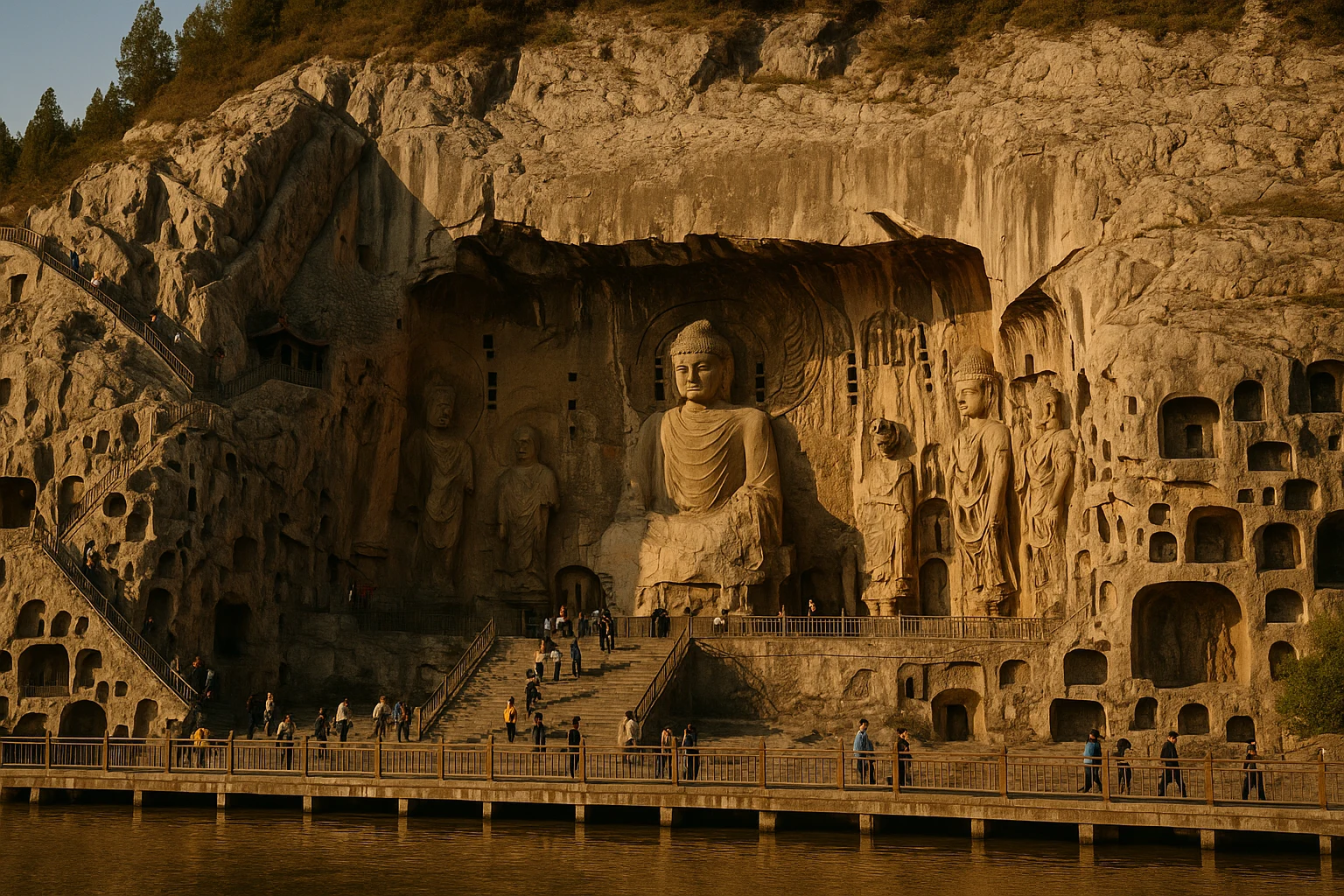
Longmen Grottoes
Chinese BuddhistA UNESCO World Heritage Site near Luoyang, China, featuring over 100,000 Buddhist carvings and statu...
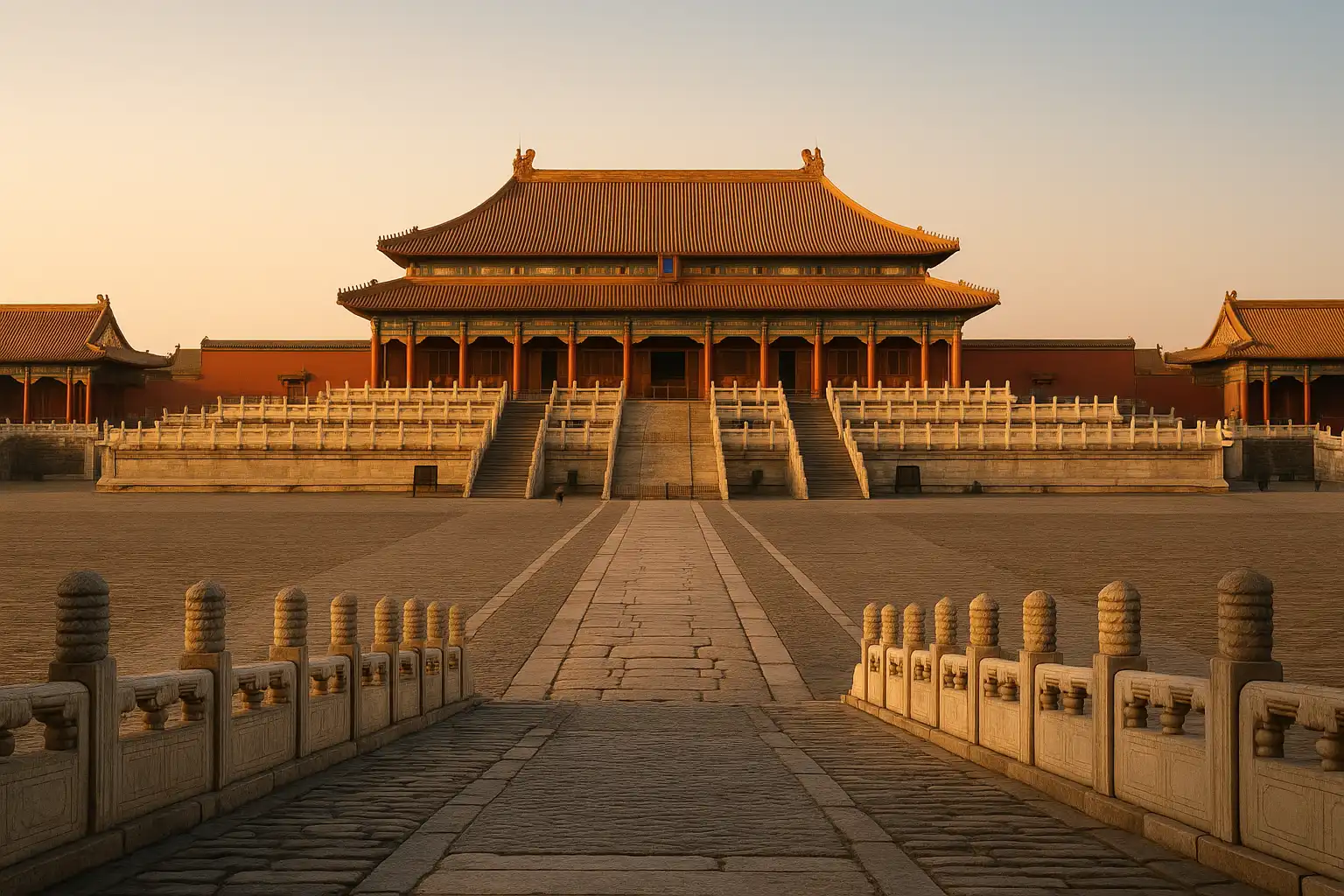
Forbidden City China Travel Guide 2026: Imperial Palace of Beijing
Chinese ImperialExplore the Forbidden City, China's imperial palace for 500 years. Discover the Hall of Supreme Harm...
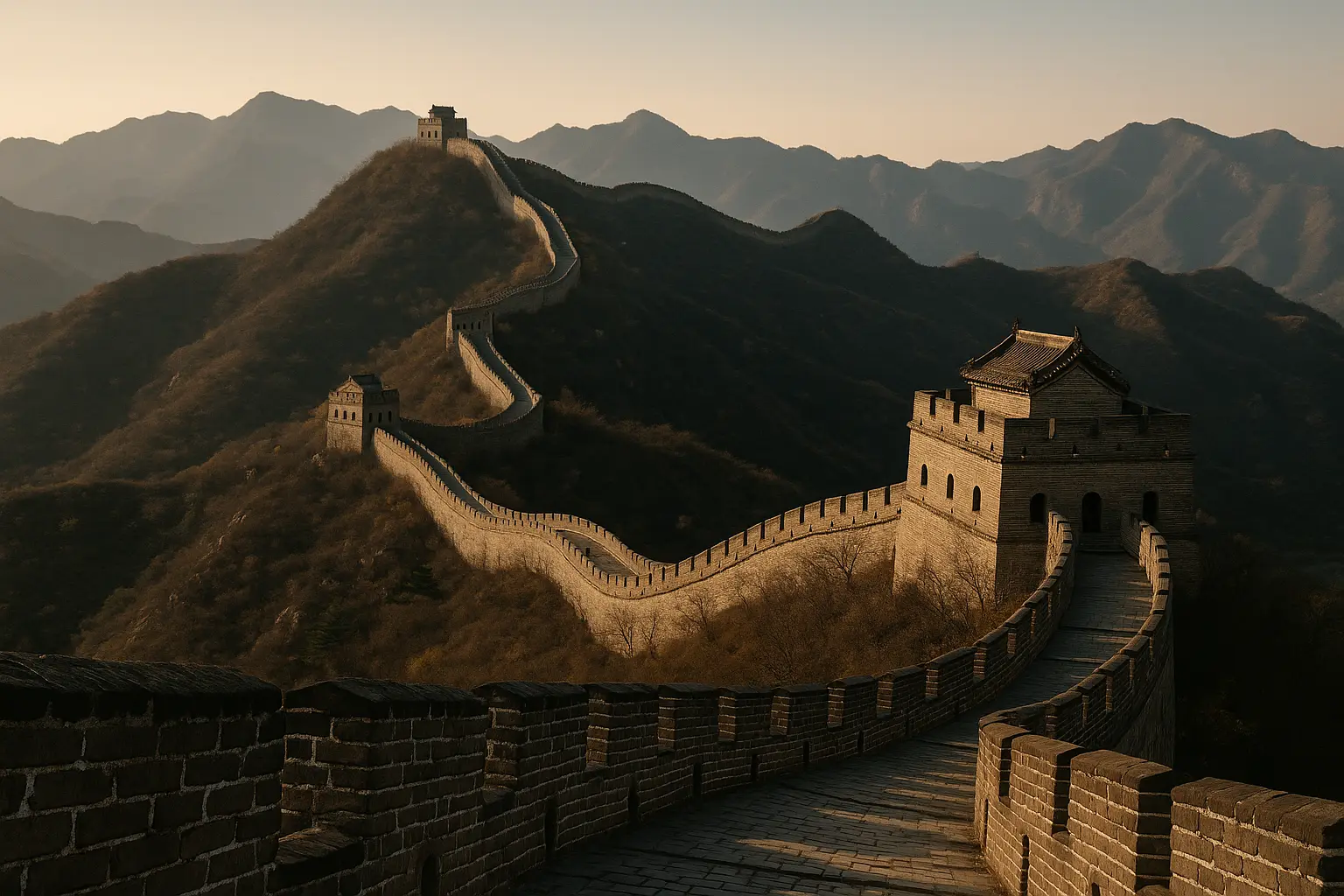
Great Wall of China Badaling Travel Guide 2026: Iconic Fortification
Chinese ImperialVisit Badaling, the most famous section of the Great Wall of China. Our guide covers tickets, cable ...
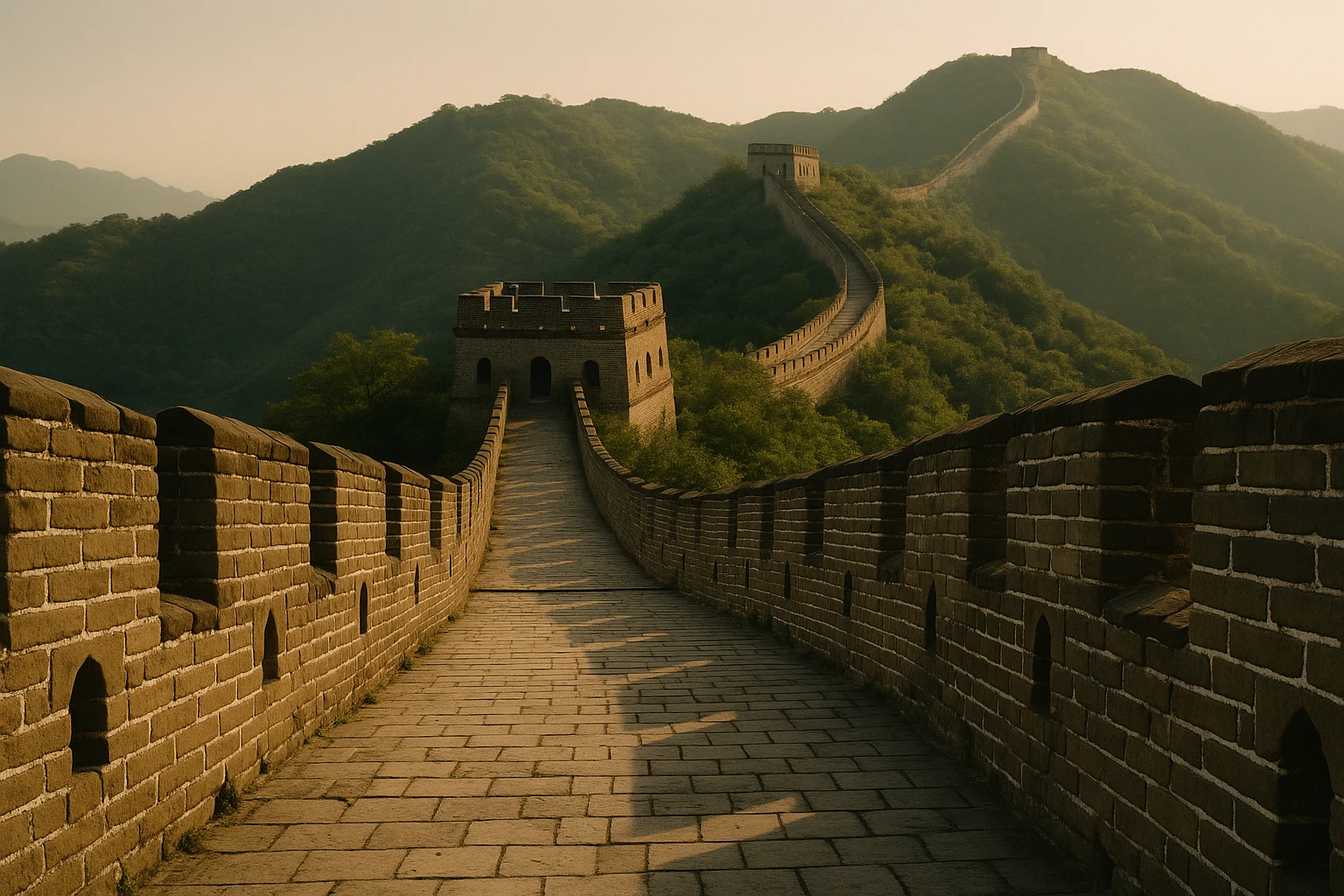
Great Wall of China (Mutianyu)
Explore Mutianyu — the Great Wall's most dramatic restored section, with 22 Ming-era watchtowers, mo...