Quick Info
Curated Experiences
Zakimi Castle and Okinawa Cultural Heritage Half-Day Tour
Okinawa UNESCO Sites Day Trip Including Zakimi Castle
Yanbaru and Zakimi Castle Historical Tour
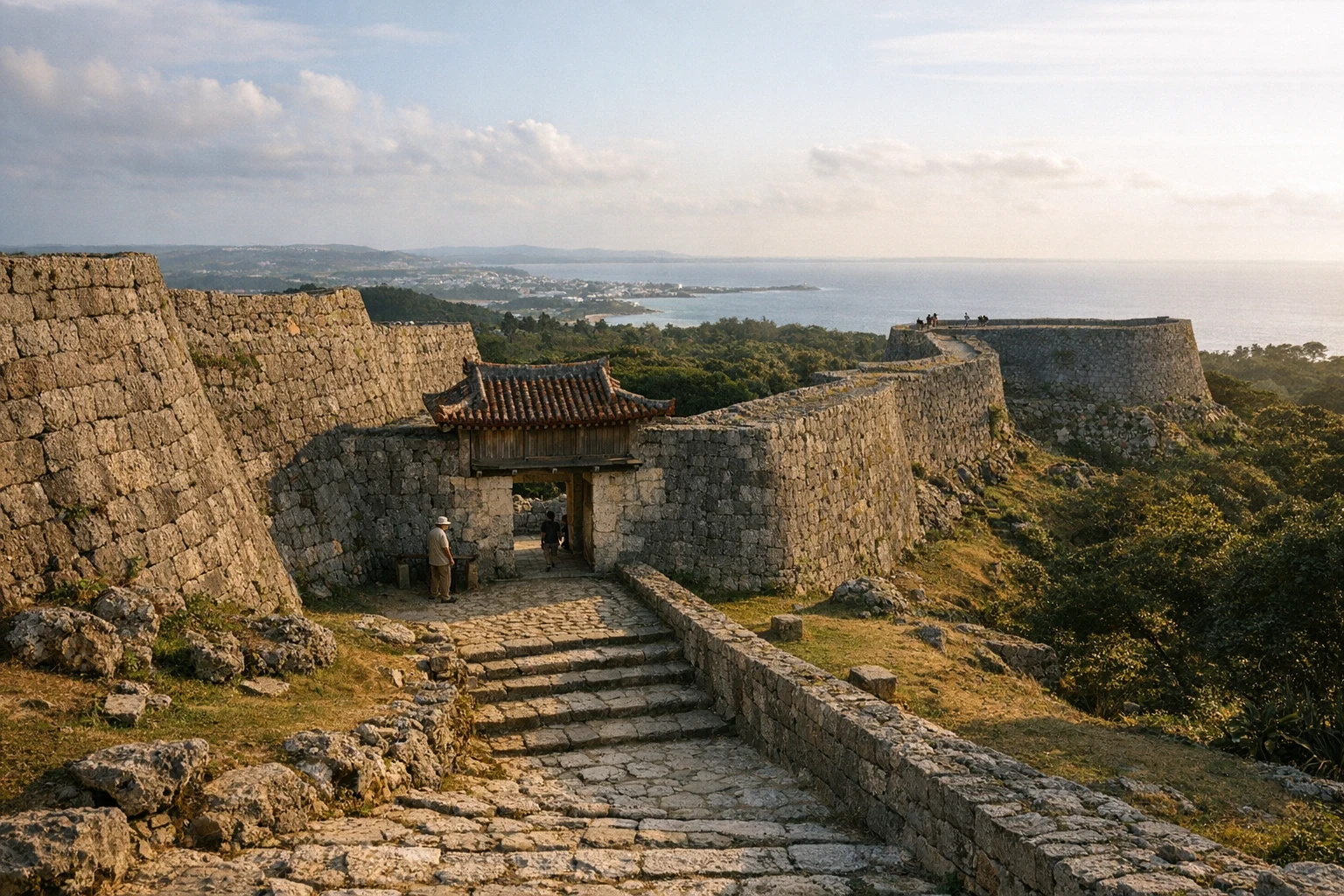
Perched atop a gently sloping hill in Okinawa Prefecture, Japan, the Zakimi Castle Ruins beckon visitors to step into a storied past where stone fortresses merged with subtropical landscapes. Built in the early 15th century on the island of Okinawa, this World Heritage Site reveals the creative genius and strategic foresight of the Ryukyu Kingdom. The undulating walls, constructed with meticulous masonry, wind through ancient pines and gaze expansively over the East China Sea. On a clear day, the sense of history is palpable—the sea breeze carrying whispers from a time when the castle stood as a guardian over regional trade routes and as a symbol of local power. Arriving at Zakimi, one is embraced by both the serenity of rural Okinawa and the gravity of events that have shaped its identity. The site is more than a crumbling relic; it’s a tangible chronicle etched in coral stone, surviving typhoons, warfare, and centuries of change.
In the present, Zakimi Castle Ruins offers an evocative experience for travelers. Unlike the crowded fortresses of the Japanese mainland, Zakimi’s open spaces and panoramic vantage points invite slow, reflective exploration. The approach to the hilltop is lined with splashes of subtropical flora, and as you traverse the remarkable curved stone walls—some of the oldest surviving examples of Ryukyuan castle architecture—you sense the site’s guardianship over Okinawa’s northern expanses. With few barriers between you and the remains themselves, history feels intimate: the cut of each large stone, the daring arch of the main gate, and the ghostly echoes of sentinels keeping watch. For those drawn to Japan’s cultural diversity, Zakimi Castle Ruins stands out as a testament to Okinawa’s unique heritage—its tumultuous relationship with mainland Japan, its period as a proud, independent kingdom, and its endurance in the face of modernity.
History
The Age of Gusuku: Foundations in the Ryukyu Kingdom
The tale of Zakimi Castle Ruins begins in the early 15th century, a period marked by the rise of the gusuku—a term for Okinawan castles that are distinct from the wooden fortresses of mainland Japan. Built between 1416 and 1422 by the famed military commander Gosamaru, Zakimi Castle was envisioned as both a defensive bulwark and a symbol of newly consolidated power on Okinawa. Gosamaru, a loyal retainer to King Sho Hashi of the emerging unified Ryukyu Kingdom, had recently abandoned his previous stronghold, Yamada Castle, and ordered its stones transported and repurposed at the new site, illustrating a remarkable display of engineering and resourcefulness.
During this transformative era, the Ryukyu Kingdom was coalescing from three competing principalities. Zakimi Castle’s strategic location atop a ridge in Yomitan allowed it to oversee coastal routes and inland roads, controlling the movement of people, goods, and armies. The castle’s two main baileys, encircled by gracefully stacked limestone walls, served as administrative and military hubs. Within these enclosures, rituals, political deliberations, and daily life unfolded under a subtropical sun, melding indigenous Okinawan customs with influences from China and Japan, both of which would come to shape the kingdom’s destiny.
Imperial Shadows and Decline
Zakimi Castle reached its zenith in the mid-15th century, shortly before the annexation of the Ryukyu Kingdom by the Satsuma Domain of Japan in 1609. As regional powers vied for influence, Zakimi and other gusuku were drawn into martial struggles and shifting alliances. While the site never suffered a direct siege, its prominence waned with the centralization of Okinawan administration in Shuri, and as military technologies evolved beyond the castle’s medieval defenses. By the late 17th century, Zakimi Castle had largely been abandoned as a residence of power, though its sacred spirit—commemorating ancestors and protective deities—remained integrated in local traditions.
Under Satsuma rule, and with the Ryukyu Kingdom effectively a vassal state, Zakimi’s role was diminished to an administrative outpost and ceremonial site. The castle walls gradually crumbled under the weight of typhoons and the slow creep of subtropical forest. Unlike many Japanese castles, which were rebuilt in wood and stone during the Edo period, Zakimi’s fabric was left mostly untouched—preserving its original Ryukyuan construction style for posterity.
The Modern Era: Preservation, War, and World Heritage Recognition
The 20th century brought profound turmoil to Okinawa, reaching its nadir during the Battle of Okinawa in World War II. Zakimi Castle Ruins, sitting on high ground, was commandeered by Japanese and later American forces as a military outpost. Barbed wire and trenches scarred its once-sacred stones, but post-war recovery efforts and grass-roots appreciation rekindled local stewardship. In the decades that followed, historians and archaeologists helped restore portions of the walls and arch gate, while carefully preserving evidence of their original 15th-century craftsmanship.
Zakimi Castle’s recognition as a UNESCO World Heritage Site in 2000, as part of the collective “Gusuku Sites and Related Properties of the Kingdom of Ryukyu,” inaugurated a new era of appreciation. Today, the ruins remain a cherished symbol in Okinawan identity politics, antiwar activism, and cultural tourism. Annual festivals and school field trips breathe new life into the ancient stones, ensuring that the drama of Zakimi’s past continues to inspire curiosity and reflection among visitors from around the globe.
Key Features
Perhaps the most striking aspect of Zakimi Castle Ruins is its series of gracefully curving stone walls, possessing both aesthetic allure and practical sophistication. These limestone ramparts, some more than six meters high, showcase the unique “Nozura-zumi” technique: undressed stones intricately fitted together without mortar, forming sinuous lines that blend organically into the landscape. Time and weather have weathered the surfaces, rounding their edges, but the underlying patterns—alternately crenellated and smooth—remain a masterclass in pre-modern engineering.
One of the highlights for visitors is the castle’s iconic arched gate (“kuruwa-mon”). Unlike the rectangular portals found in mainland castles, Zakimi’s arch is constructed in perfect semicircle—one of the earliest examples of true arch masonry innovation in the Ryukyu Islands. Passing through the gate, visitors enter the main enclosure, or “honmaru,” where faint outlines of ancient buildings and ceremonial sites can still be discerned amidst grassy courts. Historical research suggests this was the heart of administrative life—a place where Gosamaru and his clan presided over affairs of state, held rituals, and mediated between the gods and their people.
The second bailey, enclosed by equally imposing walls, served as an auxiliary defensive position and residence for retainers and soldiers. Both enclosures afford spectacular panoramic views—on one side, waves of pine woodlands; on the opposite side, the shimmering turquoise expanse of the East China Sea. In spring, wildflowers carpet the embankments, lending color and vibrancy to the gray stone; in the golden light of sunset, the castle takes on a dreamlike presence amid the rolling hills.
What sets Zakimi Castle Ruins apart from other Japanese ruins is the tactile accessibility of its features. There are no glass barriers or keep-off ropes: visitors can closely examine the craftsmanship of each stone, walk along the surviving ramparts, and imagine the bustle of medieval life within. Near the entrance, a modest but informative visitors center displays unearthed pottery, weapons, and artifacts that offer context for the site’s daily rhythms. Interpretative panels are available in Japanese and English, enhancing the appreciation of the castle’s architecture, historical context, and restorative efforts.
For the spiritually inclined, subtle markers—small altars and stone tablets—attest to the ongoing veneration of ancestors and local deities in Ryukyuan tradition. Some corners of the ruins retain a sacred atmosphere, still used for rituals by Okinawan communities. Altogether, the site exemplifies the synthesis of function, artistry, and spirituality that defined Ryukyuan gusuku, making Zakimi a must-see for lovers of history, architecture, and unique expressions of Japanese culture.
Getting There
Zakimi Castle Ruins is situated in Yomitan Village, approximately 30 kilometers north of Naha, Okinawa’s regional capital. There are several transportation options to reach the site, making it accessible for most travelers exploring the island.
By Bus: The most cost-effective route is to take one of the local Okinawa bus lines from Naha Bus Terminal: Bus No. 28, 29, or 120 stops near Zakimi. Board the bus in central Naha and disembark at the Zakimi bus stop (座喜味). The ride typically takes about 60 to 80 minutes depending on traffic, with adult fares around ¥890–¥1,100 (approx. US $7–$9). The castle is a 10–15-minute stroll uphill from the bus stop, offering a pleasant walk through the residential side of Yomitan.
By Rental Car: For maximum flexibility, many visitors opt for a rental car, widely available at Naha Airport or in the city. The drive from Naha to Zakimi takes approximately 45–60 minutes via the Okinawa Expressway (exit at Okinawa Minami, then follow Route 58 north and Route 12). Ample free parking is available near the castle entrance. Car rental rates in Okinawa typically begin at around ¥5,000–¥7,000 per day (US $35–$50).
By Taxi: Taxis are readily available throughout Okinawa, though they are a more expensive choice. A one-way trip from Naha to Zakimi Castle Ruins can cost ¥6,000–¥8,000 (US $40–$60), making it convenient for small groups or visitors pressed for time.
Although there is no direct train service to Yomitan—the Okinawa Urban Monorail terminates in Naha—the efficient combination of buses or rental vehicles ensures the site is within easy reach. Many organized tours departing from Naha or Chatan also include Zakimi Castle Ruins, often paired with other World Heritage gusuku or Okinawan cultural sites for a balanced day trip.
When to Visit
Okinawa’s subtropical climate means Zakimi Castle Ruins can be visited year-round, but certain seasons offer distinct advantages for travelers seeking comfort, scenery, and memorable experiences.
Spring (March–May) is an especially beautiful time to explore Zakimi. Temperatures are pleasantly mild, typically between 17°C–24°C (63°F–75°F), and the hillsides are dotted with wildflowers, adding vibrant color to the ancient stonework. This period precedes the humid “tsuyu” rainy season, with fewer crowds and frequent blue skies, making it ideal for clear photographs and lengthy strolls along the ramparts.
Summer (June–September) brings warmth, humidity, and lush vegetation. Daytime highs can reach 31°C (88°F), so early morning or late afternoon visits are recommended to beat the heat. Summer also marks the high season for domestic tourism—be prepared for more visitors, especially during school holidays. The site is generally breezy, but visitors should pack sunscreen, water, and a sunhat. Tropical typhoons are most likely between July and September; always check the forecast, as storms can cause site closures.
Autumn (October–November) is another optimal window, with comfortable temperatures (20°C–27°C / 68°F–80°F), reduced rainfall, and clear sunsets over the sea. Fall foliage is less dramatic than on mainland Japan, but local festivals and harvest celebrations add cultural flavor to your trip.
Winter (December–February) in Okinawa is far milder than in northern Japan, with average highs around 17°C (63°F). The ruins are often peaceful during this season, and the site’s elevated position provides bracing, crisp air and unobstructed views. Thanks to this agreeable climate, winter is a good choice for travelers looking to avoid crowds and enjoy leisurely, contemplative walks among the stones.
Throughout the year, Zakimi Castle Ruins hosts local events, historical reenactments, and cultural ceremonies. Checking the Yomitan Village website or local tourism pages ahead of your visit can help you catch these special experiences. No matter when you arrive, the interplay of ancient masonry and changing Okinawan skies ensures that Zakimi Castle Ruins will leave a deep and lasting impression.
Quick Facts
| Fact | Detail |
|---|---|
| Location | Yomitan, Okinawa Prefecture, Japan |
| UNESCO World Heritage | Inscribed in 2000 as part of “Gusuku Sites and Related Properties of the Kingdom of Ryukyu” |
| Construction Period | Circa 1416–1422 |
| Builder | Gosamaru, Ryukyu Kingdom military commander |
| Notable Features | Curved stone walls, semicircular arched gate, panoramic sea views |
| Entrance Fee | Free |
| Accessibility | By local bus from Naha, approximately 60–80 mins; ample free parking available |
| Best Seasons to Visit | Spring and Autumn |
| On-Site Facilities | Small visitor center, restrooms, interpretative signs |
| Nearby Highlights | Dazaifu Government Office Ruins, Himeji Castle, Goshono Jomon Site |
Frequently Asked Questions
What are Zakimi Castle Ruins best known for?
Zakimi Castle Ruins are celebrated for their impressive stone walls, arch gate, and significance as a Ryukyu Kingdom defensive stronghold in Okinawa.
Is there an entrance fee at Zakimi Castle Ruins?
No, entry to Zakimi Castle Ruins is free for all visitors.
How long does it take to explore the Zakimi Castle Ruins?
Most visitors spend between 45 minutes and 1.5 hours exploring the grounds, walls, and enjoying the scenic views.
Is Zakimi Castle Ruins accessible by public transportation?
Yes, the ruins are accessible by local bus from Naha, with a short walk from the nearest stop.
Are there guided tours available on-site?
While there are no official on-site guides, many group tours from Naha and local operators include Zakimi Castle Ruins on their itineraries.
Nearby Ancient Sites
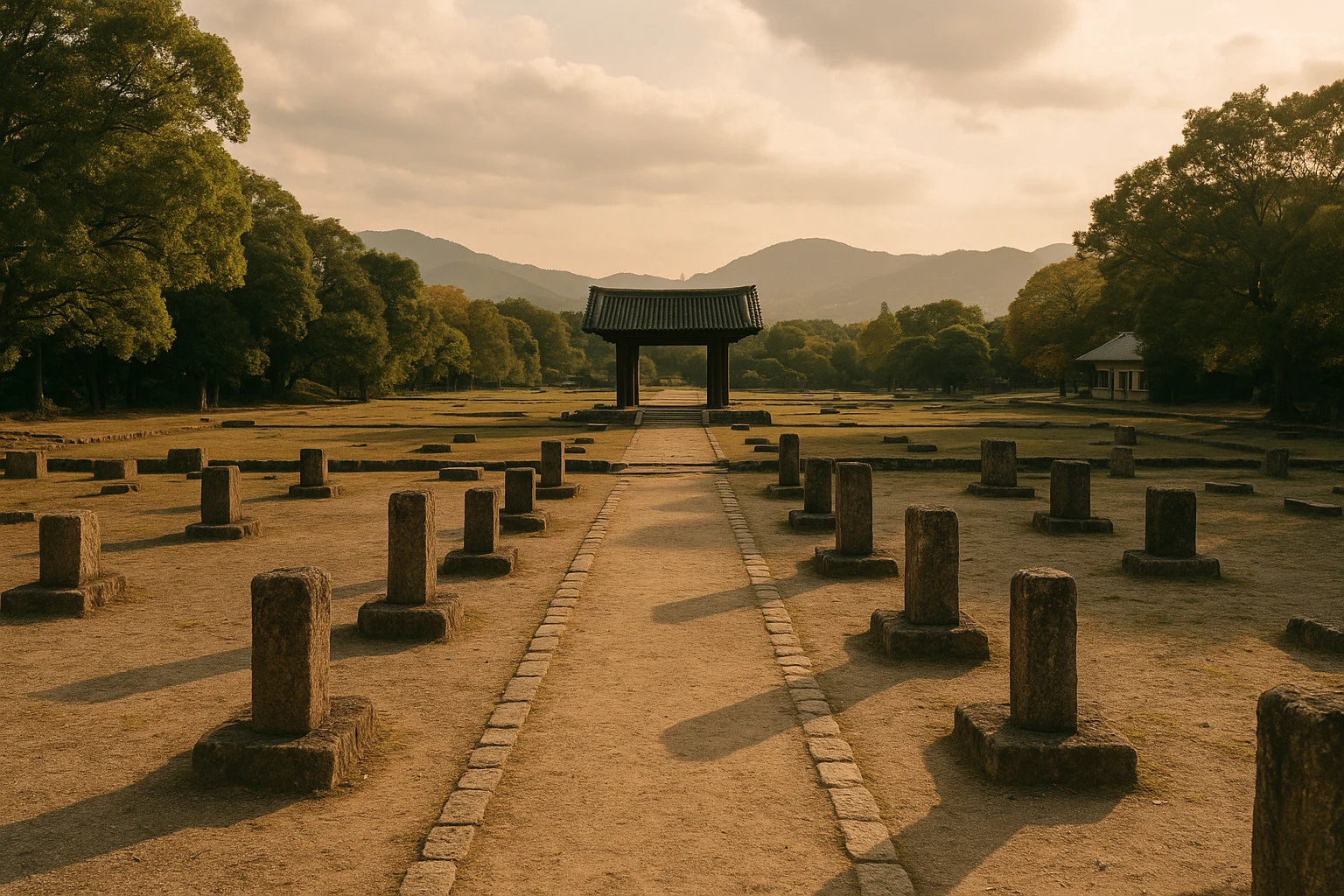
Dazaifu Government Office Ruins
Yamato Japan / Nara–Heian StateAncient administrative heart of Kyushu, the Dazaifu Government Office Ruins preserve Japan's 7th-cen...
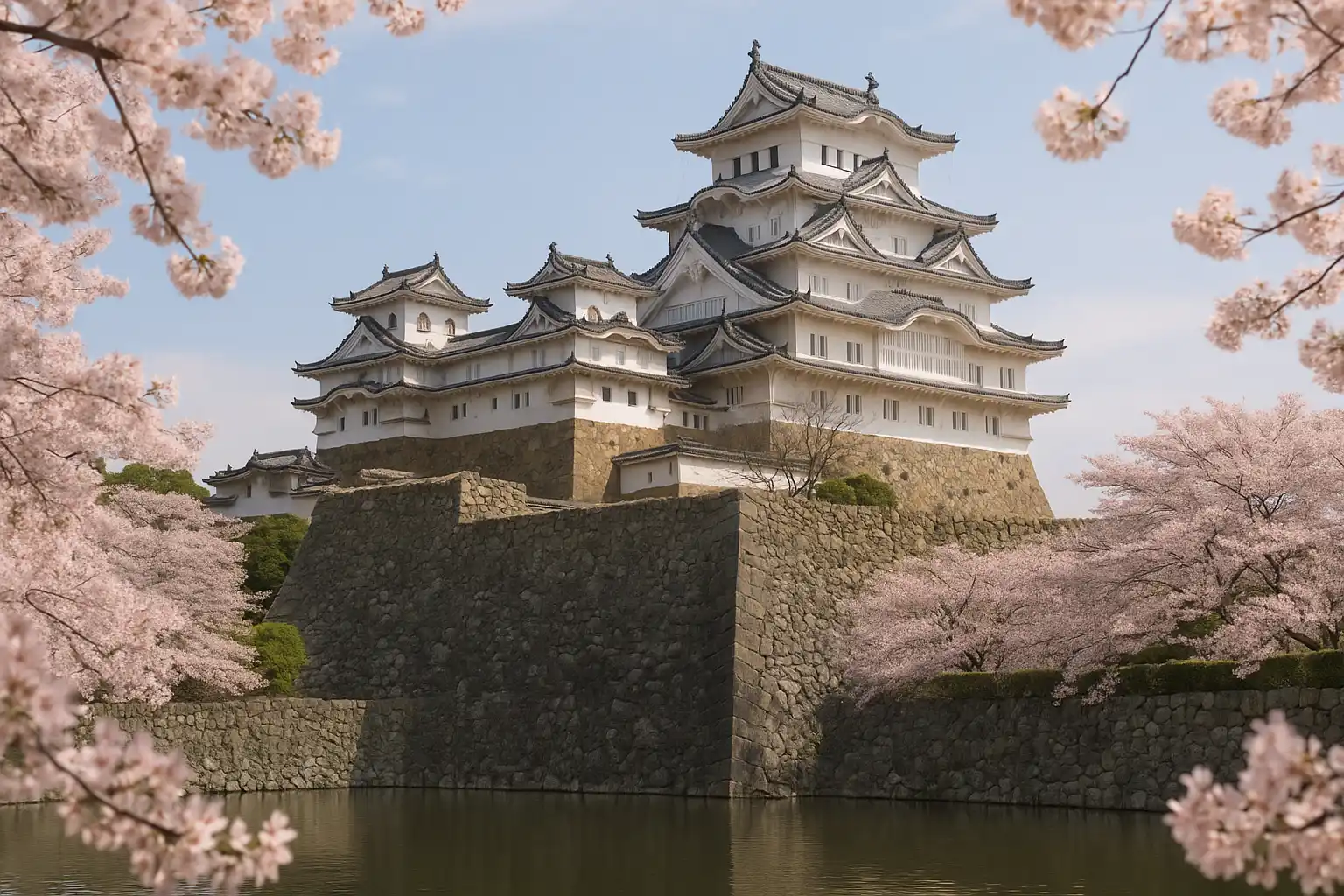
Himeji Castle Japan Travel Guide 2026: The White Heron Castle
Japanese FeudalVisit Himeji Castle, Japan's most beautiful original castle. Explore the White Heron keep, defensive...
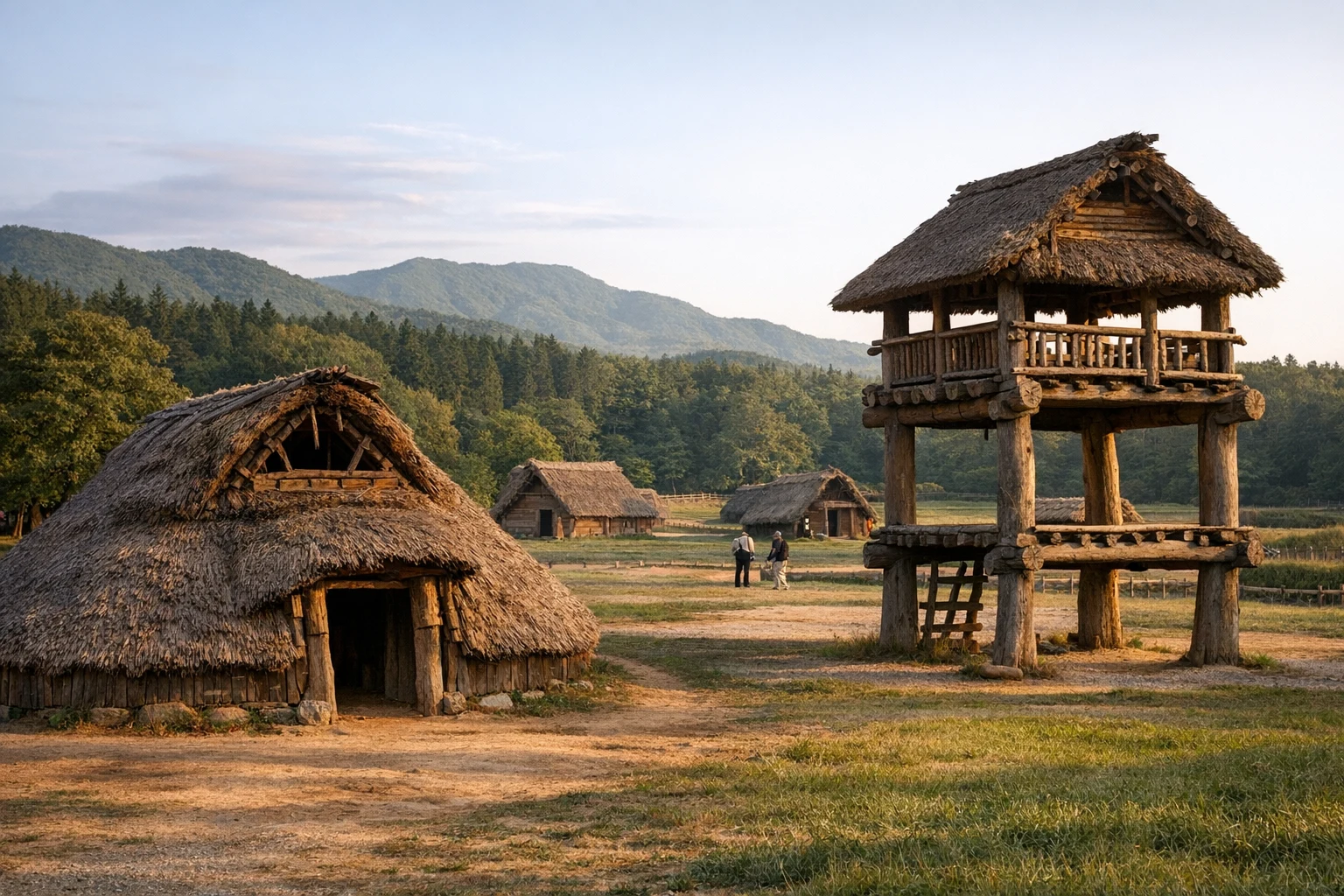
Goshono Jomon Site
Goshono Jomon Site in Japan is a remarkable archaeological park preserving a mid-Jomon period settle...