Quick Info
Curated Experiences
Dendera and Abydos Day Tour from Luxor
Private Abydos Temple Tour with Egyptologist Guide
Abydos Sunrise and Breakfast Tour
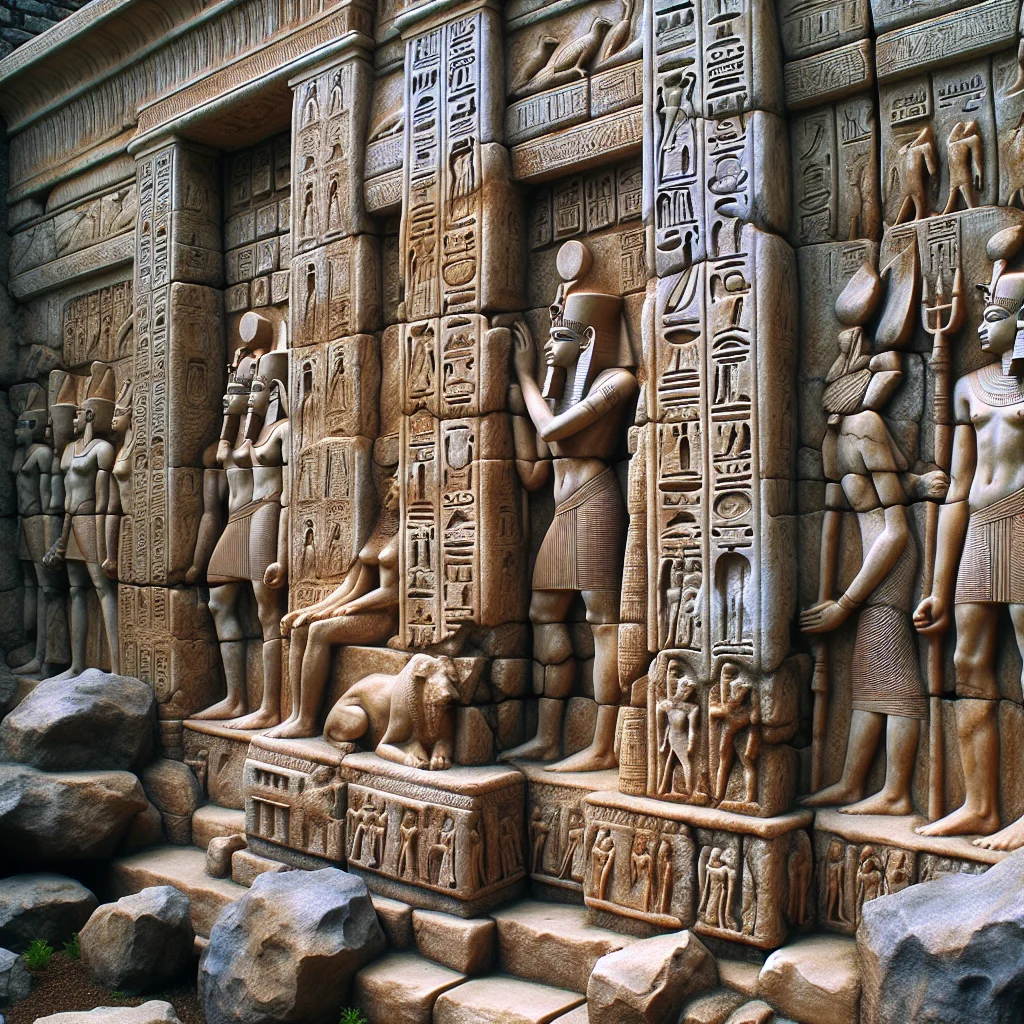
Two hours’ drive north of Luxor, the Temple of Seti I at Abydos rises from the desert plateau like a monument to color itself. Step inside and you enter a world of vivid blues, reds, golds, and greens—hues that seem impossible after witnessing the bleached stone of other temples. The walls pulse with life: battle scenes show Seti I smiting enemies, reliefs depict pharaonic rituals with such clarity you can read the hieroglyphic labels, and in a chamber deep within the temple, the famous Abydos King List—a cartouche of every pharaoh from the first dynasty to Seti’s reign—documents three thousand years of kingship in stone. Abydos was already ancient when Seti I built his temple here; it was a pilgrimage destination, a cult center for Osiris (god of resurrection and the underworld), and a locus of royal legitimacy. Today, it remains one of Egypt’s most rewarding and least crowded archaeological sites. This guide covers the Temple of Seti I’s architecture and artwork, the historic King List, the mysterious Osirion, practical logistics, and how to combine Abydos with nearby Dendera.
History: The Sacred Center of Osiris Worship
Predynastic and Early Dynastic Origins (c. 3000–2686 BCE)
Abydos held sacred meaning long before pharaohs built temples. A cemetery for elite burials hints at settlement and veneration since predynastic times. By the first dynasties, Abydos was firmly established as a pilgrimage center dedicated to Osiris, the god of death, resurrection, and the afterlife. The site’s significance lay in its association with Osiris: according to myth, Osiris’s dismembered body was buried here, making Abydos the eternal gateway between the living and the dead. Pharaohs and wealthy private individuals made pilgrimages to Abydos to participate in sacred mysteries and ensure their own resurrection.
The Temple Age (Middle Kingdom to New Kingdom, 2055–1070 BCE)
Multiple pharaohs enlarged Abydos over centuries. The Temple of Mentuhotep II (c. 2010 BCE) was among the earliest major structures. However, the dominant figure in Abydos’s history is Seti I (r. 1290–1279 BCE), whose temple eclipsed all predecessors in scale, artistry, and detailed decoration. Seti I, founder of the Ramesside dynasty, built his temple as both a mortuary chapel and a shrine to Osiris, emphasizing his legitimacy and his role as Osiris’s earthly manifestation.
The Ramesside Period and Later Modifications (1279–1070 BCE and beyond)
Seti’s son, Ramesses II, added elements to his father’s temple and built structures nearby. Later dynasties—including the Ptolemaic Greeks—continued to make offerings and inscriptions, acknowledging Abydos’s enduring sanctity. The temple was never abandoned during antiquity, though it fell into disrepair after the Greco-Roman period.
Modern Rediscovery and the King List
In the 19th century, Western Egyptologists recognized Abydos’s importance. The Temple of Seti I was systematically documented and excavated. The King List—a gallery of royal cartouches—became one of the most important chronological sources for reconstructing Egyptian history. Champollion, the decipherer of hieroglyphics, visited Abydos early in his career and marveled at the preserved colors. Modern conservation efforts have stabilized the temple and maintained its remarkable pigmentation, making it one of the most colorful ancient sites in the world.
The Key Monuments: What to See at Abydos Temple
The Temple of Seti I: Exterior and First Pylon
The temple’s approach begins with a limestone courtyard and pylon (monumental gateway) with reliefs showing Seti I making offerings to Osiris and other gods. The carved sunk-relief technique—where figures are cut into the stone surface—creates dramatic shadows and depth. The pylon’s color, though faded from the brilliant pigmentation of Seti’s reign, hints at the original splendor. From the courtyard, the profile of the temple rises gracefully, dominated by Seti’s name and titles repeated in monumental hieroglyphics. The architecture is harmonious without being oppressive; the proportions are inviting rather than awe-inducing, encouraging pilgrims to enter rather than intimidate them.
The Great Hypostyle Hall and Battle Scenes
Inside the hypostyle hall, sunlight filtering through high windows illuminates the most magnificent artwork Abydos offers: Seti I’s military campaigns. The northern wall depicts the Battle of Kadesh, where Seti fought the Hittites in the disputed territory of Syria-Palestine. Warriors charge in chariots, archers release arrows in coordinated volleys, and fallen enemies pile at Seti’s feet. Every detail is rendered with surgical precision: the horses’ muscles, the chariot wheels, the facial expressions of individual soldiers. The southern wall shows religious processions and rituals. The colors are striking—blues, reds, and golds still visible after 3,300 years. This hall is a masterwork of New Kingdom propaganda and artistry combined.
The King List Chamber (Gallery of Kings)
One interior chamber contains the Abydos King List, a procession of royal cartouches (oval hieroglyphic name frames) dating from the first dynasty to Seti I. Seventy-six pharaohs are named in chronological order, their likenesses accompanying their names. This list has been the foundation of Egyptian chronology since its rediscovery; it allows modern historians to verify and refine dates. Standing before the King List is emotionally stirring—you are reading the names of rulers who died millennia ago, their identities preserved through stone and pigment. Many of the names correspond to rulers known from other sources; a few are omitted entirely (notably the heretic pharaoh Akhenaten, whose name was deliberately erased), which itself tells a story about ancient Egypt’s politics and theology.
The cartouches are not merely names; they are royal epithets and titles rendered in the distinctive oval format used for pharaonic names. Each cartouche is surrounded by text indicating the king’s prenomen (throne name) and regnal years, when available. The list serves as a primary document for determining succession patterns and chronological sequence. Egyptologists have used the Abydos List to cross-reference dates found in other temples, king lists, and administrative records, creating a coherent timeline of Egyptian history spanning over three millennia. The physical act of carving and preserving 76 royal names demonstrates Seti I’s reverence for kingship itself and his desire to position himself as the rightful heir to a continuous line of legitimate rulers descended from Egypt’s founding dynasties.
The Osirion (Underground Temple)
Behind the main temple lies the Osirion, a subterranean structure built by Seti I or possibly a predecessor. Its architectural style—using massive stone blocks and a design reminiscent of Old Kingdom mortuary complexes—suggests it was a ritual replication of the primordial mound of creation. The Osirion is partially flooded; water percolates from the groundwater, creating an otherworldly atmosphere. The chamber contains mysterious reliefs and inscriptions related to Osiris and the afterlife. The engineering required to construct an underground temple in the Nile Valley, managing water and stone, reveals New Kingdom technological sophistication. Access to the Osirion depends on water levels and conservation work; inquire at the site entrance.
The Osirion’s purpose remains partially debated among Egyptologists. Some scholars believe it functioned as a ritual recreation of the primordial chaos and emergence of order—the mound of creation that rose from the waters of Nun in Egyptian cosmology. Others propose it served as an actual burial chamber for Seti I or as a symbolic underground representation of the Duat (Egyptian underworld). The massive stone architecture and the symbolic flooding create an environment meant to evoke the mystical process of death, resurrection, and regeneration central to Egyptian theology. The reliefs within depict scenes of the sun god’s nighttime journey through the underworld, the transformation of the deceased pharaoh into an Osiris figure, and the complex mythology surrounding eternal life and divine kingship.
The Sacred Chapels and Sanctuary
Beyond the hypostyle hall, seven chapels branch off from a vestibule. Each chapel was dedicated to a different deity or to Seti’s deified ancestors. The central chapel, dedicated to Osiris, is the sanctuary of the temple—the holy of holies where only priests entered. The chapels’ walls are densely covered with hieroglyphic texts and ritual scenes, describing offerings, prayers, and the daily maintenance of the god’s statue (now lost). These chapels represent the spiritual core of Abydos: a place where the divine and human realms intersected through carefully choreographed ritual.
Getting There: Transportation and Access
Abydos lies 115 kilometers (71 miles) north of Luxor, approximately 2 hours by road. It is less frequented than Luxor’s West Bank but equally important archaeologically. Most visitors combine it with Dendera in a single day or visit as a dedicated excursion.
From Luxor
The majority of tourists visit Abydos on organized tours, either combined with Dendera or as a standalone excursion.
- Organized tour: 75–95 USD through your hotel or a tour operator. Tours typically include hotel pickup, transport, entry fee, and a guide. Duration is 4–6 hours depending on pace and guide expertise.
- Private taxi: 200–300 EGP ($7–10 USD) round-trip with 3–4 hours of waiting time. Negotiate in advance. The drive is straightforward via the main highway.
- Ride-hailing: Uber/Careem serve Luxor sporadically. Fares for Abydos typically run 180–280 EGP ($6–9 USD) each way.
- Self-drive: Car rental is available in Luxor (40–60 USD/day). The road is well-maintained; no special driving skills required.
From Cairo
Cairo to Abydos is 600+ km (373 miles) north. Most Cairo-based travelers fly to Luxor (2.5 hours, 50–100 USD) and visit Abydos as part of a Luxor-based itinerary, or take an overnight train to Luxor.
From Aswan
Aswan is 330 km (205 miles) south of Abydos. Most Aswan-based tourists explore local temples (Philae, Edfu, Kom Ombo) before traveling north to Abydos and Dendera.
Admission and Hours
Entry fee: 300 EGP (~$10 USD) for foreign tourists. Student and local discounts apply. Cash payment at the gate (Egyptian pounds preferred).
Hours: 6:00 AM to 5:00 PM year-round. Last entry is typically 30 minutes before closing.
Best time of day: Arrive by 7:30 or 8:00 AM to beat heat and crowds. Morning light illuminates the hypostyle hall reliefs without excessive glare. The colors are most vivid in soft morning or late afternoon light. Midday visits (11:00 AM–3:00 PM) involve intense sun and high heat; the temple’s interior provides relief but exterior photography suffers.
What to bring: Sunscreen (SPF 50+), wide-brimmed hat, 2+ liters of water, sturdy shoes, and a flashlight for viewing interior reliefs and the Osirion. The site has minimal shade; the temple interior is your primary refuge from heat.
When to Visit: Seasonal Considerations
Spring (March–May)
Temperatures range from 25–35°C (77–95°F) with low humidity. This is ideal for Abydos: mornings are cool and clear, afternoons warm but manageable. The vivid colors on the temple walls are best appreciated in spring light. Crowds moderate in March; by May, temperatures edge toward discomfort but remain tolerable. March and April are the prime months.
Summer (June–August)
Summer heat is extreme: 36–43°C (97–109°F). Midday exploration is inadvisable; early morning visits (6:00–9:00 AM) are possible but require careful hydration and sun protection. Tourism drops significantly; you’ll have the site largely to yourself. The trade-off is severe environmental stress. Only hardened desert travelers should visit in summer.
Autumn (September–November)
Temperatures cool from 35°C in September to a pleasant 20–28°C (68–82°F) by November. Late September and early October can still be warm, but by October, conditions become ideal. Humidity is low; skies are clear. Autumn is the second-best season for Abydos after spring.
Winter (December–February)
Cool mornings (10–15°C / 50–59°F) and pleasant afternoons (20–25°C / 68–77°F) characterize winter. This is peak international tourism; Abydos is busier than in other seasons, though rarely crowded compared to Luxor’s West Bank. January and February are the busiest. Prices for tours are inflated, but the weather is perfect and guides are plentiful.
Ideal season: October through April, with March and April being the sweet spot.
Combining Abydos with Dendera and the Nile Valley
The optimal experience pairs Abydos with Dendera in a full-day itinerary. Begin at Dendera by 7:30 AM, spend 2.5–3 hours exploring the Temple of Hathor and zodiac ceiling, and depart by 10:30 AM. A 45-minute drive north brings you to Abydos, arriving by 11:15 AM. Spend 3–4 hours at the Temple of Seti I, lingering over the King List and battle scenes. Exit by 2:30–3:00 PM and enjoy a late lunch at a riverside café in a nearby town. By 5:00 PM, return to Luxor. This full-day sequence (12 hours total) covers two of Egypt’s most significant temples and provides context for understanding New Kingdom theology and kingship.
For travelers with only a half-day, Abydos alone merits 4 hours and rewards the extended drive from Luxor. The King List and battle scenes are incomparable for understanding ancient Egypt’s self-representation and military ambitions.
Why Abydos Matters
Abydos is the rosetta stone of Egyptian chronology and theology. The King List is irreplaceable: nowhere else in Egypt—and rarely anywhere in the ancient world—do we find such a comprehensive list of rulers with names, regnal years, and canonical order. For Egyptologists, Abydos is indispensable. For travelers, it offers an aesthetic and intellectual experience unmatched: the colors transport you across millennia, the battle scenes electrify with their vivid energy, and the King List connects you to a documented history longer and more continuous than any other civilization. Seti I’s temple is not the largest in Egypt, but it may be the most refined and information-rich. When you stand before the surviving faces of 76 pharaohs, carved and preserved in stone, you confront the depth of Egypt’s historical memory and its obsession with order, succession, and the eternal. Abydos makes that invisible archive tangible.
Explore More Egypt
- Dendera Temple: Temple of Hathor with famous zodiac ceiling, 45 km south of Abydos.
- Karnak Temple Complex: Egypt’s largest and most complex temple sanctuary.
- Luxor Temple: Grand Theban temple with colossal seated statues.
Plan your complete Egypt archaeological journey with our Egypt Ancient Sites Guide. Discover how to maximize a Luxor-based trip with northern temples.
Quick Facts
| Attribute | Details |
|---|---|
| Location | Qena Governorate, 115 km north of Luxor, Egypt |
| Ancient Name | Abydos (Greek); Abdu (Egyptian) |
| UNESCO Status | Part of Thebes and its Necropolis (World Heritage Site) |
| Established | c. 3000 BCE cult site; Seti I temple 1290–1279 BCE |
| Distance from Luxor | 115 km / 2 hours by road |
| Entry Fee | 300 EGP (~$10 USD) |
| Hours | 6:00 AM–5:00 PM daily |
| Best Time | October–April; March–April ideal |
| Suggested Stay | 3–4 hours for temple; 10–12 hours combined with Dendera |
Frequently Asked Questions
How long should I spend at Abydos Temple?
Plan 3–4 hours for the Temple of Seti I alone. If you explore the Osirion (underground temple) and other chapels on the complex, allocate an additional 1–2 hours. Most organized tours allow 3.5–4 hours at Abydos.
What makes Abydos Temple special?
Abydos Temple is exceptional for three reasons: it contains the best-preserved colors of any New Kingdom temple due to cave-like protection of its interior chapels, the King List is the most authoritative record of Egyptian royal succession, and the Osirion demonstrates advanced hydraulic engineering. Few temples rival Abydos for both artistry and historical documentation.
What is the King List, and why is it important?
The King List is a wall carved with the cartouches (names) of 76 Egyptian pharaohs in chronological order, commissioned by Seti I as a ritual list for offerings. It is the single most important document for understanding Egyptian chronology and has been consulted by Egyptologists for two centuries. Seeing the actual names—from Narmer to Seti I—provides a tangible connection to three thousand years of documented history.
Can I visit Abydos and Dendera in one day?
Yes, and it's highly recommended. A full-day tour combining both temples takes 10–12 hours total but covers two of Egypt's finest temples. Start at Dendera (7:30–10:30 AM), drive 45 minutes to Abydos (11:00 AM–2:30 PM), lunch, and return to Luxor by 5:00 PM. Private taxis and tour operators offer this combination.
How do I get to Abydos from Luxor?
Abydos is 115 km (71 miles) north of Luxor, about 2 hours by road. Options: organized tour (85–95 USD), private taxi (200–300 EGP / $7–10 USD round-trip), or car rental. Most tourists book tours for convenience and historical context. From Dendera, it's only 45 minutes north.
Is Abydos worth the drive from Luxor?
Absolutely. Abydos is not as famous as some Luxor temples, but it's arguably more rewarding due to its colors, the King List, and the engineering of the Osirion. For serious Egyptology enthusiasts, Abydos ranks in the top five must-see temples in Egypt. The drive is straightforward and the site is manageable in a half-day.
Nearby Ancient Sites
Dendera Temple Complex Egypt Guide 2026: Temple of Hathor & Zodiac Ceiling
Ptolemaic-RomanExplore Dendera's magnificent Temple of Hathor near Luxor. Star-mapped zodiac ceiling, Ptolemaic arc...
Karnak Temple Complex Egypt Travel Guide 2026: Egypt's Greatest Temple
Ancient EgyptianExplore Karnak, the world's largest ancient religious complex. Discover the Hypostyle Hall, Sacred L...
Valley of the Kings Egypt Travel Guide 2026: Royal Tombs of the Pharaohs
Ancient EgyptianExplore the Valley of the Kings where Tutankhamun and Ramesses were buried. Our guide covers tomb se...