Quick Info
Curated Experiences
Alhambra and Nasrid Palaces Guided Tour
Alhambra and Granada City Walking Tour
Private Alhambra Tour with Nasrid Palaces Access
The Alhambra is one of those rare sites where reputation and reality align. Perched on Sabika Hill above the city of Granada, this fortified palace complex represents the apex of Nasrid-era architecture and one of the most complete surviving examples of medieval Islamic design anywhere in the world. Every surface - carved stucco, geometric tilework, calibrated water channels - reflects a civilization that treated decorative refinement as a form of theological expression.
This is not a site you can wing. Ticket access to the Nasrid Palaces is timed and controlled, and availability disappears months in advance during peak season. But travelers who plan ahead and structure their day well will encounter one of Europe’s most layered and rewarding single-site experiences.
Why the Alhambra Matters
The Alhambra is significant on multiple levels. Architecturally, it is the finest surviving palatial complex from the Islamic West, with decorative programs that rival anything produced in Cairo, Isfahan, or Fez during the same period. Historically, it is the physical remnant of al-Andalus at its final peak - the last major Muslim-ruled territory on the Iberian Peninsula, holding on for two and a half centuries after the rest had fallen.
What distinguishes the Alhambra from other heritage sites of comparable age is coherence. The Nasrid palaces were not stripped for parts or buried under later construction. When Ferdinand and Isabella took Granada in 1492, they recognized the complex’s value and chose preservation over demolition. That decision, reinforced by subsequent restoration campaigns through the 19th and 20th centuries, means visitors today encounter spaces that still function largely as their builders intended - rooms shaped by light, sound, and the movement of water.
Historical Context
The Nasrid Dynasty and the Last Emirate
The Nasrid family established control over Granada in 1238, founding a dynasty that would rule for over 250 years as the rest of Muslim Iberia contracted. Their position was precarious from the start - they survived through a combination of strategic diplomacy, tribute payments to Castile, and the natural defensibility of their mountainous territory.
This political tension produced an era of concentrated cultural output. The Nasrids poured resources into transforming the Sabika Hill fortification into a palace-city that projected sophistication and permanence even as their borders shrank. The most intensive building campaigns occurred under Yusuf I (1333-1354) and Muhammad V (1354-1391), who were responsible for the Comares Palace, the Court of the Lions, and much of the decorative work that defines the complex today.
After 1492
The fall of Granada to the Catholic Monarchs ended nearly eight centuries of Muslim presence in Iberia. Charles V later built a Renaissance palace within the Alhambra grounds - a jarring stylistic contrast, but one that inadvertently helped maintain the site’s political importance and physical upkeep. Neglect set in during the 18th century, and Napoleonic troops damaged portions of the fortifications. Washington Irving’s 1832 “Tales of the Alhambra” reignited European interest, and serious restoration began in the late 19th century and continues today.
What to Prioritize Onsite
Nasrid Palaces
This is the essential experience and the reason tickets sell out. The palace sequence moves through three main zones: the Mexuar (administrative), the Comares Palace (diplomatic and ceremonial), and the Palace of the Lions (private royal quarters). Decorative intensity builds as you progress deeper into the complex.
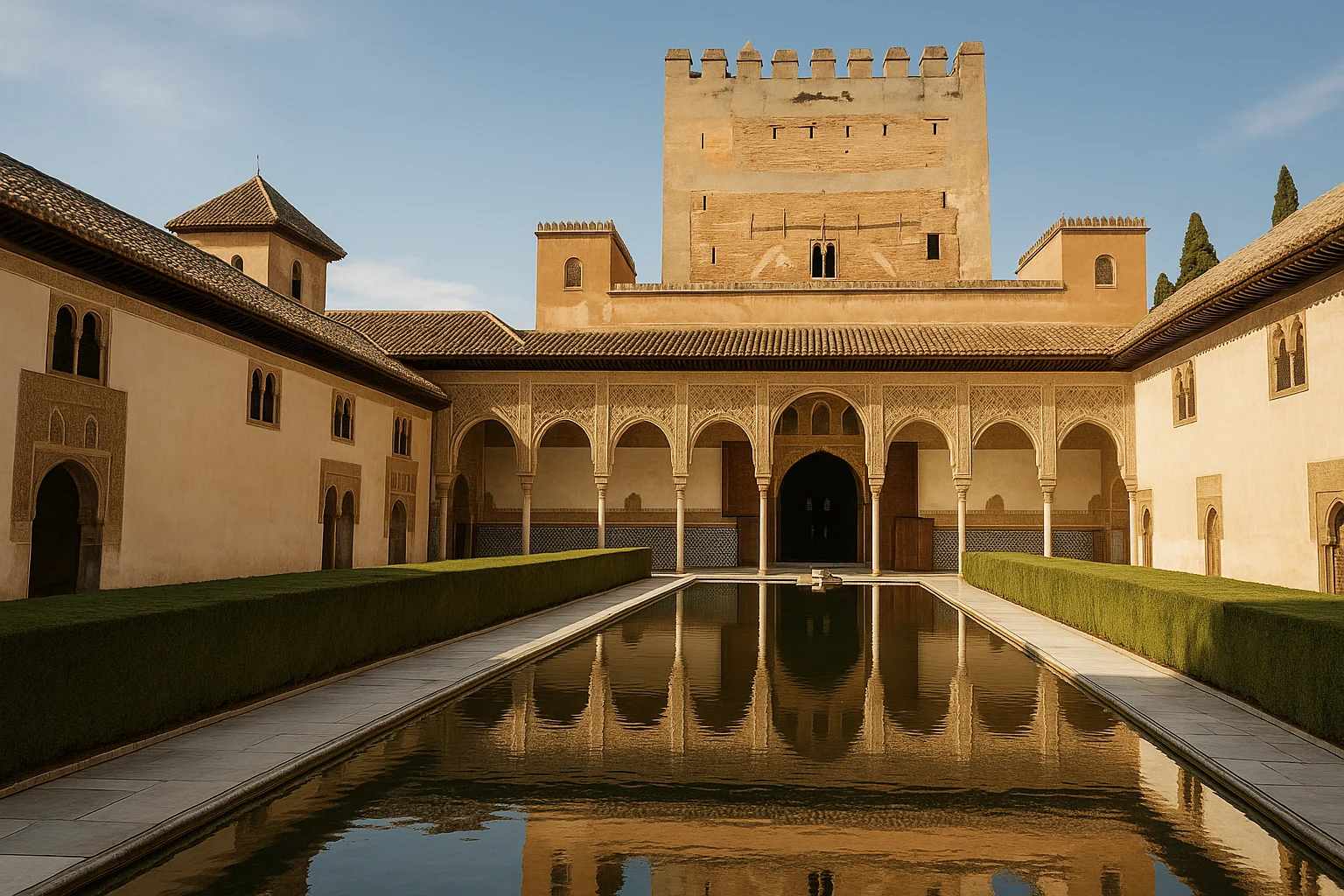
Key moments include the muqarnas ceiling in the Hall of the Abencerrajes - an eight-pointed star vault of staggering geometric complexity - and the Court of the Myrtles, where a long reflecting pool mirrors the Comares Tower facade. The Court of the Lions, with its famous fountain supported by twelve marble lions, represents the pinnacle of Nasrid spatial design. Pay attention to the Arabic inscriptions carved throughout; they include poetry, Quranic verses, and the dynasty’s motto (“There is no victor but God”) repeated across hundreds of surfaces.
Your entry time is fixed and non-negotiable. Build your entire day around this slot.
Alcazaba
The oldest section of the complex, dating to the 9th century and predating the Nasrid period by several hundred years. This is a military fortress, and the experience is fundamentally different from the palaces - rough stone walls, watchtowers, and defensive architecture. Climb the Torre de la Vela for panoramic views across Granada, the whitewashed Albaicin quarter, and the Sierra Nevada. Morning light is best here before haze accumulates in the valley.
Generalife Gardens
The summer palace and its terraced gardens sit on an adjacent hillside connected to the main complex by a walkway. The Patio de la Acequia, with its central water channel flanked by arching fountains and flower beds, is the signature space. The gardens provide a quieter, more contemplative register after the intensity of the Nasrid Palaces. Allow 30 to 45 minutes minimum.
Palace of Charles V
The circular Renaissance courtyard inserted into the complex by the Holy Roman Emperor is architecturally notable in its own right, even if its presence feels incongruous. It now houses the Alhambra Museum (free entry) and the Fine Arts Museum, both worth a pass-through if time allows.
Practical Visit Strategy
Timing and Tickets
Book Nasrid Palaces tickets as far in advance as possible through the official Patronato de la Alhambra website. During spring and autumn, tickets for popular time slots can sell out two to three months ahead. The first timed entry of the day (typically 8:30 AM) offers the lightest crowds and the best photography conditions. Late morning through early afternoon is consistently the most congested period year-round.
November through February brings cooler temperatures, thinner crowds, and softer light - a genuine advantage for visitors with schedule flexibility. Summer visitors should look for the evening Nasrid Palaces sessions offered on select nights; they are atmospheric and far less crowded, but availability is extremely limited.
Logistics
- Arrive at least 15 minutes before your Nasrid Palaces time slot. Late arrivals forfeit their entry with no refund.
- The complex covers a large hilltop with uneven terrain, stairs, and gravel paths. Wear sturdy, comfortable shoes.
- Bring water, especially in summer. Shade is limited outside palace interiors, and the walk between sections is exposed.
- Budget three to four hours for a thorough visit covering all major zones.
- A guided tour adds genuine value here. The decorative programs, historical layers, and architectural symbolism benefit significantly from expert interpretation.
Getting There
The complex sits on Sabika Hill above central Granada. You can walk uphill from Plaza Nueva (about 20 minutes on a steep, shaded path), take the C30/C32 minibus from the city center, or drive to the parking area near the main entrance. If arriving by car, parking fills early on busy days.
Route Pairing and Nearby Sites
The Alhambra anchors any serious Iberian heritage itinerary. Within Granada itself, the Albaicin quarter (a UNESCO site in its own right) and the Cathedral with its Royal Chapel - where Ferdinand and Isabella are buried - deserve a full additional day.
For a broader Andalusian route, connect the Alhambra to the Mezquita in Cordoba, one of the most important Islamic-era buildings in Europe, and to Seville’s Alcazar and Giralda tower for a comparative view of Moorish and Mudejar architecture across the region. Heading north, the intact Roman engineering at Segovia Aqueduct and the provincial Roman capital at Merida Roman Ruins add earlier chronological layers. For a Mediterranean-wide perspective on how imperial power shaped monumental construction, pair it with the Colosseum in Rome.
Final Take
The Alhambra demands more advance planning than almost any heritage site in Europe, and it repays that effort completely. Secure your Nasrid Palaces time slot early, arrive at opening, and give yourself enough hours to move through the complex at a pace that matches its detail. The architecture here was designed to slow you down - to make you notice the play of light through latticed windows, the sound of water in a stone channel, the way a courtyard frames the sky. Let it work. Done right, this is among the strongest single-site experiences on the continent.
Quick Facts
| Attribute | Details |
|---|---|
| Location | Granada, Andalusia, Spain |
| Country | Spain |
| Region | Andalusia |
| Civilization | Nasrid Dynasty (Moorish) |
| Historical Period | 13th-14th century CE |
| Established | 1238 CE |
| UNESCO Status | World Heritage Site (1984) |
| Coordinates | 37.1760, -3.5881 |
Frequently Asked Questions
How far in advance should I book Alhambra tickets?
At least two to three months ahead for peak season (March through October). Nasrid Palaces entry has strict timed slots that sell out quickly. Off-season visitors can sometimes book a few weeks ahead.
How long do you need at the Alhambra?
Budget 3 to 4 hours to see the Nasrid Palaces, Alcazaba, and Generalife gardens without rushing. Add time if you want to explore the Partal gardens or visit the museum.
Can you visit the Alhambra without a ticket for the Nasrid Palaces?
Yes. A general gardens-and-Alcazaba ticket provides access to most of the complex, but the Nasrid Palaces require a separate timed entry. Most visitors consider the palaces the main highlight.
Nearby Ancient Sites
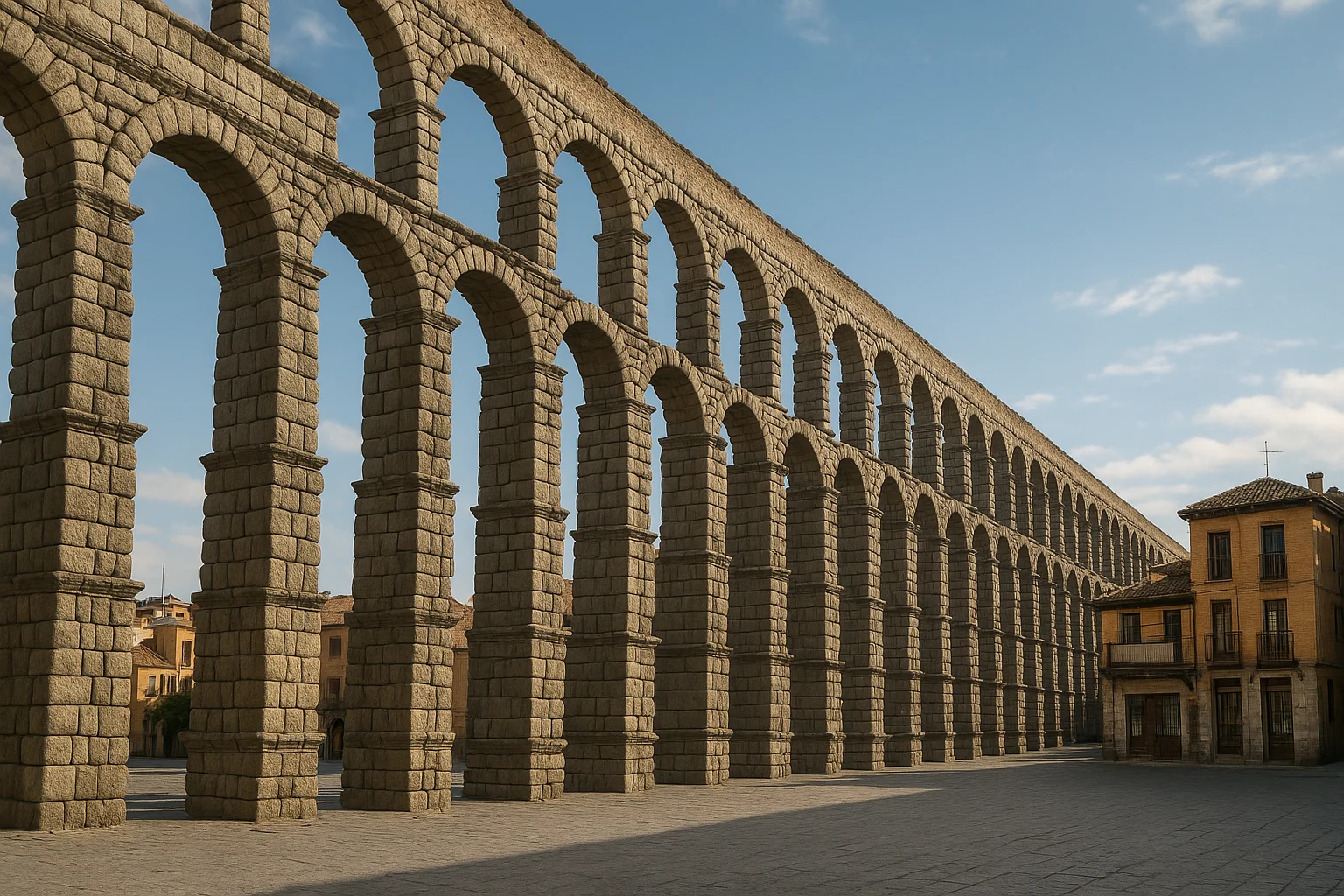
Segovia Aqueduct Travel Guide 2026: Roman Engineering, Routes, and Visit Tips
Roman EmpirePlan your visit to Segovia's Roman aqueduct with practical route advice, key viewpoints, and histori...
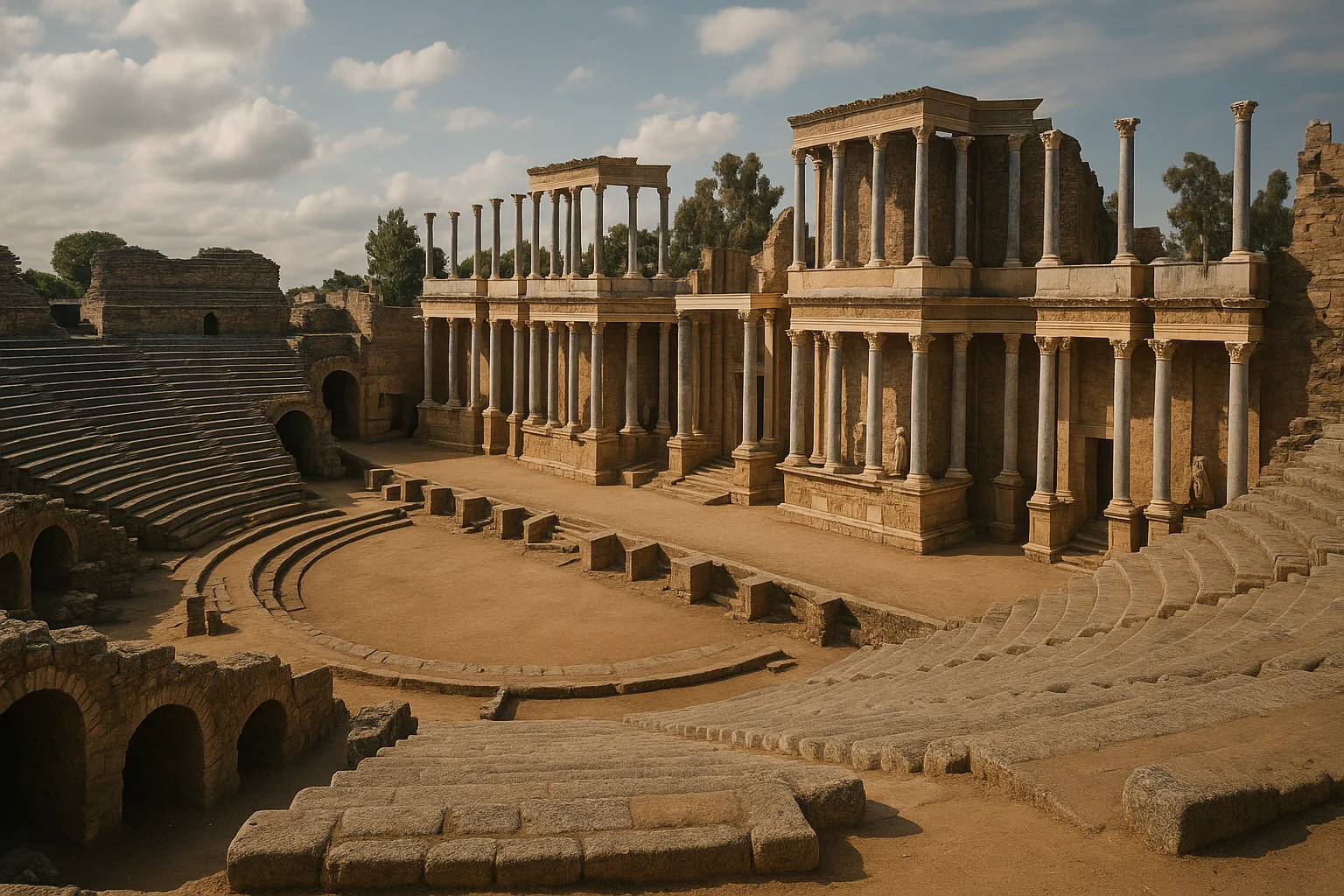
Mérida Roman Ruins Travel Guide 2026: Theatre, Amphitheatre, and Visit Strategy
Roman EmpirePlan your visit to Mérida's Roman archaeological ensemble with practical route advice, key highlight...
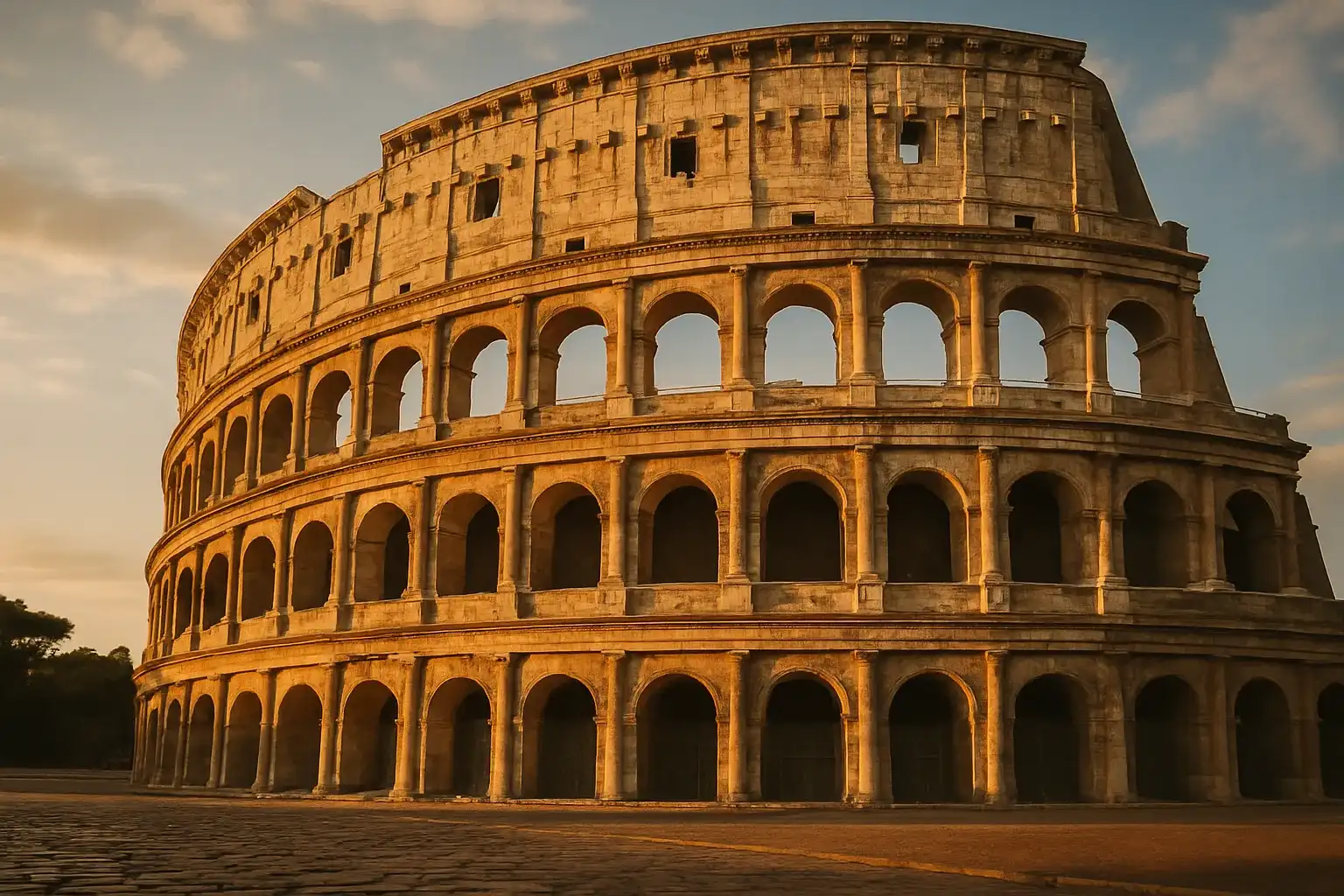
Colosseum Rome: Complete 2026 Guide to Arena Floor, Tickets, and Timing
Roman EmpirePlan the perfect Colosseum visit with timed-entry strategy, Arena Floor and underground access tips,...