Quick Info
Curated Experiences
Avebury and Stonehenge Prehistoric Sites Day Tour
Private Avebury Sacred Landscape Experience
Wiltshire Megaliths and Long Barrows Small Group Tour
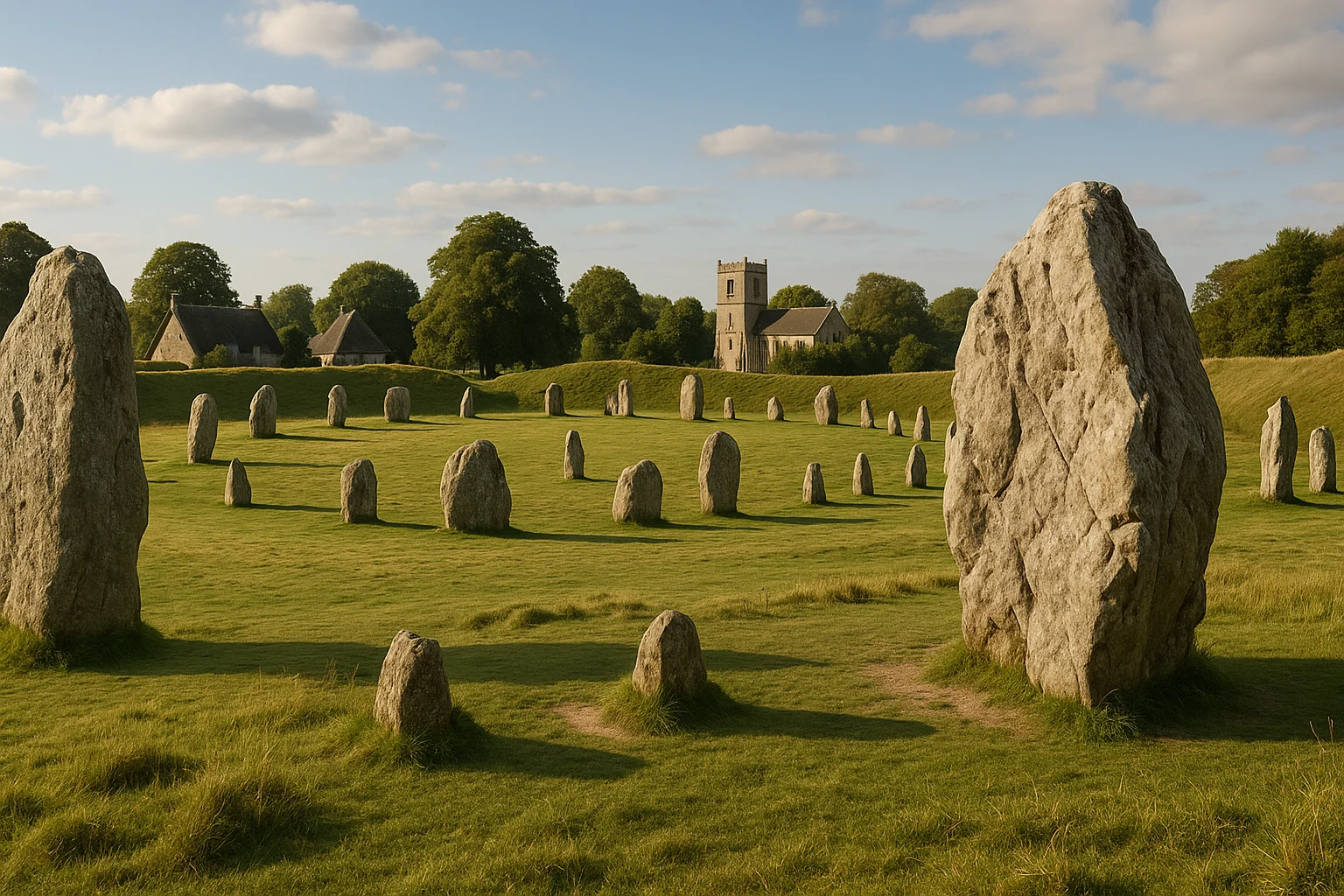
Avebury Stone Circle is one of the largest and most complex prehistoric monuments in Europe, and for many travelers it delivers a more visceral encounter with deep history than its famous neighbor to the south. Where Stonehenge is roped off and viewed from a perimeter path, Avebury lets you walk among megaliths that have stood for nearly five thousand years, threading between sarsen stones while village life carries on around you. That accessibility is not a compromise - it is the entire point of coming here.
Why Avebury Matters
Avebury is not a single monument. It is the ceremonial core of a ritual landscape that stretches across several square miles of the Wiltshire chalk downs, encompassing stone avenues, burial mounds, an artificial hill of staggering ambition, and earthworks that required generations of coordinated labor. UNESCO recognized this by inscribing Avebury and its associated sites as a World Heritage Site alongside Stonehenge in 1986, treating them as complementary halves of the same Neolithic story.
What sets Avebury apart is scale. The outer stone circle, roughly 330 meters in diameter, is the largest in Britain. The henge ditch that surrounds it was originally nine meters deep, carved into solid chalk with antler picks. Estimates suggest the entire complex required over 1.5 million hours of labor to construct. That investment of effort points to something far beyond a local gathering place - Avebury was a regional or even national center for ceremony, exchange, and social bonding during a period when farming communities were reshaping the British landscape.
Historical Context
Construction at Avebury began around 2850 BCE and continued in phases through roughly 2200 BCE, spanning the late Neolithic and overlapping with the early Bronze Age. The monument evolved over centuries. The massive outer henge and ditch came first, followed by the placement of the great sarsen stones - some weighing over 40 tonnes - dragged from the Marlborough Downs several miles to the east. Two smaller inner circles were erected within the larger ring, each with its own internal stone settings.
Two stone-lined avenues once connected the henge to other features in the landscape. The West Kennet Avenue, partially restored, ran southeast for about 2.4 kilometers toward a site called The Sanctuary on Overton Hill. A second avenue, the Beckhampton Avenue, extended to the southwest, though only fragments survive.
By the medieval period, local communities had begun toppling and burying stones, partly from practical land-clearing motives and partly from religious unease about pagan monuments. In the 1720s, antiquarian William Stukeley documented the circle in detail just as villagers were breaking up stones for building material. His drawings and notes remain essential references. Systematic excavation and restoration came in the 1930s under Alexander Keiller, a wealthy marmalade heir who purchased much of the site, re-erected fallen stones, and established the museum that still bears his name.
What to Prioritize Onsite
The Full Henge Circuit
Begin with the outer bank and ditch. Walking the full perimeter - roughly a mile - gives you the truest sense of the monument’s scale. The bank originally stood over five meters above the ditch floor, creating an enclosed arena effect that would have been dramatic when freshly cut into white chalk. Start from the National Trust car park entrance and work counterclockwise.
The Stone Sectors
The main circle is divided into four quadrants by modern roads. The southwest and northwest sectors retain the densest concentrations of standing stones. Look for the Swindon Stone, one of the largest surviving megaliths at roughly 65 tonnes, and the Barber Surgeon Stone, named after a medieval skeleton found buried beneath it - likely a man killed when the stone fell during a deliberate toppling.
The Alexander Keiller Museum
Budget 30 to 45 minutes here before or after your walk. The museum holds excavation finds, Stukeley’s original illustrations, and contextual displays that make the landscape legible. Without this background, the stones can feel like disconnected boulders rather than elements of a designed system.
West Kennet Avenue
If your legs and schedule allow, follow the avenue southeast from the henge. The paired stones lining the route were deliberately chosen in alternating shapes - tall pillars and broader diamond forms - which some researchers interpret as representing male and female principles. Even walking the first few hundred meters gives a sense of the processional experience.
Practical Visit Strategy
When to Go
Spring through early autumn offers the best conditions, with longer daylight and drier ground. Weekday mornings before 10:00 are noticeably quieter than weekends, when the village car park can fill by midday. Summer solstice draws crowds but also a distinctive atmosphere if you do not mind company.
Getting There
Avebury sits about six miles west of Marlborough on the A4361. From London, the drive takes roughly 90 minutes. The nearest train station is Swindon, 11 miles north, with bus connections. If combining with Stonehenge, note that the two sites are about 25 miles apart - manageable in a full day but not a quick hop.
What to Bring
Wear sturdy, waterproof walking shoes. The henge bank is grassy and uneven, and rain turns sections muddy quickly. Bring layers - the open downland catches wind even on mild days. Pack water and a snack; the village has a pub and a small National Trust cafe, but neither is large.
Time Budget
Allow a minimum of two hours for the henge circuit and museum. Three to four hours is more realistic if you walk the avenue or add a nearby site. A half-day gives you comfortable time for the full landscape experience without rushing.
Access and Cost
The stones and henge are free to access at all times - they sit on open land around a public village. The National Trust car park charges a fee (free for members). The Keiller Museum has a separate admission charge.
Route Pairing and Nearby Sites
Avebury anchors a cluster of Neolithic and Bronze Age sites that reward a full day of exploration. West Kennet Long Barrow, a 100-meter chambered tomb dating to around 3650 BCE, lies roughly a mile and a half south and is freely accessible. You can enter the stone-lined burial chambers - an experience that is rare and genuinely affecting.
Silbury Hill, the largest artificial mound in prehistoric Europe, stands between Avebury and West Kennet. You cannot climb it, but the roadside viewpoint conveys its scale, and interpretation panels explain what decades of investigation have (and have not) revealed about its purpose.
For a longer day, pair Avebury with Stonehenge to experience two fundamentally different approaches to monumental architecture and two very different visitor experiences - one open and informal, the other tightly managed and ticketed.
Further afield, travelers on a broader UK heritage circuit might connect Avebury with Hadrian’s Wall to the north or Sutton Hoo to the east, spanning thousands of years of British history across a multi-day route.
Final Take
Avebury rewards the traveler who walks, looks, and takes time. It does not offer the instant visual punch of Stonehenge’s trilithons against the sky, but it offers something Stonehenge cannot: direct, unhurried contact with stones that were old before the pyramids were built. Approach it as a landscape rather than a single monument, give yourself at least a half-day, and pair it with one or two nearby sites. The result is one of the most grounded and memorable archaeological experiences available anywhere in Britain.
Quick Facts
| Attribute | Details |
|---|---|
| Location | Marlborough, Wiltshire, United Kingdom |
| Country | United Kingdom |
| Region | Wiltshire |
| Civilization | Neolithic Britain |
| Historical Period | c. 2850–2200 BCE |
| Established | c. 2850 BCE |
| UNESCO Status | World Heritage Site (1986, with Stonehenge) |
| Outer Circle Diameter | ~330 meters (largest in Britain) |
| Admission | Stones and henge free; car park and museum fees apply |
| Coordinates | 51.4286, -1.8545 |
Frequently Asked Questions
Is Avebury worth visiting if I have already seen Stonehenge?
Yes. Avebury offers a very different experience because you can walk directly among many stones and explore a larger inhabited ceremonial landscape.
How long should I spend at Avebury?
Most visitors spend 2 to 4 hours for the main circle walk, village interpretation points, and one nearby site such as West Kennet Long Barrow.
Do you need tickets for Avebury Stone Circle?
The stone circle landscape itself is generally open access, but museums, parking, and specific facilities may have fees or timed hours.
Nearby Ancient Sites
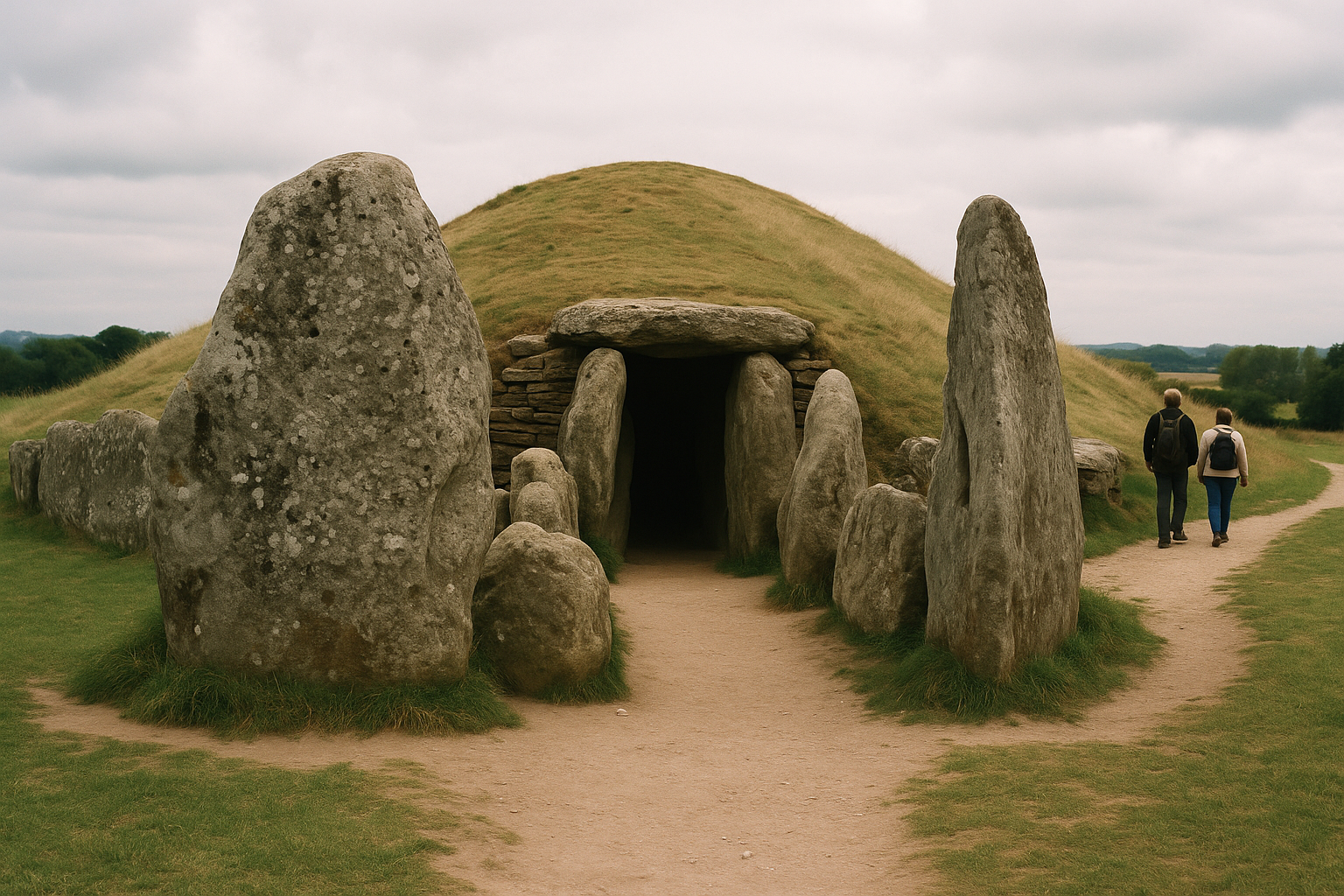
West Kennet Long Barrow Travel Guide 2026: Neolithic Tomb Access, Context, and Wiltshire Itinerary Tips
Neolithic BritainPlan your West Kennet Long Barrow visit with practical walking advice, chamber access expectations, ...
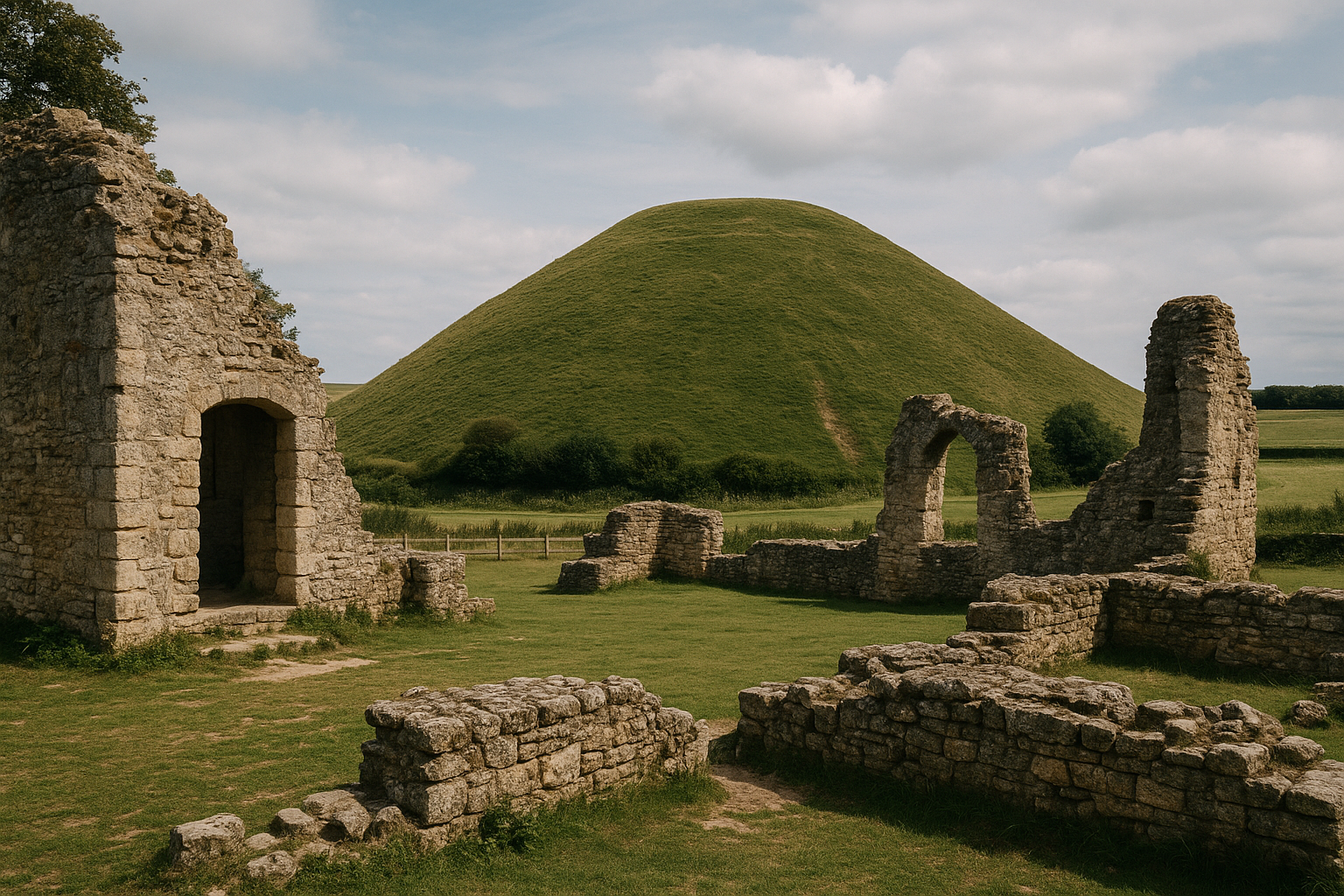
Silbury Hill Travel Guide 2026: Visiting Wiltshire’s Largest Prehistoric Mound
Neolithic BritainPlan a smart stop at Silbury Hill with practical access notes, archaeology context, and easy itinera...
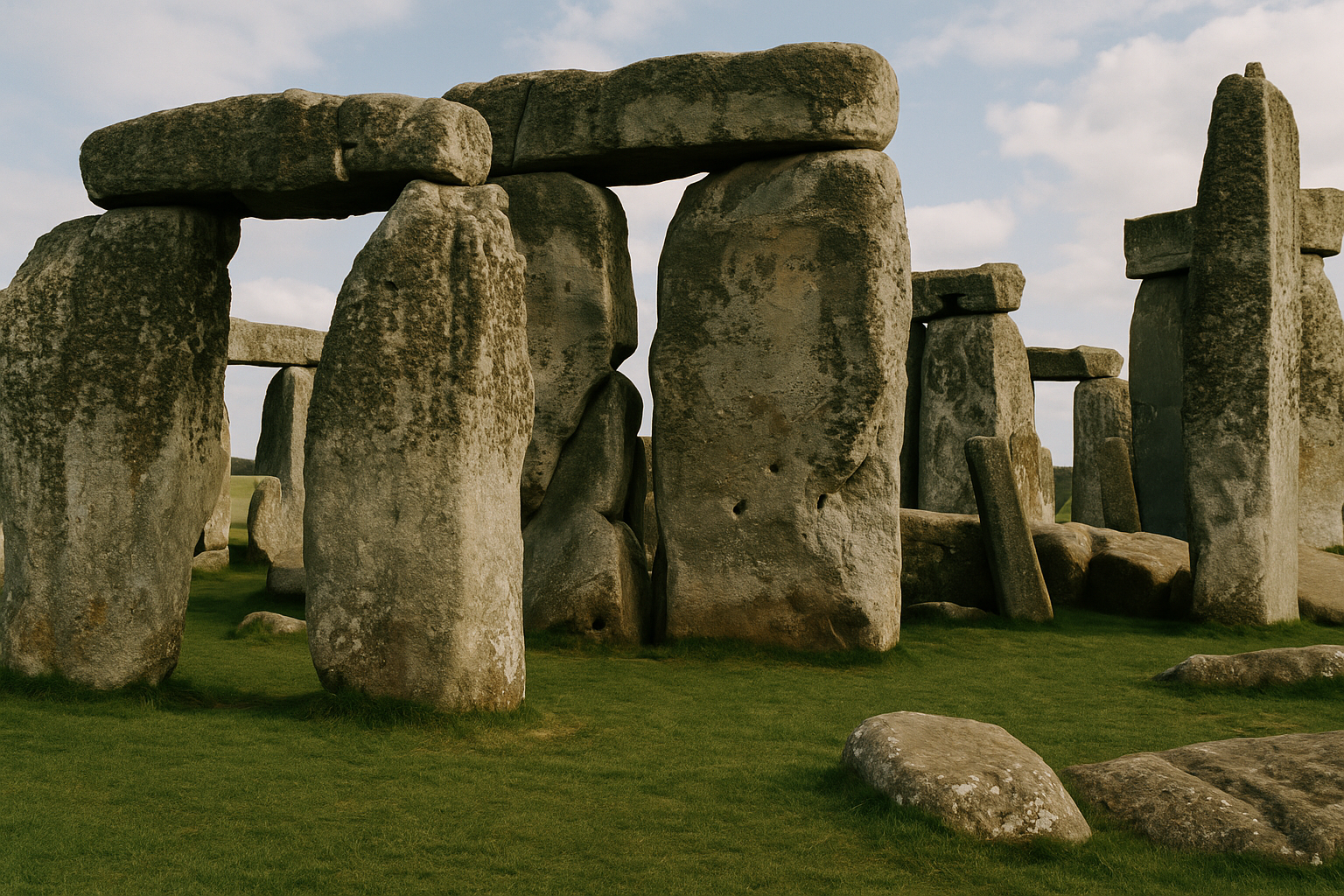
Stonehenge Travel Guide 2026: Solstice History, Tickets, and Day-Trip Planning
Neolithic and Bronze Age BritainPlan a smooth visit to Stonehenge with practical ticket timing, transport options from London and Ba...