Quick Info
Curated Experiences
Bydgoszcz: Private Day Tour to Biskupin Archaeological Reserve
Poznań: Ancient Poland Tour with Biskupin and Gniezno
Kuyavian Heritage Tour Including Biskupin
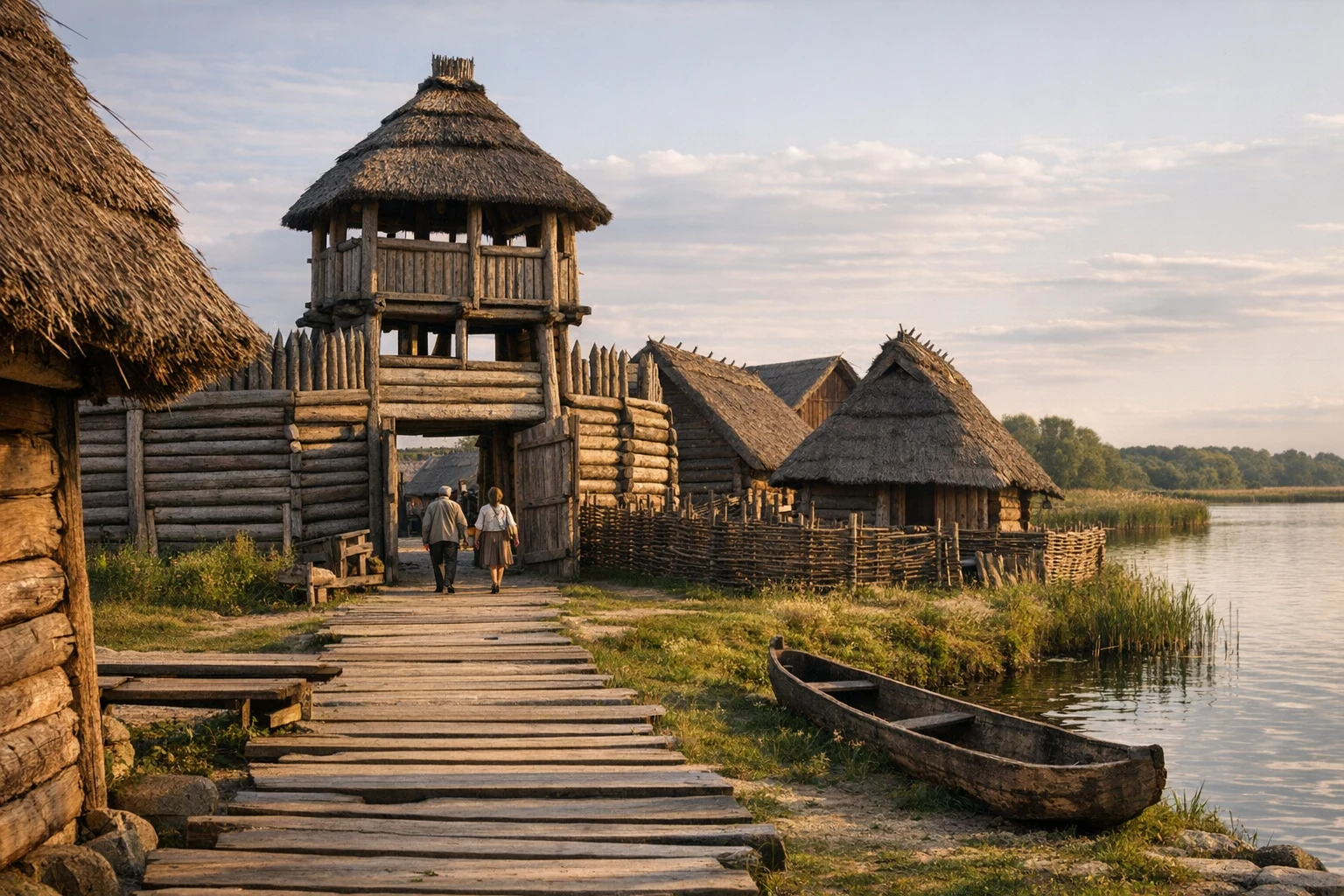
Nestled on a peninsula jutting into Lake Biskupin in north-central Poland, Biskupin is a site where ancient history comes alive against a backdrop of tranquil waters and whispering reeds. Located in the Kuyavian-Pomeranian Voivodeship, about halfway between Poznań and Bydgoszcz, Biskupin stands as one of the most important and best-preserved prehistoric settlements in Central Europe. When visitors step onto its winding wooden pathways, bordered by reconstructed log homes and defensive palisades, they are immediately transported back more than 2,700 years—to the dawn of the Iron Age, when Europe’s ancient communities first began to build with purpose, defense, and communal spirit in mind.
The atmospheric landscape of Biskupin, with its mix of woodland, lakeshore, and open fields, hints at why people chose this spot for their ancient fortifications. Today, the site serves as both an advanced archaeological reserve and an engaging open-air museum, bringing together rigorous science, dynamic reconstructions, and immersive living-history experiences. It is not just an archaeological site, but a living record—a place where the rhythms of Iron Age life are revealed through careful excavation, interpretation, and lively reenactments. For historians, archaeologists, schoolchildren, and curious travelers alike, Biskupin offers a rare opportunity to experience first-hand the ingenuity and resilience of prehistoric communities that laid the cornerstone for Poland’s deep heritage. Whether you’re drawn by the thrill of discovery or the serenity of its surroundings, Biskupin is an essential destination for anyone fascinated by Europe’s ancient past.
History
Prehistory and Early Settlement (circa 740–500 BCE)
Biskupin’s importance stems chiefly from its origins in the twilight centuries of the Bronze Age and dawn of the Iron Age, around 740 BCE. Archaeological evidence suggests that the settlement emerged during a period of significant social and technological transformation in Central Europe. The people who built Biskupin were part of what archaeologists call the Lusatian culture—a broad amalgamation of societies across what is now Poland, western Ukraine, eastern Germany, and the Czech Republic.
The site was strategically placed on a promontory originally surrounded by wetlands and shallow water, providing natural defense. Archaeologists believe a wooden causeway once linked the settlement to the mainland, allowing its inhabitants to monitor and control access. The decision to fortify Biskupin reflects broader patterns emerging across Europe during the Iron Age, as communities sought to protect themselves against raids and shifting tribal alliances.
Fortification and Community Life (circa 720–500 BCE)
Excavations have revealed that Biskupin was encircled by a massive oak-and-pine palisade, crafted from over 6,000 trees. Behind these defensive walls, the inhabitants constructed about 100 tightly-packed longhouses, arranged in neat, parallel rows separated by wooden streets. The houses themselves, built of timber and insulated with clay, were spacious enough for extended families. Each contained central hearths used for cooking and heating—a vital adaptation to the Polish climate.
Daily life in Biskupin would have been communal and the society well-organized. The inhabitants were skilled farmers, craftspeople, and traders. Tools and ornaments of bronze and iron have been uncovered, as well as woven textiles, wooden objects, and pottery—all indicating a settled, sophisticated community that cultivated cereals, raised livestock, and engaged in trade with neighboring cultures.
Discovery and Archaeological Significance (1930s Onwards)
Though legend had long associated the area with ancient settlement, it was not until the 1930s—during one of Poland’s driest summers—that Biskupin’s significance was brought to light. School children found strange timber remains along the lakeshore, prompting local teacher Walenty Szwajcer to investigate. The major archaeological campaign that followed, led by Professor Józef Kostrzewski from Poznań University, quickly revealed the extent and preservation of the site. What set Biskupin apart was not just its age, but the phenomenal state of preservation: peat and waterlogged conditions had protected vast amounts of organic material, including the original timber structures.
The excavations at Biskupin captured the Polish public imagination, coming to symbolize the country’s deep-rooted Slavic heritage. Over the years, more than three quarters of the settlement were painstakingly uncovered, recorded, and preserved. Biskupin played a key role in advancing archaeological methodology and conservation science in Eastern Europe, fortifying its reputation as the “Polish Pompeii.”
Modern Legacy and Open-Air Museum
Today, Biskupin is celebrated worldwide as a model of heritage presentation and archaeological research. Since the mid-20th century, the site has been gradually reconstructed, guided by the latest scientific findings. The Archaeological Museum at Biskupin operates one of Europe’s premier open-air displays, bringing together original artifacts, full-scale reconstructions of homes and fortifications, and seasonal living history events. It is inscribed as a Historic Monument of Poland and stands as a testament to the endurance and adaptability of Central European societies across countless generations.
Key Features
Walking through Biskupin is to stroll through the pages of ancient history brought vividly to life. The site’s most iconic feature is the reconstructed fortified settlement—a meticulous re-creation based on exhaustive archaeological studies. Visitors can cross over the reconstructed wooden causeway that leads straight to the massive defensive ramparts, crafted from interlocked logs and soaring several meters high. The palisade and fortifications not only impress visitors with their size and craftsmanship but also offer a palpable sense of security and separation from the outside world—just as they did for the first inhabitants almost three millennia ago.
Inside the settlement, rows of long, wooden houses line straight, orderly streets. Each house is furnished to reflect Iron Age domestic life: low wooden beds covered in animal pelts, clay ovens, storage jars filled with grains, and simple wooden tools. The dwellings are arranged to maximize space and communal interaction, sharing walls to conserve building materials and to retain warmth during harsh Polish winters. Seasonal interpretations and living history actors throw open shutters, simmer grain porridge over open fires, and lead visitors through hands-on demos from spinning and weaving to copper- and bronze-smithing.
The Archaeological Museum’s extensive indoor exhibitions add further depth, presenting original artifacts excavated from the site—pottery fragments with intricate patterns, bronze axes and knives, spindle whorls, and personal ornaments. Artifacts are presented in context: interpretative panels and multimedia installations explain not just the objects themselves, but the broader worlds of trade, conflict, and cultural exchange that defined the Lusatian culture. Detailed archaeological reconstructions highlight every step of the process, from timber felling and construction techniques to restoration and conservation efforts in the present day.
In the open-air museum, visitors can also explore reconstructed sections of defensive embankments, watchtowers, and even a small port area where ancient-style dugout canoes are displayed. The lake setting breathes life into the site—fishing nets dry in the sun, and migratory birds wheel overhead. Walking trails wind beyond the settlement, following interpretive signage through the local flora and around the peninsula, allowing visitors to reflect on the landscape’s enduring appeal and its impact on settlement strategy.
Special events, such as the annual Biskupin Archaeological Festival, transform the site into a vibrant, bustling hub, with hundreds of reenactors in full costume, historic market stalls, battle demonstrations, and interactive workshops. This is when Biskupin truly returns to the rhythms of its ancient past, echoing with the clatter of tools, laughter, and ancient music—a uniquely immersive way to experience the flavor of Iron Age life.
Getting There
Reaching Biskupin is a straightforward and rewarding journey from several of Poland’s major cities. The settlement is situated approximately 90 kilometers northeast of Poznań and about 45 kilometers southwest of Bydgoszcz, making it accessible by car, train, or organized tour.
Traveling by car is perhaps the most convenient option, especially for those wishing to explore the Kuyavian countryside at their own pace. From Poznań, take the S5 expressway heading north toward Żnin, then follow local signage to Biskupin. The journey can be completed in roughly 90 minutes. From Bydgoszcz, expect a drive of around 1 hour via DK5 and local roads. Ample parking is available near the museum entrance, with parking fees typically ranging from 10–20 PLN per day (about €2–4 or $2.50–5 USD).
For those relying on public transport, regional trains run regularly from both Poznań and Bydgoszcz to Żnin, the nearest town. The historic narrow-gauge Żnińska Kolej Powiatowa (Żnin District Railway) operates seasonal steam and diesel trains from Żnin directly to Biskupin, recreating a charming, old-world travel experience. One-way tickets on the narrow-gauge railway cost around 15–20 PLN (€3–4 or $3.50–5 USD), with discounts for children and families.
Guided day tours—departing from Poznań, Bydgoszcz, and occasionally Warsaw—are increasingly popular, bundling admission, transport, and expert interpretations of the site. Tour prices range from 200–350 PLN (€45–75 or $50–85 USD) per person, depending on the package and departure city. Some tours also combine a visit to nearby Gniezno, Poland’s first capital—a perfect extension for history enthusiasts.
Biskupin also makes for an engaging stop on regional cycling routes, with quiet country roads threading through lakes, meadows, and picturesque farming villages. Bike rentals are available in Żnin and Gąsawa, both of which are within an easy ride of the archaeological site.
When to Visit
The best time to experience Biskupin depends largely on your travel style and tolerance for crowds. The site is open year-round, but its offerings, climate, and visitor numbers vary markedly with the seasons.
Spring (April–May) brings mild weather, lush green scenery, and blossoming wildflowers around the lake and settlement. With fewer tourists compared to the summer peak, spring trips offer a quieter, more contemplative atmosphere, ideal for families and travelers seeking photographs or reflective walks without the bustle. Museum staff begin rolling out more frequent live demonstrations and outdoor workshops as the days lengthen and temperatures rise.
Summer (June–August) is the busiest season, when Biskupin comes alive with school groups, families, and international tourists. The open-air museum is at its lively best, with extensive programming, daily living history shows, and the annual Biskupin Archaeological Festival, typically held in September. It’s wise to book accommodations and tours in advance, especially during weekends and event periods. Expect temperatures in the low to mid-20s Celsius (68–77°F), with the occasional heatwave or rain shower.
Autumn (September–October) is arguably the most atmospheric time to visit. Crisp air and changing foliage lend the lakeshore and settlement a golden-hued tranquility. The museum’s calendar is still full through early autumn, with fewer crowds but ample hands-on activities and special harvest-themed events.
Winter (November–March) welcomes the fewest visitors, and only core segments of the museum remain open. While weather can be chilly and damp, this is an evocative time to see Biskupin in its starkest form, and the museum’s indoor exhibitions allow you to explore the archaeological discoveries in depth.
Regardless of season, dressing in layers and sturdy footwear is recommended, as site paths can be uneven and weather unpredictable. Plan ahead for opening hours and event schedules, particularly in winter months, to ensure a smooth visit.
| Quick Facts | Details |
|---|---|
| Location | Biskupin, Kuyavian-Pomeranian Voivodeship, Poland |
| Coordinates | 52.8011° N, 17.7435° E |
| Site Type | Iron Age fortified settlement; open-air archaeological museum |
| Founded | circa 740–500 BCE |
| Main Culture | Lusatian culture |
| Key Features | Reconstructed wooden fort, houses, museum, annual festival |
| Opening Hours | Daily, typically 9:00 AM–6:00 PM (shorter in winter) |
| Admission Fees | 15–25 PLN (discounts for children, students, groups) |
| Language | Polish (English/German guides available, signage in English) |
| Nearest Cities | Żnin (8 km), Bydgoszcz (45 km), Poznań (90 km) |
| Recommended Visit Time | 2–4 hours |
| Family Friendly | Yes |
| Accessibility | Main paths accessible, some uneven terrain |
| Facilities | Restrooms, cafeteria, shop, picnic areas |
| Special Events | Biskupin Archaeological Festival (September) |
In conclusion, Biskupin is more than a mere relic of the past—it is a vibrant, faithfully reimagined settlement that bridges the gap between ancient and modern Poland. Its evocative wooden streets, immersive programming, and picturesque lakeside setting make it one of Europe’s premier destinations for anyone with an interest in archaeology, history, or the roots of European civilization. Whether you visit during the hubbub of festivals or amid the quiet peace of changing seasons, Biskupin offers inspiration, education, and an unforgettable journey into Iron Age life.
Frequently Asked Questions
What is Biskupin best known for?
Biskupin is renowned as one of Europe’s best-preserved Iron Age fortified settlements, providing unique insights into prehistoric life and architecture.
What are Biskupin’s opening hours?
The Biskupin Archaeological Museum is typically open daily from 9:00 AM to 6:00 PM in summer, and shorter hours in winter. Check their official website for updates.
Is Biskupin suitable for children and school groups?
Yes, Biskupin is family-friendly and offers educational workshops and interactive programs for children and school groups.
How much time should I plan for a visit to Biskupin?
Plan at least 2–3 hours to explore the reconstructed settlement, museum exhibitions, and walking trails—more if you join guided tours or special events.
Are there facilities such as cafes or restrooms at Biskupin?
Yes, the site includes restrooms, a museum shop, and a cafeteria. There are also picnic areas and seasonal food stalls during festivals.
Nearby Ancient Sites
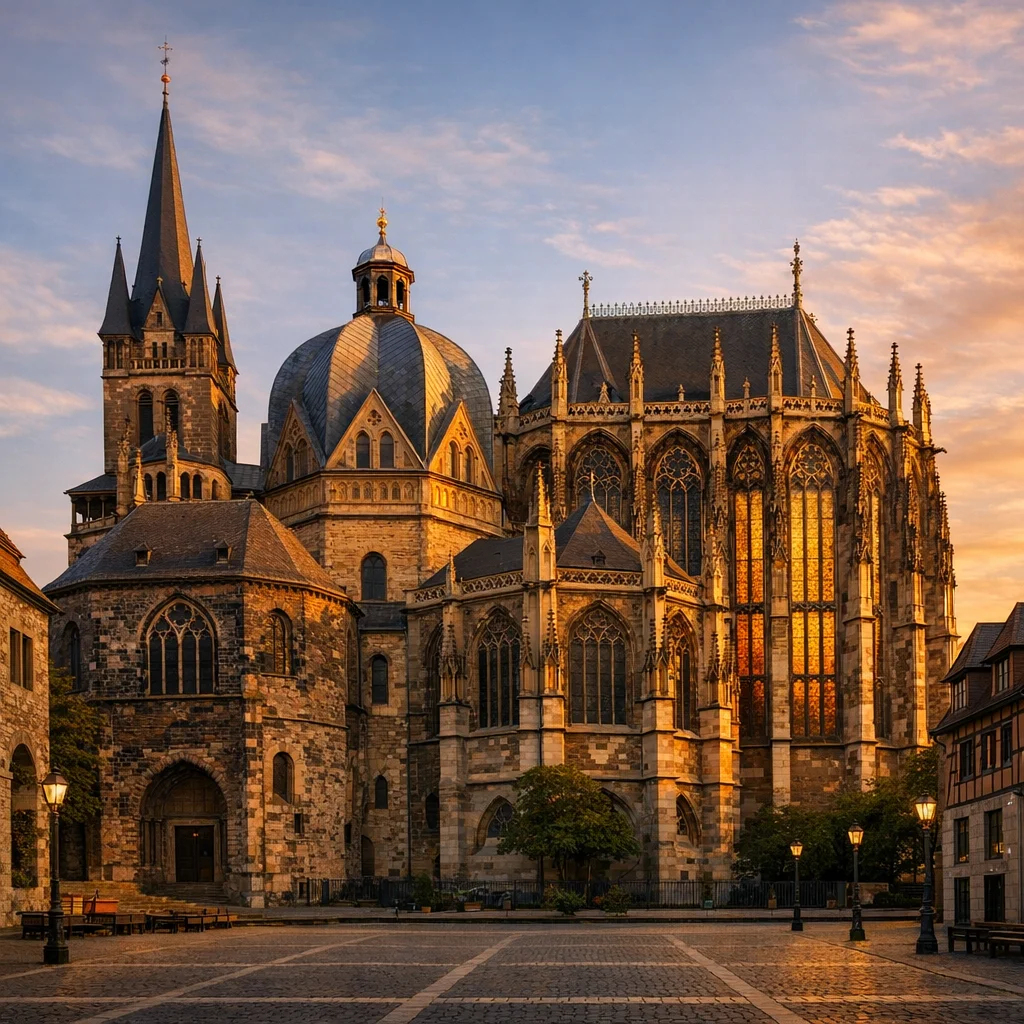
Aachen Cathedral
Carolingian, Holy Roman EmpireVisit Aachen Cathedral, Charlemagne's eighth-century palatine chapel and the first UNESCO World Heri...
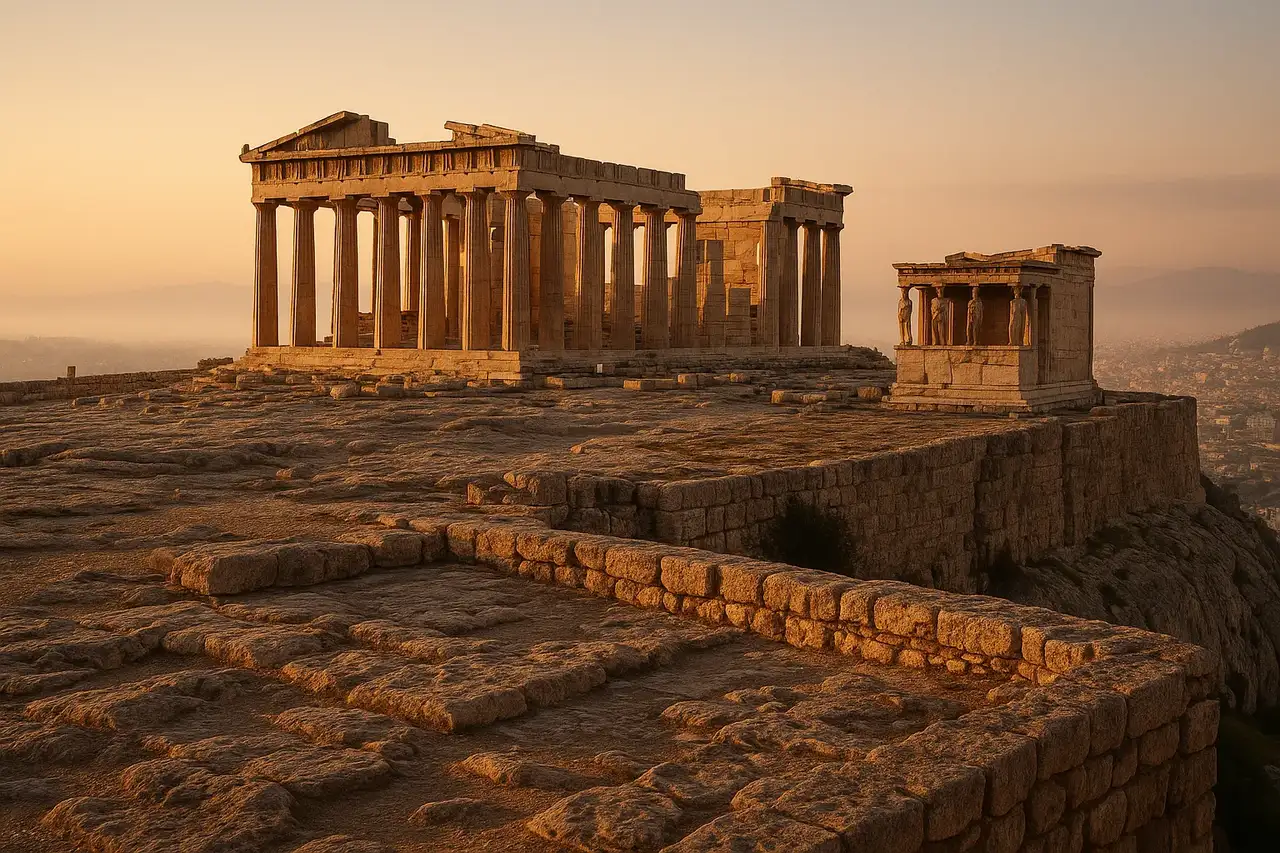
Acropolis Travel Guide 2026: Parthenon, Tickets, and Best Time
Ancient GreecePlan an efficient Acropolis visit with practical ticket timing, key monuments, and museum pairing ti...
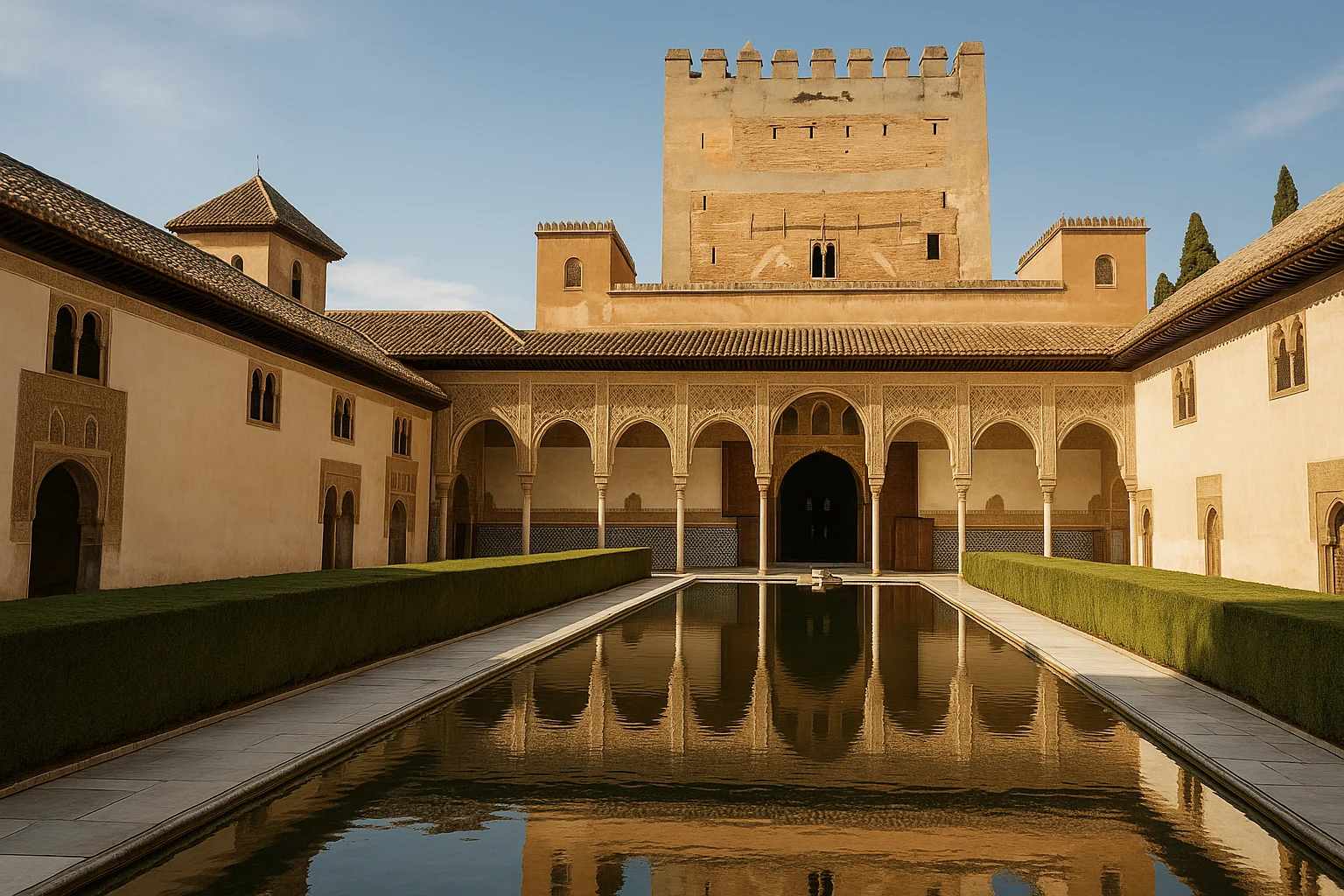
Alhambra Travel Guide 2026: Nasrid Palaces, Tickets, and Visit Strategy
Nasrid Dynasty (Moorish)Plan a well-timed visit to Granada's Alhambra with practical ticket advice, must-see highlights, and...