Quick Info
Curated Experiences
Blarney Castle and Cork City Day Tour
Shore Excursion: Blarney Castle and Kinsale
Private Cork and Blarney Castle Heritage Tour
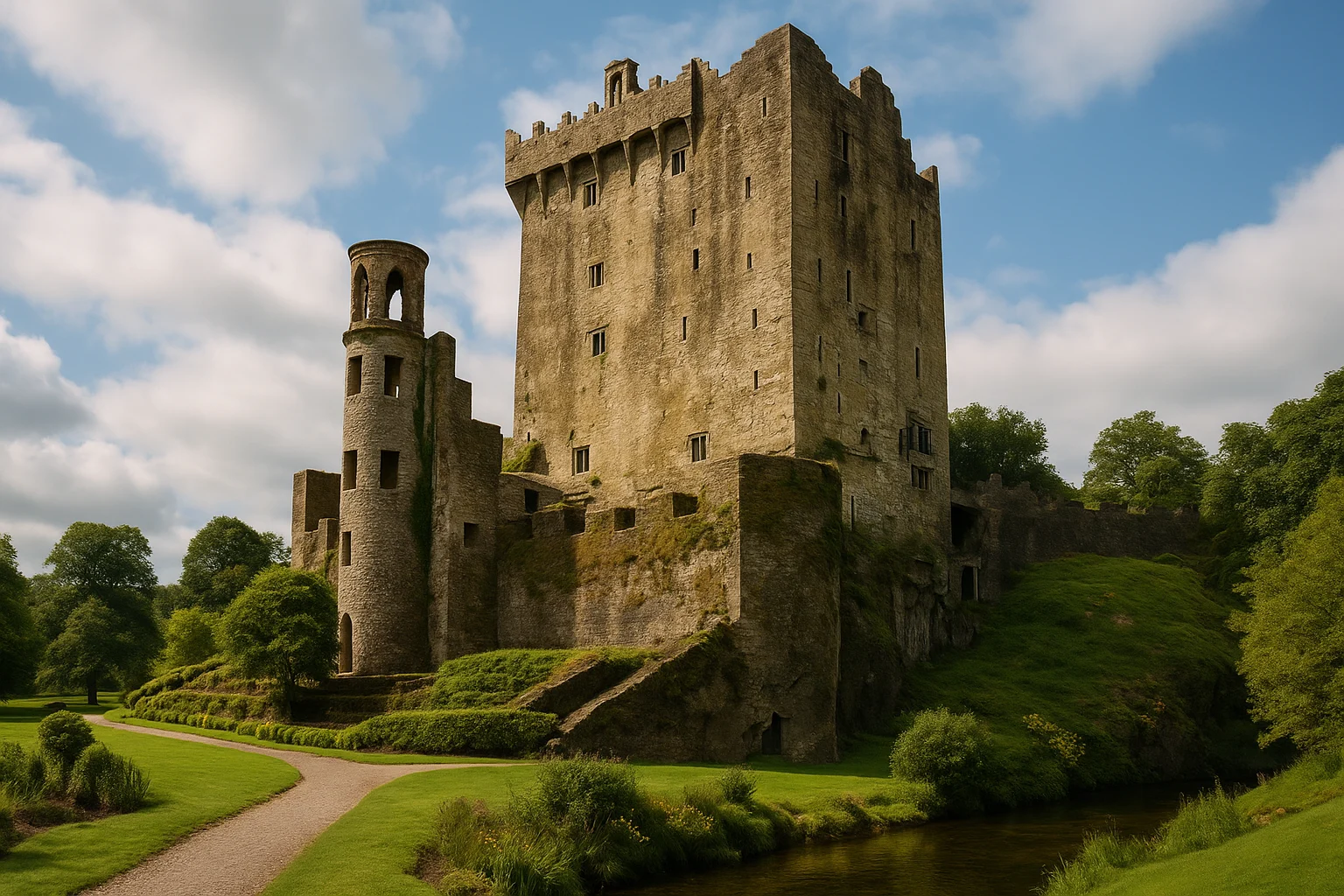
The first thing you notice at Blarney Castle is not the Stone. It is the keep itself, rising dark and angular above a canopy of old-growth trees, its battlements slick with centuries of Irish rain. The tower house commands the landscape the way its builders intended — not as a fortress braced for siege, but as a permanent declaration by the MacCarthy lords that they belonged here and meant to stay.
Most visitors arrive with one goal: kiss the Blarney Stone and leave. That is a mistake. The estate surrounding the keep holds one of Ireland’s most interesting garden landscapes, threading through poison plants, ancient yew groves, and limestone grottos. Give Blarney three hours instead of one, and you leave with a visit worth remembering rather than just a photo of yourself hanging backward off a parapet.
The approach from the car park already hints at the depth hidden here. The path winds through mature woodland before the castle appears above the tree line, and the grounds unfold in every direction with paths that most day-trippers never find. This is a site that rewards anyone willing to slow down.
Historical Context
The MacCarthy dynasty, Lords of Muskerry, built the current tower house around 1446 during a period when Gaelic chieftains across Munster were consolidating power through stone architecture as much as through alliances and cattle raids. An earlier fortress occupied the site — possibly a timber structure, possibly an earlier stone castle destroyed by Cromwellian forces — but the 15th-century keep is what survives, and it survives remarkably well. The walls are roughly eighteen feet thick at the base, and the internal layout reflects the dual-use logic of a late medieval Irish tower house: defensive strength on the lower floors, domestic comfort on the upper levels, and political theater on the battlements.
The Blarney Stone legend is later, murkier, and more entertaining than any single origin story can contain. One popular account claims that Cormac Laidir MacCarthy installed the stone after receiving it as a gift from Robert the Bruce of Scotland; another ties it to a biblical relic. What is certain is that the association between the stone and the “gift of eloquence” grew through the Tudor period, when Cormac Teige MacCarthy’s endless capacity to delay and deflect Elizabeth I’s demands reportedly prompted the queen to dismiss his promises as “blarney.” Whatever the true etymology, the legend stuck, and by the 18th century the stone was famous enough to draw travelers from across Europe.
The estate passed through several hands after the MacCarthys. Sir James St. John Jefferyes purchased it in 1688, and the Jefferyes and Colthurst families developed the surrounding grounds over the next two centuries, transforming a medieval lordship into a Georgian and Victorian pleasure landscape. The Walled Garden, Rock Close, and Fern Garden all date to this era of estate improvement, layering horticultural ambition over an older military footprint. The castle has been open to visitors since the 19th century, making it one of the longest continuously operating heritage attractions in Ireland.
Today, Blarney Castle and Gardens is privately owned and operated, with the keep, grounds, and adjacent Blarney House forming a single ticketed estate. The combination of medieval tower house and landscaped parkland is what gives the site its unusual character — a fortress that became a pleasure garden without losing its original bones.
The Colthurst family, who still own the estate, opened Blarney House (a Scottish baronial-style mansion built in 1874) to visitors in recent years, adding a Victorian domestic layer to a visit that already spans medieval military architecture and 18th-century landscape design. The house is worth a walk-through if you have the time, though it operates on a separate schedule from the castle and gardens.
What to See
The Keep and Battlements
Climb the tower first, before the stairwell crowds build. The interior spiral staircase is narrow, worn smooth by centuries of footfall, and traffic slows sharply after about 10:30 AM in summer. The climb rewards patience: each floor reveals how the building functioned as a residence, with murder holes, garderobes, and window alcoves visible along the ascent. From the upper battlements you get the clearest read on how the castle commanded sightlines across the Martin River valley. The defensive logic of the site clicks into place from up there, and on clear days the views extend across the Cork countryside toward the Boggeragh Mountains.
The Blarney Stone
If kissing the Stone matters to you, do it on your first pass through the battlements. The ritual involves lying on your back and leaning out over a gap in the parapet wall while a staff member steadies you — it is safe but vertigo-inducing. Queue times balloon after mid-morning in peak season, and the wait is entirely exposed to weather. An early start can save you 30 to 45 minutes of standing in line. The stone itself is set into the battlements near the top of the keep, and the experience takes only a few seconds once you reach the front.
Rock Close and the Ancient Yew Trees
This is where most visitors shortchange themselves. Rock Close is a garden path threaded through limestone formations, ancient yew trees, and features given druidic names during the 18th-century Romantic era. The Witch’s Kitchen, the Wishing Steps, and the Druid’s Circle are atmospheric rather than archaeologically authenticated, but the yew grove itself is genuinely old and the landscape feels distinctly different from the manicured gardens elsewhere on the estate. Allow at least 30 minutes for the full loop.
The Poison Garden
A walled enclosure near the castle entrance features dozens of labeled toxic and psychoactive plant species, from wolfsbane and deadly nightshade to opium poppies. The presentation is educational rather than sensational, and it offers an unexpected botanical dimension that kids and adults both find genuinely engaging. It takes about 15 minutes to walk through.
The Fern Garden and Lake Walk
The estate’s lower grounds hold a fern garden set along a stream, plus walking paths around the small lake. These areas are peaceful, lightly visited even in high season, and provide the kind of estate-landscape experience that most Irish castle grounds simply cannot match. If you have time after the keep and Rock Close, this is where to spend it.
Timing and Seasons
The best months to visit Blarney Castle are April through June and September through October. During these shoulder periods, gardens are at their peak color, temperatures hover around 50-60°F (10-16°C), and crowds are manageable enough that the Stone queue rarely exceeds 20 minutes before noon. Summer (July and August) brings the heaviest traffic, with temperatures in the 60-68°F (16-20°C) range and Stone queue waits that can stretch past an hour by late morning.
Winter visits (November through March) are viable — the grounds are open year-round, and the skeletal trees give the Rock Close a brooding character that some visitors prefer. However, hours are shorter (typically opening at 9:30 AM and closing by 5:00 PM or earlier), some garden paths may be closed for maintenance, and the keep stairwell can feel particularly cold and damp. Temperatures in winter sit around 40-48°F (4-9°C). December brings a Christmas market and special evening events that draw local crowds but add a festive dimension if the timing works.
Regardless of season, the single most effective strategy is to arrive within 15 minutes of opening. The first visitors through the keep have the battlements nearly to themselves, and the Stone queue is minimal. By 11 AM on any summer day, the dynamic changes entirely.
Tickets, Logistics, and Getting There
Adult admission is approximately $20 (EUR 18) with slight seasonal variation. Children ages 8-16 pay around $10 (EUR 8), and family tickets are available. Tickets can be purchased online in advance through the official Blarney Castle website, which is strongly recommended during peak season. The site opens at 9:00 AM in summer and 9:30 AM in winter, with last admission typically 30 to 45 minutes before closing.
From Cork city center, Blarney is about 8 kilometers northwest. Bus Eireann route 215 runs regularly from Cork Bus Station to Blarney village, taking roughly 30 minutes. The walk from Blarney village to the castle entrance is about 10 minutes. Taxis from Cork cost approximately $20-25 each way. If driving, the estate has a large car park with a modest parking fee. Organized day tours from Cork typically include transport, admission, and a guided overview, starting around $62 per person.
Practical Tips
- Wear shoes with solid grip. The tower stairs are smooth stone, and the garden paths stay damp even in dry weather. Heels, flip-flops, and smooth-soled shoes are genuinely risky on the spiral staircase.
- Keep hands free for the climb. A small daypack beats a shoulder bag on the narrow stairs, and you will want both hands on the stone walls for balance.
- If coming from Cork by bus, confirm your return schedule before entering the grounds. Missing the last connection means an expensive taxi.
- Budget real time for the gardens. Most visitors allocate leftover minutes after the keep, which is backward. The gardens are the better half of the visit.
- Bring a rain jacket regardless of the forecast. Cork weather changes fast, and the grounds are large enough that you can be caught far from shelter.
- The on-site cafe near the entrance serves decent light meals and coffee. Blarney village has a few additional pub and restaurant options within walking distance.
Suggested Itinerary
Start at the castle keep as soon as the site opens. Climb directly to the battlements and kiss the Stone with minimal queue time (15 to 20 minutes). Spend another 15 minutes on the battlements taking in the valley views, then descend through the interior rooms. Total keep time: roughly 45 minutes to 1 hour.
Walk directly to Rock Close and the yew grove. Take the full loop path, including the Wishing Steps and the Witch’s Kitchen. This adds 30 to 40 minutes. Continue to the Poison Garden (15 minutes), then follow the lower paths to the Fern Garden and lakeside walk (20 to 30 minutes).
If you have time remaining, circle back through the Walled Garden near Blarney House, where seasonal plantings and glasshouse structures offer a quieter horticultural experience. Check whether Blarney House is open for walk-through visits. Grab lunch at the on-site cafe or walk into Blarney village, where the Muskerry Arms and Blair’s Inn (a short drive outside town) are both solid pub-lunch options. Total visit time: 2.5 to 3.5 hours for the castle and gardens, which comfortably fills a half-day trip from Cork. An afternoon pairing with Kinsale or the English Market back in Cork city rounds out the day.
Nearby Sites
The monastic valley at Glendalough in County Wicklow makes a strong contrast — early medieval religious scholarship set against glacial lakes, a very different Ireland from Blarney’s aristocratic landscape. It is roughly 3.5 hours by car, best suited to a multi-day itinerary rather than a same-day pairing.
Newgrange in the Boyne Valley stretches the timeline back over 5,000 years into Neolithic passage-tomb culture. Combining Blarney, Glendalough, and Newgrange on a week-long Ireland trip gives you three radically different chapters of the island’s history.
Closer to Blarney, the harbor town of Kinsale is about 40 minutes south of Cork and pairs well with a half-day castle visit. Charles Fort, overlooking Kinsale harbor, adds a 17th-century military layer to the day.
For travelers building a wider British Isles itinerary, Stonehenge offers a prehistoric counterpoint that sharpens the contrast with Blarney’s medieval and estate-era character.
Discover More Ancient Wonders
- Glendalough — Early medieval monastic valley in County Wicklow
- Rock of Cashel — Medieval cathedral complex on a Tipperary hilltop
- Newgrange — 5,000-year-old Neolithic passage tomb in the Boyne Valley
- Kilmainham Gaol — 18th-century prison and Irish independence landmark in Dublin
- Our complete guide to Irish heritage sites
Final Take
Blarney Castle is loudest where the folklore is thickest, but the real site is quieter and better. Climb the keep for serious medieval architecture, kiss the Stone if the tradition appeals, then disappear into the gardens and let the estate reveal what most visitors never bother to find. The Rock Close yew grove in morning mist, the poison garden’s unsettling botany, the fern-lined paths along the lake — these are the moments that make Blarney worth the trip from Cork, long after the novelty of the Stone has faded.
This is not Ireland’s most ancient site or its most remote. But it may be the one where the gap between reputation and reality is widest, and the reality, if you give it time, is genuinely good.
Quick Facts
| Attribute | Details |
|---|---|
| Location | Cork, County Cork, Ireland |
| Country | Ireland |
| Region | County Cork |
| Civilization | Medieval Ireland |
| Historical Period | 15th century CE — present |
| Established | 1446 CE |
| Admission | ~$20 (EUR 18) adults |
| Opening Hours | 9:00 AM (summer) / 9:30 AM (winter) |
| Time Needed | 2.5-3.5 hours |
| Coordinates | 51.9291, -8.5703 |
Frequently Asked Questions
How long should you spend at Blarney Castle?
Most first visits take 2 to 3 hours, including castle climb, Blarney Stone queue, and a short garden walk. Add another hour if you want a fuller garden loop.
Is Blarney Castle worth visiting from Cork?
Yes. It is one of the easiest and most popular heritage trips from Cork, with straightforward bus, taxi, and tour options. The site combines medieval architecture with landscaped grounds, so it works for mixed-interest groups.
Do you need to book Blarney Castle in advance?
Advance booking is recommended in peak season and on weekends, especially if kissing the Blarney Stone is a priority. Earlier arrival usually means a shorter queue.
Nearby Ancient Sites
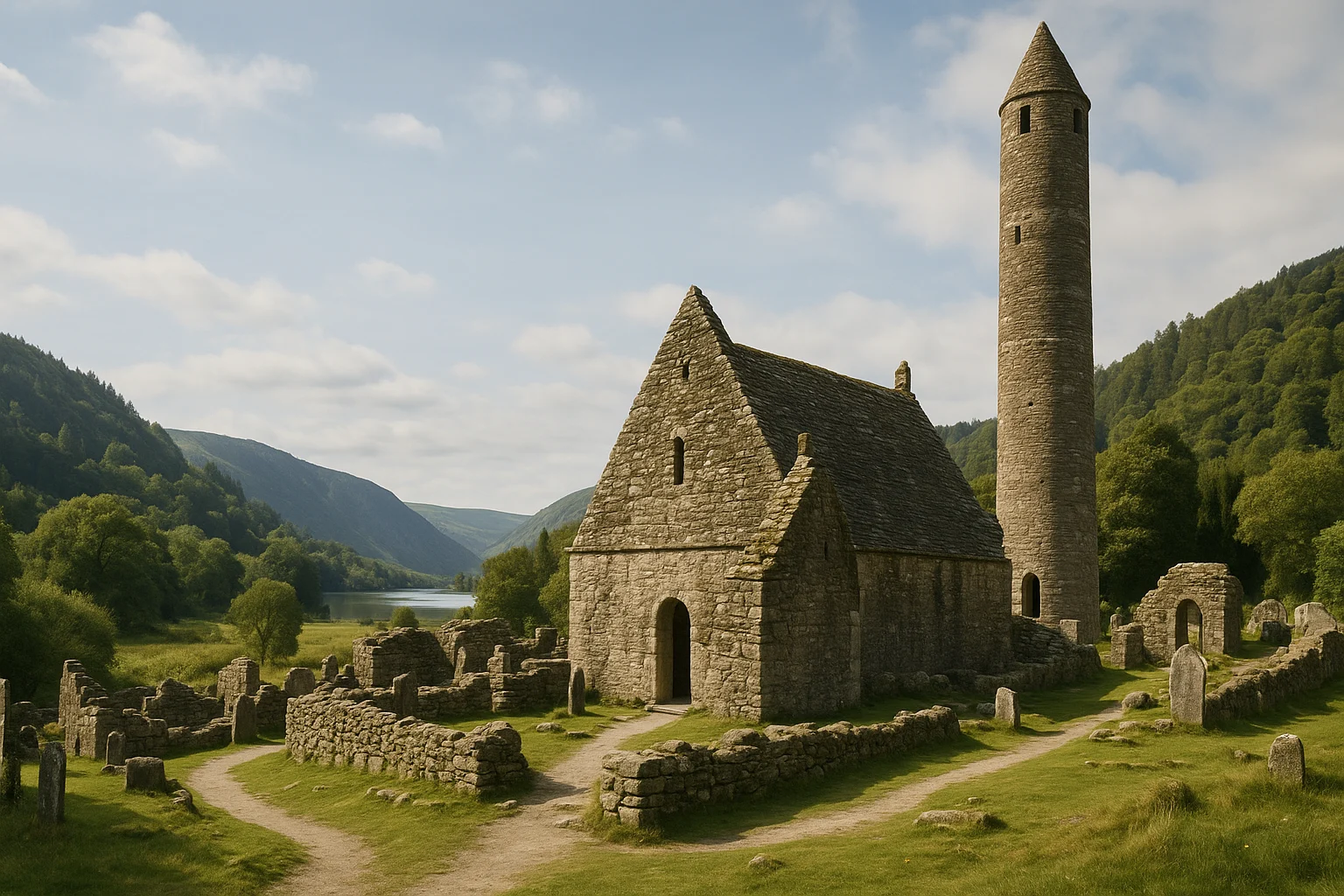
Glendalough Travel Guide 2026: Monastic Ruins, Lakes, and Wicklow Day-Trip Plan
Early Medieval IrelandPlan a clear first visit to Glendalough with route advice, monastic-site context, and practical timi...
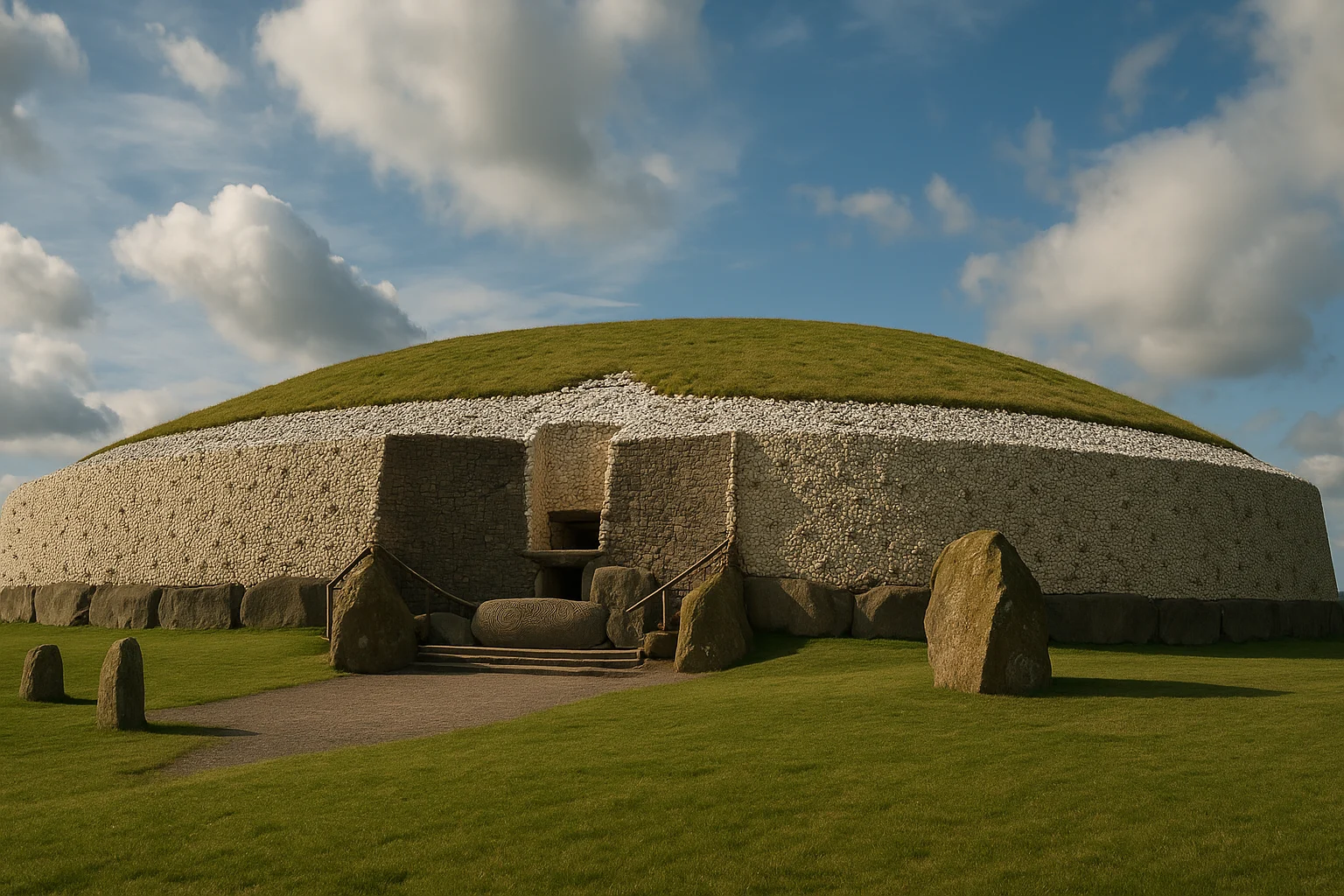
Newgrange Travel Guide 2026: Passage Tomb Access, Solstice Context, and Boyne Valley Planning
Neolithic IrelandPlan a first visit to Newgrange with practical access logistics, what to expect inside the passage t...
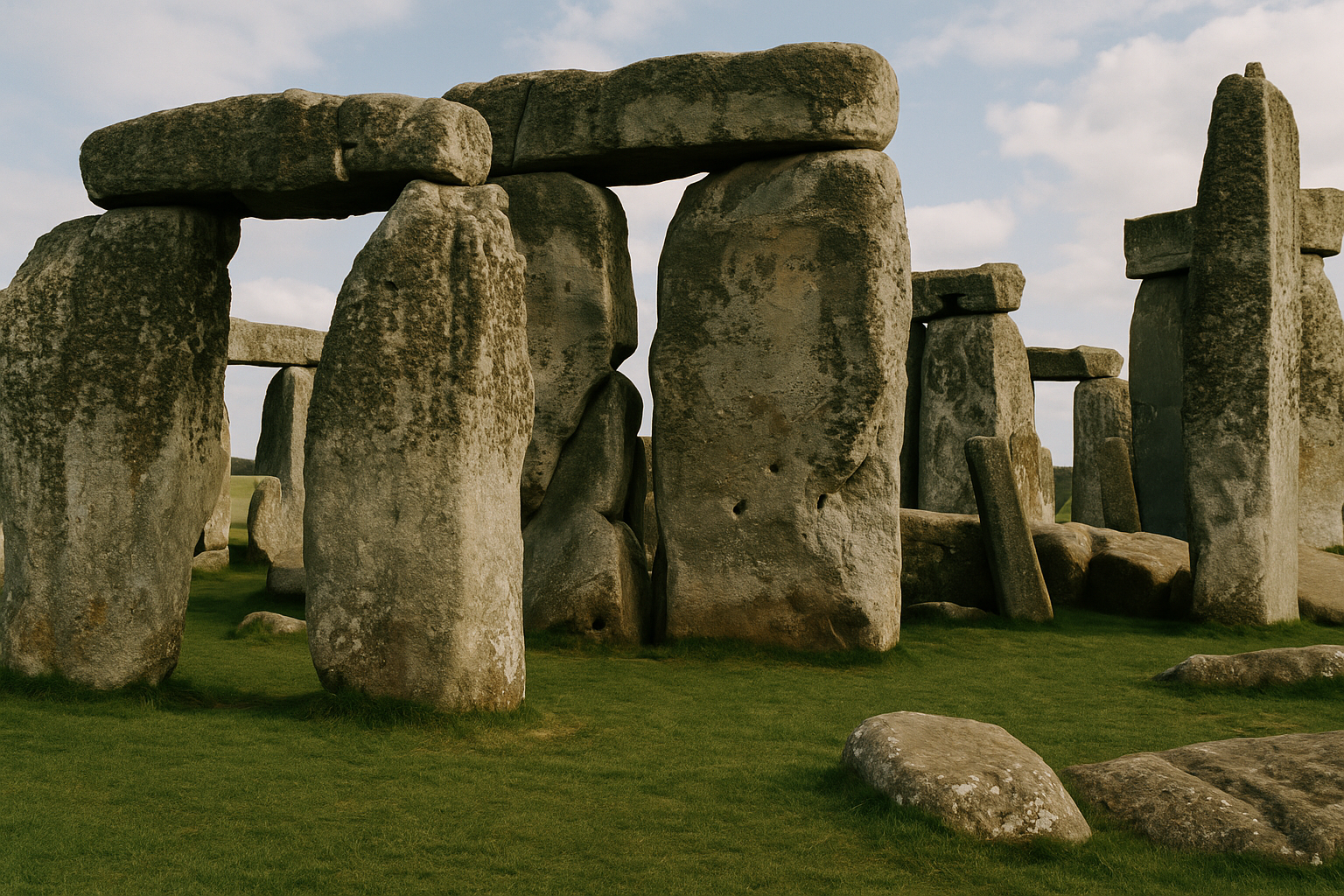
Stonehenge Travel Guide 2026: Solstice History, Tickets, and Day-Trip Planning
Neolithic and Bronze Age BritainPlan a smooth visit to Stonehenge with practical ticket timing, transport options from London and Ba...