Quick Info
Capo Colonna is one of southern Italy’s most compelling ancient sites - a coastal sanctuary where a single surviving column marks what was once one of the most powerful religious centers in the Greek western Mediterranean. Standing on the promontory where the Sanctuary of Hera Lacinia dominated the Ionian Sea for centuries, you are looking at the endpoint of a cultural network that connected Calabria to Olympia, Delphi, and the broader Greek world. For travelers working through Magna Graecia, this is not an optional footnote. It is a primary source.
The site rewards a particular kind of visitor: one willing to read landscape as evidence and treat a museum collection as part of the archaeological experience rather than a separate stop.
Why Capo Colonna Matters
The Sanctuary of Hera Lacinia was among the wealthiest and most politically significant Greek sanctuaries outside mainland Greece. Its importance was not local. Kroton, the colony that controlled it, used the sanctuary as a projection of regional authority across the Ionian coast, and the temple itself attracted dedications from across the Greek world.
- Magna Graecia at full scale. This was not a minor colonial outpost shrine. The sanctuary rivaled major mainland Greek sites in ambition and sacred prestige, and its treasury was famous in antiquity.
- Strategic coastal geography. The promontory was a landmark for ancient mariners navigating the Ionian Sea. The temple’s position was chosen for visibility from the water - a declaration of Greek presence readable from miles offshore.
- Museum-site integration. The Museo di Capo Colonna, located adjacent to the archaeological area, holds material that transforms the visit. Architectural fragments, votive objects, and contextual displays fill in what the exposed ruins cannot convey alone.
- Low crowd pressure. Unlike major Italian archaeological sites, Capo Colonna operates well below capacity. You will likely have long stretches of the promontory to yourself, especially outside peak summer weekends.
Historical Context
Foundation and Rise
The sanctuary’s origins reach back to at least the late 7th century BCE, when Greek colonists from Kroton established a sacred precinct dedicated to Hera on the promontory. The choice of Hera was deliberate - she was a protector deity associated with marriage, fertility, and civic order, and her cult carried deep political significance for Greek colonies asserting legitimacy in new territories.
By the 5th century BCE, the sanctuary had grown into a monumental complex. The main temple, built in Doric style, was one of the largest in Magna Graecia. Literary sources describe rich dedications including a famous gold column offered to the goddess, and the sanctuary served as a meeting point for the Italiote League, the alliance of Greek cities in southern Italy.
Decline and Reduction
The sanctuary’s decline was gradual but thorough. Roman conquest restructured the region’s political and religious landscape. Over the following centuries, the temple was quarried for building material - a fate shared by most ancient structures in southern Italy. Earthquakes, coastal erosion, and centuries of agricultural reuse further reduced the visible footprint.
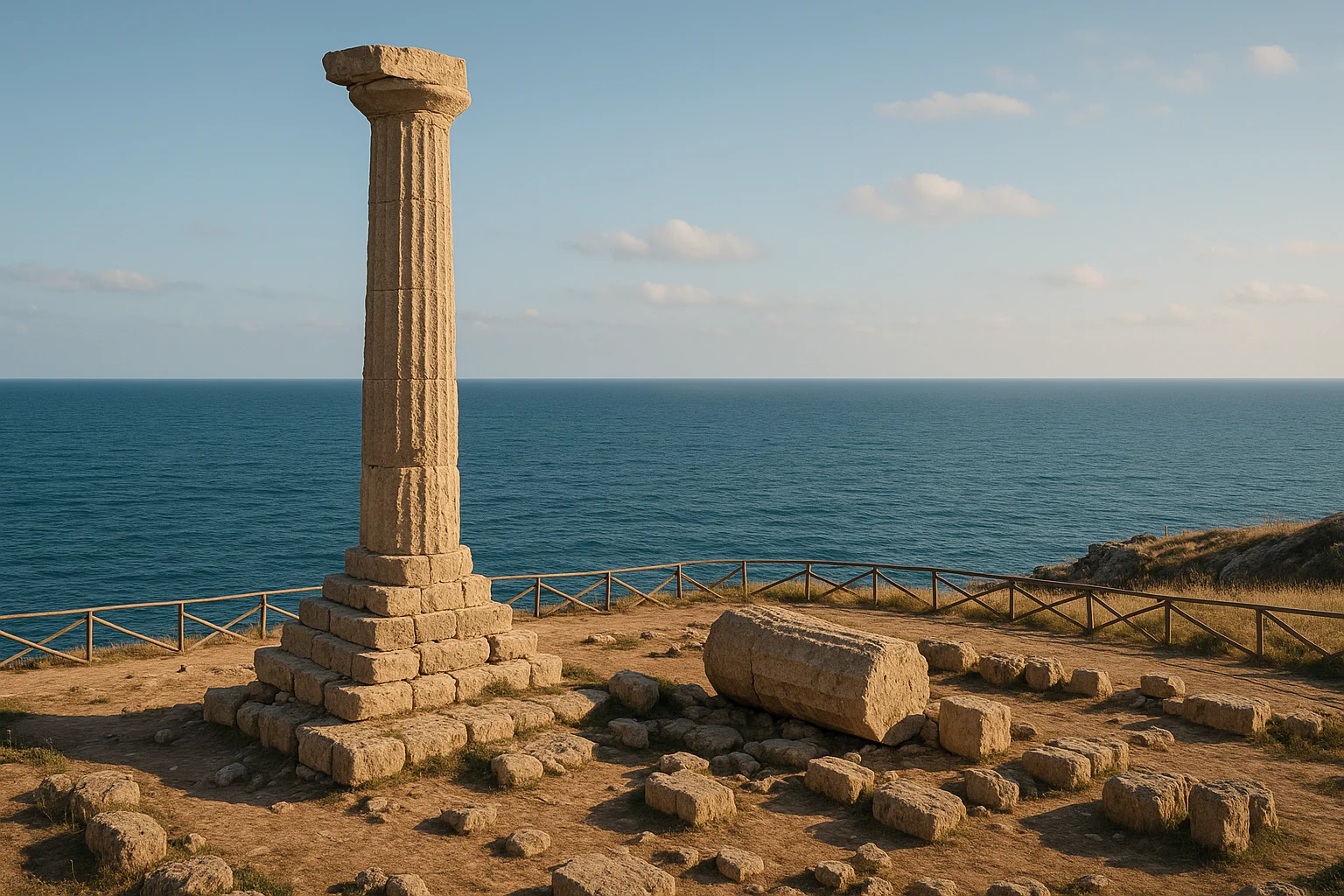
By the early modern period, only a single Doric column remained standing from the original temple. That column - visible today against the sea horizon - became the defining image of the site and one of the most recognizable symbols of Greek Calabria. What survives above ground is a fraction of what excavation and geophysical survey have revealed below.
Archaeological Recovery
Systematic excavation from the mid-20th century onward has uncovered the sanctuary’s full plan, including subsidiary buildings, a sacred road, and ritual deposits. The adjacent museum was developed to house finds that would otherwise be invisible to casual visitors. Ongoing research continues to refine understanding of the site’s phases and its connections to other Greek sanctuaries.
What to Prioritize Onsite
The Column and Temple Platform
Start with the surviving Doric column. It is the last standing element of the Temple of Hera Lacinia and provides the visual anchor for the entire site. The column base and surrounding platform give a sense of the temple’s footprint - far larger than the single column suggests. Take time to register the scale before moving on.
The Archaeological Park
Walk the full extent of the exposed sanctuary area. Foundation walls, paving remnants, and the sacred road are visible at ground level. Interpretive panels are present but not exhaustive - a guidebook or advance reading on Kroton and the Italiote League will improve the experience significantly.
The Museo di Capo Colonna
Do not skip the museum. It holds architectural terracottas, bronze votive offerings, ceramics, and sculptural fragments that bring material substance to the sanctuary’s history. The display on the temple’s treasury and ritual function is particularly useful for understanding why this site carried such weight in the ancient world.
The Promontory Landscape
The coastal setting is itself archaeological evidence. Stand at the promontory’s edge and consider sightlines - the sanctuary was built to be seen from the sea, and the geography explains its role as a navigational and political landmark. Wind, light, and the open water are part of the interpretive experience here.
Practical Visit Strategy
Time Budget
- Focused visit (ruins and column only): 45-75 minutes
- Full visit with museum: 2 to 3 hours
- Extended day with Crotone old town: 4 to 6 hours
Best Timing
Early morning provides the best light on the column and avoids midday heat from late spring through early autumn. Late afternoon is equally good for photography, with warm light off the Ionian Sea. The promontory is fully exposed - there is no shade on the archaeological site itself.
Getting There
Capo Colonna sits roughly 10 kilometers southeast of Crotone. A car is the most reliable option. Parking is available near the museum entrance. Public bus service from Crotone exists but runs on limited schedules, particularly outside summer - confirm times in advance and do not assume frequent service.
What to Bring
- Sun protection is essential year-round. The promontory has no tree cover.
- A windbreaker or light layer, even in summer. Coastal wind can be persistent and strong.
- Sturdy walking shoes. The terrain is uneven, with exposed stone and dry grass.
- Water and a snack. There are limited food options at the site itself.
Route Pairing and Nearby Sites
Capo Colonna works best as a half-day anchor paired with Crotone’s old town, which contains a small archaeological museum and a Norman-era castle worth a brief stop. Together they form a coherent day focused on Greek and post-Greek Calabria.
For travelers building a broader Magna Graecia itinerary:
- Selinunte and the Valley of the Temples in Sicily offer the closest comparisons in terms of Greek temple architecture at colonial scale.
- Syracuse Archaeological Park provides the urban Greek colonial counterpart to Capo Colonna’s sacred-landscape experience.
- Taormina Ancient Theatre pairs well for travelers moving between Calabria and eastern Sicily.
- The Italy hub page covers additional planning context for connecting southern Italian and Sicilian ancient sites.
Avoid trying to combine Capo Colonna with distant Calabrian or Basilicata stops in a single day. The regional roads are slow, and rushing through diminishes a site that rewards patience.
Final Take
Capo Colonna is not the most visually dramatic ruin in Italy. It does not have the scale of Agrigento or the instant recognition of the Colosseum. What it has is density of meaning per square meter - a place where geography, religion, politics, and colonial ambition converge on a single windswept headland. The lone column standing against the Ionian horizon is one of the most evocative images in Greek archaeology, and the site behind it, properly understood, is one of the most historically significant in Magna Graecia.
If your interest in ancient Italy extends beyond the standard Rome-Pompeii-Sicily circuit, Capo Colonna belongs on the itinerary. Come prepared to read the landscape, spend time in the museum, and let the promontory do what it was built to do - make you stop and pay attention.
Quick Facts
| Attribute | Details |
|---|---|
| Location | Crotone, Calabria, Italy |
| Country | Italy |
| Region | Calabria |
| Civilization | Greek (Magna Graecia) |
| Historical Period | Archaic through Hellenistic (7th-3rd century BCE) |
| Established | Sanctuary active from at least the late 7th century BCE |
| Key Structure | Temple of Hera Lacinia (single Doric column surviving) |
| Suggested Visit Time | 2-3 hours (site and museum) |
| Coordinates | 39.0223, 17.2077 |
Frequently Asked Questions
Is Capo Colonna still worth visiting when only one major column remains?
Yes. The value is in the full sanctuary landscape, museum context, and dramatic coastal setting—not just the surviving column itself.
How long do you need at Capo Colonna?
Plan 1.5 to 2.5 hours for the archaeological park and interpretation areas, longer if you include Crotone museums.
Is this site suitable for first-time archaeology travelers?
Yes, if you use a guide or prep notes. It is less monument-dense than headline sites, but very strong for historical context and atmosphere.
When is the best season to visit Capo Colonna?
Spring and early autumn usually provide the best weather balance. Summer is scenic but can be hot, bright, and wind-exposed.
Nearby Ancient Sites
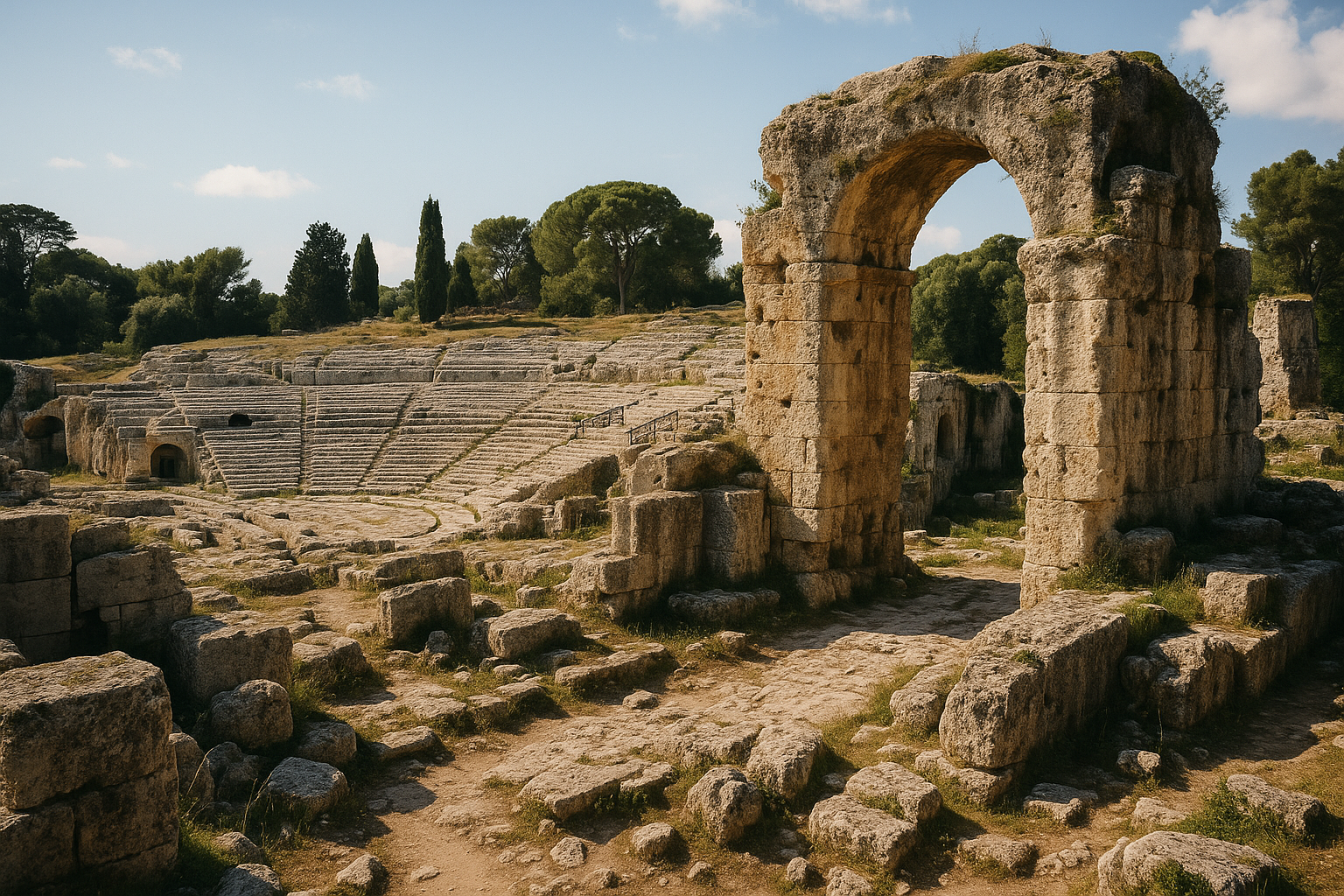
Syracuse Archaeological Park (Neapolis) Guide 2026
Greek-Roman-ByzantinePlan your visit to Syracuse Archaeological Park in Sicily with theatre highlights, Ear of Dionysius ...
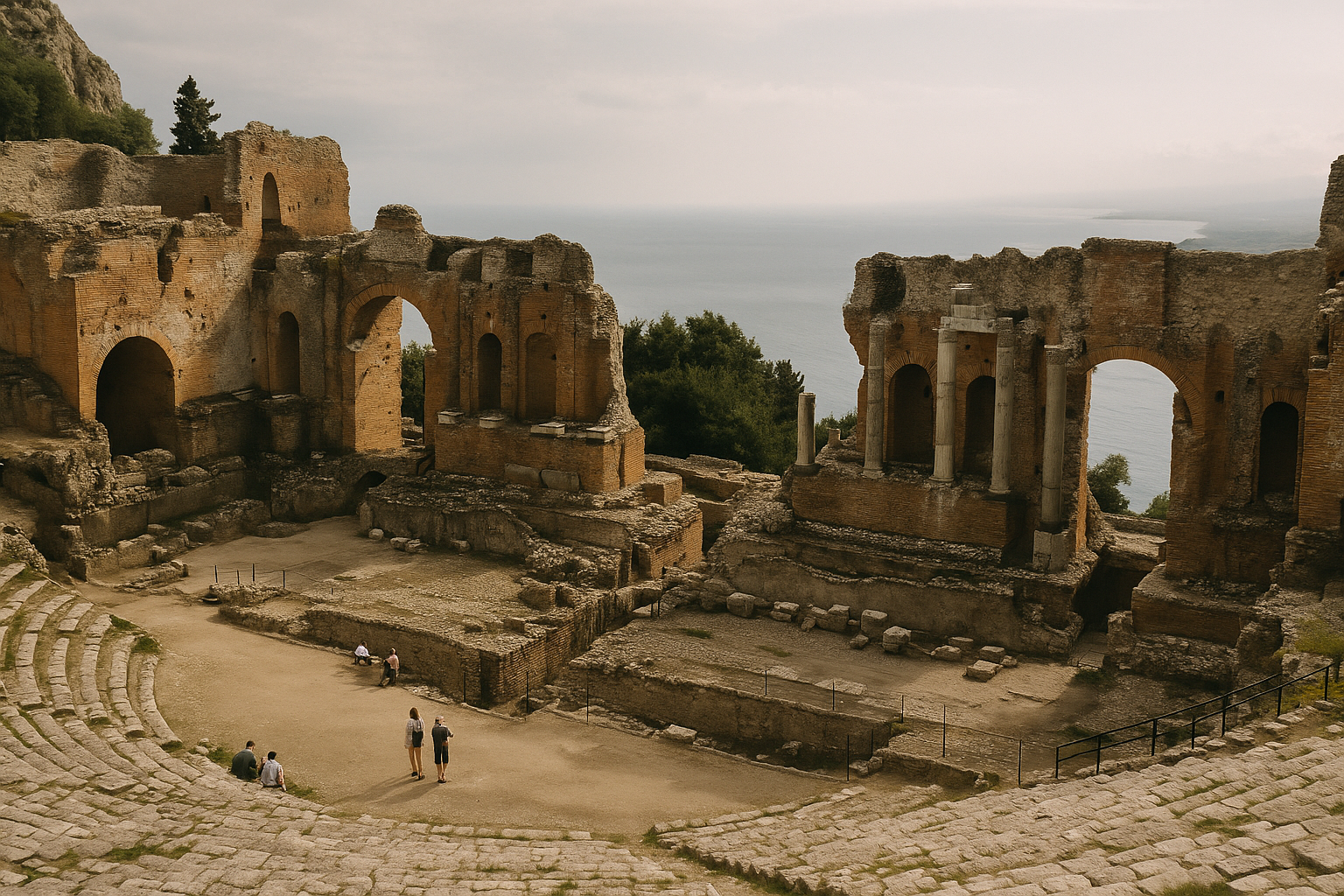
Taormina Ancient Theatre: Sicily’s Greek-Roman Stage Above the Sea
Greek / RomanPlan your visit to Taormina’s ancient theatre: history, views of Etna, tickets, logistics, and what ...
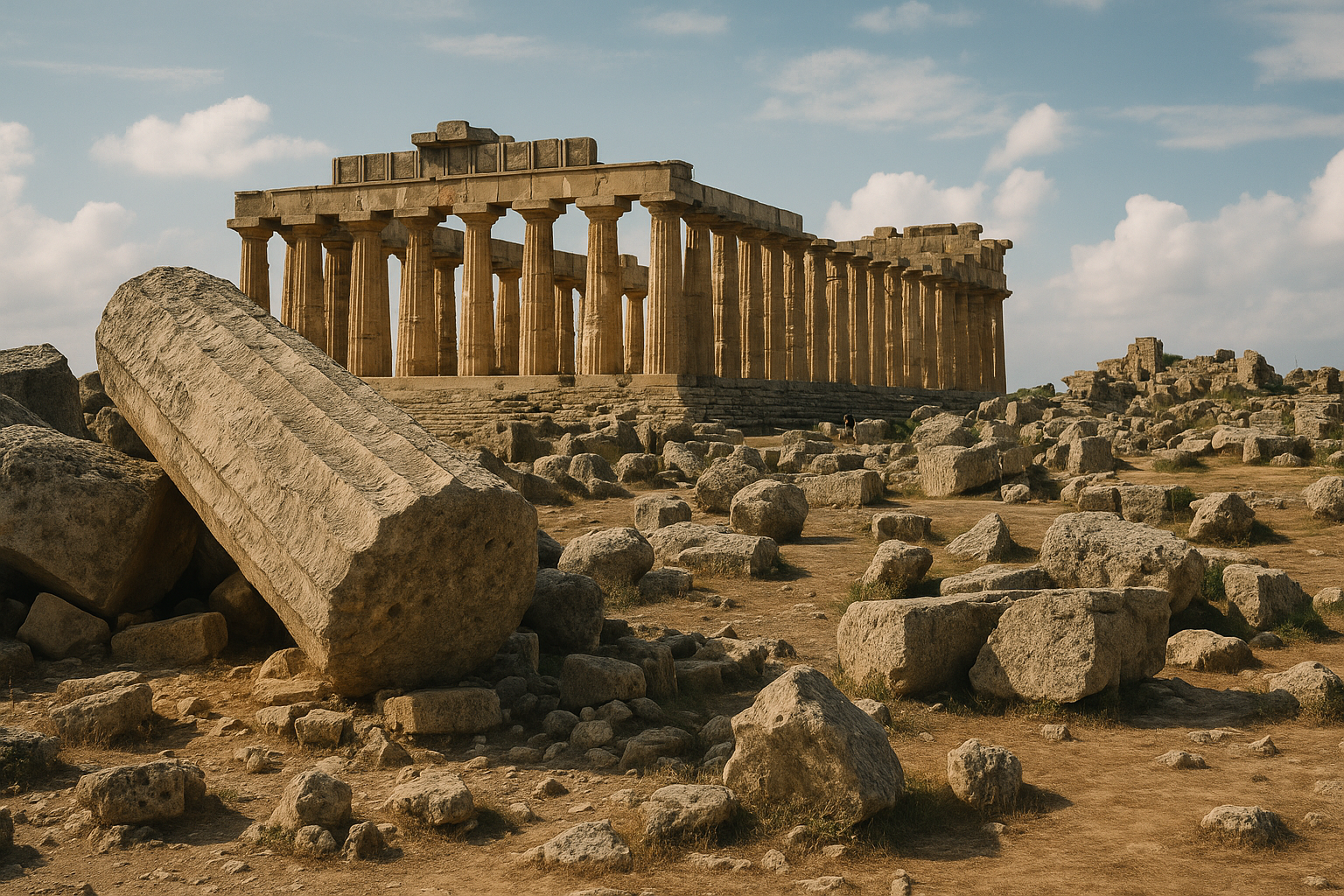
Selinunte Archaeological Park Guide 2026: Sicily’s Monumental Greek Temples
GreekPlan a practical visit to Selinunte with temple-zone priorities, transport advice, and route pairing...
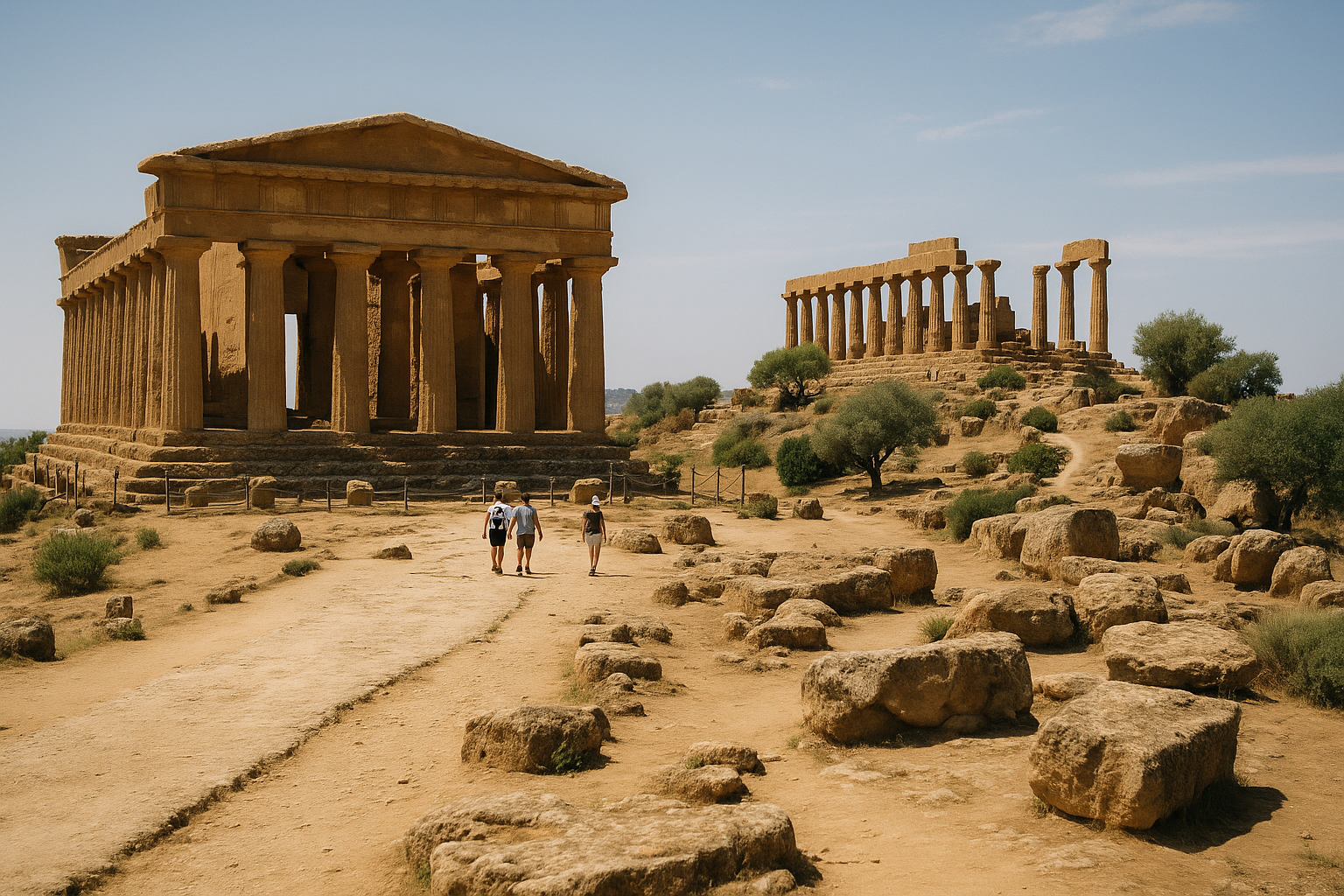
Valley of the Temples Agrigento Guide 2026: Concordia & Juno
Greek-Roman-NormanPlan your Agrigento Valley of the Temples visit with temple highlights, tickets, transport, and prac...
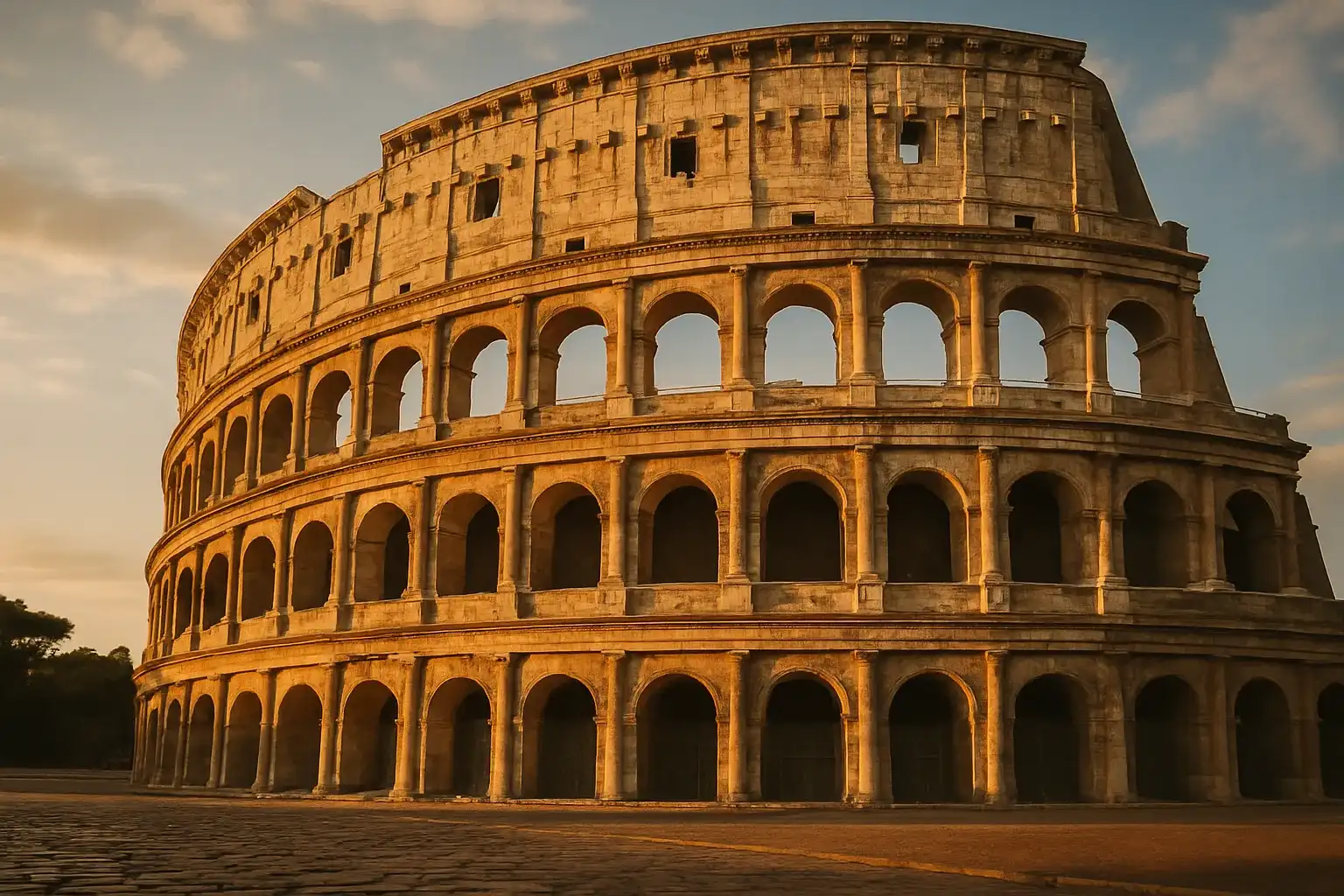
Colosseum Rome: Complete 2026 Guide to Arena Floor, Tickets, and Timing
Roman EmpirePlan the perfect Colosseum visit with timed-entry strategy, Arena Floor and underground access tips,...
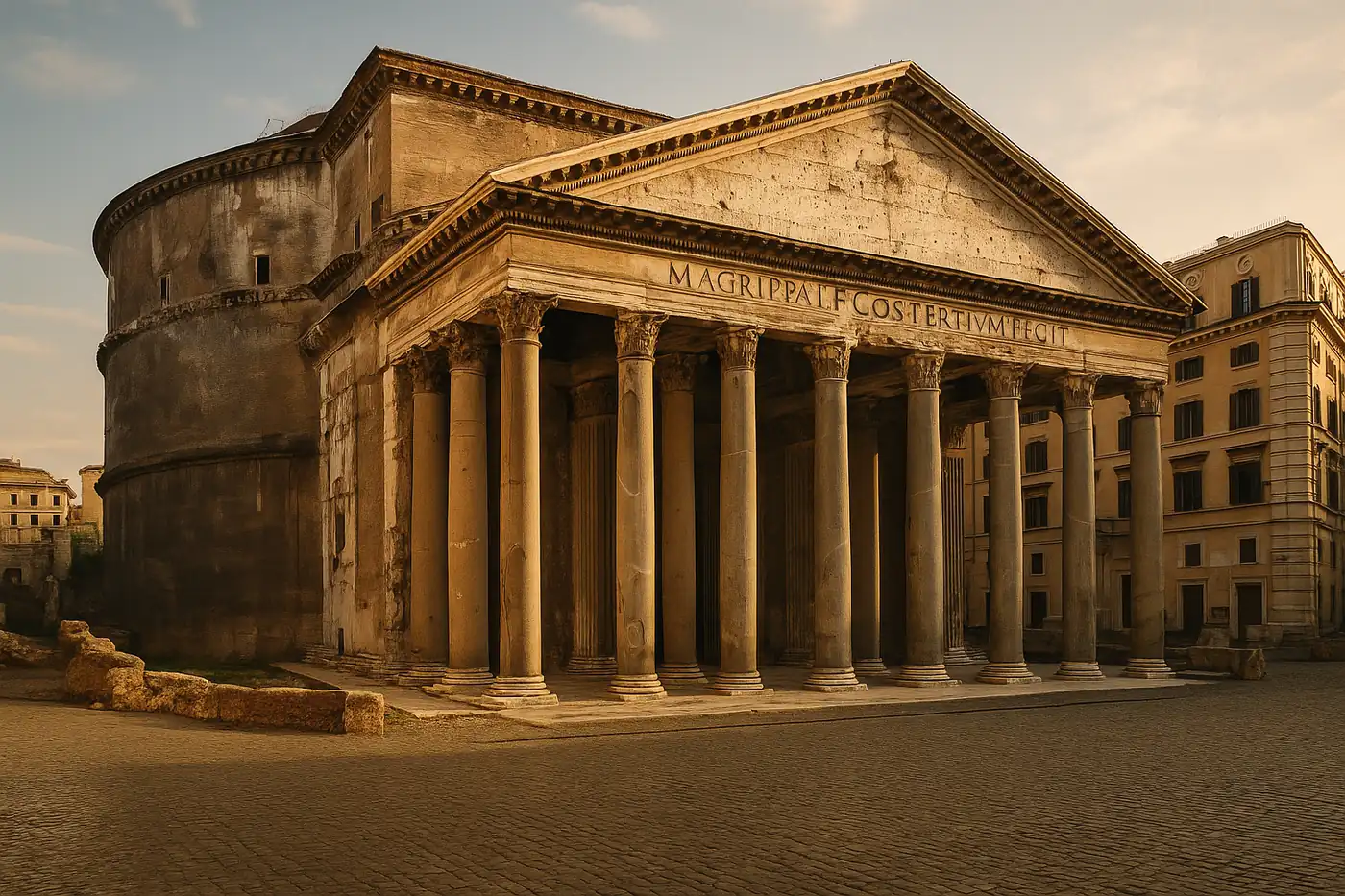
Pantheon Rome: Ultimate Guide to Rome's Best-Preserved Ancient Temple
Roman EmpireMaster your Pantheon visit with history, dome engineering secrets, visiting tips, skip-the-line opti...