Quick Info
Curated Experiences
Carnuntum and Roman Treasures Full-Day Tour from Vienna
Ancient Roman Sites Private Tour from Vienna to Carnuntum
Vienna to Carnuntum Archaeological Park Guided Tour
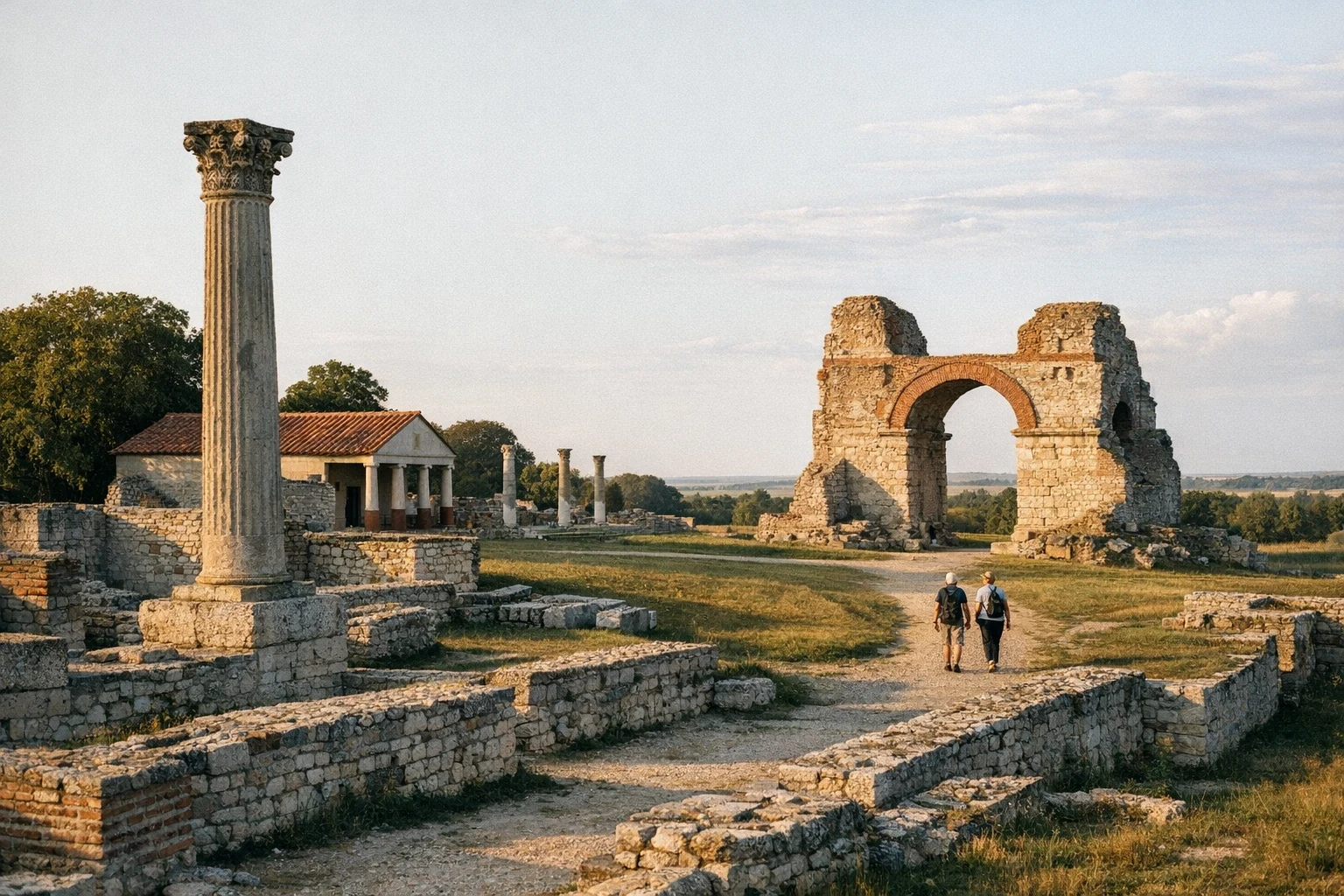
Nestled amidst the rolling plains along the Danube River in Lower Austria, Carnuntum stands as one of Central Europe’s most evocative windows into the grandeur of the Roman Empire. This once-thriving provincial city—now the heart of the Carnuntum Archaeological Park—offers visitors the rare opportunity to immerse themselves in the daily life, architecture, and stories of antiquity. Just a short journey east from Vienna, Carnuntum is not only easily accessible but also uniquely atmospheric, bringing together remarkable ruins, authentic reconstructions, and living history.
Set against a backdrop of fertile fields and woodland, Carnuntum unveils a narrative that spans more than two millennia. Here, the past feels vividly present: whether you wander the cobbled streets of the reconstructed civilian quarter, climb the spectator terraces of the amphitheater, or muse amongst weathered stones in the open landscape. The site’s meticulous reconstructions are based on thorough archaeological research, resurrecting lost worlds with unparalleled authenticity. This blend of ancient ruins, modern scholarship, and dynamic museum experiences makes Carnuntum a standout destination for history enthusiasts, families, and travelers seeking to step out of time.
No Roman site in Austria is more complete or more evocative than Carnuntum. An imperial residence and military hub of immense significance, this city once bustled with traders, soldiers, and travelers from across the empire—echoes of whom are still tangible in the artifacts and architecture scattered throughout the park. Within easy reach of Vienna yet steeped in the drama and routine of ancient provincial life, Carnuntum promises a captivating journey for all who pass through its gates.
History
The Celtic and Early Roman Beginnings
Long before the Romans marked their frontiers along the Danube, the area that would become Carnuntum was inhabited by Celtic tribes, who revered the river as both boundary and lifeline. With the steady expansion of the Roman Empire in the early 1st century CE, the site’s location—at a strategic crossing of the amber trade route and near vital river passages—attracted Roman military attention. The legions established their first encampment (castra) here around 6 CE, using Carnuntum as a springboard for campaigns against Germanic tribes and as a bulwark defending the imperial frontières.
By the reign of Emperor Tiberius, Carnuntum had begun its transformation from a military garrison into a thriving municipium, sheltering both legionaries and a burgeoning civilian population. Its early decades were marked by the gradual overlay of Roman order onto a landscape already dense with centuries of Celtic life and lore.
Flourishing Imperial City
Carnuntum’s golden age began in earnest during the 2nd century CE. The city became the principal seat of the Roman province of Pannonia Superior, benefiting hugely from its status and favorable geography. At its peak, Carnuntum boasted a population of up to 50,000 inhabitants—making it one of the largest and most cosmopolitan cities in the northern reaches of the empire. The city’s urban fabric reflected this vitality: an impressive forum, administrative buildings, temples to Jupiter and Diana, bath complexes, workshops, and entertainment venues rose anew.
Carnuntum’s amphitheater, completed in the 2nd century, provided space for over 13,000 spectators and became famous throughout the provinces. The city thrived as a melting pot—functions included markets bustling with Syrian traders, North African soldiers policing the frontier, and Roman senators plotting strategy. Notably, Carnuntum became the residence of several emperors, among them Marcus Aurelius. It was here, during the brutal Marcomannic Wars, that he wrote parts of his philosophical masterwork, the “Meditations.”
Crisis, Council, and Decline
The 3rd and early 4th centuries were a period of both crisis and political significance for Carnuntum. The city held a crucial place during the Tetrarchy, a period where multiple emperors co-ruled the fragmented Roman state. In 308 CE, Carnuntum hosted the legendary Conference of Carnuntum: a summit attended by the emperors Diocletian, Maximian, and Galerius. This high-stakes gathering attempted—albeit unsuccessfully—to reorder the empire’s leadership and restore stability.
As the Roman grip on its Central European frontier weakened, Carnuntum suffered repeated invasions and natural disasters, including destructive earthquakes. By the late 4th century, barbarian incursions and the shifting tides of empire had led to the city’s gradual abandonment. Medieval settlements made use of the remains, but Carnuntum’s lively urban days faded into legend until modern archaeological work began to unearth its story.
Rediscovery and Modern Revival
Systematic excavations began in earnest in the late 19th century, transforming formerly agricultural land into one of Europe’s most innovative archaeological parks. Advances in technology and scholarship fuelled bold reconstruction projects throughout the late 20th and early 21st centuries. Today, Carnuntum is unique not only for its preserved ruins but also for its authentic, full-scale reconstructions of Roman homes, public baths, and city streets. This revival ensures that the site remains a vibrant locus for research, education, and cultural tourism more than 1,800 years after emperors once ruled from its stones.
Key Features
A visit to Carnuntum is a journey through distinct yet interwoven realms: the tangible remnants of the ancient city, the painstaking reconstructions that bring antiquity to life, and immersive museum experiences that deepen understanding of Roman daily existence.
Begin your explorations in the reconstructed Roman city quarter, known as the “Römerstadt Carnuntum.” Here, archaeologists and craftspeople have resurrected an entire street of Roman houses using original materials and authentic construction techniques. Step into a domus, its atrium open to the sky, brightly frescoed walls adorned with mythological scenes, mosaic flooring cool beneath your feet. The urban garden bursts with herbs, vegetables, and flowers—cultivated much as they were centuries ago. Living history reenactors and costumed guides animate these spaces, demonstrating everything from Roman cooking and crafts to the everyday routines of ancient merchants and families.
Just beyond, the sprawling bath complex emerges—in many ways the crown jewel of Carnuntum’s reconstructions. Unlike the typical museum display, these baths are not mere ruins behind barriers—the facility is fully functional, heated by an authentic hypocaust system and fitted with marble benches, cold plunge pools, and richly decorated changing rooms. Visitors can truly sense the communal heart of Roman public life.
Wander further and you’ll encounter Carnuntum’s impressive amphitheater, one of two at the site. The larger, civilian amphitheater stands as a silent witness to the thrill of gladiatorial contests and staged hunts that once captivated thousands. Its elliptical form, partially reconstructed, offers evocative vistas over both the ancient city and the surrounding countryside. Here, contemporary performances and reenactments occasionally breathe fresh life into a landmark where drama and spectacle unfolded for centuries.
The site’s museum, the Carnuntinum, is itself a Romanesque architectural marvel dating to the early 20th century. Inside, curated exhibitions showcase a dazzling array of objects: intricately carved altars, jewel-encrusted fibulae, gaming boards, ceramics, and weaponry—all artifacts meticulously excavated nearby. Interactive displays and multimedia installations place these relics in context, weaving stories of military campaigns, multicultural encounters, and daily routines.
Yet beyond organized displays, it is the physical presence of the landscape that most leaves its mark. The open-air sites, scattered ruins, and reconstructed buildings invite slow wandering and spontaneous discovery. Stand atop the ancient city wall and gaze across fields planted since Roman times—or rest in the cool shade of century-old trees along the forum. Carnuntum’s genius lies in fusing archaeological rigor with immersive storytelling, offering each visitor the chance to not only observe but inhabit the ancient world.
Getting There
Carnuntum enjoys an enviable location in Lower Austria’s Marchfeld, a broad plain between Vienna and Bratislava. The site is extremely accessible from Vienna, making it ideal for a rewarding day trip or a memorable stopover en route through Central Europe.
By train, the most convenient route is from Vienna Hauptbahnhof (Main Station). Trains to Petronell-Carnuntum station depart roughly once an hour, with journey times ranging from 40 to 50 minutes. A standard adult one-way ticket costs about €11–13. From Petronell-Carnuntum station, it’s a pleasant 15-minute walk (or very short taxi ride) to the main entrance of the Carnuntum Archaeological Park. If you’re carrying luggage or traveling with children, taxis are usually available at the station or can be summoned by phone.
Alternatively, those traveling by car can take the A4 “Ostautobahn” toward Budapest, exiting at the Fischamend interchange and following well-marked signs for Petronell-Carnuntum. Ample free parking is available on-site. The total drive from Vienna typically takes 35–45 minutes, depending on traffic. Visitors coming from Bratislava will find the park about 30 km (under 40 minutes by car) to the northwest.
Bus options are available as well, with regular services running between Vienna and Hainburg an der Donau, connecting to Petronell-Carnuntum. Tickets for these regional buses are similar in price to train fares, though scheduling can be sparser—so it’s wise to consult timetables in advance.
For those who enjoy cycling, the Danube Cycle Path passes close to Carnuntum, making it an appealing and unique approach during good weather. Bike racks are provided at the archaeological park. Whether by train, car, bus, or bicycle, getting to Carnuntum is straightforward and scenic, placing ancient wonder within effortless reach of Austria’s capital.
When to Visit
Carnuntum’s archaeological park welcomes visitors year-round, but the experience varies considerably with the changing seasons. The main visitor season runs from late March to early November, coinciding with Austria’s mildest and most pleasant weather. During these months, all sections of the Roman city quarter and the amphitheater are fully open, and special events, festivals, and reenactments regularly animate the reconstructed spaces.
Late spring (May and June) and early autumn (September) are particularly rewarding times to visit. The countryside is lush, the days comfortably warm, and visitor numbers moderate—allowing for tranquil exploration and unobstructed views of both ruins and landscape. Major Roman-themed events, such as historical reenactments, Roman festivals, and children’s days, are typically held during these periods and offer a vibrant, participatory experience.
High summer (July and August) sees the greatest number of tourists. While crowds are rarely overwhelming thanks to the park’s size, midday heat can be significant, so bring water, sunscreen, and hats. This is also when outdoor performances and gladiator shows fill the amphitheater with excitement, and the gardens are in full bloom.
Visiting in winter is possible, though the open-air sections have reduced hours and some reconstructed buildings may close for maintenance. However, the Carnuntinum Museum remains open year-round, providing a cozy retreat filled with Roman treasures. If you’re seeking a peaceful, contemplative experience free from crowds—and don’t mind bracing weather—off-season visits can prove unexpectedly magical.
No matter when you visit, expect some open-air walking between attractions. Sturdy, weather-appropriate footwear is advised, and remember that the weather along the Danube can change rapidly, so bring layers and check forecasts in advance. With thoughtful planning, Carnuntum provides a memorable and atmospheric journey through the heart of Austria’s ancient past.
Quick Facts
| Fact | Detail |
|---|---|
| Location | Petronell-Carnuntum, Lower Austria, Austria |
| Original Name | Carnuntum |
| Founded | Early 1st century CE (Roman expansion) |
| Peak Population | Up to 50,000 |
| Key Features | Reconstructed houses, amphitheater, Roman baths, museum |
| UNESCO Status | Part of “Danube Limes” World Heritage designation |
| Opening Hours | March–November: 9:00–18:00; reduced hours in winter |
| Annual Events | Roman festivals, gladiator shows, historical reenactments |
| Distance from Vienna | ~45 km (by train or car) |
| Public Transport | Train to Petronell-Carnuntum, bus, cycling routes |
| Family-Friendly | Yes; interactive exhibits, workshops, and kids’ activities |
Frequently Asked Questions
How do I get to Carnuntum from Vienna?
Carnuntum is accessible by train in about 50 minutes from Vienna Hauptbahnhof to Petronell-Carnuntum station, followed by a short walk.
Are the ruins at Carnuntum authentic or reconstructed?
Carnuntum includes partially reconstructed Roman buildings based on extensive archaeological studies, as well as original remains.
What can I see at the Carnuntum Archaeological Park?
You can visit Roman houses, the amphitheater, a bath complex, museum exhibits, and ongoing archaeological work.
Is Carnuntum suitable for children and families?
Yes, the site offers interactive exhibits, reenactments, and family-friendly activities throughout the year.
When is the best time to visit Carnuntum?
Late spring to early autumn offers the best weather and hosts events such as Roman festivals.
Nearby Ancient Sites
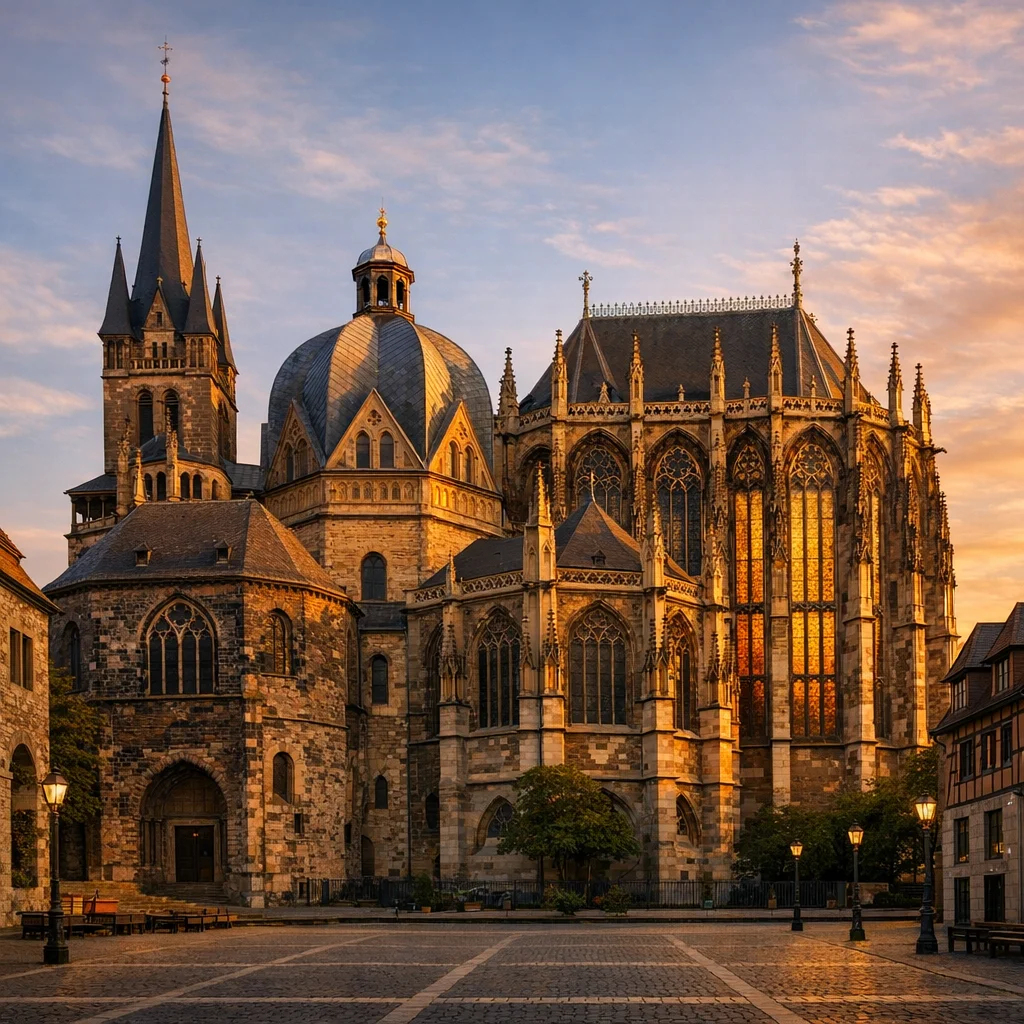
Aachen Cathedral
Carolingian, Holy Roman EmpireVisit Aachen Cathedral, Charlemagne's eighth-century palatine chapel and the first UNESCO World Heri...
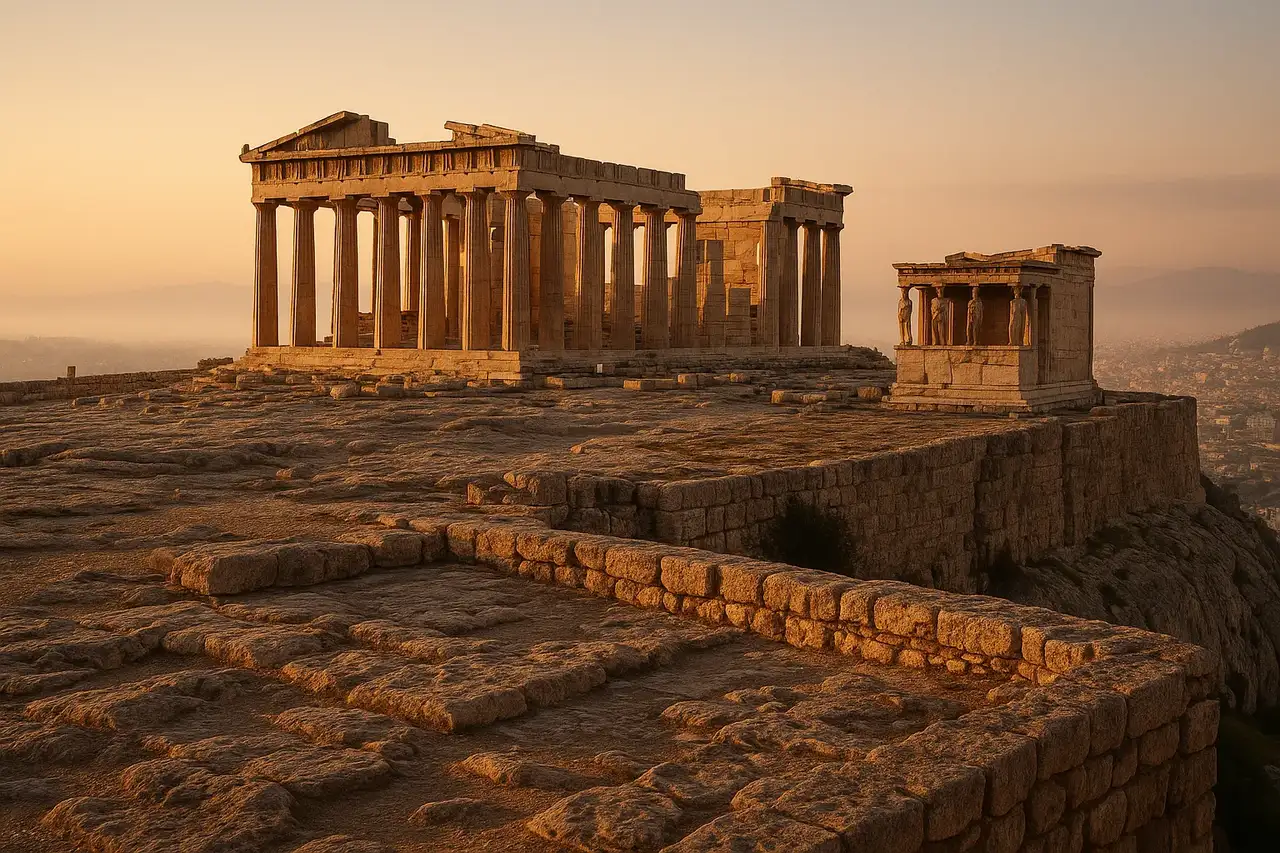
Acropolis Travel Guide 2026: Parthenon, Tickets, and Best Time
Ancient GreecePlan an efficient Acropolis visit with practical ticket timing, key monuments, and museum pairing ti...
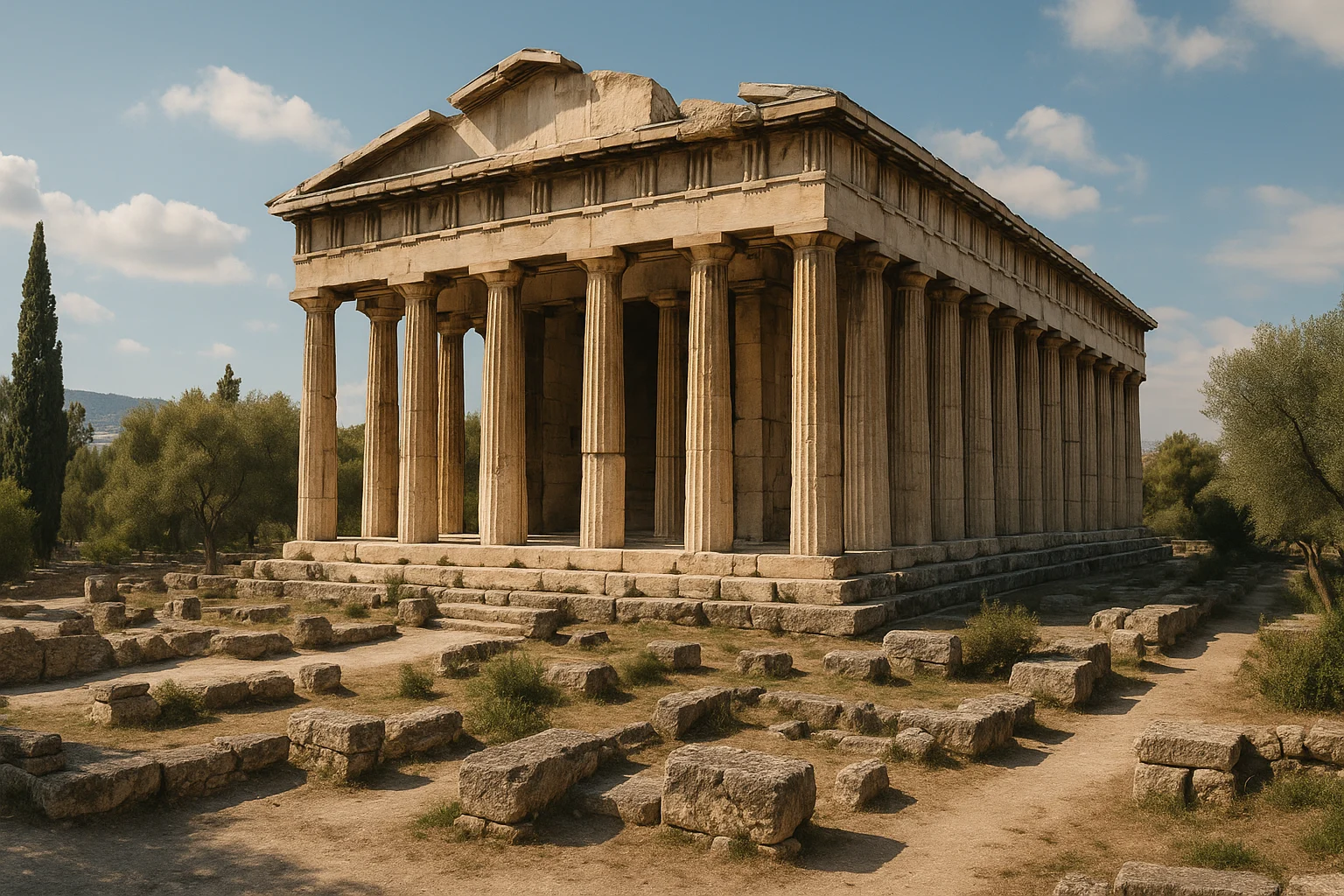
Ancient Agora of Athens Travel Guide 2026: Route, Tickets, and Context
Classical GreekPlan a better Ancient Agora visit with practical timing, monument priorities, and clear historical c...