Quick Info
Curated Experiences
Chavin de Huantar Full-Day Tour from Huaraz
Chavin de Huantar and Querococha Lagoon Day Trip
Private Chavin de Huantar Archaeological Experience
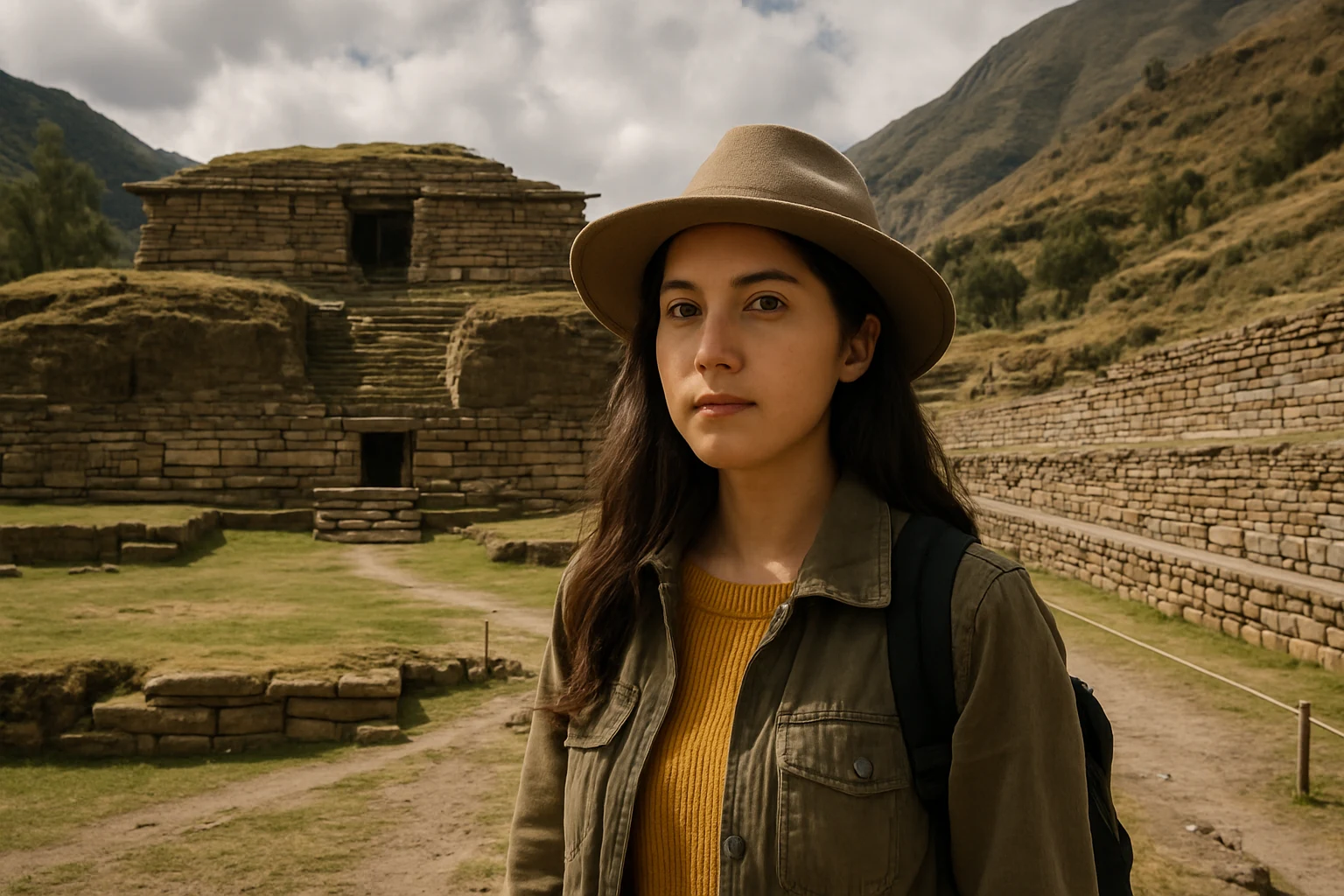
At first glance, Chavin de Huantar in Peru looks almost too quiet to have changed the history of an entire region. You stand among gray stone platforms, stairways, and sunken ceremonial spaces framed by steep Andean walls, and the scene feels measured, almost restrained. Then details begin to emerge: jaguar fangs in stone profiles, abstract faces that shift as you move, and channels designed to make water and sound behave like ritual instruments. This was not a provincial shrine. It was one of the earliest major ceremonial centers in the central Andes, a place where religion, architecture, and political influence fused into a model later cultures would absorb, adapt, and contest.
Ancient Travels recommends Chavin as one of Peru’s most important deep-history destinations because it rewires how you understand the Andes before the Inca. The site is older than Peru’s imperial capitals by many centuries, yet its design sophistication is already astonishing. In this guide, you will find the historical timeline, the key monuments that matter most on the ground, practical transport and ticket advice from Huaraz, seasonal planning tips, and a realistic way to combine Chavin with nearby mountain stops in a single rewarding day.
History: The Sacred Engine of Early Andean Power
Before Chavin: highland traditions converge (c. 2000-1200 BCE)
Long before the monumental core rose at Chavin de Huantar, highland and coastal communities across what is now Peru were already experimenting with agriculture, exchange, and ceremonial life. The valley where Chavin emerged sits at a strategic ecological hinge between regions, making it ideal for gathering people, goods, and ideas. Early ritual architecture in the broader Andes had shown that public religious spaces could coordinate labor and authority, but Chavin’s founders pushed that concept further. By c. 1200 BCE, local leaders were transforming the site into a planned ceremonial center with controlled access, formal plazas, and symbolic architecture meant to shape belief through movement, sound, and spectacle.
The Chavin florescence (c. 1200-500 BCE)
During its high phase, Chavin culture made the site one of the most influential ritual hubs in the central Andes. Pilgrims likely arrived from multiple ecological zones, bringing offerings and leaving with religious symbols that spread far beyond Ancash. Architecture at Chavin was not static: builders expanded and overlaid structures through phases now called the Old Temple and New Temple complexes. Iconography blended human and animal traits, especially feline, avian, and serpent forms, suggesting a cosmology of transformation and mediated spiritual authority. Power here was less about military conquest and more about controlling ceremonial knowledge, access, and sensory experience in tightly choreographed spaces.
Late use and regional transitions (c. 500 BCE-early 1st millennium CE)
By around 500 BCE, Chavin’s central role declined as new regional traditions emerged across the Andes. Influence did not vanish overnight; artistic motifs and religious concepts linked to Chavin persisted in altered forms across distant communities. The monumental center appears to have lost its earlier pan-regional pull, but the landscape remained inhabited and culturally active. As later polities rose and fell, Chavin became one layer in a much longer Andean palimpsest rather than a fully abandoned void. This transition matters because it reminds travelers that Andean history is not a sequence of hard breaks; it is a constant reworking of inherited sacred geographies.
Inca and colonial-era memory (late pre-Hispanic period-19th century)
By the time the Inca state organized much of the Andes, Chavin was already ancient. While direct Inca rebuilding at the ceremonial core appears limited compared with imperial projects elsewhere, the broader Andean habit of revering ancestral places likely sustained memory of the valley’s significance. In the colonial period, indigenous communities around Chavin maintained local continuity despite profound social disruption, and many carved stones were displaced, reused, or weathered in changing settlement patterns. European scholarship initially encountered such places through fragmentary reports, often misreading their chronology. Chavin would only be properly recognized once systematic archaeology began.
Modern rediscovery and archaeology (19th century-present)
Scientific attention intensified in the late 19th and early 20th centuries, with Julio C. Tello and other Peruvian scholars helping establish Chavin as foundational to Andean archaeology. Excavations, architectural mapping, and iconographic analysis gradually clarified construction phases, ritual circulation routes, and the site’s role in early interregional religious networks. Conservation work has continued through changing methods and funding cycles, while museum curation has improved public interpretation of carved monoliths and relief fragments. Today Chavin de Huantar is both an archaeological landmark and a living point of regional identity, where research, tourism, and local stewardship intersect under the pressure of climate, infrastructure, and visitor growth.
The Key Monuments: What to See at Chavin de Huantar
The Old Temple core and interior galleries
The heart of early Chavin ceremonial life lies in the Old Temple, a complex of stone corridors, enclosed chambers, and controlled passages engineered for ritual movement rather than open congregation. Built in the first major construction phases, this architecture uses massive masonry and narrow circulation routes to manipulate orientation, light, and acoustics. Even without entering every gallery, you can sense the logic: approach is compressed, perspective is unstable, and authority belongs to those who know the path. The site demonstrates that monumental religion in the Andes was never only visual. It was embodied. It required sound, darkness, and sequence. For photos, step back to capture the geometry of stairways framing the temple’s heavy, inward-facing mass.
The Lanzon monolith
Set deep within the ceremonial interior, the Lanzon is one of the most iconic sacred stones in ancient Peru. Carved from granite and rising roughly 4.5 meters (about 15 feet), the monolith depicts a complex anthropomorphic deity with fanged mouth, talon-like forms, and interlocking serpentine motifs. Its placement in a central chamber is crucial: this was not a public monument designed for crowds, but a controlled cult image likely encountered by select participants in highly structured ritual contexts. Scholars have long linked the Lanzon to mediation between cosmic realms and social hierarchies. If you access gallery areas with a guide, go slowly and let your eyes adjust; the carving reads differently as light shifts across its incised lines.
The sunken circular plaza
In front of the temple architecture, the sunken circular plaza offers one of Chavin’s clearest statements in stone: ritual theater through spatial design. The plaza’s depressed form creates a contained ceremonial arena where participants and observers could be staged at different levels, reinforcing hierarchy and spectacle. Carved slabs and sculptural elements once heightened this visual program, while surrounding stairs and terraces controlled approach. The plaza is also where many first-time visitors grasp Chavin’s sophistication as civic-religious architecture rather than isolated ruins. For photography, late morning light often brings out texture in the stone courses and helps define the circular geometry from higher viewpoints.
The New Temple and expanded ceremonial facade
Later building phases produced what is commonly called the New Temple, expanding Chavin’s monumental scale and formalizing larger processional and ceremonial zones. This was not simple replacement; it was architectural dialogue across generations, layering new authority onto earlier sacred foundations. The broader facade zones, plazas, and stair systems suggest growing institutional complexity and perhaps wider pilgrimage participation. You can read this expansion on site by tracking alignments and shifts in masonry style between sectors. What survives today is incomplete but still legible enough to reveal strategic redesign. The best visual angle is from elevated edges where Old and New construction relationships appear in one frame.
Cabezas clavas and sculptural iconography
Among Chavin’s most famous artistic features are the cabezas clavas, carved stone heads that once projected from temple walls like guardian presences. Many originals are now protected in museum contexts, but their iconography remains central to understanding Chavin ideology. Faces combine human and animal traits, often with bulging eyes, fangs, and transformed expressions that may depict ritual states or mythic beings rather than portrait individuals. These heads were architectural as much as sculptural: placed at intervals, they turned walls into narrative surfaces. At the museum, linger on variation between pieces; the sequence suggests conceptual progression, not random decoration.
Hydraulic channels and ritual soundscape
One of Chavin’s most underrated achievements is its network of stone hydraulic channels, engineered to move water through and beneath ceremonial sectors. These channels were practical in a mountain environment, but they were also performative. Flowing water could amplify resonance in enclosed areas, creating sound effects that reinforced ritual experience and priestly authority. Some researchers argue that controlled acoustic phenomena were part of initiation or oracle-like events, where sensory disorientation increased the power of religious messaging. Whether you frame this as engineering or theology, it is a reminder that Chavin was designed as a total environment. After rain, you can sometimes hear the landscape’s hydrology echo the logic of the ancient plan.
Getting There: Transportation and Access
Chavin de Huantar is reachable on a long but very feasible day journey from Huaraz, with mountain roads and high passes making timing more important than distance alone.
From Huaraz
Most travelers base in Huaraz and leave early, typically between 6:00 and 7:30 AM, to maximize daylight at the site and reduce weather risk over high sections of road.
- Guided day tour: Usually S/90-S/160 ($24-$43 USD) including transport and guide service, with total day length around 10-12 hours.
- Taxi/private car: About S/420-S/700 ($113-$188 USD) round trip depending on season, vehicle type, and waiting time at the site.
- Public bus/shared transport: Commonly S/20-S/45 ($5-$12 USD) each way; cheaper but slower and less predictable on return timing.
- Rental car: Roughly $35-$70 USD per day plus fuel and toll-related costs; useful for schedule control if you are comfortable with mountain driving.
From Lima
If you are starting in Lima, the practical route is to reach Huaraz first (overnight bus or domestic transfer patterns), then continue to Chavin as a separate day trip.
- Long-distance bus to Huaraz + tour: Bus fares commonly S/80-S/180 ($21-$48 USD) one way depending on class; then join a Chavin day tour from Huaraz.
- Private transfer chain: Comfortable but expensive, often $280-$550 USD equivalent total depending on stops and vehicle type.
- Self-drive multi-day route: Possible with planning, but road conditions, altitude, and fatigue make this better for experienced drivers.
Practical Information
Admission and hours
Entry is usually around S/15-S/20 ($4-$5 USD) for adults, with occasional reduced rates for students, children, or local categories depending on current policy. Hours are commonly daytime operations in the rough range of 9:00 AM to 5:00 PM, though seasonal adjustments and maintenance days do happen, especially around holidays or weather disruptions. Carrying cash in soles is the safest approach for tickets and nearby small purchases, even when card acceptance appears possible in town.
If your schedule is flexible, aim to arrive before midday. You avoid end-of-day compression from return transport, and the site’s carved surfaces often read more clearly under steadier late-morning light. This timing also helps with temperature management at altitude.
What to bring
- Sun protection: UV is strong at elevation, even on cool or cloudy mornings.
- Water: Bring at least 1 to 1.5 liters per person for a full visit circuit.
- Footwear: Closed shoes with grip help on uneven stone and dusty paths.
- Layers: A light shell and warm mid-layer cover sudden wind or rain shifts.
- Cash: Small bills in soles for tickets, snacks, and local transport contingencies.
Dress code and etiquette
Chavin is an archaeological zone rather than an active temple in the modern liturgical sense, but respectful behavior still matters. Avoid climbing on protected structures, touching fragile carved surfaces, or using drones without explicit authorization. A calm, low-impact pace helps preserve both the site and everyone’s experience.
Accessibility
Some areas are manageable for visitors with moderate mobility, but full circulation includes uneven surfaces, steps, and grade changes that can be tiring at altitude. Travelers with limited mobility should plan a shorter route focused on major open sectors and confirm current pathway conditions in advance. A private guide or driver can make pacing and access logistics much easier.
When to Visit: Seasonal Considerations
Spring (September-November)
Spring brings transitional weather, greener slopes, and moderate crowds. Daytime conditions often range around 12-20°C (54-68°F), with cool mornings and occasional afternoon showers. This can be an excellent shoulder season if you want fewer groups than peak dry months while still enjoying decent visibility. Bring a light rain layer and start early.
Summer (December-March)
Summer is the wetter season in much of the high Andes near Chavin, with temperatures often around 11-19°C (52-66°F). Rain can build through the day, and road conditions may be slower or less predictable, especially after heavy weather. Crowds are mixed: holiday periods can spike, but some travelers avoid the season. Visit in the morning, use waterproof footwear, and keep extra transit buffer.
Autumn (April-May)
Autumn is often the sweet spot, with improving road reliability after heavier rains and generally comfortable ranges near 10-21°C (50-70°F). Skies can clear dramatically, making mountain views and site photography especially rewarding. Crowd levels are moderate, and guides tend to have more flexibility. For many travelers, this is the ideal balance of climate, access, and visual clarity.
Winter (June-August)
Winter is usually the driest and most consistently clear period, with daytime temperatures often around 8-20°C (46-68°F) but colder starts. Visibility is excellent, and this is popular with trekkers based in Huaraz, so day tours can fill faster. Dress in layers for cold mornings and strong midday sun. If you want stable logistics and crisp conditions, winter is a top choice.
Combining Chavin de Huantar with the Huaraz Region
Chavin works best as a full-day arc from Huaraz. Depart by 6:30 AM to cross high stretches in calmer conditions and catch softer morning light. Many routes pause near Querococha Lagoon around 8:30 AM, a quick scenic break before descending toward the archaeological valley.
By roughly 10:30 or 11:00 AM, begin with open ceremonial sectors, then move to interpretive spaces and sculptural details once the layout is clear. A focused circuit through the main monuments takes about two hours; iconography-focused visitors should allow three. Around 1:30 PM, take lunch in Chavin town or on the return route.
You are typically back in Huaraz between 6:00 and 7:30 PM depending on weather and traffic. The full experience runs 11 to 13 hours, combining Andean mountain scenery with one of Peru’s most important early ceremonial sites.
Why Chavin de Huantar Matters
Chavin matters because it proves that the Andes produced large-scale religious and intellectual systems long before imperial states standardized roads, armies, and administrative centers. Here, authority was built through symbolism, controlled space, and engineered experience: water, darkness, carved stone, and movement arranged to transform how people felt and what they believed. You are not just looking at old walls. You are seeing one of South America’s earliest surviving experiments in sacred architecture as political language.
For modern travelers, that shift in perspective is powerful. Peru’s famous later monuments become richer once you understand that they emerge from much deeper cultural roots. Chavin does not overwhelm through size alone; it lingers through design intelligence and emotional atmosphere. Stand at the edge of the sunken plaza, listen to the wind move down the valley, and you can feel time layered rather than lost.
Quick Facts
| Attribute | Details |
|---|---|
| Location | Chavin district, Ancash, Peru |
| Ancient Name | Chavin ceremonial center (traditional name preserved) |
| UNESCO Status | UNESCO World Heritage Site (1985) |
| Established | c. 1200 BCE ceremonial center |
| Distance from nearest hub | About 110 km from Huaraz (roughly 3-4 hours by road each way) |
| Entry Fee | Typically S/15-S/20 ($4-$5 USD) |
| Hours | Usually around 9:00 AM-5:00 PM (verify seasonally) |
| Best Time | April-September for clearer weather and steadier road conditions |
| Suggested Stay | 2-3 hours on site; full day from Huaraz including transit |
| Signature Highlight | The Lanzon monolith and the sunken circular plaza |
Explore More Peru
- Caral-Supe: Visit one of the oldest urban centers in the Americas and trace Peru’s earliest monumental tradition.
- Machu Picchu: Experience Inca imperial architecture in a dramatic cloud-forest mountain setting.
- Nazca Lines: Explore the desert geoglyph landscape that still challenges easy explanation.
- Kuelap: Discover a highland fortress city of the Chachapoya culture in northern Peru.
Plan your wider journey with our Peru Ancient Sites Guide and prepare logistics with our Peru altitude and acclimatization guide.
Frequently Asked Questions
How much time should I plan at Chavin de Huantar?
Plan 2 to 3 hours at the archaeological complex itself, and another 30 to 45 minutes for the on-site museum if you want context before or after the ruins. Most travelers visit on a full-day trip from Huaraz because of mountain driving times. If you care about photography and detailed carvings, budget closer to 3.5 hours on site.
What is the best time to visit Chavin de Huantar?
The clearest conditions are usually in the dry season from May through September, when roads are more predictable and mountain views are sharper. Arriving in the late morning gives good light in many open areas, while early afternoon can work well for relief carvings. In the rainy season, bring waterproof layers and allow extra transit time.
How much does entry cost, and can I buy tickets on arrival?
Typical entry is around S/15 to S/20 ($4 to $5 USD) for adults, with reduced rates for students and local visitors where applicable. Policies can shift seasonally, so carry cash in soles for convenience even if cards are sometimes accepted nearby. Most independent travelers buy tickets on arrival without advance reservation.
How do I get to Chavin de Huantar from Huaraz?
From Huaraz, you can join a guided day tour, hire a taxi/private car, or take regional public transport through the mountain pass routes toward Chavin district. Shared or bus-style options are cheaper but slower and less predictable with weather. Private transport is faster and easier if you want more control over stop times.
What are the main highlights at Chavin de Huantar?
The major highlights are the sunken circular plaza, the Old and New Temple architecture, carved stone heads once mounted on walls, and the famous Lanzon monolith deep in the ritual core. You will also see sophisticated drainage channels and ceremonial stairways that reveal how sound and movement were controlled. The nearby museum helps decode iconography that can look abstract at first glance.
Is Chavin de Huantar safe and suitable for most travelers?
Yes, the site is generally safe for visitors, especially on organized day tours from Huaraz. The main challenge is altitude and long mountain road travel rather than urban safety concerns. Bring water, sun protection, and warm layers, and move slowly if you are still acclimatizing to Andean elevations.
Nearby Ancient Sites
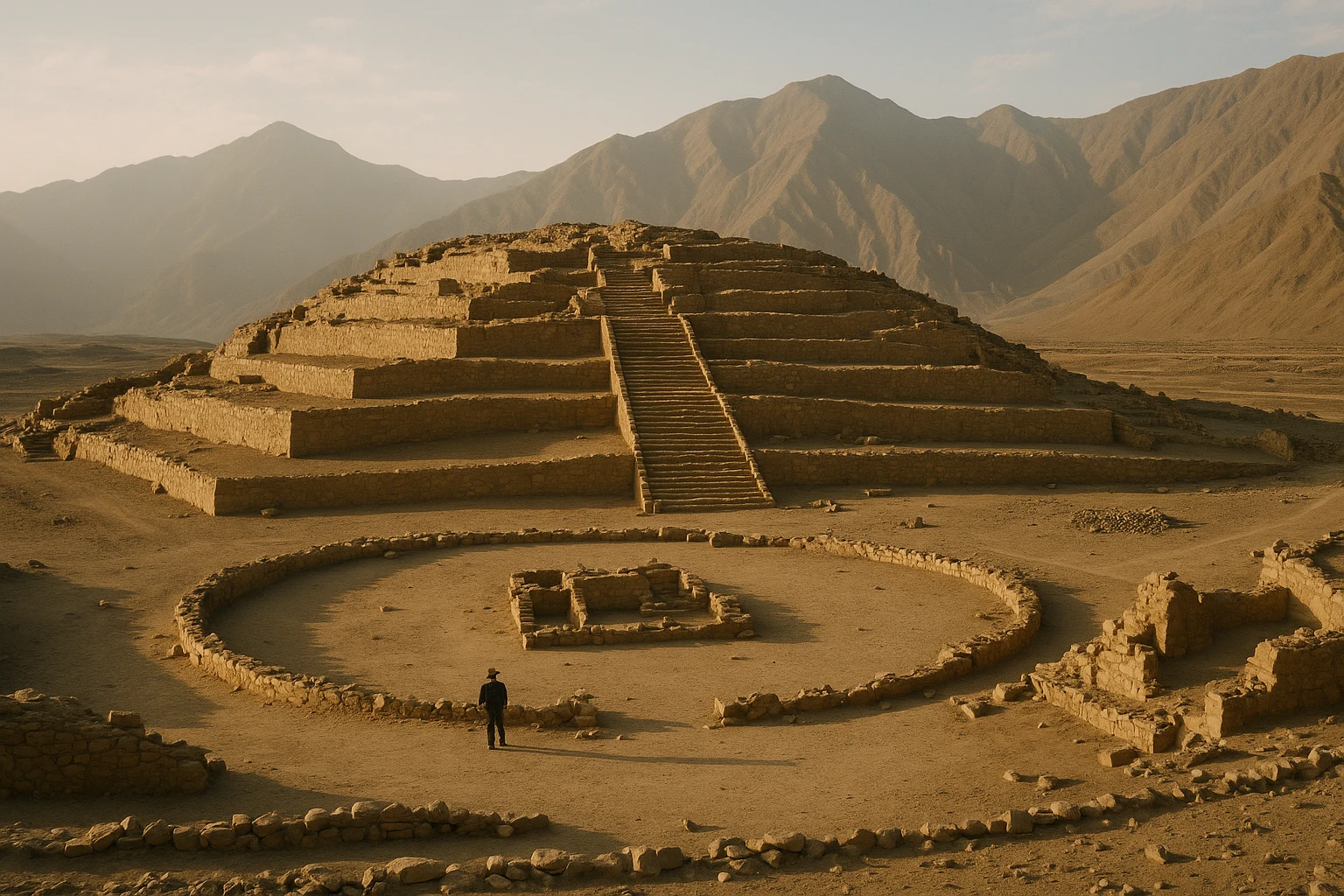
Caral-Supe Peru Guide 2026: Sacred Pyramids & the First Andean City
Norte-Chico-CaralVisit Caral-Supe in Peru, the oldest known city in the Americas, with practical transport from Lima,...
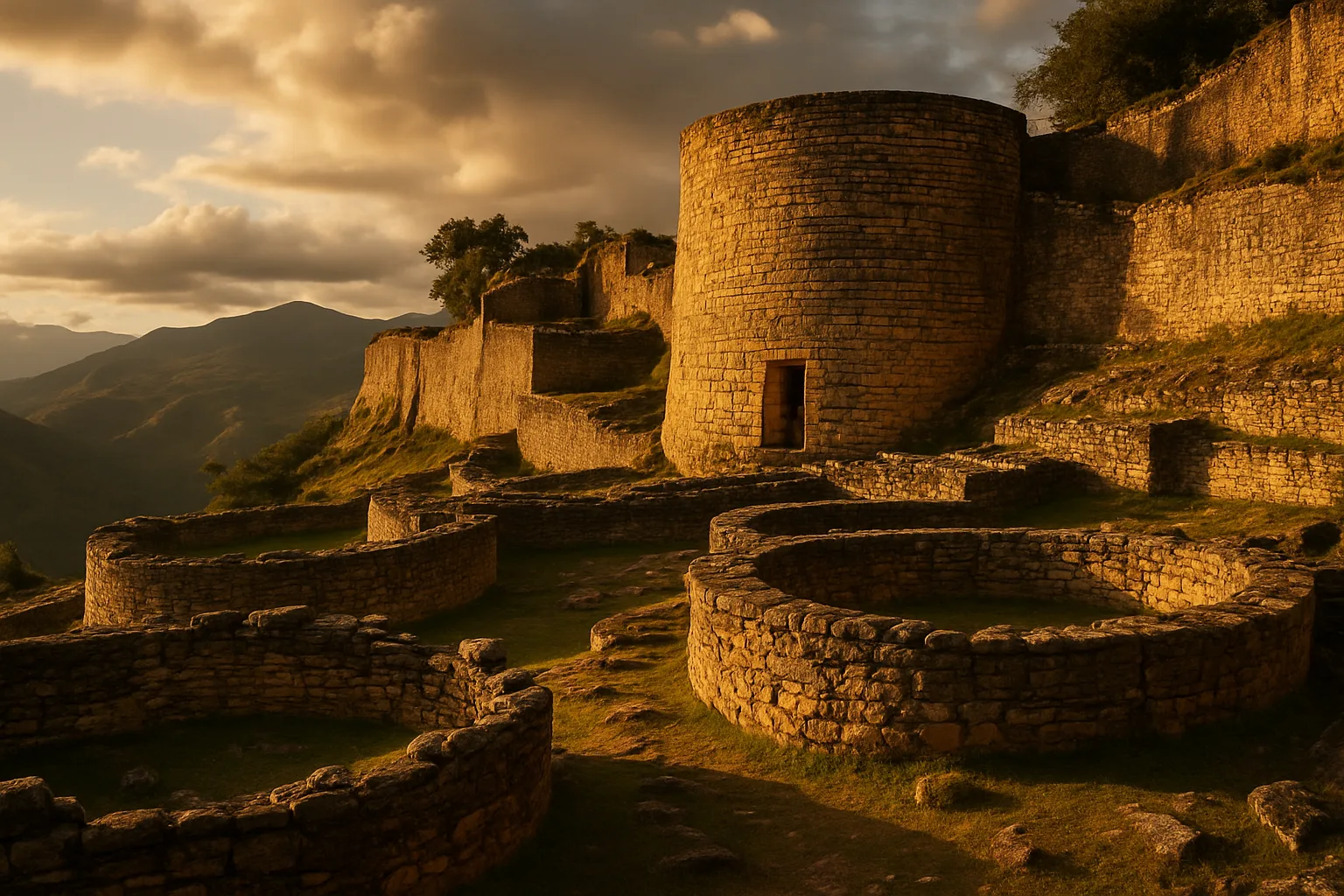
Kuelap Peru Guide 2026: Chachapoyas Cloud Fortress
ChachapoyasExplore Kuelap, the massive Chachapoyas cloud fortress in northern Peru. Reach it by cable car from ...
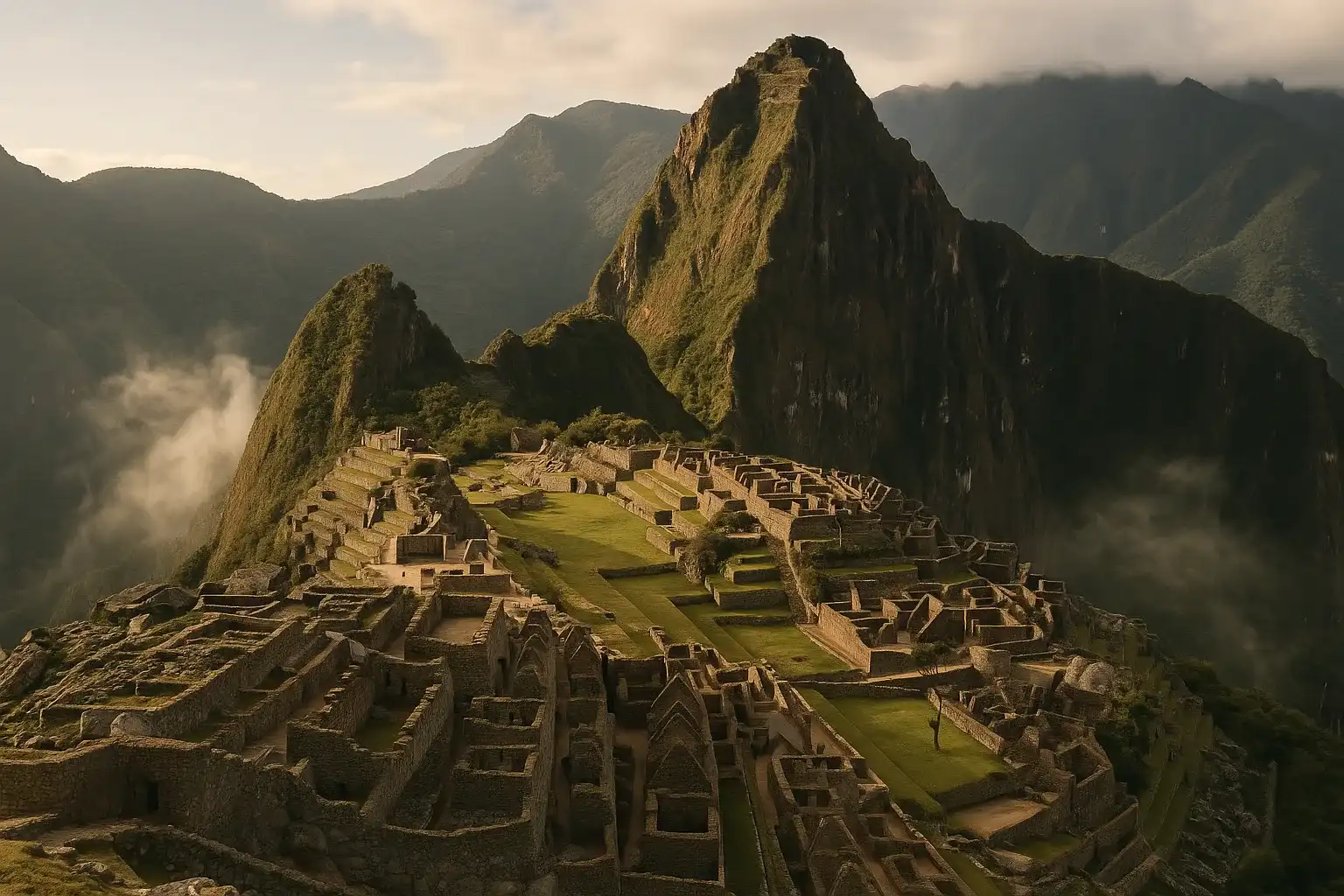
Machu Picchu Peru Travel Guide 2026: Circuits, Tickets & Entry Tips
Inca EmpireNavigate Machu Picchu's 2026 circuit system with our definitive guide. Learn how to choose your rout...
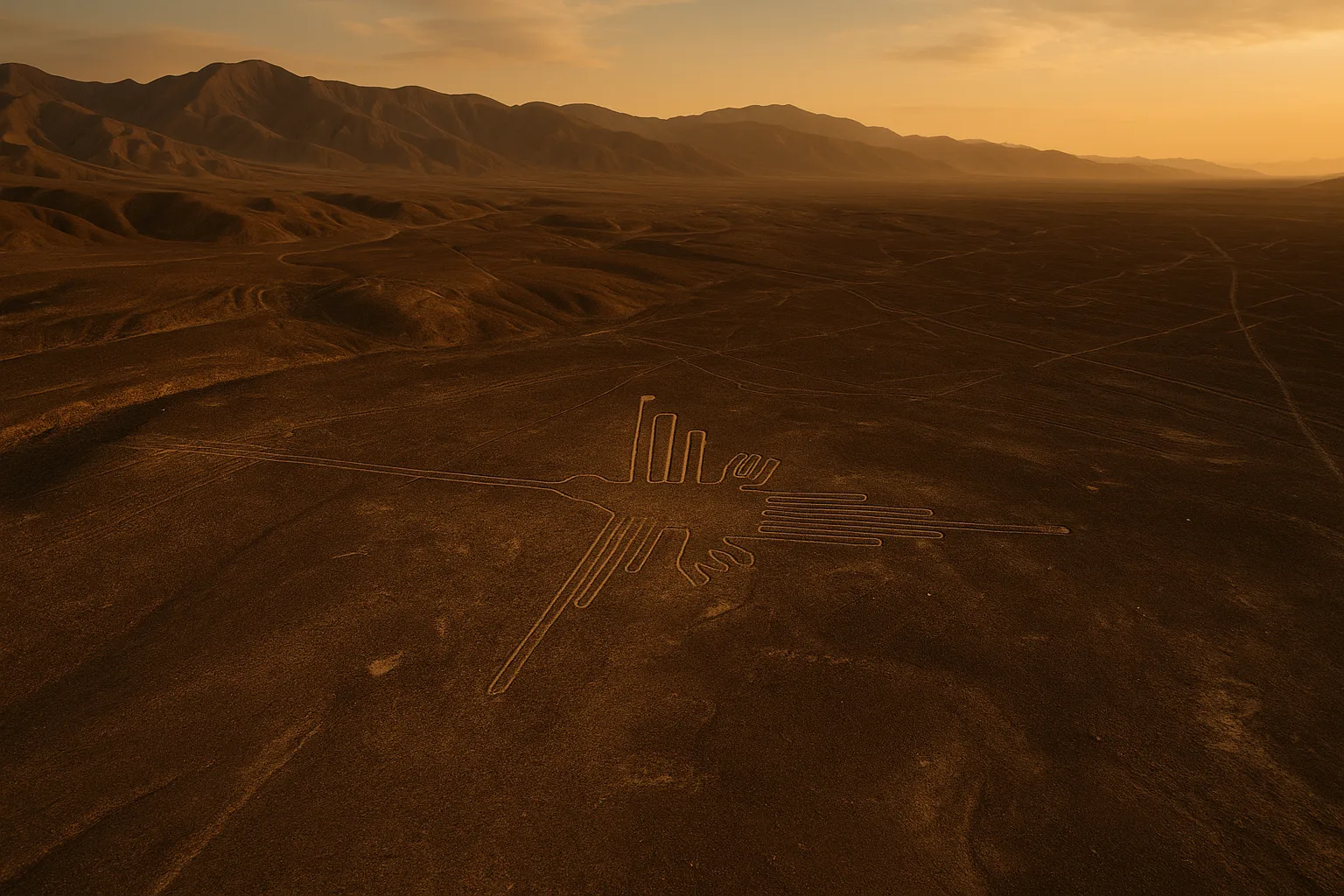
Nazca Lines Peru Guide 2026: Geoglyphs & Desert Mystery
NazcaExplore Peru's Nazca Lines: ancient geoglyphs etched in desert sand. Plan your overflight or land to...