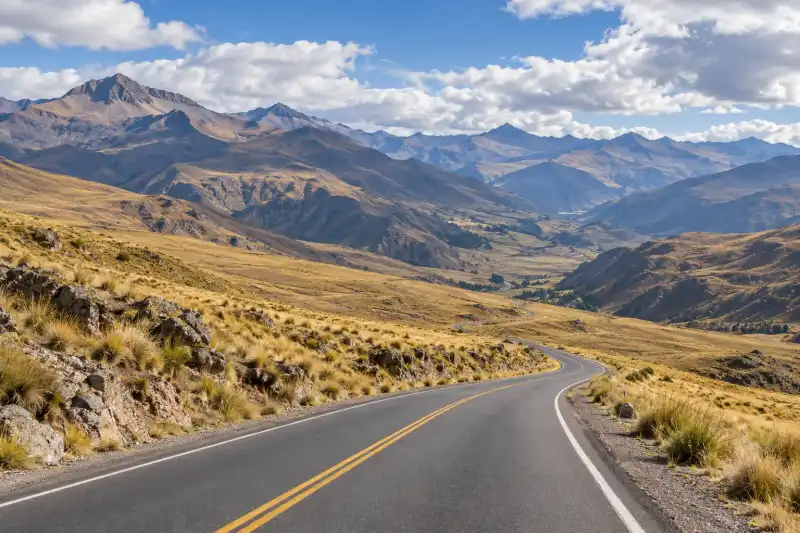
Peru has radically different elevations within one trip. A coastal arrival, a Cusco flight, a Sacred Valley hotel, an Inca Trail departure, and a visit to Machu Picchu can all feel like parts of the same vacation while placing very different demands on the body.
Altitude acclimatization is not a sightseeing hack. It is the process of giving your body time to adjust to lower oxygen at elevation. The safest itinerary is one that accepts uncertainty: you may feel fine, you may need a rest day, and a symptom may mean the next ascent is off the table.
Who should plan extra carefully
The CDC advises that travelers above 8,000 feet can be at risk for altitude illness. Previous fitness, youth, and determination do not reliably predict who will have trouble. Speak with a clinician familiar with high-altitude travel before departure if you have a relevant heart or lung condition, sleep-breathing issue, pregnancy, or a history of altitude illness. Ask about your exact route and sleeping elevations, rather than requesting a generic travel prescription.
Travel insurance and a practical communication plan matter too. Save accommodation addresses, insurer contacts, and a local emergency option before heading into a remote area.
Recognize the pattern early
Acute mountain sickness commonly involves headache with one or more symptoms such as nausea, fatigue, dizziness, or poor sleep after gaining altitude. The appropriate immediate itinerary choice is to stop ascending. Skip the higher viewpoint, pass, or overnight transfer even if it disrupts a reservation.
If symptoms are getting worse while you remain at the same elevation, descend and seek medical assessment. Serious warning signs such as shortness of breath at rest, confusion, marked trouble walking or coordinating movement, or persistent worsening symptoms require urgent care and descent. Do not wait for a planned tour pickup or attempt to hike yourself down alone.
This is general travel information, not personal diagnosis or treatment instructions.
Design the first days for change
- Keep the day of a high-altitude arrival deliberately light.
- Avoid pairing arrival with a strenuous hike or a higher overnight stop.
- Add flexible time before a trek, mountain pass, or fixed rail connection.
- Use a lower, simpler activity as an option rather than a failure.
- Review daily symptoms honestly with companions and guides.
A Sacred Valley stay can be part of a gradual plan, but it is still highland travel. Our Sacred Valley acclimatization guide covers how to make that sequence less rushed. For country-wide transfers and city planning, see Peru highlands travel planning.
Apply the rule to real Peru routes
The climb through Sacsayhuamán can be moved later in a Cusco stay. The terraces at Ollantaytambo include steps and uneven ground, so do not use them as an arrival-day fitness test. Machu Picchu is lower than Cusco but can still affect some visitors and involves a route-specific admission plan.
For the Inca Trail or another high trek, do not confuse “I made it through a museum day” with acclimatization for sustained uphill effort. Build in days before the departure, tell the operator about concerning symptoms, and accept a change of plan when it is safer.
Things that do not solve the risk
- Being athletic or having completed a hard workout at home.
- Drinking extra fluids while continuing to ascend with worsening symptoms.
- Copying a companion’s medication or using a dosing plan from the internet.
- Treating a lower valley hotel as a guarantee that illness cannot occur.
The point is not to frighten travelers out of Peru. It is to leave room for the normal, sensible decision to pause. That decision protects the rest of the trip.