The Sacred Valley is often presented as a clever shortcut around Cusco’s elevation. It is better understood as a place to slow down. Its towns and archaeological sites sit at varying elevations, roads climb and descend, and a “rest day” can quietly become a long vehicle transfer plus steep stone steps.
Use the valley to sequence a Peru itinerary thoughtfully, not to declare altitude irrelevant. This is the page for arranging the first few days around Pisac, Ollantaytambo, and a later Machu Picchu visit. For broader arrival and medical decision-making, read our Peru highlands planning guide.
A flexible valley sequence
Day 1: arrive, transfer, and keep the agenda tiny
If you arrive through Cusco, arrange a transfer only after allowing for flight disruption and baggage delays. Once at your accommodation, limit the day to settling in, a short easy walk if you feel well, and checking the next morning’s plan. Do not make a late-afternoon ruin visit obligatory just because the car is already booked.
Day 2: choose one modest visit
Pick one nearby cultural activity rather than trying to “catch up.” Pisac can reward unhurried time at the archaeological complex and town, while a market visit, museum, or quiet valley walk may be the better choice if you feel off. Keep the transport return simple.
Day 3: add a second site only if you feel well
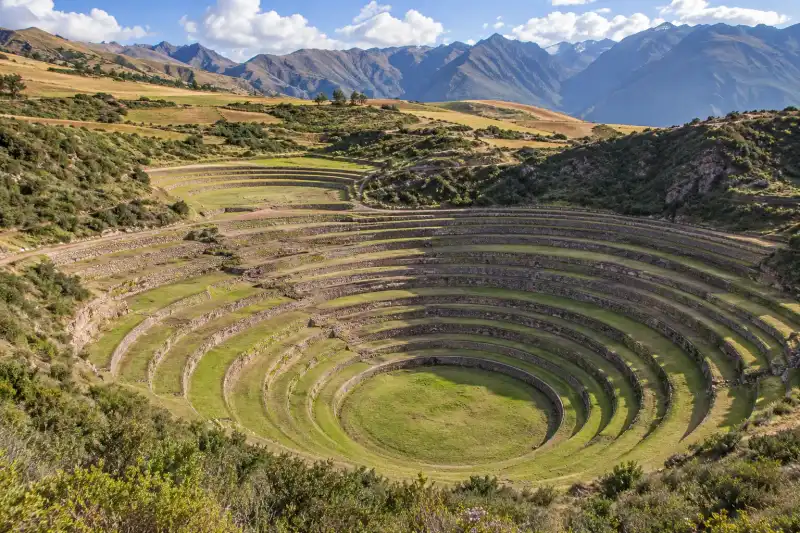
If you are sleeping and moving normally, consider Moray or another separate stop. This is a decision point, not a quota. A guide or driver should know that turning back, resting, or changing the plan is acceptable.
Day 4: use Ollantaytambo for the rail handoff
Ollantaytambo’s fortress is a substantial visit in its own right, with uneven surfaces and stairs. Plan it separately from a tightly timed train if possible. Confirm your rail station, boarding requirements, luggage policy, and the exact time you must arrive directly with the rail operator. A published timetable is not a promise of the service on your date.
Symptoms change the itinerary
Altitude illness can begin with headache alongside nausea, fatigue, dizziness, or disturbed sleep. Stop ascending when symptoms begin. Do not continue toward a higher hotel, pass, or trailhead to satisfy a schedule. If symptoms worsen at the same elevation, descend and obtain medical care.
Shortness of breath at rest, confusion, loss of coordination, or a deteriorating condition are urgent warning signs. Seek urgent care and descend. Do not rely on fitness, prior endurance, or a traveler’s past success at another altitude as a safety guarantee.
Make the stay easier to change
A good Sacred Valley booking plan has escape hatches:
- Favor accommodations that can help arrange local transport or medical assistance.
- Do not chain every night to a non-refundable onward service.
- Keep one activity per day optional.
- Tell companions where you are staying and who holds insurance details.
- Carry water and sun protection, but do not use hydration as a substitute for responding to symptoms.
Avoid recommending medicine doses or copying another traveler’s medication plan. A clinician can assess individual preventive options before departure.
Link the valley to Machu Picchu honestly
The valley is a logistics bridge, not an admission system. Machu Picchu has specific official circuits and routes. Before locking a train, hotel, or guide, verify the exact entry date, time, and route you intend to use. If you choose the Inca Trail, treat acclimatization and trekking fitness as separate problems: a comfortable valley day does not prove readiness for a high pass.
The best version of this itinerary leaves you enough time to notice what your body is doing and enough daylight to enjoy the terraces when you feel well. The valley has been here for centuries. It does not need you to speed-run it.