Quick Info
At a glance
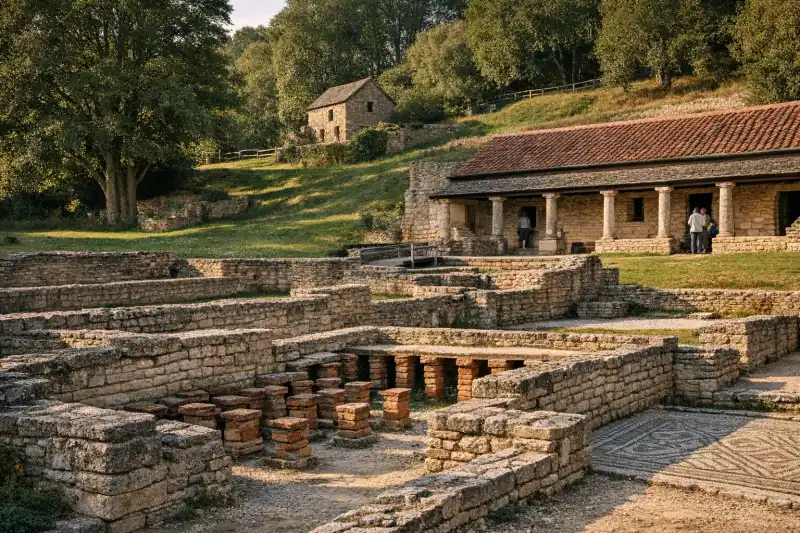
Chedworth Roman Villa in the United Kingdom lies hidden in a quiet Cotswold valley, where trees, limestone slopes, and birdsong frame the remains of one of Roman Britain’s most impressive country estates. Unlike urban Roman sites where walls and streets must be imagined through foundations alone, Chedworth offers something more intimate: a glimpse into the daily life of a wealthy household that once enjoyed heated rooms, bath suites, decorated dining spaces, and beautifully crafted mosaic floors far from the empire’s Mediterranean heartland.
What makes the villa especially memorable is the contrast between its pastoral setting and the sophistication of the archaeology. You arrive through green English countryside, often along winding lanes, and then discover evidence of luxury that would not have looked out of place in a prosperous provincial residence elsewhere in the Roman world. The site does not overwhelm with monumental scale; instead, it rewards slow looking. Fragments of painted plaster, hypocaust systems, water management, and the footprint of domestic life reveal how Roman culture adapted to local materials, climate, and landscape.
Today, Chedworth Roman Villa is protected by the National Trust and presented with modern shelters and walkways that help preserve its fragile remains while making them easier to understand. For travelers interested in Roman Britain, archaeology, or the layered history of the Cotswolds, it offers a visit that is both scholarly and atmospheric. It is a place where empire feels close, not through conquest and grand rhetoric, but through meals eaten, baths taken, floors admired, and winters endured in a remote corner of Britain.
History
Early Roman origins
The story of Chedworth Roman Villa likely began in the 2nd century CE, when Roman rule in Britain had become established and the province was increasingly tied into the economic and cultural systems of the wider empire. This was a period when roads, towns, military zones, and agricultural estates helped reshape the landscape. Villas in Roman Britain were not merely country houses in the modern sense. They were working estates, centers of production, and symbols of status. Their owners benefited from agriculture, trade, and local political connections, while also adopting aspects of Roman lifestyle and taste.
At Chedworth, the earliest phase appears to have been relatively modest. Archaeological evidence suggests that the site started as a smaller rural settlement or farmstead before growing into something far more elaborate. Its location was practical as well as attractive. The valley setting provided water, shelter, and access to fertile land, while the surrounding Cotswold region was connected to important Roman centers such as Corinium Dobunnorum, modern Cirencester, one of the largest towns in Roman Britain.
Expansion into a luxury villa
By the 3rd and especially the 4th century CE, Chedworth had expanded into a substantial and luxurious villa complex. This was the period of its greatest prosperity. New wings, bath buildings, reception rooms, courtyards, and richly decorated living spaces were added. Mosaic pavements, underfloor heating, and carefully planned architectural layouts all indicate that the estate belonged to people of considerable means.
This transformation reflects a wider pattern in late Roman Britain. While some areas suffered instability, certain villa owners accumulated wealth and invested heavily in domestic display. Chedworth is one of the clearest examples of that prosperity. The villa’s owners were not simply surviving on the edge of empire; they were participating in Roman elite culture. Their dining rooms and private baths suggest an environment where comfort, hospitality, and social standing mattered deeply.
The mosaics are among the strongest indicators of this ambition. Intricate floor designs required skilled artisans, careful planning, and substantial investment. They were practical surfaces, but they were also statements of taste. In a province far from Rome itself, they proclaimed education, refinement, and participation in a Romanized world.
Daily life on the estate
The villa would have been more than a residence for one family. It likely functioned as the center of a large agricultural estate employing laborers, servants, craftspeople, and possibly tenants. Fields, livestock, storage spaces, kitchens, workshops, and service quarters would all have supported the main household. The surviving remains can feel elegant and serene today, but in antiquity the site must have combined domestic luxury with the rhythms of estate management.
Water was central to life at Chedworth. Springs in the valley helped support the bath complex and other household needs. Roman bathing was not merely about hygiene; it was a ritualized social activity tied to comfort and status. Heated rooms, warm baths, and engineered drainage required both resources and technical knowledge. Their presence at Chedworth reveals how fully Roman building traditions had been adapted to this rural British setting.
Decline after Roman rule
Like many villas in Britain, Chedworth entered a period of decline in the late 4th and early 5th centuries CE, as Roman administration weakened and the province changed dramatically. The exact pace of abandonment is difficult to reconstruct, but the old systems that sustained such estates gradually broke down. Long-distance trade became less reliable, centralized government faded, and elite lifestyles tied to Roman identity became harder to maintain.
Some villas were repurposed, partially occupied, stripped of materials, or left to decay. At Chedworth, roofs collapsed, walls eroded, and decorative features were buried by soil and vegetation over centuries. Yet that slow burial also preserved important elements of the site, especially the mosaics and structural traces that would eventually attract antiquarian and archaeological interest.
Rediscovery and preservation
Chedworth Roman Villa was rediscovered in the 19th century, reportedly after gamekeepers found remains while working on the estate. Victorian fascination with Roman Britain quickly brought attention to the site. Excavations began, though early methods did not always meet modern archaeological standards. Even so, those initial investigations revealed just how exceptional the villa was.
Over time, further excavation and conservation clarified the site’s layout and significance. Protective structures were introduced to shield the mosaics and masonry from weather. In the 20th and 21st centuries, archaeological work and interpretation continued to refine understanding of the villa’s phases, use, and social context. Today, Chedworth stands as one of the most important villa sites in Britain, not because it is the largest, but because it so vividly preserves the architecture and aspirations of Romano-British elite life.
Key Features
Chedworth Roman Villa is best understood as a layered complex rather than a single building. Its remains spread across a sloping valley site, and that setting contributes greatly to the experience. The landscape still feels secluded, almost private, which suits a residence that once offered retreat as well as prestige. Walking through the site, you can sense both the practical logic of the plan and the desire to create a comfortable, impressive home.
The mosaics are the first feature most visitors remember. These floors survive in several rooms and display geometric patterns, careful craftsmanship, and a level of decorative ambition that marks the villa as a place of wealth. They are not vast narrative compositions on the scale of some continental Roman houses, but they are elegant and revealing. Their preservation allows visitors to see not just architecture in outline, but surfaces that shaped how the rooms were perceived and used. A mosaic floor changes a ruin into a home. It reminds you that people once stood, dined, and conversed here with these patterns beneath their feet.
Equally compelling is the bath suite. Roman baths are among the most recognizable expressions of Roman engineering and daily routine, and at Chedworth they show how provincial elites brought metropolitan habits into the countryside. The remains include heated rooms and evidence of the hypocaust system, in which hot air circulated beneath raised floors and through wall spaces. This was advanced domestic technology, especially in Britain’s colder climate. To stand above the furnace channels and support pillars is to appreciate how much labor and fuel were required to maintain comfort.
The water system is another important element. Springs in the valley helped make the location viable for baths and household use, and the site’s infrastructure demonstrates Roman skill in harnessing local resources. At Chedworth, luxury was inseparable from engineering. Fine living depended on reliable water, drainage, and heating. These practical systems are part of what lifts the villa beyond picturesque ruins and makes it a real case study in Roman domestic design.
Visitors should also pay attention to the layout of rooms around open spaces and corridors. Though only foundations and partial walls survive, the overall arrangement still suggests a house designed for movement, privacy, service, and display. Reception rooms would have projected status. More intimate chambers offered domestic retreat. Service areas kept the household functioning behind the scenes. Roman villas were social theaters as much as residences, and Chedworth retains enough of its plan to make those distinctions legible.
Shelters and modern walkways have become part of the site’s character. While some travelers prefer ruins exposed entirely to the elements, the protective structures here serve an important purpose. They preserve fragile features and make it easier to view details closely. Interpretation panels and museum displays add context without overshadowing the archaeology. For visitors new to Roman Britain, this can be especially valuable, as the site rewards a little background knowledge. Once you understand what a hypocaust is, or why mosaics mattered, the remains become far more vivid.
Another striking feature is the atmosphere of the valley itself. Many Roman sites are surrounded by later urban development, but Chedworth remains embedded in a rural environment that feels plausibly ancient. Birds, trees, damp air, and rolling hills remind you that this was a country estate shaped by land ownership and agricultural wealth. The villa’s elegance cannot be separated from the landscape that sustained it.
Seasonal changes can alter which features stand out most. In bright weather, the mosaics and limestone seem sharper, and the green valley frames the ruins beautifully. In cooler or wetter months, the bathhouse and heating systems feel especially meaningful, making it easier to imagine the need for warmth and enclosed comfort. Even fragments of wall plaster and masonry gain power when seen in a climate much like the one the villa’s residents knew.
Finally, what makes Chedworth exceptional is not one spectacular monument but the coherence of the whole. The site presents a persuasive picture of a prosperous Romano-British household at its peak. Architecture, decoration, engineering, and setting combine to reveal how Roman identity was lived in the provinces. It is less about imperial grandeur than cultivated domestic life, and for many visitors that makes it more human, more accessible, and ultimately more memorable.
Getting There
Chedworth Roman Villa is in rural Gloucestershire, so reaching it requires a little planning, especially if you are not traveling by car. The easiest option is to drive. From Cirencester, the journey usually takes around 25 to 35 minutes depending on the route and traffic; from Cheltenham, allow about 40 to 50 minutes. Roads in the Cotswolds can be narrow and winding, but signage is generally good near the site. On-site parking is usually available, though National Trust parking arrangements may vary by season or membership status.
If you are using public transport, the most practical rail hubs are Kemble, Cheltenham Spa, or Gloucester, depending on where you are coming from. Advance train fares from London Paddington to Kemble can start around £15 to £35 one way, while flexible or same-day fares are often higher. From Kemble or Cheltenham, you will likely need a taxi for the final leg. A taxi from Cirencester or Kemble to the villa may cost roughly £25 to £45 each way, depending on timing and provider.
Bus access is limited because the villa is in a secluded valley. Some travelers combine a bus to a nearby town with a pre-booked taxi. If you are staying in Cirencester, Bourton-on-the-Water, or Cheltenham, local tour operators or private drivers can sometimes arrange Cotswolds itineraries that include the site. Expect small-group day tours in the broader region to range from about £50 to £120 per person, though Chedworth is not always a standard stop.
Cycling is possible for confident riders familiar with hilly rural roads, but the terrain can be demanding. However you arrive, comfortable shoes are advisable, as the setting includes paths, slopes, and uneven ground.
When to Visit
Spring through early autumn is the most popular time to visit Chedworth Roman Villa, and for good reason. From April to June, the Cotswold landscape is especially attractive, with fresh greenery, mild temperatures, and generally manageable visitor numbers outside school holidays. This is an excellent season if you want the balance of pleasant weather and a quieter atmosphere. The valley setting looks vivid at this time of year, and walking around the site feels particularly rewarding.
Summer brings the warmest conditions and the longest daylight hours. July and August are ideal if you are touring the wider Cotswolds and want reliable weather for driving or combining multiple destinations. The downside is that weekends and holiday periods can be busier, and the most popular times may feel less tranquil. Even then, Chedworth tends to offer a more reflective experience than major urban attractions, especially if you arrive early in the day.
Autumn can be one of the most atmospheric seasons to visit. From September into October, the surrounding woodland begins to change color, and cooler air suits a site where Roman heating systems are among the highlights. Visitor numbers often ease after summer, and the softer light can make the ruins feel especially evocative. Rain is always possible, but that is true in most seasons in England.
Winter visits are quieter and can be rewarding for travelers who enjoy solitude and moody landscapes, though opening hours may be reduced and weather can be cold, wet, or muddy. It is wise to check National Trust opening times before setting out, particularly around holidays and maintenance periods.
If your main priority is photography, choose a dry day in late spring or early autumn for balanced light and rich landscape colors. If your main interest is archaeology, any season works, provided you allow enough time to read the interpretation and explore slowly.
| Quick Facts | Details |
|---|---|
| Site name | Chedworth Roman Villa |
| Location | Gloucestershire, Cotswolds, United Kingdom |
| Historical period | Roman Britain |
| Main flourishing phase | 3rd-4th centuries CE |
| Best known for | Mosaics, bath complex, hypocaust heating |
| Likely function | Elite rural villa and agricultural estate center |
| Nearest major Roman town | Cirencester (Roman Corinium) |
| Modern management | National Trust |
| Typical visit length | 1.5-3 hours |
| Best season | Spring to autumn |
Guided tours: worth it?
Most travelers can visit Chedworth Roman Villa independently. Compare a tour only if you want a tighter history-focused visit, easier logistics, or a guide who can answer questions on the spot.
Best for
- Short visits where a planned route saves time
When to go self-guided
Go independently if you prefer setting your own pace, reading as you go, and checking official hours or ticket rules directly before you arrive.
What I’d avoid
Skip paid tours that bundle unrelated stops you do not actually want. The best option should either save meaningful planning time or add historical context you would miss on your own.
Cotswolds Day Tours
Useful when: you want to compare guided formats before deciding
Gloucester and Cotswolds Tours
Useful when: you want to compare guided formats before deciding
Roman Britain Tours England
Useful when: you want to compare guided formats before deciding
Some tour links are affiliate links, which may earn Ancient Travel a small commission at no extra cost to you. I try to surface options that make practical sense for the site—not just anything bookable.
Frequently Asked Questions
What is Chedworth Roman Villa?
Chedworth Roman Villa is one of the best-preserved Roman villas in Britain, known for its mosaic floors, bath complex, and remains of an elite rural estate in Gloucestershire.
Where is Chedworth Roman Villa located?
The villa is in Gloucestershire, England, set in a wooded valley in the Cotswolds near the village of Chedworth.
Who manages Chedworth Roman Villa?
Chedworth Roman Villa is managed by the National Trust, which maintains the site, visitor facilities, and interpretation.
How much time should I allow for a visit?
Most visitors spend around 1.5 to 3 hours exploring the villa remains, museum displays, walking paths, and viewing platforms.
Is Chedworth Roman Villa suitable for families?
Yes, the site is family-friendly, with open areas, interpretive displays, and enough variety to interest both children and adults.
Can you see original Roman mosaics at Chedworth?
Yes, Chedworth Roman Villa preserves several original mosaic floors, including fine geometric designs and decorated rooms from the later phases of the villa.
Nearby Ancient Sites
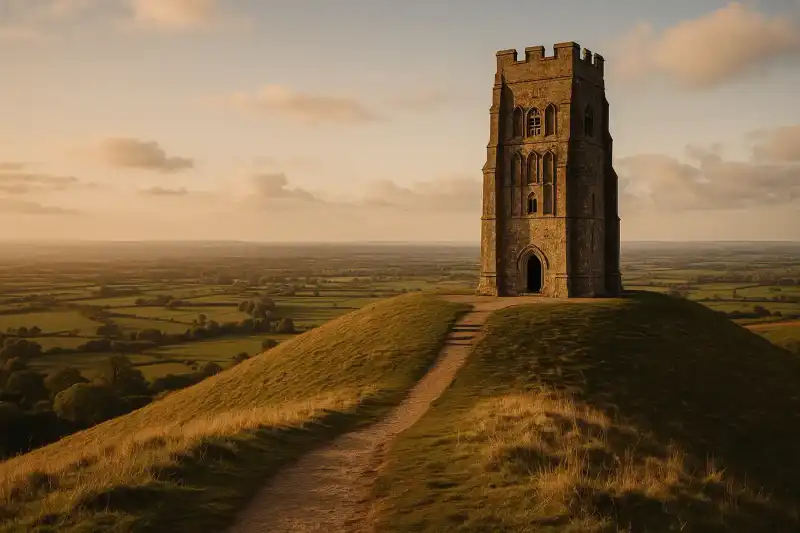
Glastonbury Tor Travel Guide 2026: Best Walk Times, History, and Visit Planning
Early Medieval EnglandPlan a smarter visit to Glastonbury Tor with practical climb timing, weather tips, and context on wh...
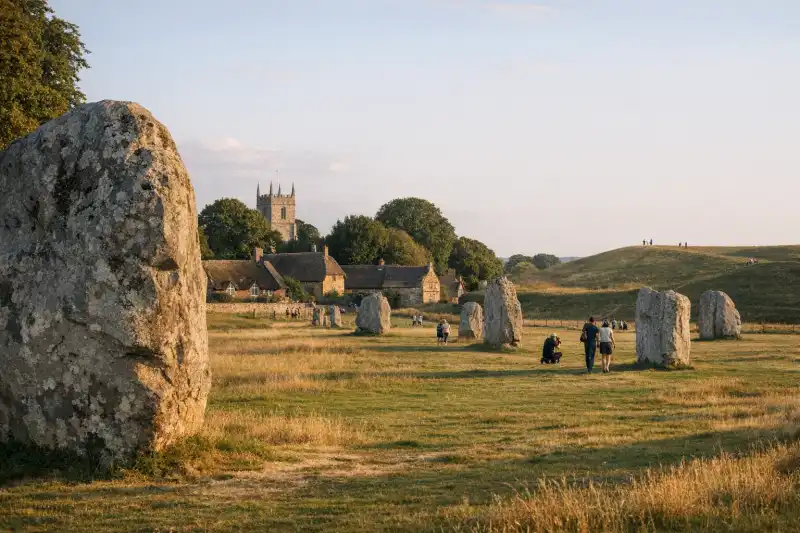
Avebury
Neolithic BritainExplore Avebury in the United Kingdom, a vast prehistoric stone circle and ritual landscape in the h...
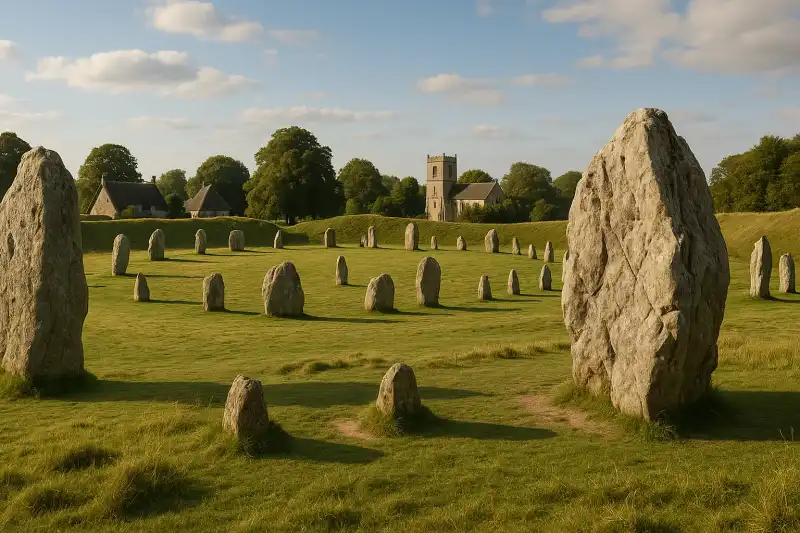
Avebury Stone Circle Travel Guide 2026: Best Walk Routes, History, and Visit Planning
Neolithic BritainPlan a stronger visit to Avebury Stone Circle with practical walking routes, landscape context, and ...
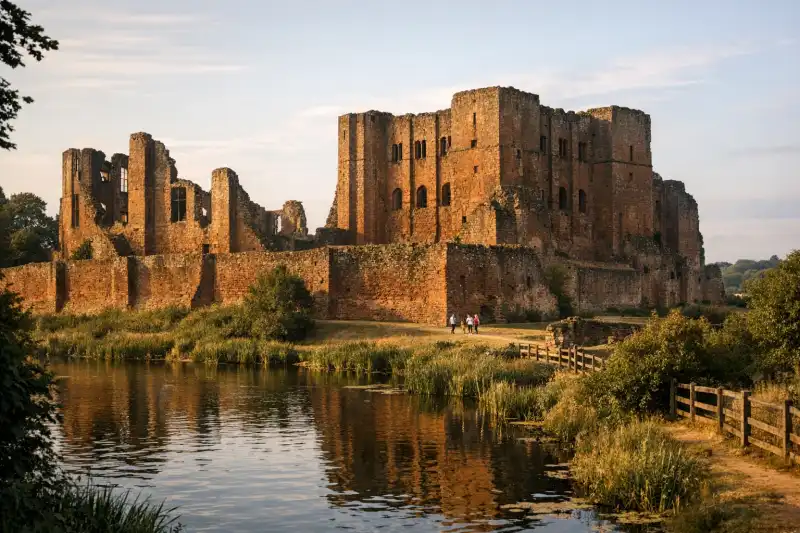
Kenilworth Castle
Norman and medieval EnglishExplore Kenilworth Castle in the United Kingdom, a vast medieval fortress famed for royal drama, Eli...