Quick Info
Curated Experiences
Chester Roman History Walking Tour
Discover Roman Chester Guided Walking Tour
Chester Highlights and Roman Amphitheater Tour
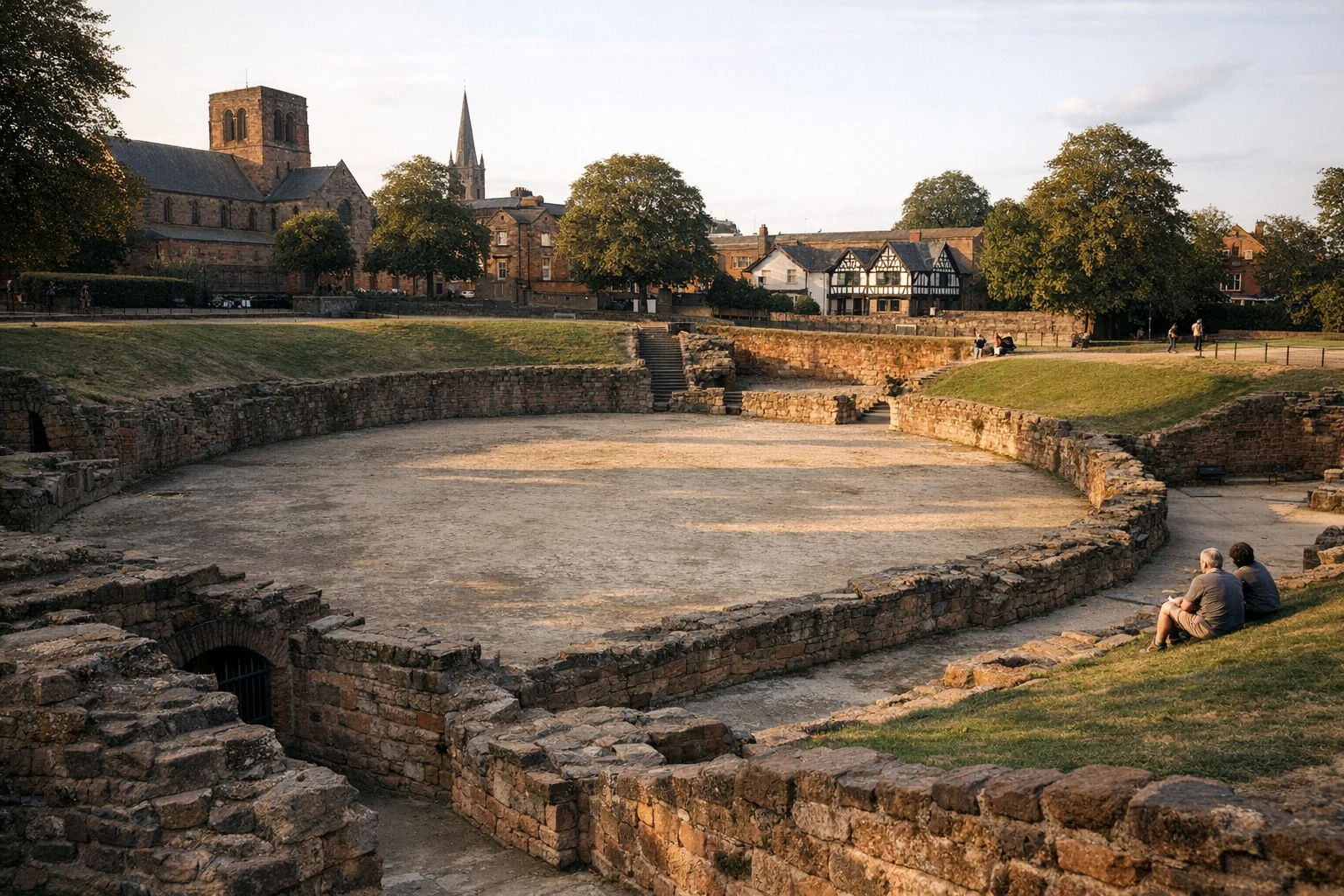
Set within the heart of Chester, a picturesque and historic city in the United Kingdom, the Chester Roman Amphitheater holds a silent grandeur that is impossible to ignore. Immediately upon arrival, visitors are struck by the integration of ancient stonework with the bustling modern city, with the amphitheater’s grassy curves and remnants of Roman masonry lying just steps away from shops, cafes, and the iconic city walls. Found in Cheshire, the Chester Roman Amphitheater is the largest known Roman amphitheater in Britain and represents a window into a forgotten world of gladiatorial spectacle, military life, and urban society from nearly two millennia ago. Its presence, nestled between the impressive remains of Chester’s defensive walls and the banks of the River Dee, bridges the gap between contemporary daily life and the monumental horizons of Roman Britain.
Imagine the faint, ghostly echoes of thousands of spectators—soldiers, townspeople, and visiting traders—pouring into the massive stone arena, the air thick with anticipation of games, military drills, and public events. The amphitheater, built in AD 70 and extensively renovated during the 2nd century AD, commands attention not only due to its size but because of the stories unearthed here: from fierce gladiatorial contests to religious processions and ancient dramas. Today, grassed curves outline where stepped seating once towered above the central arena. While centuries of use, abandonment, and rediscovery have left the structure partially in ruins, a visit is a journey through layered time—where Roman Britain’s remarkable urban achievements become tangible beneath your feet. Whether you are a history enthusiast, a family discovering Roman heritage, or an intrepid traveler, the Chester Roman Amphitheater welcomes exploration and invites reflection on the enduring legacies of Britain’s ancient past.
History
Early Roman Chester: Military Foundations
Chester, known as Deva Victrix in Roman times, emerged as a strategic military stronghold during the conquest and occupation of Britain. Established around AD 70 as the fortress for the Legio XX Valeria Victrix (the Twentieth Legion), the city became one of Roman Britain’s preeminent settlements. The construction of the amphitheater was an early expression of Chester’s newfound status. Serving a legionary base housing between 5,000 to 6,000 legionaries, Deva’s urban and civic developments followed the classic Roman template—straight roads, grid planning, imposing gates, baths, temples, and, crucially, an amphitheater large enough for thousands. The primary function of the amphitheater at this stage was dual: it was a venue for training soldiers in combat and spectacle, and a public space where citizens could participate in rituals central to Roman life.
The Golden Age: Expansion and Entertainment
By the 2nd century AD, Chester Roman Amphitheater underwent significant expansion. The original timber-and-earth construction was rebuilt in stone, creating the elliptical, double-aproned arena visible in today’s excavations. At over 95 meters long and 87 meters wide, it rivaled larger amphitheaters on the European continent, signaling Chester’s elevated status in the Roman province. During this golden age, the amphitheater was a dynamic social and cultural center. Gladiatorial games, wild beast hunts (venationes), and executions played out before enthusiastic crowds. Local Britons, Roman citizens and soldiers alike gathered here, not merely for entertainment but to witness justice, experience communal identity, and participate in the cult of Rome.
Archaeological evidence—animal bones, inscriptions, and the remains of elaborate painted plasterwork—offers glimpses into the vibrant events that dominated the arena. The amphitheater also hosted military drills and ceremonial displays, integrating martial discipline with public spectacle. Linked closely with a large Roman shrine dedicated to the goddess Nemesis, the amphitheater’s religious dimension underpinned both the perceived order of the cosmos and legal authority of the empire.
Decline, Rediscovery, and Preservation
The 4th century saw the decline of Roman authority in Britain, and with it, the gradual abandonment of Chester’s grand structures. The amphitheater began to fall into disuse as the garrison shrank and monumental architecture lost its imperial sponsors. In the centuries that followed, parts of the amphitheater were quarried for building materials, built over, or lost to the encroaching urban medieval townscape. However, unlike many other sites, its buried bulk preserved at least half its original footprint.
Modern rediscovery began in the 18th century, when antiquarians first speculated about the amphitheater’s shape and location. Major archaeological excavations in the 20th and 21st centuries revealed not only the oval arena, but also well-preserved structural features such as stairways, passageways (vomitoria), and the shrines adjacent to the arena. Ongoing conservation ensures that key elements remain visible, while urban regeneration projects continually negotiate the balance between ancient remains and city life. Today, the Chester Roman Amphitheater is both a scheduled monument and an open-air museum, celebrated for illuminating the continuity of human settlement and spectacle in this part of Britain.
Key Features
The defining character of Chester Roman Amphitheater lies not simply in its surviving stones, but in its unique architectural and archaeological features. Visitors enter the site to find the curved outline of a massive oval structure, once capable of seating 7,000 to 8,000 spectators. The sweeping banks, now softened by grass, give a clear sense of the amphitheater’s former scale and the way it dominated the cityscape. At the center, the broad, sandy arena is still accessible; here, gladiatorial contests, judicial punishments, and public ceremonies played out before the Roman population. The original stone walls, preserved in places to waist height, mark where the arena curtain would have lifted to reveal wild animals or contestants in life-and-death struggle.
To the southeast of the arena, the remains of a monumental entrance arch can be traced, likely reserved for processions, dignitaries, or ceremonial displays. A notable feature is the well-preserved shrine to Nemesis, the goddess of fate—a powerful reminder of the amphitheater’s religious as well as entertainment functions. Archaeologists have uncovered altars, inscriptions, and fragments of painted wall plaster, suggesting that both the arena itself and boxes reserved for VIPs were ornately decorated, lending an aura of drama to the spectacles that took place here.
Beyond the visible remains, the site’s interpretative panels bring its buried secrets to life. Reconstructions and information boards help visitors visualize the seating arrangements, the high arena walls lined with protective barriers, and the intricate layout of the vomitoria—gateways through which Romans would flood into and out of the stands. The amphitheater’s original stone seating has mostly vanished over centuries, but partial foundations allow modern visitors to trace where rows upon rows of Roman citizens once sat. The division between the two main construction phases—the early timber structure and the later, larger stone expansion—is also clearly marked in the archaeological record, providing educational insight into Roman engineering.
A remarkable aspect of Chester’s amphitheater is its setting within the living city. A walk around the perimeter is an encounter with both past and present: views to the medieval city wall, the spire of St. John’s Church, and the milling crowds of Chester’s center highlight how the ancient monument continues to shape the urban experience. Occasional reenactments, open-air theater, and family-oriented archaeological events transform the ruins into a vibrant, communal space. As a site of ongoing research, each year brings further discoveries—fragments of mosaic, painted plaster, or rare coins—enriching the picture of life and spectacle in Roman Chester.
Getting There
Chester Roman Amphitheater is exceptionally accessible, making it a rewarding addition to any tour of ancient Britain. Located on Little St John Street at the southeastern edge of Chester’s historic city center, the site is a short walk from the city’s main transport hubs and public attractions. Chester itself lies approximately 200 miles northwest of London, close to the border with Wales, and enjoys excellent road and rail links.
For those traveling by train, Chester Railway Station is just over a 15-minute walk from the amphitheater. Direct rail services connect Chester to London (approximately 2 hours via Avanti West Coast or Transport for Wales, fares from £30-£80), Liverpool (40 minutes, fares around £7-£12), Manchester (about 1 hour, fares from £10). Buses and taxis are readily available from the station; local bus services to City Road and St. John’s Street cost approximately £2-£3 for a single fare. Arriving by car, visitors will find several city center car parks (such as the NCP Pepper Street or the Grosvenor Shopping Center) within a 5-10 minute walk of the site, with typical rates from £1.50-£2 per hour.
International visitors can fly into Manchester Airport (roughly 45 minutes by train or car) or Liverpool John Lennon Airport (50 minutes by rail or taxi), both with numerous connections to major European cities. For those exploring the city on foot, Chester’s compact and picturesque layout makes for pleasant, easy exploration; the well-signed Roman routes guide visitors along ancient walls directly to the amphitheater’s entrance. Bicycles are another popular option within Chester, with bike racks located nearby.
As the amphitheater forms part of Chester’s larger Roman heritage trail—linked to attractions such as the Roman Gardens and Eastgate—the site is easy to include in a self-guided tour or as part of a themed walking group. All transport routes are complemented by clear signage, and visitor maps are available from the Chester Visitor Information Centre, just a two-minute walk from the amphitheater itself.
When to Visit
Chester Roman Amphitheater welcomes visitors throughout the year, with each season offering a distinct and memorable experience. The spring and summer months (April to September) are generally regarded as the ideal time to visit. During this period, the lush grass banks are vibrant, the weather is mild to warm (average summer highs of 19–22°C), and daylight hours allow for leisurely exploration. These months also align with local cultural events—the Chester Heritage Festival and Roman-themed reenactments attract visitors eager to witness the site come to life through historical interpretation and open-air performances.
Autumn (October to November) brings quieter city streets and a spectacular display of golden foliage in the amphitheater’s surrounding gardens. Cooler temperatures (average highs of 11–15°C) make for comfortable sightseeing, and the lower number of tourists ensures a more reflective and personal encounter with the ruins. Winter visits (December through February) are possible, as the site stays open to the public, but visitors should be prepared for colder weather (temperatures can drop to 2–8°C), occasional frost, and shorter daylight hours. The amphitheater takes on a peaceful, atmospheric quality in the winter mist, perfect for photographers and those seeking solitude.
Regardless of season, the amphitheater is an open-air site, so waterproof clothing and sturdy footwear are recommended, especially after rains when paths may be slippery. Early mornings and late afternoons, even in high summer, tend to offer the quietest experiences. While the site is unstaffed, nearby attractions and facilities—including restrooms, cafés, and the Chester Visitor Information Centre—are just steps away and have seasonal opening hours. No matter the time of year, the Chester Roman Amphitheater offers a captivating glimpse into Britain’s ancient past and rewards those who linger with both knowledge and inspiration.
Quick Facts
| Feature | Detail |
|---|---|
| Name | Chester Roman Amphitheater |
| Location | Little St John St, Chester, Cheshire, United Kingdom |
| Coordinates | 53.1871 N, -2.8859 W |
| Civilization | Roman Britain |
| Established | c. AD 70 (original); major expansion in late 2nd century AD |
| Arena Size | 95.7 by 87.1 meters (oval); largest known in Britain |
| Capacity | 7,000–8,000 spectators |
| Entry Fee | Free (public open site) |
| Accessibility | Level arena access, some paths and ramps; partial access for wheelchairs |
| Main Uses | Gladiatorial combat, military drills, public events, religious ceremonies |
| Notable Finds | Altar to Nemesis, painted plaster, inscriptions, coins |
| Closest Rail Station | Chester Railway Station (15 minute walk) |
| Nearby Attractions | Chester City Walls, Roman Gardens, Eastgate Clock |
| Managed By | English Heritage (Scheduled Ancient Monument) |
| Guided Tours | Available through Chester Visitor Centre and local operators |
| Facilities | Interpretation panels, seating, nearby restrooms and cafes |
| Official Website | https://www.visitchester.com/things-to-do/chester-roman-amphitheatre-p121951 |
Frequently Asked Questions
Is there an entry fee to visit Chester Roman Amphitheater?
No, the site is open to the public and free to visit year-round.
What are the opening hours for Chester Roman Amphitheater?
The amphitheater is an open-air site and generally accessible at all daylight hours.
Is Chester Roman Amphitheater accessible for wheelchairs or those with limited mobility?
Some areas have uneven ground, but ramps and paths make the main central arena accessible for most visitors.
Are guided tours available at Chester Roman Amphitheater?
Yes, guided tours are often available through the Chester Visitor Centre or via pre-booked operators.
Can I bring my dog to the amphitheater?
Dogs are allowed on leads, as it is an open public space.
How long should I spend at the amphitheater?
Allow at least 30-60 minutes to fully explore the site and read the information panels.
Are there information boards or exhibits on-site?
Interpretation panels throughout the amphitheater help explain its history and features.
Nearby Ancient Sites
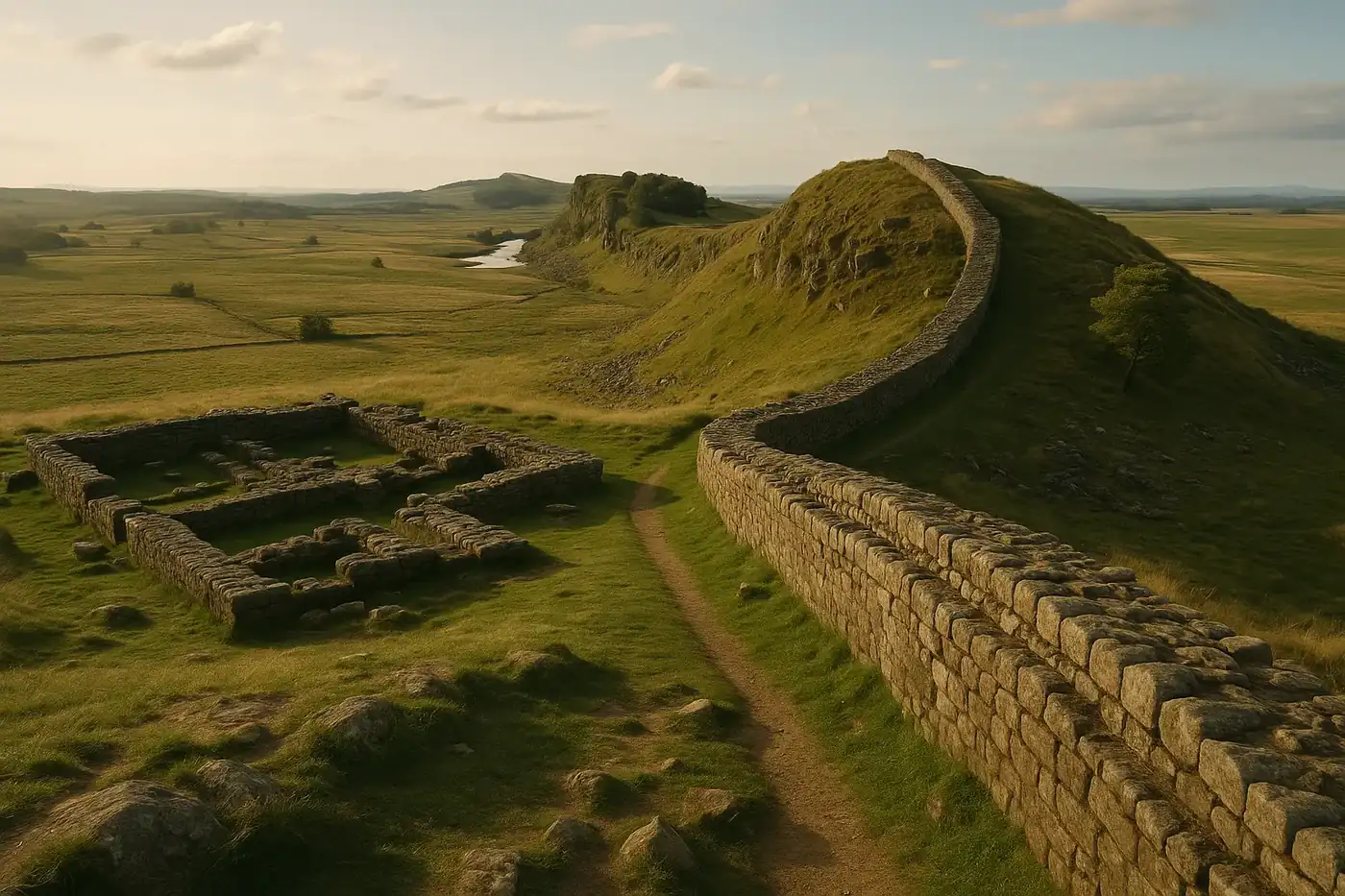
Hadrian's Wall Travel Guide 2026: Best Sections, Roman History, and Practical Planning
Roman BritainPlan a UK frontier-heritage day at Hadrian's Wall with clear section priorities, practical one-day r...
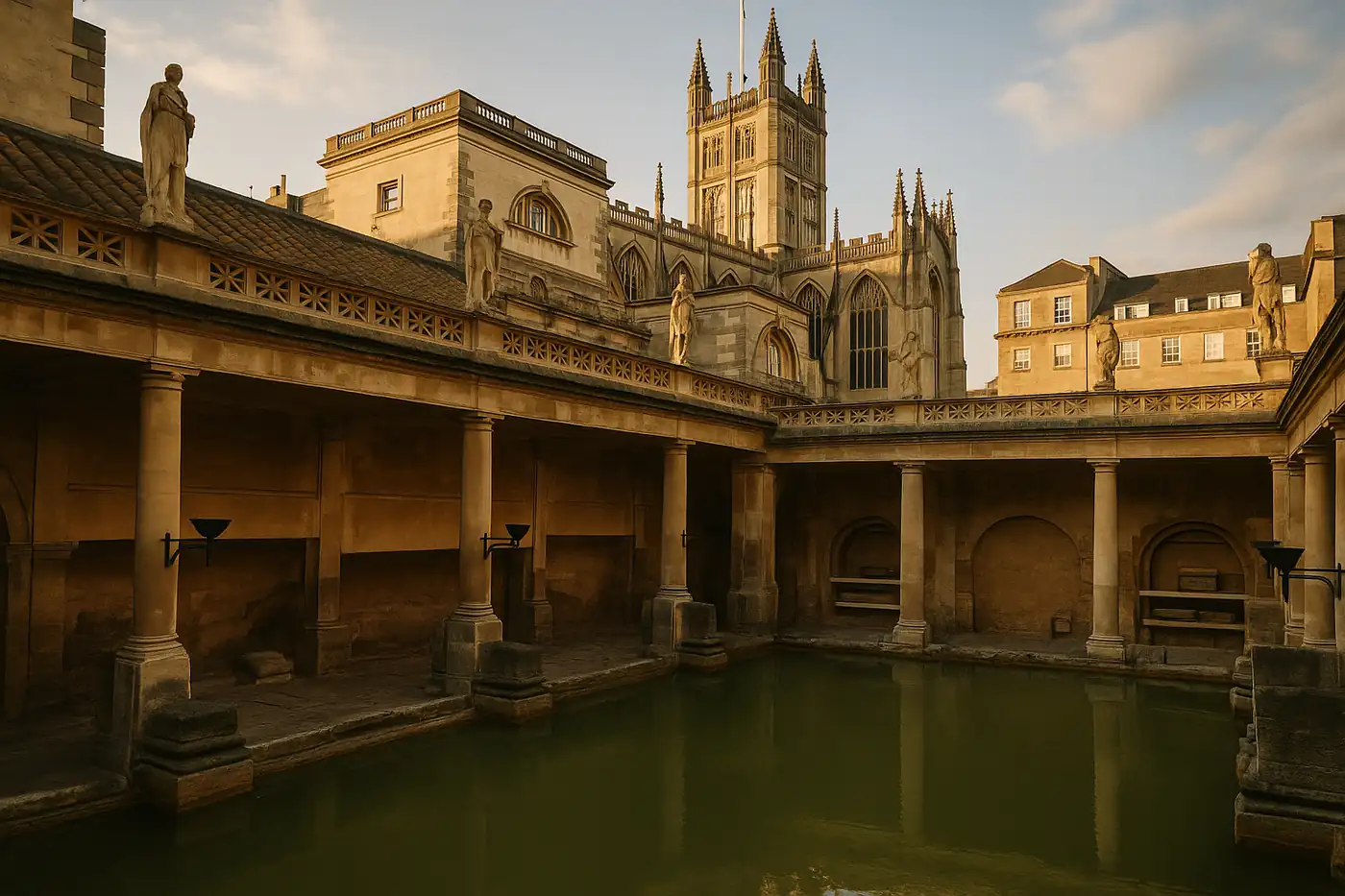
Roman Baths Bath Travel Guide 2026: Tickets, History, and Smart Visit Tips
Roman BritainPlan a better visit to the Roman Baths in Bath with clear ticket strategy, historical context, and p...
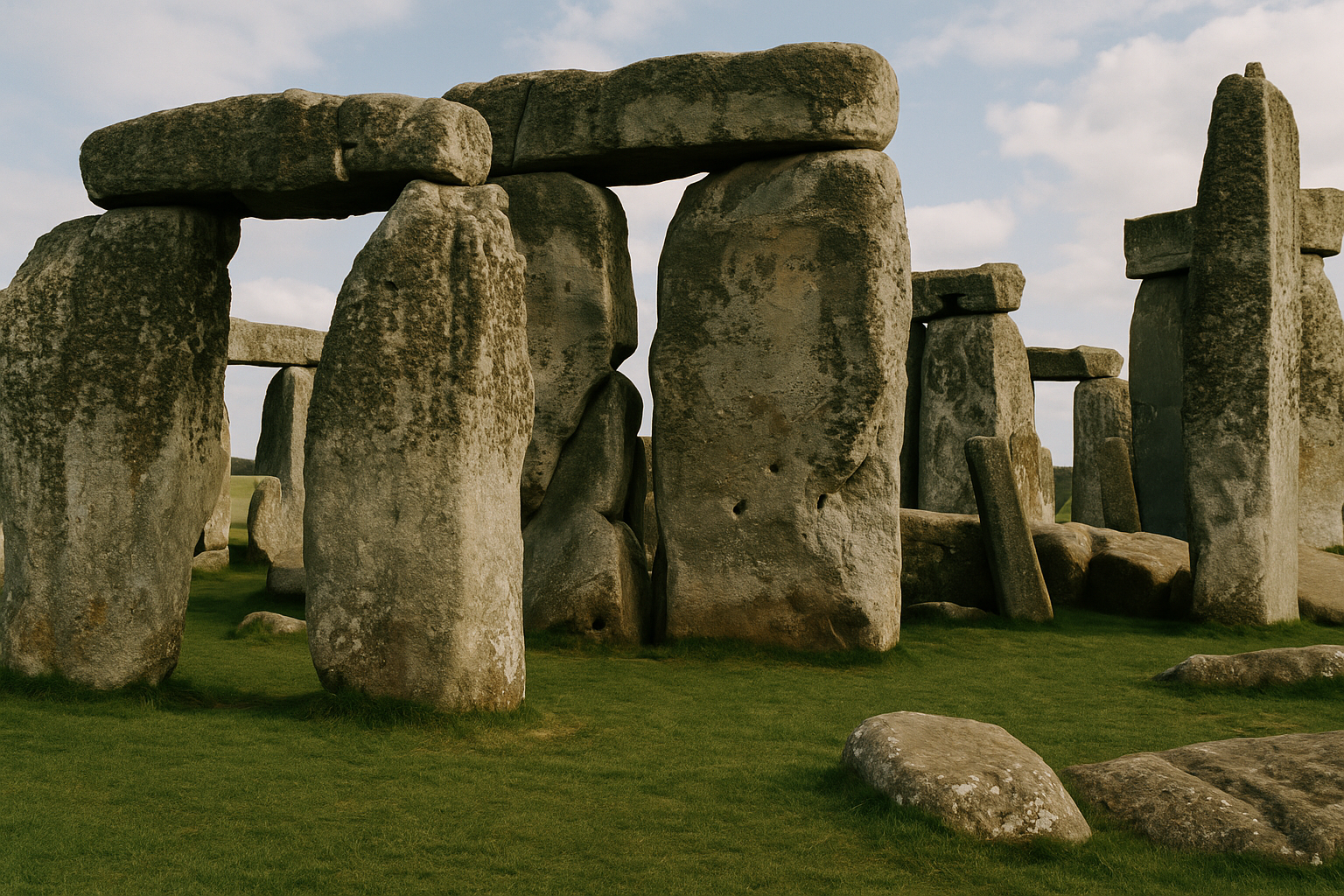
Stonehenge Travel Guide 2026: Solstice History, Tickets, and Day-Trip Planning
Neolithic and Bronze Age BritainPlan a smooth visit to Stonehenge with practical ticket timing, transport options from London and Ba...