Quick Info
Curated Experiences
Skip-the-Line: Hadrian's Villa Tivoli Guided Tour
Hadrian's Villa and Villa d'Este Tivoli Day Trip from Rome
Private Tivoli Tour: Hadrian's Villa and Villa d'Este from Rome
The first thing Hadrian’s Villa does is reset your sense of scale. You arrive expecting a Roman ruin outside Rome, maybe an elegant imperial retreat with a handful of courtyards and baths. Instead you step into a landscape city: more than 120 hectares of walls, pools, porticoes, and corridors spread across a shallow basin beneath Tivoli’s hills. In Italy, where ancient sites are often woven into modern streets, Hadrian’s Villa feels startlingly open, with long sight lines from the Canopus to the circular island of the Maritime Theatre.
This is why a Hadrian’s Villa Italy travel guide cannot be just a checklist of monuments. The place is a statement about power, taste, memory, and movement across the Roman world. Emperor Hadrian spent years traveling from Britannia to Egypt, and at Tibur (modern Tivoli) he translated those experiences into architecture: Greek references, Egyptian echoes, Roman engineering, all assembled into one imperial experiment. You are not just visiting one palace; you are walking through an argument about what an empire could contain. This guide covers the villa’s history, what to see in logical order, how to reach the site from Rome, practical logistics, seasonal strategy, and how to combine the ruins with a full Tivoli day.
History: An Empire Reimagined in Stone
Before Hadrian: The Tibur landscape (Republican era–117 CE)
Long before imperial architects arrived, Tibur was already a prized zone on Rome’s eastern doorstep, known for cooler air, spring water, and commanding views over the Campagna. Roman elites built country estates here during the late Republic, and the surrounding road network made the area easy to access from the capital while still feeling removed from court politics. Archaeology suggests earlier structures on or near parts of the later villa footprint, likely agricultural and residential installations that Hadrian’s planners absorbed, replaced, or leveled. What mattered was location: elevated but gentle terrain, abundant water management potential, and proximity to quarries and labor routes feeding Rome itself.
Hadrian’s architectural program (c. 118–138 CE)
After becoming emperor in 117 CE, Hadrian shifted Rome away from his predecessor Trajan’s expansionist momentum and toward consolidation, administration, and cultural patronage. Villa construction began around 118 CE and continued in overlapping phases for nearly two decades. This was not a single masterplan executed at once; it was a living complex, revised as the emperor’s priorities changed. Residential pavilions, ceremonial courts, gardens, bath systems, libraries, and service corridors emerged as a network rather than a rigid axis. Hadrian’s travels shaped specific design language: references to the Stoa Poikile in Athens, the sanctuary landscape of Canopus in Egypt, and experimental dome geometry that pushed Roman concrete technology into unusual forms. The result was both private residence and imperial theater.
Late antique decline and Renaissance spoliation (3rd–18th centuries)
After Hadrian’s death in 138 CE, the estate remained in imperial hands but gradually lost central function. Maintenance costs for such an enormous hydraulic and architectural machine were immense, and by late antiquity sections were already in decline. As medieval and Renaissance building booms transformed Rome and Lazio, Villa Adriana became a quarry in all but name. Marble revetment, columns, bronze clamps, statuary, and fine architectural fragments were stripped and reused. In the 16th century, as Cardinal Ippolito II d’Este developed nearby Villa d’Este, excavation and removal intensified, sending artifacts into ecclesiastical and aristocratic collections. What survived in place was mostly the structural skeleton: brick cores, vault traces, foundations, and fragments too large to move economically.
Modern archaeology and UNESCO protection (18th century–present)
The villa re-entered European imagination through antiquarian drawing and Grand Tour culture, especially in the 18th century when measured engravings made its scale legible to architects and scholars. Systematic archaeology expanded in the 19th and 20th centuries, clarifying zones, circulation routes, and construction chronology. Conservation moved from treasure-hunting toward site-wide interpretation: drainage, masonry stabilization, vegetation control, and visitor-path planning. UNESCO inscription in 1999 recognized Villa Adriana as an outstanding synthesis of classical traditions and an exceptionally influential model for later architecture. Excavations continue today, and each campaign refines the map of a site that still has not yielded all its secrets.
The Key Monuments: What to See at Hadrian’s Villa
The Canopus and Serapeum
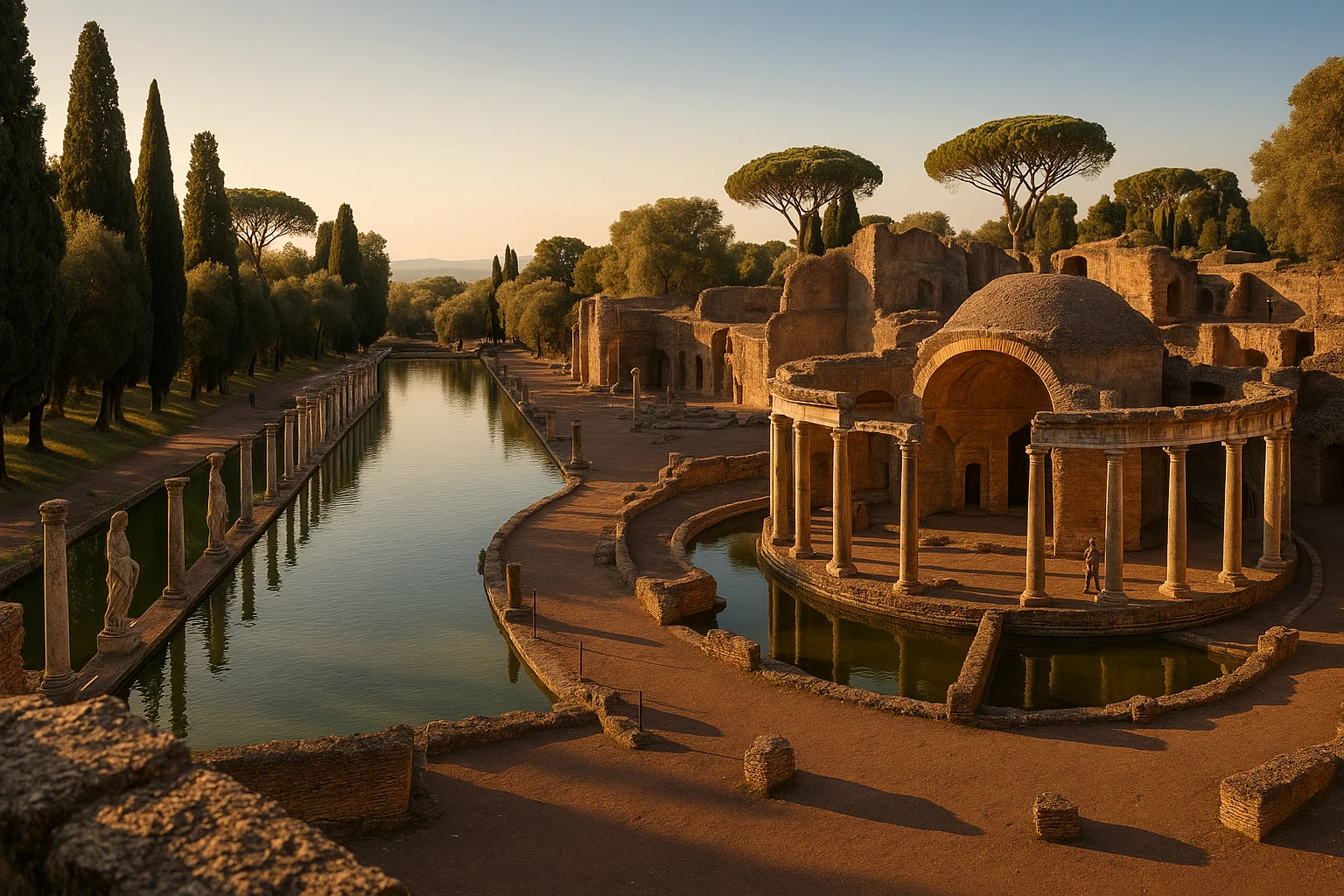
If you have seen one photograph of Hadrian’s Villa, it was almost certainly the Canopus: a long reflective pool bordered by statuary and colonnade elements, ending in the curved exedra of the Serapeum. The name invokes Canopus in Egypt, and the visual program mixes Roman control with Egyptian atmosphere. Copies of celebrated Greek forms, including caryatid variants, line the water in a rhythm that turns architecture into procession. At the southern end, the Serapeum’s semi-dome frames what was likely a lavish dining environment where water effects and staged cooling made summer banquets theatrically comfortable.
What matters here is not simply beauty; it is synthesis. Hadrian was building memory itself, importing references from places he had visited and placing them inside an Italian imperial estate. Arrive early if possible: reflections are cleaner, groups are thinner, and the atmosphere is calmer.
The Maritime Theatre (Teatro Marittimo)
The Maritime Theatre is one of the most conceptually daring spaces in Roman architecture: a circular portico wrapped around a moat, with a small island residence at the center. The island once held compact but complete domestic functions — reception, sleeping, study, and bathing — linked by two small bridges that could be withdrawn. The architectural language is intimate and inward, almost monastic, yet technically ambitious in its curving walls and integrated circulation.
Many visitors read this space as Hadrian’s retreat from his own court, and while absolute certainty is impossible, the interpretation fits both the design and the emperor’s personality: intellectually restless, deeply engaged with architecture, and aware of the pressures of proximity in imperial life. Here, separation itself becomes design. You stand only meters from the central rooms but feel held outside by water and geometry. For modern travelers, this is often the emotional pivot of the visit: the moment when Villa Adriana feels less like a ruin field and more like a mind made visible.
Piazza d’Oro
The Piazza d’Oro (Golden Square) functioned as a high-status ceremonial and residential complex, likely reserved for elite audiences and controlled hospitality. Today you see a grand rectangular court, surviving portico elements, and traces of richly articulated interior spaces. In Hadrian’s time, these surfaces would have been sheathed in colored marble, stucco relief, polished stone, and water features calibrated for light. The octagonal and lobed room geometries associated with this zone reveal designers experimenting far beyond basic Roman rectilinear planning.
Walking the perimeter helps you understand how imperial movement was choreographed. Guests progressed through thresholds, framed views, and controlled reveals. Even stripped of decoration, the sequence still works, especially in late-afternoon side light.
The Pecile
The Pecile is scale as ideology. Inspired by Athenian colonnade traditions, this enormous enclosure offered shaded walking circuits and a central pool. One surviving wall section communicates the original vertical drama better than almost any other ruin at the site. It also shows the villa as climate architecture: porticoes created shade lanes, and water moderated heat. Give yourself time here rather than rushing to marquee monuments.
The Baths and service infrastructure
Hadrian’s Villa included multiple bath sectors, most notably the Large Baths (Grandi Terme) and Small Baths (Piccole Terme), alongside service tunnels and logistical corridors that kept elite circulation separate from labor movement. The surviving vaults, hypocaust traces, and room sequences make clear how central bathing culture remained even in a private imperial setting. Heating technology, water delivery, and maintenance access were integrated at immense scale.
Equally important is what lies beneath and behind the monuments: substructures, conduits, and storage systems that supported elite spectacle. Roman engineering did not merely produce pretty façades; it produced reliable operation. At Hadrian’s Villa, infrastructure is part of the story, not backstage trivia.
The Antiquarium
End your circuit at the Antiquarium near the entrance/exit zone. It is compact, and many travelers skip it after hours in open sun, but that is a mistake. Architectural fragments, sculptural remains, and interpretive displays reconnect the stripped ruins to their original material richness. You begin to understand what was removed, what survived, and why empty niches at the site are not absences of meaning but evidence of a long afterlife of reuse, collecting, and display elsewhere in Italy and Europe.
Getting There: Transportation and Access
Hadrian’s Villa is straightforward to reach from Rome, and you can choose between low-cost public transport, direct taxi convenience, or bundled guided tours.
From central Rome (Termini, Colosseum, Trastevere)
For most visitors, the easiest independent route is Metro + regional bus via Ponte Mammolo.
- Metro + COTRAL bus: Metro Line B to Ponte Mammolo, then COTRAL bus toward Tivoli with stop at “Villa Adriana.” Typical total travel time is 50–60 minutes; fare is about €2.20 ($2.50 USD) for the bus, plus metro fare.
- Taxi: Roughly €60–80 ($65–88 USD) one way from central Rome depending traffic and pickup zone. Faster and door-to-door, but expensive unless split among several people.
- Rental car: Around 40–50 minutes via A24 in normal traffic. Useful if combining multiple Lazio sites in one day. Parking is generally available near the entrance.
- Guided day tour: Starts around €65 ($72 USD) per person, often including transport and admission support. Best for first-time visitors who want zero transfer friction.
From Rome Fiumicino Airport (FCO)
Direct airport arrivals can still visit the site the same day.
- Airport taxi direct: Approximately €90–110 ($99–121 USD).
- Train + Metro + bus: FL1 to Roma Tiburtina, Metro Line B to Ponte Mammolo, then COTRAL to Villa Adriana; usually 80–100 minutes total.
- Private transfer with stop: Available with some operators for luggage-friendly routing.
Admission and Hours
Standard entry is usually €10 (about $11 USD), with reduced categories for eligible EU visitors and occasional free-access windows under Italian cultural programs. A combined ticket with Villa d’Este is typically €20 ($22 USD) and is the smart buy if you are doing the classic Tivoli pair. The site generally opens at 9:00 AM and closes one hour before sunset, so final entry shifts by season. Card payment is accepted, but carry a backup card or some cash for transport and small purchases. In peak months, book ahead when possible and aim to arrive at opening.
Practical Information
Hadrian’s Villa rewards preparation more than most day trips because it is large, exposed, and physically uneven.
What to Bring
- Water: Bring at least 1–1.5 liters per person in warm months; refill options inside are limited.
- Sun protection: Hat, sunglasses, and high-SPF sunscreen are essential from late spring through early autumn.
- Footwear: Grippy walking shoes for gravel, worn stone, and occasional uneven steps.
- Offline map/screenshots: Mobile signal can be patchy in some pockets; downloaded maps save time.
- Light layer: Even in shoulder seasons, morning and late-afternoon breezes can feel cool in open zones.
Dress code and etiquette
There is no strict dress code equivalent to active religious sites, but respectful travel norms still apply: avoid climbing unstable masonry, keep to marked paths, and do not touch fragile plaster or mosaic remnants. Tripods may be restricted in some areas unless specifically permitted. Voices carry across open courtyards, so keeping group noise moderate preserves the atmosphere for everyone. A little courtesy goes a long way here.
Accessibility
Some sectors are broad and relatively manageable, but overall accessibility is mixed. Paths include gravel stretches, uneven stone joints, grade changes, and occasional steps that can be tiring for visitors with limited mobility. If accessibility is a priority, start at the ticket office and request the most suitable route for current conditions; partial circuits are often possible and still rewarding. Seating is limited away from main pathways, so plan rest breaks proactively.
When to Visit: Seasonal Considerations
Spring (March–May)
Expect roughly 12–22°C (54–72°F), with green growth softening the ruins and generally comfortable walking conditions. Crowd levels rise around Easter and school holidays, but weekdays remain manageable. This is the most balanced season for first-time visitors: mild temperatures, good light, and enough daylight for a full Tivoli combination. Bring a light jacket for early starts.
Summer (June–August)
Temperatures commonly sit around 30–38°C (86–100°F) by midday, and large parts of the site have little shade. Crowd pressure is moderate to high, especially in July and August. The strategy is simple: arrive at opening or come later in the day when heat eases. Hydration and sun protection are mandatory, not optional. If summer is your only window, prioritize a shorter, focused circuit.
Autumn (September–November)
A strong second-best season, with typical ranges near 14–26°C (57–79°F) in early autumn cooling through November. Crowds taper after September, and the angled light gives brick and travertine strong texture in photographs. Occasional rain appears, so pack a compact waterproof layer. For many repeat travelers, October is the sweet spot.
Winter (December–February)
Winter brings 5–14°C (41–57°F), periodic rain, and very low crowd levels. The site can feel atmospheric and almost meditative, especially on clear cold mornings. Shorter daylight means tighter timing if combining with Villa d’Este, but the quiet can be worth the tradeoff. Wear layers and waterproof shoes, and check closing times carefully before departure.
Combining Hadrian’s Villa with Tivoli
The classic pairing is Hadrian’s Villa in the morning and Villa d’Este in the afternoon, and the sequence works for good reasons. Start at Hadrian’s Villa by 9:00 AM, heading first to the Canopus before group tours spread through the core zones. By 10:30 AM, continue through the Maritime Theatre and Piazza d’Oro while temperatures are still comfortable. Use the Pecile and baths sector as your late-morning sweep, then exit around 12:30 PM.
Take a short taxi into Tivoli’s historic center (usually 10–15 minutes depending traffic), where lunch near Piazza Garibaldi gives you a practical reset. You are not looking for a performative fine-dining stop here; a straightforward trattoria with seasonal pasta and grilled vegetables is perfect between two monument-heavy visits. After lunch, walk or taxi to Villa d’Este for a 2:30 PM entry. The fountain gardens are most pleasant once the harshest midday light passes, and by 4:30 PM you can begin return transit to Rome.
If you only have half a day, keep Hadrian’s Villa as a standalone and skip the rushed double-ticket sprint. A focused 3-hour circuit done well is better than two famous sites experienced superficially. For full-day travelers, though, this pairing offers one of central Italy’s best historical contrasts: Roman imperial experiment in the morning, Renaissance hydraulic theater in the afternoon.
Why Hadrian’s Villa Matters
Hadrian’s Villa matters because it reveals an emperor choosing complexity over simplification. Rome at its height could have built only in its own image, repeating one visual language everywhere. Hadrian did the opposite. He traveled, observed, borrowed, and recomposed, building a residence that admitted influence instead of denying it. In that sense, Villa Adriana is not just a monument of imperial power; it is a monument of intellectual appetite.
You feel this most clearly when the site goes quiet for a minute — at the edge of the Canopus, or inside the circular logic of the Maritime Theatre. The ruins are fragmentary, yes, but the idea survives intact: architecture as memory, architecture as conversation across cultures, architecture as a map of curiosity. Long after marble skins were stripped and statues moved, the underlying ambition still reads. Hadrian tried to gather the world he knew into one inhabitable place. Two millennia later, you can still walk through that attempt.
Quick Facts
| Attribute | Details |
|---|---|
| Location | Tivoli, Lazio, Italy |
| Ancient Name | Villa Adriana |
| UNESCO Status | World Heritage Site (1999) |
| Established | c. 118 CE imperial villa |
| Distance from nearest hub | 30 km from Rome; 50–60 min by Metro + bus |
| Entry Fee | €10 (~$11 USD), combined with Villa d’Este ~€20 ($22 USD) |
| Hours | Daily 9:00 AM to 1 hour before sunset |
| Best Time | Spring and autumn; arrive early |
| Suggested Stay | 3–4 hours (full day with Villa d’Este) |
| Terrain | Large open ruins with uneven paths and limited shade |
Explore More Italy
- Colosseum: Rome’s iconic amphitheater and the clearest counterpart to imperial spectacle in the capital.
- Palatine Hill: The original seat of Roman imperial residence above the Forum.
- Ostia Antica: A remarkably preserved port city showing everyday urban Roman life beyond imperial courts.
Plan your broader journey with our Italy Ancient Sites Guide. For practical trip design, see our Rome in Three Days Guide.
Frequently Asked Questions
How much time should I plan at Hadrian's Villa?
Plan 3–4 hours for a complete visit to the Canopus, Maritime Theatre, Piazza d'Oro, baths, and museum. The grounds are extensive and mostly outdoors, so comfortable shoes and water matter. If you're also visiting Villa d'Este, reserve a full day in Tivoli.
What is the best time to visit Hadrian's Villa?
Spring (April–May) and autumn (September–October) are ideal, with mild temperatures and softer crowds. In summer, arrive at opening to avoid midday heat across exposed ruins. Late afternoon light is excellent for photography at the Canopus.
How much does Hadrian's Villa cost to enter?
Standard entry is typically €10 (about $11 USD), with reductions for eligible EU visitors. A combined Hadrian's Villa + Villa d'Este ticket is usually around €20 ($22 USD) and is worth it if seeing both in one day. Prices can change seasonally, so confirm before travel.
How do I get to Hadrian's Villa from Rome?
The budget route is Metro Line B to Ponte Mammolo, then a COTRAL bus to the Villa Adriana stop; total travel is roughly 50–60 minutes from the bus terminal. Taxis are faster and direct but significantly more expensive. Guided tours are easiest if you want logistics handled for you.
What are the must-see highlights at Hadrian's Villa?
Start with the Canopus and Serapeum, then visit the circular Maritime Theatre and the ceremonial Piazza d'Oro. The Pecile and bath complexes reveal the villa's massive scale. Finish at the Antiquarium to connect the ruins with original sculptural finds.
Is Hadrian's Villa suitable for families and casual visitors?
Yes, especially for families who enjoy open-air exploration. Paths are broad in many areas, and the site feels spacious rather than cramped. Bring sun protection and snacks, since shade and services are limited once you move deep into the archaeological zones.
Nearby Ancient Sites
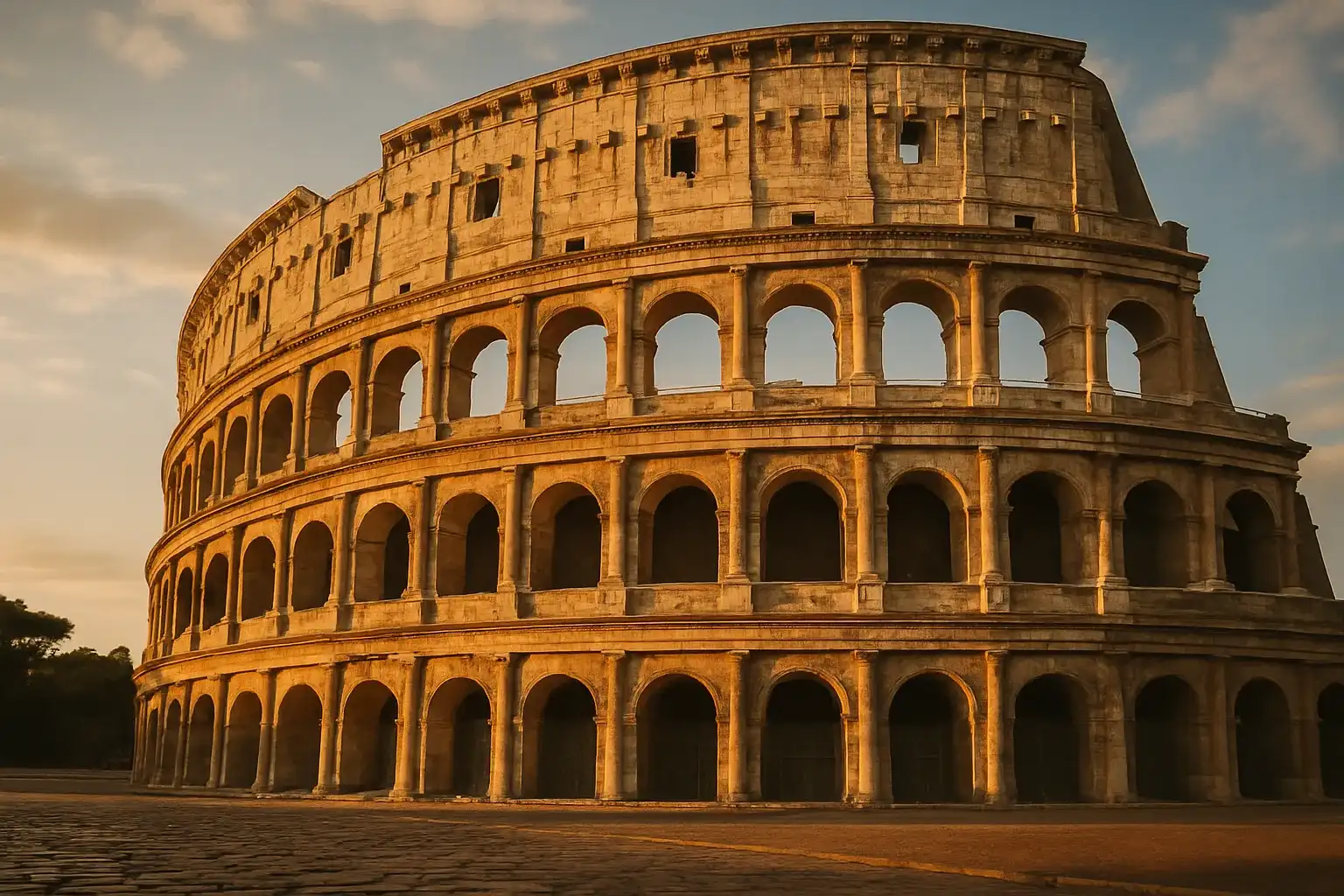
Colosseum Rome: Complete 2026 Guide to Arena Floor, Tickets, and Timing
Roman EmpirePlan the perfect Colosseum visit with timed-entry strategy, Arena Floor and underground access tips,...
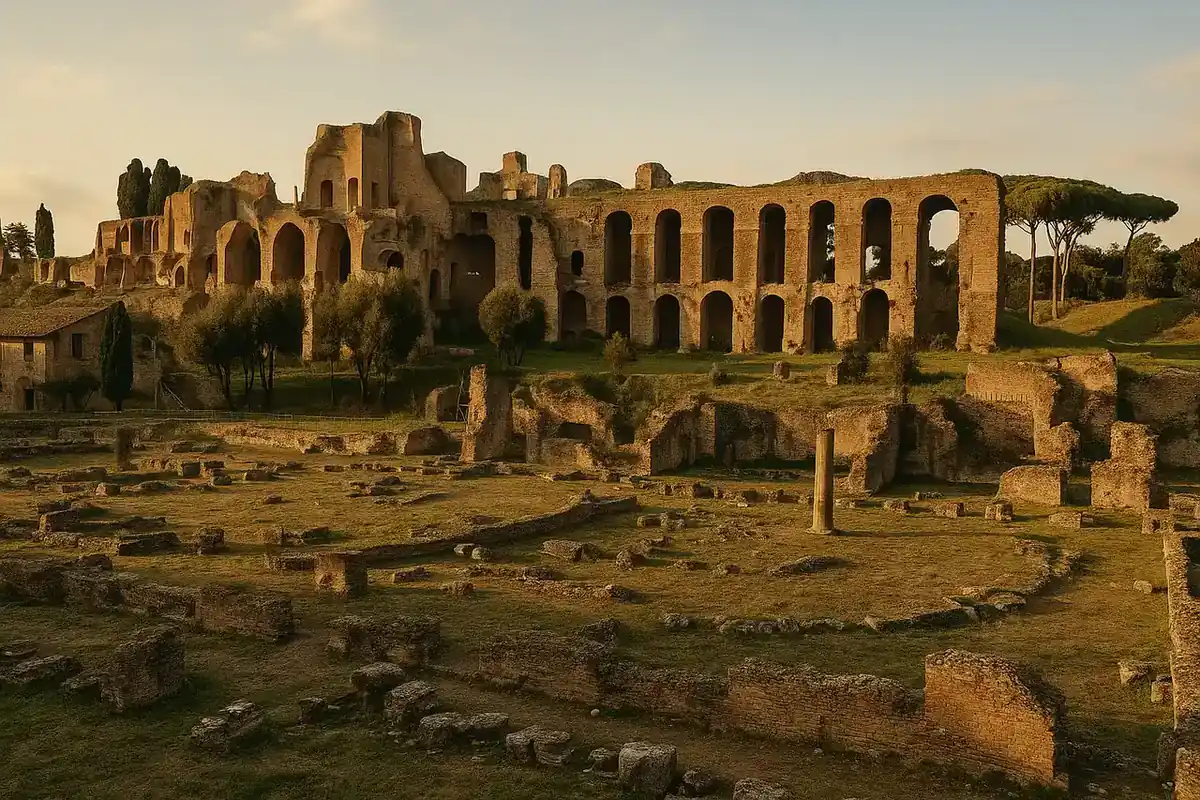
Palatine Hill Rome: Emperors' Palaces & Birthplace of Rome Guide
Roman EmpireExplore Palatine Hill, Rome's oldest neighborhood and imperial palace complex. Complete 2026 guide t...
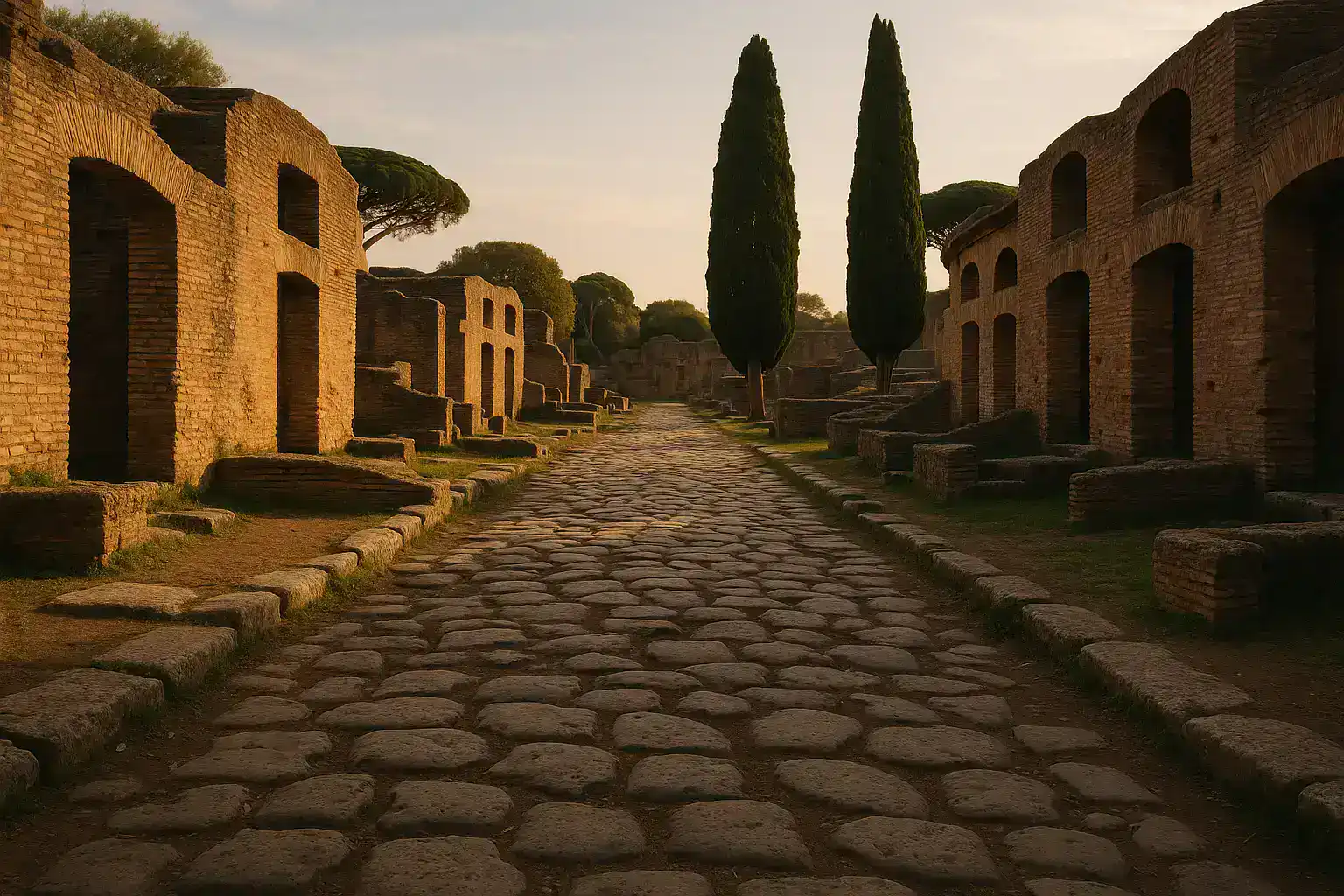
Ostia Antica Italy Travel Guide 2026: Rome's Ancient Port City
Roman EmpireExplore Ostia Antica, the best-preserved ancient Roman city after Pompeii. Walk intact streets, see ...