Quick Info
Curated Experiences
Nara Heijo Palace and Ancient Sites Guided Tour
Nara Full-Day Heritage Walking Tour
Kyoto and Nara Day Trip with Ancient Monuments
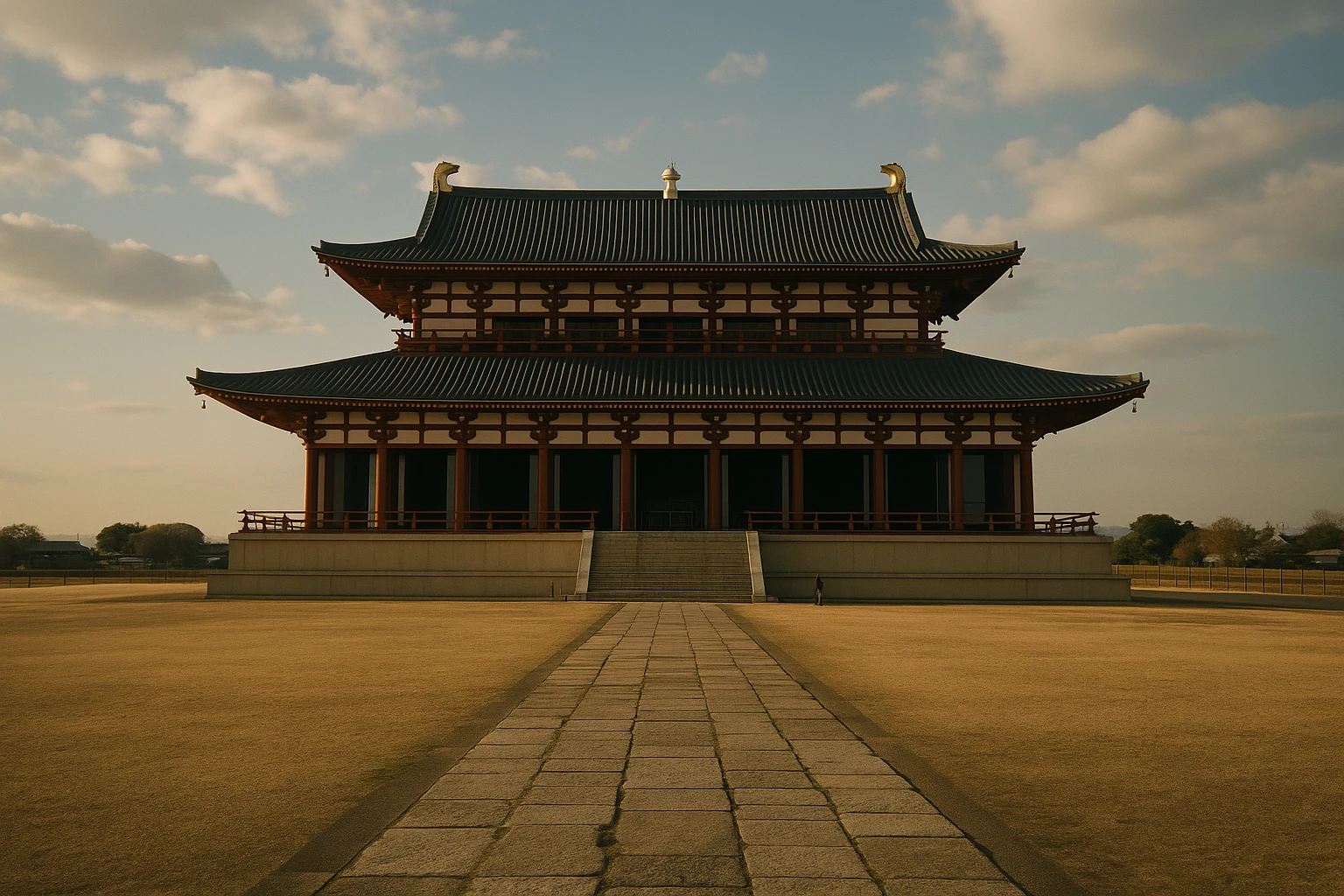
On the flat, fertile plain of the Yamato Basin in Nara, Japan, a series of low earthen platforms and reconstructed vermilion-pillared halls spread across 120 hectares of open sky. This is Heijo Palace Site — the archaeological heart of Heijō-kyō, Japan’s first true permanent capital — and standing at its center, beneath the gleaming roof of the reconstructed Daigokuden Hall, it is easy to understand why the emperors of the 8th century chose this basin as the cradle of a new civilization. Founded in 710 AD by Empress Genmei, Heijō-kyō was modeled on the Tang dynasty capital of Chang’an and represented the most ambitious act of urban planning Japan had ever attempted. For 74 years, this palace was the nerve center of a centralizing Japanese state, the seat of imperial ceremony, bureaucratic administration, and cultural florescence. Today, the Heijo Palace Site is inscribed as a UNESCO World Heritage Site and forms the archaeological centerpiece of a broader ancient Nara heritage zone. Unlike many ancient sites obscured by later construction, this one occupies a broad, largely unobstructed plain, allowing visitors to grasp the original scale of imperial ambition at a single glance. The reconstructed gateways and audience halls rise dramatically from flat ground, and the silence between them — broken only by wind and distant birds — carries a weight that no museum exhibit can fully replicate.
History
The Decision to Build a Permanent Capital
Throughout the late 7th century, the Japanese court repeatedly relocated its capital whenever an emperor died, following a Shinto belief that death rendered a place ritually impure. This practice made large-scale urban construction and stable governance nearly impossible. The Taihō Code of 701, a comprehensive legal reform modeled on Tang administrative law, demanded a permanent governmental apparatus — ministries, bureaus, courts, and a standing aristocracy. To house this new machinery of state, a fixed capital was required. Empress Genmei selected a site on the Yamato plain, accessible by water routes and surrounded by protective mountains on three sides, and in 710 she formally transferred the court from Fujiwara-kyō to the newly constructed Heijō-kyō.
The Grid of an Empire
The city was laid out in a precise Chinese-inspired grid of broad avenues. At its northern end sat the palace compound — Heijo Palace — enclosing approximately 1.3 square kilometers within earthen walls. Inside, the palace was divided into the Dairi (the private imperial residential precinct) and the Chōdōin (the formal ceremonial and administrative zone). The Chōdōin’s centerpiece was the Daigokuden, the Great Audience Hall, where the emperor presided over New Year’s ceremonies, enthronement rituals, and the reception of foreign ambassadors. South of the palace, twelve great avenues divided the city into wards where the nobility, Buddhist temples, markets, and eventually a population estimated at 100,000 people resided.
A Court in Bloom
The Nara period that unfolded within these walls was one of the most intellectually fertile in Japanese history. The court sponsored the compilation of the Kojiki (712) and the Nihon Shoki (720), Japan’s earliest written chronicles. Buddhism was elevated to a state religion; the construction of the great Tōdai-ji Temple with its giant bronze Buddha was ordered by Emperor Shōmu as a spiritual bulwark for the nation. Poetry flourished in the Man’yōshū, Japan’s oldest anthology of verse, much of it composed by courtiers who walked the very avenues now buried beneath the Nara plain. Chinese-trained scribes, artists, and physicians moved through the palace precincts, and Japanese envoys regularly sailed for the Tang court to return with texts, technologies, and aesthetic ideas that would reshape Japanese culture for centuries.
Abandonment and Rediscovery
In 784 Emperor Kanmu relocated the capital north to Nagaoka-kyō, and a decade later to Heiankyō (modern Kyoto), where it would remain for over a millennium. Heijō-kyō was gradually abandoned, its wooden structures dismantled and carted away for reuse, its earthen walls slowly flattening under centuries of agriculture. The site was not entirely forgotten — local tradition and early modern scholars debated its location — but systematic archaeological investigation did not begin until the postwar period. The National Research Institute for Cultural Properties, Nara commenced excavations in 1959, and more than sixty years of continuous digging have exposed thousands of artifacts, structural foundations, and tens of thousands of mokkan (inscribed wooden tablets) that read like the administrative post-it notes of an ancient bureaucracy. In 1998 the site was inscribed on the UNESCO World Heritage List as part of the Historic Monuments of Ancient Nara.
Key Features
The Suzakumon Gate
The great Suzakumon — the Vermilion Bird Gate — marks the formal southern entrance to the palace compound and was the first of Heijo’s reconstructed structures to be completed, reopening in 1998 after a meticulous seven-year project. Two stories tall, painted in brilliant red ochre with white plastered walls, it stands at the head of Suzaku Avenue, the grand processional boulevard that once ran three kilometers south through the heart of the capital. Walking through the gate from the south replicates the experience of every foreign envoy and provincial governor who entered the palace on official business, and the perspective from the second-story viewing gallery reveals the full axial geometry of the compound stretching north. The reconstruction was guided not by guesswork but by the excavated post-holes and rammed-earth platforms that preserve the building’s footprint with exceptional precision.
The Daigokuden Hall
If Suzakumon is the threshold, the Daigokuden is the culmination. Completed in 2010 to mark the 1,300th anniversary of the founding of Heijō-kyō, the reconstructed Great Audience Hall is one of the most dramatic pieces of heritage architecture in Japan — a massive hipped-gabled structure supported by 44 vermilion pillars, roofed in gray-green ceramic tiles, and fronted by a vast stone-paved ceremonial courtyard. Its interior is partially open to visitors, who can examine the imperial dais and the bracketed ceiling structure overhead. The hall is surrounded by reconstructed corridors that define the rectangular Chōdōin precinct, and on clear days the forested slopes of the Nara hills frame the scene behind the roofline. Evening illumination events, held seasonally, transform the building into something otherworldly against the darkening sky.
The East Palace Garden (Tōin Teien)
On the northeast corner of the palace compound, excavation in the 1960s revealed an elaborate garden attached to the private imperial precinct. The East Palace Garden — reconstructed in 1998 — features a naturalistic pond edged with irregular stones, a small island connected by a curved bridge, and surrounding pavilions that once hosted the poetry gatherings and outdoor drinking parties recorded in Nara-period literature. The garden follows Tang Chinese aesthetic principles but already shows the Japanese sensitivity to asymmetry and natural form that would blossom into the celebrated garden traditions of later centuries. Visiting in April, when cherry trees around the pond are in flower, or in autumn when maples catch fire, places the garden’s quiet elegance in its most flattering light.
The Nara Palace Site Museum
Housed in a sleek modern building within the archaeological zone, the Nara Palace Site Museum (Heijokyu-Ato Shiryokan) provides the interpretive backbone for the outdoor site. Its permanent galleries display thousands of mokkan — the wooden tablets on which Nara-period clerks recorded everything from tax shipments and personnel records to shopping lists — alongside excavated roof tiles stamped with workshop marks, lacquerware, bronze fittings, and scale models of the palace complex at full flourishing. The museum does an exceptional job of translating what looks like open grassland into a populated, working imperial capital, and is essential viewing either before or after walking the grounds.
The Archaeological Foundations
Beyond the reconstructed centerpieces, the majority of the palace site consists of open ground where low earthen platforms, raked gravel, and interpretive markers indicate the locations of dozens of additional buildings: the imperial residence, the ministry halls, the treasury, the storehouses, and the guardhouses. Stone markers and subtle grass mounding define where walls once stood. This understated treatment is deliberate — Japanese heritage authorities have chosen to present the archaeological record honestly rather than filling the plain with speculative reconstructions. The result is a space that rewards slow, attentive walking and repays repeated visits as one’s knowledge of the Nara period deepens.
Getting There
Heijo Palace Site sits on the western edge of central Nara, roughly 25 minutes by bicycle from JR Nara Station and Kintetsu Nara Station. Cycling is genuinely the best way to approach it: rental bikes are available at multiple shops near both stations for around ¥1,000–¥1,500 per day, the route is entirely flat, and a bike allows you to circle the full perimeter of the site and continue easily to the Nara Park area afterward.
By rail, take the Kintetsu Kyoto or Osaka line to Yamato-Saidaiji Station, which places you within a ten-minute walk of the western boundary of the site. From Kyoto, Kintetsu limited-express trains reach Yamato-Saidaiji in around 35 minutes (¥760 with express surcharge); from Osaka-Namba, the journey takes approximately 30 minutes (¥640). JR trains from Kyoto reach JR Nara Station in 45 minutes on the Yamatoji Rapid (¥740), from which local buses and taxis cover the remaining distance.
On weekends and national holidays, the Nara city loop bus (¥220 per ride, or ¥700 for a day pass) stops near the Suzakumon. A taxi from either Nara station to the palace site costs around ¥900–¥1,200. The site itself has a large free parking area for those arriving by car, accessible from Route 308.
When to Visit
Heijo Palace Site is open year-round and rewards every season, though each offers a different character.
Spring is the most popular window. Cherry trees along the reconstructed corridors and around the East Palace Garden bloom from late March into early April, and the low morning light that floods the open plain at sunrise during this season is particularly beautiful. Crowds are heavier than average but still manageable by arriving before 9 AM.
Summer brings long days and the Nara period cultural festivals that animate the site with costumed performances, period music, and outdoor exhibitions. July and August can reach 35°C with high humidity; start early and carry water, as the site offers limited shade across the central grounds. The Nara Tokae lantern festival in August extends into early evening hours and casts the reconstructed halls in a warm amber glow.
Autumn (October and November) offers crisp air, comfortable temperatures in the mid-teens, and maples turning gold and red around the garden. This is arguably the finest season for photography.
Winter is quiet and unhurried. Occasional frost or a rare dusting of snow dramatically emphasizes the palace’s spare geometry. The Nara Palace Illumination events held over New Year bring evening visitors back to the darkened site in numbers.
| Quick Facts | |
|---|---|
| Location | Nara, Nara Prefecture, Japan |
| Coordinates | 34.6889° N, 135.7847° E |
| Period | 710–784 AD (Nara Period) |
| UNESCO Inscription | 1998 — Historic Monuments of Ancient Nara |
| Site Area | Approximately 120 hectares |
| Main Entrance | Suzakumon Gate, south side |
| Admission | Grounds free; museum ~¥600; Daigokuden interior fee applies |
| Opening Hours | Grounds: always open; Museum: 9 AM–4:30 PM, closed Mon |
| Nearest Station | Yamato-Saidaiji (Kintetsu) — 10 min walk |
| Nearest City | Nara (2.5 km east) |
| Best Season | Spring (cherry blossom) or Autumn |
| Languages | Japanese; English audio guides and signage available |
Frequently Asked Questions
What is Heijo Palace Site and why is it significant?
Heijo Palace Site is the archaeological remains of the imperial palace that served as the center of Japanese government during the Nara period (710–784 AD). It was part of Heijō-kyō, Japan's first permanent capital, and is inscribed as a UNESCO World Heritage Site within the Historic Monuments of Ancient Nara designation. The site illustrates the adoption of Chinese Tang dynasty urban planning principles and represents the birth of a centralized Japanese state.
Is entry to Heijo Palace Site free?
The main outdoor grounds of Heijo Palace Site are free to enter and open year-round. The Nara Palace Site Museum (Heijokyu-Ato Shiryokan) and the special exhibition hall charge small admission fees — typically around ¥600 for adults. The reconstructed Daigokuden Hall area also has an admission fee, while the outdoor corridors and foundations can be explored at no cost.
How long does it take to visit Heijo Palace Site?
Plan for at least two to three hours to appreciate the full site, including the reconstructed Suzakumon Gate, the Daigokuden Hall, the East Palace Garden, and the museum. Visitors who also want to cycle the entire perimeter or explore the surrounding archaeological park in depth should budget a half-day.
How do I get to Heijo Palace Site from Nara Station?
From JR Nara Station or Kintetsu Nara Station, you can take the Yamato-Saidaiji line and alight at Yamato-Saidaiji Station, from which the palace site is a short walk west. Alternatively, a free shuttle bus from Nara Station runs on weekends and holidays. Cycling is an excellent option — rental bikes are widely available near both Nara stations and the flat terrain makes the 25-minute ride very easy.
What is the best time of year to visit Heijo Palace Site?
Spring (late March to April) is magical when cherry blossoms frame the reconstructed halls, and autumn (October to November) brings vivid foliage. Summer offers the longest daylight hours and hosts the Nara period-themed festivals on the site, though July and August can be hot and humid. Winter is quiet, crowds are minimal, and the bare landscape lets the archaeological foundations speak for themselves.
Are the buildings at Heijo Palace Site original?
Most of the structures visitors see today are meticulous reconstructions completed between the 1990s and 2010s, built using traditional Nara-period techniques and based on decades of archaeological evidence. The earthen foundations and post-holes uncovered during excavation are largely original, and sections of original rammed-earth walls are preserved under protective shelters throughout the grounds.
Can I combine Heijo Palace Site with other Nara attractions?
Absolutely. The Nara Park area, home to Kasuga Taisha Shrine, Todai-ji Temple, and the famous free-roaming deer, is about 4 kilometres east of the palace site and easily reached by bicycle or bus. A full day in Nara can comfortably incorporate both the palace grounds and the park, giving you ancient statecraft in the morning and sacred Buddhist and Shinto monuments in the afternoon.
Nearby Ancient Sites
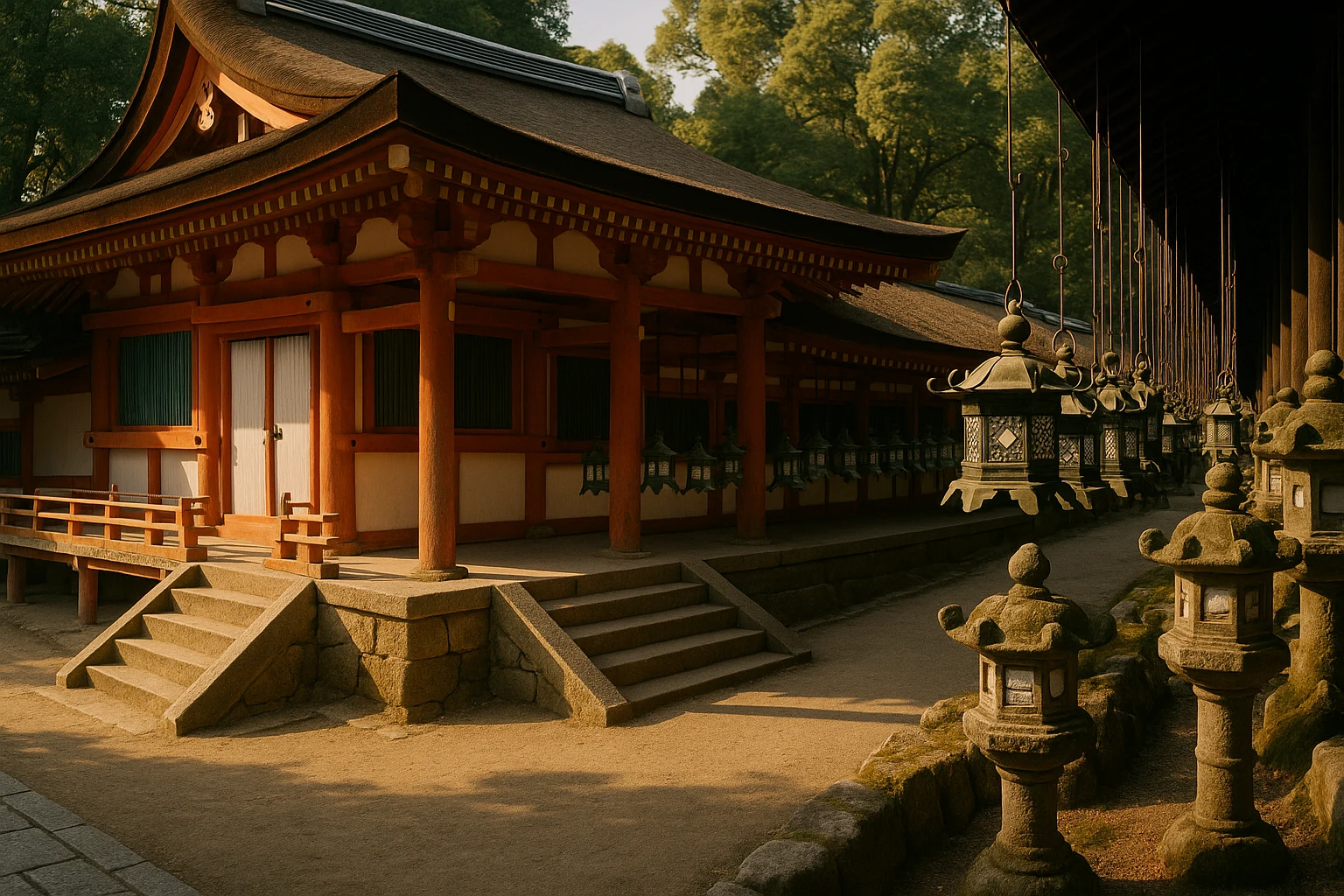
Kasuga Taisha Shrine
JapaneseSacred Shinto shrine in Nara, Japan, renowned for thousands of bronze and stone lanterns and UNESCO ...
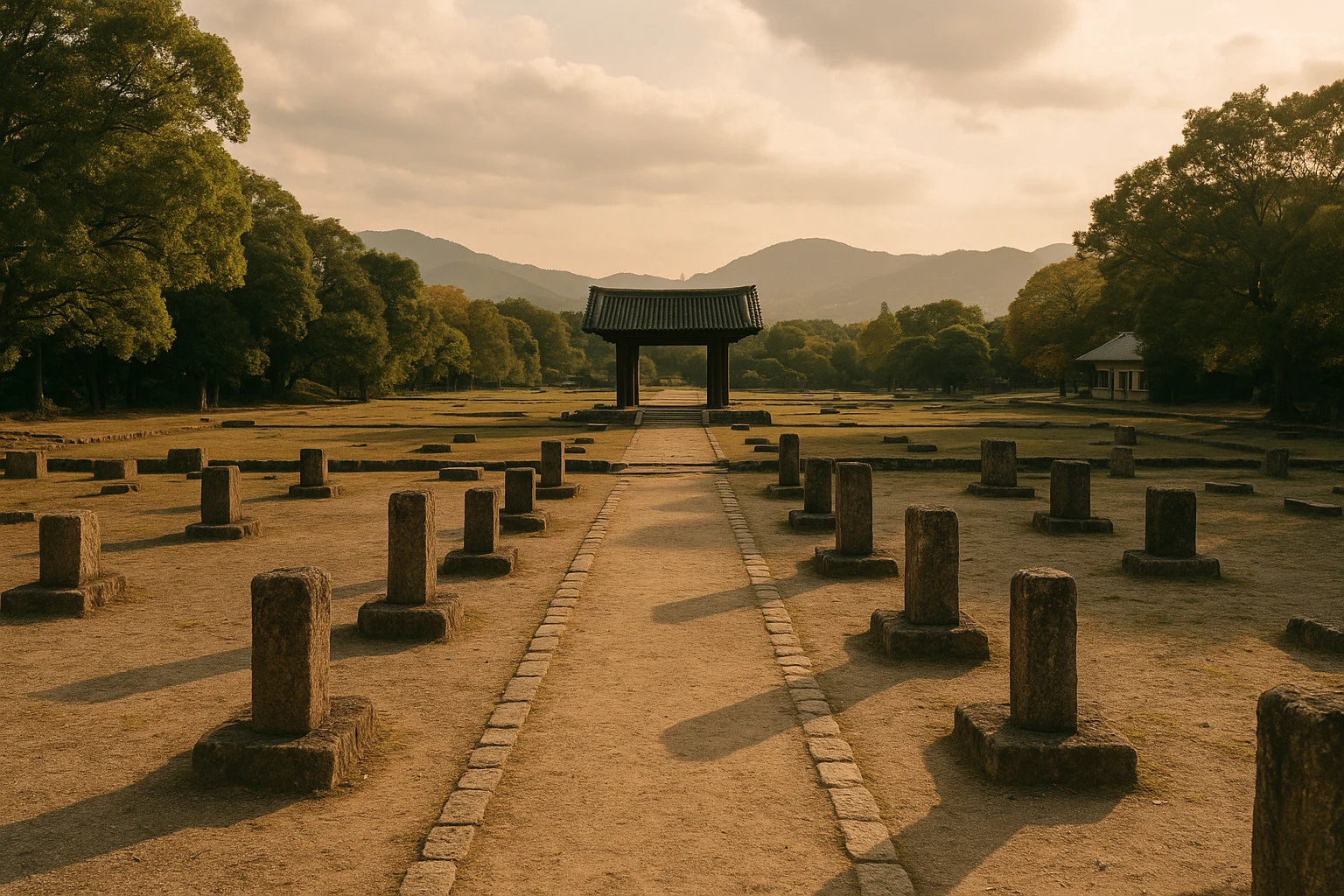
Dazaifu Government Office Ruins
Yamato Japan / Nara–Heian StateAncient administrative heart of Kyushu, the Dazaifu Government Office Ruins preserve Japan's 7th-cen...
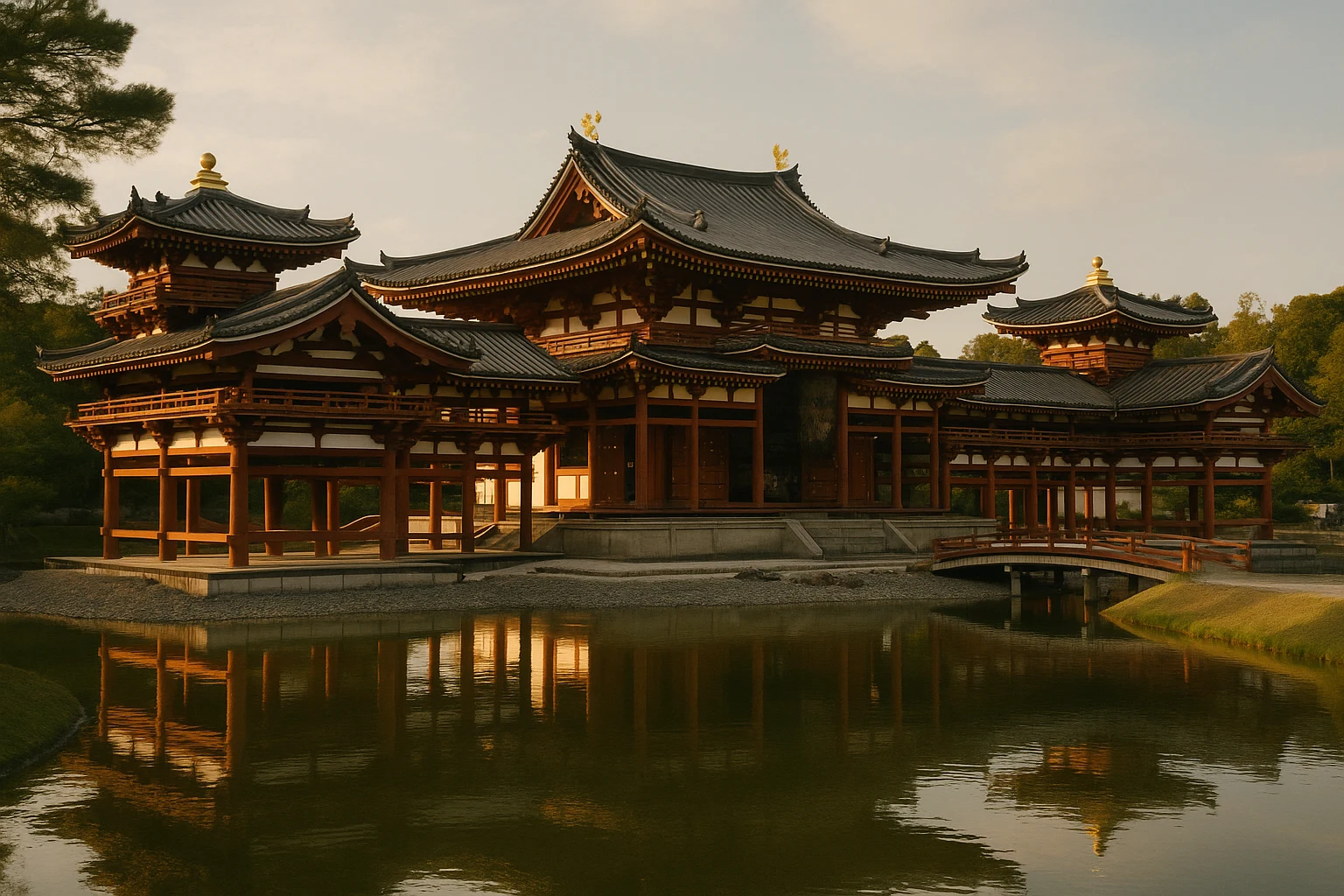
Byodoin Temple
Heian JapanA UNESCO-listed Heian-era masterpiece in Uji, Japan, renowned for its iconic Phoenix Hall reflected ...
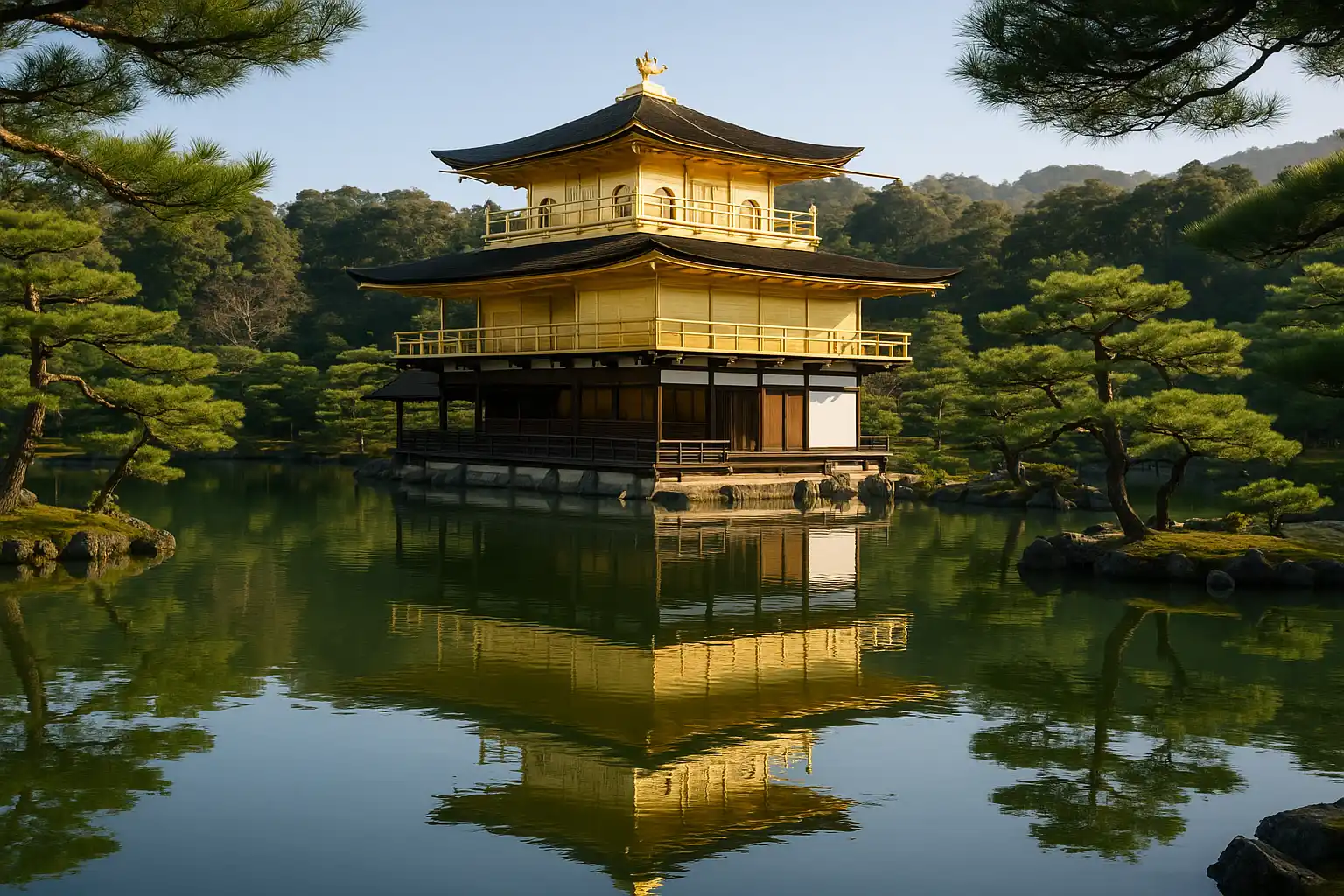
Kinkakuji Temple Japan Travel Guide 2026: Kyoto's Golden Pavilion
Japanese Zen BuddhistVisit Kinkakuji, the Golden Pavilion, Kyoto's most iconic Zen temple. Discover the gold-leaf covered...
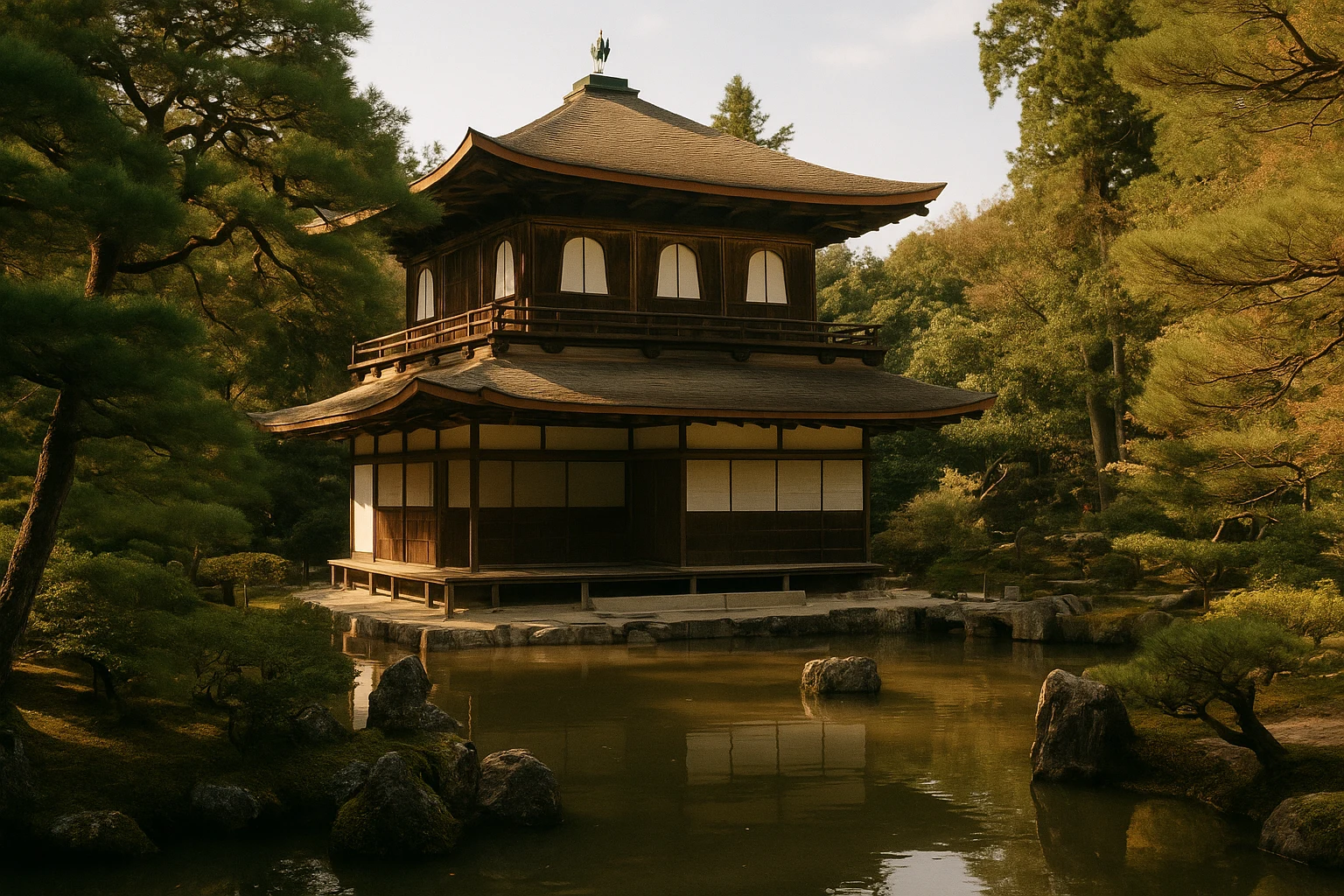
Ginkakuji Temple: Kyoto's Silver Pavilion and the Art of Wabi
Explore Ginkakuji Temple in Kyoto, Japan — the Silver Pavilion, sand gardens, and Ashikaga Yoshimasa...