Quick Info
Curated Experiences
Pachacamac and South Lima Valleys Archaeological Day Tour
Private Cañete Valley Cultural and Archaeology Excursion
Lima Archaeological Deep Dive: Pachacamac and Southern Coast
On Peru’s central coast, where irrigated green valleys cut through broad desert and then dissolve into Pacific haze, Huaca Malena sits with little fanfare and enormous archaeological weight. In practical terms it is a low earthen mound near the Cañete Valley south of Lima. In historical terms it is one of the most revealing funerary landscapes on this stretch of coast, a place where elite burials, brilliantly preserved textiles, and ritual deposits have opened a window into how power and belief worked across centuries of pre-Hispanic Peru. If better-known monuments announce themselves with massive stone walls, Huaca Malena does the opposite: it asks you to slow down, look closely, and imagine the social worlds built around cloth, ceremony, and memory.
That is exactly why this site matters for travelers who want more than checklist archaeology. Huaca Malena connects the familiar Lima-to-Cusco narrative to a coastal story of exchange, adaptation, and continuity. The finds associated with the site, especially fine woven funerary pieces linked to Wari and later Ychsma contexts, show a region deeply connected to wider Andean systems long before Spanish arrival. This guide covers the site’s historical arc, what to see on the ground today, how to reach it from Lima or nearby towns, and how to combine it with larger destinations like Pachacamac for a day that actually makes chronological sense.
History: Textiles, Ancestors, and Coastal Power
Early valley occupation and ceremonial foundations (c. 200–700 CE)
Long before Huaca Malena became known for its cemetery sectors, the lower Cañete region already supported complex societies tied to irrigation agriculture, fishing networks, and coastal trade. Communities in this period built earthen ceremonial platforms that were not just religious architecture but social infrastructure: places where labor was organized, hierarchy displayed, and seasonal rites synchronized with planting and harvest cycles. Huaca Malena likely emerged within this broader pattern, beginning as a ritual-administrative mound embedded in a productive valley economy. Even in its early phase, the site’s placement mattered; it sat within movement corridors linking coast, valley floor, and routes inland.
Wari interaction and elite funerary use (c. 700–1000 CE)
By the Middle Horizon, the expansion of Wari influence across much of Peru changed coastal political life, and Huaca Malena became associated with high-status funerary activity that still defines its significance today. Archaeological work in the area has documented burial bundles, patterned fabrics, and grave offerings that indicate access to specialized weaving traditions and long-distance exchange circuits. Textiles here were not decorative extras. They were instruments of status, lineage, and cosmology, wrapping the dead in narratives of rank and affiliation. The quality of surviving cloth from Huaca Malena helped establish the site as a reference point in discussions of Wari-era elite material culture outside the imperial heartland.
Ychsma continuity on the south-central coast (c. 1000–1470 CE)
After Wari political fragmentation, local coastal polities consolidated authority, and the Ychsma sphere became increasingly important across valleys south of modern Lima. Huaca Malena appears to have retained sacred and funerary relevance during this period, even as social organization shifted. Rather than abrupt cultural replacement, the archaeological pattern points to continuity with adaptation: new burial practices layered onto older sacred geographies. That persistence is one of the strongest lessons of the site. Coastal communities were not passive recipients of highland empires; they selected, transformed, and reinterpreted inherited forms to fit local priorities, especially in how they cared for and commemorated ancestors.
Inca incorporation and ritual landscape survival (c. 1470–1532 CE)
When the Inca Empire extended over the central coast, many established huacas were integrated rather than erased, and Huaca Malena likely remained part of a living ritual topography tied to nearby settlements and agricultural zones. Inca governance relied on existing sacred nodes to stabilize newly absorbed territories, and local ancestral spaces continued to matter in everyday political life. Even where imperial administration introduced new obligations, older funerary landscapes preserved local legitimacy. For travelers, this chapter is key because it reframes Huaca Malena as active memory rather than abandoned ruin: a place whose significance survived regime change by remaining socially useful.
Modern rediscovery, looting pressures, and archaeological work (20th century to present)
Like many coastal huacas, Huaca Malena suffered from looting and erosion before sustained professional attention could document all contexts intact. Yet scientific study still recovered enough evidence—especially textile-rich burials—to make the site foundational for understanding elite funerary expression on Peru’s central coast. Ongoing conservation conversations now center on balancing research access, local stewardship, and practical protection in a landscape under constant environmental and urban pressure. Visiting responsibly matters here more than at heavily managed mega-sites: stay within designated paths, avoid touching exposed features, and treat the mound as a fragile archive still yielding knowledge.
The Key Monuments: What to See at Huaca Malena
The main adobe mound
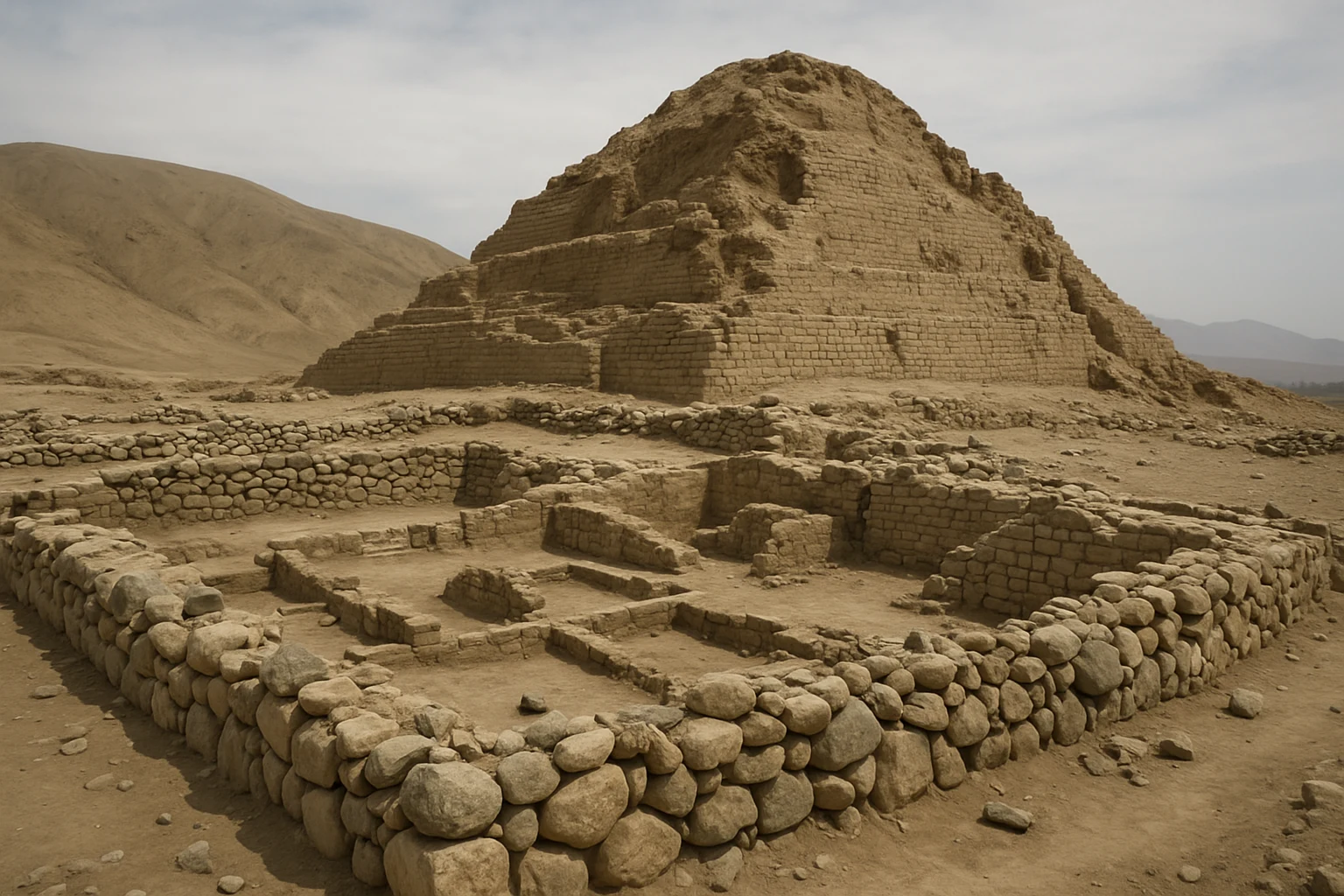
The core feature is the low, elongated adobe mound that gives Huaca Malena its basic silhouette. You are not looking at a single pyramid in the highland sense but at a layered earthen construction that accumulated meaning through repeated use. Its surfaces preserve traces of construction episodes, reworking, and later disturbance, all of which help archaeologists reconstruct phases of occupation. The visual impact is subtle until you notice how the mound commands its immediate plain; even without vertical drama, the platform reads as intentional authority in a mostly horizontal landscape. Photography works best in angled morning or late-afternoon light, when shallow relief and texture become visible.
Funerary sectors and burial contexts
Huaca Malena’s most important archaeological story comes from its funerary zones. Excavations identified burial contexts associated with elite interments, offering direct evidence of how social distinction was performed after death. Many visitors expect monumental chambers and instead find something more revealing: patterned spatial organization, repeated ritual gestures, and material clustering that show funerary practice as a structured public language. The arrangement of graves and associated goods demonstrates that burial here was not an isolated family act but part of a larger community system for legitimizing rank, continuity, and territorial belonging.
Textile evidence and iconographic legacy
The site’s reputation is inseparable from the extraordinary textiles linked to Huaca Malena’s burials. Though many original pieces are conserved off-site for protection, understanding them on location changes the experience. These fabrics represent high technical skill, complex iconography, and substantial labor investment, meaning they were likely reserved for individuals of elevated status. In Andean societies, cloth functioned as portable wealth and symbolic authority; at Huaca Malena, textile assemblages help map social networks that reached far beyond one valley. If you are traveling with a specialist guide, ask specifically about weaving structures and dye palettes, not just decorative motifs.
Surrounding ritual landscape
The mound does not stand alone. The broader setting includes agricultural and settlement traces that once fed and sustained the communities responsible for the site’s ceremonial and funerary life. Even where surface remains appear minimal, the landscape context clarifies why Huaca Malena endured: it occupied a strategic interface between productive valley ground, coastal communication routes, and symbolic geography. Walking the perimeter gives you a better sense of this relationship than rushing directly to excavation points. Bring a wide lens if you want to capture that scale, especially with low clouds rolling in from the ocean.
Conservation zones and active research areas
Depending on current access, you may see protected sections marked for ongoing or future archaeological work. These areas can look understated, but they are where new data often emerges—microstratigraphy, residue studies, textile fragment analysis, and contextual mapping that revise earlier interpretations. Respect barriers and instructions from local staff; unauthorized entry can damage fragile layers that are impossible to reconstruct once disturbed. For serious archaeology travelers, this is one of Huaca Malena’s strengths: you are visiting a site still in conversation with scholarship, not a static museum-stage reconstruction.
Getting There: Transportation and Access
Huaca Malena is reachable from Lima in a long day trip, but access is smoother if you plan transport in advance rather than improvising transfers on the roadside.
From Miraflores or central Lima
Most travelers start in Miraflores, Barranco, or central Lima and head south on the Panamericana Sur toward the Cañete corridor.
- Private driver or taxi for the day: Usually the easiest option for timing and flexibility, especially if combining sites. Expect roughly S/380-550 ($100-145 USD) for a full-day hire depending on vehicle type, waiting time, and fuel terms.
- Organized archaeology tour: Commonly includes hotel pickup and historical interpretation; good for first-time visitors. Typical cost is about S/330-540 ($89-145 USD) per person depending on group size and inclusions.
- Public transport + local transfer: Interprovincial buses south plus onward taxi can work, but logistics are slower and less predictable. Budget around S/45-80 ($12-21 USD) total plus extra transfer time.
From Cerro Azul or San Vicente de Cañete
If you are already staying in the Cañete area, Huaca Malena is substantially easier to reach and can be visited as a half-day outing.
- Local taxi: Usually the fastest option from Cerro Azul or San Vicente, with fares often around S/25-55 ($7-15 USD) depending on exact pickup point and waiting arrangement.
- Mototaxi + short taxi combination: Possible on some local routes, but less comfortable and not ideal if you are carrying camera gear or visiting in high heat.
- Rental car: Straightforward if you are comfortable driving regional roads; parking availability varies by local conditions.
Admission and hours
Access conditions at Huaca Malena can change because this is not a high-volume urban monument with standardized ticketing infrastructure. In many cases, entry is coordinated through local authorities, guides, or community custodians rather than a large formal gate system. Bring cash in soles for any local fees or guide services, and do not assume card payment. As a practical rule, daytime visits between about 9:00 AM and 4:00 PM are easiest for visibility and safety. Aim for an early start from Lima so you have buffer time for traffic and can avoid returning at peak evening congestion.
Practical Information
The most important practical point is that Huaca Malena rewards prepared travelers. This is a high-value archaeology stop with relatively light visitor infrastructure, so your comfort and success depend on what you bring and how you pace the day.
Wear closed, stable footwear because surfaces are dusty, uneven, and occasionally soft underfoot. Sun exposure can be intense even under coastal haze, so a hat, sunscreen, and at least 1.5 liters of water per person are standard kit, not optional extras. If you are carrying photography equipment, pack a lens cloth; fine dust and sea humidity can combine quickly. A light wind layer helps in cooler months when garúa fog keeps temperatures low but air movement remains sharp.
For cultural etiquette, treat the site as an ancestral cemetery landscape as much as an archaeological destination. Avoid climbing unmarked slopes, do not collect fragments, and keep voices moderate near burial contexts. If local caretakers or guides provide boundaries, follow them exactly. Accessibility is limited compared with paved urban sites; travelers with mobility constraints should confirm terrain details in advance and consider visiting with a private vehicle that can minimize walking distance from drop-off points.
When to Visit: Seasonal Considerations
Spring (September-November)
Spring on Peru’s central coast usually brings moderate conditions, roughly 17-24°C (63-75°F), with improving light as winter fog recedes. Crowd levels are generally low to moderate, and this season offers one of the best balances for photography, comfort, and road reliability. Morning through early afternoon is ideal, with enough warmth for comfortable walking but less heat stress than high summer.
Summer (December-March)
Summer temperatures often reach 24-30°C (75-86°F), occasionally higher in exposed inland pockets. Crowds remain lighter than major Lima monuments, but domestic holiday traffic on the Panamericana Sur can slow travel significantly. Visit as early as possible to avoid peak sun and reduce return-time congestion. Bring extra water, and plan shade breaks because natural cover at the site is limited.
Autumn (April-May)
Autumn is a strong shoulder season choice, with temperatures around 19-26°C (66-79°F) and generally manageable humidity. Visitor numbers are usually modest, and light can be excellent for reading mound textures and landscape contours. If you want an archaeology-focused day without high-season transport pressure, autumn often delivers the smoothest overall logistics from Lima.
Winter (June-August)
Winter sits around 14-20°C (57-68°F), often under persistent coastal cloud and occasional mist. Crowds are typically low, which makes for a quieter visit and more uninterrupted time with guides. Visibility can flatten wide panoramas, but diffuse light is useful for documentation photography with minimal harsh shadow. Wear layers, and schedule with flexibility in case morning fog delays optimal viewing.
Combining Huaca Malena with Lima’s Southern Archaeology Corridor
Huaca Malena works best when treated as part of a narrative sequence rather than an isolated stop. The most efficient full-day plan from Lima starts at 7:00 AM, heading first to Pachacamac for a structured orientation to coastal pilgrimage systems and state integration. Arriving around 8:30 AM lets you tour the museum and principal compounds before midday heat. By 11:30 AM, continue south toward the Cañete corridor and break for lunch near Cerro Azul, where seafood spots and family-run restaurants provide practical fuel before the afternoon segment.
From about 1:30 PM, visit Huaca Malena with local guidance, focusing on funerary context, textile significance, and landscape placement rather than trying to force a long checklist circuit. This is where chronology clicks: Pachacamac gives you scale and institutional religion, while Huaca Malena gives you social texture—how identity and authority were materially staged in death. If timing allows, a short coastal pause near Cerro Azul around 4:00 PM offers a useful decompression stop before heading north.
For travelers already based in Cañete, reverse the pressure: do Huaca Malena in the cooler morning hours, then optionally continue north to Lima another day for Huaca Pucllana or museums where conserved textile collections provide additional context. A rushed same-day sprint through every site usually blurs the story. A focused two-stop day, by contrast, produces a much clearer understanding of central-coast Peru from the first millennium CE through Inca incorporation.
Why Huaca Malena Matters
Huaca Malena matters because it restores proportion to Peru’s past. Not every decisive chapter happened in highland stone capitals or world-famous citadels. On this quieter coastal mound, power was woven, wrapped, and remembered through funerary ritual, textile mastery, and the long stewardship of ancestral space. The site shows how communities on the central coast absorbed outside influence without surrendering local meaning, and how sacred landscapes can persist through political change by remaining useful to the living.
For travelers, that translates into a different kind of encounter: less spectacle, more evidence; less postcard certainty, more layered interpretation. You leave not with one iconic silhouette but with a sharper sense of how Andean societies organized status, memory, and belonging across centuries. Stand on the mound in late light, with the valley green fading into desert and ocean haze, and Huaca Malena feels exactly like what it is—a fragile archive of coastal intelligence still speaking, if you give it time.
Quick Facts
| Attribute | Details |
|---|---|
| Location | Lower Cañete Valley, Lima Region, Peru |
| Ancient Name | Not securely documented in surviving sources |
| UNESCO Status | Not inscribed as an individual UNESCO property |
| Established | c. 200 CE ceremonial mound and funerary complex |
| Distance from nearest hub | ~12 km from Cerro Azul (about 20-30 minutes by road) |
| Entry Fee | Variable local access fee; often modest cash payment in soles |
| Hours | Best visited in daylight, roughly 9:00 AM-4:00 PM |
| Best Time | April-November, preferably early morning |
| Suggested Stay | 1.5-2 hours on site (longer with specialist guide) |
Explore More Peru
- Pachacamac: Peru’s great coastal oracle sanctuary and the clearest companion site for Huaca Malena’s ritual context.
- Huaca Pucllana: A pre-Inca adobe pyramid in Miraflores that complements southern valley archaeology with an urban Lima perspective.
- Caral: One of the oldest urban centers in the Americas, ideal if you want a deeper chronological frame for Peru’s coastal civilizations.
Plan your wider route with our Peru Ancient Sites Guide. For logistics, read our Peru transportation planning guide.
Frequently Asked Questions
How much time should I plan for Huaca Malena?
Plan 1.5 to 2 hours on site if you are visiting with a guide who can explain the funerary contexts and textile discoveries. Add extra time for the drive and for a combined stop in Cerro Azul or other Cañete Valley sites.
Can I visit Huaca Malena independently from Lima?
Yes, but it is easier with a private driver or organized archaeology tour because public transport requires multiple transfers and local navigation. Independent travelers should confirm current local access conditions before departure.
Why is Huaca Malena important in Peruvian archaeology?
Huaca Malena is known for extraordinarily preserved textile-rich burials tied to Wari and later coastal traditions. The site helps scholars understand elite funerary practice, long-distance exchange, and how highland and coastal cultures interacted.
What is the best time of year to visit Huaca Malena?
April through November is generally ideal, with cooler temperatures and easier walking conditions across exposed desert terrain. In summer, early morning visits are best to avoid midday heat.
Are there facilities at Huaca Malena?
Facilities are limited compared with major ticketed complexes near Lima. Bring water, sun protection, and cash, and do not assume extensive restrooms, shade structures, or food services on site.
Can Huaca Malena be combined with Pachacamac in one day?
Yes, in a long but feasible full-day plan if you start early from Lima and use private transport. Most travelers do Pachacamac in the morning and Huaca Malena in the afternoon, then return north before evening congestion peaks.
Nearby Ancient Sites
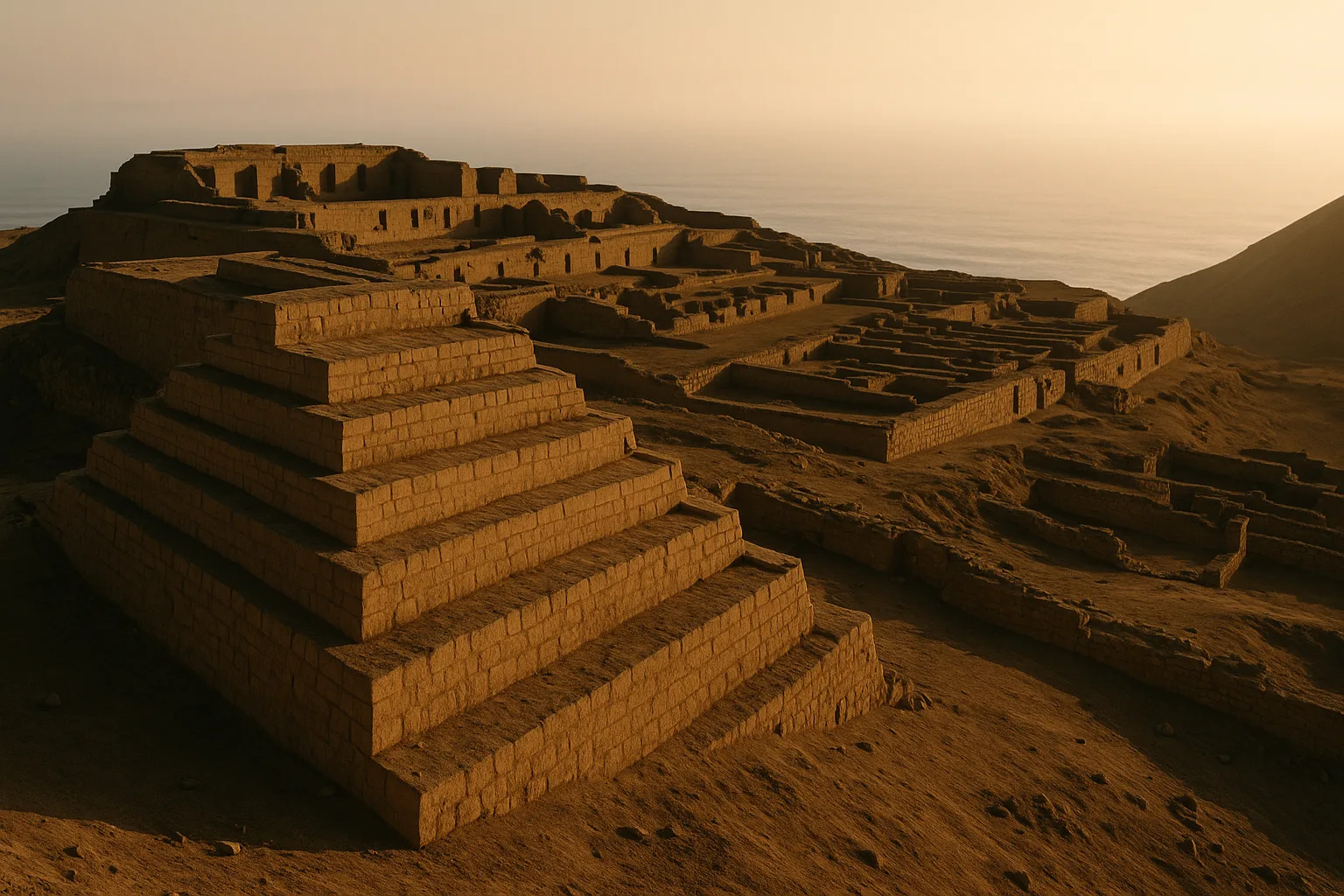
Pachacamac Peru Guide 2026: Oracle Temple, Pilgrimage Roads & Lima Coast
Lima-Wari-Ychsma-IncaExplore Pachacamac near Lima: ancient oracle temples, multi-civilization coastal history, practical ...
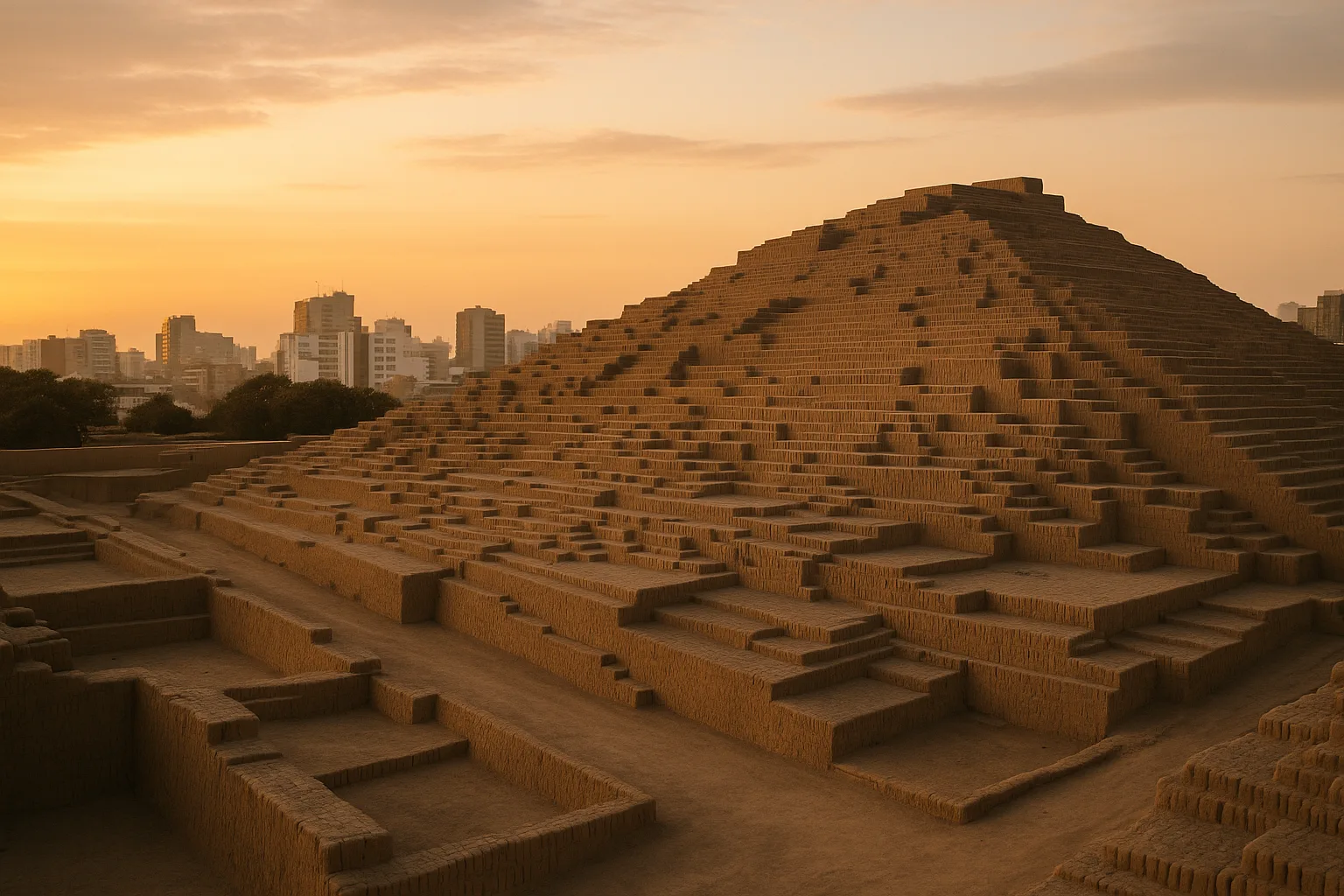
Huaca Pucllana Peru Guide 2026: Lima Adobe Pyramid & Lima Culture
Lima-Ychsma-IncaExplore Huaca Pucllana in Lima: pre-Inca adobe pyramid architecture, museum circuit, practical entry...