Quick Info
Curated Experiences
Nara Historical Walking Tour Including Archaeological Parks
Ancient Japan Deep Dive: Private Archaeology Experience
Guided Exploration: Iseki-koen Archaeological and Asuka Sites
Nestled amidst the verdant landscapes of Nara Prefecture and steeped in the living memory of Japan’s formative centuries, Iseki-koen Archaeological Park offers visitors a gateway into the world of Japan’s prehistoric settlers and the dawn of its organized communities. Here, where the whispers of antiquity resonate with the rustle of the trees, guests are invited to walk in the footsteps of ancient peoples whose ingenuity and traditions shaped not only the region but the cultural heart of Japan itself. As you step onto the grounds of Iseki-koen Archaeological Park, you are surrounded by the gentle rise and fall of reconstructed pit dwellings, the silent testimony of exposed ancient foundations, and panoramic views over the low-lying Nara countryside that has cradled centuries of human endeavor.
Located in the historic core of Nara Prefecture, Iseki-koen Archaeological Park is a vivid testament to Japan’s Jomon and Yayoi periods, encompassing not just excavated foundations but immersive reconstructions that allow visitors to experience firsthand the evolution of early settlement patterns. It is here that archaeological research has unearthed the subtle yet powerful thread binding together prehistoric lifestyles, spiritual practices, and the development of early agriculture. The park’s interpretive center brings this history to life with educational displays, hands-on exhibits, and stories woven through centuries of continuity and change. Whether you are a dedicated history enthusiast, a family with curious children, or an adventurous traveler tracing the cultural roots of East Asia, Iseki-koen Archaeological Park delivers a transformative journey deep into the origins of Japanese civilization.
History
The Dawn of Settlement: The Jomon and Yayoi Periods
The lands where Iseki-koen Archaeological Park now sits were inhabited millennia ago, during Japan’s Jomon period (14,000–300 BCE). This era, characterized by semi-sedentary hunter-gatherer communities, saw the first use of pottery on the Japanese archipelago. Archaeologists working at the Iseki-koen site have uncovered shards of Jomon pottery, stone tools, and shell mounds—indicators of both daily subsistence and ritual practice. These finds help illuminate how the inhabitants utilized rich local resources, combining fishing, gathering, and limited cultivation to sustain their small, tightly-knit communities along the Nara plain.
The transition to the Yayoi period (ca. 300 BCE–300 CE) brought profound changes not only to Iseki-koen but to the Japanese archipelago as a whole. The Yayoi people introduced wet-rice agriculture and metalworking; their migration and innovations marked a significant leap in tech and societal organization. Within the park, the remains of ancient rice paddies, semi-subterranean dwellings, and evidence of early metallurgy reveal how Iseki-koen’s settlement expanded in both size and complexity. The communal pit dwellings reconstructed on site today are modeled after Yayoi-era originals, with thatched roofs and sunken floors that protected families from the elements while fostering a spirit of cooperation and communal living.
Emergence of Early Japanese Society
By the close of the Yayoi period, the Nara region had emerged as one of Japan’s primary centers of political and cultural development. The archaeological layers at Iseki-koen track these shifts: foundations of storage buildings attest to growing surpluses and the beginnings of stratified societies, while ritual artifacts hint at early systems of belief that would give rise to the Shinto traditions and state structures of the Kofun era. Excavations at the site have also revealed material links to neighboring cultures on the Asian continent, underscoring the fluid exchange of ideas, goods, and people.
As the Kofun period dawned (ca. 250–538 CE), Nara Prefecture became synonymous with the beginnings of the Japanese imperial state. Iseki-koen’s later archaeological horizons, though more modest than the grand tomb mounds (kofun) for which the era is named, show continued occupation and the gradual shift to fortified settlements, increased use of iron tools, and more permanent forms of architecture. By preserving these layers, Iseki-koen Archaeological Park acts as a living archive, tracing the journey from small agrarian hamlets to the emergence of the first rulers of Japan.
Rediscovery and Preservation
Remarkably, the significance of Iseki-koen Archaeological Park came into focus in the 20th century, when construction works revealed stone and earthen remnants beneath the fields. Local historians and archaeologists undertook extensive excavations, recognizing the site’s invaluable role in reconstructing early Japanese history. The park was formally protected as a cultural property, with meticulous efforts taken to stabilize the ruins, reconstruct dwellings using authentic methods, and build interpretive structures that would make the ancient world accessible to the public. Today, the ongoing research and public programs at Iseki-koen underscore a commitment not just to scholarship, but to communal remembrance and education.
Key Features
Iseki-koen Archaeological Park distinguishes itself through a thoughtful combination of preserved ancient features and carefully reconstructed elements that transport visitors straight into the pulse of Japan’s past. As you enter the expansive grounds, the undulating landscape reveals a tapestry of excavated dwellings—some sheltered by modern coverings, others integrated into the open terrain to showcase their context amid the Nara countryside.
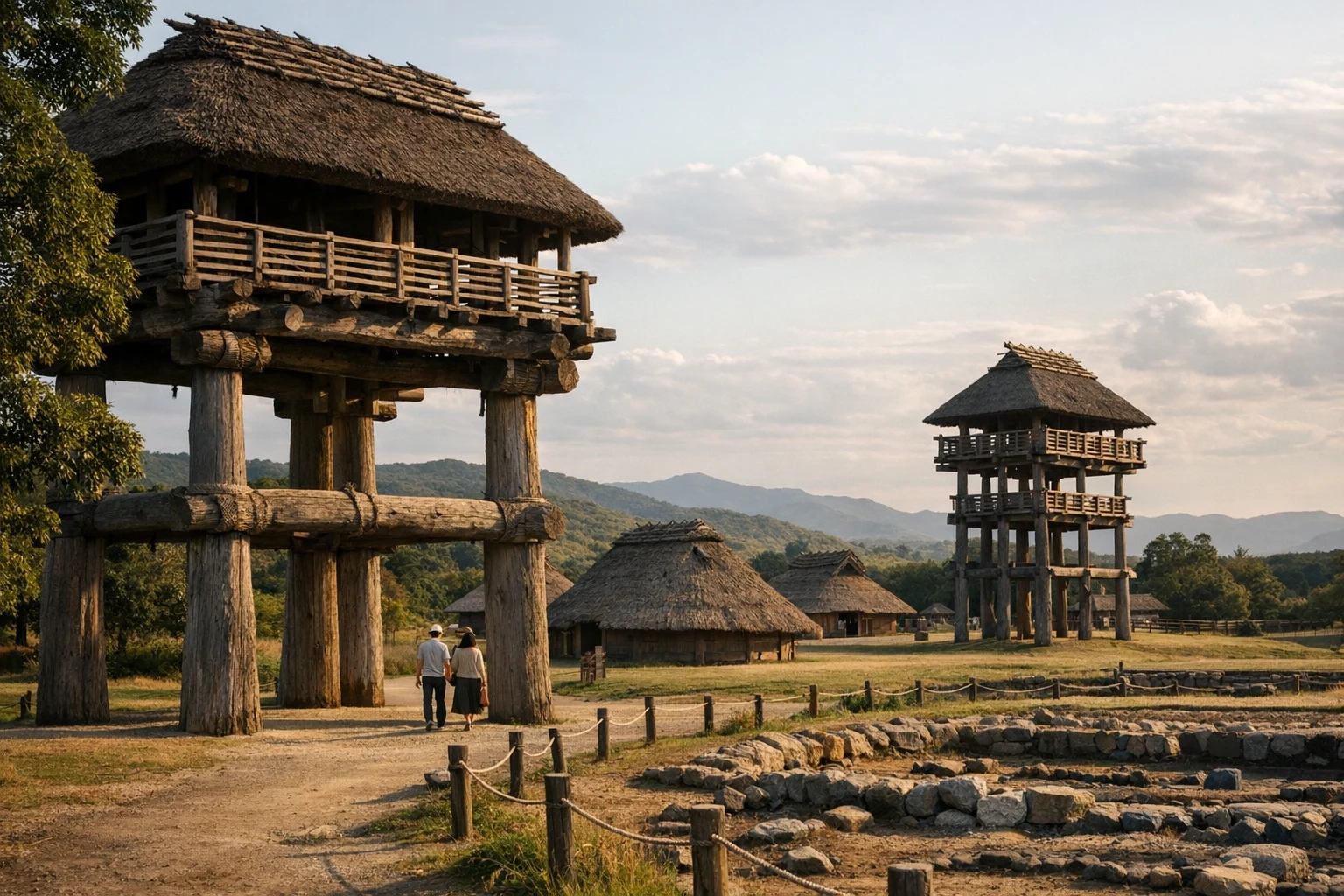
Among the park’s most striking features are the reconstructed pit dwellings, known as “tateana jukyo.” Built partially underground and topped with sloping thatched roofs, these dwellings closely follow archaeological specifications based on domestic remains from the site. Inside, visitors can see simple hearths, raised sleeping platforms, and replicas of tools used by Jomon and Yayoi peoples. The interior environment—cool in the heat of summer, warm during Nara’s brisk winters—provides an immersive glimpse into how ancient families adapted to their environment.
Surrounding these reconstructions, the park preserves actual foundation stones that outline storage buildings, communal halls, and small ceremonial sites. Interpretive signage, presented in both Japanese and English, guides guests through the evolving settlement layout, explaining the social and agricultural innovations that transformed daily life over centuries. Of particular note are the remains of terraced rice paddies—a testament to the agricultural revolution that swept through the region in the Yayoi era. The low earthen ridges outlining these paddies, alongside displays of ancient farming implements uncovered nearby, help narrate the area’s journey from foraging to food production.
The park’s visitor and interpretive center serves as both educational hub and museum. Here, hands-on exhibits invite guests of all ages to try their hand at weaving, grinding grain as ancient people would have, or examining archaeological finds through magnifying lenses. Rotating exhibitions feature recent discoveries, and multimedia presentations bring together drone surveys, ground-penetrating radar imagery, and reconstructions to vividly illustrate how the park’s landscape has changed over time.
Scattered throughout the park are shaded picnic areas, wooded trails, and quiet corners offering views over fields and low hills—the same timeless panorama that greeted the site’s earliest inhabitants. In spring, cherry blossoms frame the ancient remains in clouds of pink, while autumn brings radiant foliage, making every visit a layered experience of natural and historical wonder.
Getting There
Reaching Iseki-koen Archaeological Park is both convenient and scenic, with Nara’s robust transportation links making it accessible from major urban centers in the Kansai region. Most travelers begin their journey from Kyoto or Osaka, both of which are well served by Japan’s efficient train network.
From Kyoto Station, take the JR Nara Line to Nara Station, a journey that typically takes about 45 minutes and costs approximately 720 yen for an unreserved seat. If coming from Osaka, the Kintetsu Nara Line provides regular service to Kintetsu-Nara Station in about 35 minutes, with fares starting at around 570 yen. Upon arrival in Nara, local buses connect the city center to Iseki-koen Archaeological Park. The park lies about 8 kilometers south of central Nara; board a Nara Kotsu bus on the Asuka line, and alight at the “Iseki-koen Mae” stop. Bus fares are generally around 430 yen, and services run several times each hour.
For visitors who prefer to travel independently, taxis from central Nara offer direct service to the park and typically cost between 2,000 and 3,000 yen each way, depending on traffic. Parking is available on-site for private vehicles and tour buses, making Iseki-koen an accessible destination for groups or those wishing to combine the park with other historical attractions in the region.
Cycling enthusiasts will find the countryside linking Nara and the park especially rewarding, with rental bicycles available near major train stations. A leisurely ride follows country lanes winding past rice fields, traditional farmhouses, and wooded hills—a journey that mirrors, in part, the route early Japanese communities would have traveled millennia ago.
When to Visit
Iseki-koen Archaeological Park welcomes visitors year-round, each season offering a unique lens through which to experience its ancient wonders. The park enjoys a temperate climate typical of the Nara basin, making spring and autumn the preferred seasons for most guests. From March to May, the grounds come alive with cherry blossoms and fresh greenery, casting a tranquil, ethereal beauty over the reconstructed dwellings and ancient earthworks. Mild daytime temperatures—usually between 10°C and 20°C (50°F–68°F)—ensure comfortable exploration, and the annual hanami (cherry blossom viewing) draws both locals and tourists to the site.
Autumn, spanning late September to early November, bathed in golden and crimson foliage, is equally magical. Crisp air and clear days provide ideal conditions for discovering the park’s features and enjoying picnic lunches under the trees. Summer (June through August) sees higher temperatures, often reaching 30°C (86°F) or more, so visitors should come prepared with hats, sunscreen, and ample water. The shaded sections of the park and visitor center offer respite from the midday sun.
Winter visits reveal a different aspect of Iseki-koen: although chilly (with temperatures sometimes dropping close to freezing), the absence of crowds lends a quiet, contemplative atmosphere. Occasionally, a light dusting of snow outlines the ancient remains, creating photo opportunities and a serene setting to appreciate the site’s enduring legacy.
The park operates regular hours, typically from 9:00 AM to 5:00 PM, with last entry 30 minutes before closing. While entrance to the outdoor grounds is usually free, some special exhibitions or workshops may require a modest fee. It is always best to check the official website for up-to-date information on opening times and event schedules, especially around Japanese public holidays or typhoon season.
Quick Facts
| Feature | Details |
|---|---|
| Location | Nara Prefecture, Japan |
| Coordinates | 34.5364°N, 135.8357°E |
| Periods Represented | Jomon, Yayoi, Early Kofun |
| Key Attractions | Reconstructed pit dwellings, excavated foundations, ancient rice paddies |
| Visitor Center | Yes, with hands-on exhibits and interpretive displays |
| Admission Fees | Park grounds generally free; special exhibitions/workshops may have separate charges |
| Accessibility | Bus, taxi, car, and bicycle |
| Facilities | Restrooms, picnic areas, information panels, parking |
| Languages | Japanese, English |
| Nearby Major Cities | Nara (8 km), Kyoto (45 km), Osaka (40 km) |
| Official Website | [Link to Nara Prefectural Iseki-koen Park site, if available] |
| Seasonality | Open year-round; best in spring and autumn |
| Guided Tours | Available by prior arrangement (including through Viator partners) |
Frequently Asked Questions
What are the main archaeological features of Iseki-koen Archaeological Park?
Iseki-koen Archaeological Park showcases reconstructed pit dwellings, remains of ancient foundations, and outdoor displays representing the daily life of Japan’s prehistoric people.
Is the park suitable for families and children?
Yes, the park is family-friendly, with interactive exhibits and open spaces for children to learn about ancient history through hands-on activities.
How long does a typical visit take?
Most visitors spend 1.5 to 3 hours exploring the park, including the outdoor reconstructions and interpretive center.
Are guided tours available at the park?
Guided tours can be arranged in advance, and some tours in English are available through local agencies or as part of Viator packages.
What facilities are available at the park?
The park offers restrooms, a visitor center with exhibits, information panels in Japanese and English, and shaded picnic areas.
Nearby Ancient Sites
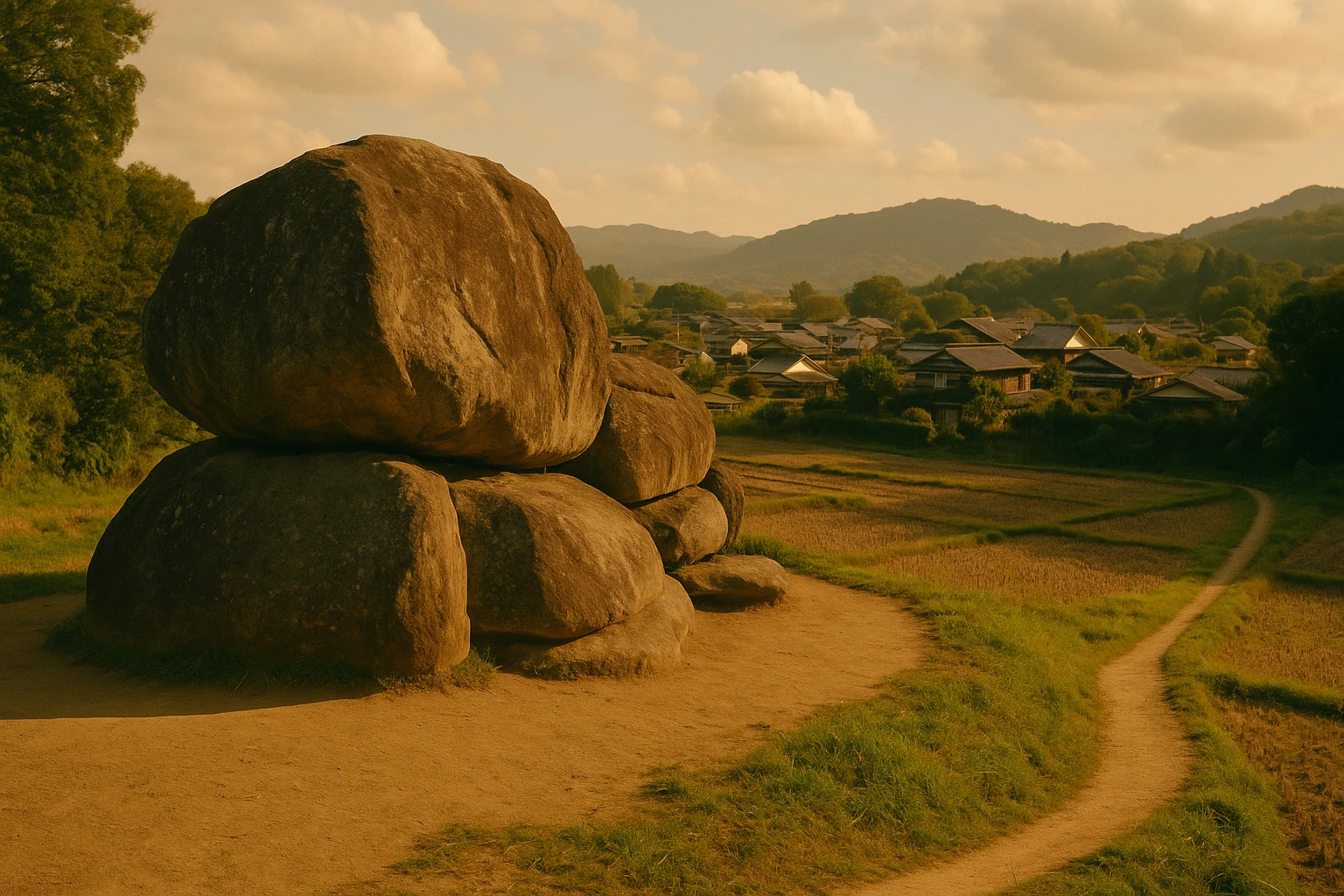
Asuka Historical Sites
Yamato CourtDiscover Asuka's ancient tombs, Buddhist temples, and enigmatic stone monuments — Japan's cradle of ...
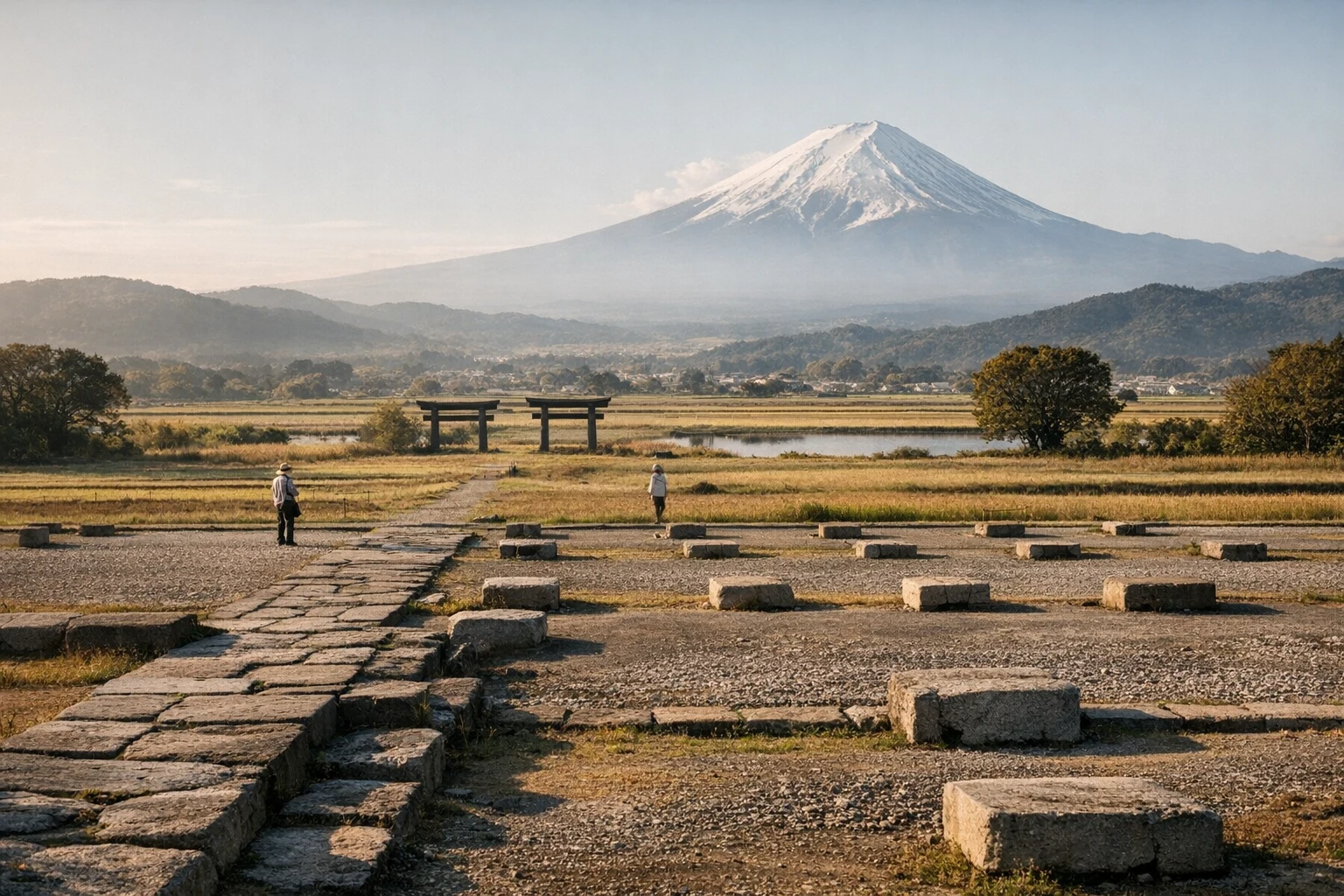
Fujiwara Palace Ruins
Early Japanese imperial stateDiscover Japan’s Fujiwara Palace Ruins, the vast remains of the first fully planned imperial capital...
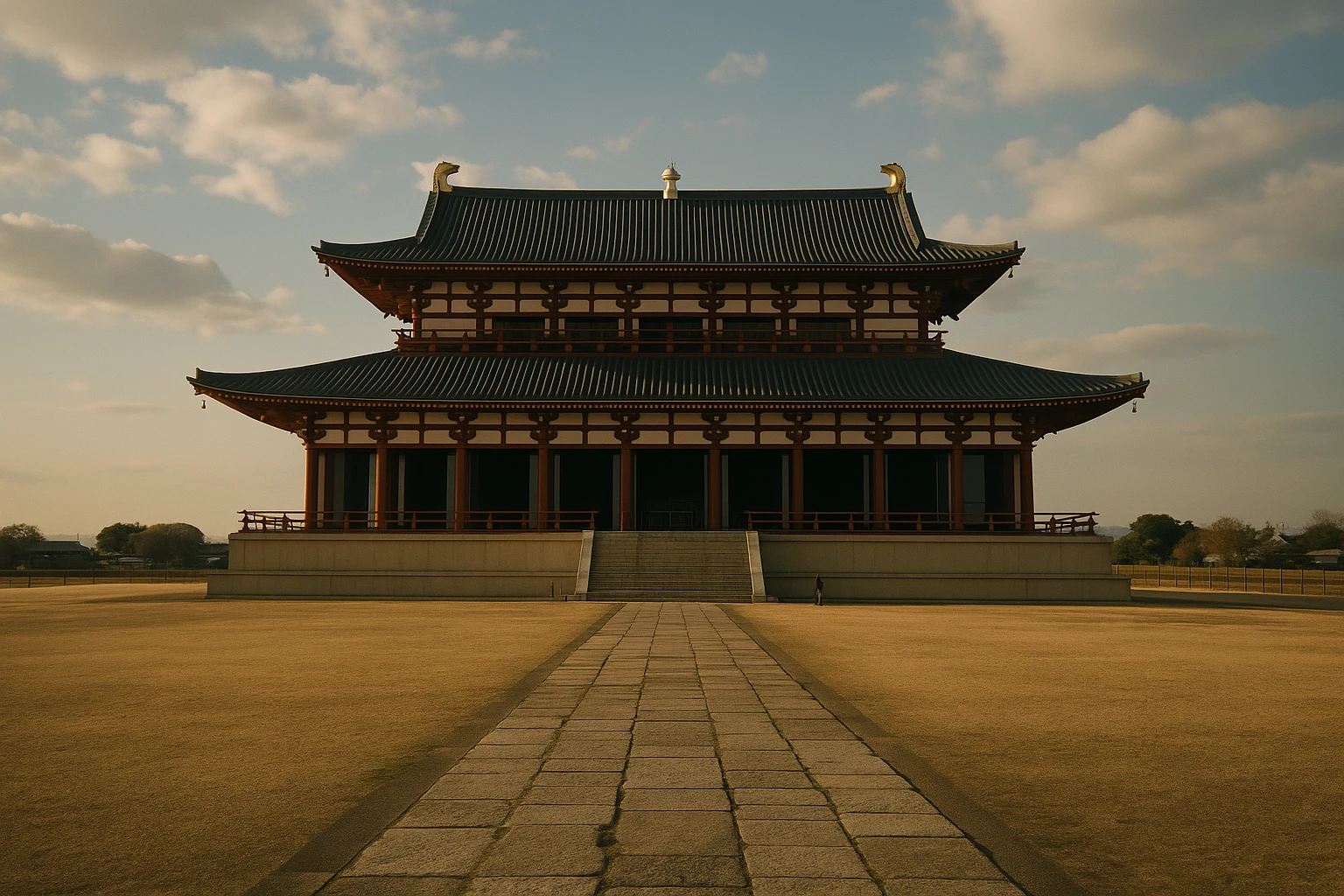
Heijo Palace Site
Nara Period JapanWalk the vast grounds of Japan's 8th-century imperial capital in Nara — a UNESCO World Heritage Site...