Quick Info
Curated Experiences
Katsuren Castle Ruins and Okinawa Heritage Tour
Private Okinawa History Tour Including Katsuren Castle
Okinawa World Heritage Sites Tour with Katsuren Castle Ruins
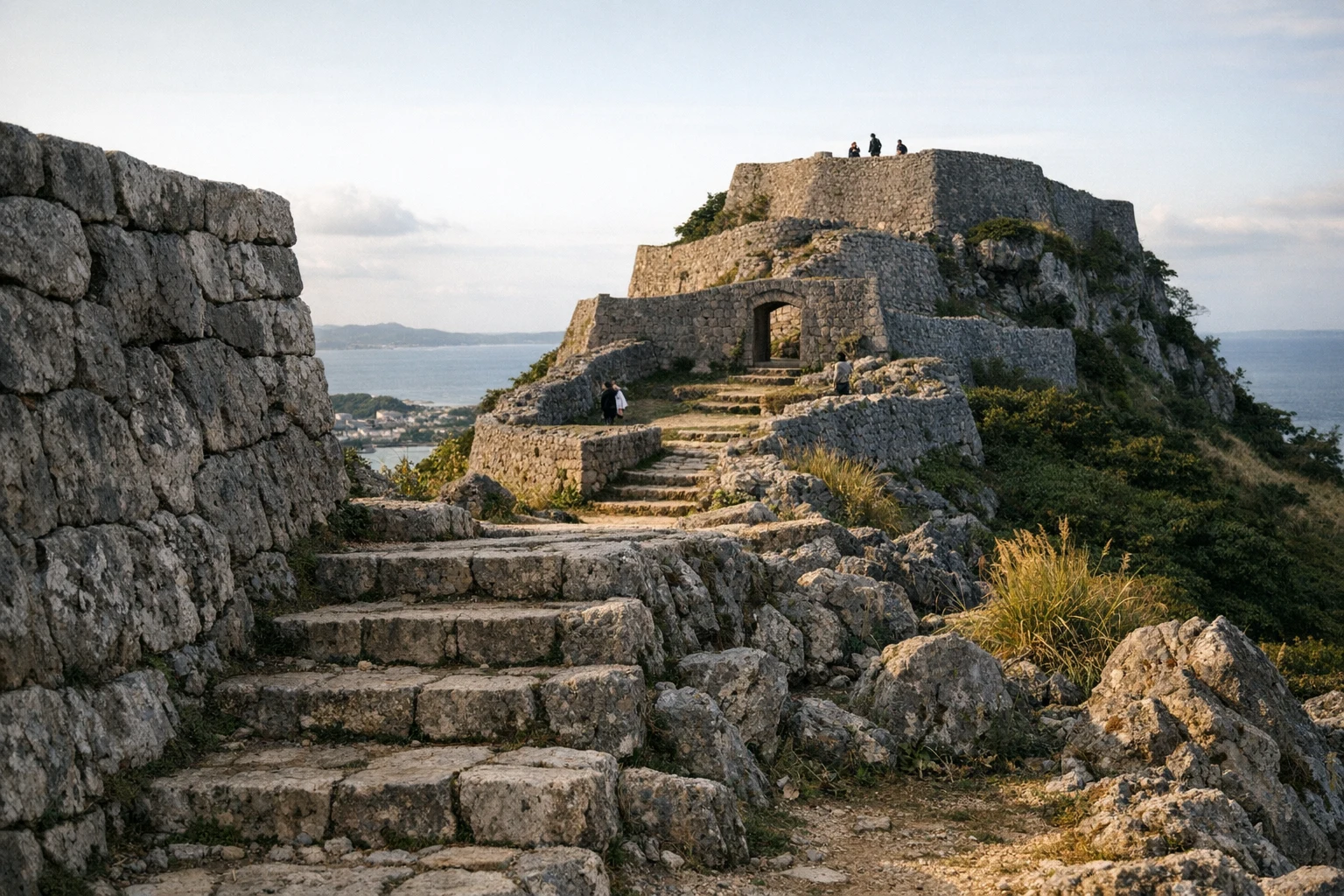
Katsuren Castle Ruins in Japan are one of the most striking historic sites in Okinawa, not only because of their age or UNESCO status, but because of the way they seem to float above sea and sky. Rising on a limestone hill in Uruma, the ruins are built in the distinctive gusuku style of the Ryukyu Islands, with curving stone walls that follow the contours of the land so gracefully that they almost look like natural ridges shaped by human intention. As you climb, the views widen in every direction: over the surrounding plains, toward the coast, across modern Okinawa, and out to the sea that once connected these islands to a larger maritime world. This setting is not incidental. Katsuren’s power has always depended on visibility, control, and the ability to watch both land and water.
What makes the site especially memorable is that it feels different from mainland Japanese castles. There is no towering tenshu, no white plaster keep rising over a moated town. Instead, there are terraces, gates, enclosures, and stone walls that unfold upward in a sequence of defended sacred-political spaces. The effect is subtler but, in many ways, more dramatic. Katsuren belongs to the world of the Ryukyu Kingdom, a maritime polity whose culture, diplomacy, and architecture were shaped by routes connecting Japan, China, Korea, and Southeast Asia. The ruins still preserve that distinct identity. Visitors come for the views and the beautiful walls, but they leave with something deeper: a sense that Okinawa’s past is not a side note to Japanese history, but part of a different and richly connected world with its own political forms, architectural language, and regional imagination.
History
Early Gusuku Culture and the Ryukyu Landscape
Katsuren Castle emerged within the broader development of gusuku culture in the Ryukyu Islands, a period when fortified hilltop sites, sacred places, and local power centers began to define the political landscape of Okinawa. The exact origins of many gusuku remain debated, but they generally took shape between the 12th and 15th centuries as local rulers and elite groups consolidated authority. Unlike the later castle systems of early modern Japan, these sites belonged to a world where political control, sacred geography, and regional networks were deeply intertwined. A gusuku was not simply a military stronghold. It was often a seat of rule, a ritual center, and a statement of local legitimacy all at once.
Katsuren’s hilltop location made it ideal for this role. It commanded views over the surrounding region and toward maritime routes, reinforcing the site’s political and strategic value. The use of Ryukyuan limestone, shaped into elegantly curving walls, reflects a local architectural tradition adapted to terrain rather than imposed rigidly upon it. The castle’s setting and form therefore reveal much about the society that built it: one concerned with defense, status, and sacred authority, but also with the practical realities of island geography.
The Rise of Katsuren and Regional Power
By the 14th and 15th centuries, Katsuren had become one of the important centers of local power on Okinawa. This was a period before the full political unification of the Ryukyu Kingdom, when regional lords competed, negotiated, and built their strength across the islands. Control of a site like Katsuren meant control not only of territory but of movement, visibility, and access to maritime exchange. Okinawa’s historical development cannot be understood apart from the sea, and Katsuren’s position reflects that reality clearly.
The castle’s rising complexity suggests that it was not merely a lookout or emergency refuge. It served as a true political center, with multiple enclosures and carefully designed approaches. Goods, people, and information passed through such sites, and the rulers who held them participated in a wider world of regional exchange. The Ryukyu Islands were never isolated. Even before later formal state structures emerged, they were tied into trade networks that linked East and Southeast Asia. Katsuren was one of the places where that connectivity became political power.
Amawari and the Castle’s Most Famous Era
Katsuren is most famously associated with Amawari, the 15th-century lord who became one of the best-known figures in Okinawan historical memory and legend. Amawari’s reputation blends politics, ambition, tragedy, and later storytelling, but there is no question that his connection to Katsuren shaped the site’s fame. As lord of the castle, he emerged as a powerful regional figure during a critical period in Okinawan history. The details of his rise and fall come to us through later sources and are difficult to separate entirely from legend, but the broad outlines are clear enough: Katsuren under Amawari was a serious political center, not a provincial afterthought.
His eventual defeat by forces associated with the centralizing kingdom at Shuri turned Katsuren into part of a larger story of Ryukyuan unification. In that sense, Amawari’s career reflects a transition in Okinawan history: the movement from competing local powers toward a more integrated kingdom. The castle thus stands at the intersection of personal legend and structural political change.
Decline, Ruin, and Heritage Recognition
After its political importance waned, Katsuren gradually entered the long afterlife familiar to many premodern fortifications. Buildings disappeared, organic materials decayed, and only the resilient stone framework remained. Yet those walls survived with unusual power. Their curves, terraces, and commanding position ensured that the ruin itself retained strong presence. Even without palaces or wooden superstructures intact, the form of the castle remained legible.
In the modern era, archaeological study and conservation helped clarify the site’s history and preserve it as one of the most important gusuku ruins in Okinawa. As part of the UNESCO World Heritage listing for the Gusuku Sites and Related Properties of the Kingdom of Ryukyu, Katsuren now represents not only a local stronghold but a key expression of Ryukyuan political culture. Its value lies partly in the beauty of its surviving walls, but also in how clearly it preserves a distinct architectural and historical world separate from mainland models.
Key Features
The most immediately memorable feature of Katsuren Castle Ruins is the stonework. The curving limestone walls are among the most elegant in Okinawa, rising and folding around the hill in a way that feels almost sculptural. Unlike the more rectilinear or massive defensive walls found in some other traditions, these walls respond directly to the shape of the land. They climb in layered arcs, define enclosures, and create a sense of upward flow that makes the entire castle feel dynamic rather than rigid. This architectural fluidity is one of the hallmarks of gusuku design, and Katsuren shows it beautifully.
The sequence of baileys, or enclosed terraces, is another major feature. As visitors ascend, they move through a series of defended and increasingly elevated spaces that make the structure of power palpable. Each enclosure offers a slightly different relationship to sky, wind, and view. This layered progression gives the site strong dramatic rhythm. It also makes clear that Katsuren was not just a wall on a hill. It was an organized seat of authority, with carefully controlled circulation and elevated inner spaces likely reserved for the highest functions of rule.
The views are inseparable from the site’s meaning. From the upper levels, the panorama across central Okinawa and out toward the sea is extraordinary. You can see how a castle here would dominate not only the immediate landscape but regional movement and visibility. These are not just pretty vistas for modern photography. They are evidence of why the site mattered historically. Katsuren’s placement allowed its rulers to command territory in the broadest sense: physically, politically, and symbolically.
The absence of large standing wooden buildings is sometimes surprising to first-time visitors, but it becomes one of the strengths of the site. Without reconstructed keeps or intrusive overlays, the stone terraces and walls speak more directly. The ruin feels cleanly legible, and the imagination has room to work. This stripped clarity suits the landscape and helps distinguish Katsuren from castle sites where later rebuilding dominates the visitor experience.
Interpretive facilities and nearby museum displays add another important layer. They help explain not only Amawari and local legend, but also the wider history of the Ryukyu Kingdom, maritime exchange, and gusuku architecture. Because the site is so dependent on layout and landscape rather than interior rooms, context matters. Good interpretation deepens the experience considerably, helping visitors see Katsuren not merely as a scenic ruin but as a political center in a distinct island civilization.
Getting There
Katsuren Castle Ruins are located in Uruma on Okinawa Island, and most visitors reach the site from Naha or other central Okinawa bases. The most convenient option is usually a rental car, especially because Okinawa’s best heritage sites are often easier to connect by road than by public transport alone. Driving from central Naha generally takes about 1 to 1.5 hours depending on traffic. Parking is typically available near the site, which makes self-driving one of the easiest approaches.
Taxis and private tours are also possible, though they are more expensive than self-drive. If you want to combine Katsuren with other Okinawan heritage locations or coastal scenery in one day, a private driver can be convenient. Public buses can reach the general area, but they may involve transfers and more walking or waiting than many visitors want, especially in hot weather. For those staying in central Okinawa outside Naha, access may be easier depending on your exact location.
Once at the site, the main activity is walking uphill through the ruins. Comfortable shoes, water, and sun protection are essential. The climb is not extreme, but the exposed stone and Okinawan humidity can make it feel more demanding than the map suggests. Allow extra time if you want to visit the interpretation center or take in the upper-level views without rushing.
When to Visit
Katsuren Castle Ruins can be visited year-round, but spring and autumn are generally the best seasons for comfort and clarity. In these months, temperatures tend to be more manageable, skies are often pleasant, and the hilltop walk becomes easier to enjoy. The site’s beauty depends heavily on open views and time spent moving between the enclosures, so moderate weather makes a real difference.
Summer can be vivid and lush, but it also brings strong sun, humidity, and the possibility of intense heat. If visiting in summer, go early in the morning or later in the afternoon, bring water, and be prepared for a more physically demanding climb. Typhoon season is another factor to keep in mind when planning Okinawa travel. Winter is usually mild compared with much of Japan and can actually be an excellent time to explore if you prefer lower humidity and lighter crowds.
Morning and late afternoon usually provide the best light. The walls gain stronger texture, the sea views feel clearer, and the site becomes less exposed to the harshest midday glare. Because Katsuren’s power lies as much in atmosphere and panorama as in masonry, timing has a large effect on the quality of the visit.
| Quick Facts | Details |
|---|---|
| Location | Uruma, Okinawa Prefecture, Japan |
| Best Known For | Curved limestone gusuku walls and sweeping coastal views |
| Cultural Tradition | Ryukyu Kingdom |
| Main Historical Period | 12th-15th century CE |
| Famous Historical Figure | Amawari |
| UNESCO Status | Part of the Gusuku Sites and Related Properties of the Kingdom of Ryukyu |
| Recommended Visit Length | 1 to 2 hours |
| Best Nearby Base | Naha or central Okinawa |
| Best Season | Spring and autumn |
| Practical Tip | Visit in the morning or late afternoon and give yourself time at the upper terraces, since the views are one of the site’s greatest strengths |
Frequently Asked Questions
What are Katsuren Castle Ruins best known for?
Katsuren Castle Ruins are best known for their elegant curved stone walls, commanding hilltop position, and sweeping views over the sea and central Okinawa.
What is a gusuku?
A gusuku is an Okinawan castle or fortified site, usually built with distinctive curved limestone walls and tied to the political culture of the Ryukyu Islands.
Why is Katsuren Castle important?
Katsuren is important because it reflects the rise of local power in the Ryukyu Kingdom era and is closely associated with maritime trade, regional rule, and the famous lord Amawari.
How much time should you spend at Katsuren Castle Ruins?
Most visitors should allow 1 to 2 hours, including time for the hill climb, interpretation center, and enjoying the panoramic views.
Are Katsuren Castle Ruins part of a UNESCO World Heritage Site?
Yes. They are part of the UNESCO listing for the Gusuku Sites and Related Properties of the Kingdom of Ryukyu.
When is the best time to visit Katsuren Castle Ruins?
Spring and autumn are especially pleasant, though the site can be visited year-round if you are prepared for strong sun, humidity, or seasonal rain.
Nearby Ancient Sites
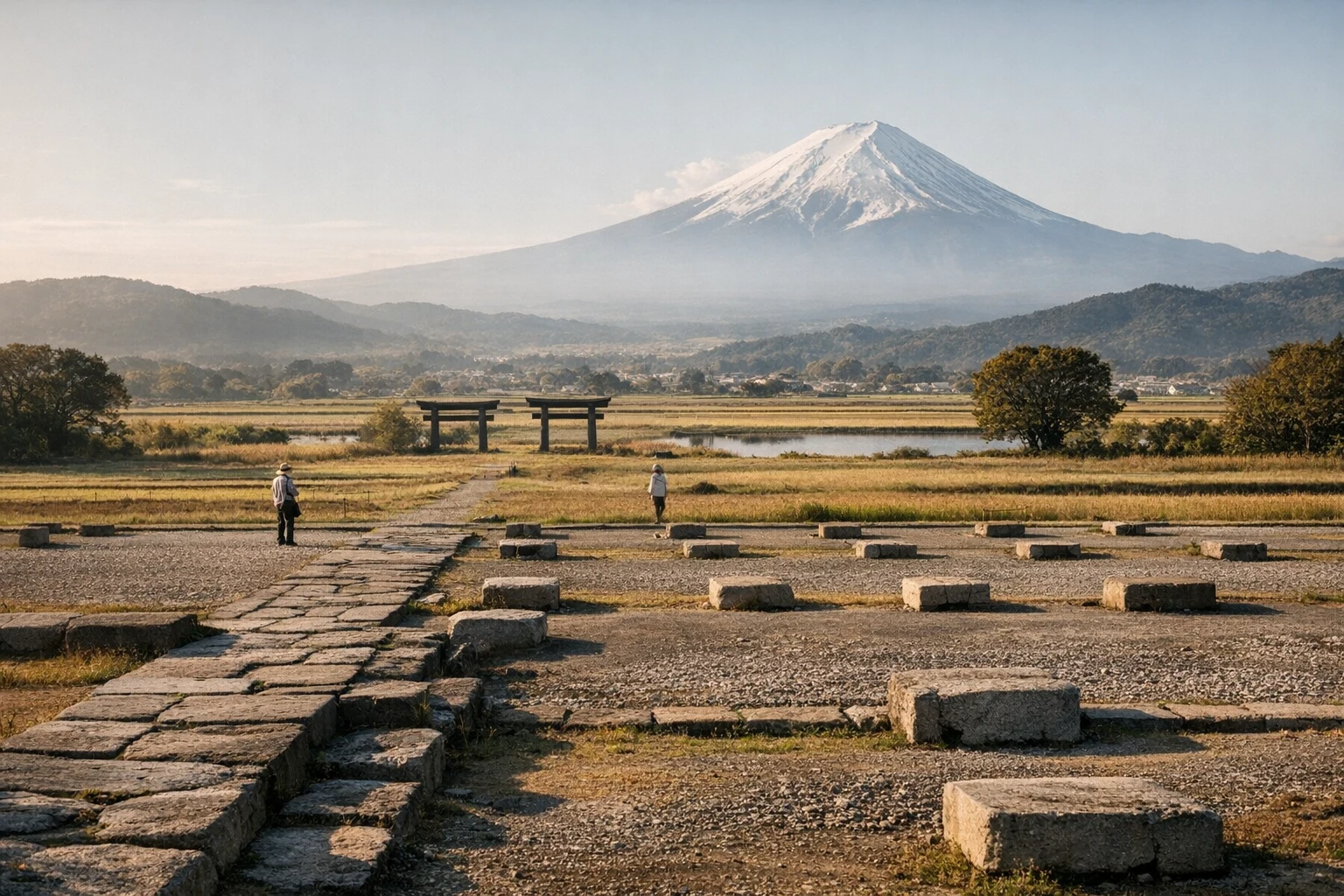
Fujiwara Palace Ruins
Early Japanese imperial stateDiscover Japan’s Fujiwara Palace Ruins, the vast remains of the first fully planned imperial capital...
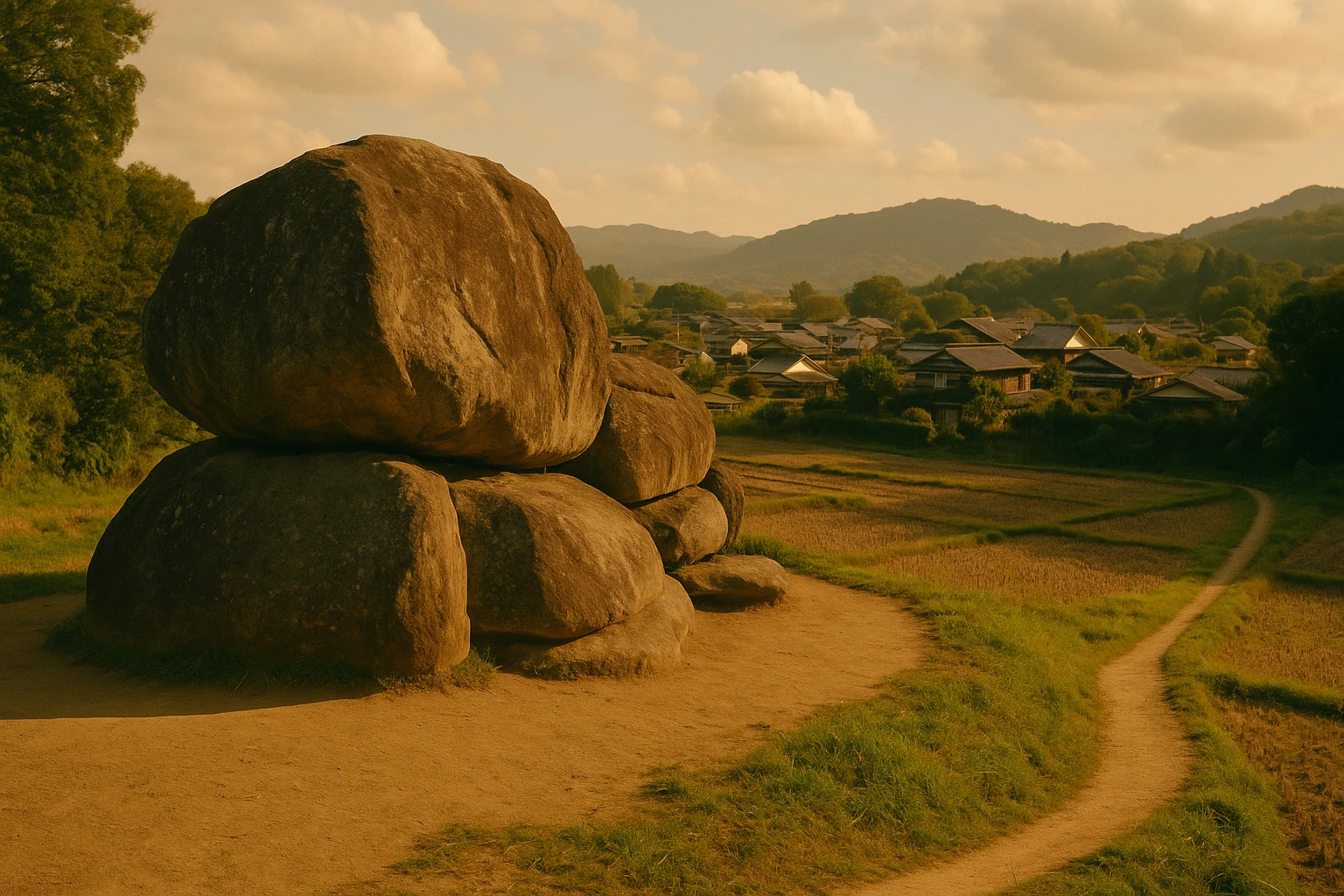
Asuka Historical Sites
Yamato CourtDiscover Asuka's ancient tombs, Buddhist temples, and enigmatic stone monuments — Japan's cradle of ...
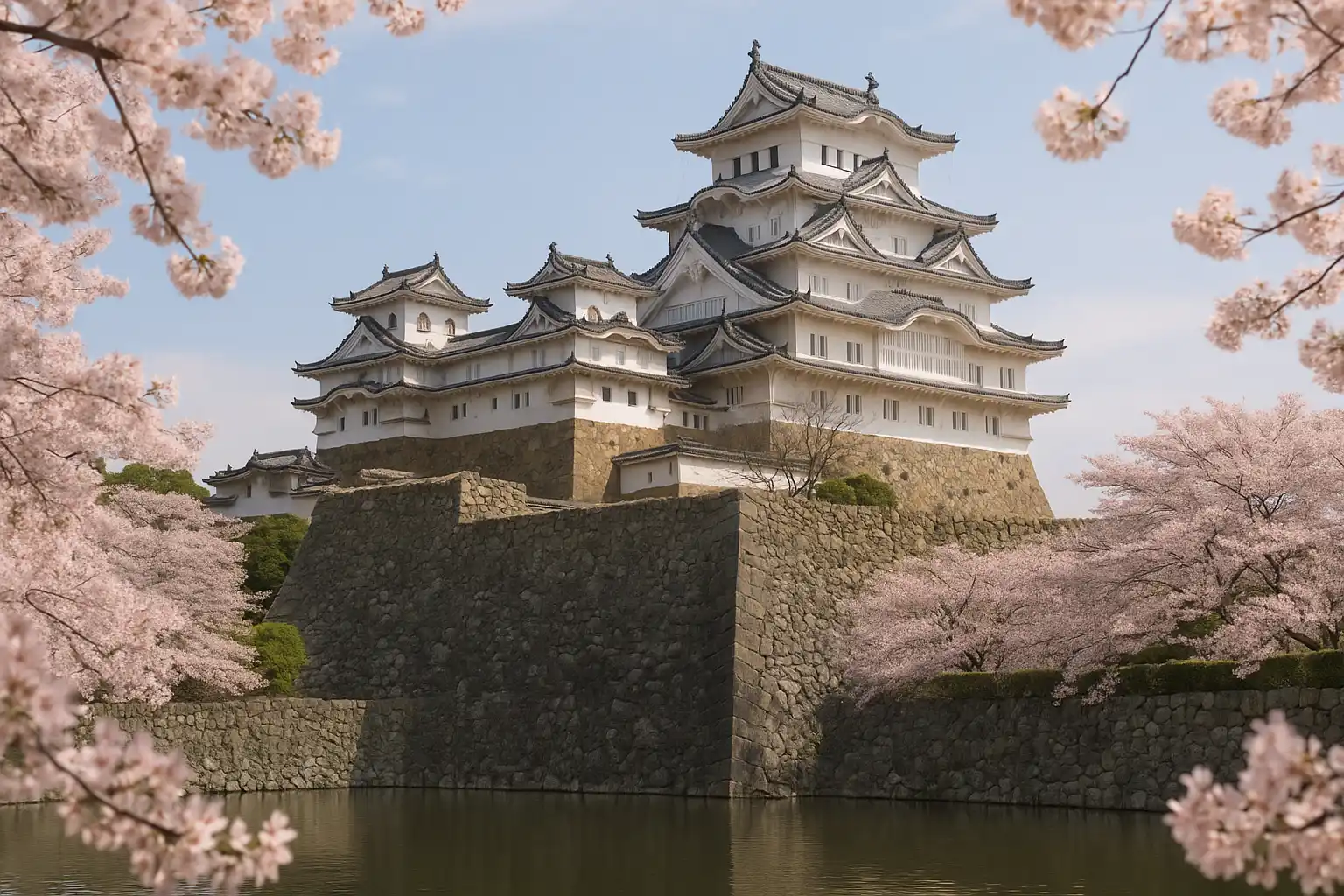
Himeji Castle Japan Travel Guide 2026: The White Heron Castle
Japanese FeudalVisit Himeji Castle, Japan's most beautiful original castle. Explore the White Heron keep, defensive...
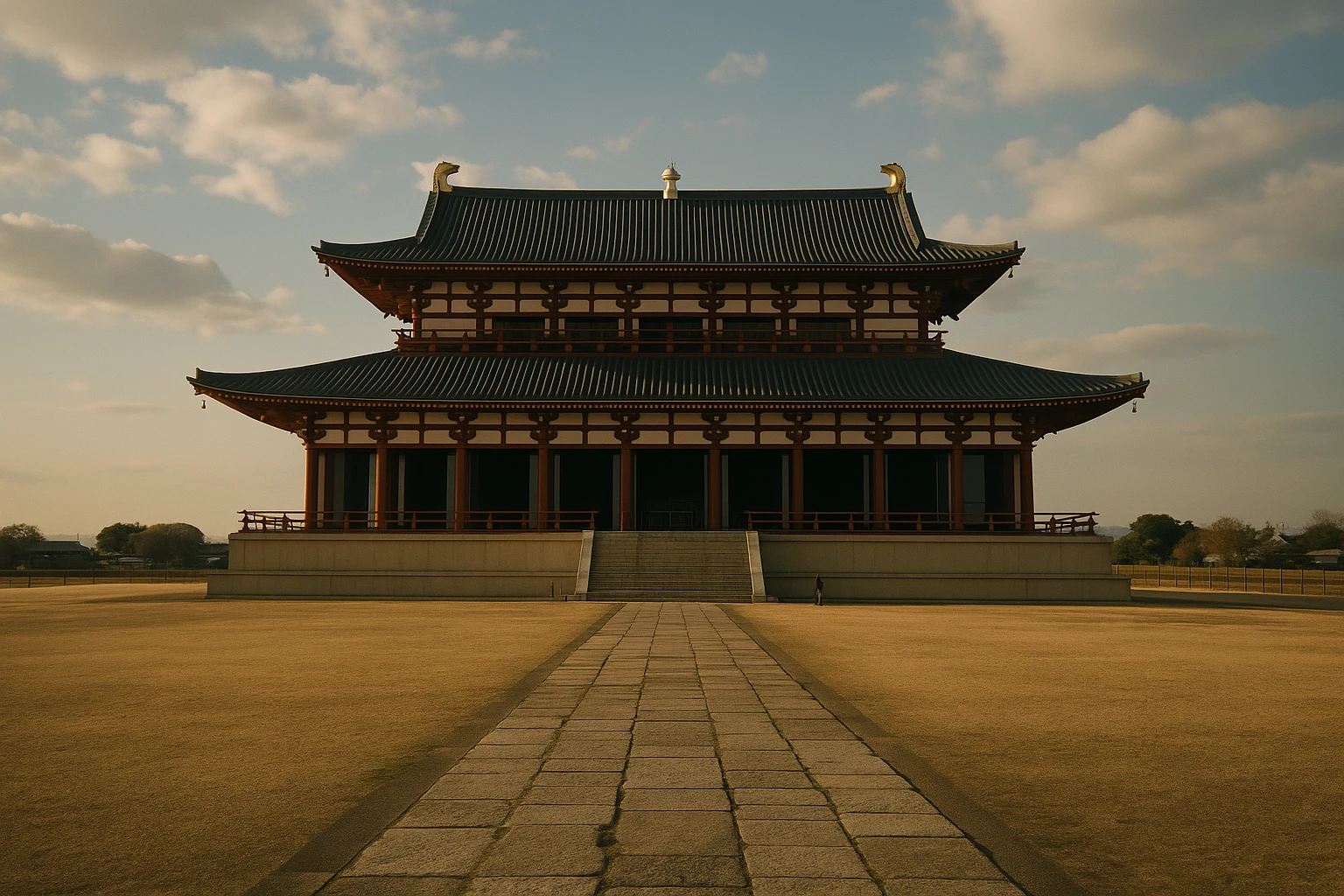
Heijo Palace Site
Nara Period JapanWalk the vast grounds of Japan's 8th-century imperial capital in Nara — a UNESCO World Heritage Site...