Quick Info
Curated Experiences
Dalyan River Cruise to Kaunos Ruins and Mud Baths
Dalyan Classic Boat Trip From Sarigerme
Private Dalyan and Kaunos Heritage Tour with River Transfer
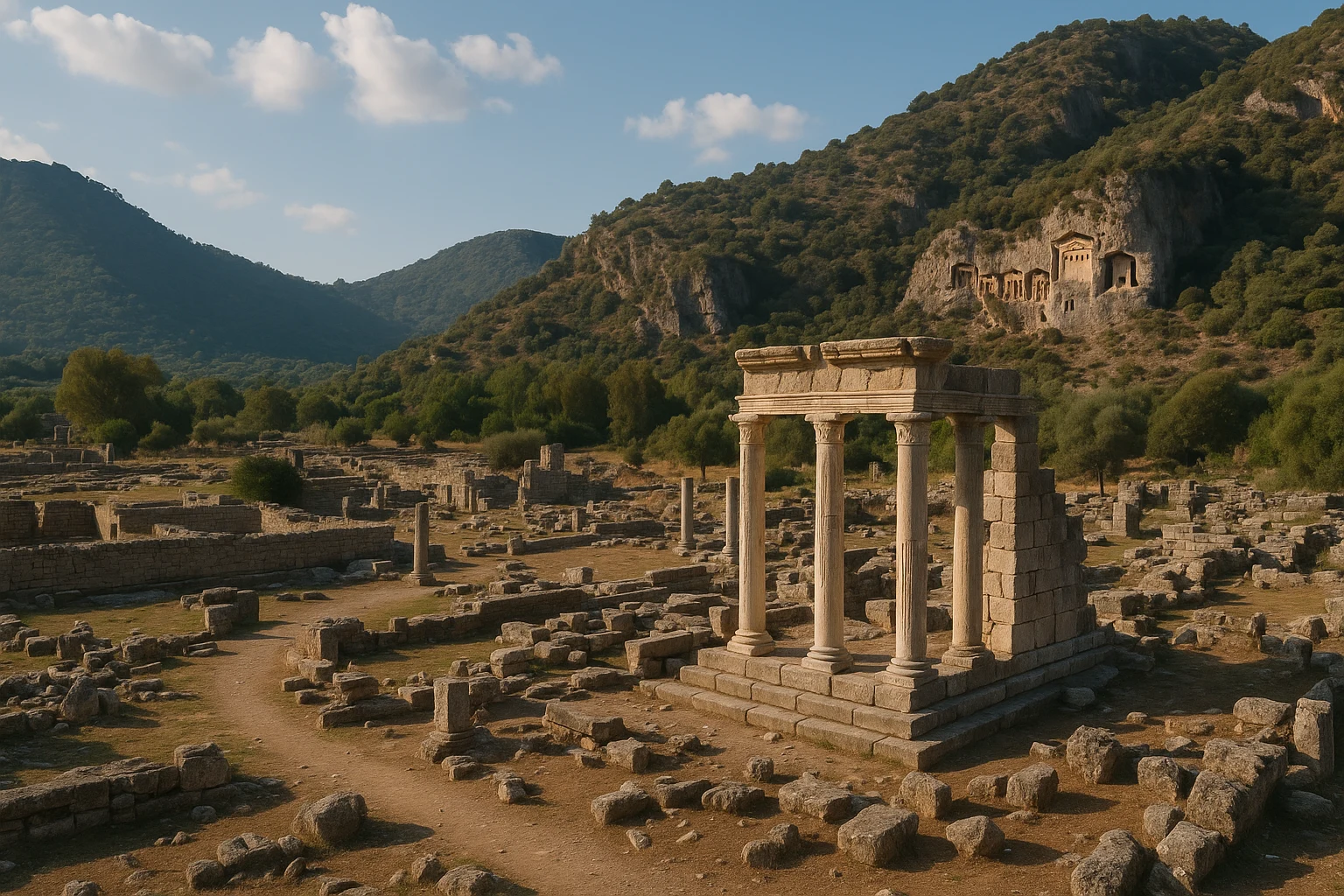
On the opposite bank from Dalyan’s cafés and tour boats, Kaunos in Turkey rises in stony terraces above reeds, river water, and mountain light. Most visitors first notice the dramatic tomb façades carved into the cliff face, visible from the water like a stone theater set. Then the crossing begins, and the scene shifts from postcard view to lived archaeology: ferry wake, dusty paths, fig trees, and suddenly a city plan spread across the hillside. The site does not overwhelm you with one colossal monument. Instead, it reveals itself in layers, each turn adding another piece of how a port city survived changing empires, changing coastlines, and eventually changing geography itself.
Kaunos was once a maritime center tied to Caria, neighboring Lycia, and wider Mediterranean exchange. Today the ancient harbor is inland, separated from open sea by centuries of silting in the Dalyan delta, and that environmental transformation is part of what makes the site so compelling. You are not only walking through political history but through landscape history. At Ancient Travels, we recommend Kaunos for travelers who want a site where architecture, ecology, and long chronology are inseparable. This guide covers the full historical arc, the monuments worth your time, practical transport from Dalyan and nearby hubs, seasonal planning, and how to combine Kaunos with Iztuzu Beach without turning your day into a rushed checklist.
History: A Port City That Watched the Coastline Move
Carian origins and early urban growth (c. 9th century BCE-6th century BCE)
Kaunos began as a regional center in the cultural borderland between Caria and Lycia, with its own political identity and strategic value. The city controlled routes linking inland valleys to the coast, and early settlement patterns show a community shaped by both Anatolian traditions and maritime exchange. The acropolis position gave defensive oversight, while lower urban zones connected trade, ritual, and daily civic life. Even in its earliest phases, Kaunos was not an isolated hilltop village. It was a place oriented toward movement: goods, people, and influence flowing between Aegean and eastern Mediterranean worlds.
Persian and Hellenic transitions (6th century BCE-4th century BCE)
As western Anatolia moved under Achaemenid Persian influence, Kaunos adapted rather than disappeared. Local elites worked within imperial structures while maintaining regional traditions in architecture and funerary display. By the Classical period, Greek language and artistic forms became more visible, especially in public construction and inscriptions, yet Kaunos retained a hybrid character that never reads as purely Greek colony or purely inland Anatolian town. This complexity is one reason the site feels historically rich: its identity was negotiated over centuries, not assigned in a single founding moment.
Hellenistic monumentalization and Roman continuity (4th century BCE-4th century CE)
After Alexander’s campaigns and the shifting successor kingdoms, Kaunos entered a long period of Hellenistic and then Roman urban development. The theater was expanded, civic spaces formalized, and bath culture embedded in city life. Under Roman administration, Kaunos remained regionally significant, with infrastructure supporting trade and local governance even as larger coastal centers competed for influence. Archaeological remains from this era are among the most legible today, especially where masonry and street alignments still trace public movement between upper and lower terraces.
Late antiquity and Byzantine adaptation (4th century CE-11th century CE)
Kaunos, like many Anatolian cities, was transformed by late antique Christianity. Basilica construction and repurposing of earlier urban zones show the city’s continued relevance even as its economic profile shifted. Yet this period also coincided with longer-term environmental change in the delta system. Silting reduced direct maritime access, weakening the port logic that had supported Kaunos for generations. The city did not vanish overnight; it contracted and adapted, but the balance between geography and economy was turning against it.
Medieval decline and modern archaeology (12th century CE-present)
By the medieval era, Kaunos had largely lost its former urban role. Settlement gravitated elsewhere as coastlines and trade routes changed. The ruins weathered slowly into the hillside, preserved partly by abandonment and partly by the difficulty of intensive modern overbuilding in this wetland edge landscape. Modern archaeological work, especially from the 20th century onward, has clarified the city’s chronology, harbor history, and architecture while reinforcing Kaunos’s status as one of southwestern Turkey’s most educationally valuable mixed-era sites. What you see now is not a restored theme-park antiquity, but a working archaeological landscape where environmental and historical timelines remain visibly intertwined.
The Key Monuments: What to See at Kaunos
The rock-cut tombs above the river
The cliffside tombs are Kaunos’s most iconic image, and they deserve that status. Carved high into the rock face across the Dalyan channel, these tombs adopt temple-like façades that project elite power even in death. Their placement was deliberate: visible from approaches by water, they announced lineage, status, and continuity to anyone entering the city’s orbit. From the Kaunos side, you get better contextual understanding of how the tomb zone relates to settlement and topography; from Dalyan’s waterfront, you get the dramatic frontal perspective most photos capture.
Take time to view them in changing light. Morning emphasizes relief and façade geometry, while late afternoon deepens shadows and gives stronger depth. The most effective photography usually comes from moderate zoom rather than ultra-wide framing, which can flatten the cliff contours.
The Hellenistic-Roman theater
Kaunos’s theater, built into the natural slope, is one of the clearest architectural anchors for understanding the city’s public life. The surviving seating tiers, stage-zone remains, and hill position make its civic function easy to read even without extensive reconstruction. This was not only an entertainment venue. In ancient cities, theaters also operated as political and social theaters in the literal sense, places where identity was performed and negotiated in public.
From upper seating, you can read the wider landscape that shaped Kaunos: wetlands below, mountain ridges beyond, and circulation routes through the lower city. It is one of the best places to pause and grasp scale. Many visitors spend too little time here; budget at least twenty to thirty minutes to absorb both architecture and setting.
The Roman baths and urban service core
The bath complex at Kaunos reflects Roman civic expectations transplanted into a long-inhabited Anatolian city. Though rooflines and decorative finishes are mostly gone, thick walls, room divisions, and service corridors still indicate controlled movement through warm and cool spaces. Bathing culture in Roman contexts combined hygiene, social networking, business conversation, and status performance. At Kaunos, these remains demonstrate that the city participated in that wider imperial urban habit while retaining local spatial adaptations tied to terrain.
Look for construction differences where later repairs altered earlier fabric. Those transitions tell a practical story of maintenance, adaptation, and prolonged use rather than one-time monumental display. In archaeological terms, that continuity is often more revealing than pristine form.
Basilica and late antique sacred space
The basilica remains are quieter than the theater, but they are essential for reading Kaunos across eras. Here you see the city’s late antique transformation as Christian worship and ecclesiastical institutions reoriented urban attention. Foundation lines and surviving masonry indicate a substantial religious complex integrated into older city patterns rather than imposed on untouched ground. That layering is the point: Kaunos did not reset between civilizations. It kept reusing, rewriting, and reinterpreting the same spaces.
For travelers interested in long chronology, this is where Kaunos moves from “classical ruins” into a broader story about changing belief systems and the endurance of place.
Acropolis slopes, walls, and harbor viewpoint
Climbing toward the upper defensive zones and wall lines gives you the most complete sense of Kaunos as a strategic city. The acropolis area is less polished and more physically demanding, but the reward is interpretive clarity. You can see how the settlement controlled approaches, how terraces stepped down toward former harbor zones, and how today’s wetland landscape differs from the ancient maritime context. Few sites so clearly display environmental change as a historical force.
Bring water before this section and pace yourself, especially in warm months. For photography, late-day light from higher points creates the strongest contrast between stone remains, green reeds, and reflective water channels.
Getting There: Transportation and Access
Reaching Kaunos is straightforward, but the river crossing from Dalyan is part of the experience and should be factored into your timing.
From Dalyan center
Most independent visitors begin in Dalyan, where small crossing boats and short ferries connect the town side to the Kaunos approach.
- River crossing boat/ferry: 50-150 TRY ($1.50-5 USD) depending on service type and season; crossing is usually just a few minutes.
- Taxi to Dalyan riverfront (if staying outside center): 150-500 TRY ($4-15 USD), then continue by boat.
- Walking: If lodged in central Dalyan, river access points are usually within 5-15 minutes on foot.
From Dalaman Airport (DLM)
Dalaman is the nearest airport hub for most travelers visiting Kaunos.
- Taxi/private transfer to Dalyan: 1,000-1,700 TRY ($29-50 USD), typically 35-45 minutes.
- Havaş/public bus + local transfer: 180-350 TRY ($5-10 USD) total with schedule coordination required.
- Rental car: Useful if combining Kaunos with nearby coastal sites over multiple days; park in Dalyan and cross by boat.
From Fethiye or Marmaris
Kaunos is feasible as a long day trip from both resort hubs, especially with early departure.
- Taxi/private driver: 2,000-4,200 TRY ($58-122 USD) round-trip depending on origin, season, and waiting time.
- Regional bus + transfer to Dalyan: 250-500 TRY ($7-15 USD), slower but budget-friendly.
- Organized tour: Often includes river cruise logistics, reducing planning friction for first-time visitors.
Admission and Hours
Kaunos entry is charged in Turkish lira, and exact pricing can change, so verify current rates shortly before your visit. Opening hours are generally longer in summer and shorter in winter, with midday heat often a bigger constraint than closing time from June through September. Card payment is commonly available but not guaranteed, so carry cash backup. For the best mix of comfort and light, start early in the morning or arrive in the final two to three hours before sunset.
Practical Information
What to bring
- Sun protection: Hat, sunscreen, and sunglasses are essential on exposed paths and upper slopes.
- Water: At least 1 liter per person for a short visit, 1.5-2 liters if climbing higher areas in warm months.
- Footwear: Supportive shoes with grip for dust, loose stones, and uneven ancient surfaces.
- Cash and card: Carry both for smoother handling of boat crossings, ticketing, and small local purchases.
- Lightweight layer: Useful in spring/autumn when wind can pick up on higher viewpoints.
Dress code and etiquette
Kaunos is an outdoor archaeological zone with no strict dress code, but practical modest clothing helps with sun and comfort. Avoid climbing on fragile masonry and respect marked boundaries around sensitive excavation areas. Drone use may be regulated or prohibited depending on local heritage and wetland protections, so check before launch.
Accessibility
The lower areas near approach paths are manageable for many travelers, but full-site access is not barrier-free. Slopes, uneven stones, and occasional step sections make upper monuments challenging for visitors with limited mobility. If needed, focus on the tomb viewpoints, lower ruins, and theater perimeter rather than the steepest climbs. A shorter route can still deliver a meaningful visit.
When to Visit: Seasonal Considerations
Spring (March-May)
Spring is the strongest overall season for Kaunos, with temperatures typically around 17-28°C (63-82°F). Wetland greenery is vibrant, visibility is good, and walking conditions are comfortable for longer circuits. Crowd levels are moderate, especially outside public holidays. For most travelers, April and early May offer the best balance of climate, color, and manageable foot traffic.
Summer (June-August)
Summer can be very hot, often 31-38°C (88-100°F), and exposed stone sections radiate heat by midday. Crowds increase with regional beach tourism, especially on combined boat itineraries. Plan a sunrise-to-late-morning visit or arrive after 4:30 PM when light improves and temperatures begin to drop. Hydration and pace control are critical.
Autumn (September-November)
Autumn is excellent for most itineraries, with temperatures generally 20-33°C (68-91°F) in early season, cooling into milder conditions by November. The wetlands remain active and photogenic, and crowd pressure is usually lower than peak summer. If you prefer warm weather without intense heat, late September through October is ideal.
Winter (December-February)
Winter brings quieter paths, softer light, and temperatures around 10-18°C (50-64°F), with occasional rain. Muddy patches can appear after storms, but many days remain very walkable with proper shoes. Lower visitor volume makes winter especially rewarding for travelers who like to move slowly and read the site without crowd pressure.
Combining Kaunos with Dalyan and Iztuzu Beach
The most satisfying plan starts with Kaunos before the day heats up. Cross from Dalyan around 8:30 AM and spend roughly two to three hours inside the archaeological zone, prioritizing the theater, bath complex, basilica remains, and at least one higher viewpoint by 11:00 AM. Descend at a steady pace and return to Dalyan for lunch around 12:00 PM, where riverside spots near the main promenade are easy for a relaxed break.
By 1:30 PM, shift to the river route toward Iztuzu Beach. The transfer by boat or road takes you through one of Turkey’s most distinctive wetland corridors, and this transition works well after a morning of uphill archaeology. Spend mid-afternoon at Iztuzu for swimming or shoreline walking, then return toward Dalyan around 5:00 PM as light softens on the reed channels and cliff tombs.
If you are pressed for time, Kaunos alone still delivers a strong half-day experience. But if your schedule allows, pairing archaeology with the delta and beach gives a fuller understanding of why this city existed where it did. Total active day length for the combined plan is usually 7-9 hours with comfortable pacing.
Why Kaunos Matters
Kaunos matters because it teaches a lesson many famous ruins hide: cities do not rise and fall only through kings and wars. They rise and fall through rivers, sediment, coastlines, and the slow geography of change. Here, the ancient harbor moved away from the sea, and an urban system built for maritime life had to adapt until adaptation was no longer enough.
Yet Kaunos is not a story of failure. It is a story of endurance across identities: Carian roots, Hellenistic institutions, Roman civic form, Byzantine faith, and modern archaeological care. The cliff tombs still face the water routes that once defined status. The theater still frames the valley. The walls still describe strategic intent in stone. Standing above the delta at day’s end, you can feel both continuity and impermanence at once, which is exactly why Kaunos deserves a place on any serious ancient Turkey itinerary.
Quick Facts
| Attribute | Details |
|---|---|
| Location | Dalyan area, Muğla Province, Turkey |
| Ancient Name | Kaunos |
| UNESCO Status | On Turkey’s UNESCO Tentative List as part of the Kaunos archaeological landscape |
| Established | c. 9th century BCE urban settlement |
| Distance from nearest hub | ~30 km from Dalaman Airport; short river crossing from Dalyan center |
| Entry Fee | Ticketed in TRY; check current official pricing before visit |
| Hours | Seasonal schedule, typically longer in summer and shorter in winter |
| Best Time | Spring and autumn; early morning or late afternoon |
| Suggested Stay | 2-3 hours (7-9 hours with Dalyan + Iztuzu combination) |
| Known For | Rock-cut tombs, hillside theater, and harbor-to-wetland landscape history |
Explore More Turkey
- Halicarnassus Bodrum: Follow Carian power and monumental architecture at the site of the Mausoleum.
- Patara: Explore Lycian civic ruins, broad colonnaded avenues, and a stunning coastal setting.
- Kayaköy: Walk a layered hillside settlement where modern and post-medieval history meet.
Plan your wider route with our Turkey Ancient Sites Guide. For planning fundamentals, see our beginner guide to archaeological travel.
Frequently Asked Questions
How much time should I plan at Kaunos?
Plan 2-3 hours for the core ruins if you walk the theater, basilica area, and upper slopes at a steady pace. If you add a river cruise, tomb viewpoints, and a relaxed lunch in Dalyan, the full experience is best as a half-day to full-day outing.
What is the best time to visit Kaunos?
Spring and autumn are ideal, with warm but manageable temperatures and clearer light for photography. In summer, arrive early morning or late afternoon because exposed sections of the site become very hot by midday.
How much is entry to Kaunos and can I pay by card?
Kaunos entry is charged in Turkish lira and rates can change by season or ministry updates, so check current pricing before you go. Card payment is increasingly common, but carrying cash is still smart in case connectivity or machine issues arise.
How do I get to Kaunos from Dalyan?
From Dalyan center, cross the river by small ferry boat to the Kaunos side and then walk uphill to the ticket area. The crossing is short, inexpensive, and part of the classic Kaunos experience. You can also arrive on guided river tours that handle the crossing and timing for you.
What are the main highlights at Kaunos?
Key highlights include the monumental rock-cut tomb façades above the river, the Hellenistic-Roman theater, Roman bath remains, and city-wall viewpoints over wetlands and mountains. The combination of archaeology and landscape is what makes Kaunos so memorable.
Is Kaunos suitable for families and older travelers?
Yes, for most visitors with moderate mobility, though surfaces are uneven and some sections are steep. Families and older travelers usually do best by visiting in cooler hours, wearing supportive footwear, and limiting the steepest uphill paths if needed.
Nearby Ancient Sites
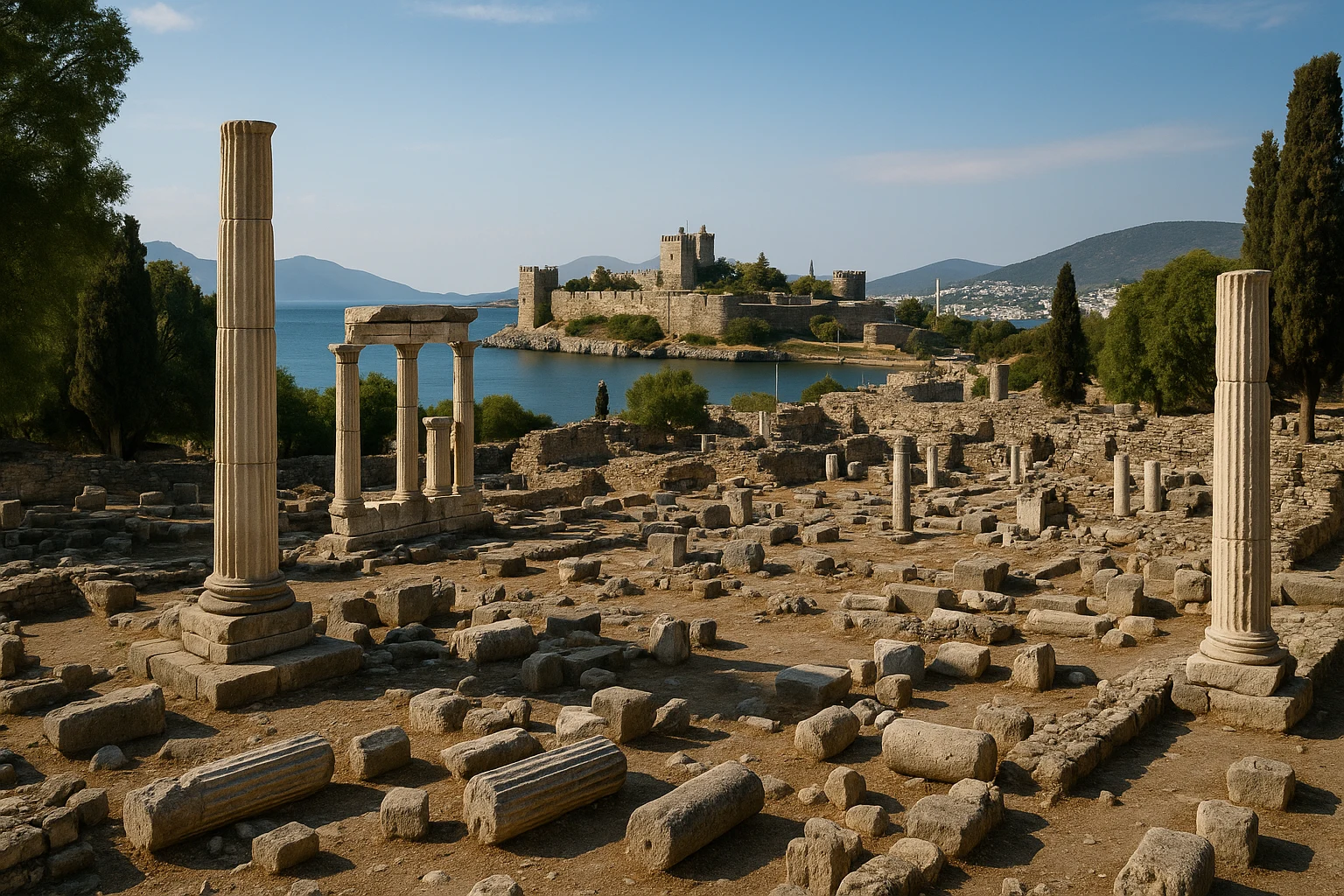
Halicarnassus Bodrum Turkey Guide 2026: Mausoleum & Myndos Gate
Carian-Persian-Hellenistic-Roman-Byzantine-OttomanVisit Halicarnassus in Bodrum, Turkey: see the Mausoleum ruins, Myndos Gate, and practical tips for ...
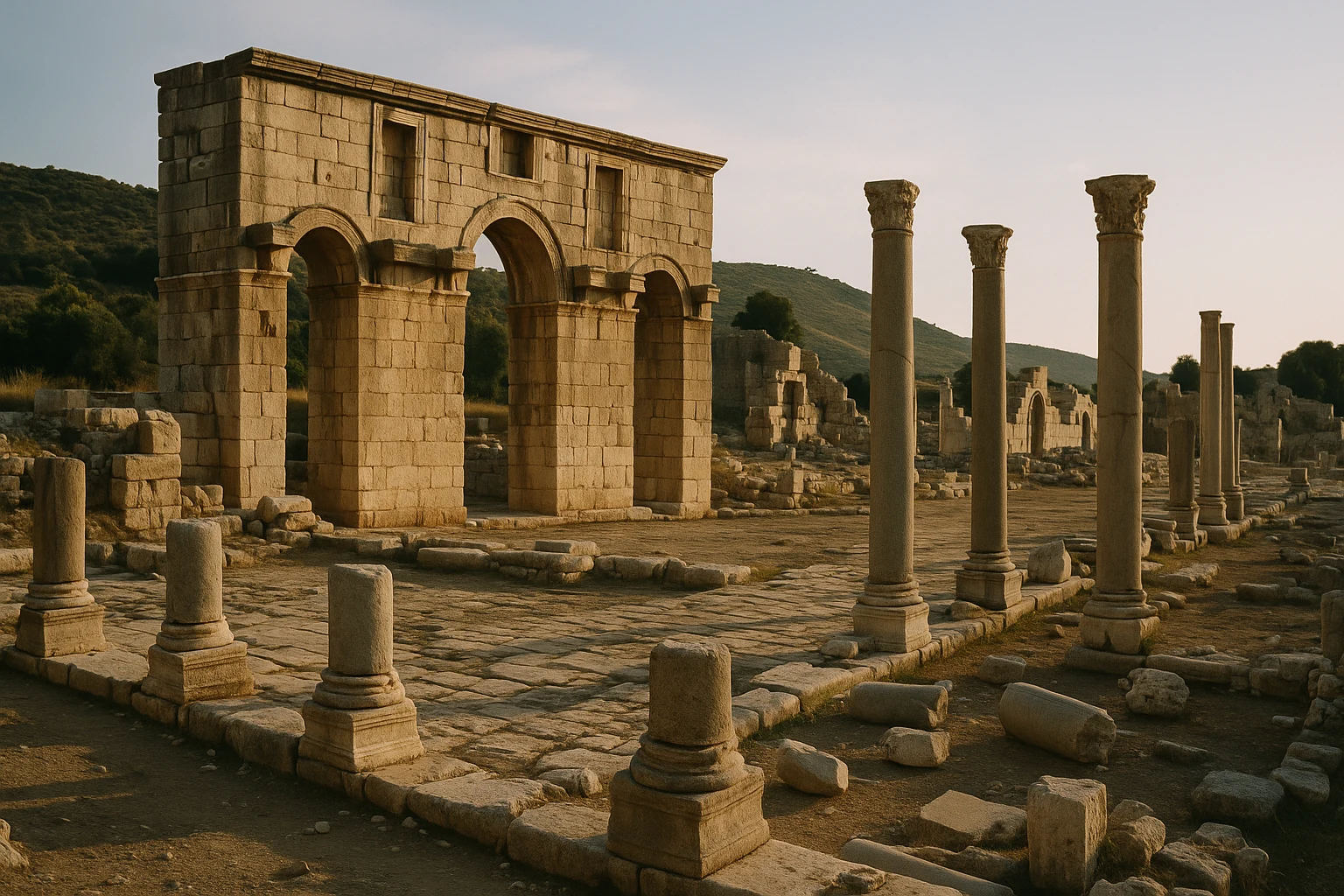
Patara Turkey Guide 2026: Lycian Capital & Roman Granary
Lycian-Hellenistic-Roman-ByzantinePlan your Patara, Turkey visit: explore Lycian and Roman ruins, climb the theater, and pair the site...
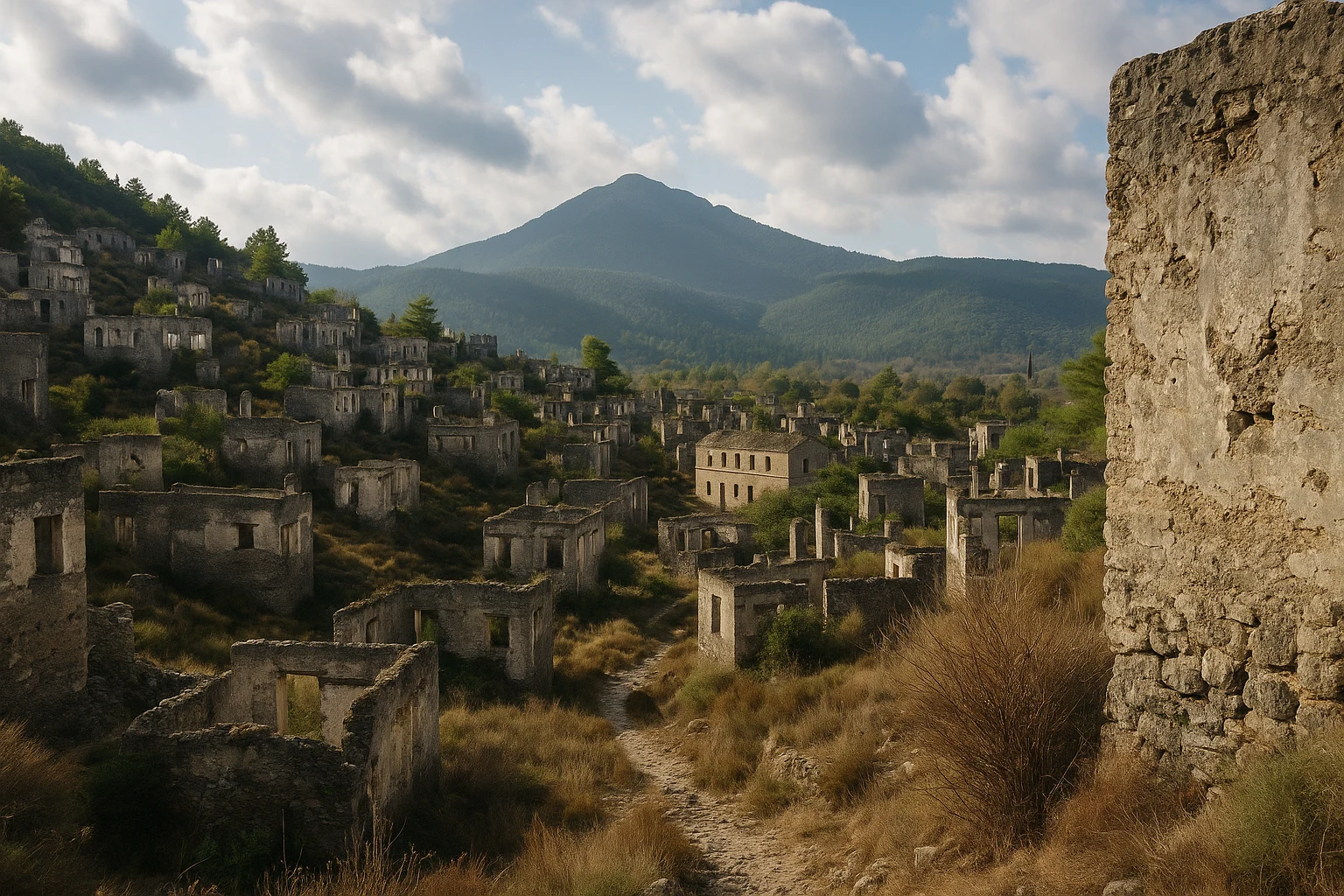
Kayakoy Turkey Guide 2026: Ghost Village of Stone Houses
Lycian-Byzantine-Greek-Ottoman-Turkish RepublicExplore Kayakoy in Turkey, an abandoned Greek village near Fethiye with roofless churches, hillside ...