Quick Info
Curated Experiences
Huanuco Archaeological Experience: Kotosh and Huanuco Pampa
Private Kotosh and Huanuco Cultural Heritage Tour
Ancient Peru Highlands Route: Kotosh and Chavin Context Day Tour
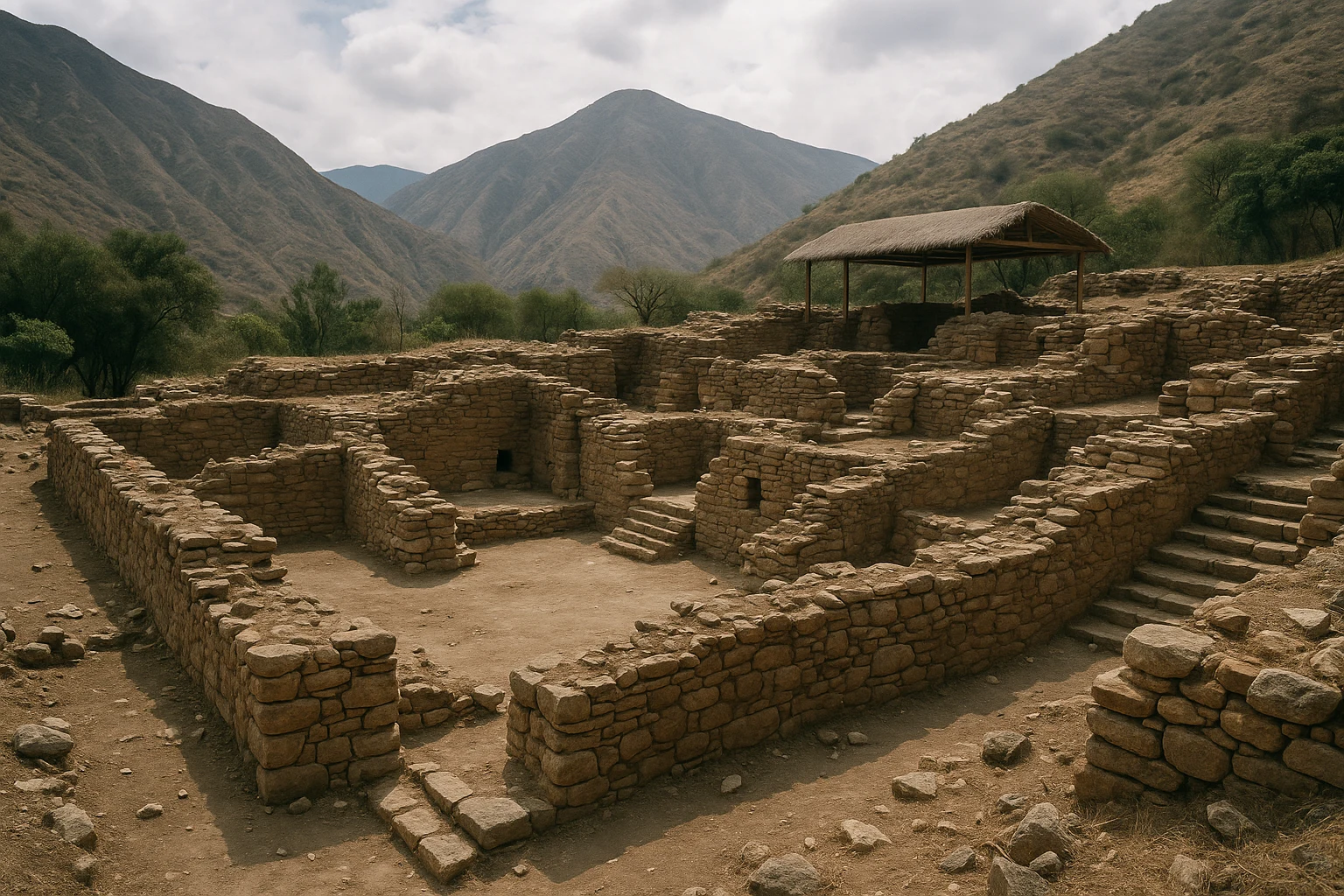
A few kilometers outside modern Huanuco, in a valley where daily traffic now moves past markets and concrete neighborhoods, the remains of Kotosh, Peru sit with almost disarming quiet. You do not arrive at soaring walls or dramatic mountain citadels. Instead, you step into one of the most important early ceremonial zones in the Andes: layered temple architecture, ritual chambers, and construction phases that push deep into Peru’s preceramic past. The site’s most famous discovery, the Temple of the Crossed Hands, is small in scale compared with later Andean monuments, but enormous in significance. Here, ritual symbolism appears in a built, formal, repeatable way that helps explain how religion, authority, and architecture fused long before the Inca.
Ancient Travels recommends Kotosh as a high-value destination for travelers who care about deep chronology, not only iconic skyline ruins. This site rewards close looking: wall construction sequences, fire altars, controlled interior spaces, and the logic of ceremonial rebuilding across centuries. It also fits easily into a Huanuco-based itinerary, making it one of Peru’s most accessible windows into early highland sacred tradition. In this guide, you will find the historical timeline, key monuments, practical transport and admission details, seasonal planning advice, and a realistic way to combine Kotosh with nearby Huanuco-region heritage stops in one coherent day.
History: Ritual Continuity in the Huallaga Highlands
Early preceramic foundations (c. 2500-2000 BCE)
Long before large imperial states emerged in the Andes, communities in the Huallaga basin were already developing formal ceremonial architecture. At Kotosh, the earliest occupational phases suggest planned sacred construction rather than casual domestic growth. Builders selected elevated, visible positions and created enclosed spaces for repeated ritual action, likely tied to agricultural cycles, social cohesion, and ancestral authority. The architecture from this stage is modest in outward monumentality but conceptually advanced: defined access, constructed ritual interiors, and evidence of deliberate renewal. In other words, Kotosh begins as a place where sacred practice was embedded in architecture itself, not left to temporary gatherings.
The Kotosh-Mito ceremonial florescence (c. 2000-1500 BCE)
During the period often associated with the Kotosh-Mito tradition, the site’s ritual identity became clearer and more sophisticated. Temple structures were built, sealed, and rebuilt in deliberate sequence, a pattern seen at multiple early Andean ceremonial centers. At Kotosh, this process produced carefully prepared interior chambers with hearth-like ritual elements and wall treatments indicating symbolic intent rather than domestic utility. The best-known expression of this tradition is the crossed-arm motif later identified in the Temple of the Crossed Hands. Whether interpreted as emblematic guardians, ritual actors, or cosmological symbols, the motif marks Kotosh as a rare early case where iconography and architecture are inseparable.
Regional interaction and ceremonial adaptation (c. 1500-900 BCE)
As Andean societies diversified, Kotosh did not remain static. Construction phases and material changes indicate adaptation to broader regional shifts in ritual practice and social organization. Some scholars connect these developments to wider highland-coastal networks, where ideas about ceremonial authority, labor mobilization, and public architecture moved across valleys and ecological zones. Kotosh’s continuity through changing forms matters more than any single decorative feature: it shows that early Andean religion evolved through layered rebuilding, not abrupt replacement. The site became a long-duration sacred node where each generation negotiated memory and innovation in stone, clay, and controlled interior space.
Later occupation, transformation, and fading centrality (c. 900-500 BCE)
By the first millennium BCE, the ceremonial prominence of Kotosh appears to have diminished relative to rising centers elsewhere in the Andes. This was not an overnight abandonment but a gradual rebalancing of regional power and pilgrimage patterns. Ritual life may have persisted in altered forms even as monumental investment shifted. Like many ancient centers, Kotosh transitioned from active focal point to inherited sacred landscape, its older structures partly buried, repurposed, or forgotten in practical terms while retaining latent cultural significance. The archaeological sequence preserves this long arc of transformation better than most visitors expect from a site of such modest visible scale.
Modern rediscovery and archaeology (20th century-present)
Systematic excavations in the twentieth century brought Kotosh to international attention, especially after documentation of the crossed-hands reliefs and stratified ceremonial architecture. Archaeologists established Kotosh as a key reference point in debates about preceramic ritual development in Peru, including chronology, architectural planning, and the transmission of ceremonial forms later seen in other regions. Ongoing conservation has focused on stabilizing fragile remains and improving interpretation without over-reconstruction. Today, Kotosh is both a research landmark and an educational site for travelers seeking the earliest chapters of Andean civilization. Its importance lies less in spectacle and more in intellectual weight: it helps explain where Andean ceremonial complexity begins.
The Key Monuments: What to See at Kotosh
Temple of the Crossed Hands
The Temple of the Crossed Hands is Kotosh’s signature monument and the reason the site is known well beyond Huanuco. The structure is a ceremonial chamber where relief sculptures of paired crossed forearms were discovered embedded in wall construction, one of the most distinctive iconographic finds in early Andean archaeology. While the surviving architecture is fragmentary, the arrangement of interior space suggests restricted ritual use rather than open public congregation. That design choice is crucial: authority here seems to have depended on controlled participation, sequence, and symbolic literacy.
The crossed hands themselves have generated multiple interpretations, from markers of duality and complementarity to emblematic ritual personae. What matters most on site is not choosing a final theory but recognizing the intentional integration of image and structure. You are seeing one of the earliest known examples in Peru where symbolic motifs were fixed into ceremonial architecture at scale. For photography, use side angles to capture wall texture and relief depth; direct frontal shots can flatten details.
The Mito-style temple chamber sequence
Beyond the famous relief chamber, Kotosh includes architectural phases linked to what researchers describe as Mito-style ritual construction. These spaces often feature enclosed plans, prepared floors, and central or near-central fire installations interpreted as ceremonial hearths. Repeated remodeling indicates ritual continuity across generations, with old spaces intentionally buried and new ones erected above them. This cycle of sacred renewal appears across early Andean contexts and is one of the strongest reasons Kotosh matters comparatively, not just locally.
Walking these zones, you can read architecture as behavior: where people entered, where they paused, where fire or offerings likely concentrated attention. The site teaches that early Andean monumentality did not always seek outward grandeur. It often sought inward control — movement, atmosphere, and symbolic structure. If you have a guide, ask them to point out construction breaks between phases; those transitions make the chronology far more legible.
Ritual fire altars and interior sacred spaces
Kotosh’s ritual installations, especially enclosed fire contexts, are among its most intellectually valuable features. These are not casual domestic hearths but components of formal ceremonial settings shaped by walls, floor preparation, and repeated maintenance. Fire in early Andean ritual carried social and cosmological force: purification, offering, continuity, and transformation. At Kotosh, the architecture around these installations suggests that ritual specialists managed access and experience, reinforcing hierarchy through spatial design.
For visitors, this is where interpretation shifts from “old ruins” to social systems. You can imagine gatherings structured around controlled flame, chant, smoke, and symbolic gestures in enclosed chambers where visibility and participation were deliberately limited. Even when physical remains are partial, the ritual logic is unusually clear compared with many early sites.
Stratified construction layers and ceremonial rebuilding
One of the most important “monuments” at Kotosh is actually the layered stratigraphy itself. Excavated profiles and exposed structural relationships show how successive communities buried, sealed, and rebuilt sacred space rather than abandoning it outright. This architectural palimpsest is the strongest evidence for long-term ceremonial continuity in the valley. It also helps explain why Kotosh can appear understated at first glance: much of its historical mass lies beneath later phases.
From a travel perspective, this is where patient observation pays off. Look for differences in wall fabric, fill composition, and floor elevation. These technical shifts reflect social decisions over centuries about what to preserve, what to conceal, and what to renew. Kotosh rewards travelers who treat archaeology as process, not snapshot.
The wider ceremonial precinct and valley context
The final highlight is the site’s broader relationship to the Huanuco landscape. Kotosh is not an isolated structure; it is part of a valley system where movement, visibility, and settlement patterns shaped ritual life. Even in modern surroundings, the placement of ceremonial architecture suggests attention to approach routes and spatial prominence. Standing at the edge of the core remains, you can still sense why this location worked for repeated sacred use.
This contextual reading matters because early Andean centers were networks of people and landscapes, not single monuments. Kotosh’s power came from continuity of practice in place. End your visit with a slow circuit of the perimeter viewpoints and let the site’s scale reset your expectations. Not all foundational places are monumental in the later imperial sense.
Getting There: Transportation and Access
Kotosh is one of Peru’s easier archaeological sites to access because it sits close to Huanuco, making it practical as a short dedicated visit or as part of a broader regional heritage day.
From central Huanuco
Most travelers reach Kotosh directly from central Huanuco in a short overland transfer, often under 20 minutes depending on traffic.
- Taxi: Typically S/10-S/25 ($3-$7 USD) each way, with quick door-to-gate convenience.
- Private driver or hotel transfer: Commonly S/60-S/140 ($16-$38 USD) for a half-day arrangement with wait time.
- Public transit + short walk: Usually S/2-S/6 ($0.50-$1.60 USD), but routes can be less direct and timing less predictable.
- Rental car: Useful if combining multiple sites in one day; parking conditions vary by season and local management.
From Huanuco airport or intercity arrival points
If you are arriving same day, it is usually simplest to drop bags in Huanuco city first, then continue to Kotosh.
- Airport taxi to Kotosh area: Often S/25-S/45 ($7-$12 USD) depending on time and baggage.
- Airport to city, then taxi to site: Usually easiest for travelers who want cash access, food stops, or guide pickup before visiting.
- Pre-booked tour pickup: Convenient when you want interpretation plus transportation bundled into a single plan.
Admission and hours
Kotosh admission is generally low-cost, often around S/5-S/15 ($1.50-$4 USD) for adult visitors, with possible reduced categories for students and children. Opening windows are typically daytime operations, often in the approximate range of 9:00 AM to 5:00 PM, though exact schedules can shift with staffing, holidays, or maintenance. Carry cash in soles for entry and local purchases, and verify same-day hours through your lodging or local tourism office before departure. Morning visits usually offer the best balance of light, temperature, and pacing.
Practical Information
A first visit to Kotosh is straightforward, but a few practical habits make the experience much smoother. Bring water, sun protection, and comfortable closed shoes with grip; the site includes uneven ground, dust, and occasional loose stone. Even on cooler days, highland UV can be strong, so a hat and sunscreen are essential.
Ticket payment is best handled in cash, and small denominations are helpful. If your Spanish is limited, booking a guide through your hotel or local operator can make the site far easier to read.
For timing, allocate at least 90 minutes, and closer to two hours if you want careful observation and photography. Dress is casual but respectful: lightweight layers, sun coverage, and no need for specialized hiking gear.
Accessibility is mixed. Some viewing areas are manageable, but uneven surfaces and changes in level can challenge travelers with limited mobility. If accessibility is a concern, arrange private transport and ask in advance which sections are easiest to reach without stairs.
When to Visit: Seasonal Considerations
Spring (September-November)
Spring is often one of the best periods for Kotosh, with generally mild conditions around 14-24°C (57-75°F). Crowd levels are usually moderate, and morning visibility is often clear enough for good site reading and photography. Occasional showers can appear as seasons shift, so carry a light rain shell. For most travelers, spring gives the best mix of comfort and manageable logistics.
Summer (December-March)
Summer in the Huanuco region can be warmer and wetter, often around 16-27°C (61-81°F), with intermittent rain that may affect footing and travel timing. Crowd patterns vary: weekends and holiday windows can become busier with domestic travelers. If you visit in this season, prioritize morning entry, waterproof footwear, and extra buffer time for transport.
Autumn (April-May)
Autumn is another strong shoulder period, usually with stable weather around 14-25°C (57-77°F) and lower humidity than peak wet months. The site is often pleasant for longer interpretation-focused visits, and transport reliability generally improves. If you want comfortable temperatures without the sharper chill of winter mornings, autumn is an excellent choice.
Winter (June-August)
Winter tends to be cooler and drier, commonly around 11-23°C (52-73°F), with crisp mornings and comfortable daytime walking once the sun rises. Crowds are often lighter outside school holiday peaks, making it easier to explore quietly. Bring an extra layer for early hours. For visitors prioritizing clear conditions and lower weather risk, winter mornings are highly recommended.
Combining Kotosh with Huanuco Region Heritage
Kotosh is ideal as the anchor of a half-day Huanuco archaeology plan, and the strongest sequence begins early. Start from central Huanuco around 8:00 AM, reach Kotosh shortly after, and spend the first hour on core ceremonial sectors while light is still soft and temperatures are comfortable. By 9:30 AM, shift to interpretive points where construction phases are easiest to compare, then finish with a slow perimeter circuit by 10:30 AM. This timing keeps the visit relaxed while avoiding midday glare.
From Kotosh, continue toward Huanuco’s urban center for museum context and lunch. A practical flow is to be seated by 12:00 PM in the city, then spend early afternoon at local collections or historic neighborhoods that help bridge preceramic ritual history with later regional developments. If you prefer architecture and street life to museum time, swap in a city walking circuit through plazas, churches, and market districts.
Travelers with a full day can add a second archaeological or historical stop in the broader region via private driver, returning to Huanuco by early evening. The total combined experience typically runs 6 to 8 hours with moderate pace and meal break. What makes this itinerary work is proximity: Kotosh gives you a foundational chapter without long transit fatigue, leaving energy for contextual stops instead of spending the day on the road.
For time-limited travelers, a focused Kotosh-only outing still has high value. In under three hours round trip from Huanuco, you gain direct contact with one of Peru’s earliest ceremonial traditions.
Why Kotosh Matters
Kotosh matters because it challenges the way most people imagine ancient Peru. Instead of imperial stone cities perched on dramatic ridges, you encounter a quieter origin point: ritual chambers, controlled interiors, and symbolic architecture built by communities experimenting with authority long before empire. The site’s power is not in scale alone. It is in continuity — generations returning to sacred space, sealing it, rebuilding it, and preserving meaning through form.
For modern travelers, that continuity is the gift. Once you see how early the Andes developed formal ceremonial systems, later monuments across Peru stop feeling isolated and start reading as chapters in a long, connected story. Kotosh is not a detour from Peru’s great archaeology; it is one of its clearest beginnings. Stand in the remains of the Temple of the Crossed Hands, and you are standing where architecture first became theology in enduring Andean terms.
Quick Facts
| Attribute | Details |
|---|---|
| Location | Near Huanuco, Huanuco Region, Peru |
| Ancient Name | Kotosh ceremonial complex |
| UNESCO Status | Not inscribed (nationally important archaeological site) |
| Established | c. 2500 BCE ceremonial center |
| Distance from nearest hub | ~5 km from central Huanuco (about 15-20 min by road) |
| Entry Fee | Typically S/5-S/15 ($1.50-$4 USD) |
| Hours | Usually daytime access, around 9:00 AM-5:00 PM |
| Best Time | Spring and autumn mornings |
| Suggested Stay | 1.5-2.5 hours |
| Primary Highlights | Temple of the Crossed Hands, Mito-style chambers, ritual fire contexts |
Explore More Peru
- Chavin de Huantar: Monumental highland ceremonial center with galleries, carved iconography, and deep early Andean influence.
- Cerro Sechin: Coastal ceremonial architecture with striking carved monoliths and early complex-society evidence.
- Wari: A major pre-Inca administrative and urban tradition that helps bridge early ritual centers and later imperial forms.
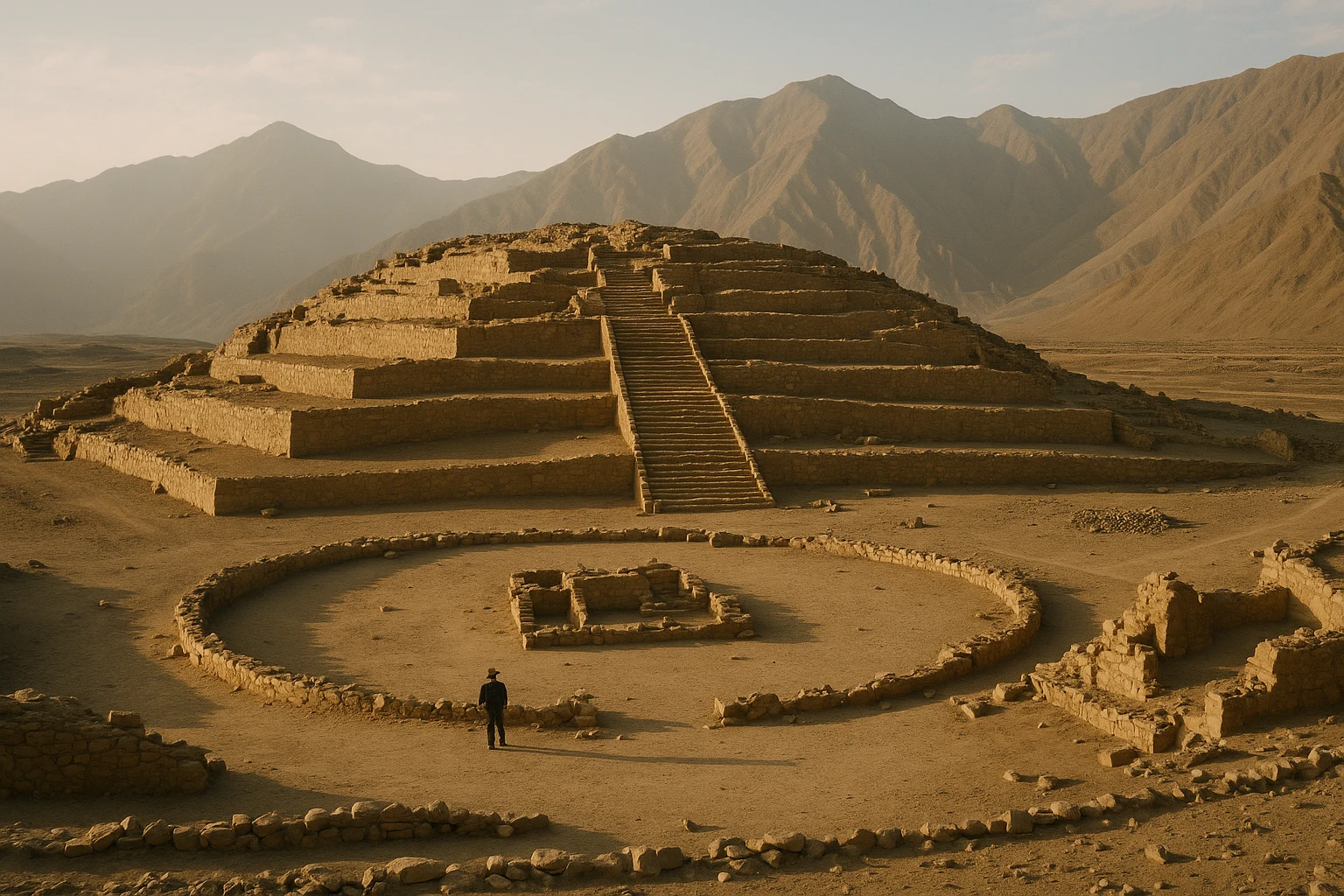
- Caral-Supe: The oldest known urban civilization in the Americas and a foundational chapter in Peruvian deep history.
Plan your complete Peru archaeology route with our Peru Ancient Sites Guide. For altitude planning and multi-city sequencing, read our Peru archaeological itinerary guide.
Frequently Asked Questions
How much time should I plan for Kotosh?
Most travelers should plan 1.5 to 2.5 hours on site for the temple remains and interpretation areas. If you want to go slowly with a guide and visit Huanuco museums the same day, allow a half day. Kotosh is compact, but the context takes time to absorb.
What is the best time of day to visit Kotosh?
Morning is usually best for cooler temperatures, softer light on adobe and stone remains, and easier pacing before midday heat. In wetter months, early starts also reduce weather risk later in the day. Late afternoon can be pleasant, but verify closing time first.
How much does entry to Kotosh cost?
Entry fees are typically modest, often in the range of S/5-S/15 ($1.50-$4 USD), but exact rates can change. Carry cash in soles because card processing is not always reliable at smaller regional sites. Local guides, if available, may have separate fees.
How do I get to Kotosh from Huanuco city?
Kotosh sits only a short distance from central Huanuco, so taxi is the simplest option for most visitors. You can also arrange private transport through your hotel or join a heritage-focused day tour. Public transit is possible but less convenient and may require extra walking.
What is the Temple of the Crossed Hands?
It is Kotosh's most famous ceremonial structure, known for paired crossed-arm reliefs embedded in temple walls. The iconography is rare in early Andean archaeology and is often interpreted as a sign of formal ritual symbolism and social authority. Even in fragmentary form, it is one of Peru's key preceramic religious discoveries.
Is Kotosh worth visiting if I am also going to Chavin or Cusco?
Yes. Kotosh gives you a much earlier chapter of Andean ceremonial architecture than imperial-era sites, and it changes how you read later monuments. If you enjoy archaeology beyond postcard highlights, it is a highly rewarding stop near Huanuco.
Nearby Ancient Sites
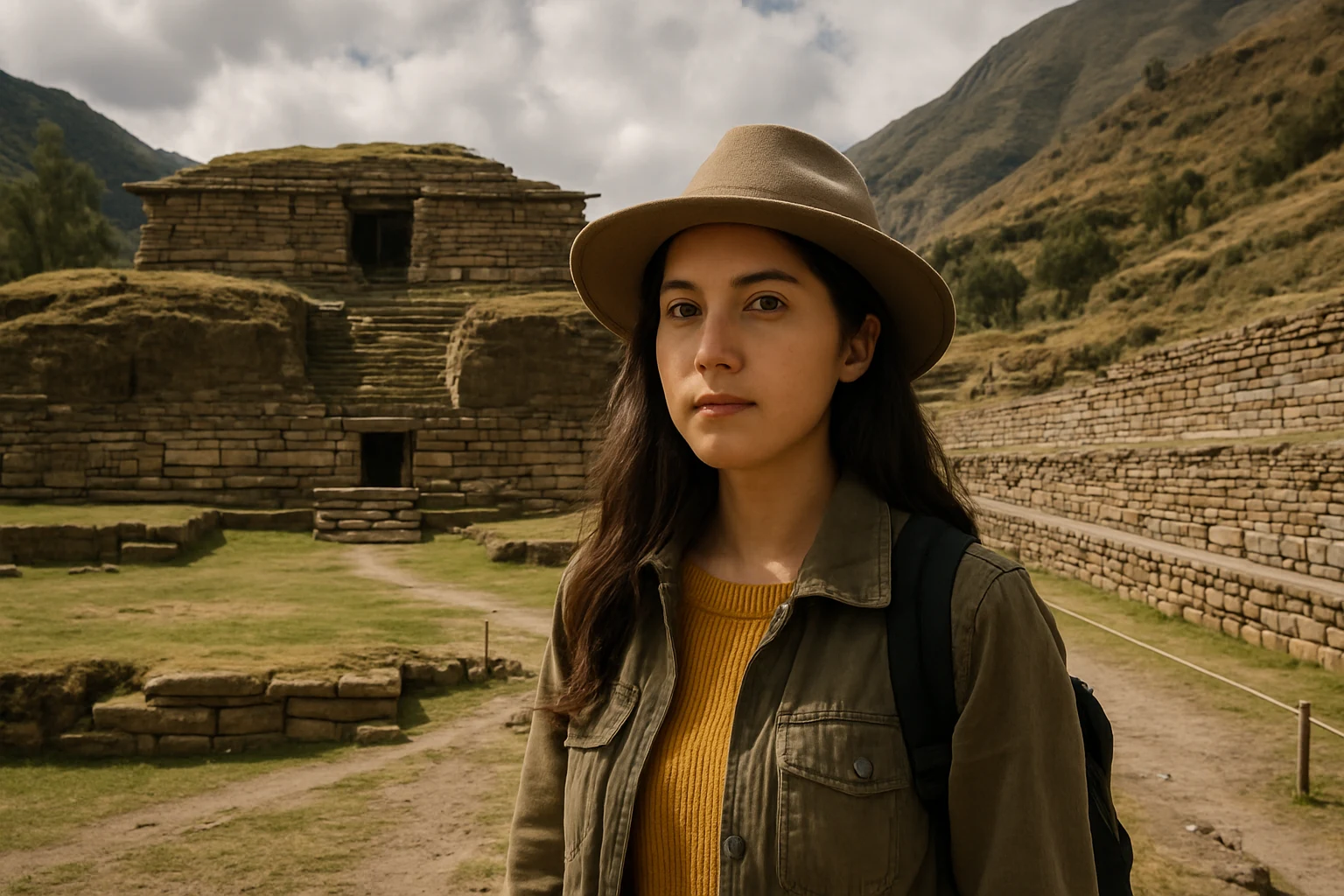
Chavin de Huantar Peru Guide 2026: Lanzon & Temple Galleries
Chavin-Highland Andean-Inca-Modern PeruvianPlan Chavin de Huantar, Peru: see the Lanzon and sunken plaza, reach the site from Huaraz, and time ...
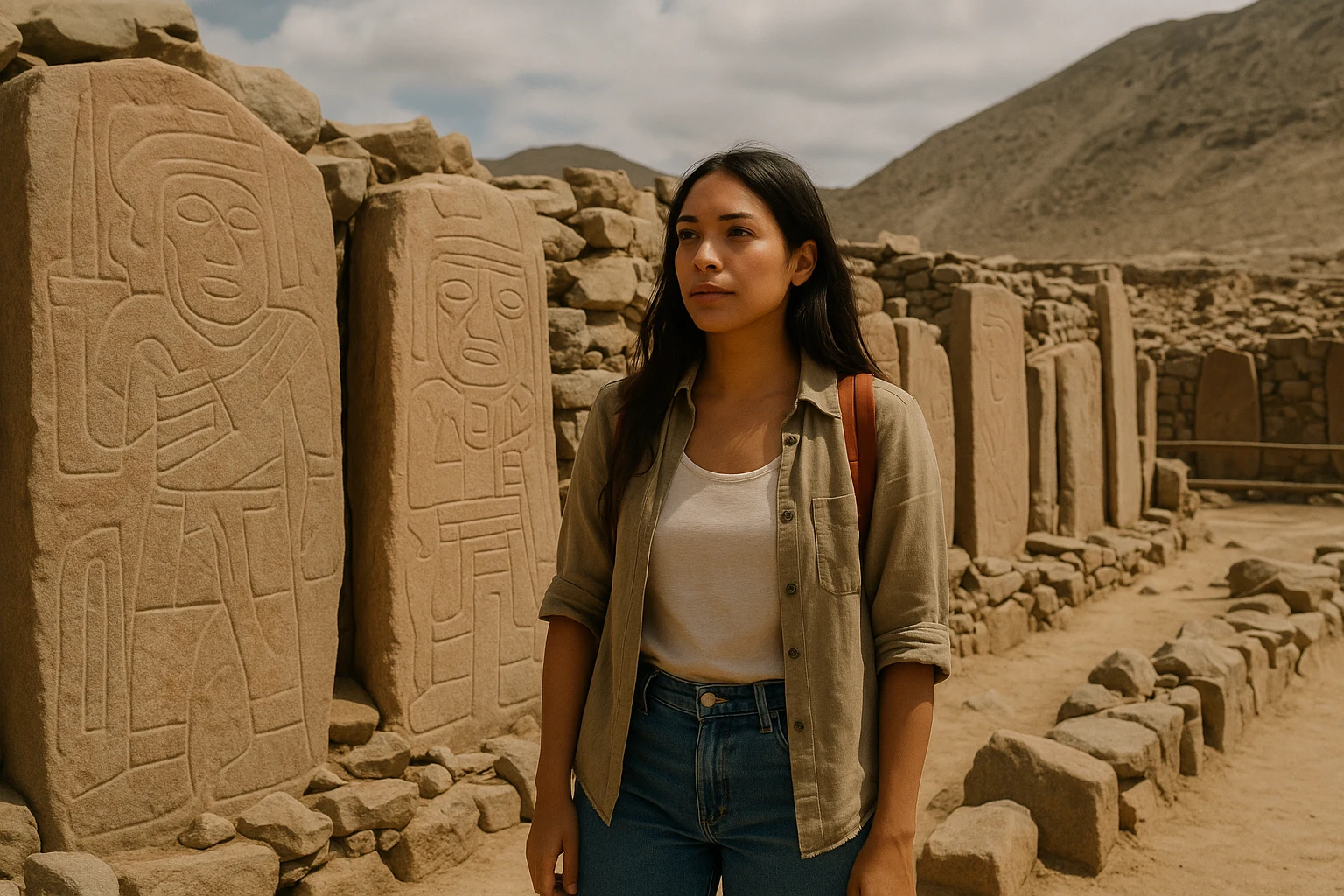
Cerro Sechín Peru Guide 2026: Relief Monoliths & Casma Valley
Sechin-Casma-initial-AndeanPlan your visit to Cerro Sechín in Peru with history, carved monolith highlights, transport from Cas...
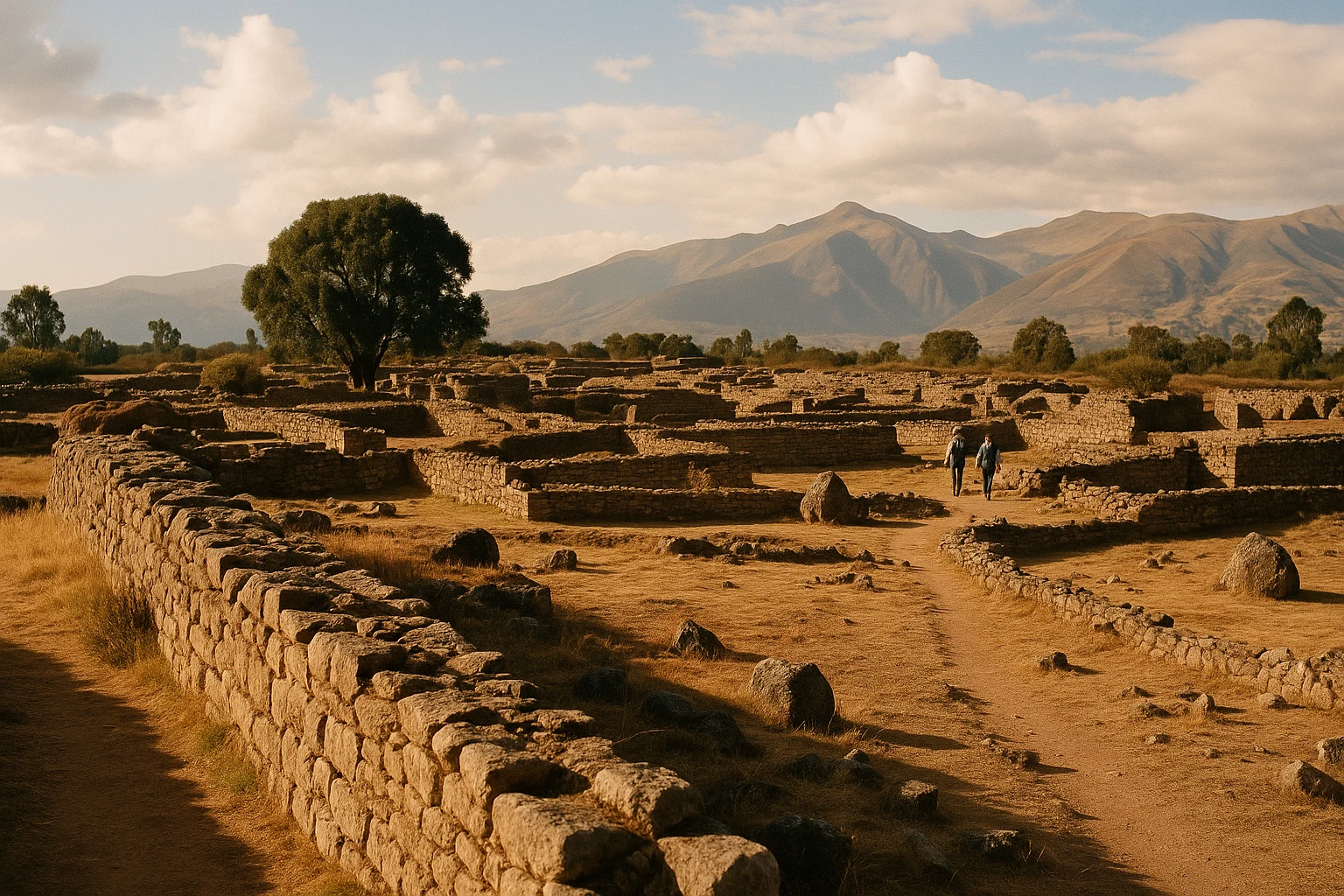
Wari Peru Guide 2026: Ancient Capital & Museum Highlights
Huarpa-Wari-Inca-Spanish ColonialPlan a visit to Wari in Peru with history, key compounds, tickets, and transport from Ayacucho, plus...
Caral-Supe Peru Guide 2026: Sacred Pyramids & the First Andean City
Norte-Chico-CaralVisit Caral-Supe in Peru, the oldest known city in the Americas, with practical transport from Lima,...