Quick Info
Curated Experiences
Mérida Roman Monuments Guided Walking Tour
Mérida Archaeological Ensemble and Museum Tour
Private Mérida Roman Heritage Experience
Most Roman cities give you one thing to look at. Merida gives you the blueprint of an entire civilization. A theatre where Corinthian columns still frame the stage. An amphitheatre next door where 15,000 people watched gladiatorial combat. A circus that held chariot races for 30,000. Aqueducts that carried water from the mountains. A bridge nearly 800 meters long that still crosses the Guadiana River. A temple standing at the height of a modern apartment building in the middle of a functioning city center. And a museum, designed by one of Spain’s greatest architects, that houses the mosaics and sculpture that filled the domestic spaces between these monuments. Walk the circuit and, by the end of the day, the outline of an entire Roman provincial capital has assembled itself in your mind.
Augusta Emerita was founded in 25 BCE by order of Emperor Augustus to settle veterans of the Cantabrian Wars — the brutal final campaign that brought the entire Iberian Peninsula under Roman control. It was not a frontier outpost but a deliberate act of urban planning: a full-scale capital for the province of Lusitania, designed from the ground up to project Roman authority into Iberia’s western reaches. The infrastructure matched the ambition. Within decades, Augusta Emerita had every public building a Roman city required: forum, basilica, theatre, amphitheatre, circus, baths, aqueducts, and a monumental bridge. By the 1st century CE, it was one of the most important cities in the western Roman Empire.
UNESCO designated the archaeological ensemble a World Heritage Site in 1993, recognizing it as the most complete surviving example of a Roman provincial capital anywhere in the former empire. The designation is earned. No other city in Spain — and few anywhere in the Mediterranean — preserves enough Roman infrastructure to read the full civic blueprint of how an ancient city actually functioned.
Historical Context
Augustus chose the location with strategic precision. The Guadiana River crossing was already an important regional route, and the broad Extremaduran plain offered agricultural potential that could sustain a major urban population. The colony’s founding population consisted of legionary veterans from the V Alaudae and X Gemina legions, soldiers who had spent years fighting in the mountains of northern Spain and were given land and citizenship as their reward. The city’s name — Augusta Emerita, “the veterans’ city of Augustus” — commemorated both the emperor and the men whose service justified the investment.
Construction moved quickly. The theatre was completed around 15 BCE, just a decade after the city’s founding. The amphitheatre followed in 8 BCE. The circus, aqueducts, and bridge were operational within the first century of the city’s existence. This pace of construction reflected both imperial priorities and the available workforce: veteran colonists supplemented by local labor and, almost certainly, enslaved workers whose contributions the historical record rarely acknowledges. The result was a city that, within a single generation of its founding, possessed the full suite of public infrastructure that defined Roman urbanism at its most ambitious.
Augusta Emerita’s importance grew steadily through the Imperial period. By the late 1st century CE, it served as the capital of Lusitania — one of the three Roman provinces covering the Iberian Peninsula — and the administrative center for a territory stretching from modern Portugal to western Spain. The city’s magistrates governed from the forum, its priests maintained the imperial cult at the Temple of Diana and other religious structures, and its citizens enjoyed the full range of public entertainments that Roman cultural life demanded: theatrical performances, gladiatorial games, chariot races, and public bathing.
The city survived the transition from Roman to Visigothic rule in the 5th century, remained significant under the Moors (who built the Alcazaba fortress using Roman spolia), and continued as a functioning urban center through the medieval Reconquista. That continuity explains both the preservation and the layering: Roman foundations underlie medieval streets, Visigothic churches incorporate Roman columns, and the Moorish fortress sits on top of a Roman wall. Merida is not a dead site but a living city where two thousand years of building and rebuilding are visible in a single afternoon’s walk.
What to See
The Roman Theatre
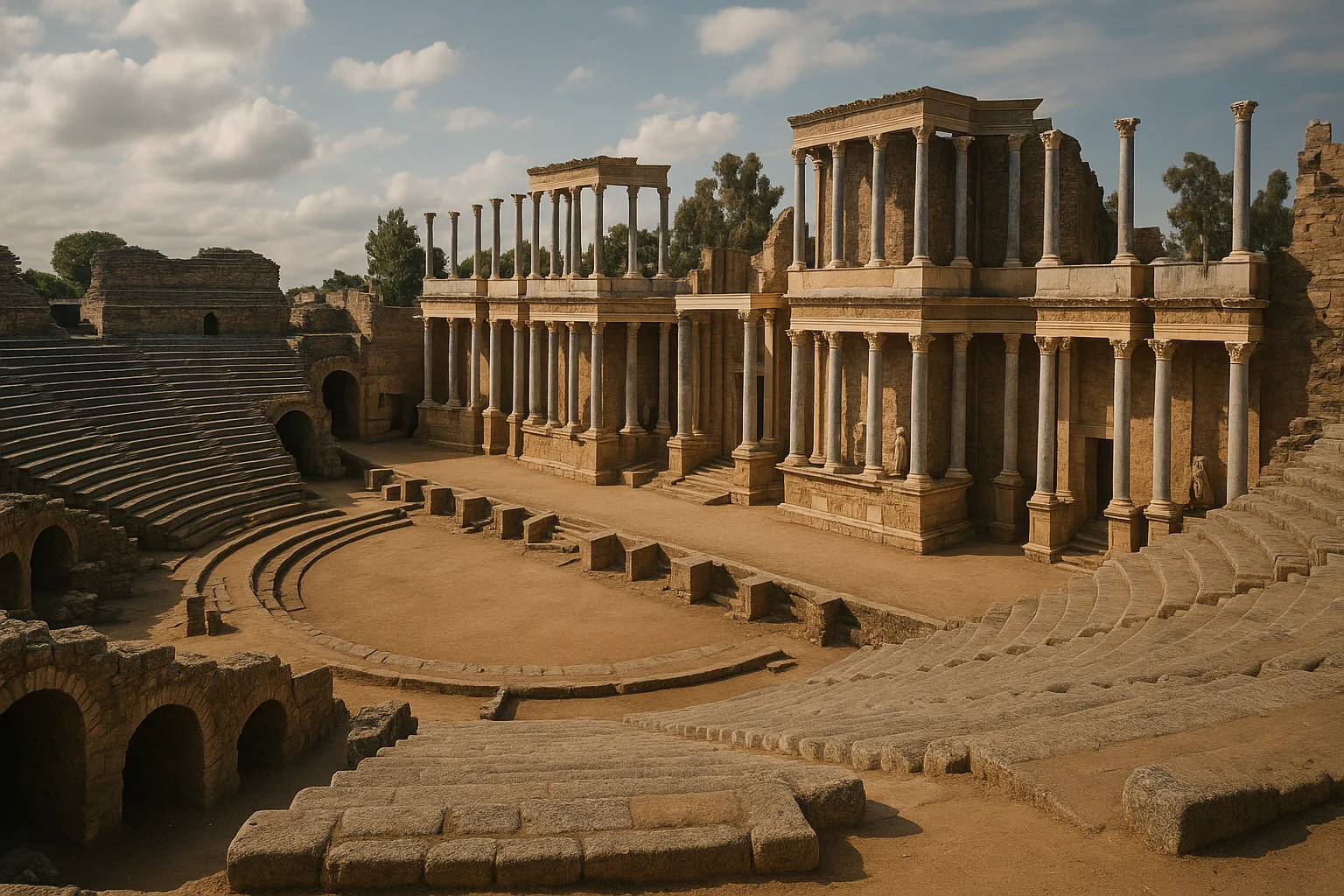
This is the centerpiece of Merida’s archaeological ensemble and one of the finest surviving Roman theatres anywhere. Built around 15 BCE under the patronage of Marcus Agrippa (Augustus’s son-in-law and chief military commander), the theatre seated roughly 6,000 spectators in a semicircular cavea carved into a hillside. The scaenae frons — the elaborately columned stage backdrop — was reconstructed from original fragments in the early 20th century and now presents a two-tier facade of Corinthian columns, marble statuary, and architectural niches that conveys the theatrical ambition Roman builders invested in their performance spaces. The columns frame the stage with a formality that makes the space feel alive even when empty. During the annual Festival de Teatro Clasico (July and August), the theatre hosts live performances of Greek and Roman plays in their original architectural context — an experience available at very few places in the world. Even without a performance, spend time sitting in the upper rows to appreciate the acoustics and the sight lines that Roman architects calibrated with remarkable precision.
The Amphitheatre
Adjacent to the theatre and entered on the same ticket, the amphitheatre was completed in 8 BCE and held an estimated 15,000 spectators for gladiatorial combats, animal hunts (venationes), and public executions. The structure is less restored than the theatre, which gives it a rawer, more archaeological character — you can see the exposed infrastructure of vaulted corridors, animal holding cells, and the underground passages (hypogeum) through which fighters and beasts entered the arena floor. Walk down to the arena level and stand in the center, where the sight lines converging from every direction give a visceral sense of what it meant to be the focus of 15,000 pairs of eyes. The amphitheatre’s preservation is good enough to read the social stratification built into its architecture: the lower tiers nearest the action were reserved for the elite, with progressively cheaper seating rising toward the upper rim.
The National Museum of Roman Art
Do not skip this. Designed by Rafael Moneo and opened in 1986, the museum building itself is an architectural statement — its brick arches and barrel vaults consciously echo Roman construction principles while remaining unmistakably contemporary. The collection inside is one of Spain’s strongest archaeological holdings. The mosaics are the standout: large-format floor panels depicting cosmological scenes, hunting narratives, mythological figures, and geometric patterns executed with a color range and compositional sophistication that rival anything from Pompeii or Antioch. The sculptural collection includes portrait busts, religious statuary, and a remarkably complete set of domestic objects — lamps, tableware, surgical instruments, personal jewelry — that reveal the daily life the monumental ruins alone cannot show. The museum is on the opposite side of the road from the theatre entrance and requires a separate ticket (3 euros). Allow at least 60-90 minutes.
The Temple of Diana
The only Roman religious building in Merida still standing to significant height, the Temple of Diana occupies a prominent position in the city center — its Corinthian columns rising above the surrounding streetscape with an authority that two millennia have not diminished. The temple’s survival is partly accidental: a Renaissance palace was built directly into its structure in the 16th century, incorporating the Roman columns into the newer building’s facade and inadvertently preserving them. The palace has since been removed, revealing the original Roman form. The temple originally fronted the city’s forum and likely served the imperial cult rather than the goddess Diana specifically (the attribution is a later convention). Walk around its full perimeter to appreciate the column proportions and the quality of the granite construction.
The Roman Bridge and Alcazaba
The Puente Romano across the Guadiana stretches nearly 800 meters — 60 arches of granite that make it one of the longest surviving Roman bridges in the world. Despite repairs and partial reconstructions over two millennia, the bridge retains its Roman character and remains closed to motor traffic, making it one of the most atmospheric walks in the city. Cross it in the evening for views back toward the Alcazaba and the old town skyline reflected in the river. The Alcazaba, built by the Moors in 835 CE, sits adjacent to the bridge and incorporates Roman stones, columns, and architectural fragments into its walls — a textbook example of how successive civilizations repurposed the building materials of their predecessors. The Alcazaba is included on the Conjunto Monumental ticket and offers elevated views over the bridge and river.
The Circus
A 10-minute walk from the theatre brings you to the site of the Roman circus, where chariot races entertained crowds of up to 30,000 spectators. The circus measured roughly 440 by 115 meters — the largest entertainment venue in the city. Unlike the theatre and amphitheatre, the circus is largely unexcavated; what you see are the foundation outlines and portions of the seating tiers that give a sense of the venue’s immense scale. The circus is included on the Conjunto Monumental ticket and is worth the walk if time allows, particularly because the scale of the structure — visible as a long depression in the ground — communicates something the more compact theatre and amphitheatre cannot: the sheer ambition of Roman entertainment infrastructure.
Timing and Seasons
The theatre and amphitheatre are open daily, typically from 9:00 AM to 6:30 PM (April through September) and 9:00 AM to 5:30 PM (October through March). Hours for the Conjunto Monumental sites vary slightly; check the official consortium website before visiting. The National Museum of Roman Art is open Tuesday through Saturday, 9:30 AM to 8:00 PM (summer) or 9:30 AM to 6:30 PM (winter), and Sunday mornings. Closed Mondays.
Spring (March through May) and autumn (September through November) offer the most comfortable temperatures for walking between sites, typically 60-80°F (16-27°C). Summer in Extremadura is genuinely hot: daytime highs from June through August regularly exceed 95°F (35°C), and the walk between the theatre, temple, bridge, and circus involves significant sun exposure with limited shade. If visiting in summer, start at 9:00 AM, take a siesta break during the hottest hours (2:00 to 5:00 PM), and return for the evening. The Festival de Teatro Clasico runs from late June through mid-August, with evening performances in the Roman theatre — tickets sell out for popular productions, so book ahead through the festival website.
Winter months (December through February) are quiet and cool, with daytime temperatures around 50-60°F (10-16°C) and minimal visitor traffic.
Tickets, Logistics, and Getting There
The Conjunto Monumental combined ticket costs 15 euros and covers the theatre, amphitheatre, Alcazaba, circus, Santa Eulalia basilica, and the Morerías archaeological site. This is the ticket to buy — the individual sites are not sold separately. Purchase at the theatre entrance or online through the consortium website. The National Museum of Roman Art requires a separate ticket at 3 euros; combined museum-and-sites tickets are sometimes available.
Merida is well connected by road and rail. From Madrid, the Renfe train takes approximately 4.5 hours (Atocha station to Merida, with a change at Badajoz or direct on some services) and costs 25-45 euros depending on class. From Seville, the train takes 2.5 hours. Bus services from Madrid (ALSA company, Mendez Alvaro station) run roughly 4 hours and cost 20-30 euros. By car, Merida sits on the A-5 motorway, about 3.5 hours from Madrid and 2 hours from Seville. Parking in the city center is available in municipal garages near the theatre for 1-2 euros per hour.
Within Merida, all major Roman sites are walkable from the city center. The greatest distance — from the theatre to the circus — is about 15 minutes on foot. The temple, bridge, and Alcazaba are scattered across the old town and can be connected in a natural walking loop.
Practical Tips
- Start at the theatre and amphitheatre in the morning when light is best for photography and temperatures are lowest. The theatre’s scaenae frons faces west, so morning light illuminates the auditorium without backlighting the stage.
- Walk to the museum next, using the air-conditioned galleries as a midday break from outdoor heat (particularly relevant in summer).
- Loop through the Temple of Diana, the bridge, and the Alcazaba in the afternoon.
- Wear sun protection and carry water in warmer months. Shade between sites is limited, and the distances add up over a full day.
- A guided tour adds real value because the sites are spread across the city and the connections between them — how the theatre related to the forum, how the bridge fed the city’s commerce — benefit from interpretation.
- Merida’s food scene is underrated. Extremaduran cuisine features excellent Iberico pork, migas (fried breadcrumbs with sausage), and torta del Casar cheese. Restaurants near the theatre tend toward tourist pricing; walk a few blocks into the residential streets for better value.
- If you are in Merida during the Festival de Teatro Clasico (late June through mid-August), buy performance tickets in advance. Seeing a Greek tragedy performed in a Roman theatre built for exactly that purpose is an extraordinary experience.
Suggested Itinerary
Half-day visit (4 hours):
Arrive at 9:00 AM. Start at the theatre and amphitheatre with the Conjunto Monumental ticket (90 minutes). Cross to the National Museum of Roman Art (60 minutes). Walk through the old town to the Temple of Diana (15-minute walk, 20 minutes at the temple). If time allows, continue to the Roman bridge (15-minute walk, 20 minutes to cross and return). Finish by early afternoon.
Full-day visit (6 to 7 hours):
Follow the half-day route at a more relaxed pace. Add the Alcazaba after the bridge (30 minutes). Walk to the circus site (15 minutes, 20 minutes at the site). Take a long lunch at a traditional Extremaduran restaurant. Return to the theatre area in the late afternoon for different light on the scaenae frons. If visiting during festival season, end the day with an evening performance in the Roman theatre.
Nearby Sites
The Alhambra in Granada represents the Islamic architectural achievement that followed — and in some ways answered — Roman Iberia. Pairing Merida’s provincial Roman infrastructure with the Nasrid palaces’ geometric refinement illuminates the two civilizations that most profoundly shaped Spain. Granada is roughly 4 hours southeast by car.
Segovia Aqueduct offers a different expression of Roman engineering — a single monument of extraordinary preservation rather than Merida’s dispersed ensemble. Together, the two sites give the most complete picture of Roman civil engineering available in Spain. Segovia is roughly 3.5 hours north.
For the imperial Roman comparison at its most concentrated, the Colosseum in Rome puts Merida’s provincial amphitheatre in context against the entertainment architecture that defined the empire’s capital. The Colosseum held 50,000 to Merida’s 15,000, but the underlying technology — vaulted corridors, underground staging areas, tiered social stratification — is identical.
The Portuguese border town of Evora, 2 hours west, preserves a Roman temple, medieval walls, and a baroque chapel of bones that makes an intriguing cross-border day trip extending the Roman Iberian story.
Final Take
Merida does not trade on a single postcard image. Its strength is accumulation. You walk from theatre to amphitheatre to museum to temple to bridge, and by the end of the day the full outline of a Roman provincial capital has assembled itself — not as an abstraction but as a physical experience of distances walked, stones examined, and sight lines traced between structures that once operated as a single coordinated system. The theatre is the obvious highlight, particularly during the summer festival when it fulfills the exact purpose its builders intended. But it is the totality that earns Merida its place: not one monument but a city’s worth, still embedded in the streets of the city that grew up on top of it.
Discover More Ancient Wonders
- The Alhambra: Islamic palatial architecture and gardens in Granada
- Segovia Aqueduct: Mortarless Roman engineering still defining a Spanish city
- The Colosseum: Imperial Rome’s arena — the empire’s entertainment capital
- Explore more destinations in our Spain Ancient Sites Guide
Quick Facts
| Attribute | Details |
|---|---|
| Location | Merida, Extremadura, Spain |
| Country | Spain |
| Region | Extremadura |
| Civilization | Roman Empire |
| Historical Period | 1st century BCE - 5th century CE |
| Established | 25 BCE |
| UNESCO Status | World Heritage Site (1993) |
| Admission | 15 euros (Conjunto Monumental combined ticket) |
| Museum | 3 euros (separate admission) |
| Hours | 9:00 AM - 6:30 PM (summer); 9:00 AM - 5:30 PM (winter) |
| Time Needed | Half day minimum; full day recommended |
| Coordinates | 38.9163, -6.3458 |
Frequently Asked Questions
How much time do you need to see Roman Mérida?
Budget at least half a day. The theatre and amphitheatre alone deserve 1 to 2 hours, and the National Museum of Roman Art adds another hour. A full day lets you include the Roman bridge, Temple of Diana, and circus site without rushing.
Is there one ticket for all Mérida Roman sites?
Yes. The Conjunto Monumental combined ticket covers the theatre, amphitheatre, Alcazaba, circus, and several smaller sites. The National Museum of Roman Art has its own separate admission.
When is the best time to visit Mérida?
Spring and autumn offer the most comfortable temperatures for walking between sites. Summer can be very hot in Extremadura. July and August evenings bring the Festival de Teatro Clásico, with live performances in the Roman theatre.
Nearby Ancient Sites
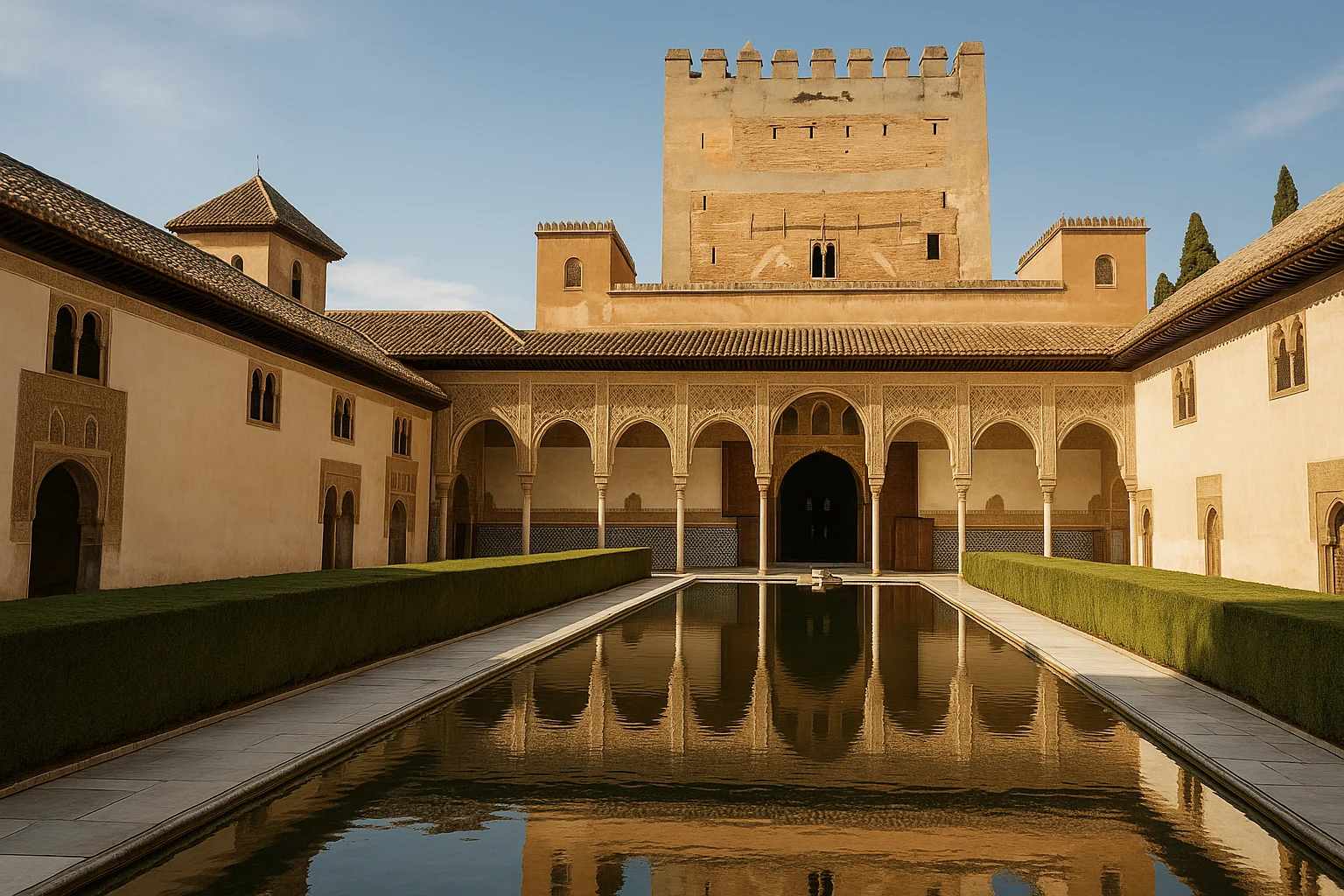
Alhambra Travel Guide 2026: Nasrid Palaces, Tickets, and Visit Strategy
Nasrid Dynasty (Moorish)Plan a well-timed visit to Granada's Alhambra with practical ticket advice, must-see highlights, and...
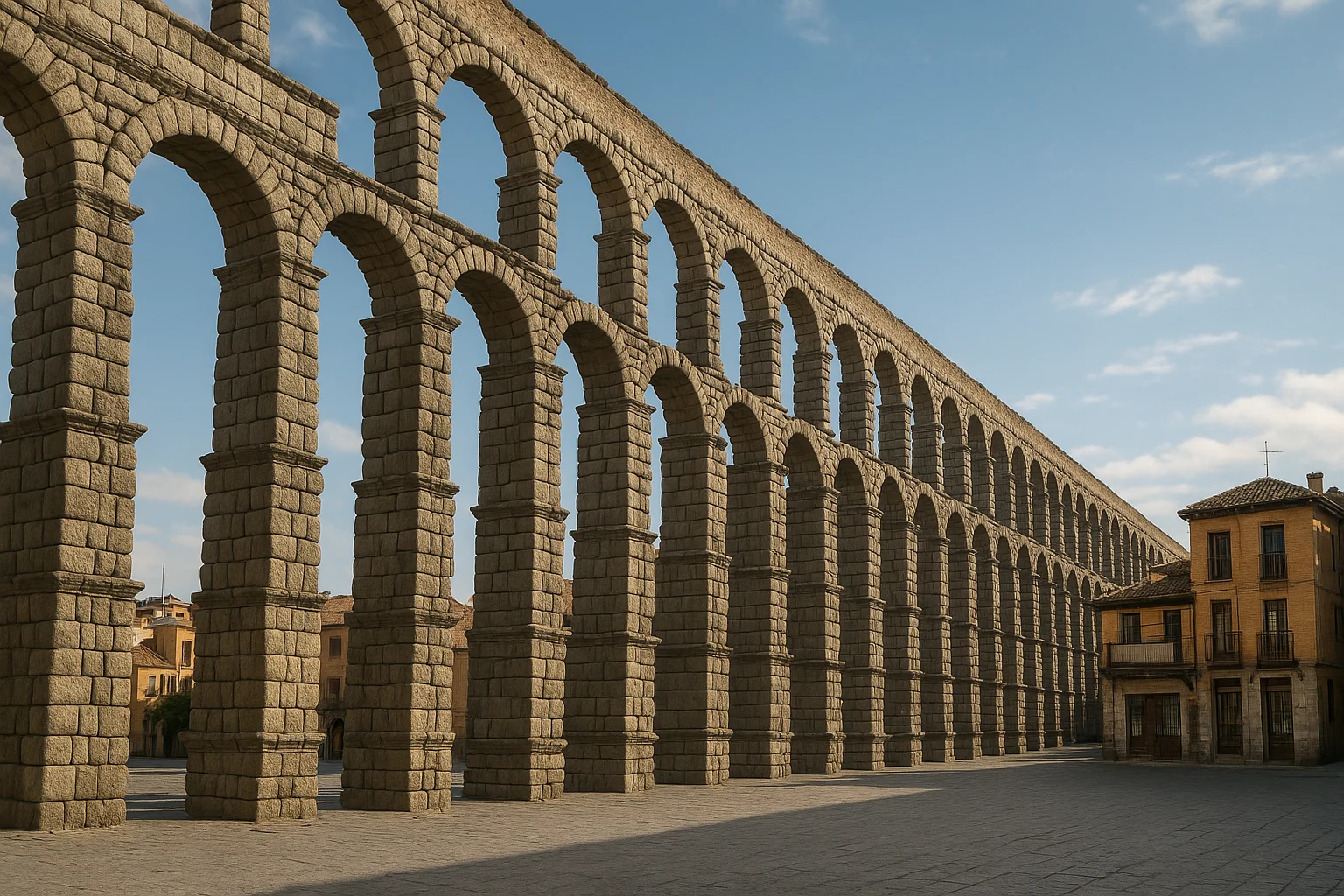
Segovia Aqueduct Travel Guide 2026: Roman Engineering, Routes, and Visit Tips
Roman EmpirePlan your visit to Segovia's Roman aqueduct with practical route advice, key viewpoints, and histori...
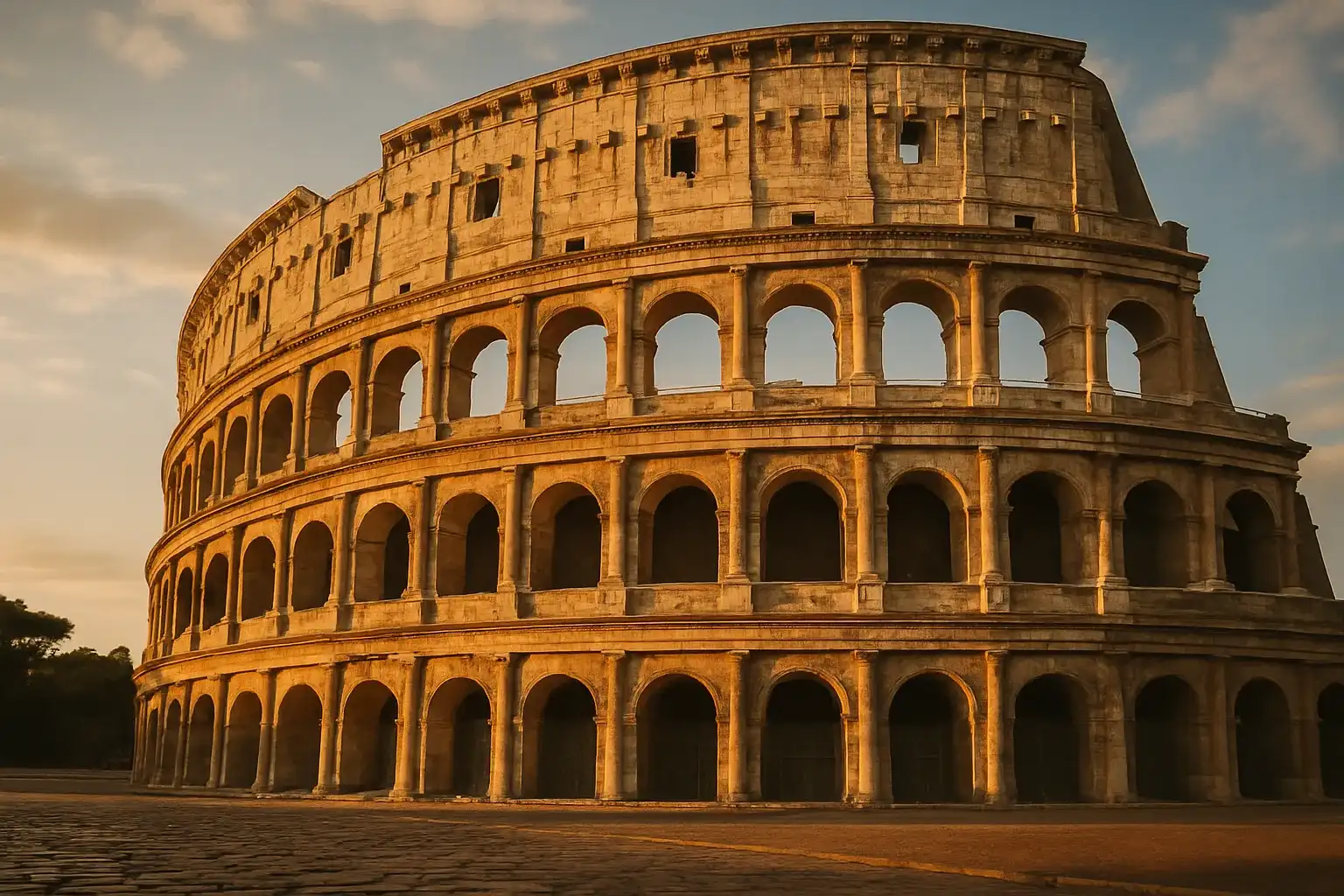
Colosseum Rome: Complete 2026 Guide to Arena Floor, Tickets, and Timing
Roman EmpirePlan the perfect Colosseum visit with timed-entry strategy, Arena Floor and underground access tips,...