Quick Info
Curated Experiences
Pantalica Necropolis and Anapo Valley Guided Hike
Syracuse to Pantalica Archaeology Day Tour
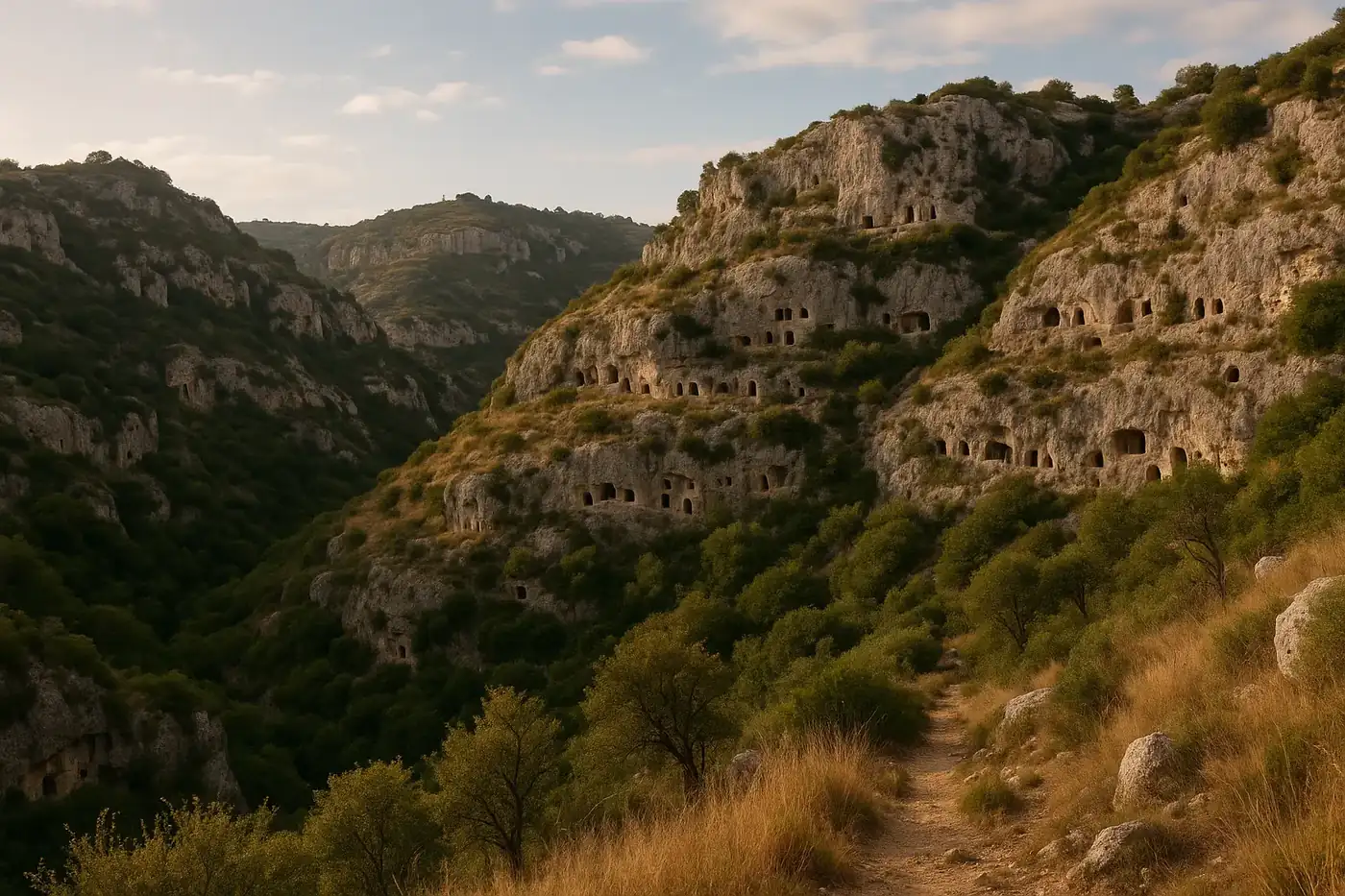
The Necropolis of Pantalica is one of Sicily’s most extraordinary ancient landscapes - over 5,000 rock-cut chamber tombs carved into the sheer limestone cliffs above the Anapo and Calcinara river gorges. This is not a site you walk through in a neat circuit. It is a sprawling funerary territory spread across ridgelines and canyon walls, where the scale of prehistoric burial practice becomes viscerally clear only on foot.
For travelers building a Sicily itinerary around deep history rather than just Greek temples, Pantalica is essential. It predates the colonial foundations at Syracuse by centuries and preserves a burial tradition that belongs to the island’s indigenous Sicel population - a culture largely overshadowed in popular narratives by the Greeks and Romans who came after.
Why the Necropolis of Pantalica Matters
Pantalica holds UNESCO World Heritage status (jointly with Syracuse) for good reason. It is the largest concentration of rock-cut tombs in Europe, and possibly the Mediterranean. The sheer number of visible burial chambers - thousands of dark rectangular openings pocking the cliff faces - creates a visual effect unlike anything else on the island.
But this is not just about spectacle. Pantalica matters because it preserves social organization in the landscape itself. The clustering of tombs into distinct necropolis zones across different ridges and valleys suggests territorial divisions, clan groupings, and evolving funerary customs spanning roughly six centuries. You are looking at how communities claimed and marked their dead across generations, using the terrain as both monument and boundary.
For anyone interested in pre-colonial Mediterranean societies, this is primary evidence. The site connects Sicily’s later classical phases - the Greek temples at Syracuse and Selinunte - to a much older indigenous world that shaped the island before colonization transformed it.
Historical Context
The necropolis was in active use primarily from the 13th to the 7th century BCE, spanning the Late Bronze Age through the Early Iron Age. The communities responsible were Sicel - one of three indigenous Sicilian peoples (alongside the Sicani and Elymians) documented by later Greek writers. The Sicels occupied the eastern half of the island, and Pantalica appears to have been a major center, possibly the seat of a local chieftain or king.
The site’s defensibility was central to its importance. The Anapo and Calcinara rivers cut deep gorges around a high plateau, creating a natural fortress. On the summit, the remains of a large building known as the Anaktoron (prince’s palace) suggest centralized authority. This structure, partially built with dressed stone blocks, is one of the earliest monumental buildings in Sicily and may reflect contact with Mycenaean or broader Aegean trade networks during the Bronze Age.
As Greek colonists established Syracuse around 734 BCE, the balance of power shifted decisively toward the coast. Pantalica’s role diminished, though the gorges saw later reuse - Byzantine-era rock-cut dwellings and small chapel remains indicate people returned to the cliffs centuries later for shelter and worship. The tombs themselves, emptied long ago, still carry the physical imprint of their original purpose: small rectangular chambers cut into living rock, often arranged in vertical tiers following the natural contours of the cliff.
What to Prioritize On Site
The North Necropolis
This is the most visually impressive sector and the one most visitors encounter first from the Ferla entrance. Hundreds of tomb openings are visible in the cliff face across the gorge, stacked in dense rows. Bring binoculars or a telephoto lens - the scale reads best when you can pick out individual chambers from the opposite ridge.
The Anaktoron
The remains of the so-called prince’s palace sit on the high plateau. What survives is modest - foundation courses and partial walls - but its location gives commanding views over the surrounding valleys and helps explain why this ridge was chosen as a settlement center. The building’s construction technique, using large cut blocks, is notable for its date and context.
The South Necropolis and Filiporto Sector
If time allows, the southern tomb clusters and the Filiporto area offer a quieter experience with strong landscape context. The trail between sectors follows the gorge and passes through Mediterranean scrubland, wild orchids in spring, and occasional stretches of old path cut into the rock.
Valley Trail Along the Anapo River
The trail descending into the Anapo gorge is the highlight for many visitors. It follows a disused railway line (the old Siracusa-Vizzini track) along the river, passing under tomb-studded cliffs and through lush riparian vegetation. This is where the site’s dual identity - archaeological monument and nature reserve - comes together most effectively.
Practical Visit Strategy (2026)
Time Budget
- Quick orientation (Ferla entrance, North Necropolis viewpoint): 1.5 to 2 hours
- Balanced visit (North Necropolis + Anaktoron + valley trail segment): 3 to 4 hours
- Full traverse (Ferla to Sortino or reverse, covering multiple sectors): 5 to 7 hours
Best Timing
Start early, particularly from May through September. The gorge retains some shade, but exposed ridgeline sections get punishing sun by midmorning. Spring (March through May) is ideal: moderate temperatures, green valleys, wildflowers, and manageable trail conditions. Autumn is also good. Winter access is possible but trails may be muddy after rain.
Getting There
- Self-drive is the most practical option. Two main access points exist: one near Ferla (northwest side) and one near Sortino (northeast side). The Ferla entrance is more commonly used and slightly better signed.
- From Syracuse: roughly 40 to 50 minutes by car. Some guided day tours from Syracuse include Pantalica, which solves both transport and interpretation.
- Public transport to the trailheads is extremely limited. Do not rely on buses for a timed visit.
What to Bring
- Sturdy walking shoes with good grip (trails are rocky and uneven in places)
- At least 1.5 liters of water per person - there are no water sources or vendors on the trails
- Sun protection: hat, sunscreen, sunglasses
- Offline map or downloaded GPS track (cell signal is unreliable in the gorge)
- Snacks and a packed lunch if planning a longer visit
- Binoculars for tomb detail across the gorge
Route Pairing and Nearby Sites
Pantalica pairs naturally with Syracuse, just 40 minutes away. A strong one-day combination: morning at Pantalica (starting early from the Ferla side), then afternoon at the Syracuse Archaeological Park for Greek theater and the Ear of Dionysius. This creates a clean chronological arc from Sicel prehistory to Greek colonial power.
Other pairings within southeastern Sicily:
- Villa Romana del Casale (about 1.5 hours west) for Roman-era contrast
- Selinunte (further west, better as a separate day) for Greek temple architecture on a grand scale
- Taormina Ancient Theatre works if heading north along the coast afterward
Do not try to combine Pantalica with distant western Sicily sites in a single day. The drive times eat into trail time, and rushing this site defeats its purpose.
For broader Italy trip planning, see the Italy Ancient Sites Hub.
Is the Necropolis of Pantalica Worth Prioritizing?
Absolutely - but know what you are signing up for. This is not a museum-style site with plaques at every turn. Interpretation is minimal on the ground, and the experience depends heavily on your willingness to walk, observe, and let the landscape do the work. If you arrive expecting a curated ruin, you may feel underwhelmed. If you arrive ready to hike through a river gorge lined with thousands of Bronze Age tombs carved into vertical cliff faces, it will be one of the most memorable stops on your Sicily itinerary.
Pantalica is the rare site that rewards both the archaeology-focused traveler and the nature-focused hiker equally. It belongs on any serious Sicily itinerary that reaches beyond the standard temple circuit.
Quick Facts
| Attribute | Details |
|---|---|
| Location | Sortino / Ferla, Sicily, Italy |
| Country | Italy |
| Region | Sicily |
| UNESCO Status | World Heritage Site (joint with Syracuse, inscribed 2005) |
| Civilization | Sicel |
| Historical Period | Late Bronze Age to Early Iron Age |
| Main Use Period | ~13th to 7th century BCE |
| Number of Tombs | Over 5,000 rock-cut chambers |
| Coordinates | 37.1545, 14.9888 |
| Entry Fee | Free (open-access archaeological reserve) |
| Best Season | March through May, September through November |
Frequently Asked Questions
Is the Necropolis of Pantalica worth visiting if I’ve already seen Sicily’s Greek sites?
Yes. Pantalica complements Greek and Roman ruins by showing a very different funerary landscape tied to indigenous Sicel communities and dramatic canyon terrain.
How difficult is visiting Pantalica?
Moderate. You should expect trail walking, uneven surfaces, and heat exposure in warmer months. Good shoes and water are essential.
How much time do I need at Pantalica?
Most visitors need 2.5 to 4 hours for a meaningful route. Archaeology-focused hikers often spend longer.
Can I combine Pantalica with Syracuse in one day?
Yes, but keep expectations realistic. It works best with an early start and a streamlined route, especially if you are driving.
Nearby Ancient Sites
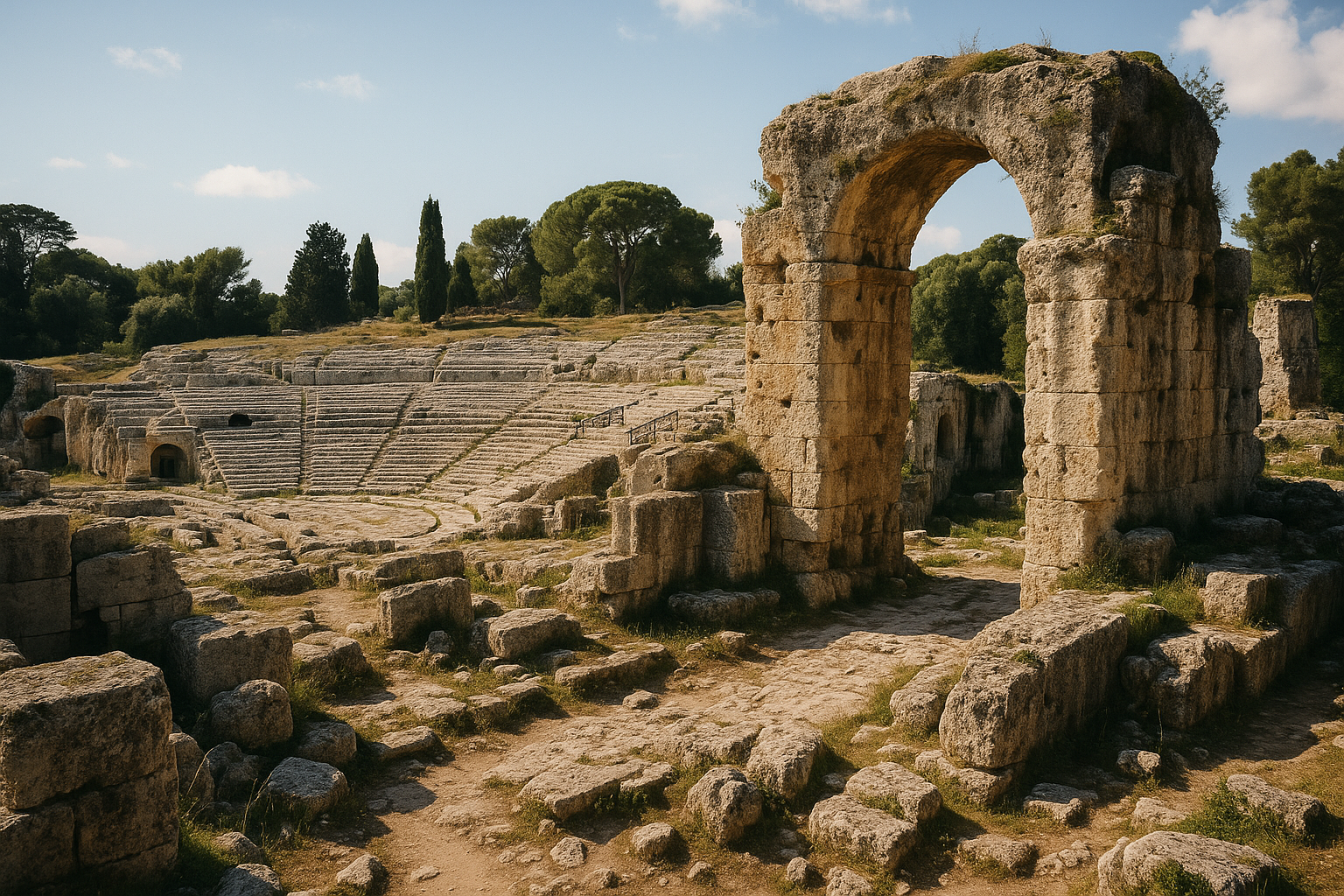
Syracuse Archaeological Park (Neapolis) Guide 2026
Greek-Roman-ByzantinePlan your visit to Syracuse Archaeological Park in Sicily with theatre highlights, Ear of Dionysius ...
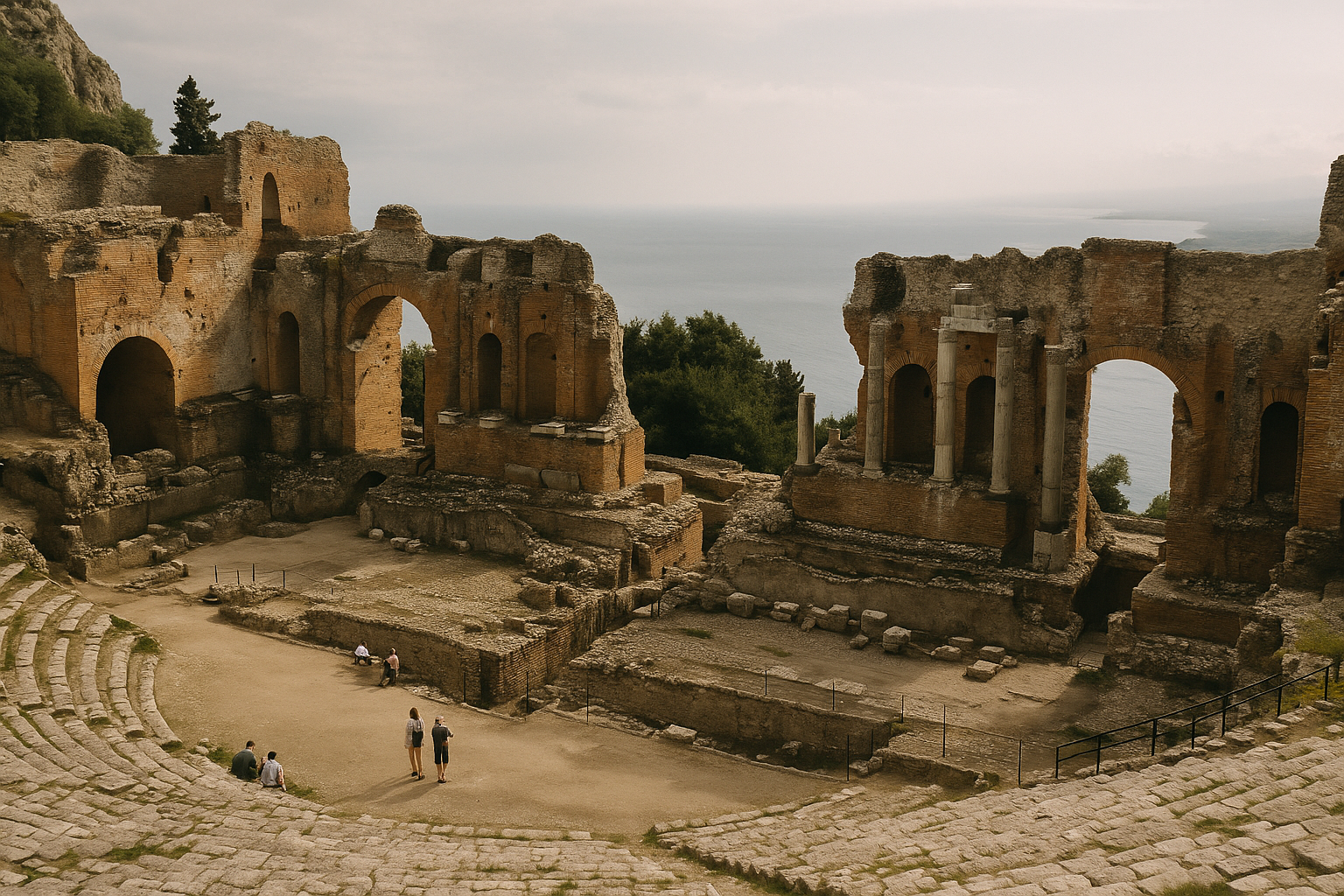
Taormina Ancient Theatre: Sicily’s Greek-Roman Stage Above the Sea
Greek / RomanPlan your visit to Taormina’s ancient theatre: history, views of Etna, tickets, logistics, and what ...
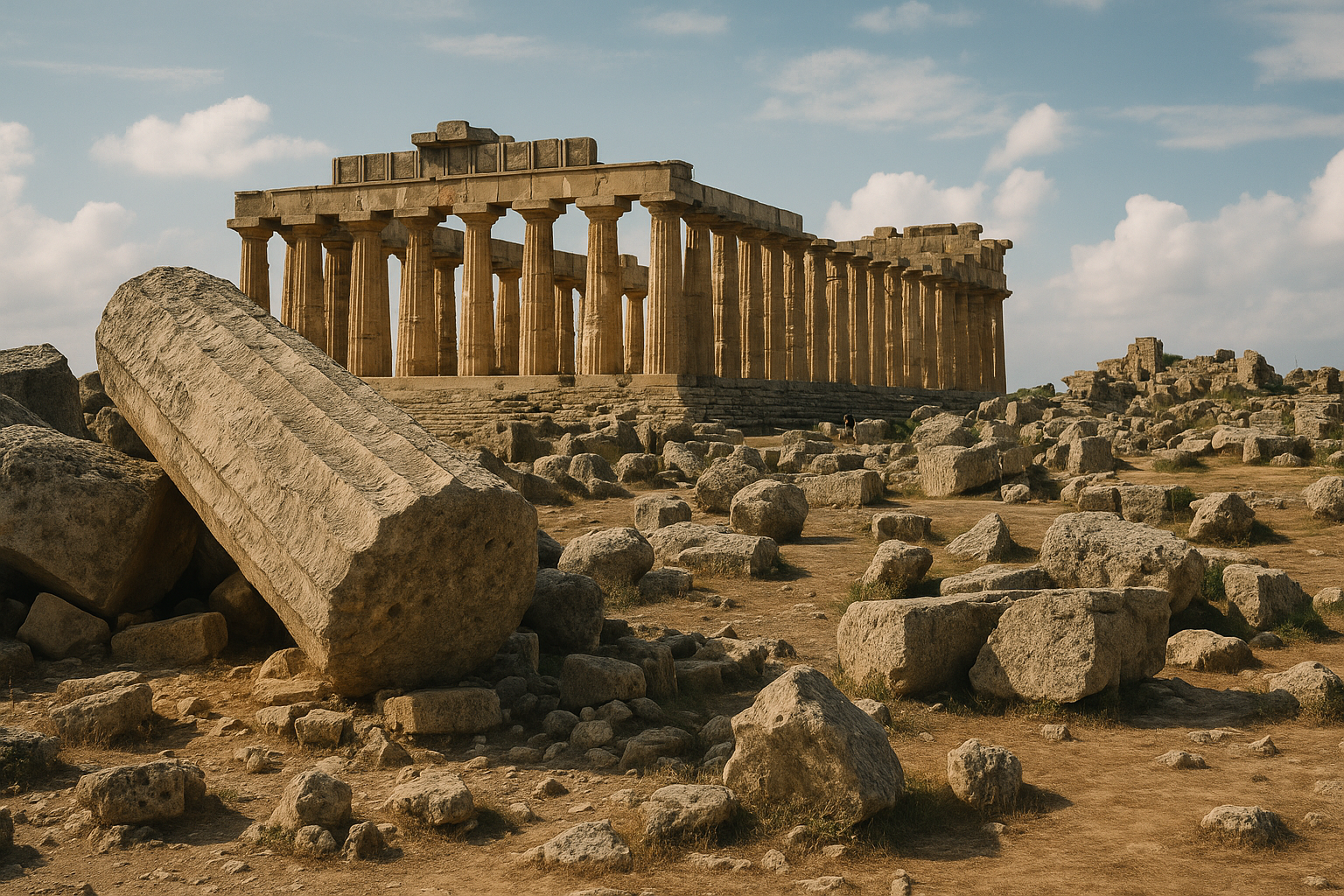
Selinunte Archaeological Park Guide 2026: Sicily’s Monumental Greek Temples
GreekPlan a practical visit to Selinunte with temple-zone priorities, transport advice, and route pairing...
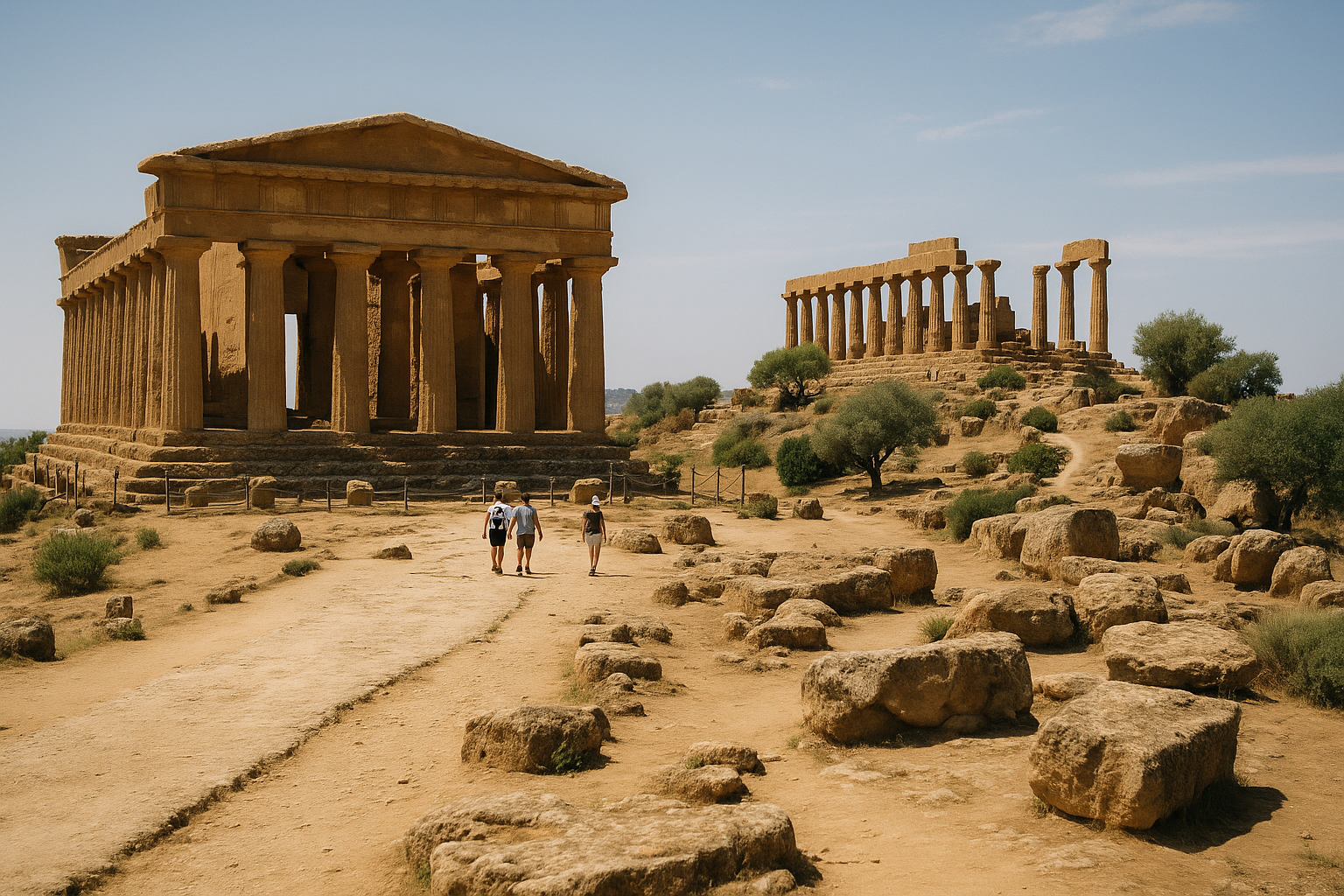
Valley of the Temples Agrigento Guide 2026: Concordia & Juno
Greek-Roman-NormanPlan your Agrigento Valley of the Temples visit with temple highlights, tickets, transport, and prac...
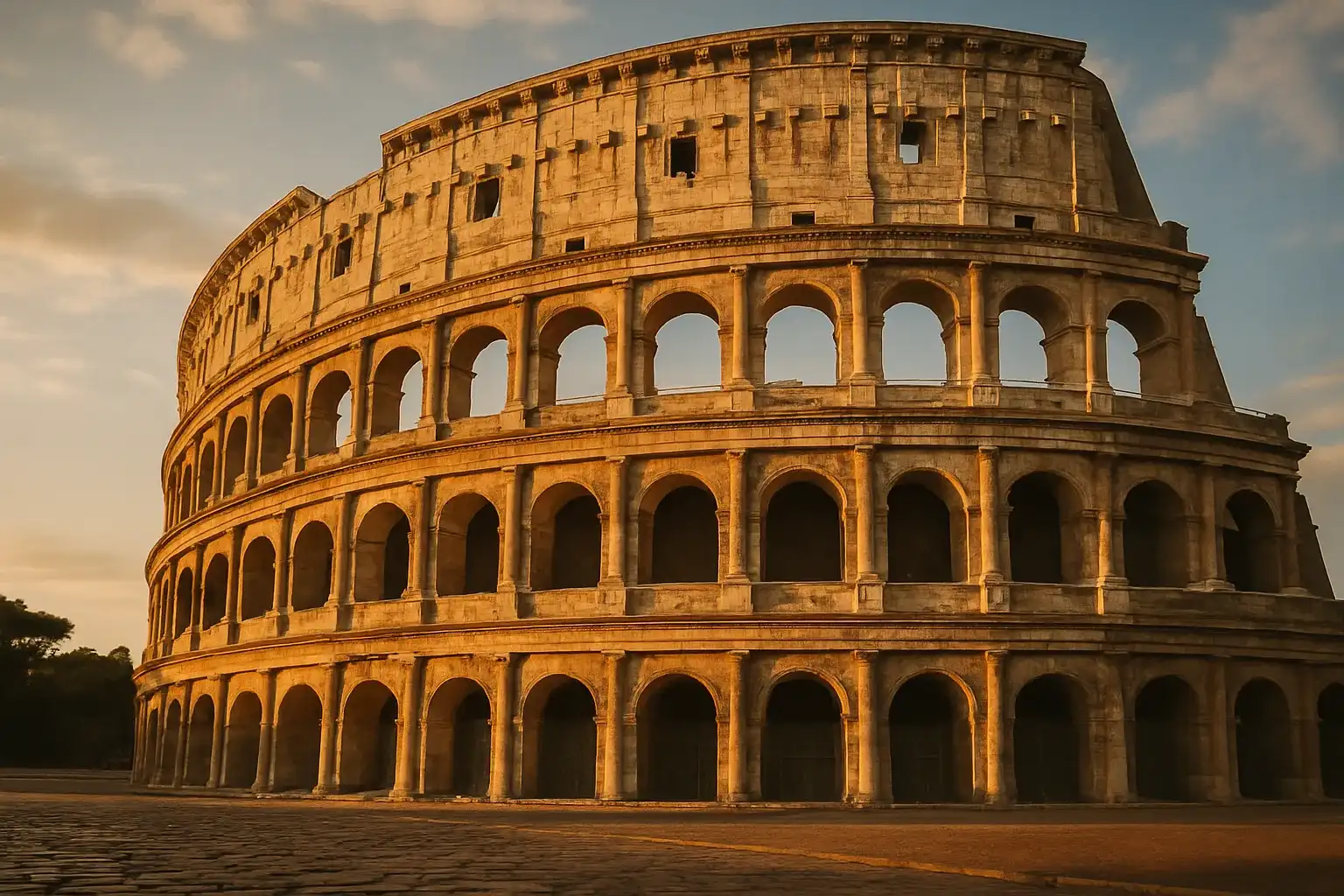
Colosseum Rome: Complete 2026 Guide to Arena Floor, Tickets, and Timing
Roman EmpirePlan the perfect Colosseum visit with timed-entry strategy, Arena Floor and underground access tips,...
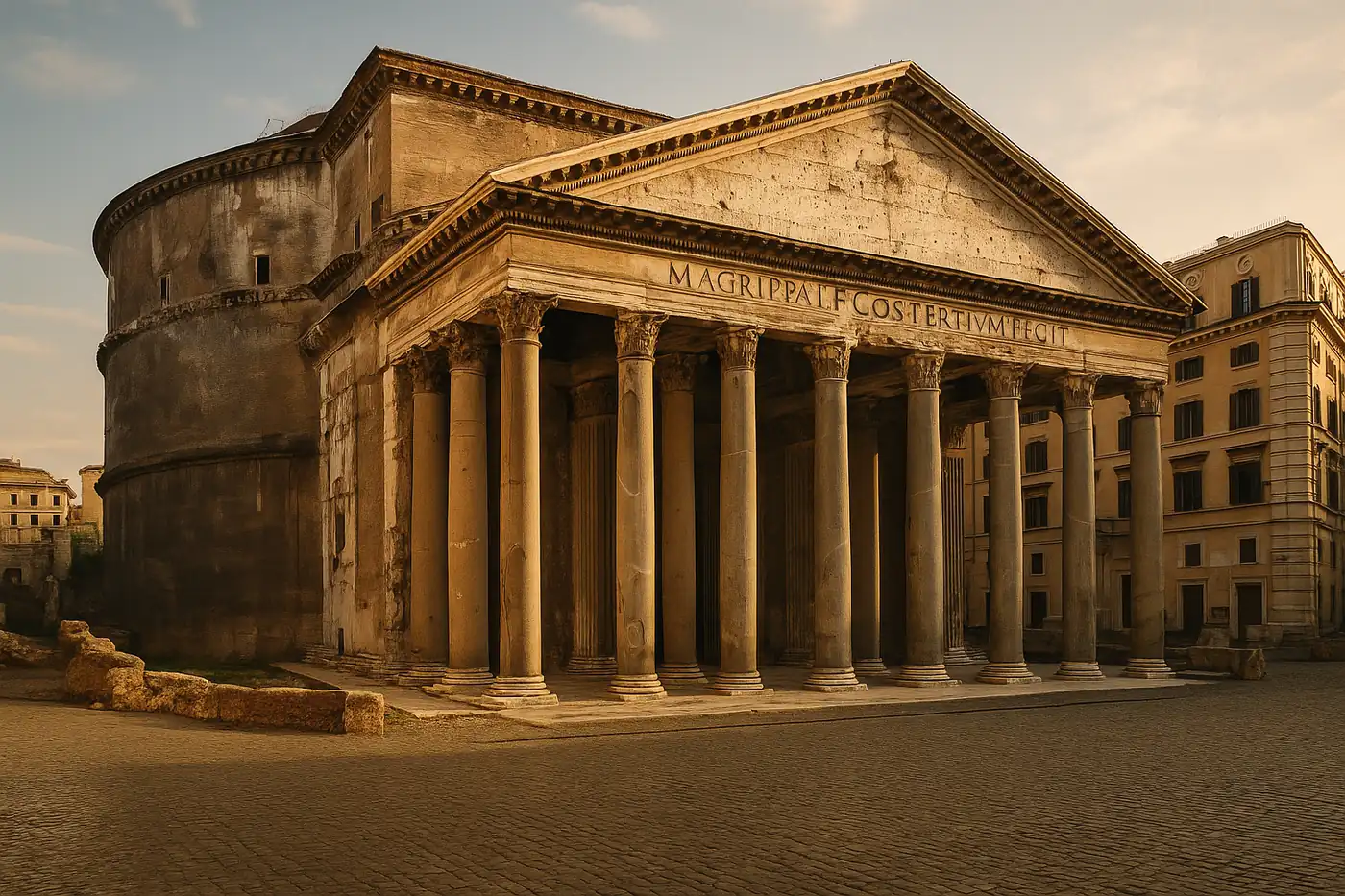
Pantheon Rome: Ultimate Guide to Rome's Best-Preserved Ancient Temple
Roman EmpireMaster your Pantheon visit with history, dome engineering secrets, visiting tips, skip-the-line opti...