Quick Info
Curated Experiences
Paestum Traditions, Buffaloes, Ceramics and Temples Tour
Private Day Trip to Paestum from Naples or Salerno
Magna Graecia’s Forgotten Masterpiece
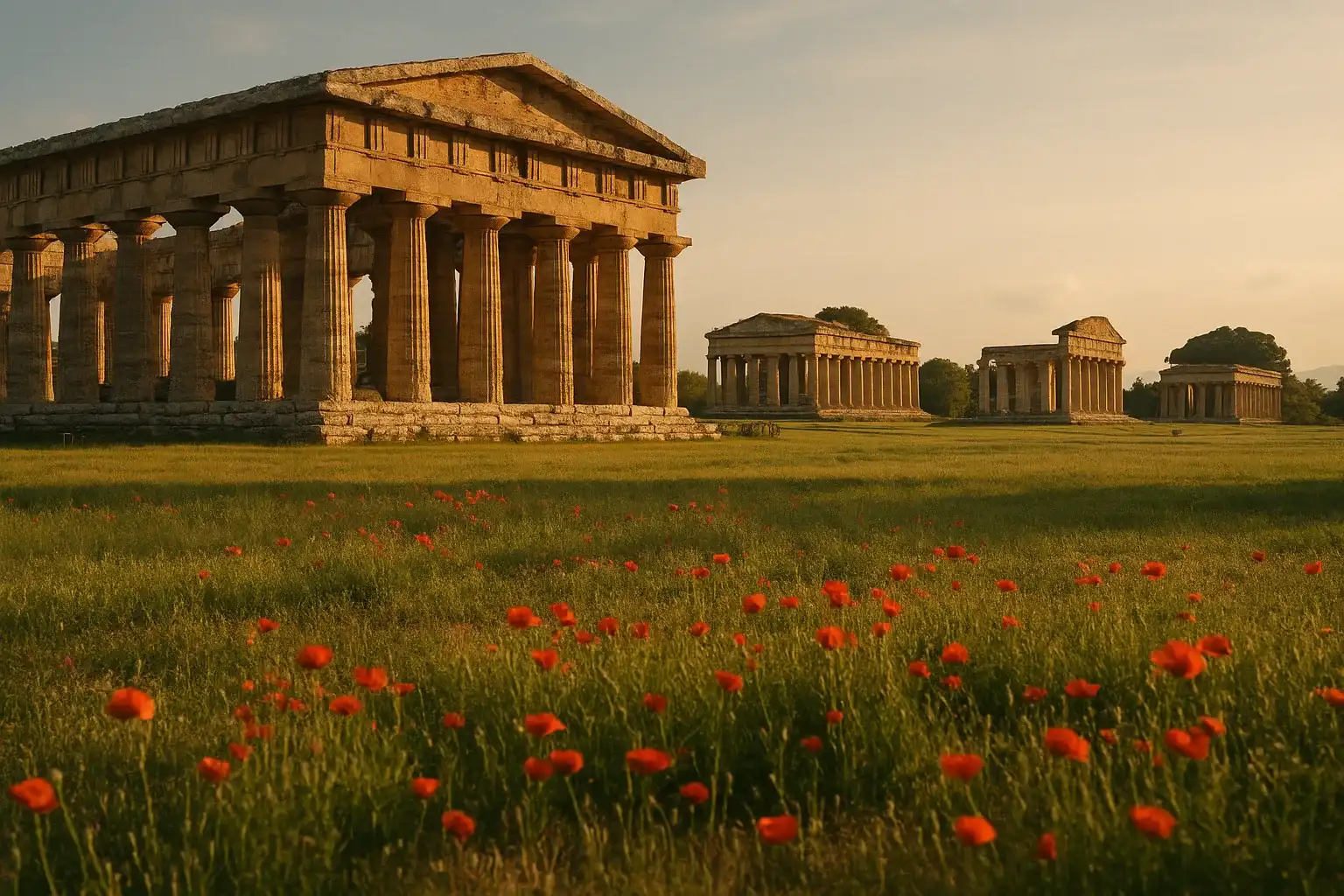
South of the Amalfi Coast’s crowds, beyond the glittering bay of Naples, lies one of Italy’s most extraordinary archaeological sites—yet somehow it remains delightfully under-visited. Paestum, ancient Poseidonia, preserves three of the finest Greek temples in the world, standing in dignified splendor amid fields of wildflowers and umbrella pines. Built by colonists from Sybaris in the 6th century BCE, these Doric masterpieces predate the Parthenon by two centuries and surpass it in completeness. Unlike the ruins of Athens or Rome, where reconstruction and modern encroachment compete for attention, Paestum offers something increasingly rare: an ancient city that feels genuinely ancient. The temples rise from the landscape as they have for 2,500 years, surrounded by intact defensive walls, Roman roads, and a superb museum containing the only known Greek fresco tomb paintings from the ancient world. Add to this the region’s legendary buffalo mozzarella—made fresh daily in nearby farms—and you have a destination that satisfies both cultural curiosity and culinary craving. Whether you’re seeking refuge from Naples’ chaos or planning a slower journey through southern Italy, Paestum rewards those who venture off the beaten path.
The Three Temples: Icons of Doric Architecture
The three Doric temples at Paestum represent the finest surviving examples of Greek temple architecture anywhere in the world. Unlike the Parthenon, which has suffered centuries of damage and reconstruction, or the temples of Sicily, which often survive only as fragmentary ruins, Paestum’s sacred buildings remain standing in their essential completeness. The temples demonstrate the evolution of Doric architecture across two centuries, from the Archaic experimentation of the Basilica through the transitional refinement of the Temple of Athena to the perfected proportions of the Temple of Hera II.
The temples’ preservation results from a combination of historical factors. After the Roman period, the area was abandoned due to malaria from nearby marshes, leaving the structures undisturbed for centuries. Unlike many ancient sites that were quarried for building materials, Paestum’s remote location protected it from systematic destruction. By the time travelers rediscovered the temples in the 18th century, Romantic sensibilities valued ancient ruins for their aesthetic qualities rather than their stone content, ensuring their continued preservation.
Temple of Hera (Basilica): The Oldest Survivor
The Temple of Hera, traditionally called the Basilica due to its unusual plan, represents the earliest phase of Doric architecture at Paestum. Built around 550 BCE, this massive structure features nine columns across its short ends and eighteen along its sides—a ratio that creates an unusually elongated appearance compared to later temples. The columns themselves display distinctive characteristics of Archaic architecture: they rest directly on the platform without bases, their shafts display pronounced entasis (subtle swelling), and their capitals spread broadly to support the weight above.
The temple’s interior is equally unusual, featuring a row of central columns that divided the cella (inner chamber) into two aisles. This arrangement, more typical of later basilica buildings than Greek temples, may reflect the structure’s function as a treasury or gathering space rather than a traditional cult temple. The column capitals here are particularly notable for their decorative details, including painted patterns that once enlivened the stone surfaces.
Archaeological evidence suggests this temple was dedicated to Hera, wife of Zeus and patron goddess of marriage and childbirth. The sanctuary’s prominence in the city’s religious life is attested by its position closest to the forum and its substantial dimensions—measuring approximately 55 by 24 meters, it was among the largest temples in the Greek world at the time of its construction.
Temple of Athena (Cerere): The Smallest Gem
The smallest of Paestum’s three temples, the Temple of Athena (formerly misidentified as a temple of Ceres/Demeter), demonstrates the transition between Archaic and Classical architectural styles. Built around 500 BCE, it features a peripteral colonnade of six columns by thirteen, enclosing a cella that was originally divided into three chambers. The temple’s relatively modest size—approximately 33 by 15 meters—belies its architectural significance.
This temple exhibits several innovative features that point toward the perfected Doric of the Parthenon. The columns display more refined proportions than the Basilica, with subtler entasis and more elegant capitals. The temple was later converted into a Christian church during the medieval period, which contributed to its preservation while altering some original features. Traces of medieval modifications, including walled-up intercolumniations and an apse added to the east end, testify to the building’s long history of continuous use.
The temple’s dedication to Athena has been established through archaeological evidence including votive offerings appropriate to the goddess of wisdom and warfare. Its position on the highest point of the ancient city’s central area suggests it held significant civic importance, perhaps serving as a symbol of Greek cultural identity during the periods of local Italian control.
Temple of Hera II (Neptune): The Crown Jewel
The Temple of Hera II, often called the Temple of Neptune (Poseidon) based on an early misidentification, stands as Paestum’s most impressive monument and arguably the best-preserved Greek temple anywhere in the world. Built between 460–450 BCE, this structure exemplifies the mature Doric style of the Early Classical period, with proportions and refinements that rival the Parthenon itself. Its fourteen columns by six create a majestic presence that dominates the archaeological zone.
What distinguishes this temple is its remarkable state of preservation. Unlike most ancient temples, which survive only as foundations and scattered columns, the Temple of Hera II retains not only its peristyle but substantial portions of its entablature (the architectural elements above the columns), including the frieze and cornice. Some internal walls of the cella remain standing, offering rare insight into temple interiors that are typically completely lost. The structure’s preservation allows visitors to appreciate the full three-dimensional presence of a Greek temple as its architects intended.
The temple’s dimensions—approximately 60 by 24 meters—make it one of the largest Doric temples ever constructed. Its refined proportions demonstrate the mathematical sophistication of Greek architects, who calculated column spacing, height ratios, and visual refinements to create structures of harmonious beauty. When the morning light strikes its honey-colored limestone, the temple glows with a warmth that photography can only approximate.
The Museum: Tomb of the Diver & Painted Tombs
While the temples dominate the skyline, the true crown jewel of Paestum lies inside its archaeological museum: the Tomb of the Diver (Tomba del Tuffatore)—the only known example of Greek fresco painting on a tomb from anywhere in the Greek world. This 2,500-year-old masterpiece is Paestum’s competitive edge, an artwork so unique that it justifies the journey even without the temples.
The Discovery: Discovered in 1968 during excavations of a small necropolis outside the city walls, this tomb dates to approximately 480–470 BCE (Classical period). Constructed from local travertine and painted with mineral pigments, it represents a style of Greek art that has almost entirely vanished from the archaeological record.
The Artwork:
- Cover slab: Depicts a young man diving from a platform into water below—interpreted as the soul’s leap into the afterlife
- Side walls: Scenes of symposium (drinking party) with reclining men entertained by musicians
- Style: Combines Greek mainland traditions with local Italian Greek (Italiote) influences
Why It’s Significant: Greek painting is almost entirely lost—only vases and rare examples like this survive. The Tomb of the Diver provides insight into funerary beliefs of Magna Graecia and suggests a wealthy, cultured society in colonial Italy.
The Painted Tombs Collection: Beyond the Diver, the museum houses over 20 Lucanian painted tombs from the 4th century BCE, when indigenous Italian peoples controlled the city. These vivid paintings show symposium scenes, warriors departing for battle, and mythological narratives—creating a remarkable collection of ancient painting rivaled only by the Etruscan tombs of Tarquinia.
The Roman City: Forum, Amphitheater & Walls
The Greek temples dominate modern visits to Paestum, but the site preserves substantial remains from the Roman period when the city served as a Latin colony. The Roman forum, located near the Temple of Athena, contains foundations of temples, basilicas, and public buildings that illustrate the city’s continued prosperity under imperial rule. These structures, though less visually impressive than the Greek temples, provide important evidence for urban life in Roman Italy.
The Roman amphitheater, partially excavated and restored, demonstrates the entertainment preferences of the colony’s inhabitants. Its oval arena and surrounding seating areas, though smaller than famous venues like the Colosseum, would have hosted gladiatorial combats, animal hunts, and other spectacles that marked Roman civic life. The theater’s position near the city walls reflects Roman urban planning conventions that sought to minimize disruption to residential neighborhoods.
The city walls, extending 4.7 kilometers around the ancient settlement, rank among the best-preserved defensive circuits from antiquity. Originally constructed by the Greeks and strengthened by the Romans, these fortifications feature towers, gates, and curtain walls that demonstrate sophisticated military engineering. Walking along these ancient defenses provides perspective on the city’s scale and strategic importance.
Getting to Paestum: Naples, Salerno & the Coast
Reaching Paestum is straightforward from major cities in Campania, making it an ideal day trip from Naples or the Amalfi Coast. The most convenient approach is by train, with direct services connecting Paestum to Naples (1.5–2 hours), Salerno (30–40 minutes), and other coastal towns. The train station lies just ten minutes’ walk from the archaeological site, making car-free visits entirely practical.
Drivers will find the A3 autostrada provides efficient access, with the exit at Battipaglia placing you within easy reach of the temples. Rental cars offer flexibility for exploring the surrounding Cilento region, including buffalo mozzarella farms and coastal villages that complement the archaeological experience. Parking is available near the site entrance.
For those staying on the Amalfi Coast, Paestum makes an excellent counterpoint to the area’s natural beauty and Renaissance architecture. The contrast between the coast’s vertical drama and the temples’ horizontal grandeur creates a memorable day of varied experiences. Many tour operators offer combined excursions that include both the temples and mozzarella tastings.
Buffalo Mozzarella: The Culinary Pilgrimage
No visit to Paestum is complete without experiencing bufala mozzarella—the fresh, creamy cheese made from water buffalo milk. The Cilento region is Italy’s premier production zone, and local farms have been making this delicacy for centuries using traditional methods.
The cheese production process begins early each morning, when fresh buffalo milk is heated and curdled using natural rennet. The curds are then stretched and formed into balls of varying sizes, from bite-sized bocconcini to large treccia (braided) forms. The mozzarella is packed in brine within hours of production, ensuring maximum freshness when it reaches your table.
Tenuta Vannulo, an organic farm near Paestum, offers tours where visitors can observe the cheese-making process and taste the results moments after production. The experience of eating warm mozzarella—its delicate flavor and yielding texture unlike anything available in stores—provides a culinary memory to match the archaeological wonders. Combine your visit with a lunch featuring local tomatoes, basil, and olive oil for the classic Caprese experience at its source.
Cilento National Park: Beaches Beyond the Ruins
One of Paestum’s unique advantages is its proximity to excellent beaches, allowing visitors to combine cultural exploration with Mediterranean relaxation. The archaeological site sits just inland from a long sandy coastline that offers some of the finest swimming in southern Italy. After exploring temples and museums, the short walk to the beach provides welcome refreshment, especially during the warm summer months.
The Cilento coast, protected as part of a national park, maintains a more natural character than the developed resorts found elsewhere in Campania. Pine forests line the shore, providing shade and the distinctive scent of Mediterranean macchia vegetation. The beaches range from organized lidos offering umbrellas and refreshments to wilder stretches where visitors can find relative solitude even in peak season.
This combination of world-class archaeology and accessible beach makes Paestum particularly suitable for family travel, where different generations can find satisfaction according to their interests. The flat terrain around the temples also makes the site more accessible to visitors with mobility concerns than the steep climbs required at Pompeii or many other archaeological destinations.
Practical Visitor Guide: Timing, Tickets & Tours
Essential Planning FAQs
How do I get to Paestum?
Train is easiest—direct from Naples (1.5–2 hours) or Salerno (30–40 min); station is 10-minute walk from site. Car offers flexibility for exploring Cilento; A3 autostrada exit at Battipaglia. Bus from Salerno operated by CSTP. Taxi from Salerno costs €50–70. Many visitors combine with a rental car day trip from Naples or the Amalfi Coast.
How long should I spend at Paestum?
Minimum 3–4 hours (2 hours for temples, 1.5 hours for museum). Plan a full day if combining with buffalo mozzarella farm tours and beach time. Overnight allows experiencing the temples at sunrise/sunset when light is sublime and crowds absent.
Is Paestum better than Agrigento (Sicily)?
Both preserve exceptional Greek temples. Paestum’s advantage is completeness and accessibility—the temples are closer together, better preserved, and less crowded. Agrigento’s Valley of the Temples is more dramatic in setting but requires more walking and navigating. Art lovers prefer Paestum for the Tomb of the Diver; scenery enthusiasts may prefer Agrigento’s ridge-top location.
Can I swim near the temples?
Yes! One of Paestum’s unique charms is proximity to excellent beaches. The temples sit just inland from a long sandy coastline. After visiting ruins, walk 10–15 minutes to the beach for a swim. Several lidos (beach clubs) offer rentals and refreshments. This combination of high culture and beach relaxation is rare among archaeological sites.
What is the best time to visit Paestum?
Spring (April–June) is ideal—wildflowers bloom among the temples, temperatures are mild, and crowds are minimal. September–October also excellent with warm sea for swimming. Summer is crowded and hot but the beach provides relief. Winter is quiet and atmospheric but some facilities may be closed.
Quick Facts
| Attribute | Details |
|---|---|
| Location | Campania, Italy |
| Country | Italy |
| Region | Campania |
| Civilization | Ancient Greek / Roman |
| Historical Period | c. 600 BCE – 3rd century CE |
| Established | c. 600 BCE (as Poseidonia) |
| Coordinates | 40.4195, 15.0060 |
Explore More Ancient Wonders
- Colosseum: Rome’s greatest amphitheater
- Pompeii: The Roman city frozen in time by Vesuvius
- Acropolis of Athens: The birthplace of classical Greek architecture
- Ephesus: The magnificent Roman city on Turkey’s Aegean coast
Plan your complete Italy adventure with our Italy Ancient Sites Guide. Explore more Greek wonders with our Greece Ancient Sites Guide. Learn about photographing ruins.
|-----------|---------| | Location | Province of Salerno, Campania, southern Italy | | Ancient Name | Poseidonia (Greek: Ποσειδωνία) | | UNESCO Status | World Heritage Site (1998) as part of Cilento National Park | | Founding | c. 600 BCE by Sybaris colonists | | Temple Period | 550–450 BCE (Archaic to Early Classical) | | Distance from Naples | 100 km (62 miles) | | Distance from Salerno | 30 km (19 miles) | | Best Time | April–June, September–October | | Entry Fee | €10 (site + museum combined); €6 EU students | | Suggested Stay | Half day to full day |
Frequently Asked Questions
Why is Paestum less famous than other Greek temple sites?
Paestum suffers from two geographic challenges: it's off the main tourist trail (90km south of Naples on the Cilento Coast), and it's in Italy—where visitors often focus on Roman history. Yet Paestum preserves three temples from the 6th-5th centuries BCE that are better preserved than almost anything in Greece itself, including the Parthenon. The Tomb of the Diver fresco in its excellent museum is one of the most important pieces of ancient Greek painting ever discovered.
What is the Tomb of the Diver at Paestum?
Discovered in 1968, the Tomb of the Diver (480 BCE) is the only known example of figurative Greek painting from the classical period with all five tomb slabs preserved. The ceiling shows a youth diving into a stylized sea—possibly a metaphor for death as a leap into the unknown. The vivid colors and dynamic composition have made it one of the most celebrated finds in classical archaeology. It's displayed in the Paestum National Archaeological Museum adjacent to the temples.
How do I get to Paestum from Naples?
Train is the easiest option—Trenitalia regional trains run from Naples Centrale to Paestum (Capaccio) in about 1.5 hours. The Paestum train station is a 10-minute walk from the site entrance. Alternatively, Salerno (30km north) has more frequent connections and is only 30-40 minutes away. Driving via the A3 autostrada takes about 1 hour from Naples with good conditions.
Can I combine Paestum with the Amalfi Coast?
With a car, yes—beautifully. Paestum is on the south end of the Salerno Gulf, the Amalfi Coast on the north. Many visitors drive the Amalfi Coast road (SP163) from Positano to Salerno, then continue south to Paestum. Plan for a full day to manage both without rushing. The contrast between dramatic coastal scenery and flat archaeological landscape is striking.
Is Paestum worth a special trip?
For lovers of Greek antiquity, absolutely. The three temples—Hera I (the Basilica), Hera II (often called the Poseidon Temple), and Athena—standing on an open plain with mountains behind them create one of the most powerful classical landscapes in the world. Add the excellent museum, the local buffalo mozzarella, and the nearby beach, and Paestum rewards a deliberate visit rather than a rushed day trip.
Nearby Ancient Sites
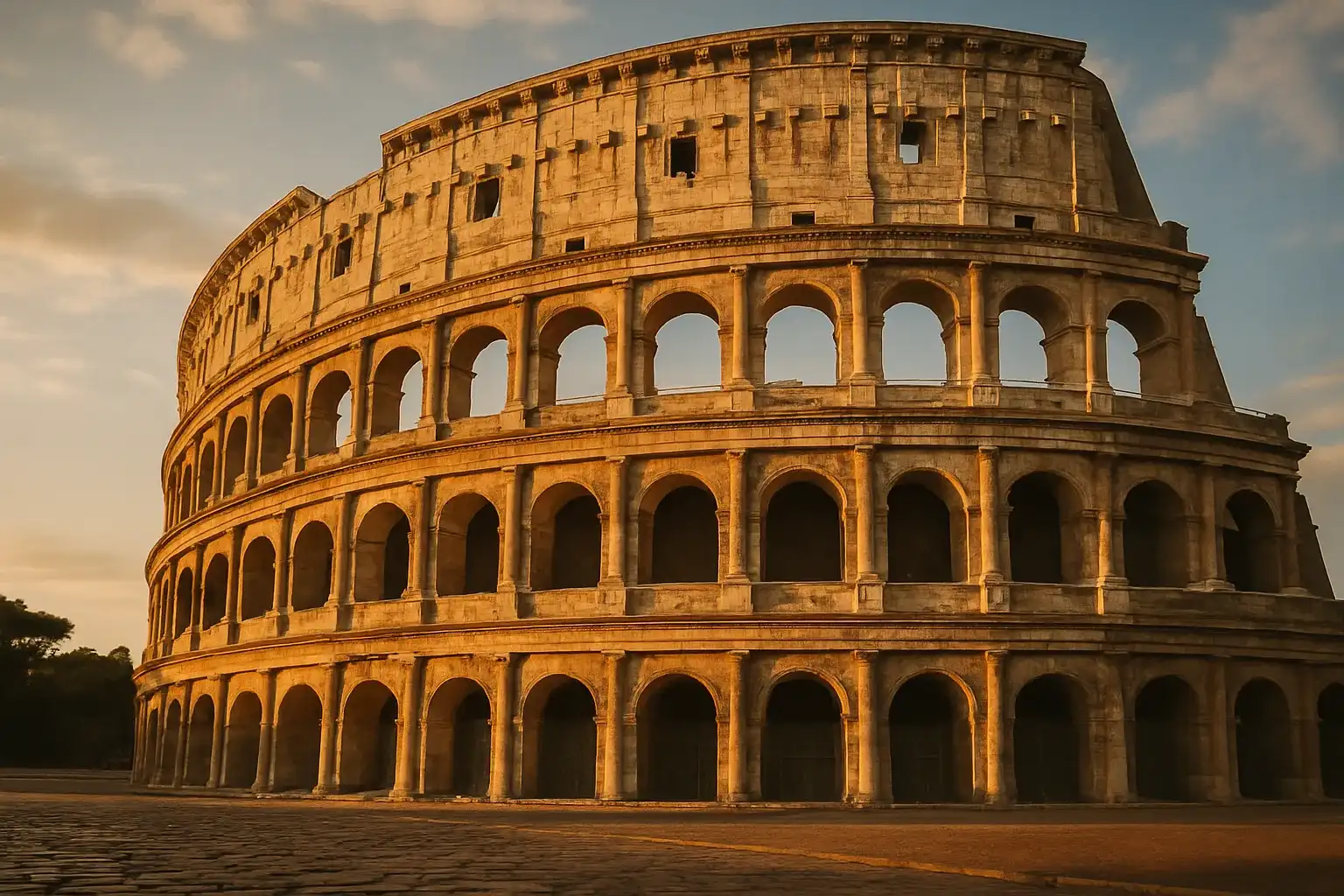
Colosseum Rome: Complete 2026 Guide to Arena Floor, Tickets, and Timing
Roman EmpirePlan the perfect Colosseum visit with timed-entry strategy, Arena Floor and underground access tips,...
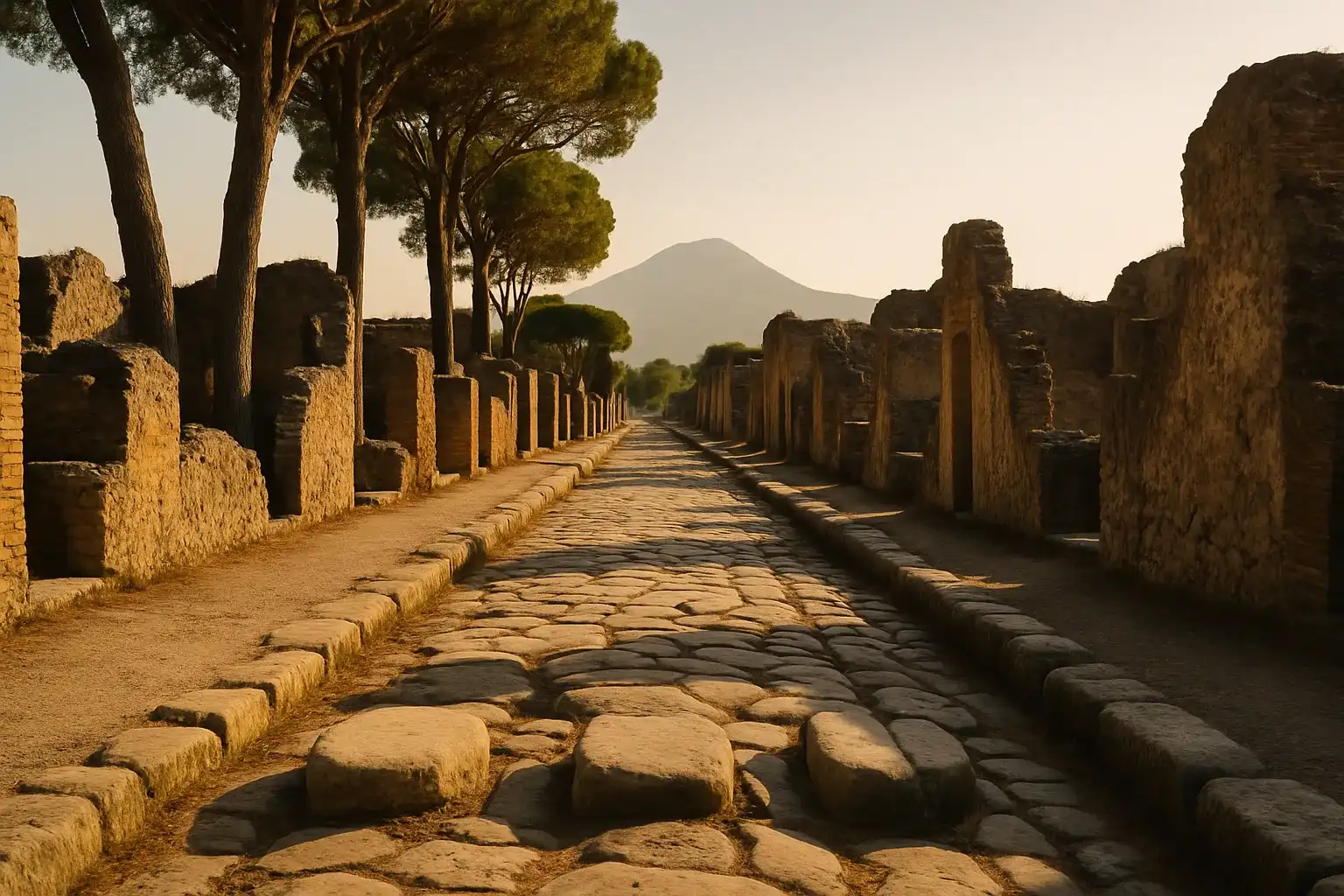
Pompeii Italy Travel Guide: Frozen in Time, Complete 2026
Roman EmpireWalk the streets of ancient Pompeii with our complete guide. Discover the best routes, must-see hous...