Quick Info
Curated Experiences
Aswan Felucca Cruise and Philae Temple Tour
Philae Temple Private Tour with Egyptologist
Sunset Cruise and Philae Temple Evening Tour
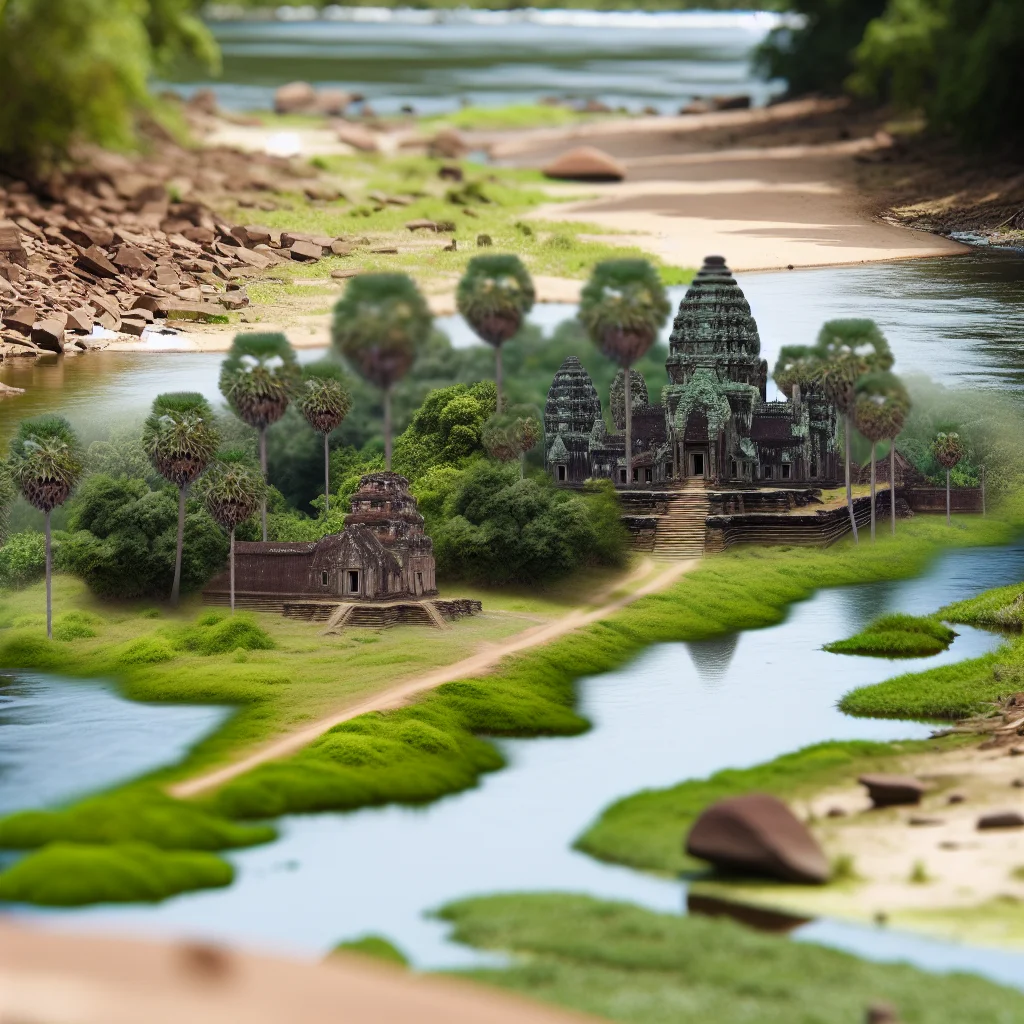
To reach Philae Temple, you must cross water. A motorboat or felucca (traditional wooden sailboat) carries you from Aswan’s dock downriver to a small island where the Temple of Isis rises from the surrounding Nile landscape. The journey itself—the movement of water, the sight of palms along the shoreline, the approach to a temple island—begins the experience before you step foot on land. Philae is the most romantically situated of all Egyptian temples, and for good reason: the goddess it honors, Isis, was believed to dwell here in her most powerful form. The temple’s walls depict Isis in her various manifestations—as healer, magician, devoted mother—and the intimacy of the island sanctuary evokes the mystery-cult atmosphere that made Isis worship one of the most widespread religions of the ancient Mediterranean. Philae’s history is equally dramatic: when the Aswan High Dam threatened to submerge the temple beneath rising water, an international rescue mission dismantled it, relocated it 65 meters to higher ground, and reassembled it stone-by-stone—a feat of modern engineering that saved an ancient masterpiece. This guide covers Philae’s mythology and theology, its Ptolemaic architecture and art, the story of its relocation, practical logistics from Aswan, and the experience of approaching a temple by water.
History: The Cult of Isis and Sacred Island Sanctuary
Early Dynastic Foundations (c. 380 BCE, Dynasty 30)
A temple to Isis stood at Philae (ancient Pilak) by the late dynastic period, though records are sparse. The exact earliest construction remains uncertain; Nubian and Egyptian sources hint at earlier sacred use.
Ptolemaic Expansion (305–30 BCE)
The temple you see today was substantially expanded under the Ptolemies, who recognized Isis worship as a powerful unifying force across Greek, Egyptian, and Mediterranean populations. Ptolemy II Philadelphus and subsequent Ptolemaic rulers funded major construction and decoration. The Ptolemaic additions include the famous reliefs of Isis, Osiris, and other deities that cover the temple walls. By the Ptolemaic period, Isis had become one of the most popular and widely worshipped deities in the ancient world—her cult extended to Rome and Greece. Philae was her earthly sanctuary, the axis mundi where the goddess’s power was most concentrated.
Roman Period and Continued Sanctity (30 BCE–5th century CE)
After Egypt fell under Roman rule, Philae remained active and important. Roman emperors continued to make offerings and additions. Isis worship persisted even as Christianity spread; in fact, Isis imagery influenced early Christian iconography (the Madonna and Child echoes Isis with the infant Horus). By the 4th and 5th centuries, pagan temples were closed, and Philae’s religious function ended, though pilgrimage continued sporadically through the medieval period.
Modern Rediscovery and the High Dam Crisis
In the 19th and early 20th centuries, Philae was documented by Western Egyptologists. Then, in 1970, the Aswan High Dam was completed, raising water levels and threatening to submerge Philae permanently beneath the artificial Lake Nasser. An international UNESCO-led rescue mission was mounted. From 1972 to 1980, the temple was completely dismantled (1,562 blocks of stone), moved 65 meters to higher ground on the neighboring island of Agilkia, and painstakingly reassembled. This operation—one of the greatest archaeological rescue missions in history—saved Philae for future generations and established precedent for temple relocation in response to environmental threats.
The Key Monuments: What to See at Philae Temple
The Pylon and Temple Approach
The temple’s monumental pylon rises from the island as you approach by boat—a dramatic first impression. The pylon is carved with reliefs showing Ptolemaic pharaohs making offerings to Isis and other gods. The proportions are graceful; the carving is precise. As you climb the pylon’s steps and enter the courtyard, you transition from the secular Nile landscape into sacred space. This progression—from water to island to stone temple—is integral to Philae’s spiritual design.
The Hypostyle Hall and Inner Chambers
The interior hypostyle hall is smaller and more intimate than those at Edfu or Karnak, but beautifully proportioned. Columns are topped with capitals adorned with lotus and papyrus motifs. The walls bear reliefs of Isis, Osiris, Horus, and Ptolemaic pharaohs in ritual postures. One famous relief shows Ptolemy II and his sister-wife Arsinoe II making offerings—a rare depiction of royal female authority. The reliefs are carved with Ptolemaic refinement: soft modeling of flesh, attention to individual features, and graceful proportions distinguish Ptolemaic art from earlier New Kingdom styles.
The Sanctuary of Isis
Deep within the temple lies the sanctuary, the holy of holies where Isis’s statue once stood. The sanctuary’s walls are inscribed with hymns and prayers addressing Isis by her many names and titles: “Great of Magic,” “Healer,” “Mother of the God.” These inscriptions provide crucial evidence about how Ptolemaic priesthoods understood the goddess and what worshippers hoped to gain through her intercession—healing, protection, blessing in childbirth, and spiritual initiation.
The literary and theological sophistication of Isis’s cult at Philae is striking. Unlike temples dedicated to state gods like Amun (associated with state power) or Ptah (cosmic creator), Philae’s temple to Isis emphasized personal, individual concern. Isis was believed to intercede on behalf of individual suppliants—mothers seeking safe childbirth, the sick seeking healing, the spiritually confused seeking guidance. This personal, intimate dimension of Isis worship made her one of the most popular goddesses across the Greco-Roman world. Her cult spread to Greece, Rome, and eventually throughout the Mediterranean, adapting local customs while maintaining core theological themes of motherhood, resurrection, and magical power. By the Ptolemaic period, worshipping Isis was a pan-Mediterranean phenomenon, and Philae was recognized as her primary sanctuary—the Egyptian Mecca of Isis devotion.
The Kiosk of Trajan
On the island stands the Kiosk of Trajan (also called the Pharaoh’s Bed), a small temple-like structure dating to the Roman Emperor Trajan (r. 98–117 CE). This open-air pavilion, with columns and a roofless interior, represents the late phase of Egyptian temple building under Roman rule. The kiosk is often photographed because of its picturesque island setting and romantic associations; it’s one of the most photographed monuments in Egypt. The kiosk’s form—an open-air columned pavilion without walls—reflects a shift in religious practice during the Roman period. Rather than enclosing sacred space, the kiosk opens it to the surrounding landscape, creating a liminal zone between temple and nature. The structure was likely used for specific rituals, perhaps offerings or solar ceremonies. The Kiosk of Trajan exemplifies the cultural continuity of Egyptian religious traditions under Rome: despite political conquest, Ptolemaic and then Roman rulers continued to invest in Egyptian religious monuments and to present themselves as pharaohs maintaining the cosmic order.
The Island Landscape and Sacred Geometry
Philae itself—the island—is part of the temple’s significance. The island’s isolation creates sacred space separated from the profane world. The temple’s position, commands views of the Nile and surrounding landscape, reinforcing the idea that sacred space encompasses and sanctifies the natural world. The island, after relocation to Agilkia, was landscaped to recreate Philae’s original island identity—palms, vegetation, and pathways invite contemplation. The island’s circulation creates a ritual journey: pilgrims approach by boat, land at a designated jetty, ascend stone pathways, enter the temple precinct, and undergo progressive stages of passage from secular exterior to sacred interior. This processional geography was intentional; temples were designed not merely as destinations but as journey-experiences that transformed consciousness through spatial transition. The water journey itself—crossing the Nile in a felucca or motorboat—initiated the pilgrim into an altered state, a liminal zone between ordinary life and sacred encounter. This continues today: modern visitors experience the same transformation, approaching Philae across water and ascending into temple space.
Getting There: Transportation and Access
Philae is located 15 kilometers downstream from Aswan. Access is exclusively by boat; no land route exists. The boat journey is part of the experience.
From Aswan
All visitors must depart from Aswan’s dock area (Corniche).
- Organized tour: 60–85 USD via your hotel or tour operator. Tours typically include hotel pickup, boat access, temple entry fee, and guide. Duration is 2.5–4 hours including boat travel.
- Independent boat arrangement: At Aswan’s dock, negotiate directly with boatmen. Shared motorboat fares are typically 10–20 EGP (~$0.30–0.65 USD) per person each way. Private felucca rental is 100–200 EGP ($3–7 USD) for the round trip.
- Nile cruise: Many cruise ships stop at Philae as an excursion; included in cruise package.
Note: The dock can be chaotic; guided tours are recommended for first-time visitors unfamiliar with local arrangements.
Boat Journey
The motorboat journey takes 15–20 minutes each way. Felucca sailing is slower (30–45 minutes) but more scenic and romantic. Boats run continuously throughout the day from 6:00 AM to sunset. No special physical skills are required, but the boat transfer should be manageable for most ages and abilities.
Admission and Hours
Entry fee: 300 EGP (~$10 USD) for foreign tourists. Boat access (if independent) is additional.
Hours: 6:00 AM to 5:00 PM year-round. Last entry is typically 30 minutes before closing. Evening visits can be arranged for sunset photography; contact your tour operator in advance.
Best time of day: Arrive by 7:00 or 8:00 AM for morning light reflecting off the water and soft illumination of reliefs. Midday (10:00 AM–3:00 PM) creates harsh light and high heat; interior temple provides cool refuge. Late afternoon (after 3:00 PM) provides golden light for photography but limits exploration time. Sunset visits are spectacular but require advance arrangement and extended stay.
What to bring: Sunscreen (SPF 50+), wide-brimmed hat, 2+ liters of water, sturdy shoes (island surfaces can be uneven), hat or visor for boat journey (sun exposure), and camera for water and island photography. The boat ride offers no shade; plan accordingly.
When to Visit: Seasonal Considerations
Spring (March–May)
Temperatures range from 25–35°C (77–95°F). This is pleasant for temple exploration and boating. Mornings are cool; afternoons warm but manageable. The Nile is gentler in spring; felucca sailing is delightful. Crowds are moderate; March and April are ideal.
Summer (June–August)
Summer heat is extreme: 36–43°C (97–109°F). Boat exposure is uncomfortable; sun protection is critical. Early morning visits (6:00–9:00 AM) are possible but require careful hydration. Tourism drops significantly. Only heat-acclimated travelers should visit in summer.
Autumn (September–November)
Temperatures cool from 35°C in September to 20–28°C (68–82°F) by November. Late September and early October can still be warm; by late October, conditions are ideal. Autumn offers excellent weather and moderate crowds. Felucca sailing is comfortable.
Winter (December–February)
Cool mornings (12–17°C / 54–63°F) and pleasant afternoons (20–26°C / 68–79°F). This is peak international tourism; Aswan is busier, tour prices are inflated. January and February are the busiest. Weather is perfect; felucca sailing is delightful but crowded.
Ideal season: October through April, with March and April being optimal. November, December, and January offer excellent weather and romantic felucca sailing.
Combining Philae with Aswan and the Nile Experience
Philae rarely stands alone as a destination; it anchors an Aswan-based experience. The ideal sequence begins with an early morning felucca cruise around Aswan’s islands (Kitchener’s Island, Elephant Island) by 7:00–9:00 AM, observing the landscape and Nile culture. By 9:30 AM, sail to Philae, arriving by 10:00 AM. Spend 1.5–2 hours exploring the temple with a guide. By 12:00 PM, depart Philae and return to Aswan’s dock. Enjoy lunch at a riverside restaurant (koshari, grilled fish, or kofta kebabs). In the late afternoon (if energy permits), visit the Nubian Museum or shop at the souk (market) in Aswan’s old town. By 5:00–6:00 PM, return to your hotel. This 5–7 hour sequence centers Philae but extends the experience to encompass Aswan’s broader cultural and natural setting.
Alternatively, for travelers seeking the most romantic Philae experience, book a sunset felucca cruise with evening temple visit. Departing Aswan at 3:00 PM, sail to Philae, explore the temple in golden afternoon light, and watch the sun descend as you return downriver—an experience that captures Philae’s ethereal, mystical character.
Why Philae Matters
Philae is Egypt’s most symbolically important modern-era temple. Historically, it honored Isis, one of the ancient world’s most powerful and widely worshipped goddesses. Theologically, Isis worship represented mercy, magic, and maternal love—values that transcended the borders of Egypt and spread to Greece, Rome, and beyond. Artistically, Philae’s Ptolemaic reliefs are refined and emotionally resonant. Operationally, Philae’s rescue from submerged oblivion established the principle that cultural heritage deserves preservation and international cooperation—a principle still cited in debates over archaeological ethics and environmental management. And phenomenologically, Philae is simply one of the world’s most beautiful temples: its island setting, the experience of approaching by water, and the sensory immersion in Nile landscape make Philae unforgettable. It is smaller than Karnak and less elaborate than Edfu, but Philae’s charm lies not in scale or ornamentation but in its perfect union of sacred architecture and natural beauty.
Explore More Egypt
- Edfu Temple: Temple of Horus with dramatic battle reliefs, 110 km north of Aswan.
- Kom Ombo: Twin temple dedicated to Horus and Sobek.
- Karnak Temple Complex: Egypt’s largest and most complex temple sanctuary.
Plan your complete Egypt archaeological journey with our Egypt Ancient Sites Guide. Discover how to maximize an Aswan-based trip with Nile temples and felucca sails.
Quick Facts
| Attribute | Details |
|---|---|
| Location | Island in the Nile, 15 km downstream from Aswan, Egypt |
| Ancient Name | Pilak (Philae) |
| UNESCO Status | Nubian Monuments (World Heritage Site) |
| Established | c. 380 BCE founding; Ptolemaic expansion 305–30 BCE |
| Access | Motorboat or felucca from Aswan (15–20 min by boat) |
| Entry Fee | 300 EGP (~$10 USD) plus boat fare |
| Hours | 6:00 AM–5:00 PM daily |
| Best Time | October–April; November–February ideal for felucca sailing |
| Suggested Stay | 1.5–2 hours temple; 3–4 hours with felucca cruise; 5–7 hours with Aswan experience |
Frequently Asked Questions
How do I get to Philae Temple—is it really on an island?
Yes, Philae sits on a small island in the Nile. Access is by motorboat or felucca (traditional sailboat). Boats depart from Aswan's waterfront every few minutes (30–45 minute round trip journey). Most visitors book organized tours that include boat access; independent visitors can negotiate directly with boatmen at the dock.
How much time should I spend at Philae Temple?
Plan 1.5–2 hours for a thorough visit of the temple itself. Add another 1–2 hours if you're combining it with a felucca cruise. The island setting and relatively compact temple size make Philae intimate and manageable; unlike Karnak's sprawl, you can see nearly everything in a focused visit.
What is the history of Philae's relocation?
Philae was originally built on a larger island in the Nile. When the Aswan High Dam was constructed (1970), rising water threatened to submerge the temple permanently. UNESCO coordinated an international rescue mission (1972–1980): the temple was dismantled, moved 65 meters to higher ground on the neighboring island of Agilkia, and reassembled stone-by-stone. It's one of history's greatest archaeological salvage operations.
Is Philae as impressive as other Egyptian temples?
Philae is smaller and less elaborate than Karnak or Edfu, but it has unique appeal. The island setting creates an ethereal, mystical atmosphere unmatched by land-based temples. The temple's dedication to Isis (goddess of magic, motherhood, and resurrection) gives it spiritual resonance. Many visitors find Philae more emotionally moving than larger temples, despite its modest scale.
What makes Isis worship special at Philae?
Isis mythology centers on her search for her husband Osiris after his death and her resurrection of him—a narrative of loss, devotion, and restoration that resonated across cultures. By the Ptolemaic period, Isis worship had spread beyond Egypt to Greece and Rome. Philae was Isis's most important sanctuary, attracting pilgrims from across the Mediterranean world. The temple's reliefs and inscriptions celebrate her powers as a healer, magician, and divine mother.
How do I get to Philae from Aswan?
Philae is on an island 15 km downstream from Aswan. Boat access is mandatory. Options: organized tour (60–85 USD, most convenient), independent boat negotiation at the Aswan dock (boat shares typically 10–20 EGP / $0.30–0.65 USD per person each way), or arrange a private felucca (100–150 EGP / $3–5 USD). Most tourists book tours that include temple entry and boat access.
Nearby Ancient Sites
Edfu Temple Egypt Guide 2026: Temple of Horus & Dramatic Battle Reliefs
PtolemaicEdfu Temple near Aswan: Temple of Horus with stunning battle scenes, ritual texts, and the best-pres...
Karnak Temple Complex Egypt Travel Guide 2026: Egypt's Greatest Temple
Ancient EgyptianExplore Karnak, the world's largest ancient religious complex. Discover the Hypostyle Hall, Sacred L...