Quick Info
Curated Experiences
Sacred Valley Full Day: Pisac, Ollantaytambo & Chinchero from Cusco
Pisac Ruins Private Morning Tour from Cusco
Pisac Market and Ruins Half-Day Tour from Cusco
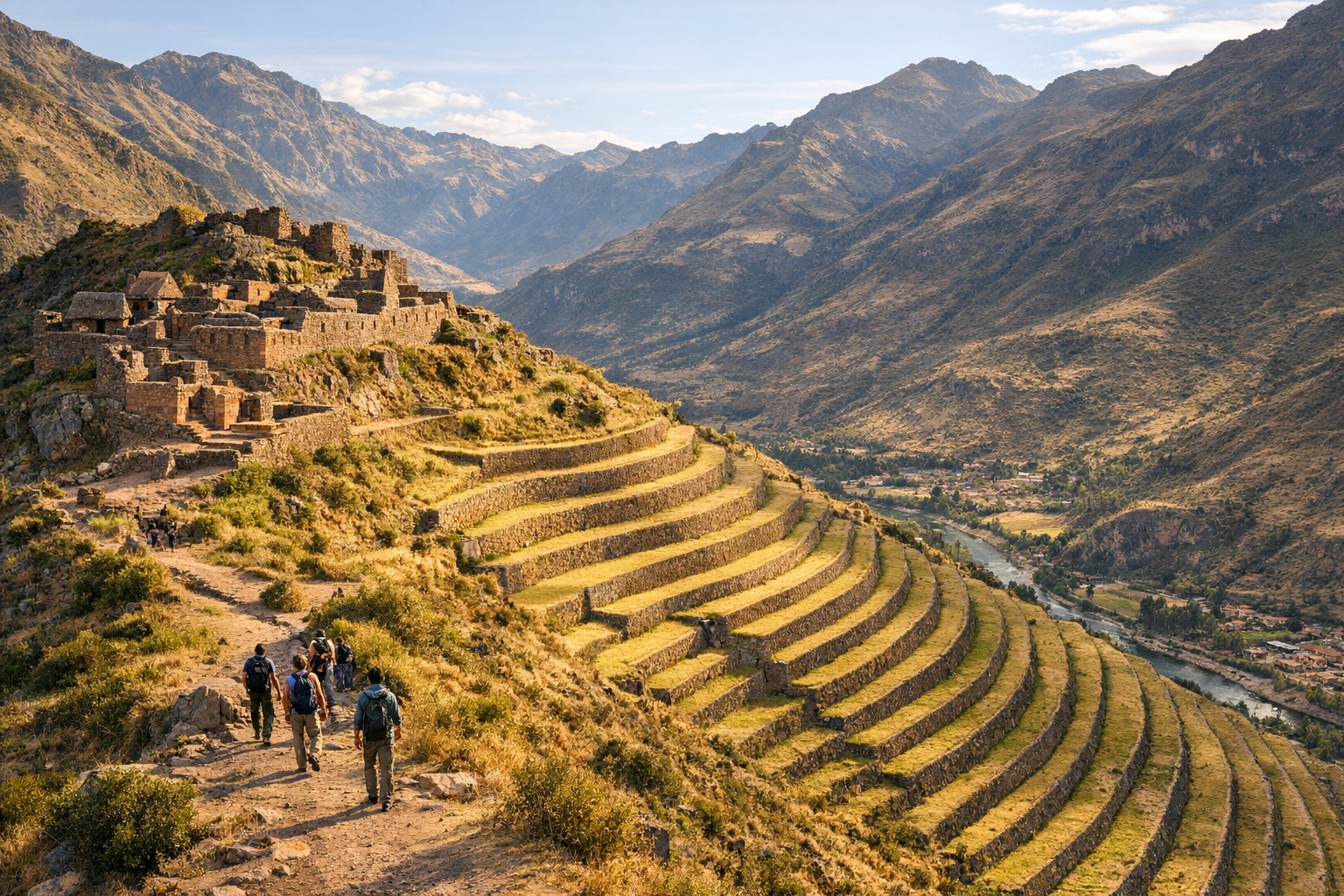
Set where the Kitamayo gorge opens onto the Sacred Valley floor 33 kilometers northeast of Cusco, Pisac offers two entirely distinct encounters with Peru in a single stop. High above the valley, the Inca citadel spreads across a mountain ridge in a series of precisely terraced platforms, sun temples, and ceremonial spaces that rank among the finest Inca construction in the Sacred Valley. Below, the colonial town hosts one of Peru’s most celebrated artisan markets, where vendors from dozens of Andean communities converge with textiles, ceramics, and silver work that sustains a living craft tradition stretching back to Inca times.
The conjunction of these two experiences makes Pisac the essential first stop on any Sacred Valley itinerary. Visiting the ruins early in the morning before tour groups arrive from Cusco, then descending to browse the market through midday, produces a satisfying arc from ancient to living culture within a compact half-day. This guide covers both the archaeological zone and the market, with practical advice on transport from Cusco, ticket logistics, and how to sequence Pisac within a broader Sacred Valley journey.
History: The Valley’s Eastern Guardian
Pre-Inca Settlement (Before 1440 CE)
The Pisac Valley had been inhabited by Quechua-speaking communities long before the Inca expansion. Local chiefdoms controlled the terraced hillsides and the access route between the Sacred Valley floor and the high puna grasslands above. The Incas found an already-organized agricultural landscape when they entered the valley — the extensive terrace systems visible today built upon and greatly extended existing pre-Inca earthworks.
Inca Construction Phase (c. 1440–1500 CE)
Emperor Pachacuti developed Pisac as one of his royal estates — the same building campaign that transformed Ollantaytambo at the valley’s western end and Machu Picchu on the mountains to the northwest. The citadel complex served multiple functions simultaneously: an administrative center regulating traffic along the valley road, an agricultural station cultivating maize at altitude for ritual use, a religious center focused on solar and celestial observation, and a fortified position controlling the Kitamayo gorge route into the highlands. The Pisaqa sector — the citadel’s highest and most elaborately constructed precinct — shows the same quality of fitted-stone ashlar masonry found at Machu Picchu and Ollantaytambo.
The Cemetery and Mummy Tradition (15th–16th Century)
The cliffs below the citadel contain what was once the largest Inca cemetery in the Sacred Valley — thousands of burial niches carved into the rock face of the Tankanamarka (literally “many bones” in Quechua) sector. Spanish colonial authorities ordered the mummies removed and reburied in Christian ground during the 16th century, eliminating the primary population of the cemetery. What remains are the carved niches themselves — visible by the hundreds across the cliff face below the modern road. The scale of the cemetery suggests Pisac may have served as a regional burial center for Inca nobility and administrators.
Modern Period and Market Origins
The colonial town was established in the valley bottom by Spanish authorities relocating the indigenous population from the hillside communities. The market that now defines Pisac’s tourism began as a practical regional fair. It gained international recognition during the 20th century as interest in Andean crafts grew, and today operates three days a week (Sunday being the largest), drawing vendors from communities throughout the Sacred Valley and beyond.
The Key Monuments: What to See at Pisac
The Pisaqa Sector: Sun Temple and Intihuatana
The Pisaqa sector forms the citadel’s religious and ceremonial heart. Its centerpiece is a beautifully preserved curved wall that scholars identify as the Sun Temple (Templo del Sol) — a semicircular structure facing northeast to capture the solstice sunrise, built with the finest coursed-ashlar masonry at the site. Adjacent stands the Intihuatana stone — a carved granite pillar used as an astronomical clock and sun-catching device, one of only a few in Peru that survived Spanish destruction of “pagan idols.” The sector also includes multiple storage buildings (qollqas) arranged on the ridgeline above for maximum ventilation and temperature control — a sophisticated Inca solution for high-altitude food storage.
The Inca Terraces (Andenes)
The most visually dramatic element of Pisac from the valley floor is the cascade of agricultural terraces that cover the mountainside in concentric stone-faced steps. At Pisac, these andenes are particularly well-preserved and span an exceptional elevation range — from the valley floor at approximately 2,970 meters to the citadel ridge at 3,400 meters. The terraces were not merely functional agricultural infrastructure but performed aesthetic and cosmological roles: their careful orientation and spacing created a landscape inscription of Inca order across the natural mountain. Walk along the terrace edges for vertiginous views down the valley.
Kallaqasa: The Fortress Sector
The Kallaqasa sector occupies Pisac’s most commanding defensive position, at the mountain’s northwest tip overlooking the junction of the Sacred Valley and Kitamayo gorge. Towers, gateways, and narrow defensive passages still stand here, including the remarkable Amaru Punku (Serpent Gate) — a trapezoidal doorway carved with relief serpents on the lintel. The sector’s walls are less elaborate than Pisaqa but structurally impressive; some walls retain their original coursing to nearly full height.
The Inca Cemetery Cliff
The Tankanamarka cemetery is visible from the main road below the citadel as a series of dark rectangular openings cut into the reddish cliff face. Up close, the carved niches vary in size from small alcoves to full chambers, each originally housing a mummified individual with grave goods. Hundreds remain; thousands were disturbed or destroyed in the colonial period. The sheer density of niches over such an extensive cliff face communicates the demographic and spiritual scale of the community that Pisac served.
Getting There: Transportation and Access
Pisac sits 33 kilometers northeast of Cusco along the Urubamba River valley road — the most accessible of the major Sacred Valley archaeological sites.
From Cusco
- Colectivo: Depart from Puputi Street (near the Cusco central market), 3–4 PEN ($0.80–1.10 USD), 45–60 minutes. Most convenient and frequent morning service.
- Taxi: 40–60 PEN ($11–16 USD) one-way; most convenient for early morning arrivals before colectivos fill.
- Organized tour: Standard Sacred Valley day tours include Pisac as their first stop (90–180 PEN / $25–49 USD including guide and lunch).
From Ollantaytambo or the Wider Sacred Valley
Colectivos connect Pisac to Urubamba town (the valley’s transportation hub) and then onward to Ollantaytambo. The Pisac-to-Ollantaytambo journey takes approximately 1.5 hours by this combined route. Taxi service between major valley towns is readily available.
Admission and Hours
The Pisac archaeological zone is covered by the Boleto Turístico del Cusco (BTC) partial circuit (70 PEN / ~$19 USD, valid 2 days). Tickets sold at the BTC office in Cusco (Avenida del Sol 103) or at the Pisac ticket window near the base of the ruins road. The site is open 07:00–17:30 daily. Sunscreen and water are essential — there is minimal shade across the terrace circuits and temperatures can be high at midday.
When to Visit: Seasonal Considerations
Spring (September–November)
September and October offer an outstanding balance of clear skies, post-rainy-season greenery, and manageable crowds. The citadel terraces glow with recently watered vegetation. October light is warm and clear — the best photography conditions of the year. Temperatures: 12–20°C (54–68°F).
Summer (June–August)
Peak dry season brings reliable clear skies and the finest mountain views from the citadel. Temperatures range 8–22°C (46–72°F) with cool mornings. The Sunday market reaches its maximum size and international visitor density during July and August. Arrive at the archaeological zone by 08:00 to precede the morning tour rush.
Autumn (March–May)
April and May mark the transition from rainy season — the vegetation is at its most vivid green, and the Urubamba runs fast and full. Crowd levels are lower than peak season, and the market operates with more local participation relative to tourist volume. March may bring afternoon showers; lightweight rain gear is advisable.
Winter (December–February)
The wet season makes the open terrace paths slippery and can obscure the mountain views that define the citadel visit. However, the market continues year-round, and December sees the Christmas and Epiphany celebrations in Pisac town with traditional Andean processions. Heavy rain is most common January–February; mornings are often clearer than afternoons.
Combining Pisac with the Sacred Valley
Pisac serves naturally as the starting point of the eastbound-to-westbound Sacred Valley circuit, taking advantage of the morning light on the citadel’s north-facing terraces.
Arrive at the archaeological zone by 07:30–08:00 and spend the first 2 hours climbing through the Pisaqa sector, spending time at the Sun Temple and Intihuatana stone before descending through the terrace circuits. By 10:00, take the road down to the valley floor and spend an hour browsing the market — particularly the textile section where Chinchero community weavers often set up on Sunday mornings. Lunch at one of Pisac’s modest restaurants on the plaza by 11:30, then transfer the 34 kilometers westward to Urubamba town for a brief stop before reaching Ollantaytambo by early afternoon. The fortress there opens until 18:00, allowing 2–3 hours of exploration before the return drive to Cusco.
This sequence gives each site its appropriate depth while completing the full day comfortably. Visitors primarily interested in the market can reverse the order — browse in the morning and visit the ruins in the afternoon when crowds thin.
Travelers staying in Pisac overnight gain an additional advantage: dawn access to the upper terraces in near silence before day tours arrive from Cusco. That early window is ideal for photography and for understanding the site’s spatial logic without crowd pressure. Local guides in town can also lead alternative approaches that connect lower agricultural sectors many visitors miss.
Why Pisac Matters
Pisac is where the Sacred Valley’s dual identity becomes most clearly visible. The ruins above represent the Inca Empire at its most expansive and organized — an administrative machine that could terrace entire mountainsides, track celestial events with stone instruments, and store harvests in quantities sufficient to feed armies and sustain entire provinces through poor harvests. The market below represents the continuation of that organizational culture through five centuries of colonialism, independence, and modernization: the same communities, many of the same craft traditions, the same web of exchange across altitude zones that the Incas formalized into an empire.
Standing on the Pisaqa terrace, looking down the full length of the Sacred Valley with the Urubamba River glinting far below and the snow-capped peak of Nevado Chicón to the northeast, you grasp the Inca talent for finding the right place and doing something extraordinary with it. Pisac rewarded that talent. It rewards your visit too.
Pisac is also one of the best places in Peru to understand how Inca engineering solved practical problems with elegant form. Terracing here was not merely aesthetic; it stabilized steep slopes, created microclimates for crops, and controlled water runoff in a terrain prone to seasonal extremes. The same logic appears in the road alignments, storage sectors, and ceremonial platforms above town. Every structure serves both function and meaning.
That duality is what makes Pisac so resonant for modern visitors. You can spend the morning reading imperial strategy in stone, then spend the afternoon in the market seeing Andean continuity in textiles, foodways, and language. Few destinations offer that immediate bridge between archaeological evidence and living culture. If your goal in the Sacred Valley is to move beyond postcard viewpoints and into a fuller understanding of Inca civilization, Pisac is one of the strongest and most accessible places to do it.
There is also a practical reason seasoned Peru travelers value Pisac so highly: it is one of the most legible Inca sites for understanding administrative scale without the intense logistics of Machu Picchu entry windows. You can trace military lookouts, agricultural zones, ceremonial sectors, and settlement remains in a single coherent climb. That clarity makes Pisac exceptionally useful for first-time visitors who want a deep interpretive experience, but it remains rewarding for repeat travelers because the mountain light, valley weather, and market rhythms change the atmosphere every time.
When approached with time and curiosity, Pisac becomes more than a stop between Cusco and Ollantaytambo. It becomes a key to reading the Sacred Valley itself for first-time and repeat visitors alike. Give it an unhurried morning, and its terraces, temples, and market streets tell a complete story of continuity rather than ruins alone, across both stone and living tradition.
Quick Facts
| Attribute | Details |
|---|---|
| Location | Pisac, Sacred Valley, Cusco Region, Peru |
| UNESCO Status | Part of Cusco Historic Area (1983) |
| Established | c. 1440 CE (Inca royal estate) |
| Civilization | Inca Empire |
| Distance from Cusco | 33 km / ~45–60 min |
| Entry Fee | BTC Parcial: 70 PEN (~$19 USD) |
| Hours | 07:00–17:30 daily |
| Best Time | May–October; arrive 07:30–08:00 |
| Altitude | 2,970–3,400 m (9,744–11,155 ft) |
| Suggested Stay | 2–3 hours (citadel) + 1–2 hours (market) |
Explore More Peru
- Machu Picchu: The Inca Empire’s most famous monument, 80 km west in the mountains
- Ollantaytambo: Living Inca town and fortress at the valley’s western end
- Chinchero: Inca terraces and weaving village on the high plateau above Cusco
Plan your complete Sacred Valley journey with our Peru Ancient Sites Guide.
Frequently Asked Questions
How much time should I allow for Pisac?
The archaeological zone alone requires 2–3 hours. If combining with the town market, add 1–2 hours. A full Pisac experience covering the citadel, Inca cemetery, and market takes about 4–5 hours total. Most Sacred Valley day tours spend 2–2.5 hours here before continuing to Ollantaytambo.
What is the best time to visit Pisac?
Arrive at the archaeological zone by 08:00 to explore the citadel before the midday heat and tour buses. The Sunday market is the most famous (and most crowded); Tuesday and Thursday markets are smaller but more authentic to local trade. Outside market days, the town is quiet. Dry season (May–October) offers the clearest mountain views from the citadel.
Is Pisac included in the Boleto Turístico?
Yes. The Pisac archaeological zone is included in the Boleto Turístico del Cusco (BTC) partial circuit covering the Sacred Valley sites. The partial BTC costs 70 PEN (~$19 USD) and is valid for 2 days. Tickets must be purchased in advance from BTC offices in Cusco or at the Pisac ticket window — not at the site entrance.
How do I get from Cusco to Pisac?
Colectivos depart from Puputi Street near Cusco's central market, taking 45–60 minutes (3–4 PEN / ~$0.80–1.10 USD). Taxis cost 40–60 PEN (~$11–16 USD). The drive along the Urubamba Valley is scenic. Most Sacred Valley organized tours include Pisac as their first stop. Pisac is 33 km from Cusco.
What are the main highlights of the Pisac archaeological zone?
The site comprises four sectors: Pisaqa (the sun temple, intihuatana stone, and finest stonework), Kallaqasa (the fortress sector commanding the valley), Kanchisracay (agricultural terraces and residential compounds), and the vast Inca cemetery (Tankanamarka) on the cliff face with thousands of burial niches carved into the rock.
Is the Pisac market worth visiting?
The market is one of the best artisan markets in Peru for quality textiles, ceramics, and silver jewelry. Quality varies widely — take time to compare vendors and don't buy from the first stall. The best authentic textiles come from vendors from the Chinchero weaving communities; ask about dyeing and weaving processes to identify genuine handcrafted work.
Nearby Ancient Sites
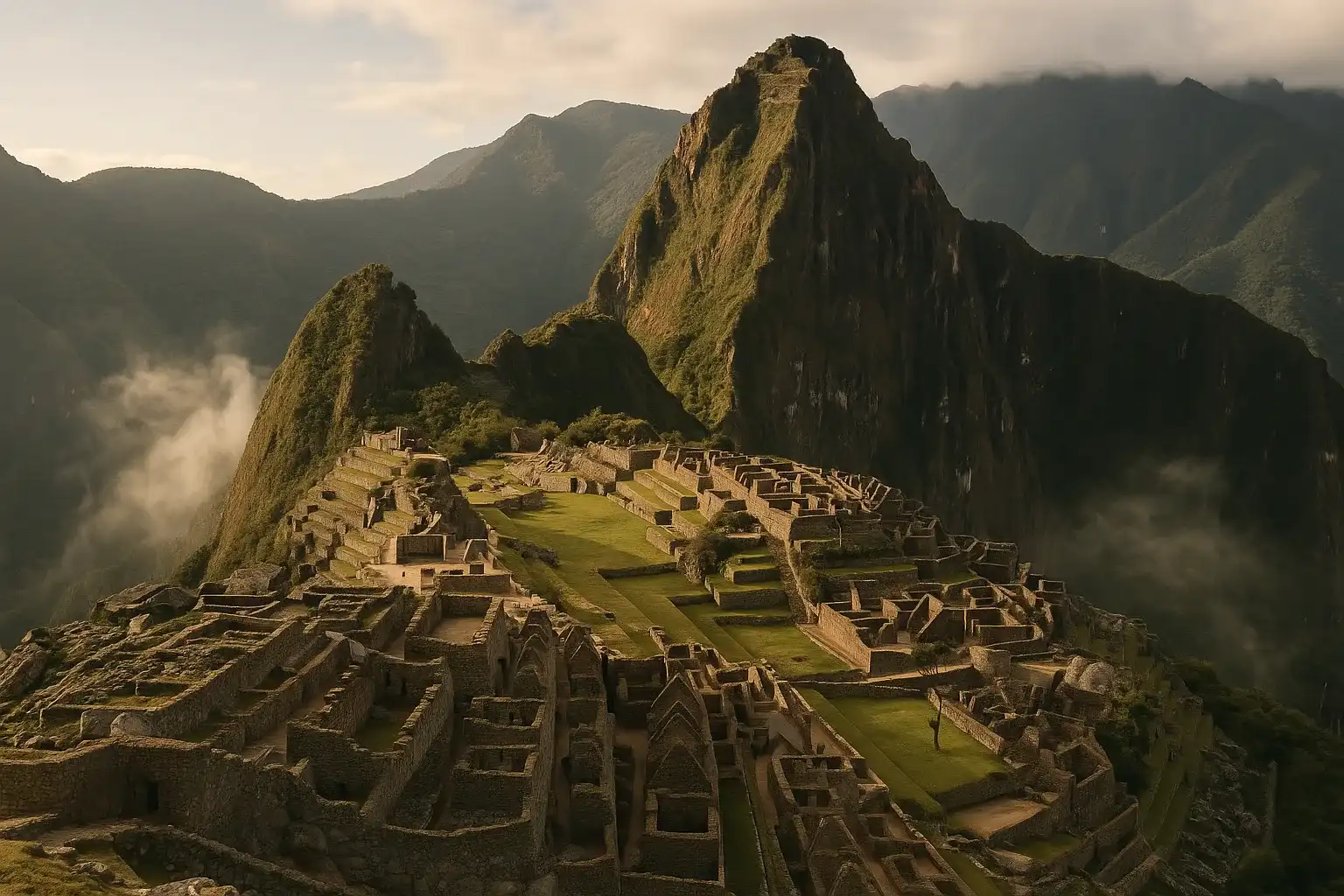
Machu Picchu Peru Travel Guide 2026: Circuits, Tickets & Entry Tips
Inca EmpireNavigate Machu Picchu's 2026 circuit system with our definitive guide. Learn how to choose your rout...
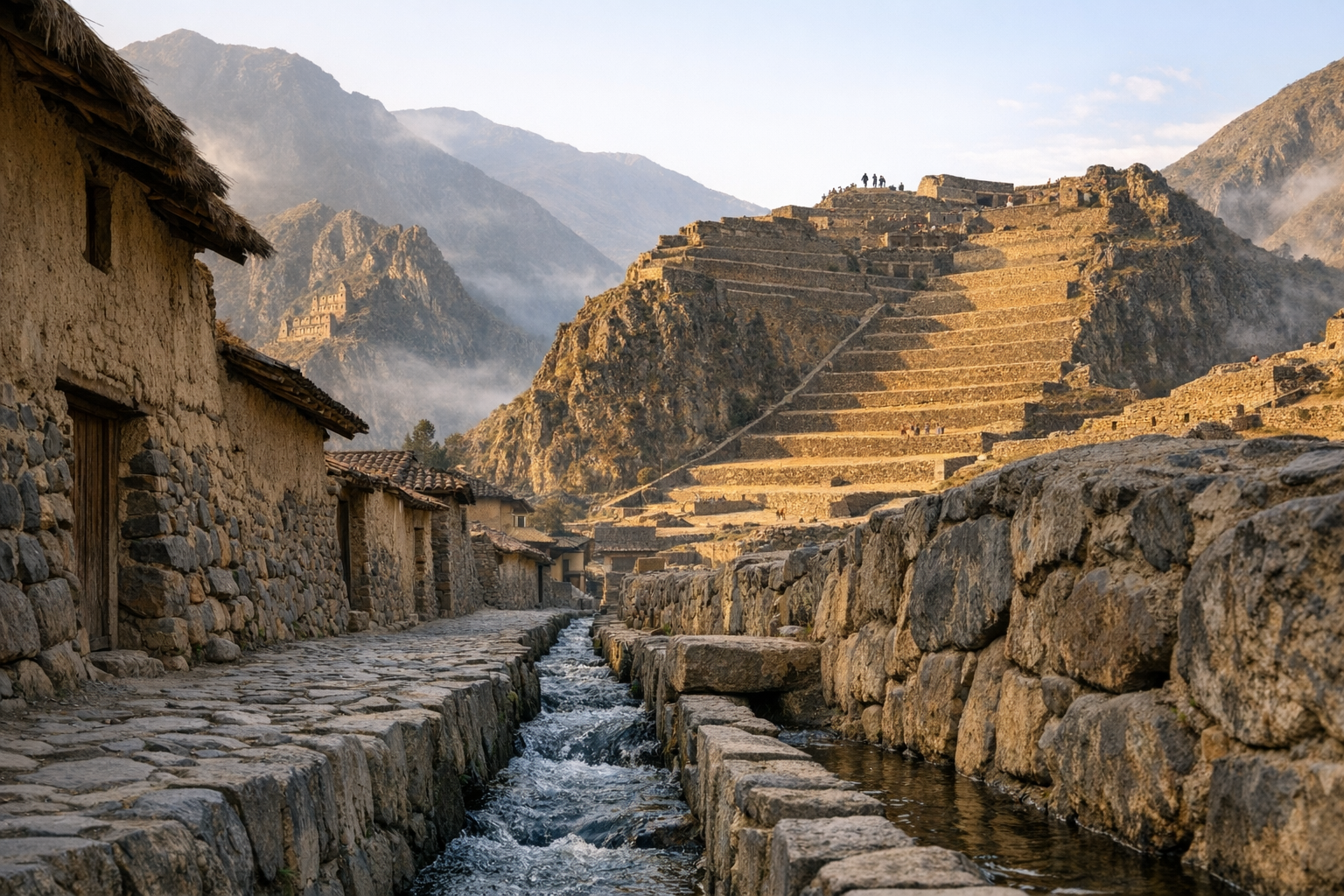
Ollantaytambo Peru Guide 2026: Inca Fortress & Sacred Valley Town
IncaVisit Ollantaytambo in Peru's Sacred Valley: explore the Inca fortress terraces, the Sun Temple, and...
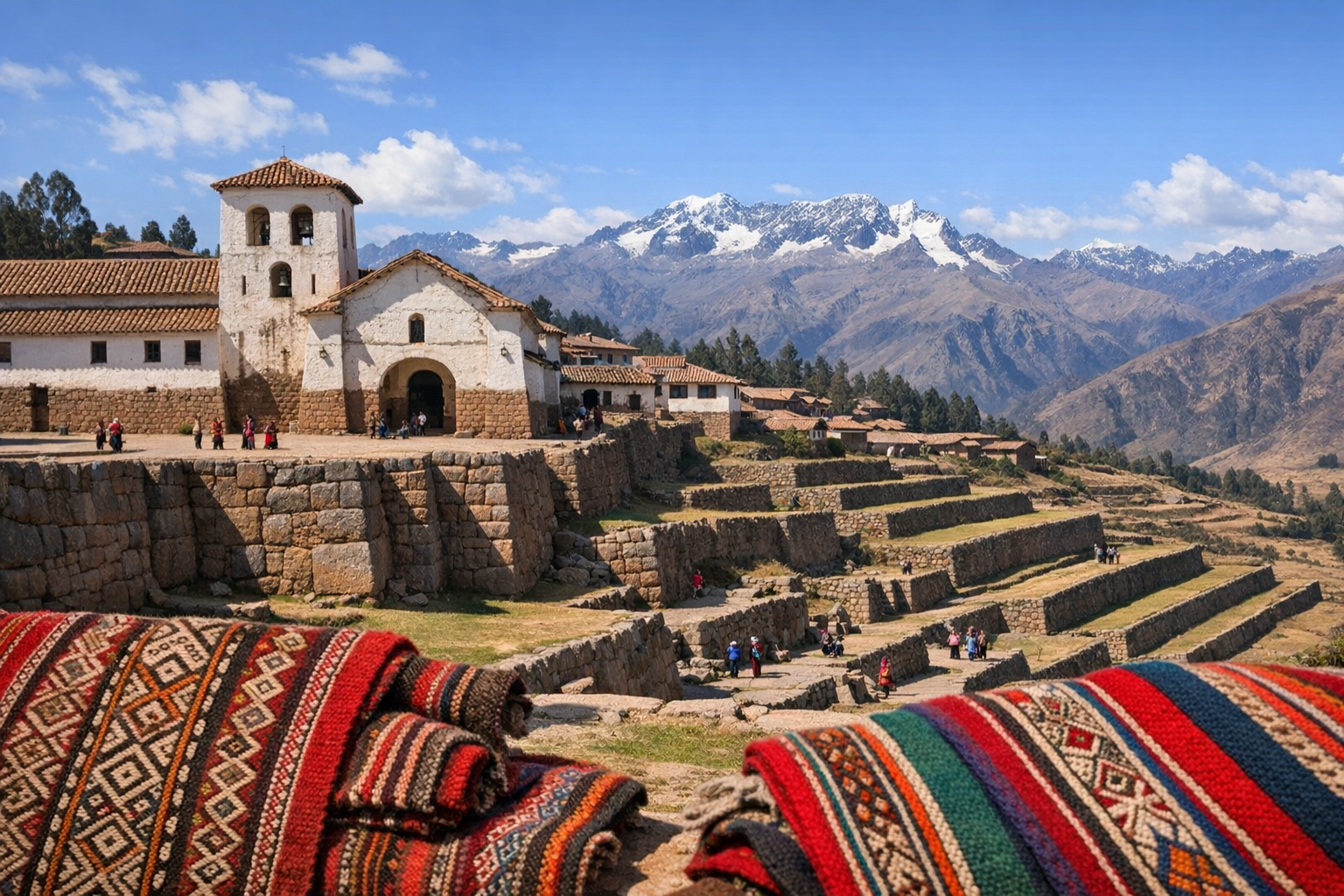
Chinchero Peru Guide 2026: Inca Terraces & Andean Weaving Village
IncaVisit Chinchero on Peru's high plateau above Cusco: Inca royal estate terraces, colonial church buil...