Quick Info
Curated Experiences
Pompeii Small Group Tour with an Archaeologist
Pompeii and Herculaneum Small Group Tour with an Archaeologist
Pompeii & Villa of Mysteries Small Group Tour with Archaeologist
Pompeii Italy Travel Guide: Frozen in Time, Complete 2026 Visitor Guide
On the morning of August 24, 79 CE, Pompeii was a thriving Roman city of 20,000 inhabitants—complete with bakeries, brothels, bathhouses, and elegant villas. By evening, it was buried under 4 to 6 meters of volcanic ash and pumice, victims of Mount Vesuvius’s catastrophic eruption. The city vanished from memory, preserved in its final moments like an insect in amber.
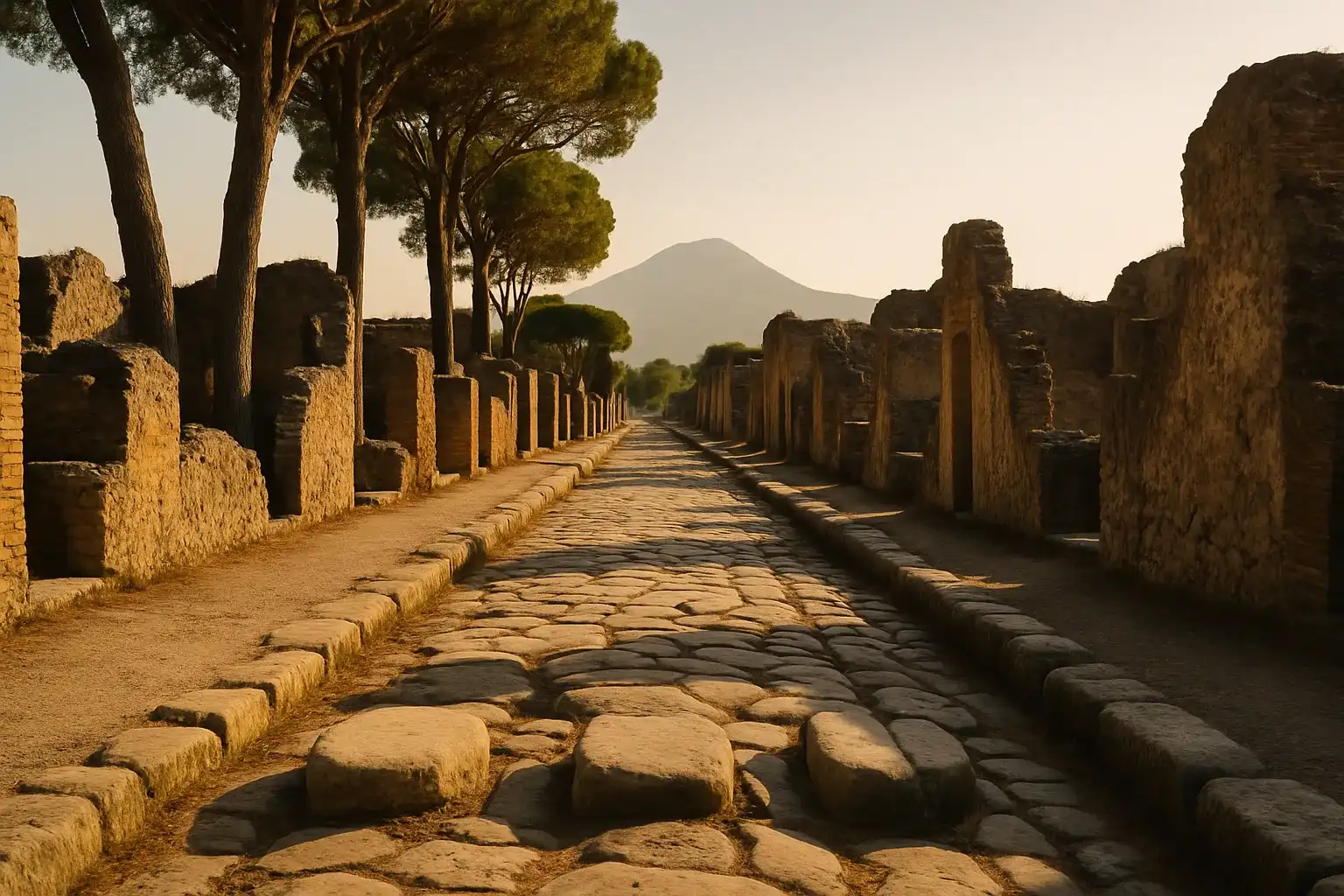
Today, Pompeii offers something no other ancient site can match: not merely ruins, but a complete ancient city frozen at a specific moment in time. Walk its paved streets and you encounter the ordinary and extraordinary details of Roman life—political graffiti scrawled on walls, ancient fast-food counters, exquisitely painted dining rooms, and the haunting plaster casts of Vesuvius’s victims, captured in their final moments of terror.
Visiting Pompeii requires strategy. The site sprawls across 170 acres—far too large to see comprehensively in a single day. The summer heat is brutal on exposed streets. And without context, the ruins can become a confusing jumble of similar-looking walls.
This guide will help you navigate Pompeii with purpose, ensuring your visit becomes an unforgettable journey into the ancient world rather than an exhausting march through anonymous rubble.
The City Frozen in Time
Before the eruption, Pompeii was a prosperous provincial city in the shadow of Vesuvius. Its location near the Bay of Naples made it a favored resort for wealthy Romans seeking coastal villas, while its fertile volcanic soil supported thriving agriculture—particularly wine production that was famous throughout the empire.
The earthquake of 62 CE had damaged the city significantly, and reconstruction was still ongoing when Vesuvius erupted seventeen years later. This partially repaired state adds to Pompeii’s poignancy—builders’ tools left in place, fresh plaster still drying, lives interrupted mid-task.
The eruption itself unfolded over approximately 24 hours. Initially, pumice stones rained down, causing some to flee while others sought shelter. Then pyroclastic flows—superheated gas and volcanic matter—swept through the city at devastating speed, killing those who remained instantly. The final death toll remains unknown but likely numbered in the thousands.
Pompeii lay buried and forgotten for over 1,500 years until systematic excavations began in the 18th century under the Bourbon kings of Naples. Today, it is Italy’s second most visited archaeological site (after the Colosseum) and a UNESCO World Heritage Site of incomparable importance.
Essential Logistics: Planning Your Visit
Getting to Pompeii (Naples vs. Sorrento via Circumvesuviana)
Most visitors reach Pompeii via the Circumvesuviana commuter rail line that circles the volcano, connecting Naples to Sorrento with Pompeii conveniently located midway.
From Naples: Trains depart from Napoli Centrale station (lower level, separate from mainline trains) approximately every 30 minutes. The journey takes 35-40 minutes. Get off at “Pompei Scavi - Villa dei Misteri” station, located directly across from the main entrance (Porta Marina).
From Sorrento: The train takes 25-30 minutes from Sorrento to Pompeii, making it an easy day trip from the Amalfi Coast. Again, use the “Pompei Scavi” station.
Important Notes on the Circumvesuviana: This is a local commuter train, not a tourist service. It can be crowded, occasionally unreliable, and attracts pickpockets. Keep valuables secure and allow flexibility in your schedule.
Alternative Transport:
- Private Drivers/Taxis: From Naples, expect to pay €80-120 each way. From Sorrento, approximately €60-80.
- Organized Tours: Day trips from Rome or Naples including transportation and guided tours eliminate logistical concerns.
- Rental Car: Parking is available near the site entrances, though navigating Italian traffic and parking can be stressful for visitors.
Tickets and Reservations (How to Avoid the Lines)
Standard Entry (€18): Provides access to the entire Pompeii site including all houses, public buildings, and exhibitions. Valid for one day.
Online Booking: Purchase tickets in advance through the official Pompeii website (pompeii.it) to skip the ticket office queues. During peak season (April-October), lines can exceed an hour, making online booking essential.
Guided Tours: Official guided tours can be booked on-site or in advance, offering expert interpretation and guaranteed entry. Private guides (booked through certified agencies) provide personalized experiences tailored to your interests.
Campania ArteCard: If visiting multiple sites in the region (Pompeii, Herculaneum, Naples National Archaeological Museum), this discount card offers significant savings plus skip-the-line privileges.
When to Go: Beating the Heat and the Crowds
Shoulder Seasons (March-May, September-November): The ideal times to visit Pompeii. Temperatures are comfortable (15-25°C), crowds are manageable, and the light is beautiful for photography. April and May see wildflowers blooming among the ruins.
Summer (June-August): Brutal heat and intense crowds make summer visits challenging. If visiting during these months, arrive at 8:30 AM opening and plan to leave by early afternoon. Temperatures regularly exceed 30°C, with minimal shade on the excavated streets.
Winter (December-February): Cool weather (10-15°C) and minimal crowds make winter an appealing option, though occasional rain can make the ancient stone paths slippery. The site feels particularly atmospheric on misty days.
Daily Timing: Arrive at opening (8:30 AM) for the most pleasant experience. The site grows progressively more crowded and hotter as the day progresses. Friday afternoons tend to be quieter than other days.
Must-See Landmarks of Pompeii
The Forum: The Heart of the City
Every Roman city centered on its forum, and Pompeii’s is exceptionally well-preserved. This rectangular plaza served as the commercial, religious, and political heart of the city, surrounded by temples, markets, and public buildings.
Key Features:
- The Basilica: Pompeii’s law court and commercial exchange, with its soaring columns still standing
- The Temple of Jupiter: Dominating the forum’s north end with Mount Vesuvius visible behind it
- The Macellum: The covered meat and fish market with a central tholos (round structure) likely for sacred purposes
- The Temple of Apollo: Among Pompeii’s oldest structures, with copies of the original bronze statues still in place
Stand in the forum’s center and imagine the bustling scene on that August morning—merchants shouting their wares, politicians giving speeches, priests leading processions to the temples. This was the stage upon which Pompeian public life unfolded.
The Lupanar: Ancient Roman Life Behind Closed Doors
Pompeii’s largest brothel offers unvarnished insight into ancient Roman sexuality. The small rooms with stone beds and explicit frescoes above the doorways (advertising the services offered) demonstrate how matter-of-factly Romans approached prostitution.
While some visitors find the Lupanar uncomfortable, it represents an authentic aspect of urban Roman life that most archaeological sites ignore. The graffiti scratched into walls by both prostitutes and clients provides candid, sometimes humorous, glimpses into ancient desires and commerce.
Note: The Lupanar is often crowded with tour groups and has restricted access—expect to wait briefly for entry during peak times.
The Villa of the Mysteries: Exquisite Frescoes
Located outside Pompeii’s walls (a 15-minute walk from the main site), the Villa of the Mysteries houses the most spectacular frescoes surviving from the ancient world. This large suburban villa contains a room completely covered with a continuous frieze depicting what appears to be an initiation ritual into the mysterious cult of Dionysus.
The figures are life-sized, the colors remarkably preserved, and the narrative compelling even to modern viewers unfamiliar with ancient mystery religions. The villa also demonstrates the luxurious lifestyle enjoyed by Pompeii’s wealthy elite—spacious rooms, elegant gardens, and views across the Bay of Naples.
Do not miss this. The walk deters many visitors, meaning you’ll often have the villa relatively to yourself, and the frescoes alone justify a trip to Pompeii.
The Amphitheatre and the Palaestra
Pompeii’s amphitheater, built in 70 BCE, is the oldest surviving stone amphitheater in the Roman world. It seated 20,000 spectators—more than the city’s population—for gladiatorial games that were essential to Roman popular culture. The structure is remarkably intact, allowing visitors to appreciate the engineering that created these entertainment venues.
Adjacent lies the palaestra, a large exercise ground surrounded by colonnades where young Pompeians trained and socialized. The central pool provided swimming and cooling on hot days. Together, these structures illustrate the importance of physical culture and public entertainment in Roman urban life.
Other Essential Houses
The House of the Vettii: Recently reopened after extensive restoration, this wealthy merchants’ home contains some of Pompeii’s finest frescoes, including explicit scenes that were controversially covered during previous display periods.
The House of the Faun: Named for the bronze dancing faun statue found in its impluvium (rain-catching pool), this is Pompeii’s largest and most luxurious residence, covering an entire city block.
The House of the Tragic Poet: Famous for its “Cave Canem” (Beware of Dog) mosaic at the entrance and its well-preserved tablinum (reception room) frescoes depicting scenes from mythology.
The Stabian Baths: The best-preserved bath complex in Pompeii, demonstrating the sophisticated heating and plumbing systems Romans enjoyed. The caldarium (hot room), tepidarium (warm room), and frigidarium (cold room) are all clearly identifiable.
Suggested Itineraries: Making the Most of Your Day
The 3-Hour “Highlights” Tour
For visitors with limited time, this focused route captures Pompeii’s essence:
- Enter via Porta Marina, stopping at the Baths of the Forum to understand Roman bathing culture
- Walk to the Forum, getting oriented to the city’s layout and central institutions
- Visit the House of the Faun and House of the Vettii to see elite domestic architecture
- Explore the Amphitheatre and Palaestra for public life
- Walk the Via dell’Abbondanza (Main Street) to see shops, restaurants, and ordinary houses
- Exit via Piazza Anfiteatro or return to Porta Marina
The Full-Day Roman Deep Dive
For those wanting comprehensive exploration:
Morning (4 hours): Follow the Highlights Tour above, adding the Lupanar, Stabian Baths, and Temple of Isis. Take a mid-morning break at the on-site café.
Afternoon (3-4 hours): Walk to the Villa of the Mysteries (allow 45 minutes each way plus visit time). Return through the Necropolis (cemetery) outside the Herculaneum Gate. Visit the Theater District and Temple of Apollo before exiting.
This itinerary covers approximately 8-10 kilometers of walking on uneven stone surfaces—sturdy footwear is essential.
Beyond the Walls: Pairing Pompeii with Vesuvius
The volcano that destroyed Pompeii remains an active presence, and many visitors choose to combine their archaeological exploration with a trek to Vesuvius’s crater.
Getting There: Shuttle buses run regularly from Pompeii Scavi station to the Vesuvius trailhead (approximately 45 minutes). The trail to the crater rim takes 20-30 minutes of moderate uphill walking.
At the Crater: Peer into the steaming caldera that produced the eruption of 79 CE. Guides at the rim explain the volcano’s geology and history. On clear days, the views across the Bay of Naples are spectacular.
Practical Considerations:
- The trail is steep and exposed—sun protection and water are essential
- Vesuvius has a separate entrance fee (approximately €10-15 including shuttle)
- Weather conditions can close the trail—check before planning your combined visit
- The combination makes for a long, strenuous day; consider whether you have the energy for both
Alternative: Consider visiting Herculaneum instead of or in addition to Vesuvius. This smaller site, also destroyed in 79 CE, offers better preservation in some areas and fewer crowds than Pompeii.
Practical Tips for a Smooth Visit
Footwear, Water, and Sun Protection
Shoes: Pompeii’s streets are paved with rough basalt stones that are hard on feet and treacherous when wet. Sturdy walking shoes with thick soles and good grip are essential—sandals or fashion sneakers will leave you miserable.
Water: There are limited water fountains within the site. Bring more water than you think you need, especially in summer. The café near the forum sells beverages at inflated prices.
Sun Protection: Minimal shade exists on Pompeii’s excavated streets. Wide-brimmed hats, sunglasses, and SPF 50+ sunscreen are essential, particularly April through October.
Guided Tours vs. Self-Exploration
Guided Tours: Professional guides bring Pompeii to life with stories, historical context, and insights you’d never discover independently. Tours typically last 2-3 hours and cover major highlights. Book official guides at the entrance or arrange private tours in advance.
Self-Exploration: Audio guides (available at the entrance in multiple languages) offer flexibility to move at your own pace. Alternatively, research key sites beforehand and use a good guidebook or app.
Hybrid Approach: Many visitors join a guided tour for the first 2 hours to get oriented and learn key stories, then explore independently for the remainder of their visit.
Accessibility Notes
Pompeii’s ancient streets pose challenges for visitors with mobility limitations. Uneven stones, high curbs, and lack of ramps make wheelchair access difficult. The site offers a “Pompeii for All” accessible route covering limited areas with improved surfaces.
Visitors with walking difficulties should consider focusing on the Forum area and hiring a guide who can suggest the most accessible routes.
Why Pompeii Still Captivates
Two thousand years after Vesuvius entombed this city, Pompeii remains uniquely powerful among ancient sites. The sheer scale of preservation, the intimate details of daily life frozen in place, and the haunting presence of Vesuvius looming in the background create an experience that transcends ordinary tourism.
Walking these streets, you don’t merely observe ancient Rome—you inhabit it. You see where ordinary people bought bread, where they relaxed in baths, where they sought pleasure and conducted business. The plaster casts of victims in their final moments remind you that these were real people with hopes and fears not so different from your own.
Pompeii rewards preparation. Know what you want to see. Understand the layout. Wear proper shoes and bring adequate water. Consider hiring a guide to unlock the stories hidden in the walls. But most importantly, come with imagination and empathy—willing to step back in time and walk among the Romans whose lives were so abruptly interrupted on that August day.
The city awaits, frozen in time, ready to reveal its secrets to those who approach with curiosity and respect. Enter the gates. Walk the ancient streets. And remember that Mount Vesuvius, though quiet now, still watches over the city it both destroyed and preserved.
Pompeii is calling. Answer its invitation.
Quick Facts
| Attribute | Details |
|---|---|
| Location | Naples, Campania, Italy |
| Country | Italy |
| Region | Campania |
| Civilization | Roman Empire |
| Historical Period | c. 79 CE eruption |
| Established | c. 6th-7th century BCE |
| Coordinates | 40.7489, 14.4989 |
Explore More Ancient Wonders
- Colosseum: Rome’s greatest amphitheater
- Paestum: Europe’s best-preserved Greek temples in Italy
- Ephesus: The magnificent Roman city on Turkey’s Aegean coast
- Jerash: The best-preserved Roman city in the Middle East
Plan your complete Italy adventure with our Italy Ancient Sites Guide. Learn about photographing ruins and budget archaeological travel.
Frequently Asked Questions
How long do you need in Pompeii?
A minimum of 3-4 hours allows you to see major highlights. A full day (6-8 hours) permits more thorough exploration including the Villa of the Mysteries. Two days would allow comprehensive coverage, but most visitors find one intensive day sufficient.
What is the best time to visit Pompeii?
March-May and September-October offer ideal weather with manageable crowds. Summer visits are possible but should start at 8:30 AM opening to avoid extreme heat and crowds.
How much are tickets to Pompeii?
Standard admission is €18. Online booking is strongly recommended to skip ticket lines. The Campania ArteCard offers savings if visiting multiple regional sites.
Is Pompeii stroller or wheelchair friendly?
Generally no. The ancient streets are uneven basalt stones with high curbs. A limited accessible route covers some major areas, but full site exploration requires walking capability.
Can I visit Vesuvius and Pompeii on the same day?
Yes, regular shuttle buses connect Pompeii to the Vesuvius trailhead. The combination makes for a long, active day. Consider your energy levels and the weather before attempting both.
Should I visit Pompeii or Herculaneum?
If time allows, both are worthwhile. Pompeii offers the complete city experience at grand scale. Herculaneum provides better preservation of organic materials and fewer crowds. First-time visitors should prioritize Pompeii; repeat visitors will love Herculaneum's intimate scale.
Nearby Ancient Sites
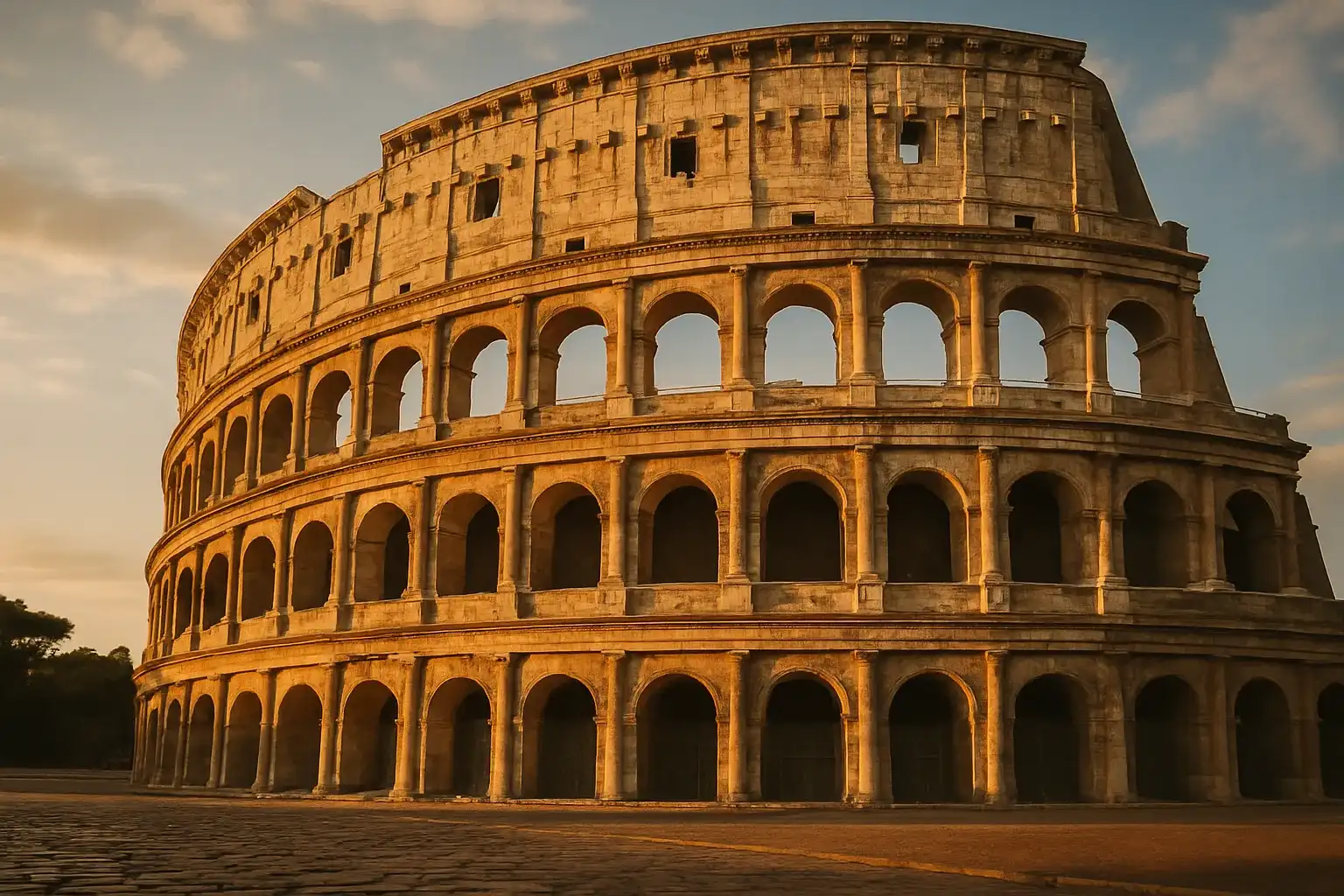
Colosseum Rome: Complete 2026 Guide to Arena Floor, Tickets, and Timing
Roman EmpirePlan the perfect Colosseum visit with timed-entry strategy, Arena Floor and underground access tips,...
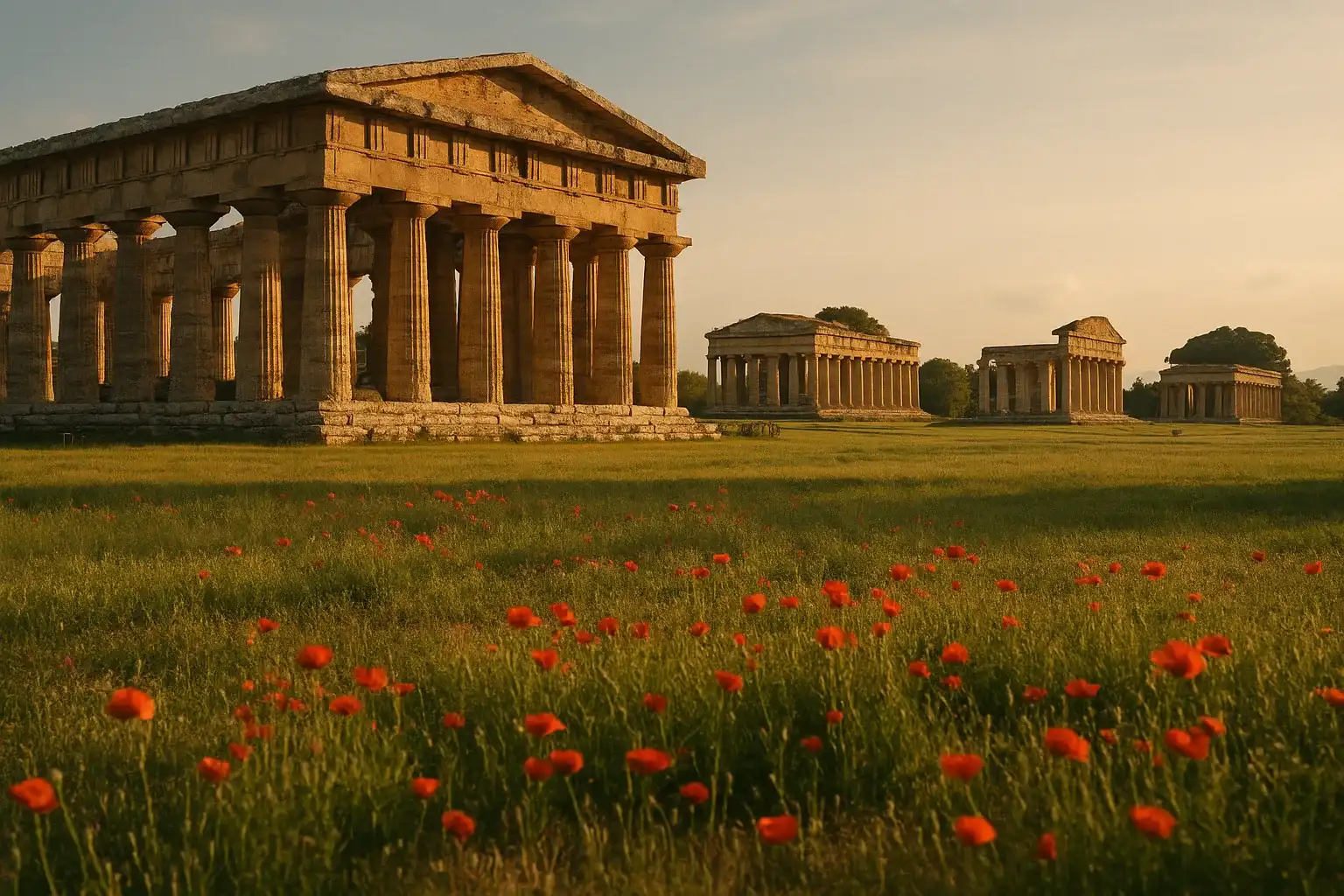
Paestum: Europe's Best-Preserved Greek Temples on Italy's
Ancient Greek / RomanDiscover Paestum's magnificent Greek temples, the Tomb of the Diver, and buffalo mozzarella farms on...