Quick Info
Curated Experiences
Lima Archaeology Tour: Puruchuco and Huaca Pucllana
Private Lima Ancient Sites: Puruchuco, Pachacamac and Museum
Lima Cultural Day Trip with Puruchuco and Historic Center
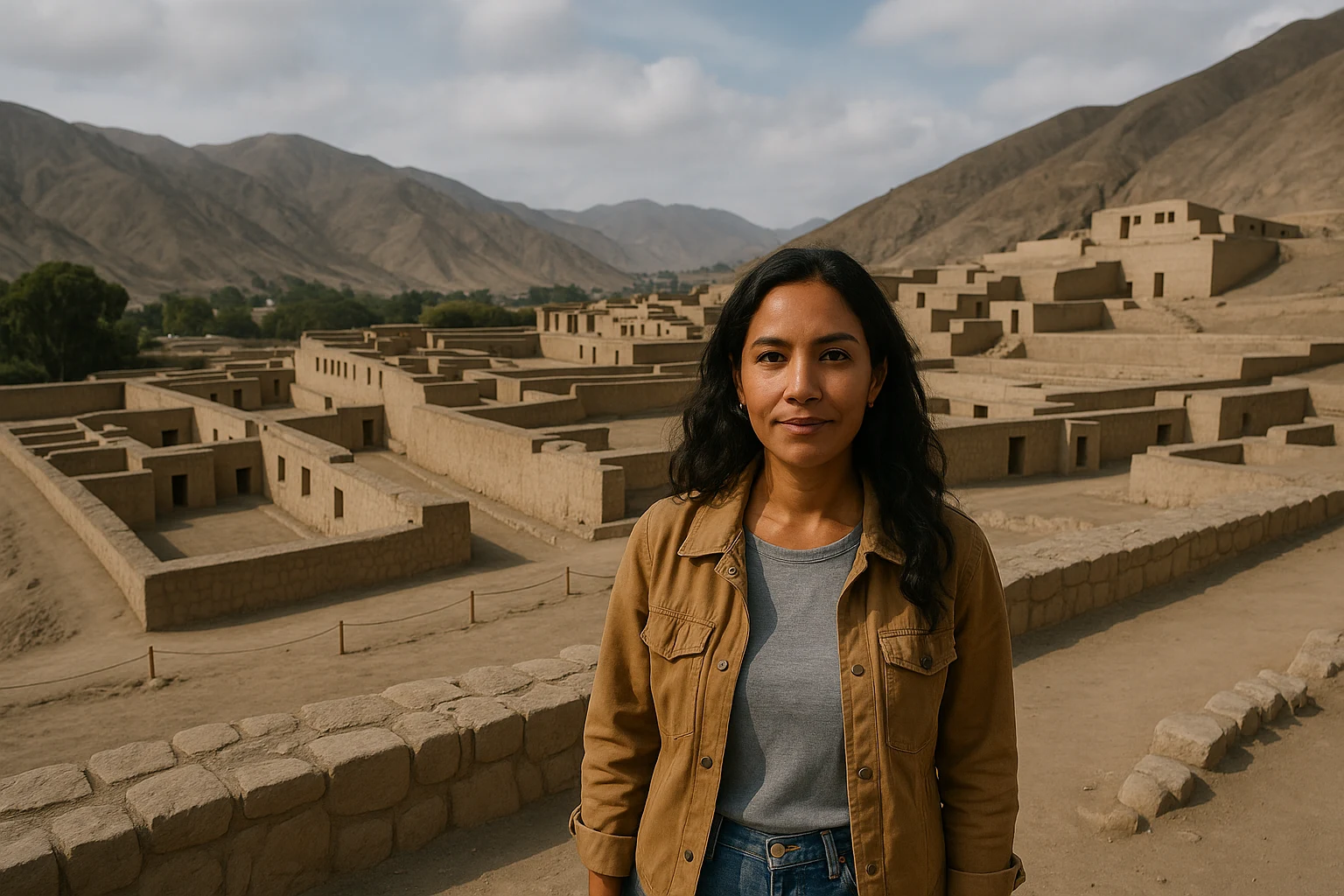
In the eastern sprawl of Lima, where highways, markets, and modern districts overlap old irrigation valleys, Puruchuco, Peru feels like a deliberate interruption in time. Behind its adobe walls sits one of the clearest surviving examples of an Inca provincial palace on the coast: not a mountaintop citadel, not a ceremonial giant in open desert, but a working seat of governance built for a local lord under imperial authority. You enter through low passageways, step into controlled courtyards, and quickly sense that this place was designed to manage people, goods, and ritual all at once. It is intimate compared with Peru’s monumental icons, but that intimacy is exactly why it matters.
For travelers who want to understand how empire functioned beyond royal capitals, Puruchuco fills a gap that Machu Picchu and Cusco alone cannot cover. Here, the story is administrative: tax labor, stored food, local ceremony, and the choreography of power at neighborhood scale. The attached museum deepens that story with textiles, ceramics, quipus, and burials from the surrounding valleys, making this one of Lima’s most educational archaeological combinations in a single stop. This guide walks you through Puruchuco’s history, the monuments and features worth your attention, practical logistics from across Lima, seasonal timing, and the best way to combine the site with a wider coastal Peru itinerary.
History: A Palace Between Local Power and Imperial Rule
Before the Inca: valley societies of the central coast (c. 1000-1400 CE)
Long before Inca administrators arrived, the Rímac basin and neighboring valleys supported dense farming populations connected by canals, exchange routes, and local ritual centers. The culture often associated with late pre-Inca occupation in this zone is the Ychsma tradition, known from large complexes such as Pachacamac and from smaller administrative nodes spread through what is now metropolitan Lima. These societies understood coastal ecology in practical detail: where to channel water, where to plant, and where to build raised compounds that could supervise production and movement. By the time imperial expansion pushed toward the coast, the region was already organized, populated, and politically meaningful. Puruchuco would later stand on that foundation rather than replacing it outright.
Inca incorporation and the curaca’s seat (c. 1450-1532 CE)
As the Inca Empire absorbed Peru’s central coast in the fifteenth century, it relied on a familiar strategy: integrate local elites into imperial structures while asserting new administrative order. Puruchuco is widely interpreted as the residence and governing compound of a local curaca—a hereditary lord who mediated between imperial obligations and local communities. The architecture reflects that role. Its layered courts, controlled access points, and service zones indicate a compound built for meetings, storage, redistribution, and ceremony, not merely domestic life. Tribute goods likely passed through its storerooms, labor assignments were probably coordinated here, and ritual obligations would have reinforced legitimacy in front of local populations. In short, Puruchuco shows the empire as process, not just as monument.
Early colonial rupture and altered landscapes (16th-19th centuries)
Spanish conquest transformed coastal governance rapidly. Existing elite compounds lost their original functions as colonial institutions redrew authority and land rights, and many pre-Hispanic sites across Lima’s valleys were quarried, neglected, or absorbed into hacienda boundaries. Puruchuco survived in fragmentary form partly because of its location and partly because adobe architecture can become visually subtle when eroded into surrounding terrain. Over centuries, agricultural and urban expansion closed in around the site. Like many Andean ruins near growing cities, Puruchuco spent a long period as a known but under-protected place whose archaeological value was clearer to scholars than to planners.
Archaeology, restoration, and public interpretation (20th century-present)
Modern archaeological work in the twentieth century changed Puruchuco’s fate. Investigations clarified the site’s Inca-period administrative identity and recovered material evidence that connected the compound to broader valley systems. Restoration efforts stabilized walls and circulation routes so visitors could read the architecture without destroying it, while the site museum assembled one of Lima’s most instructive small collections for late pre-Hispanic coastal life. Today Puruchuco stands as both excavation and interpretation: a site where researchers continue to refine chronology and function, and where travelers can see how provincial authority operated in real space. Its survival inside contemporary Lima is part of the lesson—ancient governance and modern urbanization sharing the same ground.
The Key Monuments: What to See at Puruchuco
The palace compound and central courtyards
The core of Puruchuco is its adobe palace complex, organized around nested courtyards that regulate movement and visibility. You do not encounter the space as one grand vista; instead, it reveals itself in stages, with walls and thresholds guiding where you can stand and what you can see. That is a political design choice. Administrative compounds across the Andes often choreographed encounter—petitioners waiting in one zone, officials circulating through another, and ritual performances centered where authority could be seen. At Puruchuco, those relationships remain legible. You can trace how circulation narrows near key entries, then opens into courts large enough for group gatherings. Photography is strongest in morning light, when wall textures and corner geometry stand out clearly.
Storage and service sectors
One of Puruchuco’s most revealing features is the network of secondary rooms interpreted as storage and service spaces. These are easy to overlook if you focus only on main courts, but they are central to understanding why the site mattered. Imperial and local governance depended on managing goods: food, textiles, craft output, and possibly labor-related supplies. The architecture suggests repeated handling, controlled access, and a practical relationship between storerooms and administrative areas. Even without surviving perishable contents, the layout itself tells you this was a working node in a larger economic system. Seen alongside other coastal sites, Puruchuco helps explain how authority moved from ritual statement to daily logistics.
Elevated platforms and ceremonial points
Within the compound, raised sectors and formalized spaces indicate where status and ceremony intersected. These are not monumental on the scale of major state temples, but their placement suggests intentional hierarchy: certain points offered better sightlines and symbolic centrality during gatherings. Inca governance in annexed regions often fused administrative tasks with ritual validation, and Puruchuco reflects that blended pattern. Standing in these elevated areas, you can imagine announcements, tribute acknowledgments, or calendrical observances unfolding before local audiences. What survives is enough to show that power here was performed as well as administered. Visit guides often pause at these points because they frame the whole site in one glance.
The Site Museum of Puruchuco
The Museo de Sitio Puruchuco is a major reason this destination punches above its size. Instead of treating artifacts as detached curiosities, the displays connect objects directly to valley lifeways and to the palace’s governing function. Collections typically include coastal ceramics, textile fragments, funerary bundles, and administrative materials that illustrate how status, labor, and belief overlapped in late pre-Hispanic Lima. A highlight for many visitors is the presence of quipu-related interpretation, which helps bridge the familiar image of Inca bureaucracy with local realities on the coast.
Where the museum excels is context. Labels and room sequence make it clear that Puruchuco was part of a network, not an isolated seat. You leave with a stronger sense of how households, elites, and imperial administrators interacted through infrastructure, obligations, and ceremony. If you only have limited time, prioritize both the palace walk and at least 30 minutes in the museum galleries. They are designed to be read together.
Puruchuco in its urban setting
Unlike remote archaeological parks, Puruchuco sits within a living metropolitan fabric. Highways, residential blocks, and commercial corridors surround the site, and that contrast is part of its interpretive force. You are not looking at a preserved ancient world sealed from modernity; you are looking at a surviving piece of governance architecture embedded in one of South America’s largest cities. This setting helps visitors grasp continuity and rupture at once: the valley is still populated, still productive, still connected by movement corridors, but the institutions have changed completely. For photographers, late-afternoon angles that include both adobe walls and contemporary skyline elements can produce the most telling images.
Getting There: Transportation and Access
Puruchuco is straightforward to reach by private transport, while public transit is possible but less intuitive for first-time visitors.
From Miraflores and San Isidro
From Lima’s main visitor districts, the easiest route is taxi or app-based rideshare toward Ate. Journey times vary heavily with traffic; plan on 35-70 minutes each way.
- Taxi or rideshare: S/35-65 ($9-17 USD), typically 35-70 minutes depending on hour.
- Public transport: Corridor and transfer combinations are possible, usually S/3-6 ($1-2 USD), but can take 75-110 minutes and require local route familiarity.
- Rental car: 35-60 minutes in light traffic; parking is limited, so arrival mid-morning is easiest.
From Centro Histórico and Lima Cercado
The route from central Lima is usually shorter in distance than from the coast, but congestion can still be significant near major junctions.
- Taxi or rideshare: S/25-50 ($7-13 USD), around 30-60 minutes.
- Public bus combinations: S/2.50-5 ($1-1.50 USD), about 60-95 minutes with one or more transfers.
- Rental car: Often 30-55 minutes; allow extra buffer near rush hours.
From Jorge Chávez International Airport
If Puruchuco is your first archaeological stop after landing, build in generous transfer time because cross-city traffic can be unpredictable.
- Airport taxi/rideshare: S/70-120 ($18-32 USD), generally 60-110 minutes.
- Bus + transfer: S/4-8 ($1-2 USD), often 100-140 minutes and not ideal with luggage.
- Private transfer service: S/110-180 ($29-48 USD), useful if combining airport pickup with a guided half-day itinerary.
Practical Information
Admission and Hours
Entry is usually inexpensive, with standard adult admission commonly around S/10-15 ($3-4 USD) and discounted local/student categories when applicable. Hours typically run in daytime blocks, often around Tuesday-Sunday with closure or reduced operations on Mondays, but schedules can shift for maintenance and holidays. Cash in Peruvian soles is the safest payment method, even when card facilities exist. Aim for an early visit: the adobe architecture photographs better in angled morning light, and temperatures are more comfortable before midday heat builds over eastern Lima.
What to Bring
- Sun protection: Hat, sunscreen, and light long sleeves; shade is limited in exposed sectors.
- Water: At least 500-750 ml per person for a standard visit.
- Footwear: Closed, grippy shoes for uneven surfaces and compacted earth paths.
- Cash: Small soles notes for tickets, snacks, or incidental local transport costs.
- Camera or phone lens cloth: Dry dust and bright light can affect image clarity.
Dress Code and Etiquette
Puruchuco does not require special ceremonial dress, but respectful attire and behavior are expected at archaeological sites in Peru. Avoid climbing restricted walls or stepping outside marked routes, as adobe edges erode easily under foot traffic. Keep voices moderate in museum rooms and follow staff direction for photography in artifact areas.
Accessibility
Access is manageable in some sections but limited in others due to uneven terrain, steps, and narrow passageways typical of restored adobe compounds. Visitors with mobility concerns should contact the site in advance or arrive with a guide who can identify the smoothest viewing circuit. The museum section is generally easier to navigate than the full outdoor route.
When to Visit: Seasonal Considerations
Spring (September-November)
Spring in Lima gradually transitions from cooler overcast conditions to brighter days, with typical daytime temperatures around 17-24°C (63-75°F). Crowds are moderate, and this is one of the most comfortable windows for visitors who want balanced weather without peak summer heat. Morning visits are especially pleasant as humidity is lower and skies can open enough for good architectural contrast.
Summer (December-March)
Summer brings the warmest conditions, often 24-30°C (75-86°F), and stronger sun exposure over the eastern districts where Puruchuco sits. Visitor numbers rise during holiday periods, but the site remains far less crowded than Peru’s marquee highland attractions. Plan to arrive near opening time, carry water, and prioritize shaded breaks in the museum during midday. For most travelers, summer is excellent if you schedule smartly.
Autumn (April-May)
Autumn is often the ideal balance for Puruchuco, with temperatures commonly 20-27°C (68-81°F) and less intense sun than high summer. Crowd pressure eases after holiday peaks, and transport from central districts can be slightly more predictable outside major vacation periods. If you want a comfortable pace for both the palace and museum with strong photo light, this is usually the best season to choose.
Winter (June-August)
Lima’s winter is mild rather than cold, generally 15-20°C (59-68°F), with persistent coastal cloud and occasional damp air. Crowds are lighter, and walking is physically easier than in hot months, but photos can appear flatter under heavy overcast. Bring a light jacket and expect muted light conditions; the historical interpretation remains excellent year-round even when skies are gray.
Combining Puruchuco with Lima’s Ancient Landscape
Puruchuco works best as the anchor of a half-day or full-day archaeology plan because it sits at a different interpretive angle than Lima’s more famous coastal huacas. The strongest sequence starts early: arrive at Puruchuco by 8:30 AM to walk the palace before heat and traffic intensify, then spend focused time in the museum until around 10:30 AM. By 11:00 AM, depart toward Miraflores for lunch, where traffic is usually manageable outside the worst commuter windows. A relaxed meal in Miraflores or San Isidro gives you a reset before an afternoon second site.
If you want architectural contrast in one day, continue to Huaca Pucllana around 1:30 PM. There, you move from Puruchuco’s administrative compound to a pre-Inca ceremonial pyramid tradition, which makes the historical differences easy to feel in real space. The transfer can take 40-70 minutes depending on conditions, so keep your schedule flexible rather than over-structured. You can finish by 4:30 PM and still have time for Miraflores coastal viewpoints at sunset.
For travelers with a full day and a driver, an alternative is Puruchuco in the morning and Pachacamac in the afternoon, completing a broad survey of coastal governance and ritual from local lordship to major pilgrimage sanctuary. In that version, start Puruchuco as early as possible, depart around midday, and plan to reach Pachacamac with enough daylight for its museum and elevated temple views. Total combined duration is usually 8-10 hours including transfers and meal breaks.
If your schedule is tight, Puruchuco alone still rewards a focused visit. In about two hours you get an unusually coherent picture of how imperial systems were translated into local architecture, and you can leave Lima with more than postcard-level understanding of Andean statecraft.
Why Puruchuco Matters
Puruchuco matters because it reveals a scale of history that travelers often miss: the architecture of everyday power. Great empires are easy to admire at their grand ceremonial centers, but they endure through places like this—compounds where officials negotiated obligations, where goods were counted and redistributed, where local authority was made visible and credible. In Puruchuco’s walls, you can see empire not as abstraction but as routine.
It also matters because it survives inside modern Lima, refusing the false divide between ancient and contemporary city life. The same valleys that once fed palace economies now carry highways, neighborhoods, and new forms of labor, yet the old administrative footprint remains readable if you know where to look. A visit here sharpens your understanding of Peru before you reach the highlands: different ecologies, different building traditions, and different political solutions, all part of one long civilizational story. Stand in the main court for a minute before you leave, and you can almost hear the practical rhythm that once defined this place.
Quick Facts
| Attribute | Details |
|---|---|
| Location | Ate district, Lima, Peru |
| Ancient Name | Puruchuco (associated with a local curaca residence) |
| UNESCO Status | Not individually inscribed; part of Lima’s wider archaeological heritage |
| Established | c. 1450 CE provincial administrative palace |
| Distance from nearest hub | About 20 km from Miraflores (35-70 min by road) |
| Entry Fee | Typically S/10-15 ($3-4 USD) |
| Hours | Usually daytime Tue-Sun schedule (verify before visiting) |
| Best Time | Autumn mornings for balanced weather and clear light |
| Suggested Stay | 1.5-2.5 hours including museum |
| Best Combined With | Huaca Pucllana or Pachacamac for a same-day archaeology circuit |
Explore More Peru
- Huaca Pucllana: See a pre-Inca adobe pyramid tradition in the heart of Miraflores.
- Pachacamac: Explore one of the central coast’s major pilgrimage sanctuaries.
- Caral Supe: Travel north from Lima to one of the oldest urban centers in the Americas.
- Machu Picchu: Compare coastal administrative architecture with highland imperial engineering.
Plan your wider route through Peru with our Peru Ancient Sites Guide, then prepare logistics with our Peru Transportation Guide.
Frequently Asked Questions
How much time should I plan for Puruchuco?
Most travelers spend 1.5-2 hours between the palace circuit and the on-site museum. If you enjoy archaeology labels and artifact displays, add another 30-45 minutes. Puruchuco is compact, so it works well as a half-day anchor combined with another Lima site.
What is the best time of day to visit Puruchuco?
Early morning is usually best for cooler temperatures and softer light on the adobe walls. Late afternoon can also be pleasant, but midday sun in eastern Lima can feel intense for much of the year. Bring water and sun protection if visiting between 11:00 AM and 3:00 PM.
How do I get to Puruchuco from central Lima?
From Miraflores or San Isidro, taxis and app-based rides are the easiest option, typically taking 35-70 minutes depending on traffic. Public transport connections are possible through Ate and Santa Anita corridors, but they are slower and less straightforward for first-time visitors.
Is Puruchuco included in Lima tourist passes?
Puruchuco is usually ticketed directly at the site rather than bundled into broad city passes. Prices are generally low compared with major flagship attractions, making it a high-value stop even without a package. Carry small cash in soles in case card terminals are unavailable or unstable.
What will I see at Puruchuco besides the palace walls?
You will see reconstructed courtyards, storage and circulation zones, and one of Lima's best small archaeological museums with textiles, ceramics, quipus, and funerary materials from the central coast. The site is especially strong for understanding how Inca provincial administration functioned in daily practice.
Is Puruchuco safe and suitable for independent travelers?
Yes, Puruchuco is generally safe for independent visitors during opening hours, especially when arriving by registered taxi or rideshare. As with any large city, avoid displaying valuables and keep return transport arranged before closing time.
Nearby Ancient Sites
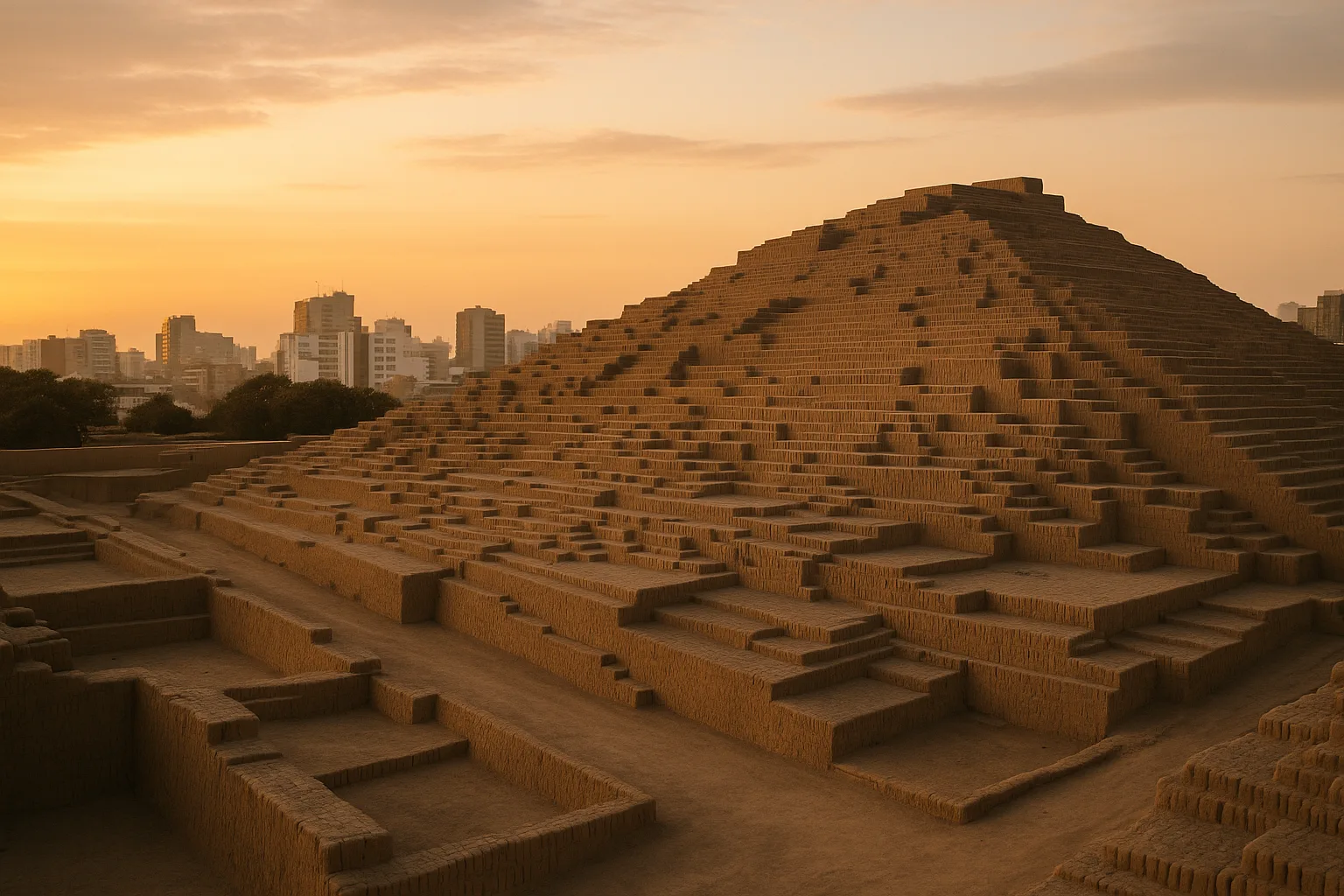
Huaca Pucllana Peru Guide 2026: Lima Adobe Pyramid & Lima Culture
Lima-Ychsma-IncaExplore Huaca Pucllana in Lima: pre-Inca adobe pyramid architecture, museum circuit, practical entry...
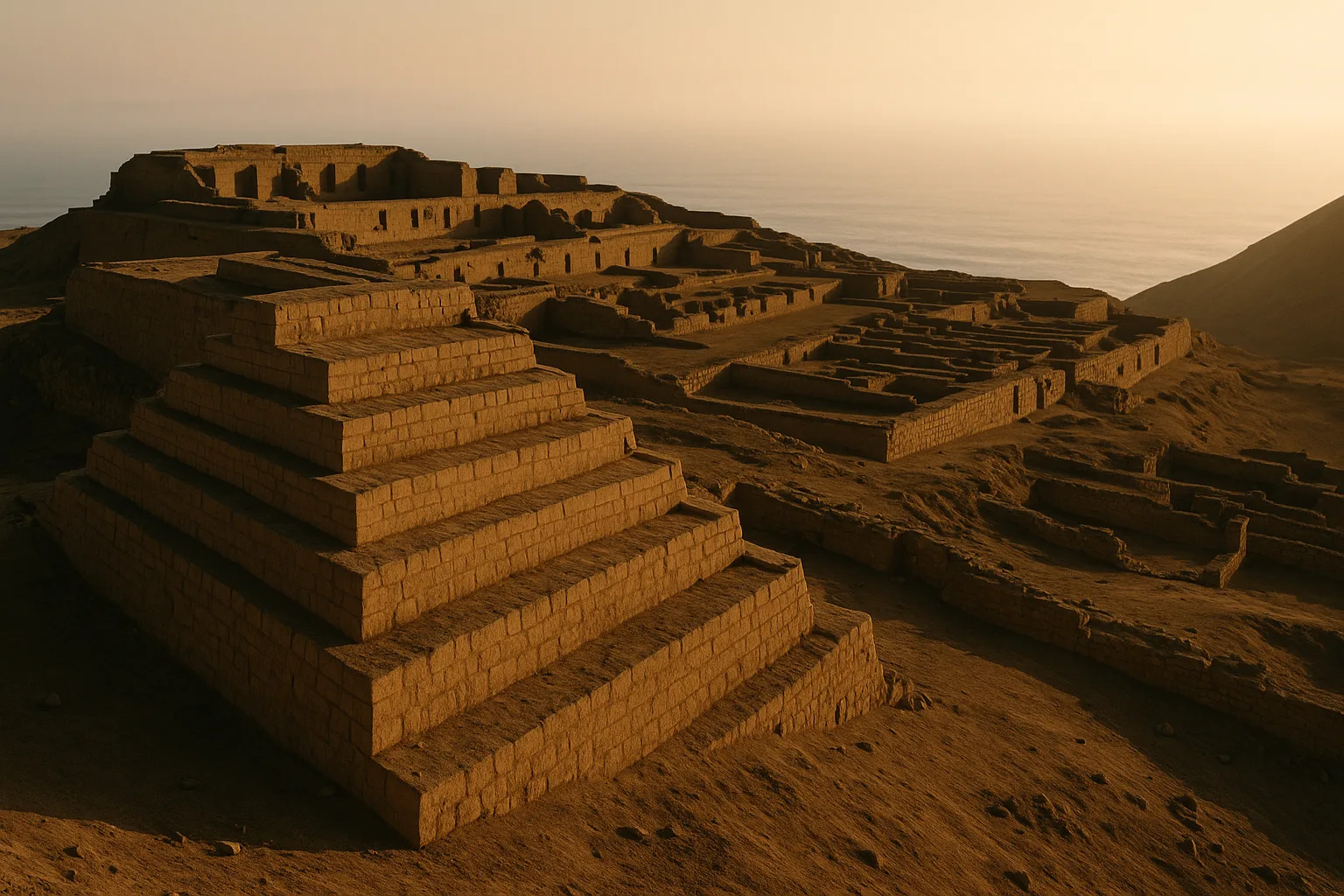
Pachacamac Peru Guide 2026: Oracle Temple, Pilgrimage Roads & Lima Coast
Lima-Wari-Ychsma-IncaExplore Pachacamac near Lima: ancient oracle temples, multi-civilization coastal history, practical ...
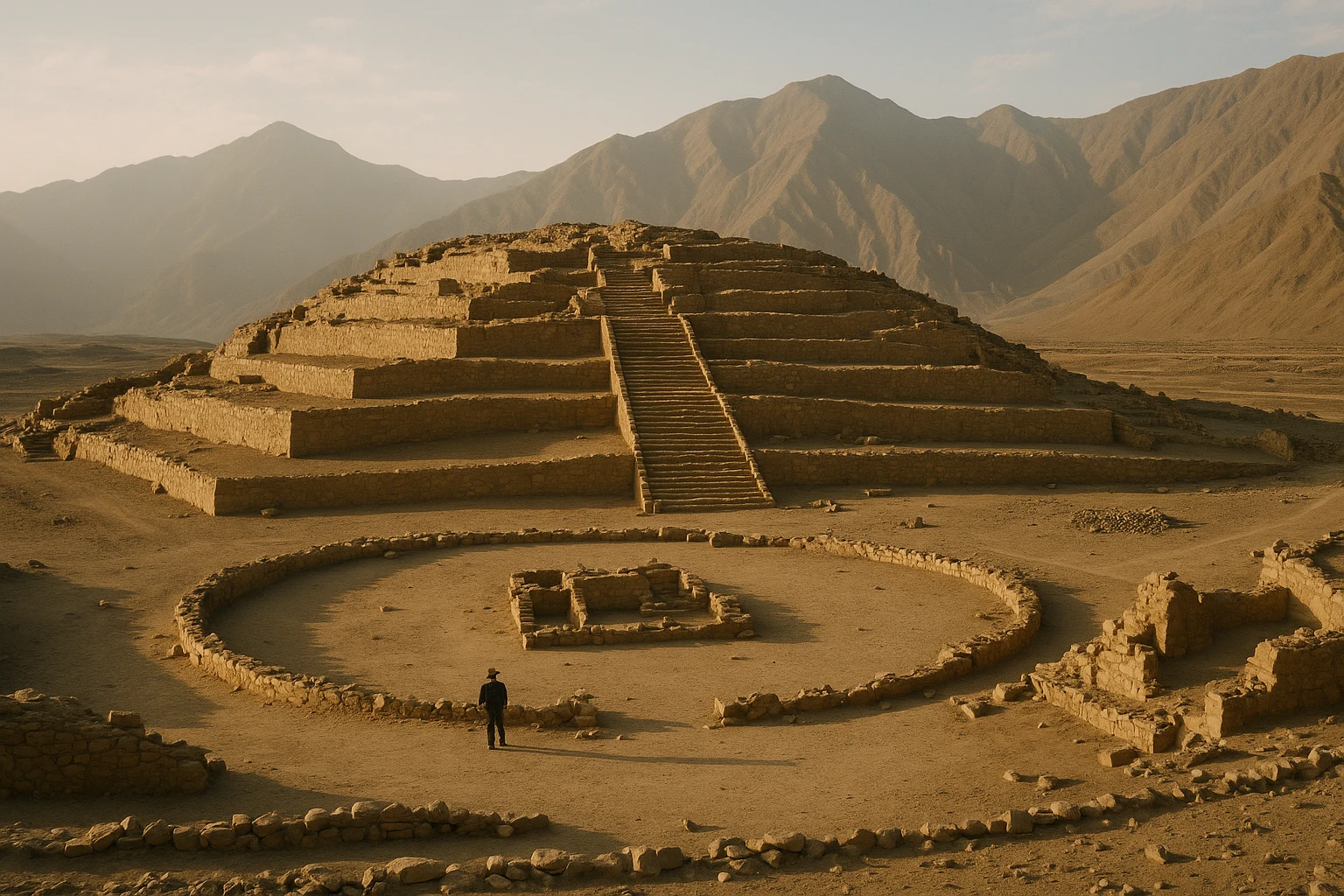
Caral-Supe Peru Guide 2026: Sacred Pyramids & the First Andean City
Norte-Chico-CaralVisit Caral-Supe in Peru, the oldest known city in the Americas, with practical transport from Lima,...