Quick Info
Curated Experiences
Brescia Roman Heritage and Capitolium Walking Tour
Brescia Archaeology and Museum Combined Experience
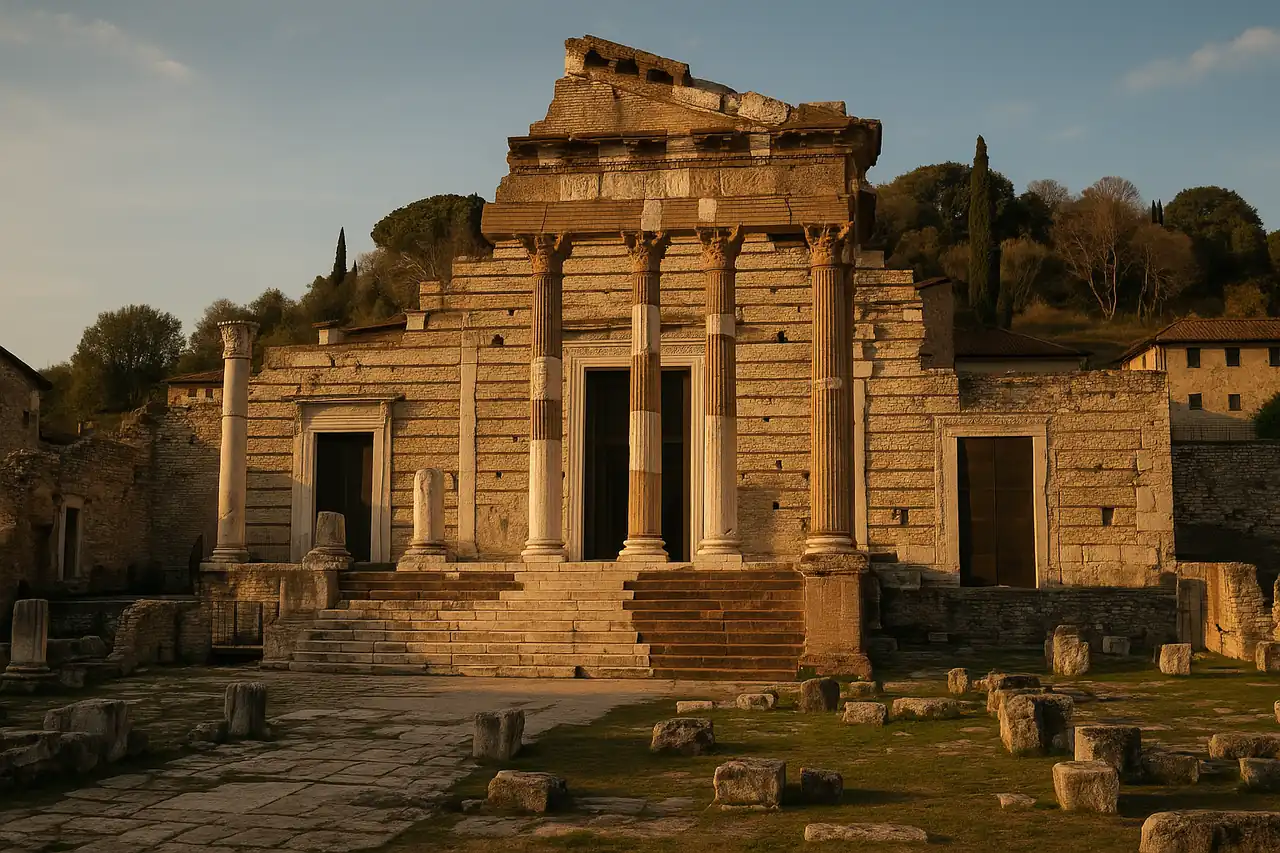
The Roman Temples of Brescia, often discussed through the Capitolium of ancient Brixia, are one of northern Italy’s strongest examples of Roman urban continuity preserved inside a living modern city. You are not walking into an isolated ruin field outside town limits. You are stepping into a civic core where Roman planning still shapes how the area reads.
For travelers who want archaeology without the crowd pressure of Rome’s biggest icons, Brescia offers a high-value alternative.
Why the Roman Temples of Brescia Matter
This site matters because it shows how Roman civic architecture functioned inside a provincial city that stayed relevant for centuries.
- Forum and temple relationship reveals political and religious ordering in daily urban life.
- Integrated museum interpretation makes fragmentary architecture far easier to understand.
- UNESCO context confirms the site’s broader significance within the Lombard-era and Roman layers of the city.
In practical terms, Brescia gives you excellent interpretive return on a short time budget.
Historical Snapshot
Ancient Brixia developed under Roman influence in Cisalpine Gaul, with major monumental works concentrated in the imperial era. The Capitolium temple complex and associated forum structures represented political authority, imperial cult practices, and civic identity.
Over later centuries, the area changed function as new construction overlaid earlier layers. Modern archaeological work gradually recovered and interpreted these remains, allowing visitors to see Roman fabric inside the wider timeline of Brescia’s medieval and early modern cityscape.
What to Prioritize On Site
Capitolium Temple Zone
Start at the temple remains to anchor your understanding of scale, orientation, and symbolism. This is the visual and interpretive center of the complex.
Forum-Area Archaeological Layers
Move through adjacent remains to read circulation and public-space logic. Even where architecture is fragmentary, layout tells you how Roman civic life was staged.
Museum Pairing for Context
Do not skip the museum component if timing allows. Inscriptions, sculptural fragments, and curated chronology close the gap between what you see outdoors and what the city once looked like in full elevation.
Practical Visit Strategy (2026)
Time Budget
- Fast pass: 60 minutes
- Recommended first visit: 2 to 3 hours including museum
- History-focused pace: 3 to 4 hours with slower interpretive reading
Best Timing
Morning entry is usually the most comfortable window. Weekday visits are generally easier for photos and longer museum stops.
Access and Ticketing Notes
Check current combined ticket options before arrival, since bundled museum + archaeology access often gives better value than separate entries. Brescia is rail-connected, so the site works well as a day trip from Milan or Verona.
What to Bring
- Comfortable walking shoes for stone surfaces
- Water and light weather layer
- Offline map or saved route if combining multiple old-town stops
Is It Better as a Day Trip or a Longer Stay?
For most travelers, a day trip is enough to cover the Roman temples, museum context, and a compact old-town loop. If you prefer slower archaeological travel, an overnight stay lets you spread visits across cooler morning and evening windows.
Either way, Brescia rewards visitors who like layered cities rather than single iconic monuments.
Is the Roman Temples of Brescia Site Worth It?
Yes—especially if you want Roman archaeology with excellent context and lower crowd intensity than top-tier mega-sites. The area is compact, intellectually rich, and easy to pair with broader northern Italy routes.
It is one of the most efficient high-quality archaeology stops in Lombardy.
Continue Planning Italy
Quick Facts
| Attribute | Details |
|---|---|
| Location | Brescia, Lombardy, Italy |
| Country | Italy |
| Region | Lombardy |
| Civilization | Roman |
| Historical Period | 1st century BCE to late imperial era |
| Established | Roman monumentalization centered around the 1st century CE |
| Coordinates | 45.5413, 10.2202 |
Frequently Asked Questions
Are the Roman Temples of Brescia worth visiting if I only have one day in the city?
Yes. The Capitolium and adjacent forum remains are compact, central, and easy to combine with Brescia’s old town in a single day.
How much time do I need for the Roman Temples of Brescia?
Plan 60 to 90 minutes for the archaeological core, then add 60 to 90 minutes if you also visit the museum collections for full context.
Is this site mostly standing architecture or foundations?
You get a mix: notable standing temple elements plus excavated forum layers and integrated museum interpretation, rather than one intact monument.
Can I visit without a guide?
Yes, independent visits are straightforward, but a guided pass helps decode chronology and urban layout much faster.
What pairs best with the Roman Temples of Brescia?
Pair them with the local archaeological museum and a walk through Brescia’s historic center so Roman remains connect to later medieval and Venetian layers.
Nearby Ancient Sites
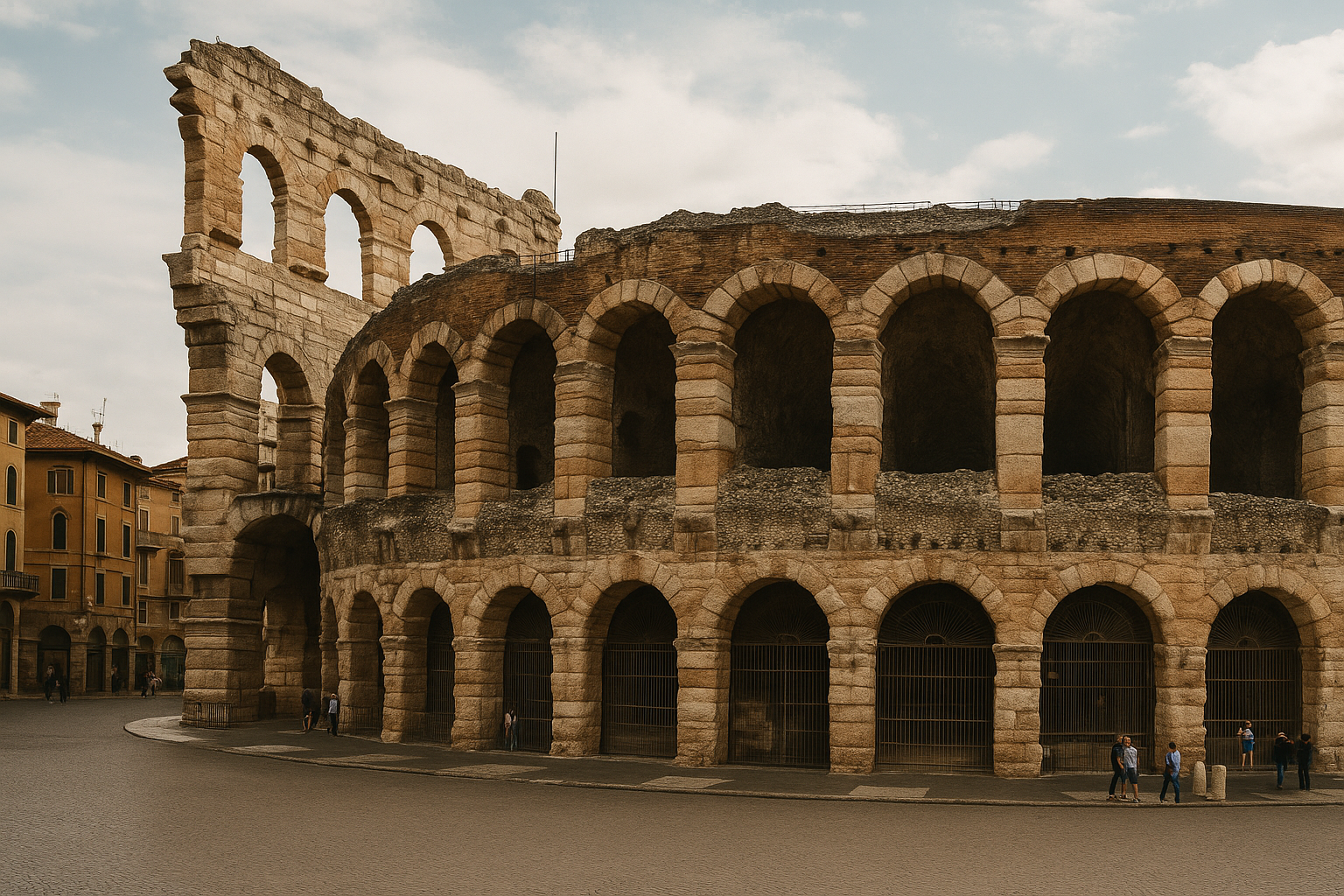
Verona Arena: Complete Guide to Italy's Best-Preserved Roman Amphitheater
Roman EmpirePlan your Verona Arena visit with Roman history, opera season tips, ticket strategy, and practical a...
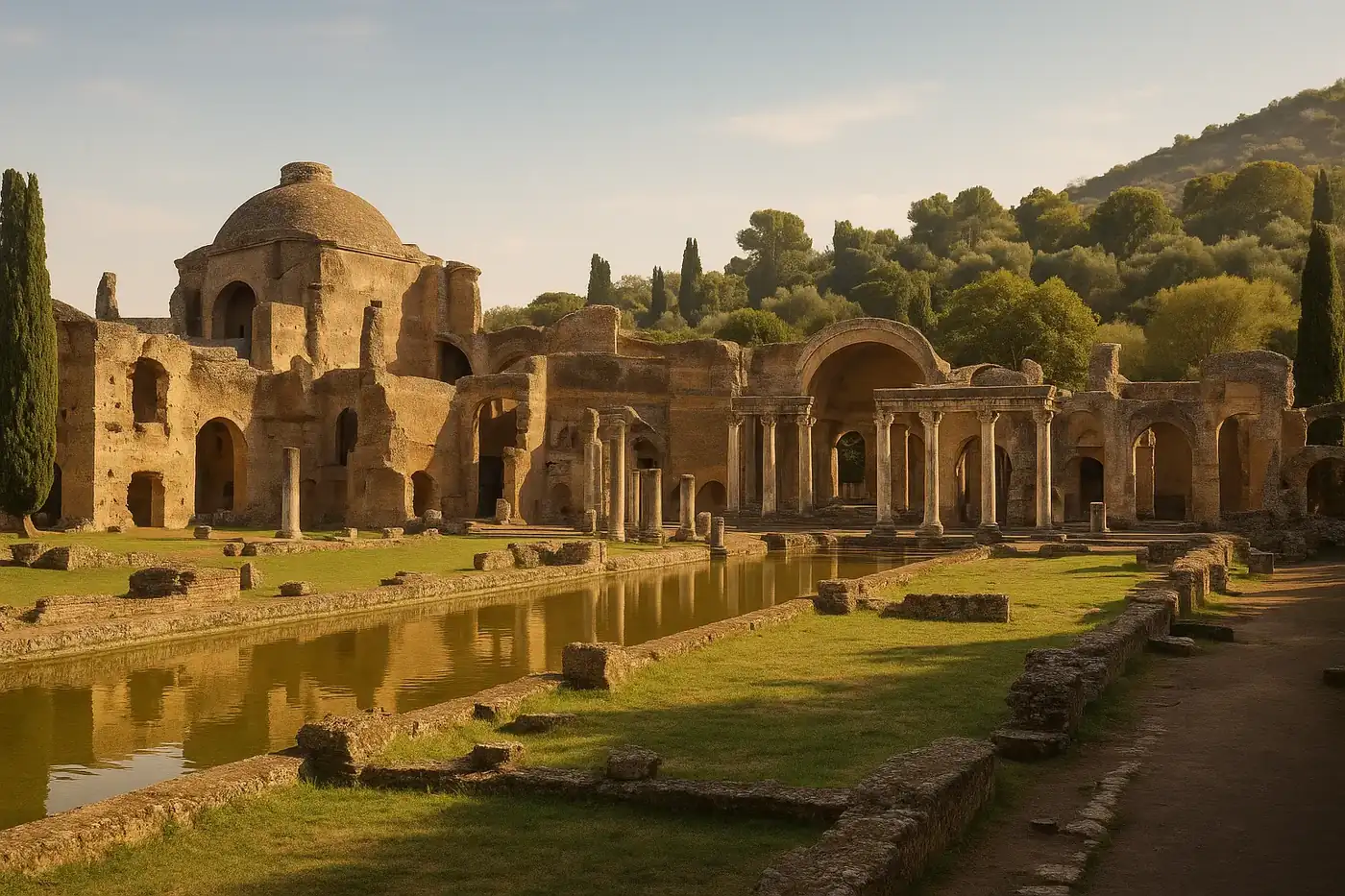
Hadrian’s Villa (Villa Adriana) Guide 2026: Tivoli’s Imperial City-Scale Estate
RomanPlan your visit to Hadrian’s Villa in Tivoli with practical advice on route planning, must-see zones...
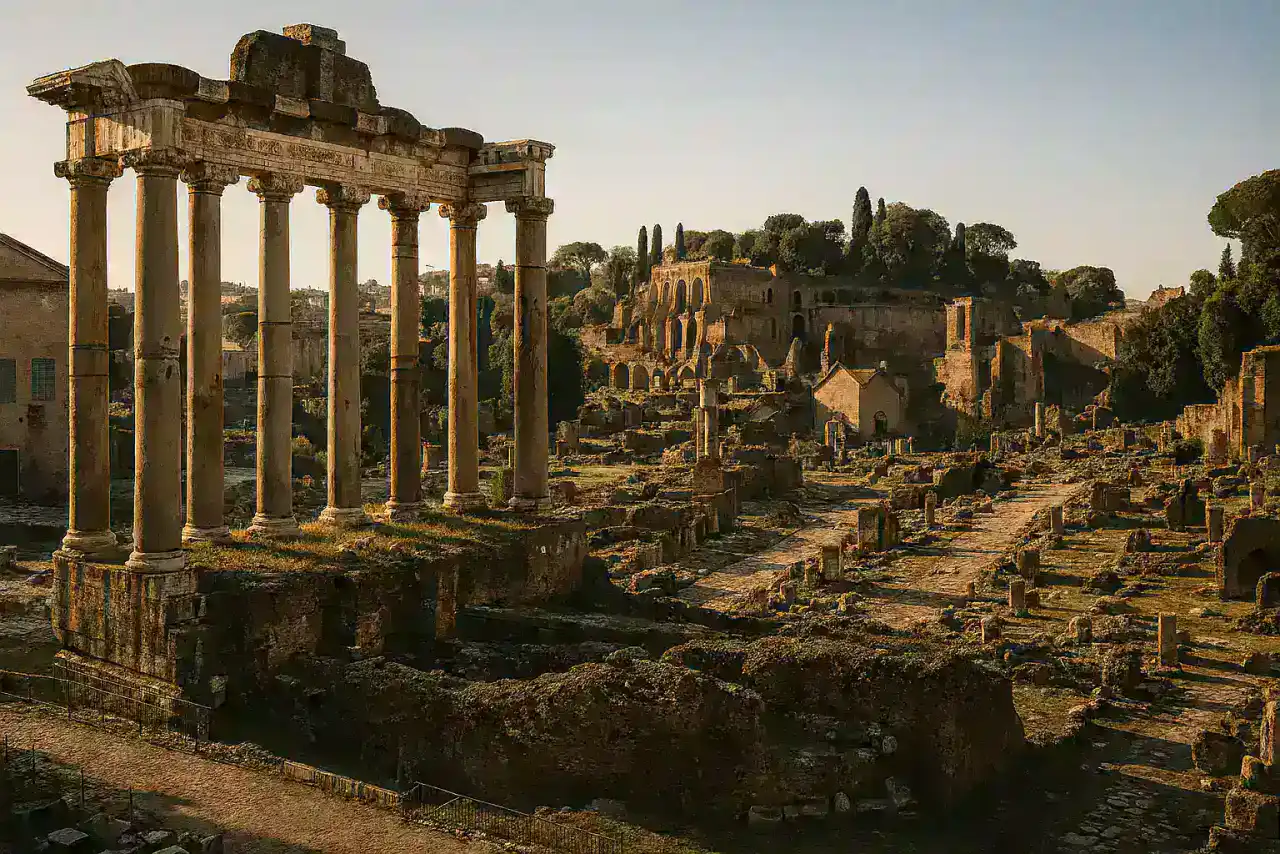
Roman Forum Rome: Heart of Ancient Republic Guide
Roman Republic/EmpireNavigate the Roman Forum's temples, basilicas, triumphal arches. Complete layout, highlights, Palati...
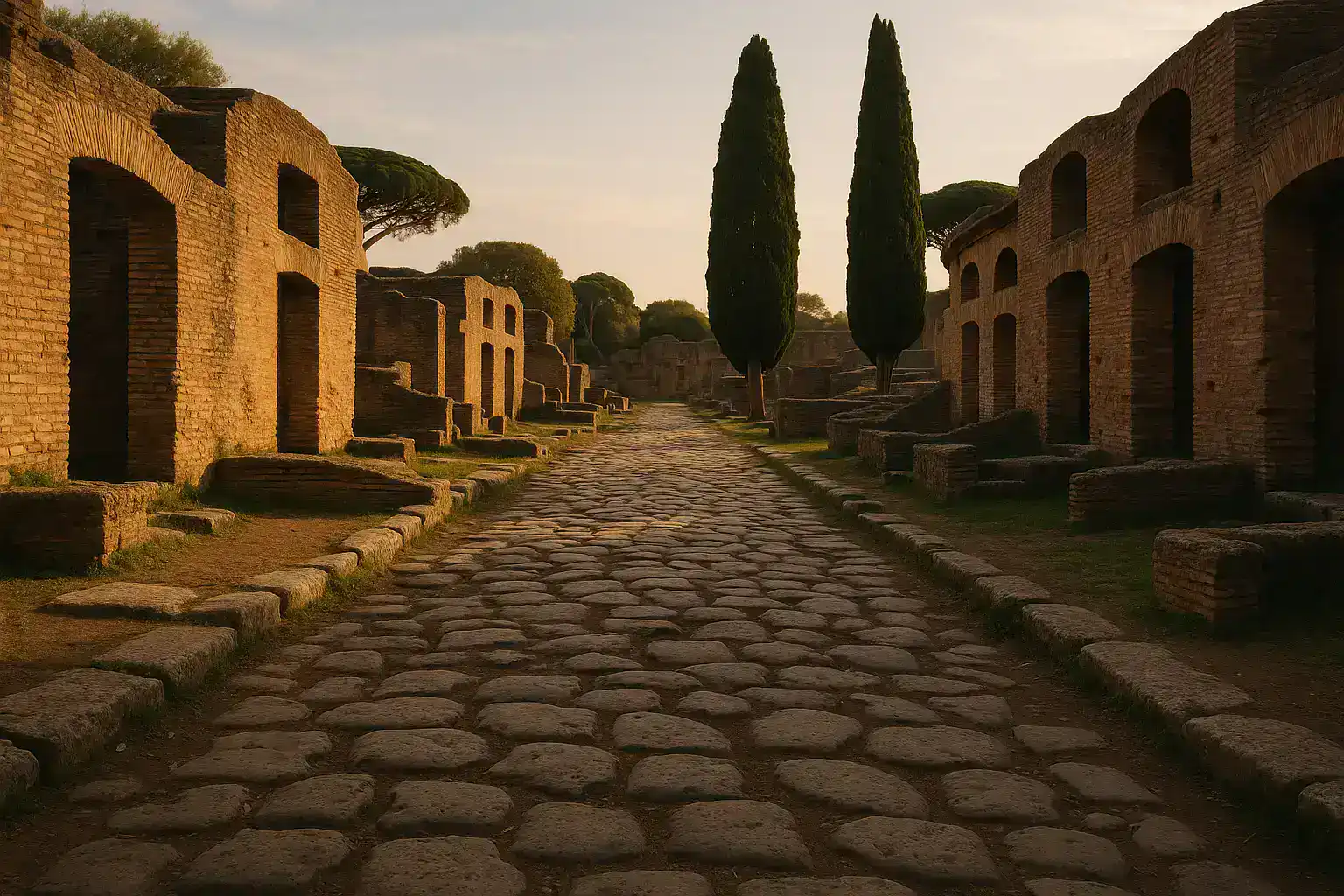
Ostia Antica Italy Travel Guide 2026: Rome's Ancient Port City
Roman EmpireExplore Ostia Antica, the best-preserved ancient Roman city after Pompeii. Walk intact streets, see ...
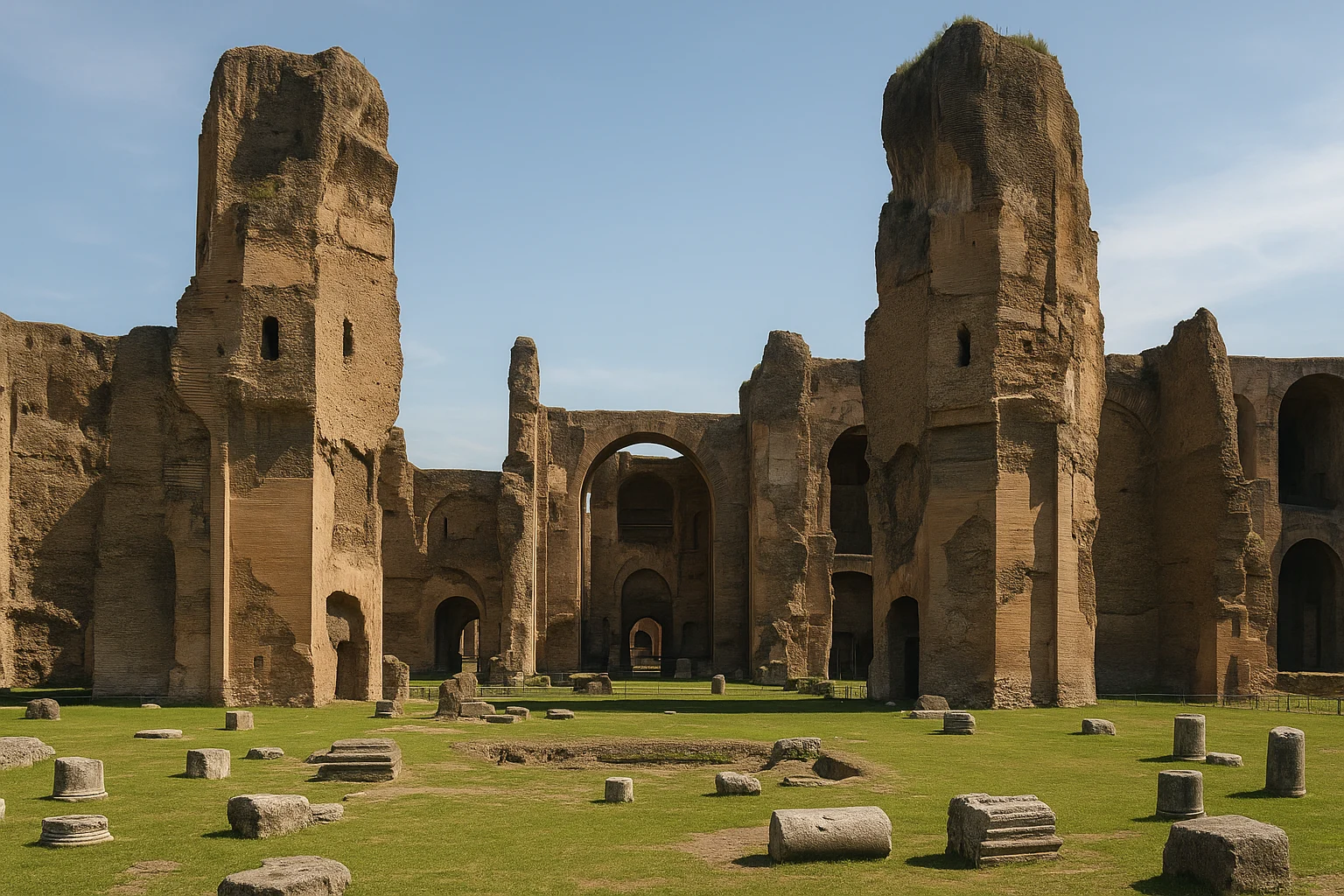
Baths of Caracalla Rome Guide 2026
RomanPlan your visit to the Baths of Caracalla with practical route advice, history context, timing, and ...