Quick Info
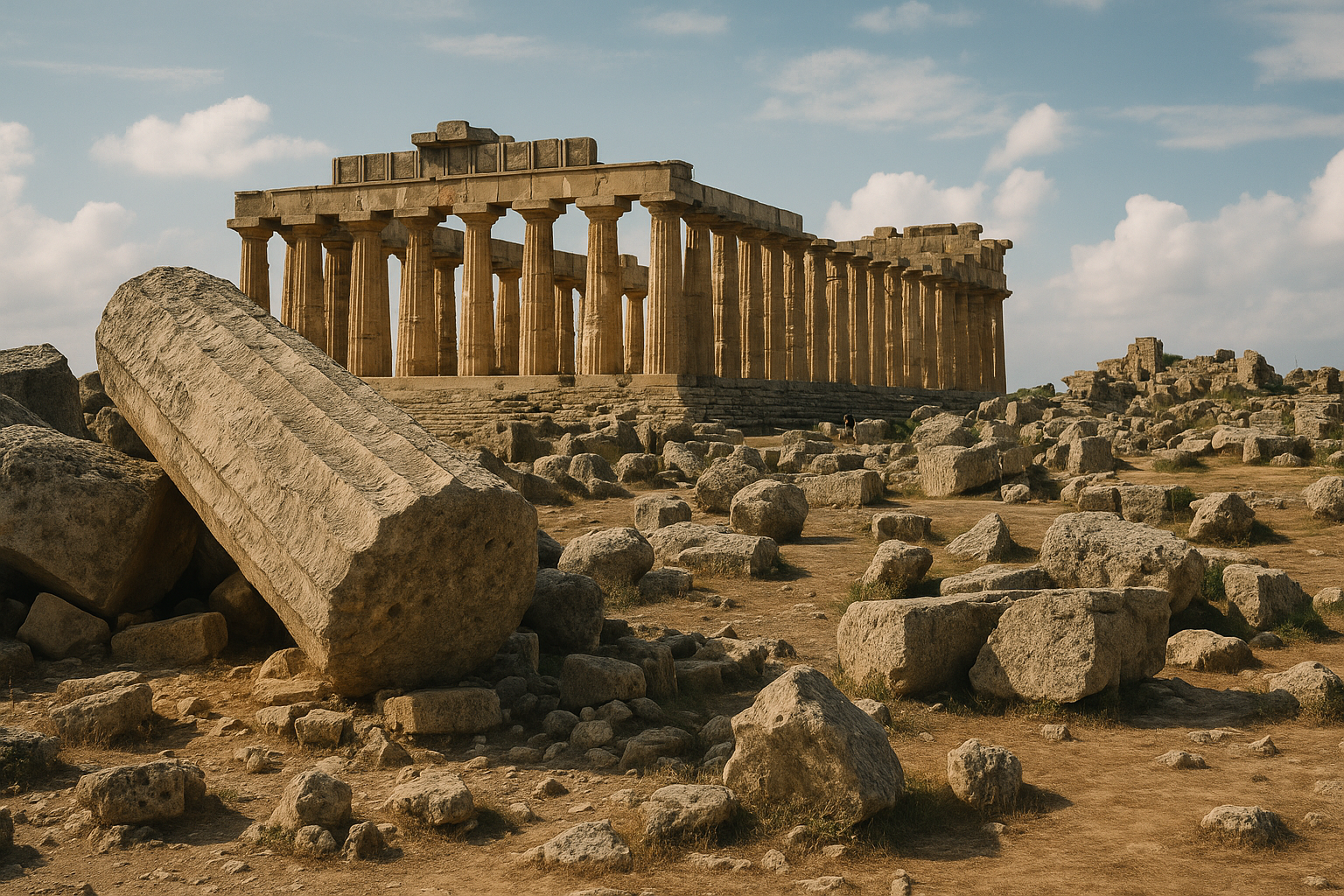
Selinunte sits on Sicily’s southwestern coast as one of the largest archaeological parks in Europe and one of the most visually striking Greek colonial sites anywhere in the Mediterranean. Spread across a windswept plateau overlooking the sea, the ruins cover multiple temple complexes, a fortified acropolis, residential quarters, and sacred precincts - all readable as parts of a single ambitious city. For travelers building a Sicily itinerary around ancient history, Selinunte is not a secondary stop. It is a destination that rivals the Valley of the Temples in archaeological weight and surpasses most mainland Greek sites in sheer spatial drama.
Why Selinunte Matters
Most ancient sites give you a single monument or a compact ruin zone. Selinunte gives you an entire urban landscape. The park holds the remains of at least eight major temples distributed across three distinct zones, plus fortification walls, civic infrastructure, and harbor traces. That density alone makes it exceptional. But what sets Selinunte apart is how clearly the site communicates the logic of a Greek colonial city - where temples were placed to project power, how the acropolis controlled maritime access, and why sacred precincts were positioned at the edges of urban life.
The site also captures something rarely visible in archaeology: the full arc from ambition to destruction. Selinunte was wealthy, architecturally aggressive, and strategically exposed. Its monumental temples were statements of confidence. Its violent end was a consequence of the same exposed position that made it prosperous. Walking the site, you read both chapters simultaneously.
For travelers who have seen Delphi, Olympia, or Paestum, Selinunte adds genuine depth. It shows what Greek urbanism looked like on the contested frontier of the western Mediterranean, where colony-building was as much a military gamble as a cultural project.
Historical Context
Selinunte was founded around 650 BCE by settlers from Megara Hyblaea, itself a colony on Sicily’s eastern coast. The name derives from the Greek word for wild celery (selinon), which grew abundantly in the area and appeared on the city’s coinage. The location was strategic: a coastal plateau with natural harbor access, fertile agricultural hinterland, and a position that controlled trade routes along Sicily’s southern shore.
During the 6th and 5th centuries BCE, Selinunte entered its period of greatest prosperity. The city invested heavily in monumental temple construction, producing some of the largest Doric temples in the Greek world. Temple G, had it been completed, would have ranked among the biggest Greek temples ever built. This construction boom reflected both genuine wealth - drawn from agriculture and maritime commerce - and political competition with neighboring powers, particularly Segesta to the northwest.
That rivalry with Segesta proved fatal. Disputes over territory and influence escalated through the 5th century BCE, drawing in larger powers. In 409 BCE, a Carthaginian army led by Hannibal Mago besieged and sacked the city. The destruction was thorough. Selinunte never fully recovered, though limited resettlement occurred in subsequent centuries. Earthquakes in the medieval period toppled what the Carthaginians had left standing, creating the dramatic field of fallen column drums and architrave blocks visible today.
What makes Selinunte historically valuable is that the destruction preserved the city’s Classical-period footprint with unusual clarity. Later builders never substantially overbuilt the site, so the archaeological record remains coherent across the full urban layout.
What to Prioritize On Site
The Eastern Temples
Begin here. The eastern hill holds three major temples (E, F, and G), and this is where Selinunte delivers its strongest visual impact. Temple E, partially reconstructed in the 1950s, gives visitors the clearest sense of original scale and proportion - a large Doric structure dedicated most likely to Hera. Beside it, Temple G lies in a vast field of tumbled stone. The sheer volume of collapsed material communicates the building’s intended enormity better than any reconstruction could. Walking among the fallen drums, some nearly two meters in diameter, makes the ambition of the original project tangible.
The Acropolis
Cross the depression (the ancient harbor area, now silted) to reach the acropolis, which holds Temples A, B, C, D, and O along with traces of the city’s street grid and fortification walls. Temple C, the oldest major temple on the site, originally carried elaborate painted metopes (now housed in the Palermo Archaeological Museum). The acropolis zone gives the best overview of how Selinunte’s civic, religious, and defensive functions were spatially organized. From its edges, you can see the coastline and understand the city’s relationship to the sea.
The Sanctuary of Malophoros
West of the acropolis, across the Modione River, sits this important extra-urban sanctuary. It requires more walking but rewards with context about religious practice beyond the city walls. Thousands of votive offerings were excavated here, indicating sustained ritual use over centuries. If your visit allows three or more hours, this zone adds genuine interpretive depth.
Practical Visit Strategy
Time Budget
A meaningful visit to Selinunte requires a minimum of two and a half hours, and three to four hours is more realistic if you want to cover the eastern temples, acropolis, and at least glance at the western sanctuary. Dedicated archaeology travelers should budget a full half-day.
When to Go
Early morning visits (park opening through mid-morning) offer the best conditions. The site is almost entirely exposed, with no shade structures and minimal tree cover. By midday in summer, heat and glare significantly reduce comfort and concentration. Late afternoon light is excellent for photography but limits total time before closing.
Spring (March through May) and early autumn (September through October) provide the most comfortable conditions. Summer visits are viable but demand serious sun preparation.
Getting There
Self-driving is the most practical option. Selinunte is roughly 90 minutes from Palermo, 75 minutes from Segesta, and about two hours from Agrigento. Parking is available near the main entrance. Public transport connections exist via Castelvetrano but are infrequent and add significant transit time.
What to Bring
- Sturdy walking shoes (terrain is uneven, distances are real)
- Sun protection: hat, sunscreen, sunglasses (non-negotiable in warm months)
- At least one liter of water per person (on-site options are limited)
- A light windbreaker for coastal gusts
- Offline maps or a downloaded site plan
An electric shuttle runs between zones within the park, which helps manage distances but does not eliminate walking within each area.
Route Pairing and Nearby Sites
Selinunte pairs naturally with western Sicily’s other major Greek sites. The strongest single-day combination is Selinunte plus Segesta, which together form a compelling study in contrasts: Selinunte’s destroyed urban sprawl against Segesta’s eerily intact hilltop temple. Start with whichever site opens earlier and drive between them over lunch.
For a broader western Sicily archaeology loop, add Erice for its medieval and Phoenician layers, then swing south to Selinunte before continuing east toward Agrigento. This three-to-four-day route covers the most important ancient sites in the western half of the island.
Travelers working a full Sicily circuit can connect Selinunte to the eastern sites - Syracuse Archaeological Park, Necropolis of Pantalica, and Villa Romana del Casale - over a week-long itinerary.
Final Take
Selinunte is one of Italy’s most underrated major archaeological sites. It lacks the name recognition of the Colosseum or Pompeii, but it delivers something those sites cannot: a full Greek colonial cityscape laid out across open terrain, with monumental temple remains distributed across multiple zones in a way that makes ancient urban planning physically legible. The combination of architectural scale, historical drama, and coastal landscape puts it in the top tier of Mediterranean archaeology destinations.
If you are in Sicily and care about ancient history, skip something else before you skip Selinunte.
Quick Facts
| Attribute | Details |
|---|---|
| Location | Castelvetrano, Sicily, Italy |
| Country | Italy |
| Region | Sicily |
| Civilization | Greek (Doric colonial) |
| Historical Period | Archaic to Classical Greek (650-409 BCE) |
| Founded | c. 650 BCE by settlers from Megara Hyblaea |
| Destroyed | 409 BCE by Carthaginian forces |
| Park Size | Approximately 270 hectares |
| Key Structures | Temples A-G, Acropolis, Sanctuary of Malophoros |
| Coordinates | 37.5839, 12.8318 |
Frequently Asked Questions
Is Selinunte worth visiting compared with Sicily’s better-known sites?
Yes. Selinunte offers one of the largest and most dramatic temple landscapes in the Mediterranean, with broad open terrain that helps you read city-scale Greek planning.
How much time do you need at Selinunte?
Most travelers need 2.5 to 4 hours for a meaningful visit. If you want to cover multiple temple sectors in detail, plan closer to half a day.
Do you need a car to visit Selinunte?
A car is usually the easiest option for flexible timing in western Sicily, though organized day tours also work well for travelers based in Palermo or Trapani.
What should first-time visitors prioritize at Selinunte?
Start with the acropolis and major temple sectors, then expand to additional sanctuary zones if time and weather allow.
Nearby Ancient Sites
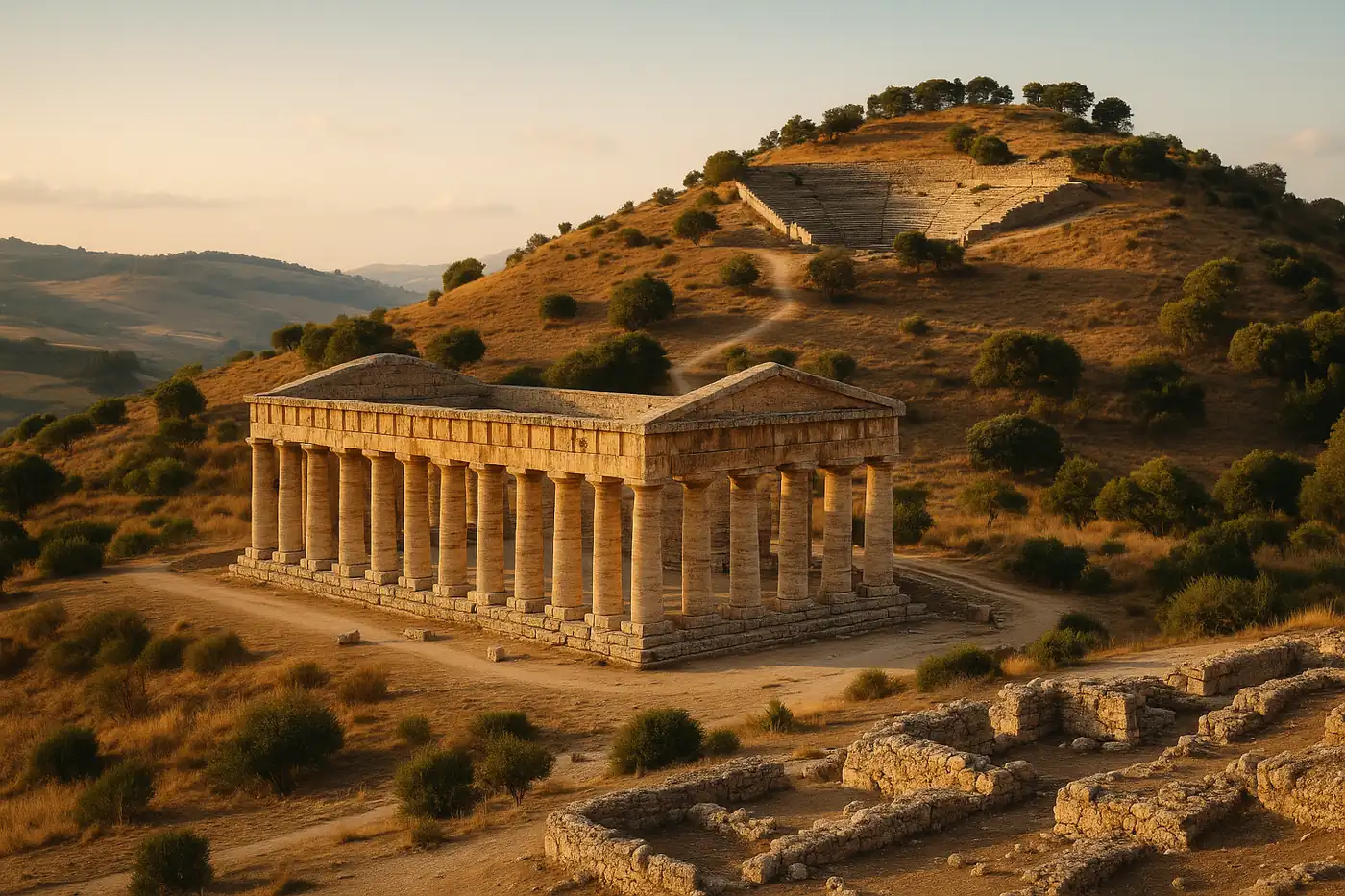
Segesta Archaeological Site: Sicily's Unfinished Temple and Hilltop Theatre
Elymian / Greek / RomanPlan your visit to Segesta in western Sicily: temple, theatre, shuttle logistics, timing, and practi...
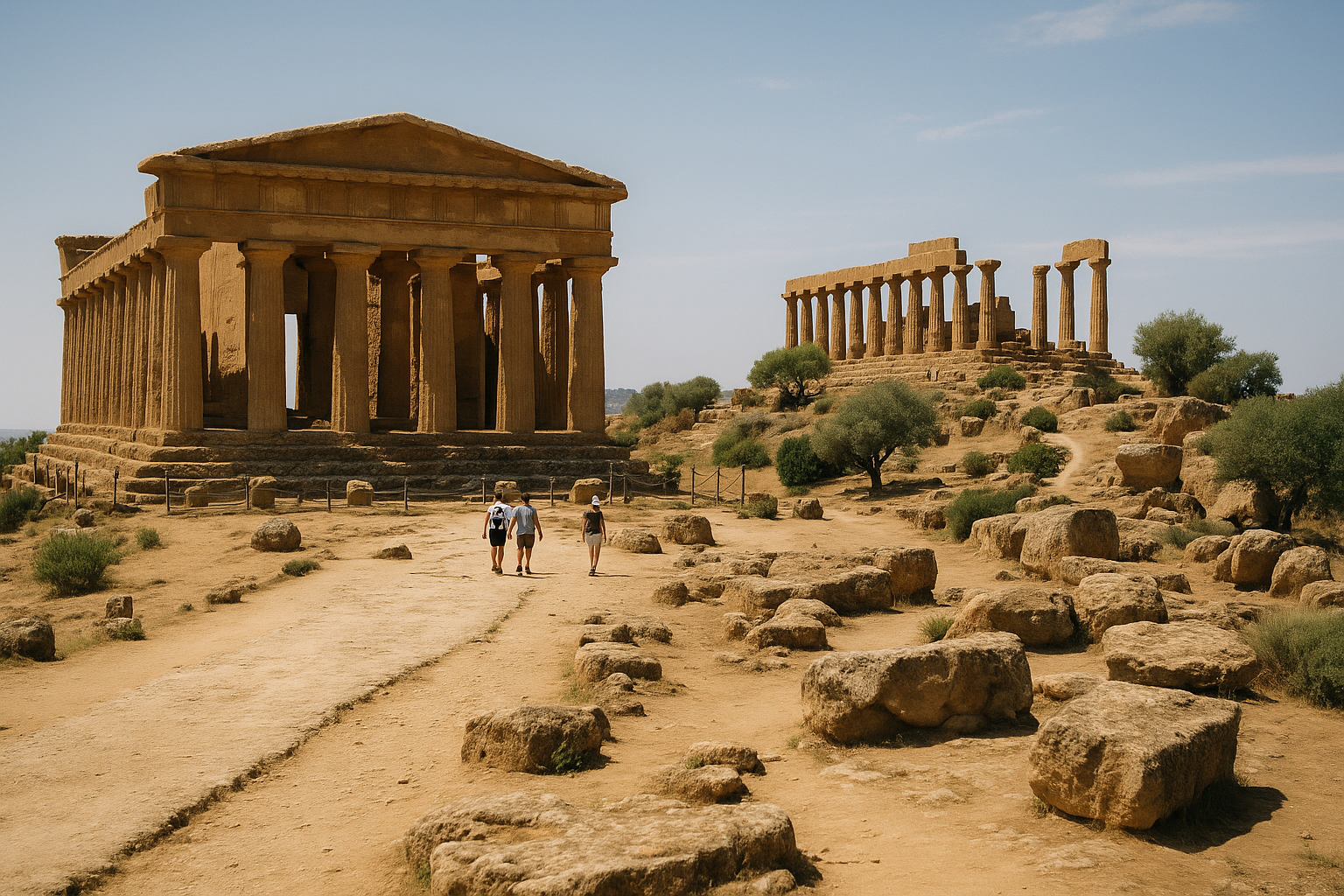
Valley of the Temples Agrigento Guide 2026: Concordia & Juno
Greek-Roman-NormanPlan your Agrigento Valley of the Temples visit with temple highlights, tickets, transport, and prac...
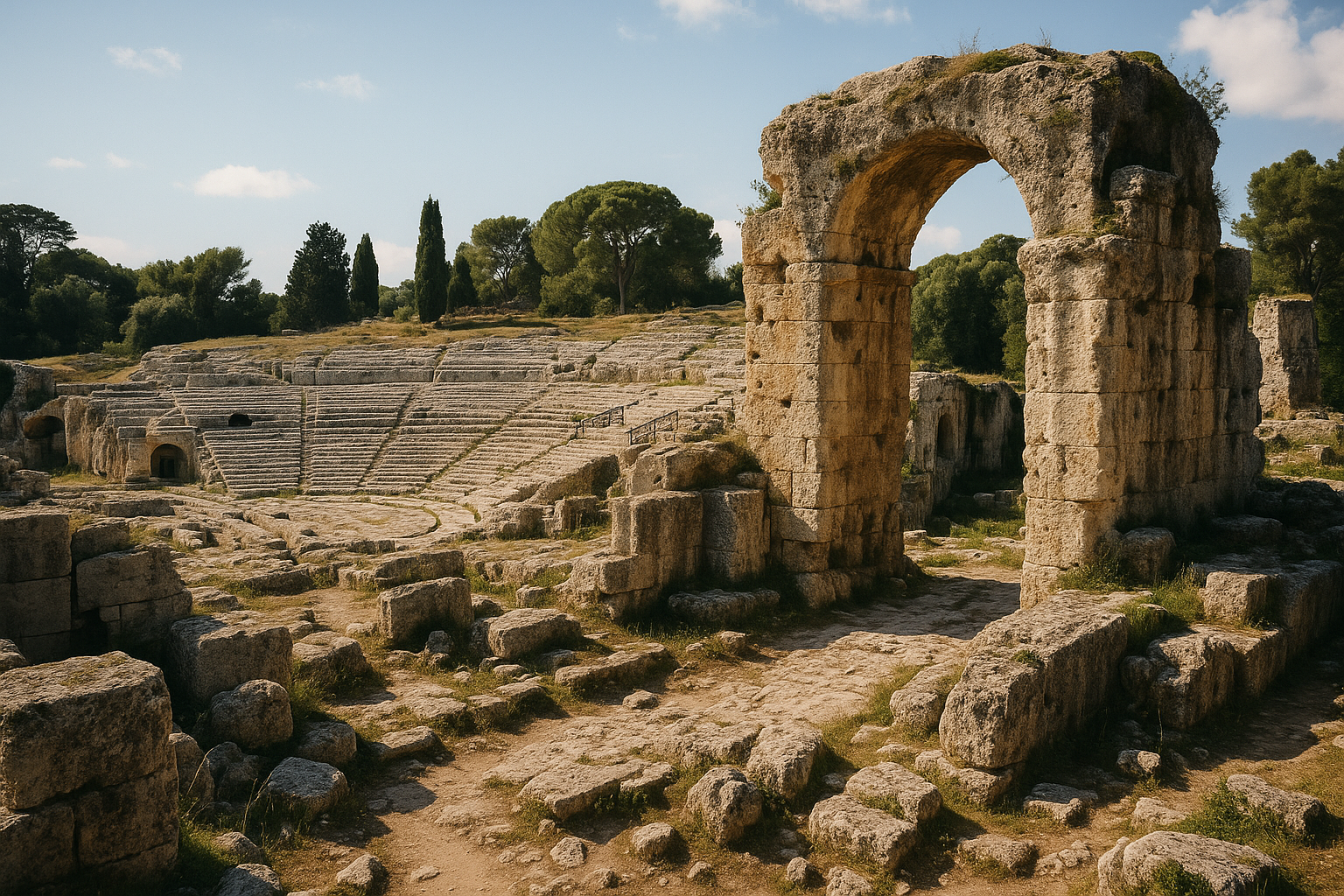
Syracuse Archaeological Park (Neapolis) Guide 2026
Greek-Roman-ByzantinePlan your visit to Syracuse Archaeological Park in Sicily with theatre highlights, Ear of Dionysius ...
Taormina Ancient Theatre: Sicily’s Greek-Roman Stage Above the Sea
Greek / RomanPlan your visit to Taormina’s ancient theatre: history, views of Etna, tickets, logistics, and what ...
Colosseum Rome: Complete 2026 Guide to Arena Floor, Tickets, and Timing
Roman EmpirePlan the perfect Colosseum visit with timed-entry strategy, Arena Floor and underground access tips,...
Pantheon Rome: Ultimate Guide to Rome's Best-Preserved Ancient Temple
Roman EmpireMaster your Pantheon visit with history, dome engineering secrets, visiting tips, skip-the-line opti...