Quick Info
Curated Experiences
Avebury, Silbury Hill, and West Kennet Small-Group Tour
Private Prehistoric Wiltshire Day Trip
Stonehenge and Avebury Heritage Route
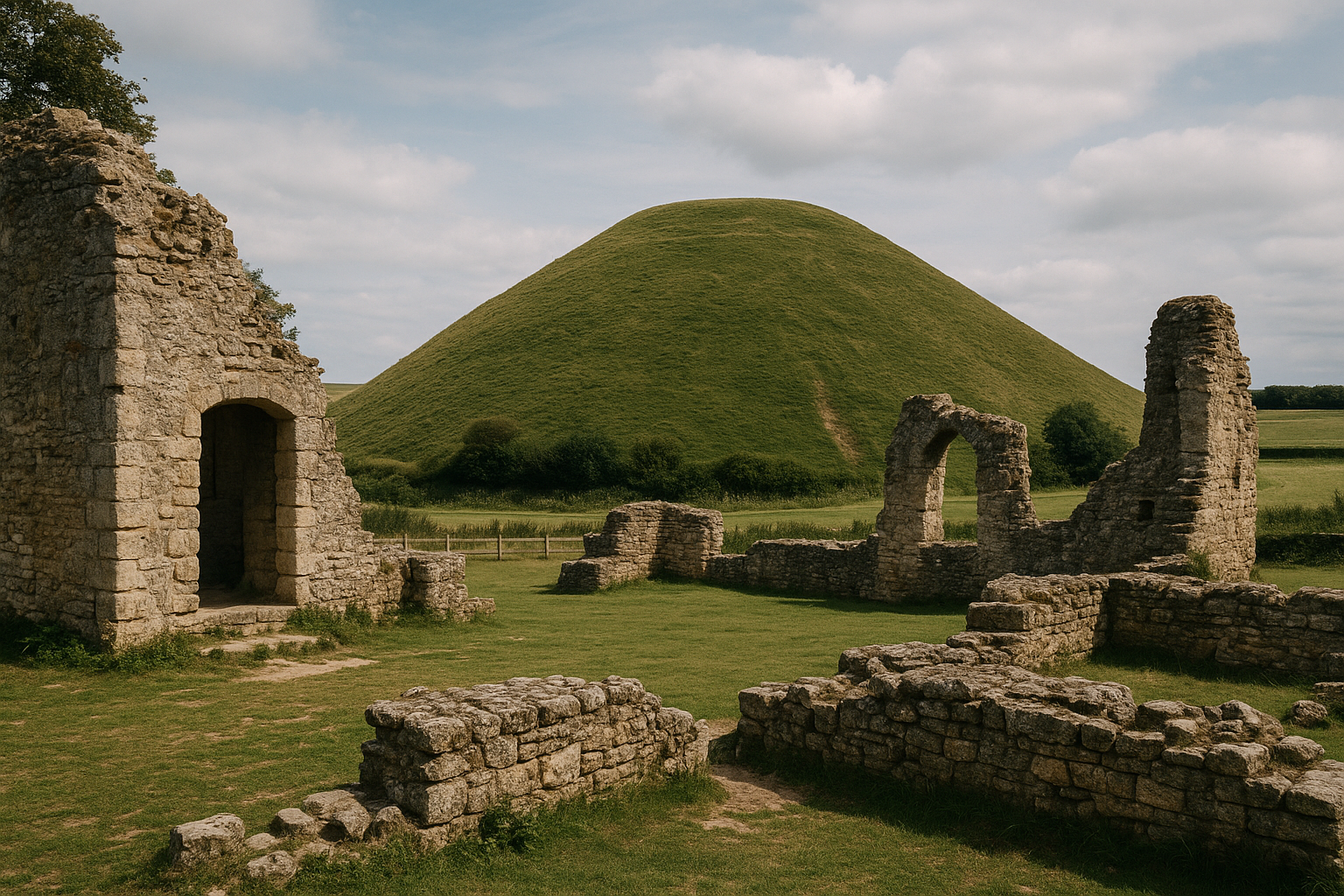
Silbury Hill is the largest prehistoric artificial mound in Europe - a chalk colossus standing 30 meters high with a base covering more than two hectares. It sits within the Avebury UNESCO World Heritage landscape in Wiltshire, surrounded by some of the most significant Neolithic monuments in Britain. You cannot climb the mound, and there is no visitor center at the site itself, but Silbury Hill remains one of the most rewarding stops in southern England for anyone interested in prehistoric engineering and the unanswered questions that still surround it.
The mound is visible from the A4 road between Marlborough and Calne, and most travelers encounter it as part of a wider circuit through the Avebury complex. That is the right approach. Silbury Hill gains meaning in context - seen alongside the stone circle, the long barrow, and the processional avenues that connect them.
Why Silbury Hill Matters
Silbury Hill is not a ruin. It is a finished object, built with deliberate precision around 2400 BCE, and it has survived largely intact for over four thousand years. Its volume is comparable to some of the smaller Egyptian pyramids, yet it was constructed entirely from locally quarried chalk and earth by a society that left no written records explaining why.
That absence of explanation is central to the site’s significance. Unlike Stonehenge, which has accumulated layers of interpretation over centuries, Silbury Hill resists easy categorization. It is not a burial mound - multiple excavations have confirmed that no primary burial exists inside. It is not a defensive structure, a settlement platform, or a straightforward ceremonial marker. Decades of archaeological investigation have produced rich data about how it was built but almost nothing conclusive about its purpose.
For travelers accustomed to sites where an audio guide explains everything, Silbury Hill offers something different: a monument that forces you to sit with uncertainty. That quality, combined with its sheer physical presence in the landscape, is what makes it worth the stop.
Historical Context
Construction and Engineering
Silbury Hill was built in at least three major phases over a period estimated between one and two generations. The earliest stage was a relatively modest mound of gravel and turf. Subsequent phases dramatically expanded the structure using a technique of stacked chalk blocks arranged in concentric walls, then filled and capped to create the smooth conical profile visible today. The engineering required coordinated labor on a scale that implies significant social organization and resource commitment.
Radiocarbon dating places the primary construction period around 2400-2300 BCE, making it roughly contemporary with the sarsen phase at Stonehenge and the main period of activity at Avebury Stone Circle. This clustering is not coincidental. The monuments of the Avebury landscape were conceived as related elements in a broader ceremonial territory.
Excavation History
The mound has been tunneled into repeatedly since the eighteenth century. The Duke of Northumberland drove a shaft from the summit in 1776. A horizontal tunnel was cut from the base in 1849. The BBC sponsored a major excavation in 1968-1970 that created a deep tunnel reaching the center. None of these efforts found a central burial or treasure cache. The 1968-1970 tunnel later caused structural instability, and English Heritage undertook a major conservation project in 2007-2008 to stabilize the mound by backfilling the tunnels with chalk.
The Surrounding Landscape
Silbury Hill sits at the head of a shallow valley where the River Kennet begins. It is flanked by West Kennet Long Barrow to the south - a collective burial chamber predating the mound by several centuries - and the Avebury henge complex to the north. The West Kennet Avenue, a double row of standing stones, once connected Avebury to a site called The Sanctuary on Overton Hill, passing within view of Silbury. Understanding this spatial relationship between monuments is key to appreciating any single site within the complex.
What to Prioritize Onsite
The View from the Layby and Footpath
The primary viewing point is along the A4, where a small parking area and footpath give clear sightlines to the mound’s western face. From here the scale registers immediately - the flat summit platform, the terraced profile, and the surrounding ditch (now largely silted) are all visible. Early morning or late afternoon light accentuates the mound’s geometry and separates it from the surrounding hills.
Reading the Landscape
Walk south along the footpath toward West Kennet Long Barrow. This route crosses open farmland and gives you the mound in profile against the northern skyline. The relationship between the two monuments becomes physically obvious in a way that no photograph conveys. The barrow sits on a ridge; the mound occupies the valley floor. Their positions relative to each other and to the watercourse suggest deliberate siting.
The Swallowhead Springs Area
South of Silbury Hill, near where the Kennet emerges as a surface stream, is Swallowhead Springs. The connection between the mound and this water source has been a recurring theme in archaeological interpretation. The short walk there adds ecological texture to the visit and reinforces the idea that Silbury Hill was placed in a very specific location for reasons tied to the physical landscape.
Practical Visit Strategy
Getting There
Silbury Hill is on the A4 approximately one mile south of Avebury village. If driving from London, take the M4 to junction 15 and follow the A346 north through Marlborough, then the A4 west. The journey takes roughly ninety minutes without traffic. There is no direct public transport to the mound, but the Avebury area is served by limited bus routes from Swindon and Devizes.
Timing and Duration
Allow 20-40 minutes at Silbury Hill itself. The site is open and unfenced, so you can visit at any hour, though the parking layby is small and fills on summer weekends by mid-morning. The best strategy is to arrive early, see the mound, then walk south to West Kennet Long Barrow before doubling back to Avebury for the stone circle and village facilities.
Spring through early autumn offers the best conditions. Winter visits are perfectly viable but paths can be waterlogged. Waterproof boots are advisable in any season except high summer.
What to Bring
Pack water and a snack - there are no facilities at the mound or the long barrow. A windproof layer is worth carrying even on mild days; the open chalk downland funnels wind through the valley. Binoculars are useful for examining the mound’s surface texture and any visible chalk erosion features from the viewing path.
Access Notes
Climbing Silbury Hill is prohibited. The mound is a Scheduled Ancient Monument managed by English Heritage, and foot traffic causes serious erosion to the chalk surface. Do not attempt to access restricted areas. Stay on marked footpaths and park only in designated spots.
Route Pairing and Nearby Sites
The essential combination is Silbury Hill, Avebury Stone Circle, and West Kennet Long Barrow. These three sites can be covered in a comfortable half-day on foot, with Avebury village providing a lunch stop. Adding the West Kennet Avenue walk extends the route by another hour.
For a full day, drive south to Stonehenge - roughly 25 miles and 40 minutes by car. The contrast between the managed visitor experience at Stonehenge and the open-access atmosphere of the Avebury complex is striking and instructive.
If your trip extends beyond Wiltshire, Roman Baths in Bath lies 35 miles west, and Glastonbury Tor is roughly the same distance to the southwest. Both pair well for travelers building a multi-day route through southwestern England’s deep history.
Final Take
Silbury Hill rewards travelers who are comfortable with ambiguity. There is no guided tour, no dramatic interior, no definitive story about what it meant. What there is: a massive, precisely built monument that has outlasted almost everything constructed since, sitting in a landscape dense with related sites that collectively represent one of the most ambitious building programs in European prehistory. Visit it as part of the Avebury circuit, give yourself time to walk the surrounding paths, and let the scale speak for itself.
Quick Facts
| Attribute | Details |
|---|---|
| Location | Marlborough, Wiltshire, United Kingdom |
| Country | United Kingdom |
| Region | Wiltshire |
| Civilization | Neolithic Britain |
| Historical Period | Late Neolithic |
| Established | c. 2400-2300 BCE |
| Height | Approximately 30 meters (98 feet) |
| Base Diameter | Approximately 160 meters (525 feet) |
| UNESCO Status | Part of Stonehenge, Avebury and Associated Sites World Heritage Site |
| Managed By | English Heritage / National Trust |
| Admission | Free (exterior viewing only) |
| Coordinates | 51.4157, -1.8542 |
Frequently Asked Questions
Can you climb Silbury Hill?
No. Access to the mound itself is restricted for conservation reasons, but you can view it clearly from nearby public paths and roads.
How long should I plan for a Silbury Hill stop?
Most visitors spend 20 to 45 minutes at viewing points, then continue to nearby Avebury or West Kennet Long Barrow.
What is the best time of day to visit Silbury Hill?
Early morning or late afternoon usually provides softer light and lighter roadside traffic, which makes short stops easier.
Nearby Ancient Sites
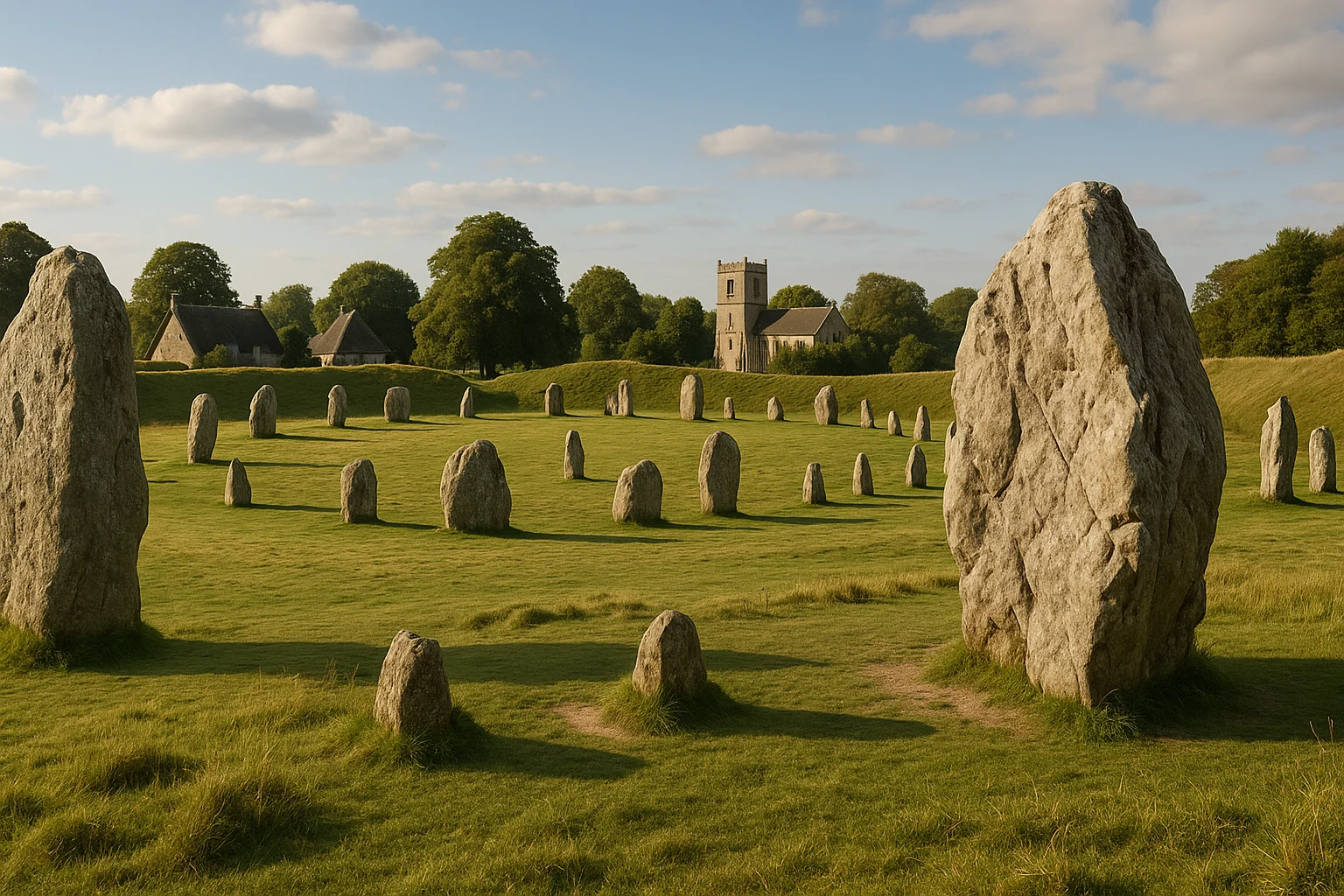
Avebury Stone Circle Travel Guide 2026: Best Walk Routes, History, and Visit Planning
Neolithic BritainPlan a stronger visit to Avebury Stone Circle with practical walking routes, landscape context, and ...
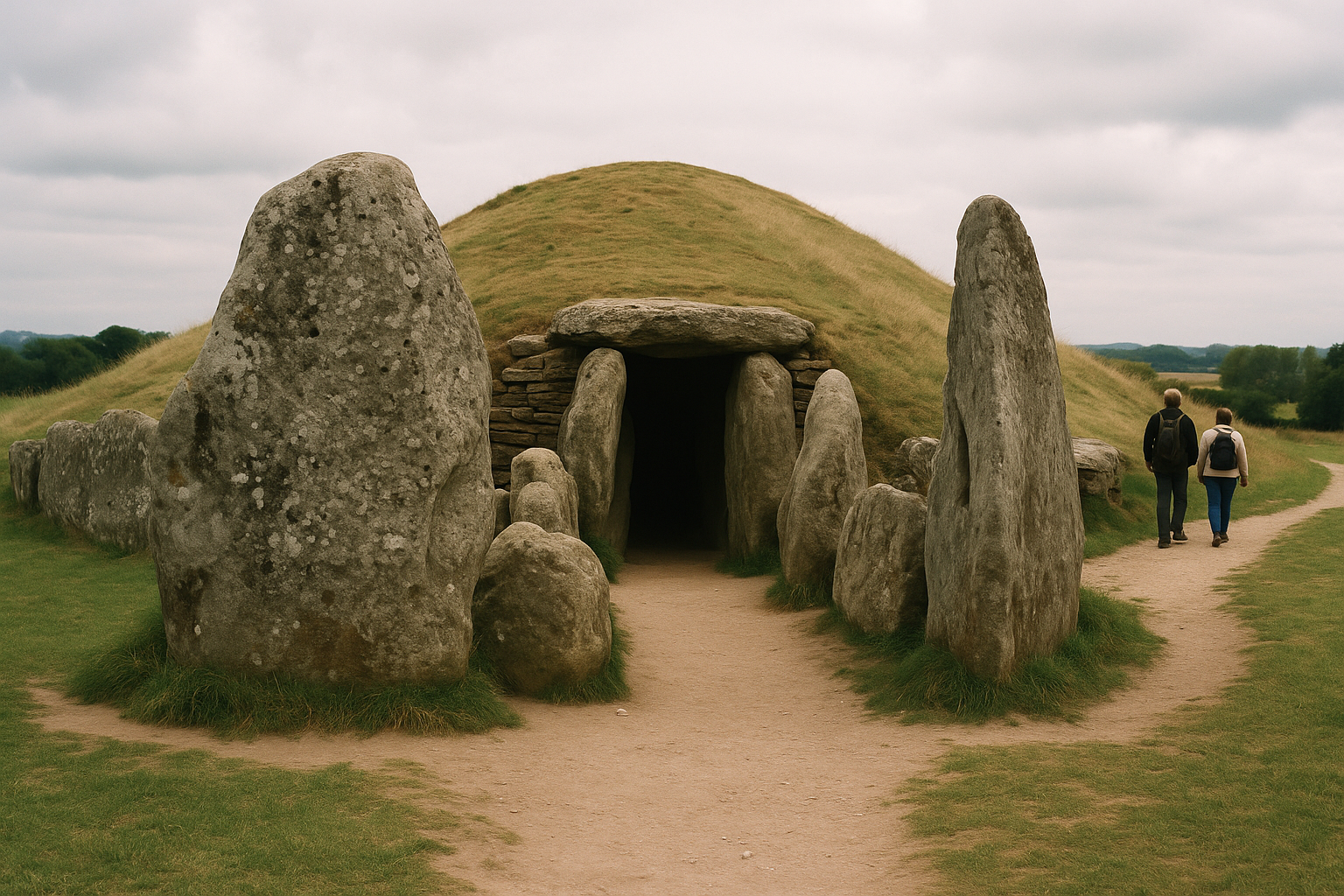
West Kennet Long Barrow Travel Guide 2026: Neolithic Tomb Access, Context, and Wiltshire Itinerary Tips
Neolithic BritainPlan your West Kennet Long Barrow visit with practical walking advice, chamber access expectations, ...
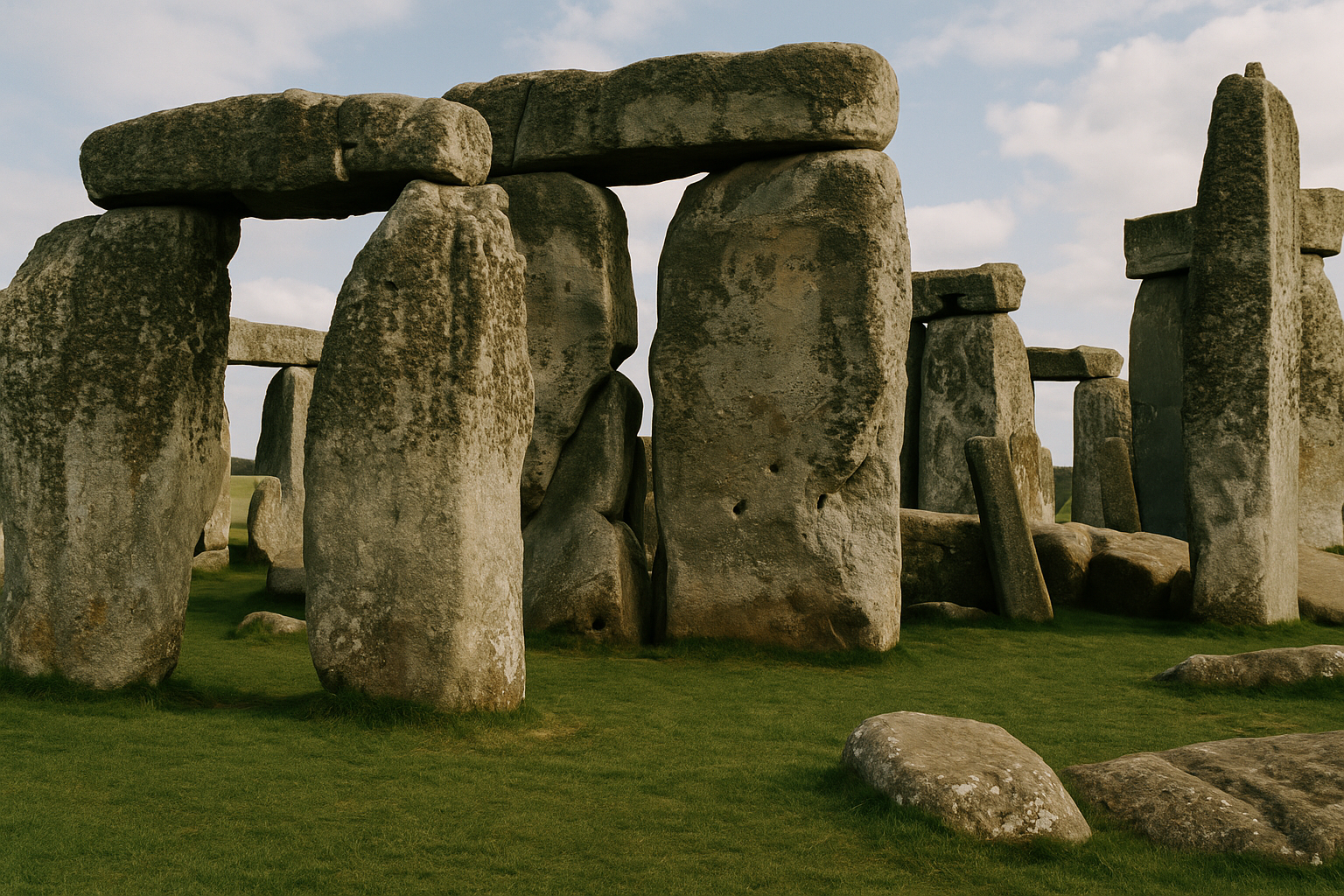
Stonehenge Travel Guide 2026: Solstice History, Tickets, and Day-Trip Planning
Neolithic and Bronze Age BritainPlan a smooth visit to Stonehenge with practical ticket timing, transport options from London and Ba...