Quick Info
Curated Experiences
Stabiae Villas Guided Tour
Pompeii, Stabiae, and Herculaneum Full-Day Route
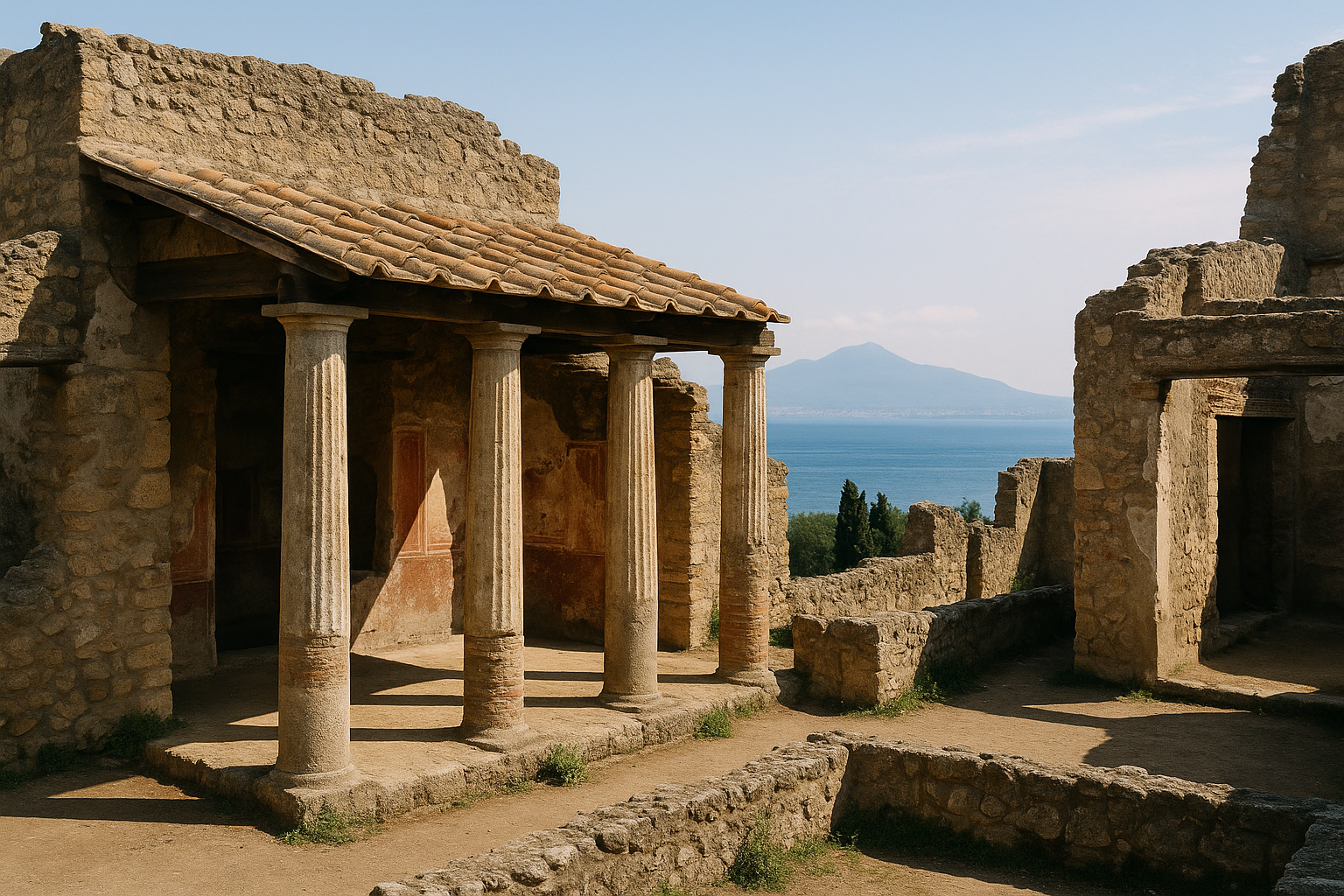
Stabiae is one of the smartest upgrades you can make to a Bay of Naples archaeology itinerary. While Pompeii and Herculaneum draw millions with their urban scale and dramatic preservation, Stabiae offers something different and arguably more intimate: a window into the private world of Rome’s wealthiest citizens. Perched on a ridge above the Bay of Naples, the excavated villas here preserve frescoes, garden layouts, and room sequences that reveal how the Roman elite actually lived when they retreated from public life. For travelers willing to look beyond the headline sites, Stabiae delivers outsized interpretive value with a fraction of the crowds.
Why Stabiae Matters
Stabiae reframes the Vesuvian story. Pompeii is a city frozen in commerce, religion, and daily routine. Herculaneum is a compact coastal town caught mid-stride. Stabiae is neither. It is a collection of elite residential villas - sprawling, terraced, and deliberately positioned to command views of the bay, Vesuvius, and the Sorrentine Peninsula. The distinction matters because Roman civilization was not only urban. Enormous wealth flowed into private estates, and the social rituals of leisure, patronage, and display played out in domestic architecture as much as in forums and amphitheaters.
What survives at Stabiae helps you understand several things that other Vesuvian sites cannot fully explain:
- Villa planning logic: How rooms were sequenced to manage privacy, hospitality, and spectacle within a single estate.
- Decorative ambition: Frescoes and stucco work at Stabiae rank among the finest from the Roman world, offering direct comparison with museum collections in Naples.
- Landscape as status: The elevated position was not accidental. Coastal visibility and garden integration were deliberate markers of wealth and cultural refinement.
- Low-friction depth: With far fewer visitors than Pompeii, Stabiae allows the kind of slow, careful reading that major sites rarely permit.
If you are building a serious understanding of Roman life around the Bay of Naples, skipping Stabiae leaves a real gap.
Historical Context
The area around modern Castellammare di Stabia was settled well before Rome’s expansion into Campania. By the late Republic, the coastal ridge had become a favored location for elite villas - part of a broader pattern of wealthy Romans colonizing the Bay of Naples shoreline for leisure and political retreat. Cicero, Pliny, and other sources confirm that this stretch of coast was densely developed with private estates by the first century BCE.
The eruption of Vesuvius in 79 CE buried Stabiae under volcanic material, just as it buried Pompeii and Herculaneum. But the destruction here was different in character. Stabiae sat further from the volcano, and the burial deposits varied in depth and composition. Some structures were crushed under pyroclastic surges; others were sealed more gently under ash fall. The result is uneven but sometimes spectacular preservation, particularly of painted interiors and architectural footprints.
Excavation at Stabiae has a long but interrupted history. Bourbon-era digs in the eighteenth century uncovered significant material, much of which was removed to the royal collections (now in the Naples Archaeological Museum). Modern archaeological campaigns, particularly those led by the Restoring Ancient Stabiae Foundation, have focused on conservation, documentation, and controlled reopening of villa complexes. The site today represents a fraction of what likely exists underground, but what is accessible is genuinely impressive.
What to Prioritize On Site
Villa San Marco
This is Stabiae’s flagship structure and the most complete villa open to visitors. Its scale is immediately striking - over 11,000 square meters of built footprint, organized around colonnaded gardens, a private bath suite, and a long sequence of reception and living rooms. The atrium, peristyle, and garden axis give you a textbook example of how Roman domestic architecture managed movement, light, and social hierarchy within a single compound. Surviving frescoes and stucco decoration in several rooms are worth close attention, particularly the detailed ceiling work.
Villa Arianna
Named after a fresco depicting the myth of Ariadne, this villa is smaller but arguably more rewarding for its decorative programs. Wall paintings here show sophisticated mythological and architectural scenes rendered in the Third and Fourth Pompeian styles. The villa’s position on the ridge also provides some of the best views available at the site, reinforcing the connection between landscape and elite self-presentation.
The Terrace and Panoramic Setting
Do not rush past the ridge itself. The physical setting is a primary interpretive tool. Standing where the villa terraces once overlooked the bay, you can grasp immediately why this location attracted wealth. The sight lines to Capri, the Sorrentine coast, and Vesuvius explain more about Roman status culture than any wall panel could.
Antiquarium di Stabiae (Museum)
If open during your visit, the small museum near the site provides context for objects and frescoes removed during earlier excavations. It is not essential, but it rounds out the visit if you have time.
Practical Visit Strategy
Time Budget
- Efficient visit: 1.5 to 2 hours covers Villa San Marco and Villa Arianna with reasonable attention.
- Thorough visit: 3 to 4 hours allows careful study of both villas, the terrace views, and the museum if open.
- Combined day trip: Pair Stabiae with one other Vesuvian site for a full day (see route pairing below).
Best Timing
Morning visits are strongly recommended, particularly in summer. The ridge is exposed, and heat builds quickly after midday. Early arrivals also avoid the modest tour groups that sometimes pass through late morning. Weekdays are quieter than weekends year-round.
Getting There
- By train: The Circumvesuviana line runs from Naples (Garibaldi station) and Sorrento to Castellammare di Stabia station. From there, the villas require a steep uphill walk or a short taxi ride. Plan for the walk taking 20 to 30 minutes.
- By car or taxi: The most practical option if you are combining sites. Parking is available near the villa entrances. A hired driver for a Vesuvian day trip is a common and efficient choice.
- Guided tours: Specialist archaeology tours sometimes include Stabiae in multi-site itineraries. These are useful for interpretive depth, particularly if you want connections drawn between Stabiae, Pompeii, and Herculaneum.
What to Bring
- Sturdy, comfortable walking shoes (surfaces are uneven and sometimes graveled).
- Water and sun protection - shade is limited across much of the site.
- A downloaded transit schedule if relying on the Circumvesuviana, which runs on fixed and sometimes irregular intervals.
- A light jacket or layer for wind, which can pick up on the exposed ridge even on warm days.
- A good camera - the frescoes and bay views reward careful photography.
Route Pairing and Nearby Sites
Stabiae works best as part of a multi-site day rather than a standalone destination. The most productive pairings:
- Stabiae + Pompeii: The strongest thematic combination. Pompeii gives you urban scale, public life, and commercial infrastructure. Stabiae gives you private wealth, domestic planning, and elite leisure. Together, they cover the full social spectrum of Roman Campania.
- Stabiae + Herculaneum: An architecture-heavy day focused on preserved interiors, building techniques, and decorative programs. Herculaneum’s compact scale pairs well with Stabiae’s villa layouts.
- Stabiae + Paestum: A longer day trip but rewarding if you want to span Greek and Roman periods in a single outing. Paestum’s temples provide a dramatic contrast to Stabiae’s domestic focus.
Avoid trying to fit Pompeii, Herculaneum, and Stabiae into a single day. Each site deserves at least two hours of genuine attention, and transit time between them adds up quickly. Two sites per day is the practical maximum for meaningful engagement.
Final Take
Stabiae is not a replacement for Pompeii or Herculaneum - it is a complement that makes both of those sites more legible. If you visit Pompeii and wonder what the wealthy families did when they left the city, Stabiae provides the answer in physical form: vast terraced villas with painted rooms, colonnaded gardens, private baths, and commanding views designed to project power and cultivate pleasure. It is one of Campania’s most underrated archaeological experiences, and for travelers who care about Roman social history rather than just Roman spectacle, it may be the most satisfying stop on the entire bay.
Continue Planning Italy
Quick Facts
| Attribute | Details |
|---|---|
| Location | Castellammare di Stabia, Campania, Italy |
| Country | Italy |
| Region | Campania |
| Civilization | Roman |
| Historical Period | Late Republic to Early Imperial Roman |
| Established | Flourished by the 1st century BCE and 1st century CE |
| Key Structures | Villa San Marco, Villa Arianna |
| Destroyed | 79 CE (eruption of Vesuvius) |
| Coordinates | 40.6995, 14.4799 |
Frequently Asked Questions
Is Stabiae worth visiting if I’m already going to Pompeii?
Yes. Stabiae gives a complementary perspective focused on elite villa life, decorative programs, and panoramic coastal positioning rather than dense urban streets.
How much time should I plan for Stabiae?
Most visitors need 2 to 3.5 hours, depending on whether they visit both primary villa areas in detail.
Can I reach Stabiae without a car?
Yes. It is feasible by regional rail and local transit from Naples or Sorrento, though transfers can add friction compared with direct driving.
Should Stabiae be combined with Herculaneum or Pompeii?
Either works, but pairing Stabiae with one major Vesuvian site usually gives a better pace than trying to do all three quickly.
Nearby Ancient Sites
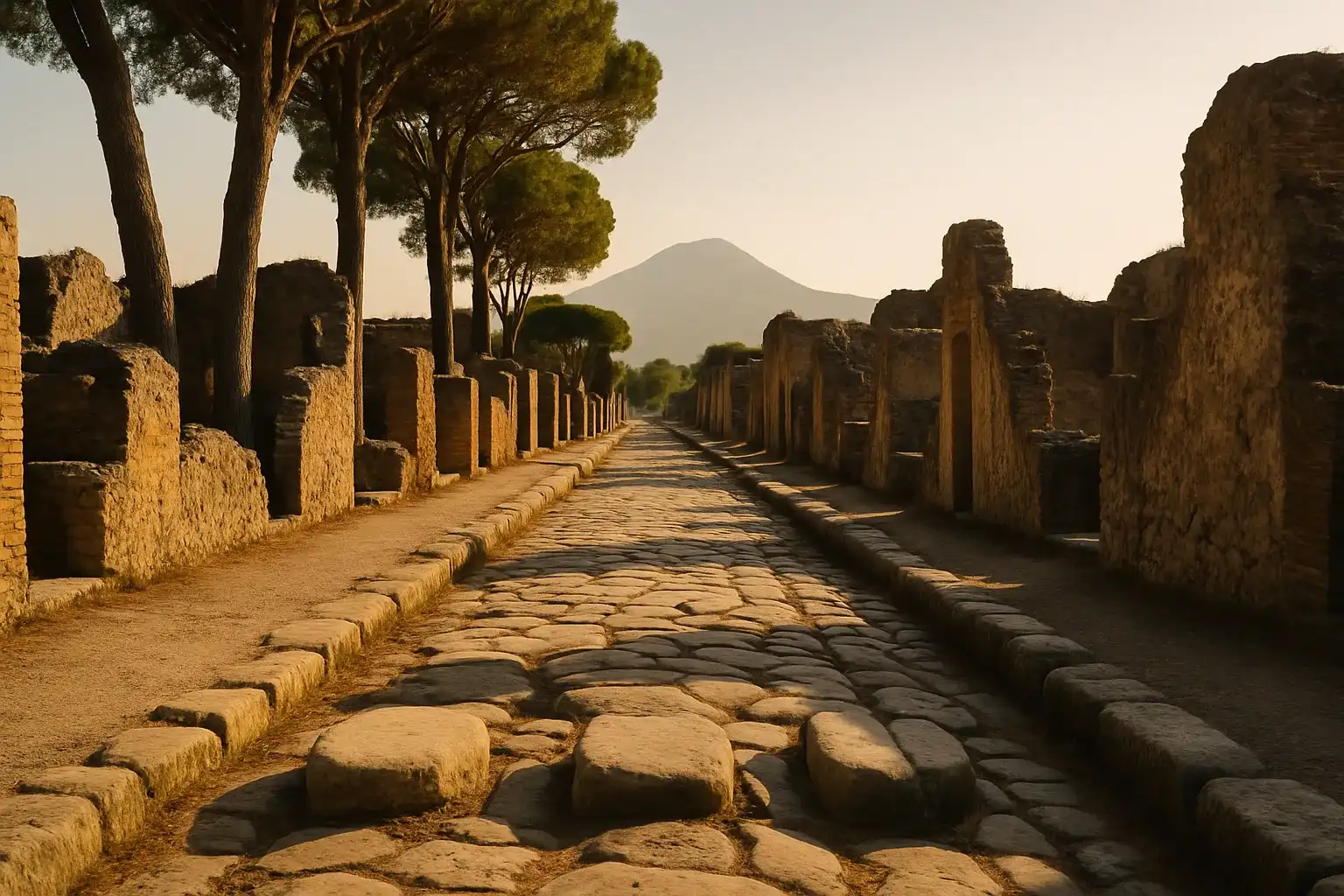
Pompeii Italy Travel Guide: Frozen in Time, Complete 2026
Roman EmpireWalk the streets of ancient Pompeii with our complete guide. Discover the best routes, must-see hous...
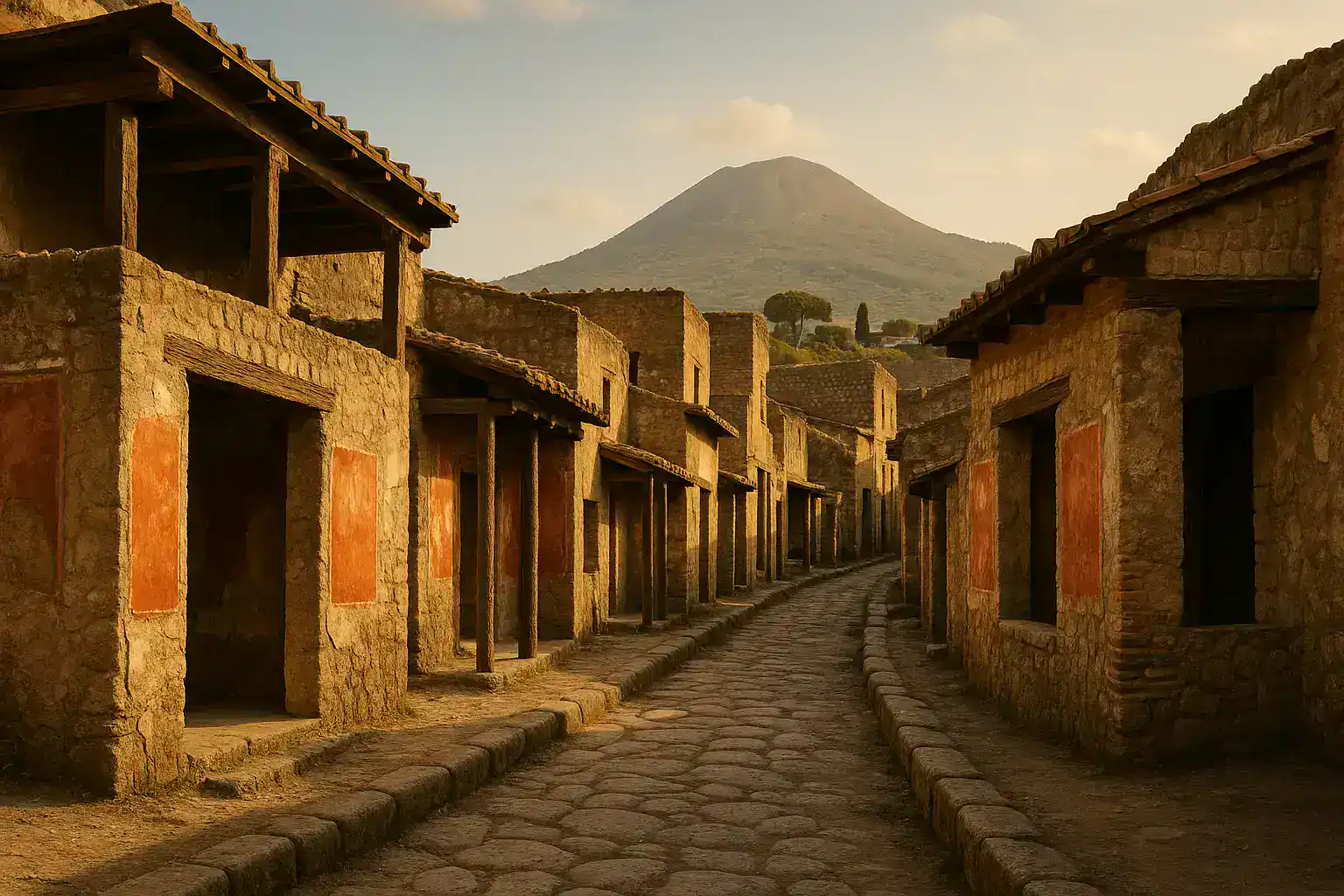
Herculaneum Italy Travel Guide 2026: Better Preserved Than Pompeii
Roman EmpireDiscover Herculaneum's extraordinary preservation of ancient Roman life. See carbonized wood, vivid ...
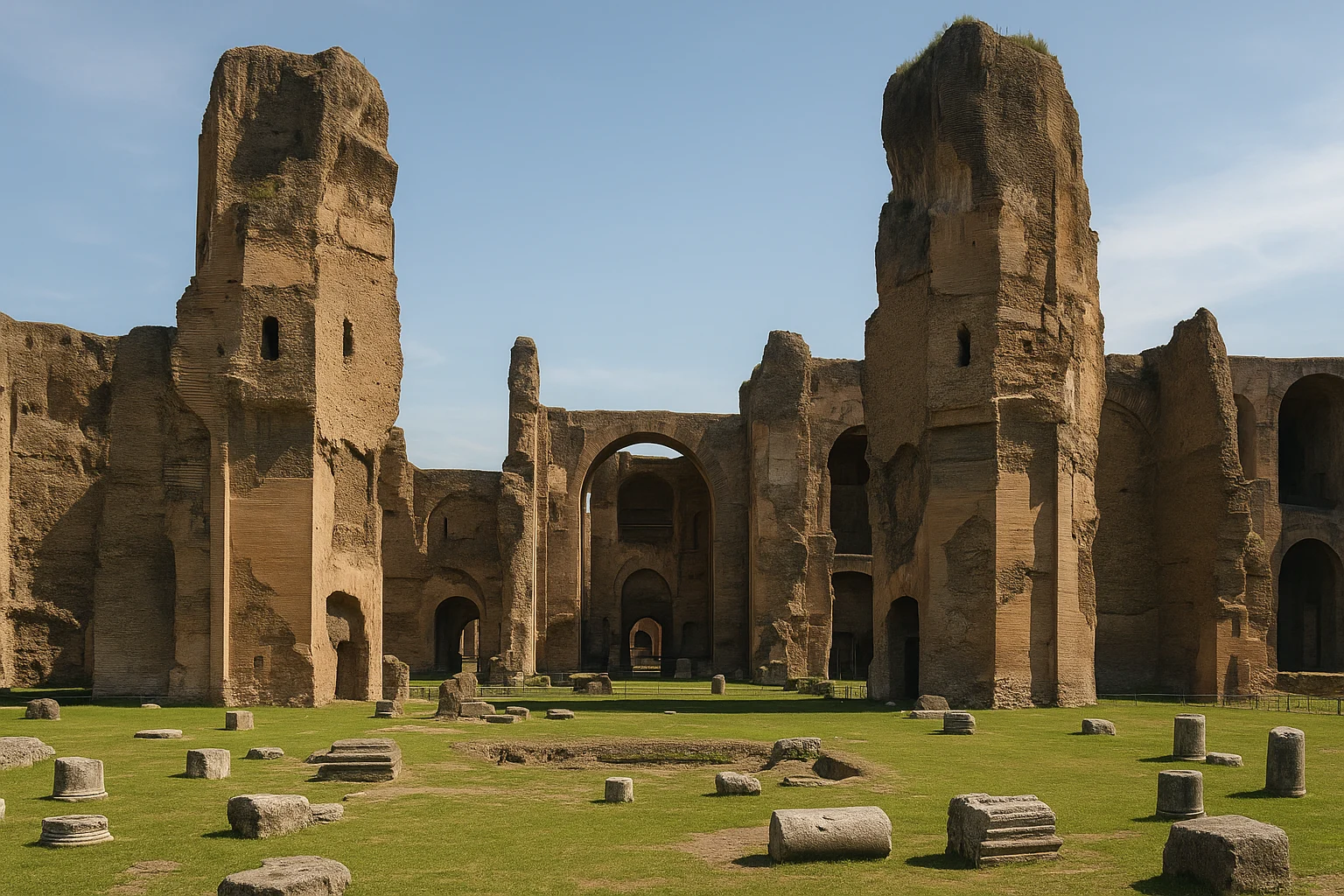
Baths of Caracalla Rome Guide 2026
RomanPlan your visit to the Baths of Caracalla with practical route advice, history context, timing, and ...
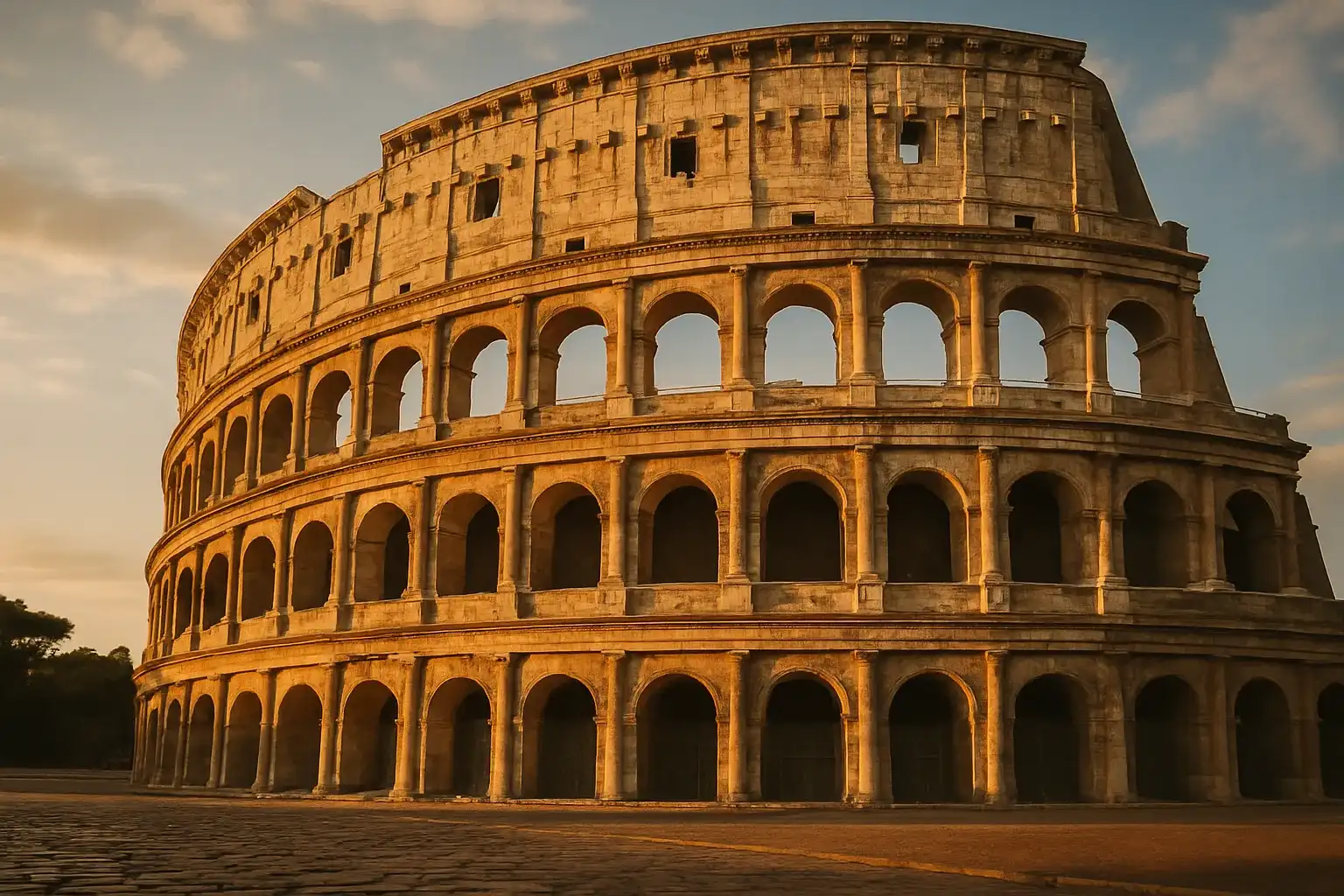
Colosseum Rome: Complete 2026 Guide to Arena Floor, Tickets, and Timing
Roman EmpirePlan the perfect Colosseum visit with timed-entry strategy, Arena Floor and underground access tips,...
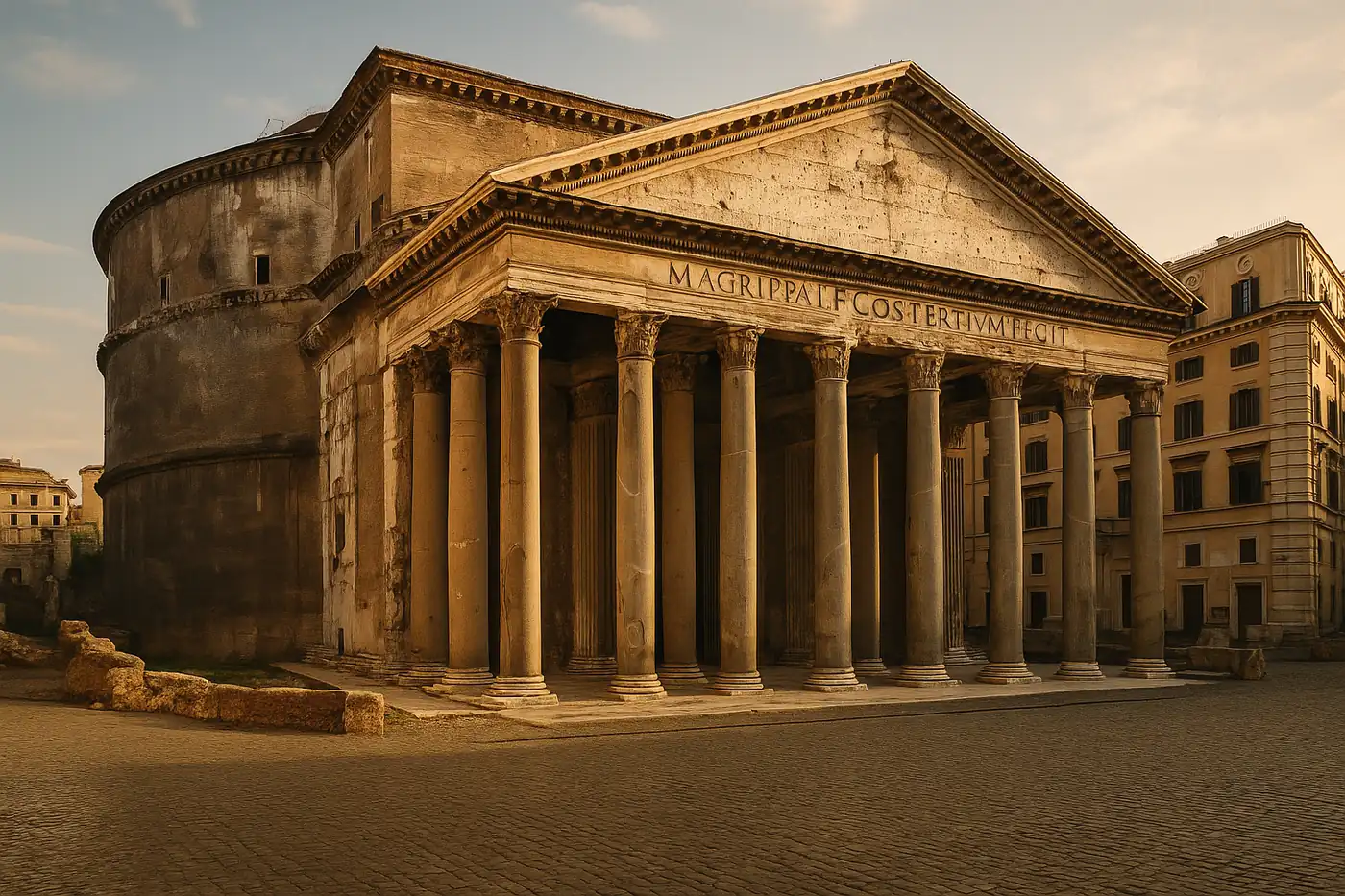
Pantheon Rome: Ultimate Guide to Rome's Best-Preserved Ancient Temple
Roman EmpireMaster your Pantheon visit with history, dome engineering secrets, visiting tips, skip-the-line opti...
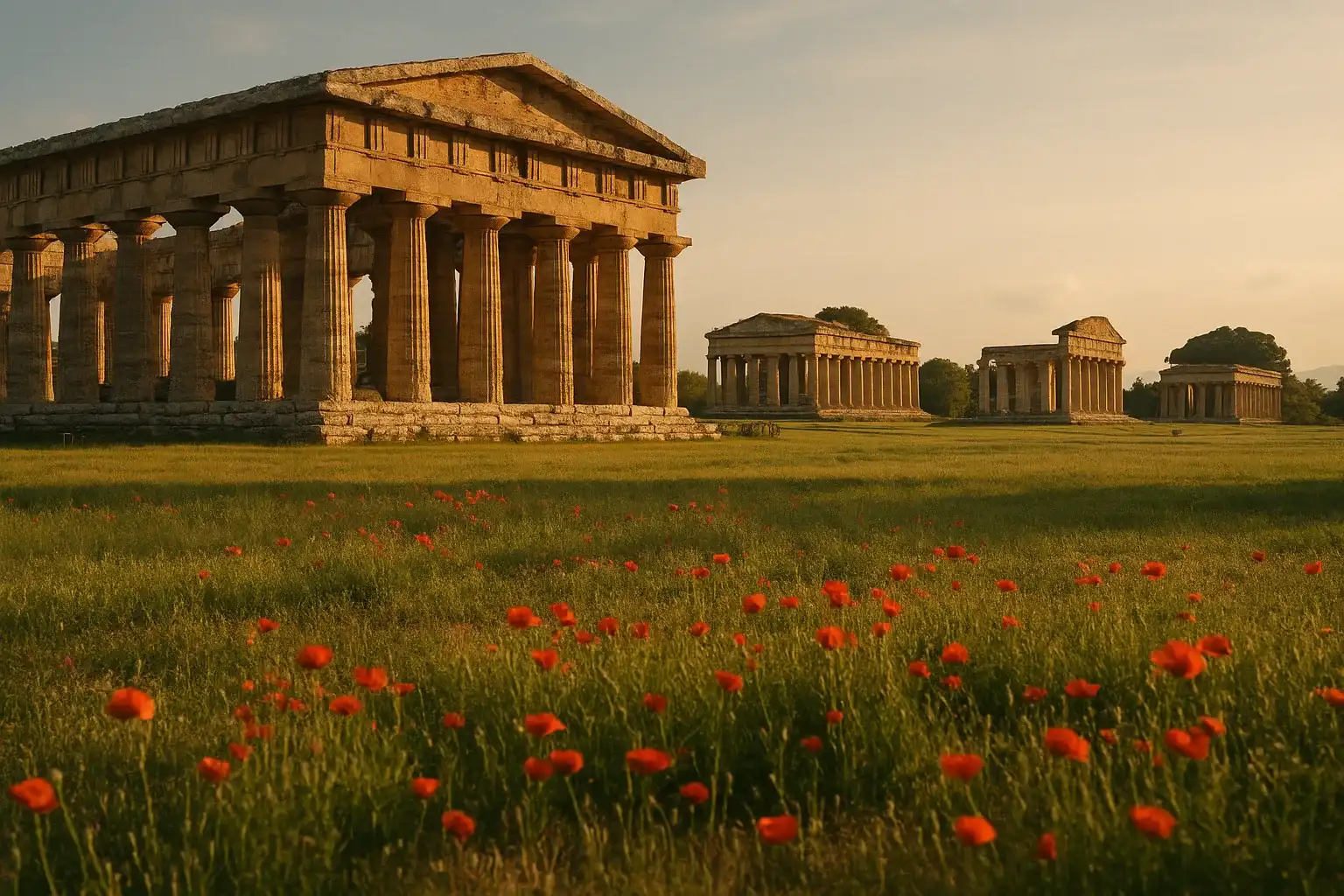
Paestum: Europe's Best-Preserved Greek Temples on Italy's
Ancient Greek / RomanDiscover Paestum's magnificent Greek temples, the Tomb of the Diver, and buffalo mozzarella farms on...