Quick Info
Curated Experiences
Takayama Historic District & Jinya Walking Tour
Hida Takayama Full-Day Cultural Experience
Takayama Old Town & Sake Breweries Tour
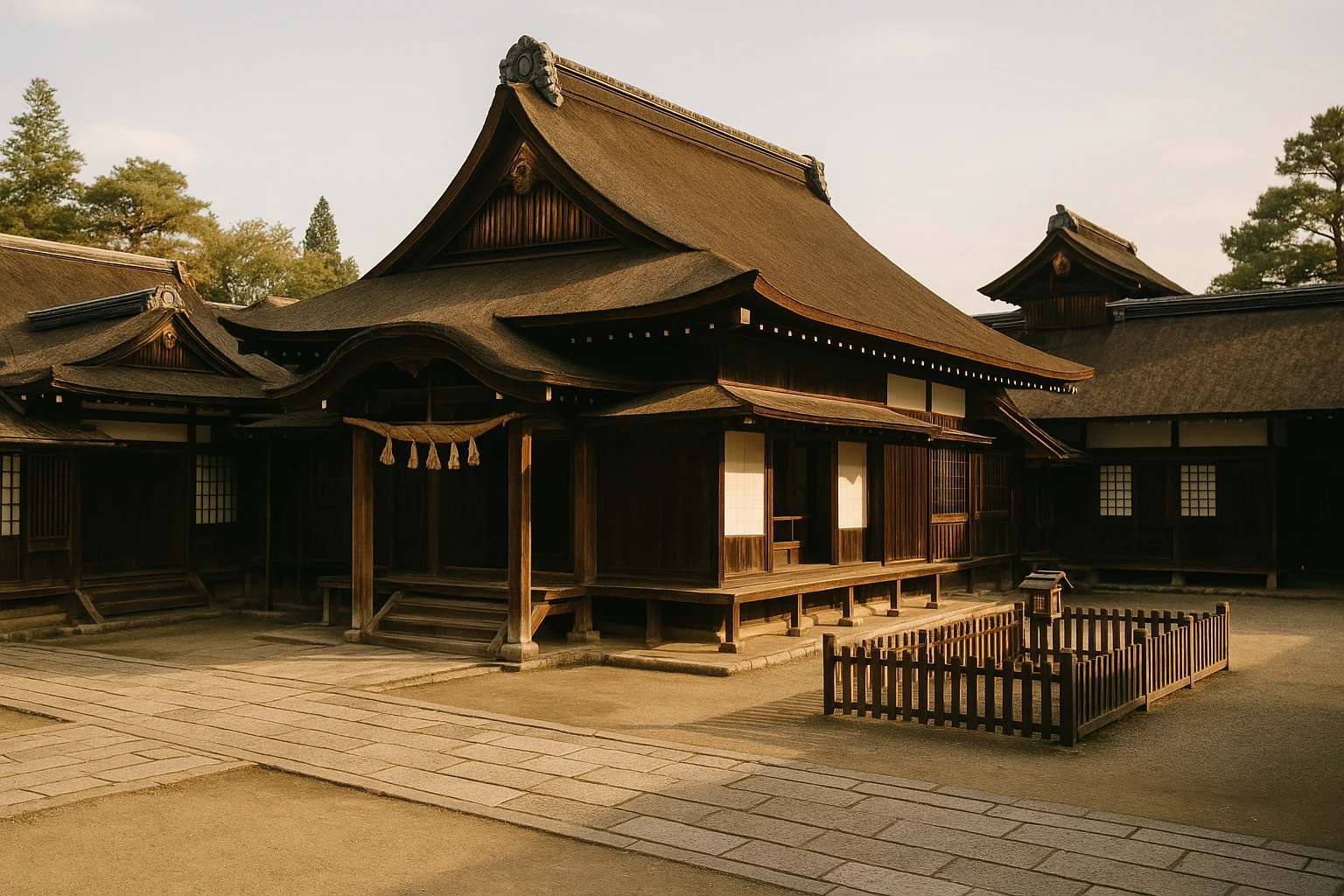
In the mountain-ringed city of Takayama, tucked at the southern edge of the historic old town in Gifu Prefecture, Japan, a low, broad building of dark timber and white plaster stands just as it has for more than four centuries. Takayama Jinya is not a castle, a temple, or a shrine — it is something rarer: the last surviving jinya, or regional government office, from Japan’s Edo period (1603–1868). While dozens of such administrative compounds once dotted the Japanese countryside as the physical expression of Tokugawa shogunate authority, Takayama Jinya alone has endured intact, its tatami rooms, rice storehouses, formal gardens, and interrogation chamber preserved with an almost uncanny completeness. To walk through its gated entrance is to step into the bureaucratic and political machinery of feudal Japan, not as abstraction or reconstruction, but as lived, breathing architecture. For anyone seeking to understand how the Tokugawa peace was administered at the local level — how rice taxes were collected, disputes adjudicated, and central authority projected into a remote mountain province — Takayama Jinya provides an experience of startling immediacy. The building smells of old wood and tatami grass. Afternoon light falls through shoji screens onto polished corridors. The silence it holds is the silence of a system that endured for two and a half centuries.
History
The Hida Province and Tokugawa Control
The story of Takayama Jinya begins with timber. Hida Province, occupying the mountainous interior of what is now Gifu Prefecture, was not especially fertile agricultural land, but it possessed forests of exceptional quality — dense stands of Japanese cypress, zelkova, and cedar that the capital craved for temple construction, castle-building, and the great public works projects of a unifying Japan. Recognizing this strategic resource, Toyotomi Hideyoshi brought Hida Province under direct central control in 1585, dispatching administrators rather than installing a local feudal lord. When the Tokugawa clan completed its consolidation of Japan at the Battle of Sekigahara in 1600 and formalized the shogunate system in 1603, Hida remained a tenryo — a territory governed directly by the shogunate rather than assigned to a daimyo vassal. This administrative status would prove decisive for the jinya’s survival.
Construction and Early Development
The original jinya building was erected in 1615, during the tenure of Takayama’s first shogunal magistrate, on land that had previously served as the residence of the Kanamori clan, the local lords who ruled Hida before Tokugawa centralization. The Kanamori were relocated to Kaminoyama Domain in Dewa Province in 1692, and as the shogunate tightened its direct hold on the region, the jinya expanded correspondingly. Over the seventeenth and eighteenth centuries, magistrates added formal reception halls, rice tax storage facilities, servant quarters, stables, and a garden — each addition reflecting the growing complexity of administering a prosperous province from a single compound.
Edo-Period Administration
At its operational peak, Takayama Jinya housed a resident magistrate (gundai or daikan, depending on the era), a staff of clerks and inspectors, and the apparatus required to collect the rice tax from some two hundred villages scattered across Hida’s mountain valleys. Tax assessment was an elaborate, contentious process: officials measured paddies, evaluated harvests, heard disputes, and issued rulings that could mean the difference between subsistence and starvation for farming families. The jinya’s formal tatami rooms served as the setting for these negotiations, while the storehouses (okura) behind the main building held the physical rice collected as tax before it was transported by river and road to Nagoya and beyond. In moments of serious criminal investigation, the interrogation room at the building’s north end provided the shogunate’s judicial arm with the instruments — recorded in contemporary documents and displayed here today — that enforced compliance.
Meiji Transition and Preservation
When the Meiji Restoration ended the Edo period in 1868, most jinya buildings across Japan were repurposed, converted, or demolished as the new government swept away the physical infrastructure of feudal administration. Takayama Jinya narrowly escaped this fate because it was sufficiently substantial and well-maintained to serve as the regional government office for the new Meiji prefectural system. It continued as a working administrative building through most of the twentieth century — used variously as a prefectural office, a forest administration center, and a government building — before finally being transferred to national management in 1969 and opened to the public as a museum. This unbroken chain of practical use is precisely what preserved its interiors: nothing was romanticized or restored for tourism; the building was simply maintained in working order across eras until preservation became the explicit goal.
Key Features
The Formal Reception Halls
The heart of Takayama Jinya is its sequence of formal tatami reception rooms arranged along the building’s south-facing front. These spaces — graduated in rank from the outer waiting rooms where petitioners gathered to the inner chambers reserved for the magistrate’s formal audiences — communicate the hierarchical choreography of Edo-period bureaucracy with remarkable clarity. The largest hall, used for official ceremonies and the formal receipt of tax documents, retains its original fittings: a raised dais for the magistrate, recessed tokonoma alcove displaying an appropriate seasonal scroll or arrangement, and coffered ceilings of polished timber that assert institutional gravity without ostentation. The rooms flow into one another through sliding shoji and fusuma screens, creating a series of spaces that could be sealed or opened depending on the nature of the business at hand. Furniture is sparse — a few lacquered writing boxes, ink stones, document cases — and the sparseness itself conveys something important: power, in the Edo administrative idiom, was expressed through ceremony and placement, not accumulation.
The Rice Tax Storehouses
Behind the main building, separated by a narrow service corridor, stand the okura — the rice storehouses that were the jinya’s economic raison d’être. These are robust, utilitarian structures with thick earthen and plaster walls designed to maintain consistent temperature and humidity for grain storage. Two storehouses survive and are accessible to visitors, their interiors now displaying the measuring tools, weight standards, ledgers, and containers used in the annual tax collection process. The scale of the operation is made tangible here: rows of wooden measuring boxes of standardized volume, account books recording the assessed yield of hundreds of villages across multiple decades, and the portable scales used by inspectors in the field. The storehouses are a reminder that the jinya was not merely a ceremonial space but a working node in a fiscal system of considerable sophistication.
The Interrogation Room and Judicial Apparatus
Among the jinya’s many well-preserved rooms, the interrogation chamber has drawn the most consistent attention from visitors — and generated the most reflection on the nature of Tokugawa authority. Located at the building’s north end, this room retains display reproductions of the restraints and tools used in Edo-period judicial proceedings, along with explanatory panels describing the formal procedures that governed interrogation, confession, and sentencing. The shogunate’s legal system was not arbitrary: proceedings followed codified protocols, and confession was a required element of conviction, which explains both the existence of interrogation practices and their institutional regulation. The room is sobering rather than sensational, presenting judicial coercion as a structural feature of a system that also produced two centuries of relative internal peace — a contradiction that the best interpretive panels here do not resolve so much as honestly present.
The Garden and Grounds
The jinya’s interior garden, visible from several of the formal reception rooms, is a small but carefully composed example of traditional Japanese garden design. Stepping stones cross a mossy ground plane punctuated by pruned pines, stone lanterns, and a modest water feature. The garden was designed to be seen from a seated position inside the building — a prospect arranged for the magistrate’s contemplation rather than for strolling — and its compressed depth creates the impression of a larger landscape through careful manipulation of scale and borrowed scenery from the surrounding walls and roof lines. In spring, a weeping cherry near the garden’s east corner comes into bloom, and in autumn, maples at the perimeter turn amber and crimson. The overall effect is of controlled refinement: nature shaped to reflect institutional composure.
Getting There
Takayama is best reached by the JR Takayama Line, which connects the city to Nagoya (approximately 2.5 hours, ¥5,610 unreserved limited express) and to Toyama (approximately 1.5 hours, ¥2,310 unreserved). From Tokyo, the most practical routing is by shinkansen to Nagoya and then the limited express Wide View Hida directly to Takayama Station. The Nohi Bus Company operates a highway bus service between Matsumoto and Takayama (roughly 2.5 hours, ¥3,500) that connects to the JR network in Nagano Prefecture, offering an alternative for travelers approaching from the Japan Alps corridor.
From Takayama Station, Takayama Jinya is a 15-minute walk east across the Miyagawa River and through the Sanmachi Suji historic district. The route is well-signposted in English and Japanese. Municipal Machi-bus routes serve the old town area for a flat fare of ¥100 per ride, though the compact scale of the historic district makes walking the more satisfying option. Bicycle rental is available from several shops adjacent to the station for ¥500–¥800 per day and allows visitors to link the jinya with the morning markets, sake breweries, and Higashiyama temple walk within a comfortable half-day circuit.
When to Visit
Takayama divides its year between two internationally famous matsuri festivals and four distinct seasons, each offering a genuinely different experience of the town and its historic monuments. The Sanno Festival (April 14–15) and the Hachiman Festival (October 9–10), collectively designated an Important Intangible Folk Cultural Property, fill the streets with elaborately decorated yatai festival floats and draw visitors from across Japan and abroad. Booking accommodation well in advance is essential during festival weekends, and the jinya receives its largest crowds at these times.
Late April through May is ideal for first-time visitors: cherry blossoms peak in the garden in late March to early April, the mountain air remains cool and clear, and spring foliage softens the dark timber buildings with fresh green. Mid-October through mid-November brings autumn color to the surrounding mountains and the jinya’s garden maples, offering exceptional photographic conditions in morning and late afternoon light.
Summer (July–August) is warm and humid but not extreme at Takayama’s elevation of 560 metres. Winter brings significant snowfall — averaging 150–200 centimetres — that transforms the jinya’s courtyard into a monochrome composition of white and dark timber. Snow season (December through February) is the quietest period and offers the most contemplative experience of the building’s interiors, though some mountain road connections may be affected by weather.
| Quick Facts | |
|---|---|
| Location | Takayama, Gifu Prefecture, Japan |
| Type | Regional government office (jinya) |
| Established | 1615 |
| Period | Edo Period (1615–1868) |
| Designation | National Historic Site; Important Cultural Property |
| Administered by | Agency for Cultural Affairs, Government of Japan |
| Opening Hours | 8:45 AM – 5:00 PM (Nov–Feb closes 4:30 PM) |
| Admission | ¥440 adults / ¥220 students / Free under 15 |
| Nearest Station | JR Takayama Station (15-minute walk) |
| Coordinates | 36.1427° N, 137.2511° E |
Frequently Asked Questions
What is Takayama Jinya?
Takayama Jinya is the only surviving jinya — a regional government office building — from Japan's Edo period. Built in 1615 and expanded over subsequent centuries, it served as the administrative headquarters through which Tokugawa shogunate officials governed Hida Province. Today it functions as a national historic site and museum displaying original furnishings, documents, and equipment used by Edo-period officials.
How do I get to Takayama Jinya from Takayama Station?
Takayama Jinya is an easy 15-minute walk from JR Takayama Station. Head east across the Miyagawa River into the historic Sanmachi Suji district and continue south along Hachiken-machi Street. The jinya sits at the southern end of the old town grid. Local buses also connect the station to the old town area, and bicycle rentals are widely available near the station for around ¥500–¥800 per day.
What are Takayama Jinya's opening hours and admission fees?
Takayama Jinya is open daily from 8:45 AM to 5:00 PM (closing at 4:30 PM November through February). It is closed on December 29–31. Admission is ¥440 for adults and ¥220 for university and high school students. Elementary and junior high school students enter free. The site is operated by the national government through the Agency for Cultural Affairs.
What is the best time of year to visit Takayama Jinya?
Spring (late March to early May) and autumn (mid-October to mid-November) offer the most atmospheric visits, when the surrounding Hida mountains frame the town in cherry blossoms or fiery foliage. The famous Takayama Matsuri festival — held in April and October — draws large crowds but creates an exceptionally festive atmosphere. Summer is warm and less crowded; winter brings heavy snow that transforms the jinya's garden into a serene, minimalist landscape.
Is Takayama Jinya a UNESCO World Heritage Site?
Takayama Jinya itself is designated an Important Cultural Property of Japan rather than a UNESCO World Heritage Site. However, the broader Historic Villages of Shirakawa-go and Gokayama, located roughly 50 kilometres from Takayama, hold UNESCO World Heritage status. The historic district of Takayama, including the jinya, has been recognized at the national level and is frequently discussed in relation to potential future UNESCO listing.
Can visitors enter the interior of Takayama Jinya?
Yes. Visitors are welcome to remove their shoes and walk through the interior rooms, including the formal reception halls, magistrate's chambers, rice tax storehouses, and the garden. English-language audio guides and printed pamphlets are available. Particularly notable is the interrogation room, which retains display equipment illustrating the judicial procedures of the Edo period. Guided tours in Japanese depart regularly throughout the day.
Nearby Ancient Sites
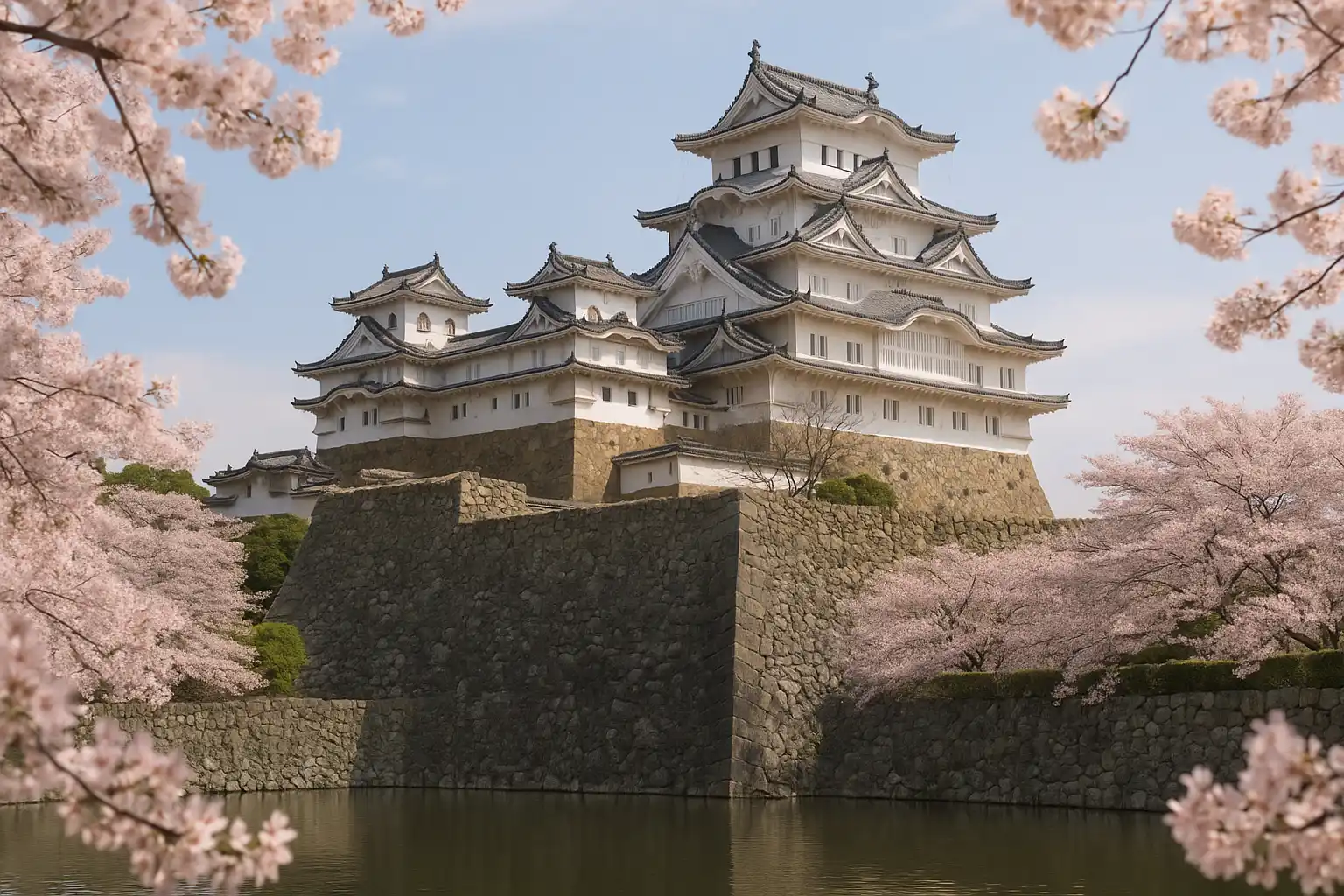
Himeji Castle Japan Travel Guide 2026: The White Heron Castle
Japanese FeudalVisit Himeji Castle, Japan's most beautiful original castle. Explore the White Heron keep, defensive...
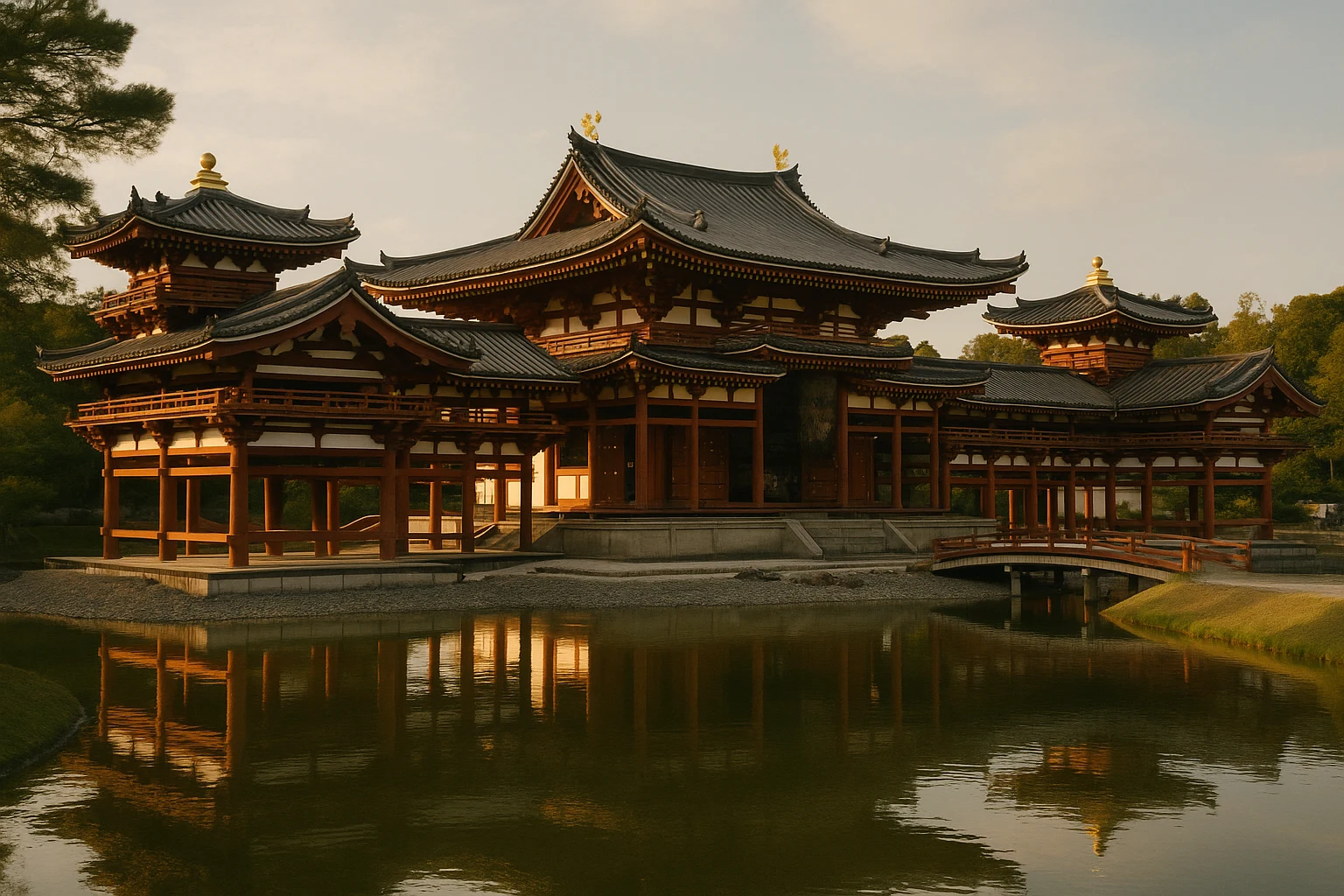
Byodoin Temple
Heian JapanA UNESCO-listed Heian-era masterpiece in Uji, Japan, renowned for its iconic Phoenix Hall reflected ...
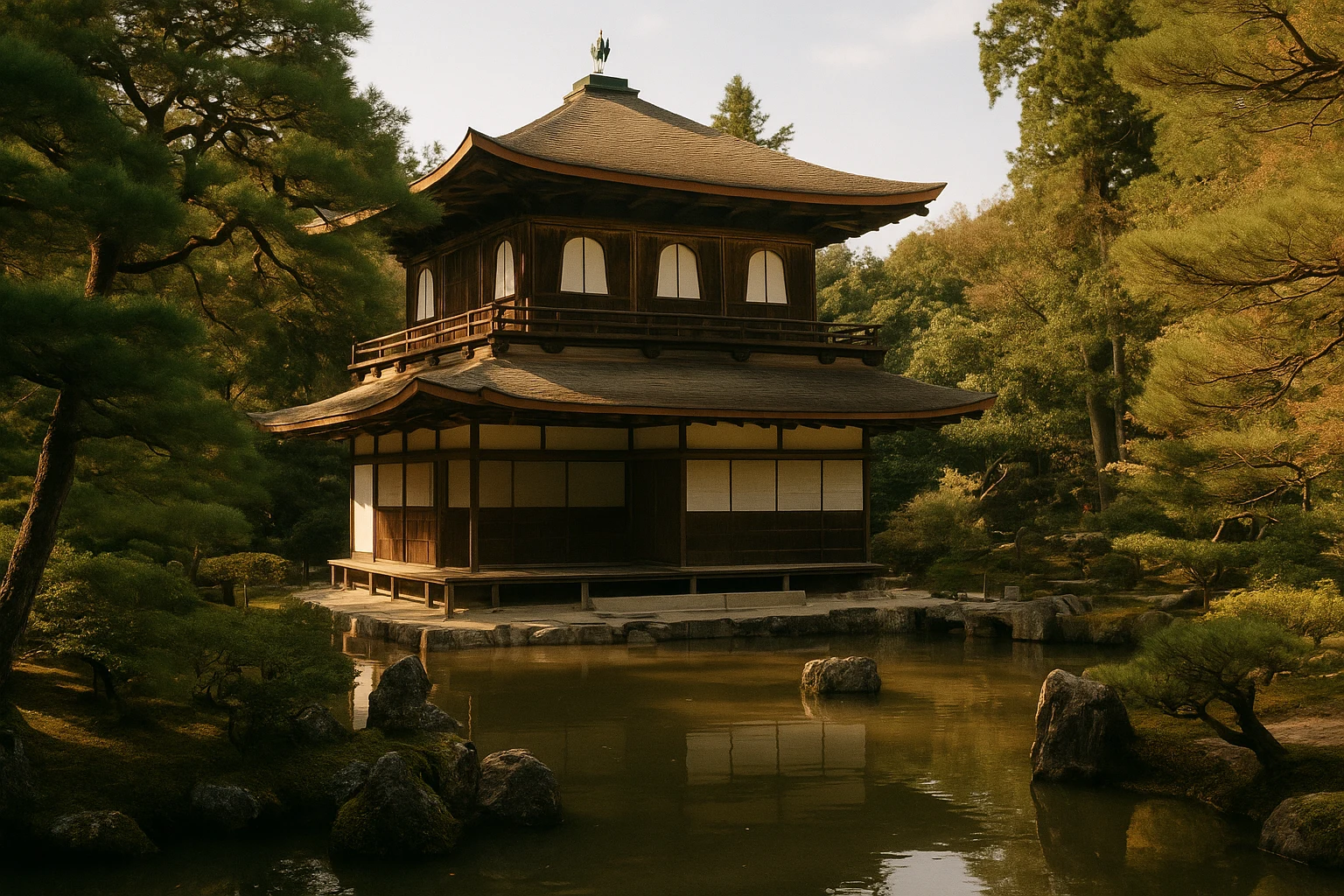
Ginkakuji Temple: Kyoto's Silver Pavilion and the Art of Wabi
Explore Ginkakuji Temple in Kyoto, Japan — the Silver Pavilion, sand gardens, and Ashikaga Yoshimasa...
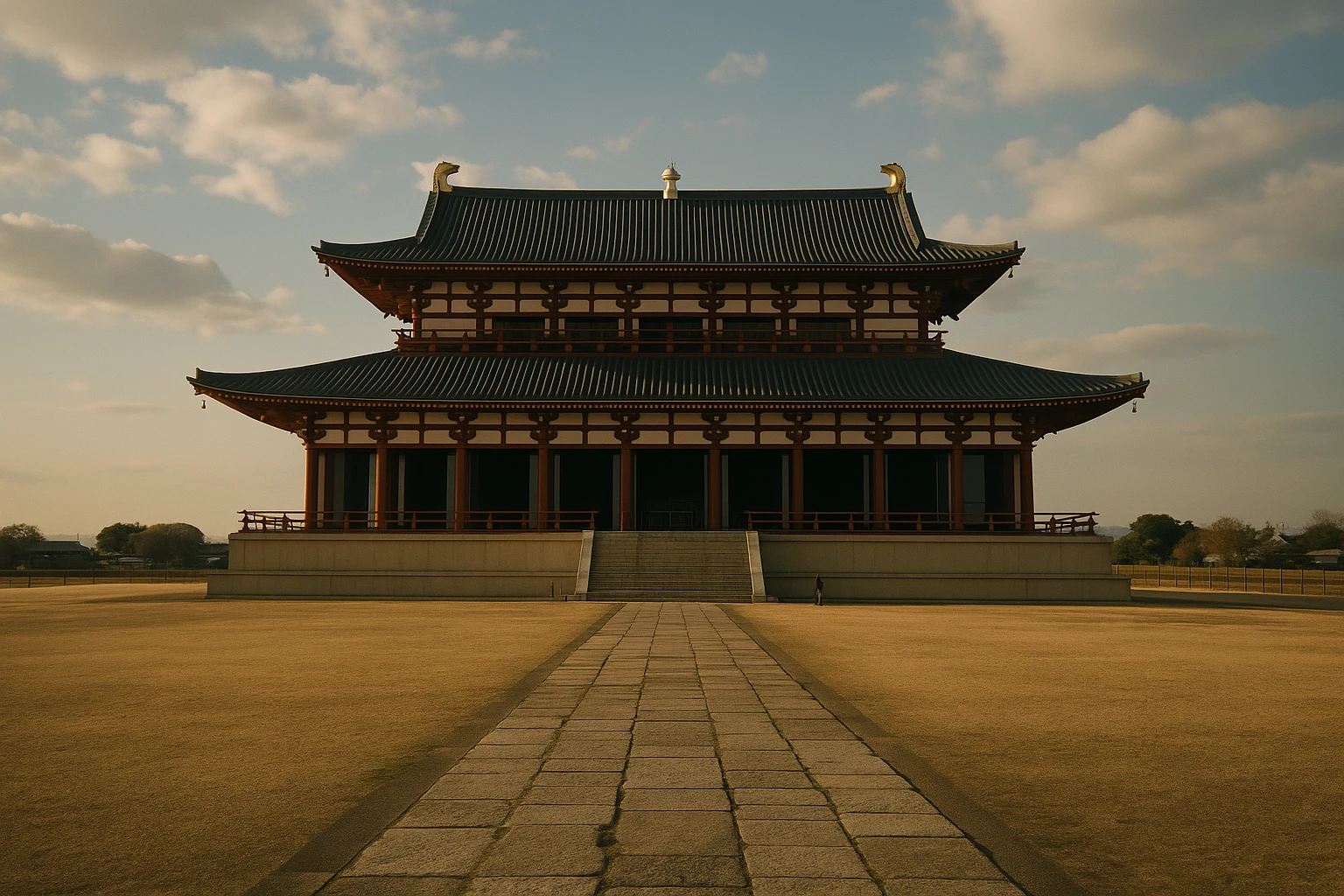
Heijo Palace Site
Nara Period JapanWalk the vast grounds of Japan's 8th-century imperial capital in Nara — a UNESCO World Heritage Site...