Quick Info
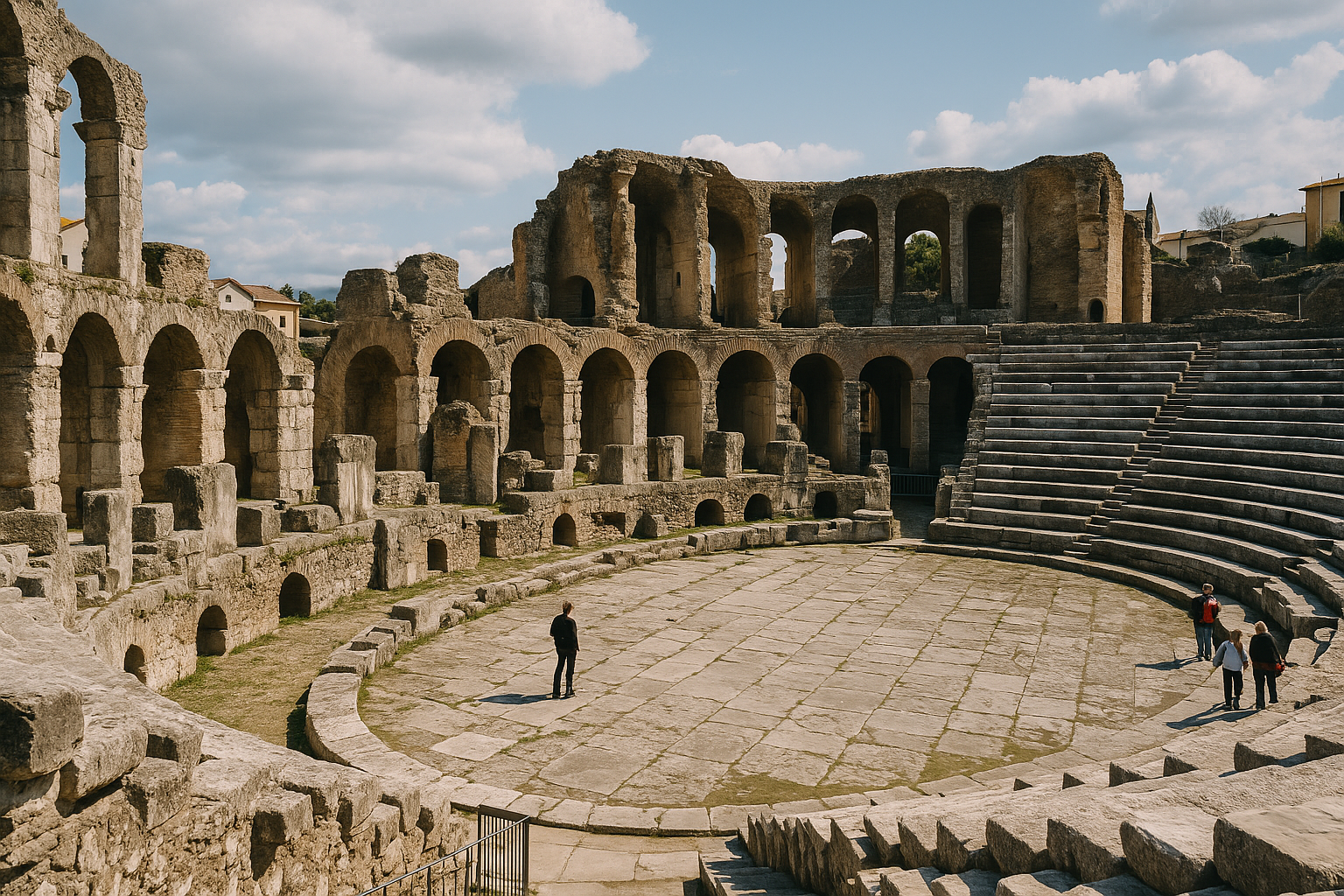
Teatro Romano di Benevento is one of the best-preserved Roman theaters in southern Italy, and one of the least crowded major imperial ruins you can visit in Campania. Built to seat roughly 10,000 spectators, the structure stands as physical proof that Roman civic ambition reached well beyond Rome itself. For travelers building an Italy itinerary that balances heavy-hitter sites with quieter, high-value stops, Benevento’s theater delivers an unusually clear reading of Roman provincial life without the logistical friction of more famous ruins.
The theater sits within walking distance of Benevento’s old town, which means you can pair it with the Arch of Trajan (one of the best-preserved Roman triumphal arches anywhere) and a genuine southern Italian town experience. This is not a site you visit in isolation. It is a site that makes an entire day in Benevento feel worthwhile.
Why This Site Matters
Most travelers to Campania focus on the coast and the buried cities. That makes sense. But the Teatro Romano di Benevento fills a different role in an Italy itinerary, and it fills it well.
- Scale without spectacle fatigue. The theater is large enough to communicate Roman engineering ambition but compact enough to absorb in under two hours. You leave with a clear mental picture rather than sensory overload.
- Readable architecture. The cavea (seating area) retains enough of its tiered structure that you can immediately understand how the space functioned. The orchestra pit, stage foundation, and rear wall fragments are all legible without extensive signage or imagination.
- Provincial context. Rome built theaters everywhere it governed. Seeing one outside Rome, scaled to a mid-size provincial capital, teaches you something about the empire that the Colosseum cannot. This was infrastructure deployed as cultural policy.
- Low crowd pressure. Even in peak season, you will likely share the site with a handful of other visitors. That changes the quality of the experience fundamentally.
Historical Context
Benevento (ancient Beneventum) was a strategically important city on the Via Appia, the main road connecting Rome to the ports of southeastern Italy. Its position made it a hub for military movement, trade, and administrative control over the southern provinces.
The theater was constructed during the reign of Emperor Hadrian, likely completed around 126 CE, though some scholars place initial construction earlier under Trajan. It was part of a broader building program that also produced the Arch of Trajan at the city’s entrance, one of the finest surviving examples of Roman triumphal architecture.
The theater’s design follows the standard Roman model derived from Greek precedents but adapted for Roman tastes: a semi-circular orchestra, a raised stage (pulpitum), and a multi-story scene building (scaenae frons) that served as both backdrop and acoustic reflector. At full capacity, it held an estimated 10,000 to 15,000 spectators, making it one of the larger theaters in Roman Italy outside of Rome itself.
After the fall of the empire, the theater was gradually incorporated into the medieval city. Houses were built into and over its structure, which ironically helped preserve much of the lower cavea and substructure. Excavation and restoration work in the 20th century cleared away later construction and stabilized what remained. Today, the theater is occasionally used for summer performances, connecting its modern life to its original purpose.
What to Prioritize Onsite
The Cavea
Start with the seating tiers. Walk up through the lower and middle sections to get a sense of the theater’s scale. The stone seats are largely intact in the lower portion, and from the upper rows you get a strong view of how the entire structure was oriented within the city.
The Stage Area and Scaenae Frons Fragments
At ground level, examine the stage foundation and the remaining fragments of the scene building. Several carved architectural elements and column bases are visible, giving you a sense of the decorative program that once covered the rear wall. This was not a plain structure. The scaenae frons would have been multi-storied, columned, and richly ornamented.
The Substructures and Corridors
The vaulted corridors (vomitoria) that channeled spectators into the seating area are partially accessible. These passages demonstrate the practical engineering behind Roman crowd management, a system designed to move thousands of people efficiently.
The Arch of Trajan
Though technically a separate monument, the Arch of Trajan is a 10-minute walk from the theater and should be treated as part of the same visit. The arch’s relief panels depict scenes of Trajan’s military campaigns and civic achievements. The carving quality is exceptional and the state of preservation is remarkable. Do not skip this.
Practical Visit Strategy
Time Budget
- Focused theater visit: 45 to 75 minutes
- Theater plus Arch of Trajan: 1.5 to 2 hours
- Full Benevento half-day (theater, arch, old town, lunch): 3 to 4 hours
Best Timing
Morning visits offer the best light for photography, especially in the cavea where direct sun illuminates the stonework. Late afternoon is equally good and tends to be quieter. In summer (June through August), avoid visiting between noon and 3 PM when heat in the open theater is genuinely uncomfortable.
The site is generally open Tuesday through Sunday, but verify hours before your visit as schedules can shift seasonally. Admission is inexpensive, typically a few euros.
Getting There
Benevento is roughly 80 kilometers northeast of Naples. By car, the drive takes about an hour via the A16 motorway. By train, Trenitalia runs regular service from Napoli Centrale to Benevento, with a journey time of roughly 1.5 hours. The theater is a short walk from the train station, making a car-free visit entirely feasible.
What to Bring
Comfortable walking shoes are sufficient. The terrain is mostly flat with some uneven stone surfaces. Bring water and sun protection in warmer months, as the theater offers no shade. A wide-angle lens is useful for capturing the full sweep of the cavea.
Route Pairing and Nearby Sites
Teatro Romano di Benevento works best as part of a day that explores inland Campania or as a deliberate contrast to the coastal archaeological circuit.
Same-day pairing options:
- Benevento old town. The Arch of Trajan, the cathedral, and the Hortus Conclusus garden are all within walking distance. A half-day in Benevento feels complete without rushing.
- Caserta. The Royal Palace of Caserta is roughly an hour west by car and makes a strong architectural contrast to the Roman theater.
Multi-day route context:
- Pompeii and Herculaneum are the obvious Campania anchors. Use Benevento as a change of pace between excavation-heavy days.
- Paestum offers Greek temple architecture that complements the Roman theater nicely, though combining both in a single day requires significant driving.
- Aosta Roman Ruins provide a useful comparison if your Italy route extends north, showing how Roman provincial theaters varied by region.
- Aquileia is another strong provincial Roman site for travelers building an itinerary around Rome’s reach beyond the capital.
Final Take
Teatro Romano di Benevento is not a site that will dominate your trip photos or your dinner conversation. It is something better: a site that makes you smarter about the Roman world in a short, efficient, low-stress visit. The theater is legible, the Arch of Trajan is genuinely outstanding, and the town itself has the kind of unhurried southern Italian character that the coast lost decades ago.
If your Campania plan is Pompeii, Herculaneum, and the Amalfi Coast, Benevento is the inland detour that gives your itinerary depth. It takes half a day, costs almost nothing, and rewards attention.
Quick Facts
| Attribute | Details |
|---|---|
| Location | Benevento, Campania, Italy |
| Country | Italy |
| Region | Campania |
| Civilization | Roman |
| Historical Period | Imperial Roman (Hadrianic era) |
| Established | Circa 126 CE |
| Estimated Capacity | 10,000 to 15,000 spectators |
| Key Nearby Monument | Arch of Trajan (10-minute walk) |
| Coordinates | 41.1296, 14.7826 |
Frequently Asked Questions
Is Teatro Romano di Benevento worth visiting if you’ve already seen major Roman theaters?
Yes. It is smaller than headline sites but very readable and low-stress, making it excellent for travelers who value context without heavy crowds.
How much time should you plan at the theater?
Most travelers need 60 to 90 minutes on site, plus extra time if you combine it with Benevento’s historic center.
Can this fit into a day trip from Naples?
Yes, with an early start and realistic pacing. The best approach is one major archaeology stop plus relaxed city walking.
Is Benevento a good stop on a broader Campania route?
Absolutely. It works well as a lighter day between heavier archaeology blocks like Pompeii or Paestum.
Nearby Ancient Sites
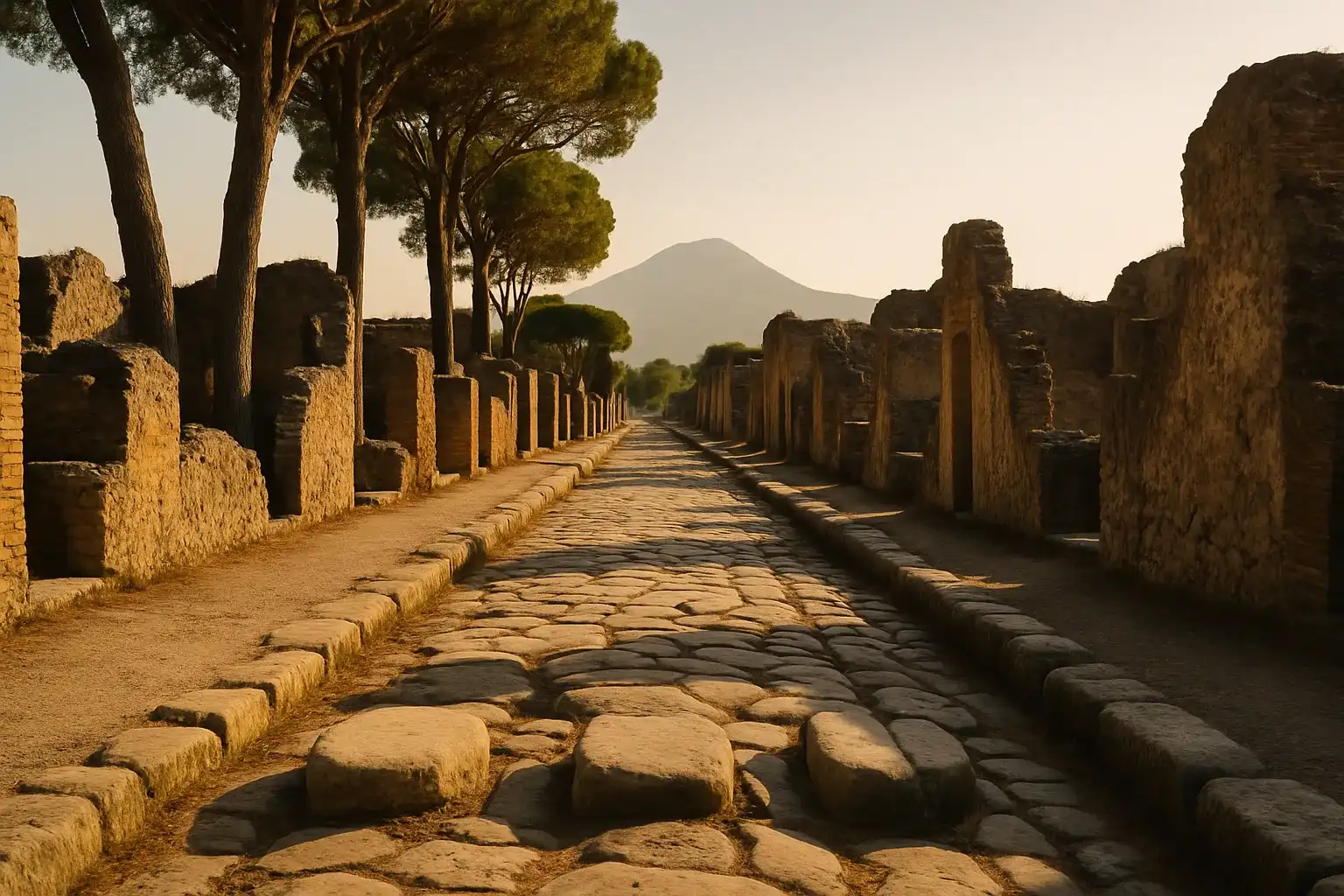
Pompeii Italy Travel Guide: Frozen in Time, Complete 2026
Roman EmpireWalk the streets of ancient Pompeii with our complete guide. Discover the best routes, must-see hous...
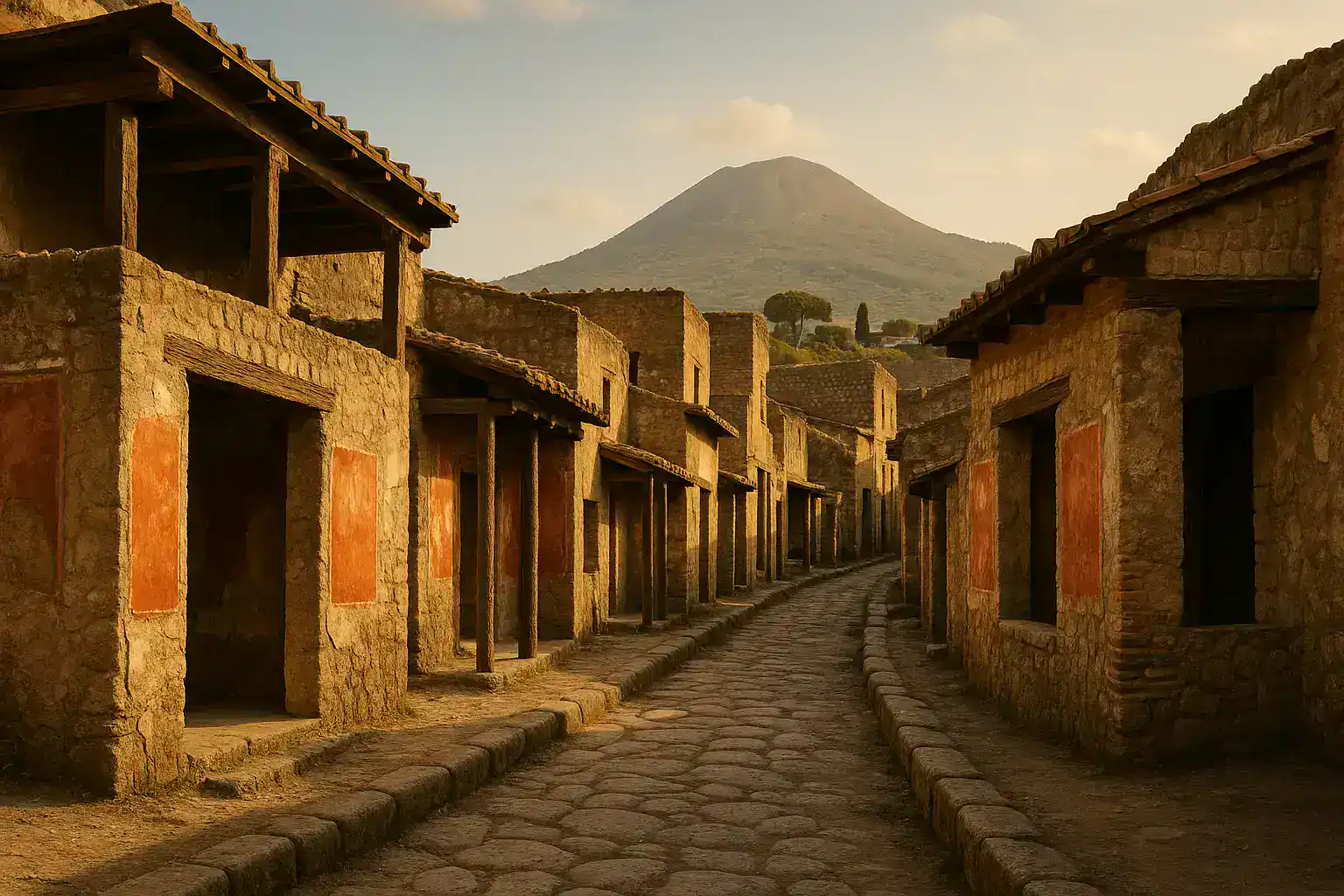
Herculaneum Italy Travel Guide 2026: Better Preserved Than Pompeii
Roman EmpireDiscover Herculaneum's extraordinary preservation of ancient Roman life. See carbonized wood, vivid ...
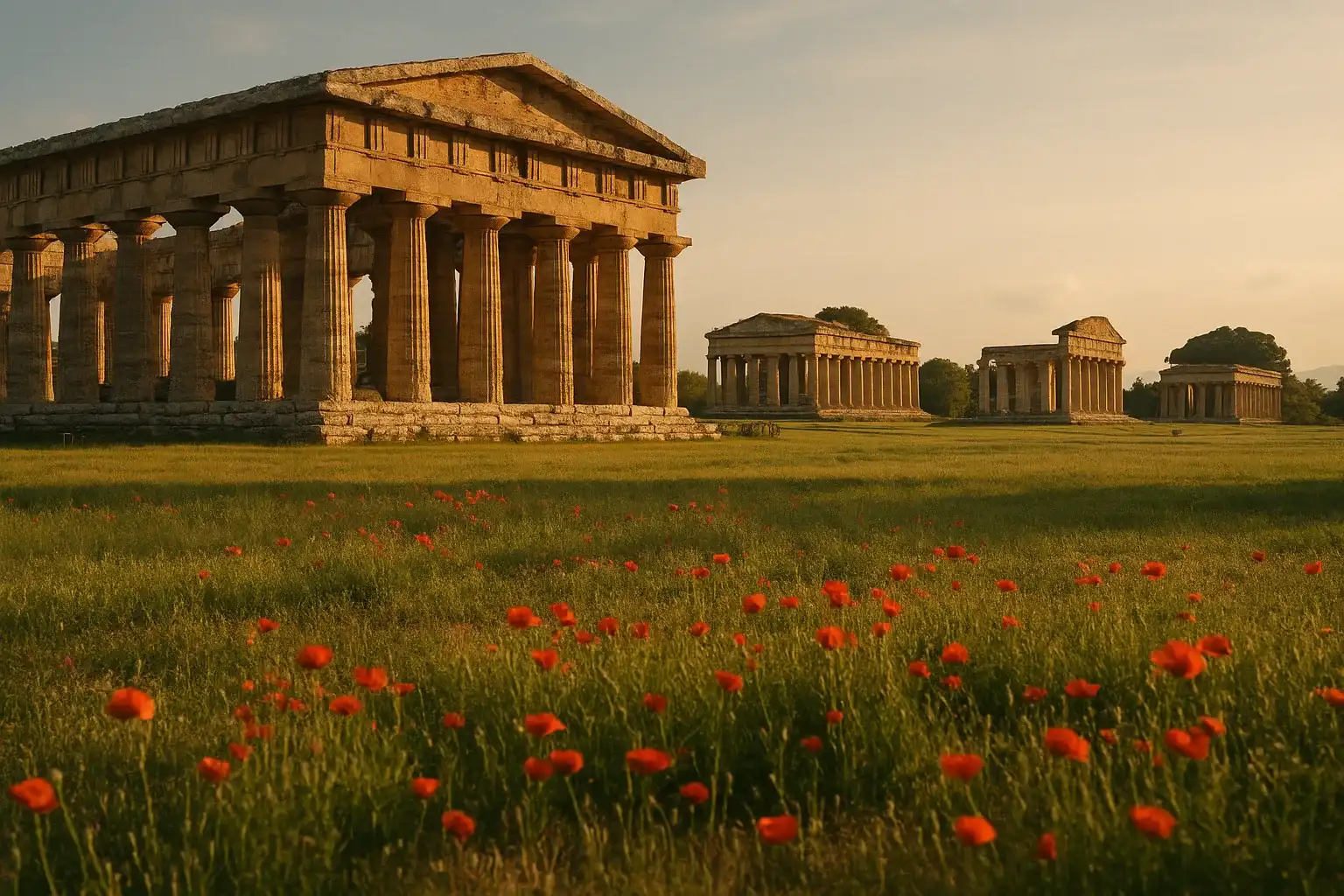
Paestum: Europe's Best-Preserved Greek Temples on Italy's
Ancient Greek / RomanDiscover Paestum's magnificent Greek temples, the Tomb of the Diver, and buffalo mozzarella farms on...
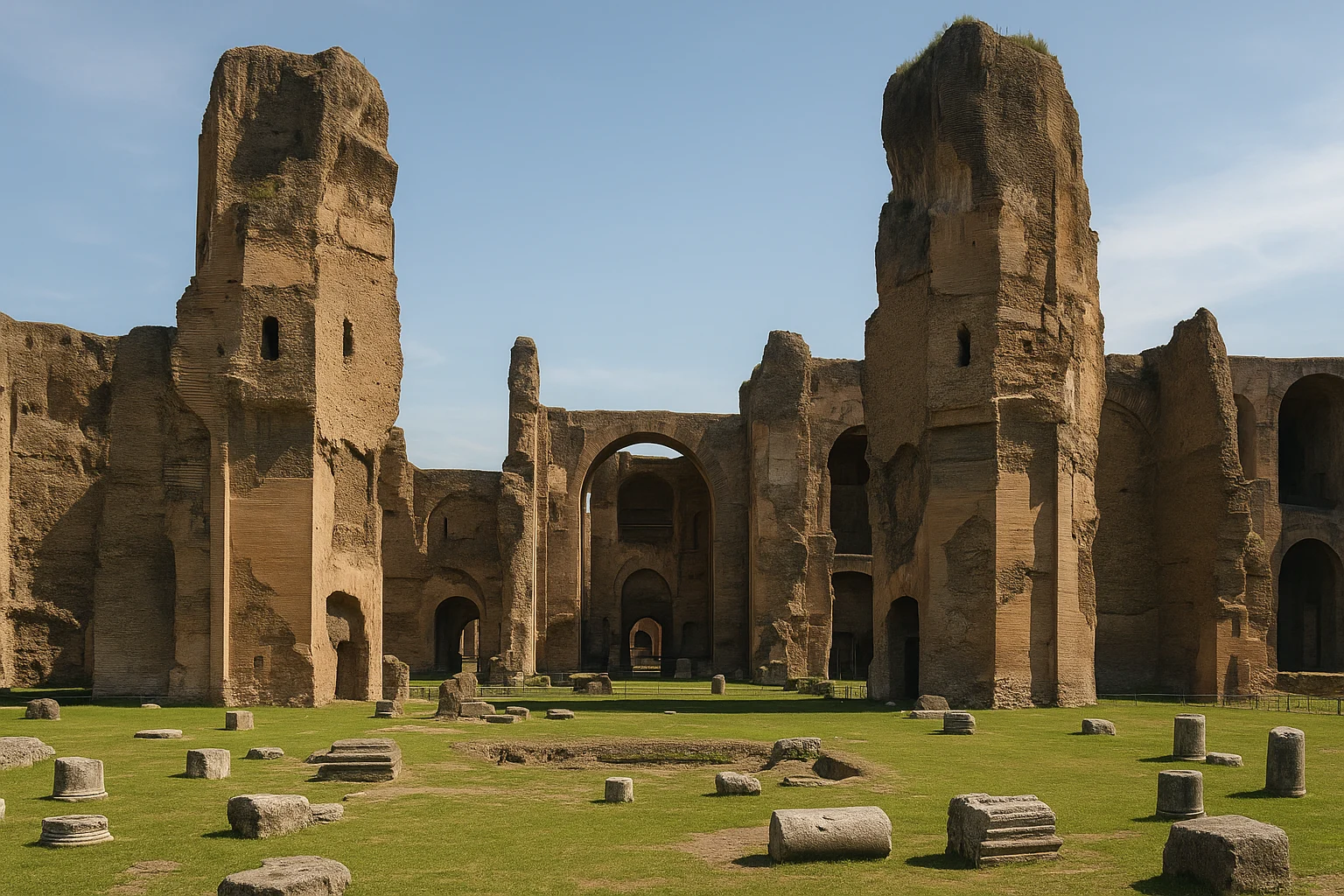
Baths of Caracalla Rome Guide 2026
RomanPlan your visit to the Baths of Caracalla with practical route advice, history context, timing, and ...
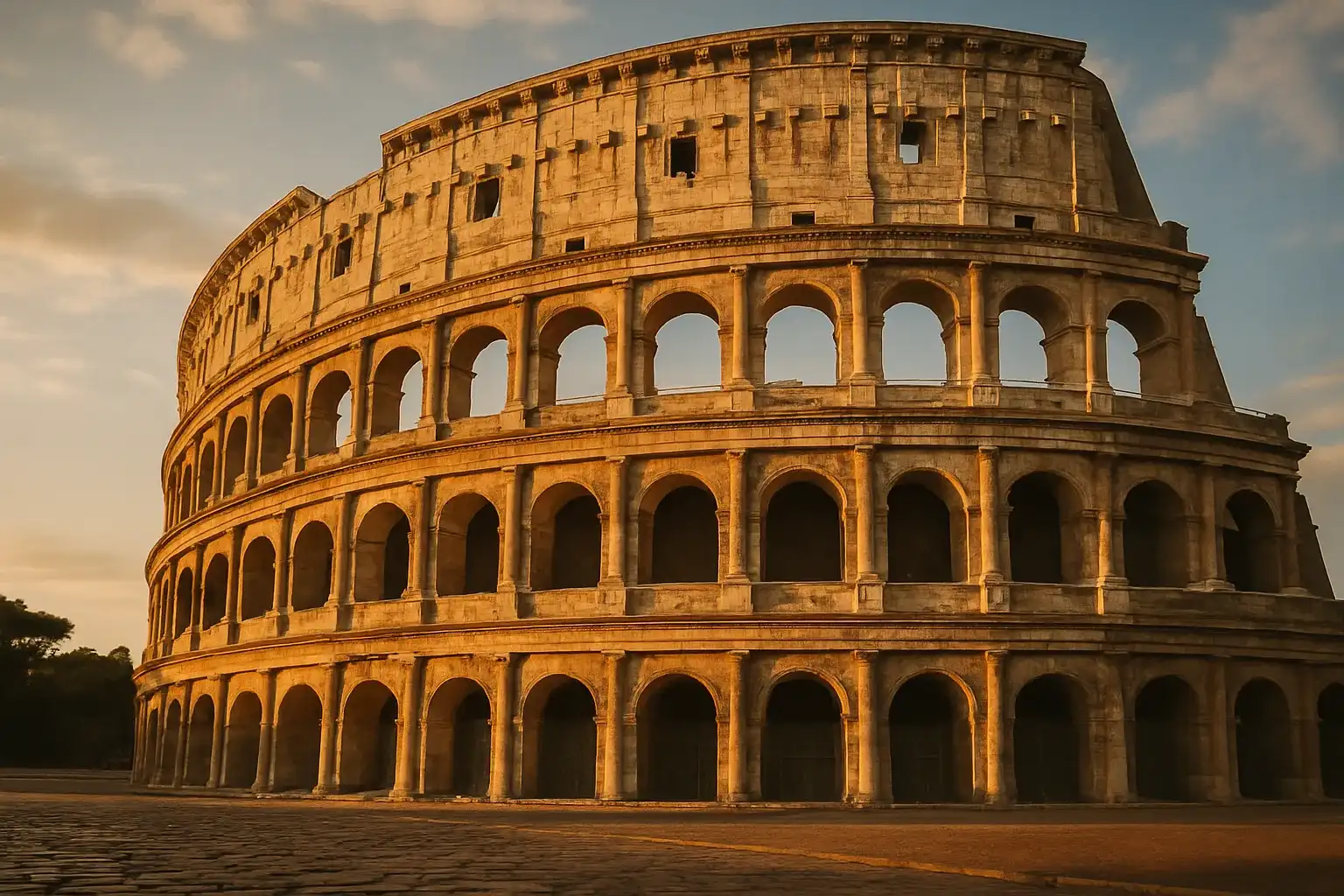
Colosseum Rome: Complete 2026 Guide to Arena Floor, Tickets, and Timing
Roman EmpirePlan the perfect Colosseum visit with timed-entry strategy, Arena Floor and underground access tips,...
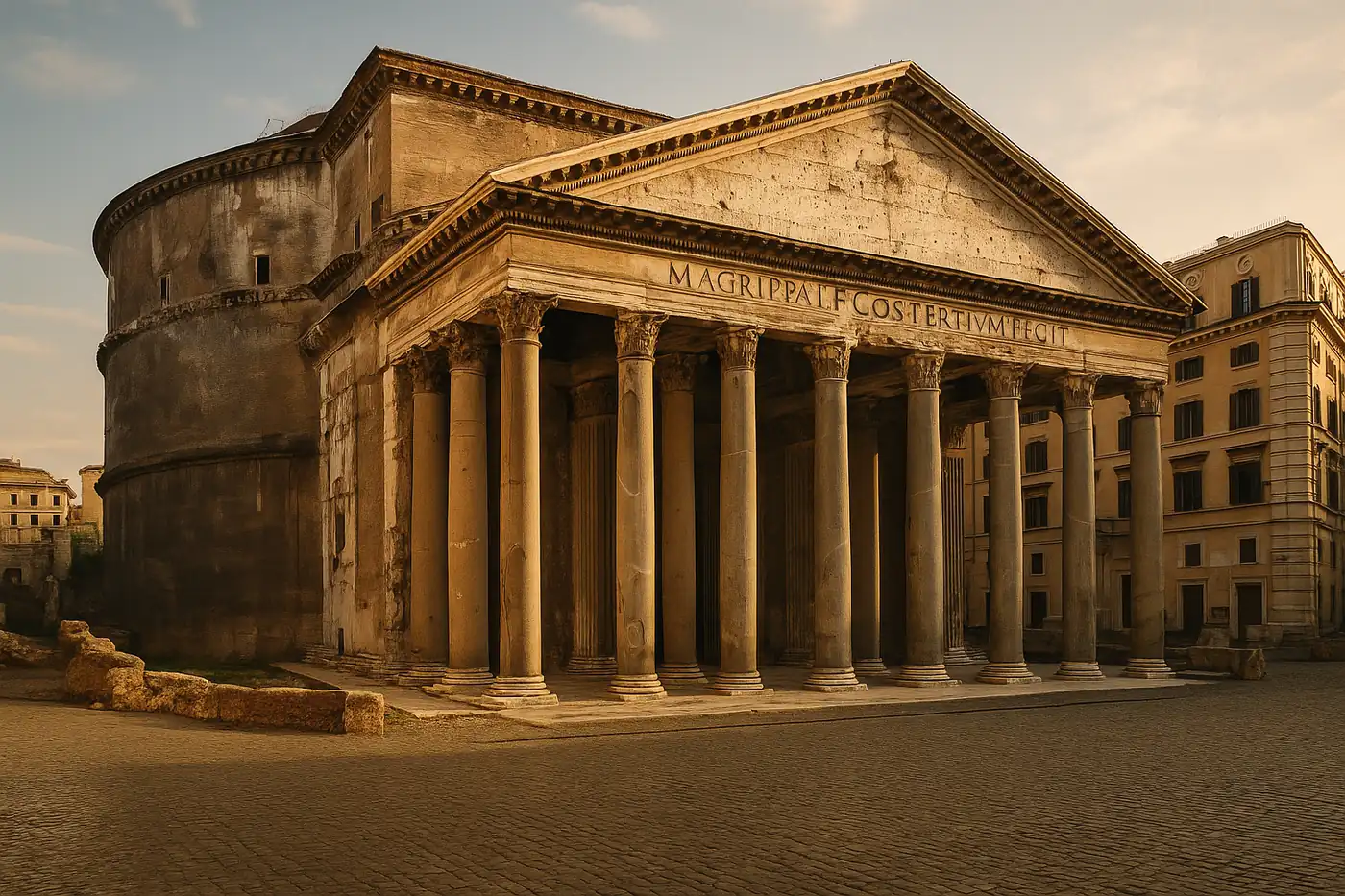
Pantheon Rome: Ultimate Guide to Rome's Best-Preserved Ancient Temple
Roman EmpireMaster your Pantheon visit with history, dome engineering secrets, visiting tips, skip-the-line opti...