Quick Info
Curated Experiences
Saklikent Day Trip From Fethiye
Private Fethiye Region Ancient Cities Tour
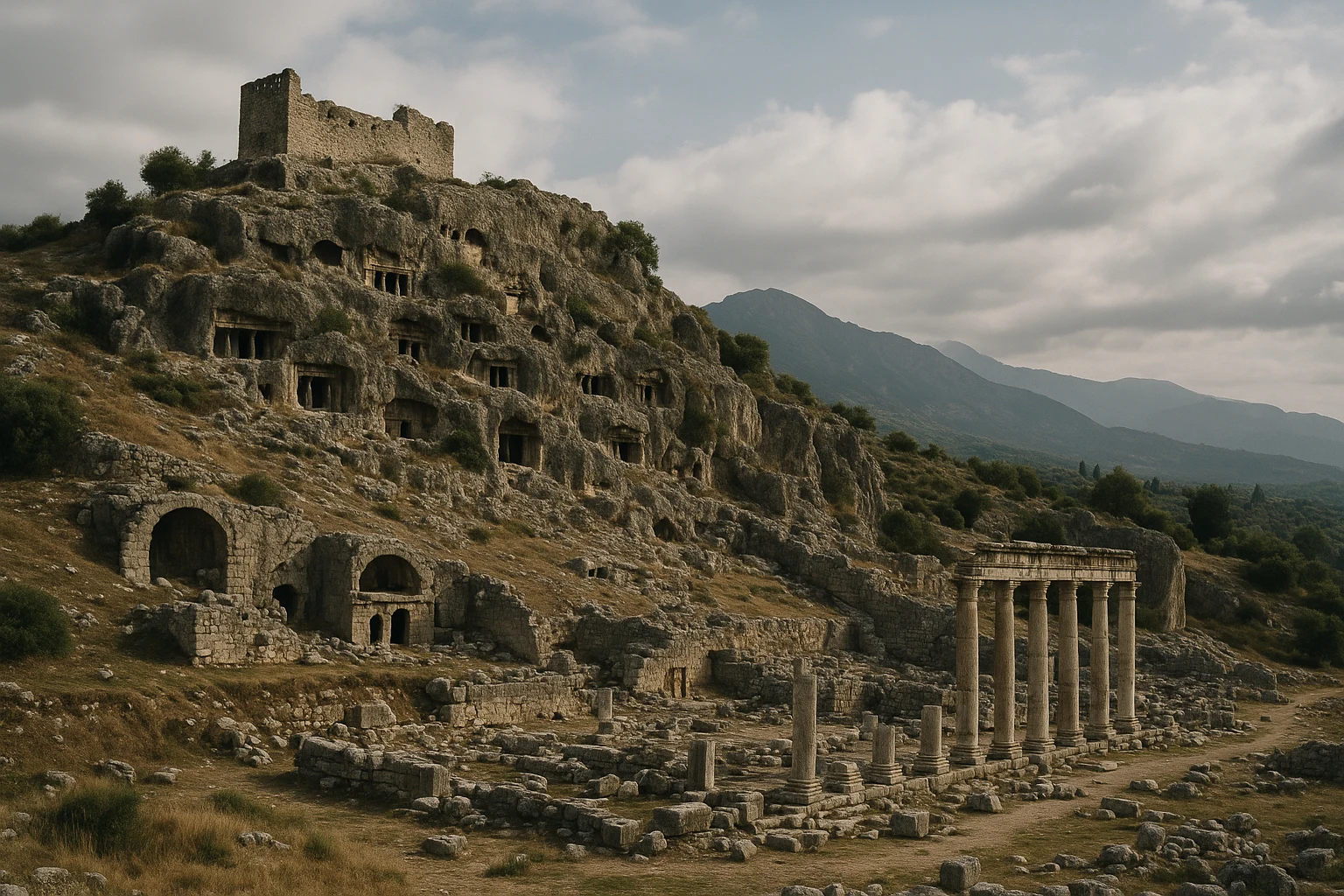
A ruined city does not always announce itself with one grand monument. Sometimes it unfolds in layers, and Tlos in Turkey is exactly that kind of place: a mountainside archive where Lycian cliff tombs, Roman civic architecture, Byzantine rebuilding, and a later fortress all stack one above another on the same rocky spine. The first impression is vertical. You look up and see tomb façades cut into the cliff, then higher again to defensive walls, then higher still to the acropolis crest where wind and silence replace traffic and beach-town chatter from the coast. For travelers based in Fethiye, Tlos offers something the shoreline cannot: deep time, clearly visible, in a single morning’s climb.
At Ancient Travels, we recommend Tlos as the inland counterpart to Lycia’s better-known coastal sites. It gives you context for the entire Xanthos Valley: how people defended routes between mountain and sea, how Roman administration repurposed older cities, and how later communities kept reoccupying strategic heights. This guide covers the site’s historical arc, the monuments worth your energy, practical transport from Fethiye, admission planning, seasonal strategy, and how to combine Tlos with Saklikent and nearby ruins for a richer day than any one stop can deliver alone.
History: A mountain stronghold across empires
Early Lycian foundations (c. 2nd millennium BCE-6th century BCE)
The hill of Tlos was occupied long before the city appears in classical texts, likely because it controls fertile valley land and overland routes between the interior highlands and the coast. By the first millennium BCE it had become an important center of Lycian culture, one of the region’s indigenous Anatolian civilizations with its own language, funerary customs, and political networks. The earliest visible identity of Tlos is funerary and defensive: tombs cut into steep rock and a fortified summit that makes clear this was both a home and a lookout. In Lycian terms, cities were rarely isolated monuments; they were territorial anchors, and Tlos anchored a productive agricultural basin.
Persian influence and Hellenistic transition (6th century BCE-1st century BCE)
Like other Lycian cities, Tlos passed through the wider orbit of the Achaemenid Persian Empire after the 6th century BCE, then into the Hellenistic world following Alexander’s campaigns. Political control shifted, but local traditions proved durable. The city absorbed Greek urban forms and public architecture while retaining distinctly Lycian funerary expression in its cliff tombs and elite memorial landscape. During the Hellenistic era, Tlos participated in broader regional realignments and eventually in the Lycian League, a federation famous in antiquity for balancing local autonomy with shared governance. That civic flexibility helped cities like Tlos adapt repeatedly rather than disappear after each imperial change.
Roman urban flourishing (1st century BCE-4th century CE)
Under Roman rule, Tlos expanded its public infrastructure and became more visibly urban in the Mediterranean sense. The remains you see today on lower terraces—stadium, baths, and civic structures—speak to that phase of investment. Roman authorities did not erase the older hilltop identity; they overbuilt around it, creating a city that functioned both as inherited Lycian center and as Roman provincial node. This blend is one reason Tlos feels unusually legible to modern visitors. You can read Lycian symbolism in the upper necropolis and Roman public life below, almost as if the city presents two biographies at once. The result is not a clean chronological handoff but an architectural conversation across centuries.
Byzantine continuity and medieval fortress life (4th century CE-15th century CE)
As the eastern Roman world transformed into Byzantine administration, Tlos remained occupied, though with changing priorities. Christian worship architecture and defensive reuse shaped the site in late antiquity and the medieval period. Urban life contracted in some zones and intensified in fortified areas, a pattern common across Anatolia during eras of shifting frontier pressure. The summit fortress that dominates the skyline today reflects long-term strategic logic rather than one single build date: successive communities repaired, modified, and reused defensible structures because the hill still commanded roads and valley access. Even when grand Roman civic life diminished, Tlos did not become irrelevant.
Archaeology and modern rediscovery (19th century CE-present)
European travelers documented Tlos in the 19th century as part of expanding antiquarian interest in Lycia, but systematic archaeological work and regional conservation came later in stages. Modern scholarship treats Tlos not merely as an isolated ruin but as a key component of the Xanthos Valley cultural landscape. Ongoing study has focused on settlement sequence, funerary architecture, and the interplay between Lycian and Roman urban forms. For visitors now, the site remains partly excavated and partly interpretive terrain; that incompleteness is part of its character. You are walking through an active historical puzzle where erosion, restoration, and research continue to reshape what can be read in stone.
The Key Monuments: What to See at Tlos
The Lycian rock-cut tombs
The most iconic image of Tlos is the band of rock-cut Lycian tombs carved high into the cliff face above the lower city. These façades imitate wooden house fronts translated into stone, a Lycian funerary language that combines domestic familiarity with elite permanence. Their elevation is practical and symbolic at once: the tombs are protected from casual disturbance, but they are also staged for visibility, looking outward across valley approaches. On clear mornings, side light defines the carved frames and recesses, making details far easier to read than at midday. Photography tip: use a medium zoom from lower terraces rather than rushing uphill; the tombs photograph best when contextualized against the entire slope.
The Roman stadium
Tlos’s Roman stadium stretches along the hillside in a way that immediately tells you the builders worked with terrain instead of flattening it completely. Although partially ruined, the elongated seating and retaining structures still communicate capacity and civic ambition. Stadiums in Roman Anatolia hosted more than athletics; they were social theaters where identity, patronage, and imperial belonging were performed in public. At Tlos, the stadium’s survival beside older Lycian funerary features highlights the city’s layered identity rather than a complete Roman replacement. Spend a few minutes at both ends of the structure to appreciate the gradient and sightlines. You will understand why engineers chose this orientation and how spectators experienced movement through the venue.
The baths and lower civic terraces
The Roman baths and surrounding lower terraces reveal the practical machinery of urban life: water management, heated rooms, and circulation between social and sanitary spaces. Even when wall heights are modest, the footprint and masonry transitions make the complex readable, especially if you look for room sequencing instead of isolated walls. Baths in provincial cities were not luxuries for a narrow elite; they were civic infrastructure, places where administration, social routine, and public hygiene overlapped. At Tlos, the baths also ground your visit physically before the climb to upper zones. Start here, orient yourself in the Roman layer, then ascend with that context in mind. Photography tip: wide-angle shots late in the day capture masonry texture without flattening depth.
The acropolis and fortress
The hilltop acropolis fortress is the emotional high point of Tlos, both literally and interpretively. From below it can seem like a single medieval castle, but up close you see a palimpsest: reused blocks, patched walls, and construction episodes from different periods responding to the same tactical geography. The summit commands the Xanthos Valley and surrounding ridges, making clear why this ridge remained valuable for so long. Wind exposure is strong on many days, and paths can be uneven, so pace yourself on ascent. Once at the top, pause before taking photos. The panoramic view is not just scenic; it explains the city’s logic. Tlos survives in layers because this position kept mattering.
The necropolis landscape and hillside circulation
Beyond individual monuments, one of Tlos’s most important features is the overall circulation between funerary, civic, and defensive zones. The necropolis is not detached from daily life by modern standards of zoning; it is integrated into the city’s vertical choreography. You move from baths and stadium through paths that frame tomb façades, then onward to fortified heights, tracing a lived relationship between memory, public life, and security. Many visitors underestimate this and treat Tlos as separate photo stops. Resist that temptation. Walk it as a sequence, and the site becomes a coherent story rather than scattered ruins. Photography tip: include people at a distance in frame to show scale against cliff-cut tomb architecture.
Getting There: Transportation and Access
Tlos is straightforward from Fethiye if you pre-plan your return, but it feels remote once you leave the coast, so transport decisions shape the entire day.
From central Fethiye
The inland route from Fethiye to Tlos typically takes 45-60 minutes depending on traffic and your exact starting point.
- Taxi: Usually 1,300-2,000 TRY ($40-62 USD) one way depending on season, waiting time, and negotiation; fastest option door-to-door.
- Private driver/tour transfer: Often 2,800-4,500 TRY ($87-140 USD) for a half or full day with multiple stops (Tlos, Saklikent, Yakapark), usually best value for two or more travelers.
- Dolmuş + local transfer: Budget-friendly but slower and less predictable; expect 120-250 TRY ($4-8 USD) total per person with transfers and potential waits.
- Rental car: Daily rentals in Fethiye commonly start around 1,300-2,200 TRY ($40-68 USD) in shoulder season, higher in summer; gives maximum flexibility.
From Dalaman Airport
If you are arriving and heading inland directly, Dalaman to Tlos is generally around 70-90 minutes by road.
- Airport taxi/private transfer: Around 2,600-4,200 TRY ($81-131 USD) depending on vehicle and timing.
- Shuttle to Fethiye + onward taxi: Lower cost but adds complexity and waiting time.
- Rental car from airport: Practical if you plan multiple archaeological stops over several days; roads are generally manageable.
Practical Information
Admission and Hours
Admission is charged at the gate in Turkish lira, and posted prices can change, so always verify the current board on arrival. Many travelers use a regional museum pass strategy when visiting multiple sites in southwestern Turkey; if valid during your travel dates, it can significantly reduce per-site cost. Typical opening windows run roughly from morning into early evening, with longer daylight-season access and shorter winter closing times. Card payment is often available but not guaranteed, so carry backup cash. The best on-site conditions are usually early morning for cooler air and side light on the tombs, or late afternoon for softer color on upper stonework.
What to bring
- Sun protection: Upper slopes are exposed, with limited consistent shade.
- Water: Bring at least 1 liter per person in warm months.
- Footwear: Closed, grippy shoes are important on uneven stone and dusty inclines.
- Light layer: Wind can be stronger at the summit than at the base.
- Cash backup: Useful if payment terminals are down.
Dress code and etiquette
Tlos is an archaeological site rather than an active religious complex, so dress is generally casual, but respectful travel norms still apply in nearby villages. Avoid climbing on fragile masonry or entering restricted areas for photos. Drone use may be regulated; check local rules before launch.
Accessibility
Lower Roman areas are the most accessible portions, though still uneven in places. The ascent toward upper tomb viewpoints and fortress sections involves steep gradients and rough surfaces that can be difficult for travelers with mobility limitations. If accessibility is a priority, plan a partial visit focused on lower terraces and selected viewpoints.
When to Visit: Seasonal Considerations
Spring (March-May)
Spring is the most balanced season for Tlos, typically around 15-27°C (59-81°F) depending on month and elevation. Hillside vegetation softens the stone palette, and visibility is often excellent after winter rains. Crowds are moderate, with tour groups but fewer peak-coast vacation surges. This is the easiest season for a full climb without heat stress, especially if you start before 10:00 AM.
Summer (June-August)
Summer brings long daylight and clear skies, but temperatures frequently reach 30-38°C (86-100°F) by midday. Crowd levels increase due to coastal tourism, particularly on combined Saklikent routes. Heat reflection from stone and low shade on upper paths make timing critical. Visit as early as possible, carry extra water, and keep summit time short during peak afternoon heat.
Autumn (September-November)
Autumn often feels ideal for travelers who want warmth without midsummer intensity, commonly 18-30°C (64-86°F) in early autumn and cooler later. Sea-season crowds taper while inland conditions remain pleasant for longer walks and detailed viewing. Light quality is excellent in late afternoon, with softer contrast on cliff tomb façades. For many visitors, this is the best compromise between comfort and access.
Winter (December-February)
Winter is the quietest season, usually around 8-17°C (46-63°F), with occasional rain and cooler winds at the summit. The lower visitor volume means calmer photography windows and a more contemplative site experience. Some days can be slippery on exposed stone, so footwear matters more than usual. If you do not mind variable weather, winter rewards you with space and atmosphere.
Combining Tlos with Fethiye and the upper Xanthos Valley
Tlos works best as part of an inland circuit rather than a standalone dash. The smoothest sequence from Fethiye is to depart by 8:00 AM, arrive at Tlos around 9:00 AM, and spend the first two hours moving from the lower Roman terraces up toward the fortress before heat builds. By 11:15 AM, continue to Saklikent Gorge, where cooler canyon air offers a dramatic environmental contrast to Tlos’s exposed stone slopes. Depending on season and water levels, you can walk selected sections of the gorge, then pause for lunch near the riverside platforms that line the approach road.
By 2:30 PM, many travelers continue to Yakapark for a brief stop among shaded springs, then return toward Fethiye by late afternoon. This full loop usually runs 8-10 hours including transport and meals. If you prefer a slower archaeology day, replace one natural stop with extra time at Tlos and a second historical site such as Letoon or Xanthos. In that version, leave Fethiye at 7:30 AM, finish Tlos by 10:30 AM, reach Letoon before 11:30 AM, then have lunch in the valley before exploring Xanthos in the afternoon. The combined historical sequence clarifies Lycian religious, civic, and funerary systems far better than any single site can on its own.
For travelers with limited time, a focused half-day still works: Tlos in the morning, lunch back in Fethiye’s Paspatur area by early afternoon. But if your schedule allows one full inland day, the Tlos-Saklikent route provides the best mix of archaeology, landscape, and practical pacing.
Why Tlos Matters
Tlos matters because it refuses the tidy story of a single empire. It is not “Lycian then Roman then Byzantine” in neat museum sequence; it is all of those at once, still physically interlocked on one mountain flank. You see tombs above stadium walls, fortress repairs over earlier stone, and path networks that make sense only when you imagine generations adapting rather than replacing. That continuity is the real lesson of Anatolian archaeology: strategic places keep being reused, and each era leaves enough behind for the next to inherit.
For travelers, Tlos also recalibrates scale. Along the coast, ancient sites can blur into postcard fragments. Here, the climb restores proportion. You feel distance, elevation, exposure, and the reason people chose this ridge in the first place. Stand on the upper walls in late light and the valley opens beneath you like a map of recurring human decisions—where to settle, where to defend, where to remember the dead. That is why Tlos stays with you long after the drive back to Fethiye.
Quick Facts
| Attribute | Details |
|---|---|
| Location | Yaka area, Seydikemer district, Muğla, Turkey |
| Ancient Name | Tlos (Lycian: Tlawa) |
| UNESCO Status | Included within the UNESCO-listed Xanthos-Letoon cultural landscape context (1988 listing for Xanthos-Letoon) |
| Established | c. 2nd millennium BCE settlement |
| Distance from nearest hub | ~42 km from Fethiye (45-60 minutes by road) |
| Entry Fee | Charged in TRY at gate; check current posted rate |
| Hours | Typically morning to early evening; seasonal variation |
| Best Time | Spring and autumn mornings |
| Suggested Stay | 2-3 hours on site; full day with Saklikent circuit |
| Key Highlights | Lycian tombs, Roman stadium and baths, hilltop fortress views |
Explore More Turkey
- Kayaköy: A haunting abandoned hillside settlement near Fethiye with Ottoman-era and modern historical layers.
- Patara: Major Lycian city with monumental ruins, long beach landscapes, and deep civic history.
- Letoon: Lycian religious sanctuary central to understanding regional cult life and inscriptions.
- Xanthos: The political heart of ancient Lycia and an essential companion to Tlos.
Plan your full route through southwestern Anatolia with our Turkey Ancient Sites Guide. For route planning, read our How to Plan an Archaeology Road Trip in Turkey.
Frequently Asked Questions
How much time should I plan for Tlos?
Plan 2-3 hours on site if you want to climb from the lower Roman remains up to the acropolis and fortress viewpoints. Add another hour if you like slow photography stops or careful reading of architectural details. If you combine Tlos with Saklikent Gorge and Yakapark, the day naturally becomes a full 8-10 hour outing from Fethiye.
What is the best time of day to visit Tlos?
The best window is early morning, roughly 8:30-10:30 AM, when temperatures are cooler and the light catches the tomb façades from the side. Late afternoon can also be beautiful, but summer heat lingers on the exposed slopes. Midday in July and August is the least comfortable period because shade is limited at the upper ruins.
How much are tickets to Tlos, and is there a pass?
Entry is typically charged in Turkish lira at the gate, and prices can change seasonally, so check the current posted board before paying. The Türkiye Museum Pass often covers major archaeological sites in the region and can reduce costs if you are visiting multiple ruins in a few days. Bring both a card and some cash in case the terminal is offline.
How do I get to Tlos from Fethiye without a car?
The most practical no-car option is a taxi or pre-booked driver from central Fethiye, which is faster and simpler than piecing together village transport. Some day tours also include Tlos as part of a Saklikent route. Public dolmuş links can work with transfers, but service frequency is limited and return timing is less predictable.
What are the highlights at Tlos?
The standout features are the Lycian rock-cut tombs high on the slope, the Roman stadium and baths on the lower terraces, and the hilltop fortress with wide valley views. You also pass later Byzantine and Ottoman layers that show how long this hill remained strategically important. Tlos is unusual because you can read two thousand years of urban adaptation in a single uphill walk.
Is Tlos suitable for families and older travelers?
Yes, but terrain matters: lower areas are easier, while upper sections involve steep, uneven paths and loose stone. Families with children can still enjoy the site by focusing on the lower Roman remains and selected viewpoints. For older travelers, sturdy shoes, water, and a slower pace make the visit far more comfortable.
Nearby Ancient Sites
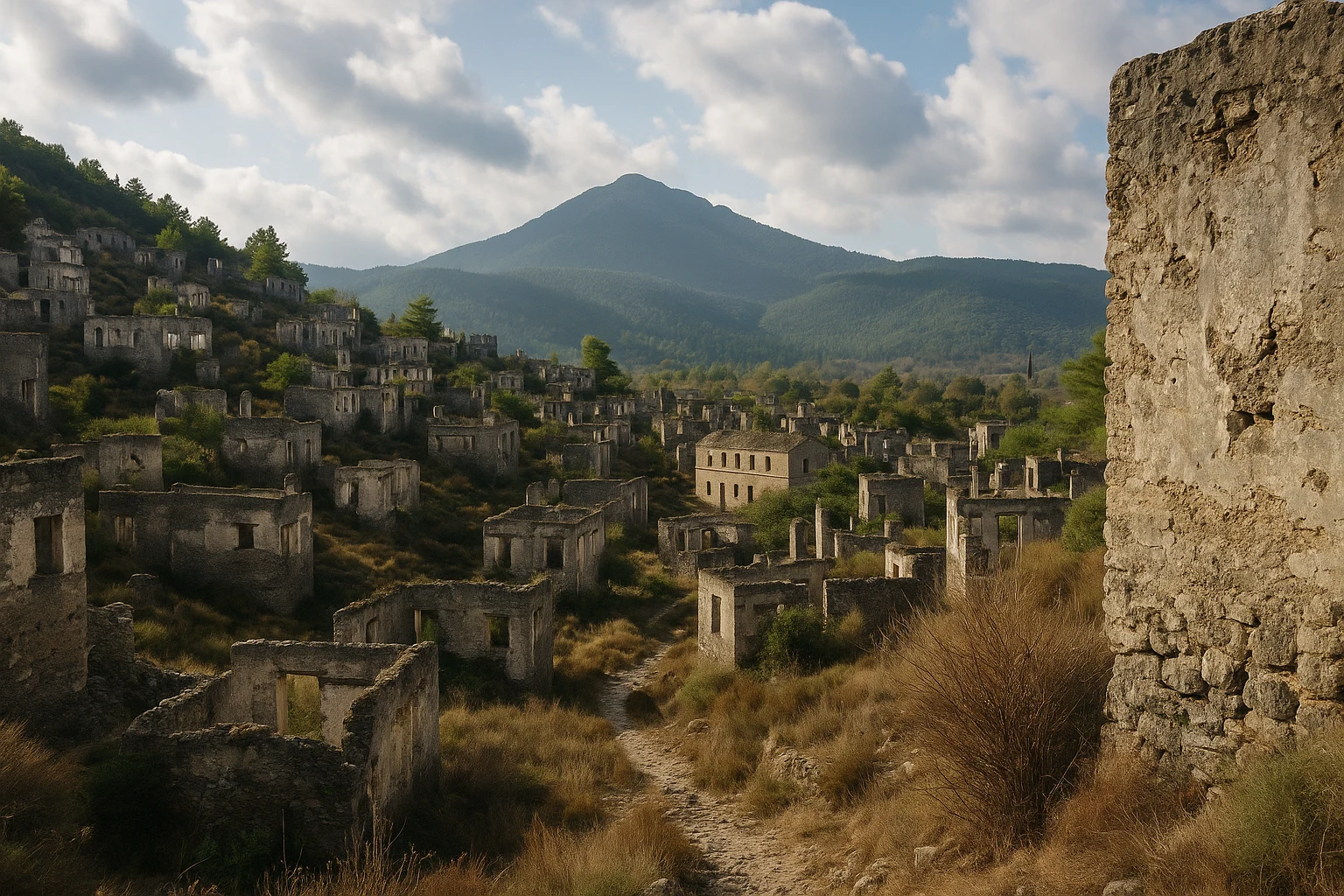
Kayakoy Turkey Guide 2026: Ghost Village of Stone Houses
Lycian-Byzantine-Greek-Ottoman-Turkish RepublicExplore Kayakoy in Turkey, an abandoned Greek village near Fethiye with roofless churches, hillside ...
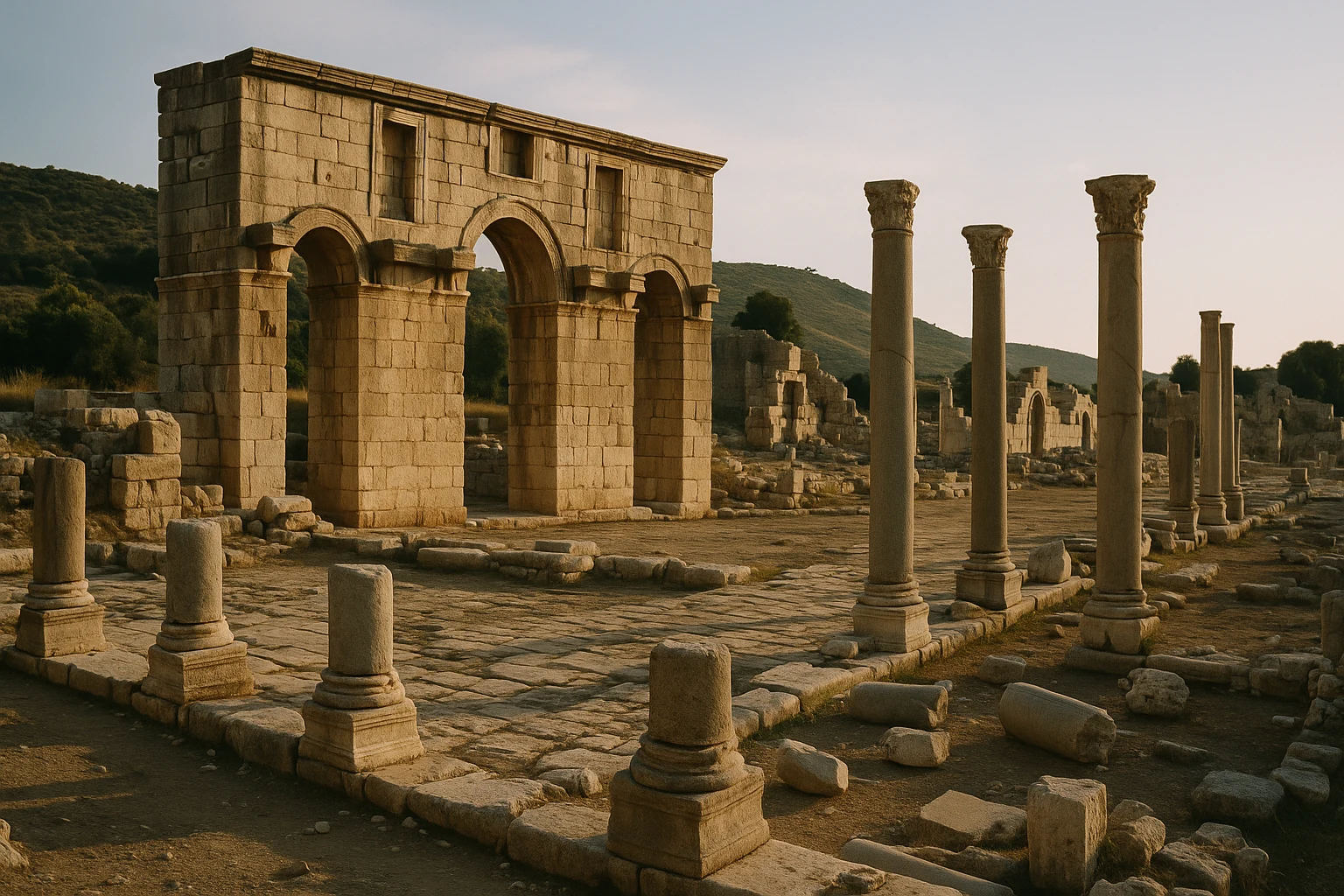
Patara Turkey Guide 2026: Lycian Capital & Roman Granary
Lycian-Hellenistic-Roman-ByzantinePlan your Patara, Turkey visit: explore Lycian and Roman ruins, climb the theater, and pair the site...
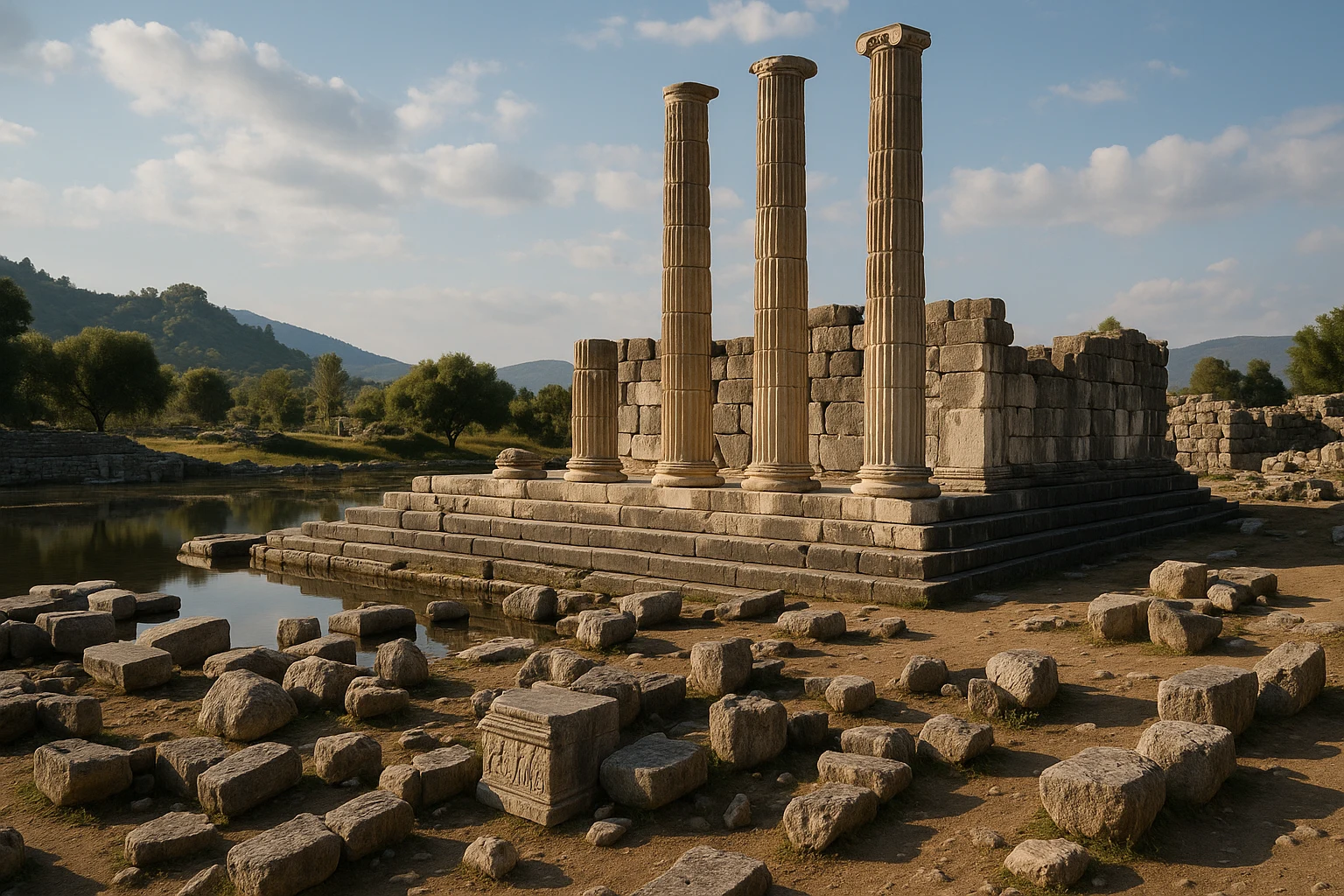
Letoon Turkey Guide 2026: Lycian Sanctuary & Temple Triad
Lycian-Hellenistic-Roman-ByzantinePlan your Letoon, Turkey visit to see the Lycian sanctuary of Leto, Artemis, and Apollo, with transp...
Kekova Turkey Guide 2026: Sunken City & Simena Castle
Lycian-Roman-Byzantine-OttomanPlan a full-day Kekova, Turkey visit with Sunken City boat routes, Simena Castle, transport from Kaş...